Artwork
Diane et Endymion
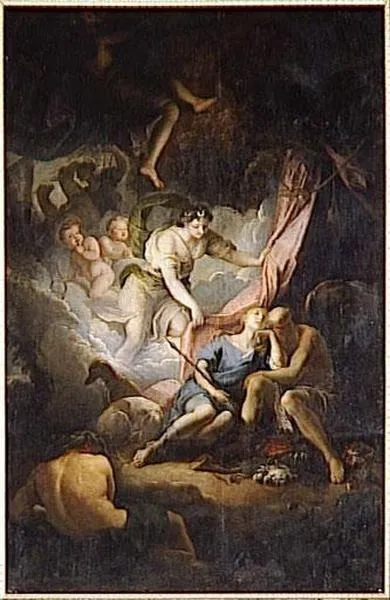
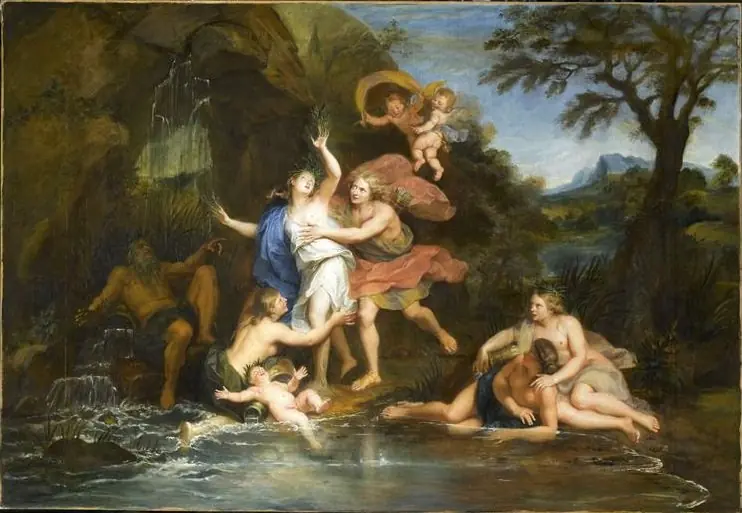
Diane et Endymion is an oil painting by the French Classical Baroque artist Gabriel Blanchard. It dates from 1672 and is held in the collection of the Palace of Versailles. Created in 1672, this oil on canvas presents a mythological encounter between the goddess Diana and the sleeping shepherd Endymion.
About this work
Overview
Created in 1672, this oil on canvas presents a mythological encounter between the goddess Diana and the sleeping shepherd Endymion. Executed in the French Classical Baroque idiom, the work now resides in the collection of the Palace of Versailles.
Subject & Meaning
The composition illustrates the moment when Diana, the huntress deity, discovers Endymason the hill, a figure famed for his perpetual slumber. Their juxtaposition—her luminous white robe against his muted attire—highlights the contrast between divine vigilance and mortal repose.
Technique & Style
Blanchard employs strong chiaroscuro, allowing the dark, earth‑toned background to recede while the central figures emerge in sharp relief. The red drapery on the male figure provides a vivid accent, and a host of cherubic forms and billowing clouds frame the scene, reinforcing the Baroque emphasis on movement and drama.
History & Provenance
Born in Paris in 1630, Gabriel Blanchard was the son of painter Jacques Blanchard and a pupil of his uncle Jean‑Baptiste Blanchard. He later held senior positions within the French Academy, including keeper of the royal collection and treasurer in 1699, before the painting entered the Versailles holdings.
Context
The work reflects the 17th‑century French court’s fascination with classical mythology as a vehicle for moral and allegorical themes. Its stylistic traits align with the broader Classical Baroque movement that sought to combine rigorous composition with expressive lighting.
Artist & collection

Artist
Gabriel Blanchard, known as Blanchard Le Neveu, (1630 in Paris, France – 1704) the only son of Jacques Blanchard, was born in Paris in 1630, and studied under his uncle, Jean Baptiste Blanchard.

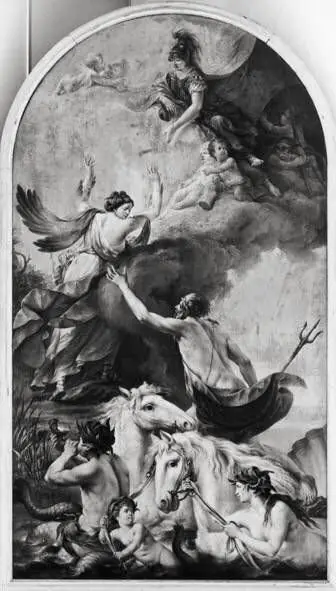 Neptun und Koronis
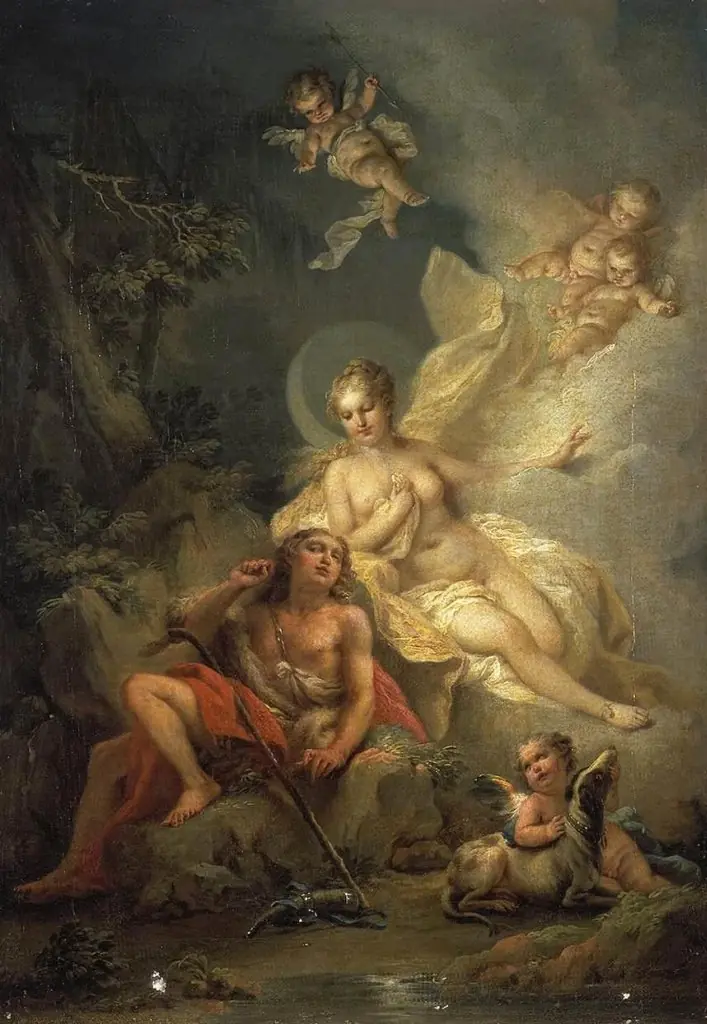 Diana and Endymion
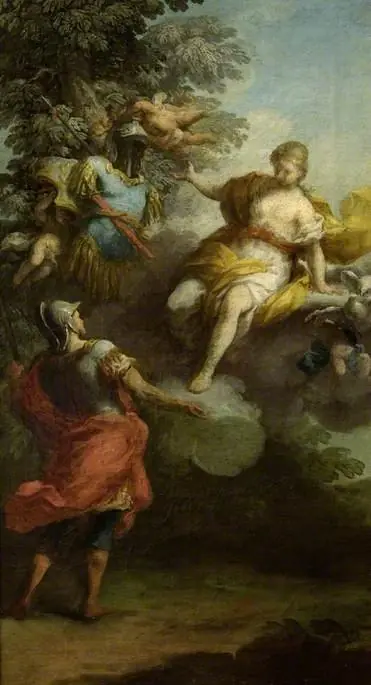 Venus giving arms to Aeneas
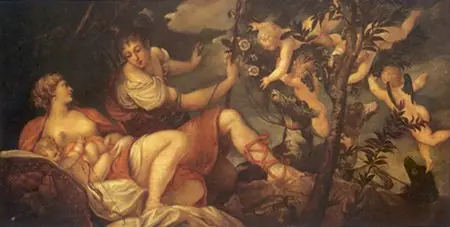 Diana and Endymion or Venus and Adonis
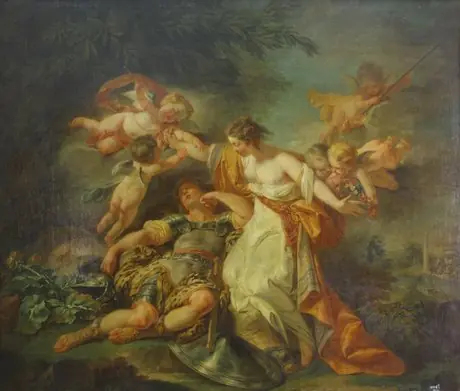 Rinaldo and Armida
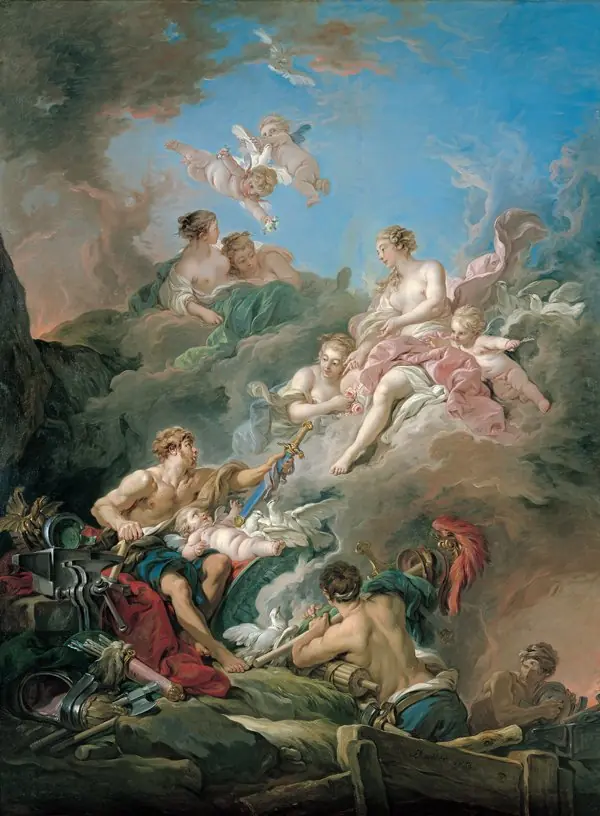 Venus at Vulcan's Forge
 The Apotheosis of Saint Charles Borromeo
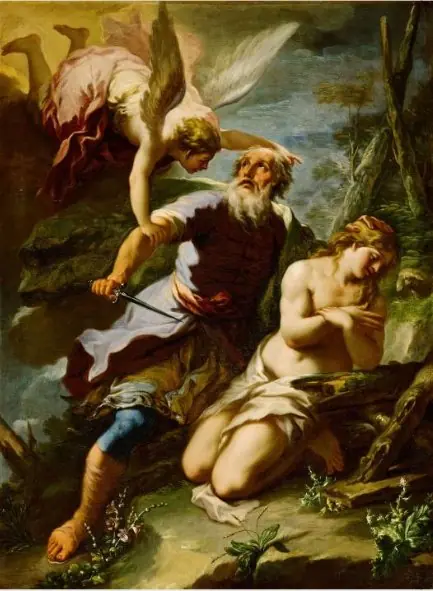 Isaac's offering
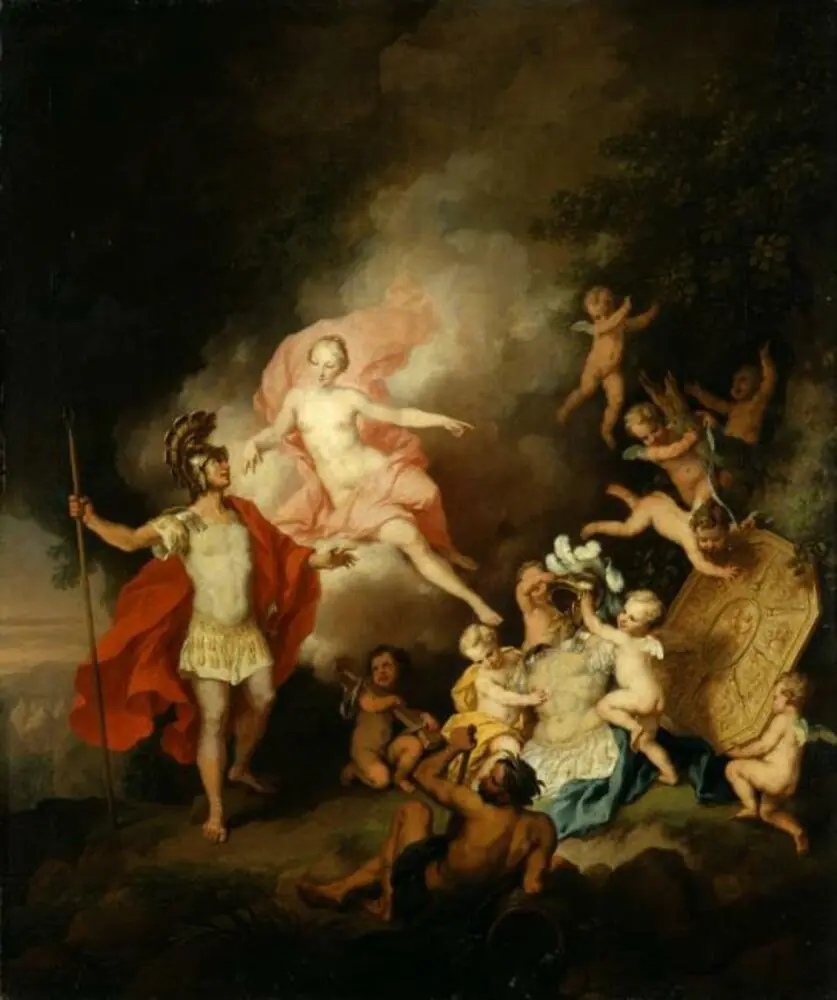 Venus hands over to Aeneas the armour forged by Vulcan
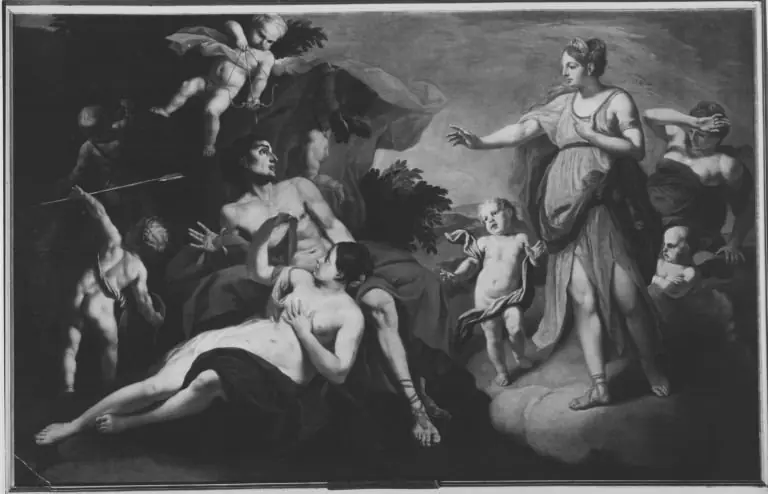 Fehltritt der Kallisto
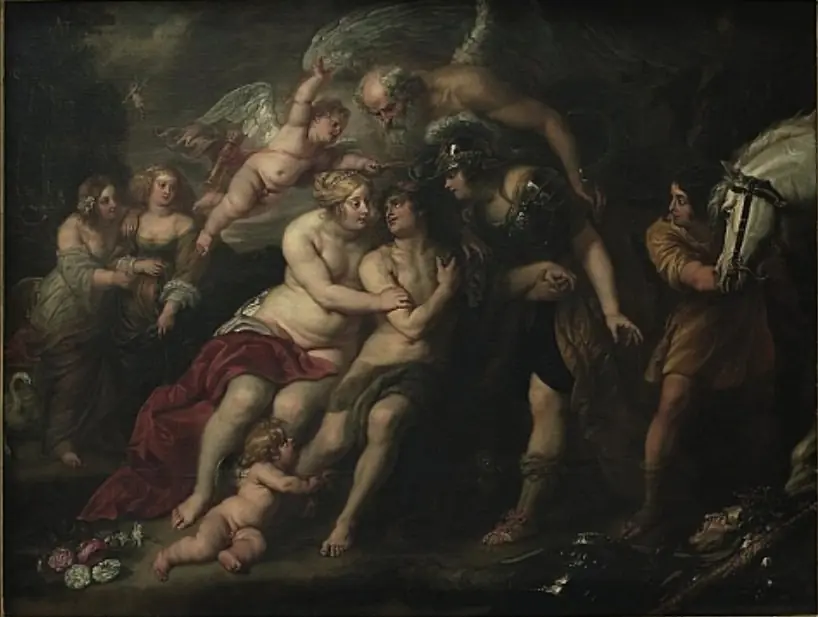 Hercules between Vice and Virtue
 Apollo and Daphne