Artwork
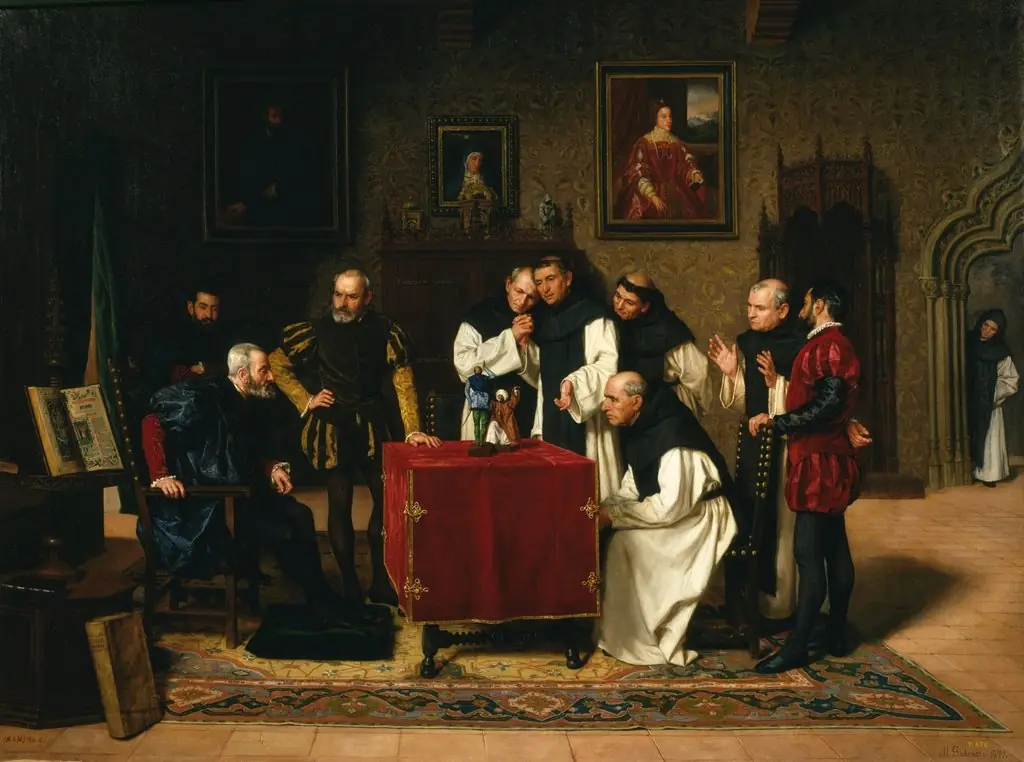
Carlos V recibe en Yuste la visita de San Francisco de Borja
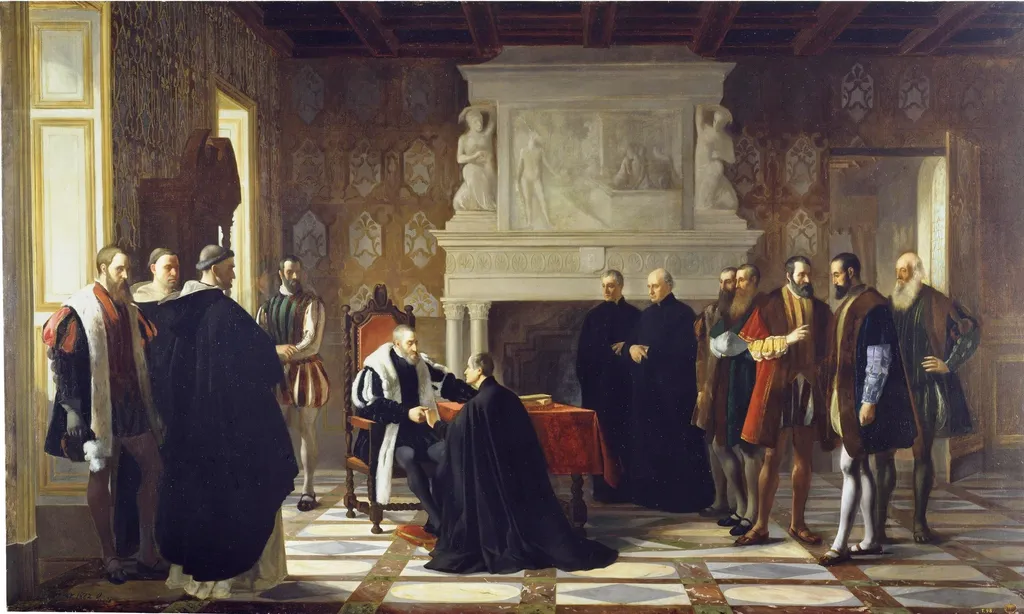
Carlos V recibe en Yuste la visita de San Francisco de Borja is an oil painting by the Realist artist Joaquín María Herrer y Rodríguez. It dates from 1862 and is held in the collection of the Museo del Prado.
About this work
Overview
Painted in 1862 by Joaquín María Herrer y Rodríguez, this oil work depicts a historical moment at the Monastery of Yuste.
Painted in 1862 by Joaquín María Herrer y Rodríguez, this oil work depicts a historical moment at the Monastery of Yuste. It captures Emperor Charles V receiving a visit from Saint Francis Borgia, framed within a quiet, interior space. The painting belongs to the collection of the Museo del Prado in Madrid, where it remains as part of a 19th-century effort to visualize key moments in Spanish religious and imperial history.
Subject & Meaning
The scene portrays Emperor Charles V, retired and in declining health, being visited by Saint Francis Borgia, a Jesuit leader. The kneeling posture of Borgia signifies reverence, while Charles, seated at a table draped in red, appears contemplative. The moment reflects the convergence of imperial authority and spiritual guidance, emphasizing Charles’s turn toward piety in his final years, away from the burdens of rule.
Technique & Style
Herrer employs a detailed, academic style typical of mid-19th-century Spanish historic painting. Figures are rendered with precise drapery and facial expression, while the room’s architecture—high ceiling, ornate walls, and large window—adds spatial depth. Lighting is soft and directional, emphasizing the central figures against the muted tones of the interior, reinforcing the solemnity of the encounter.
History & Provenance
Commissioned in the context of 19th-century Spain’s renewed interest in its imperial and Catholic heritage, the painting entered the Museo del Prado shortly after its completion. It was likely intended to reinforce national identity through historical narrative. Its provenance remains unbroken since acquisition, with no record of public display beyond the museum’s permanent collection.
Context
Created during a period when European academies favored historical and religious themes, the painting aligns with Spain’s broader cultural project of reclaiming its Habsburg legacy. Charles V’s retreat to Yuste and his association with the Jesuits were well-documented, making the scene a resonant subject for artists seeking to merge political history with spiritual reflection.
Legacy
While not widely exhibited outside the Prado, the painting serves as a representative example of 19th-century Spanish historicism. It contributes to the visual record of Charles V’s later life and reflects how 1800s artists interpreted religious devotion within imperial narratives. Its significance lies in its documentation of cultural memory rather than artistic innovation.
Own this work as a print
Artist & collection
Artist
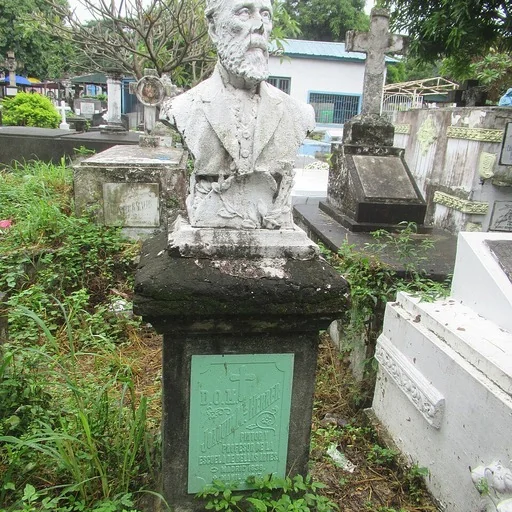
Joaquín María Herrer y Rodríguez
Joaquín María Herrer y Rodríguez (1840–1917) was an artist, born in Madrid.

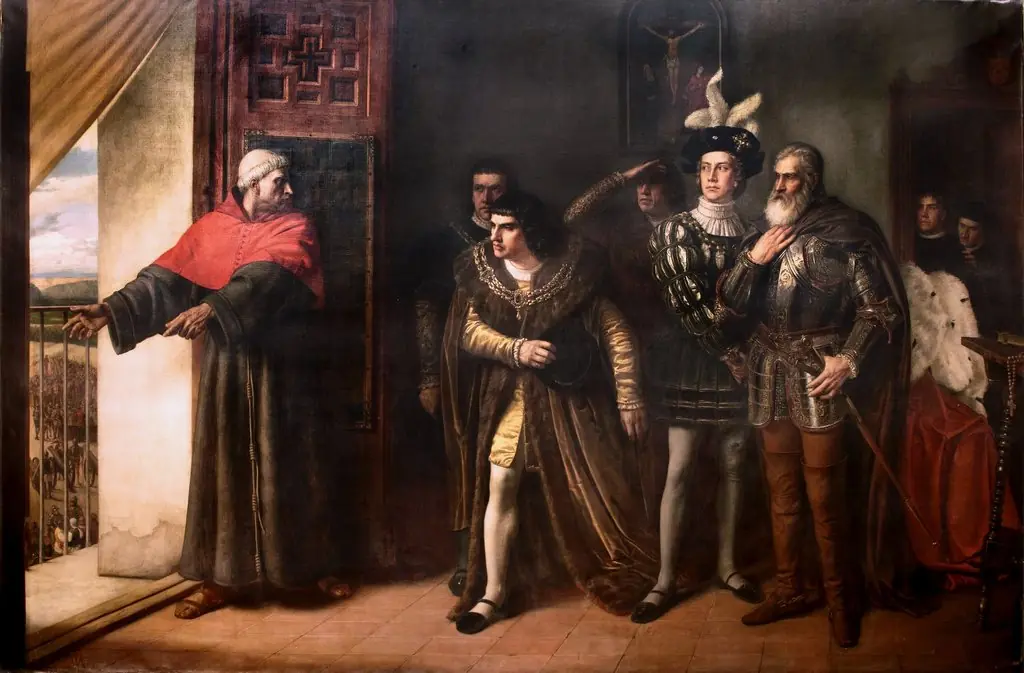 Cisneros y los Grandes
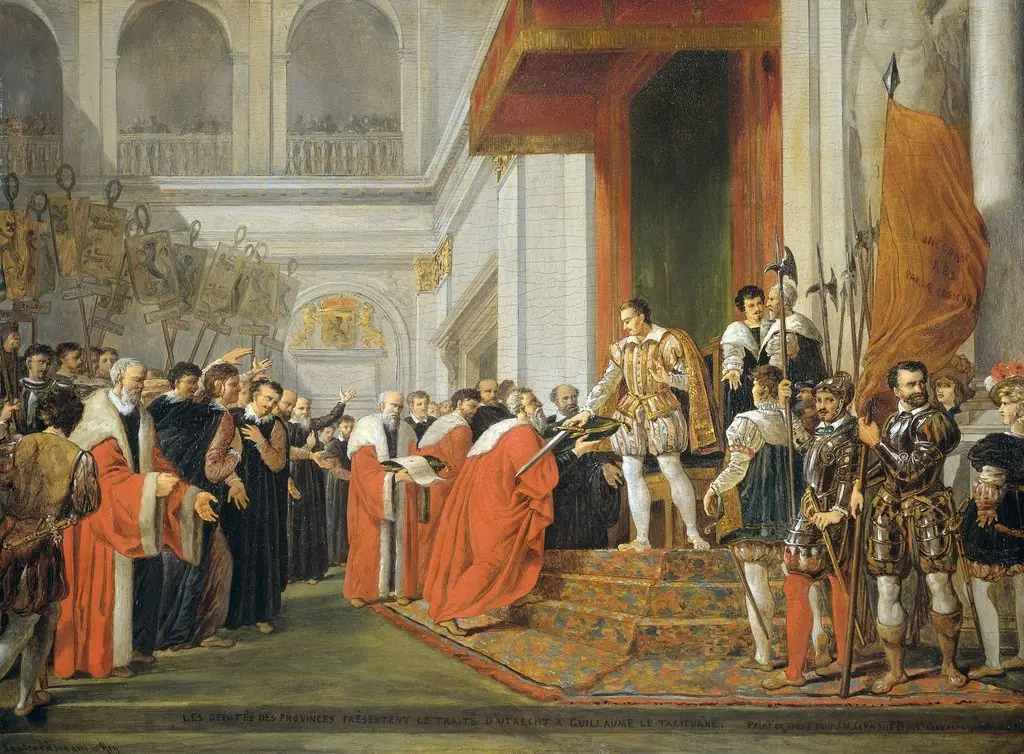 The Union of Utrecht
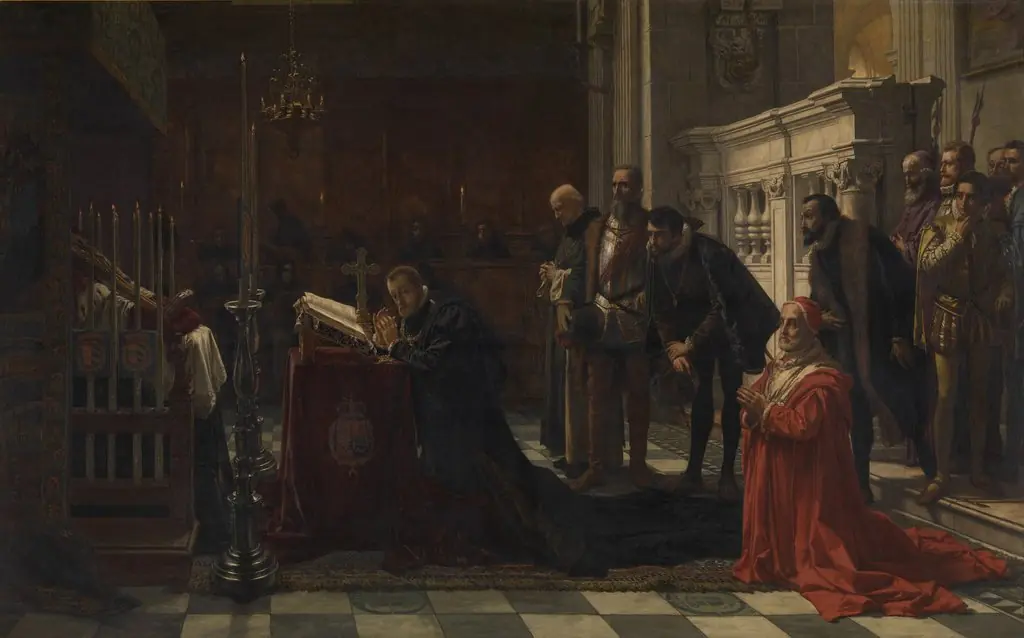 Philip II of Spain Honours Don John of Austria
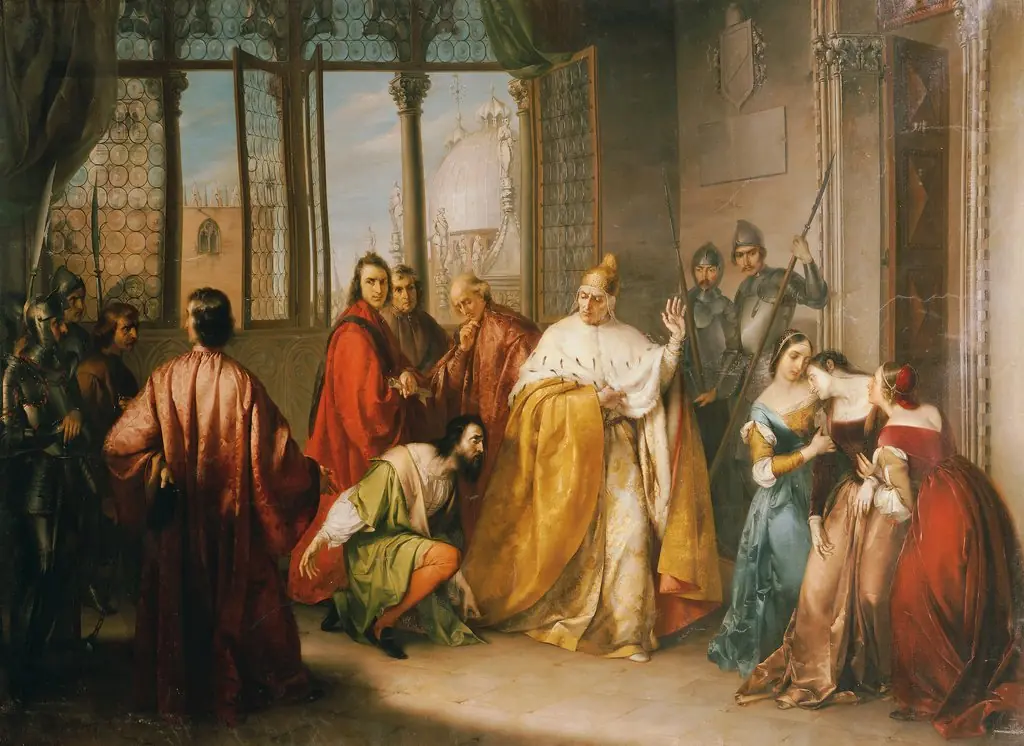 Der Doge Francesco Foscari schickt seinen Sohn Giacomo in die Verbannung ("I due Foscari")
 Charles V at Yuste
 Torcuato Tasso se retira al convento de San Onofre en el Janículo
 The Senate-Conservative receives the flags taken during the Austrian campaign, January 1, 1806
 Felipe II presidiendo un Auto de Fe
 Pope Pius VII in the Sistine Chapel
 En la sacristía. ¿Mamá por qué pega Jesús a ese hombre?
 Meeting of Francis I and Pope Clement VII in Marseilles on 13 October 1533
 La prisión de Lanuza