Artwork
En la sacristía. ¿Mamá por qué pega Jesús a ese hombre?
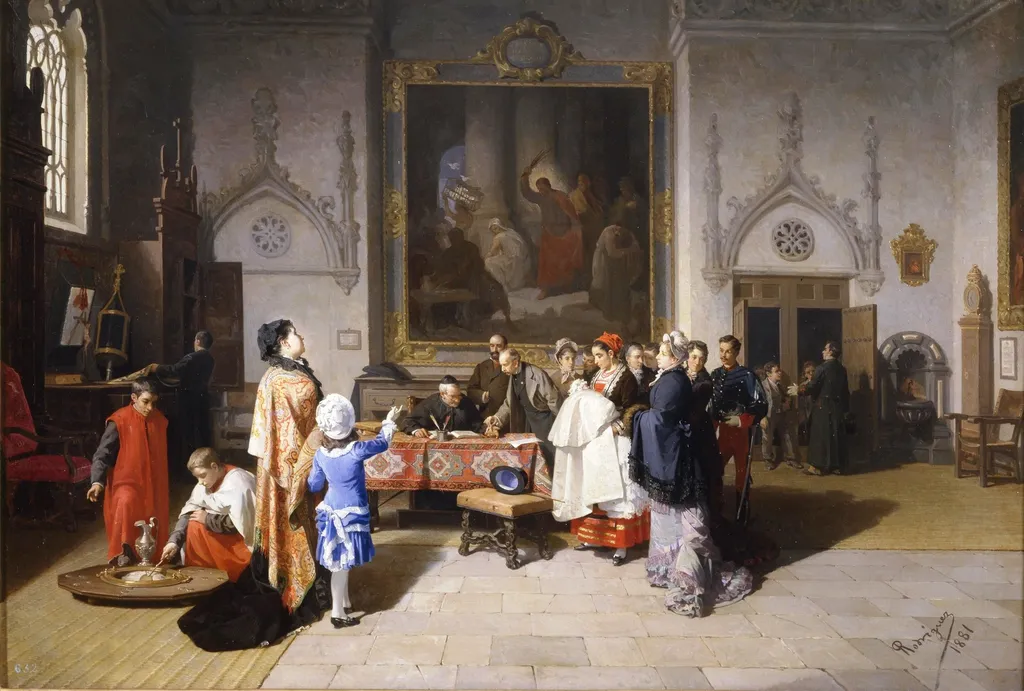
En la sacristía. ¿Mamá por qué pega Jesús a ese hombre? is an oil painting by the Post-Impressionist artist Pedro Rodríguez de la Torre. It dates from 1891 and is held in the collection of the Museo del Prado.
About this work
Overview
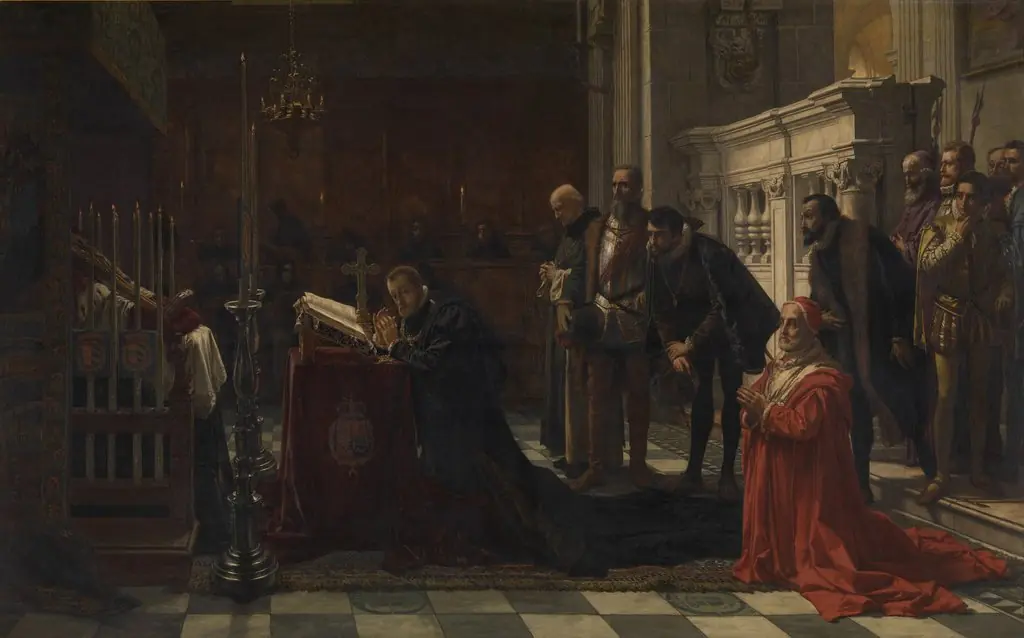
Pedro Rodríguez de la Torre’s oil on canvas, executed in 1891, is part of the Prado Museum’s collection. The work portrays an interior space filled with a sizable assembly gathered around a long table, rendered with meticulous attention to architectural and decorative detail.
Subject & Meaning
At the heart of the composition stands a woman in a brightly colored dress, drawing the viewer’s focus amid the formally attired men and women. The setting suggests a ceremonial or festive occasion, though the precise narrative remains ambiguous, inviting contemplation of the social dynamics within the gathering.
Technique & Style
Rodríguez de la Torre employs a controlled chiaroscuro, balancing illuminated surfaces with deeper shadows to model forms and convey depth. The brushwork is refined, especially in the rendering of fabrics and ornamental motifs on the walls and ceiling, reflecting a late‑19th‑century academic approach.
History & Provenance
Created in 1891, the painting entered the Museo del Prado’s holdings during the 20th century, where it has been displayed as part of the museum’s representation of Spanish genre painting from the period.
Context
The work aligns with a broader Spanish tradition of interior genre scenes that document social rituals and domestic spaces. Its detailed depiction of attire and décor offers insight into the aesthetic preferences and cultural customs of the era’s upper‑middle class.
Artist & collection
Artist
Pedro Rodríguez de la Torre (1847–1915) was an artist, born in Jaén.

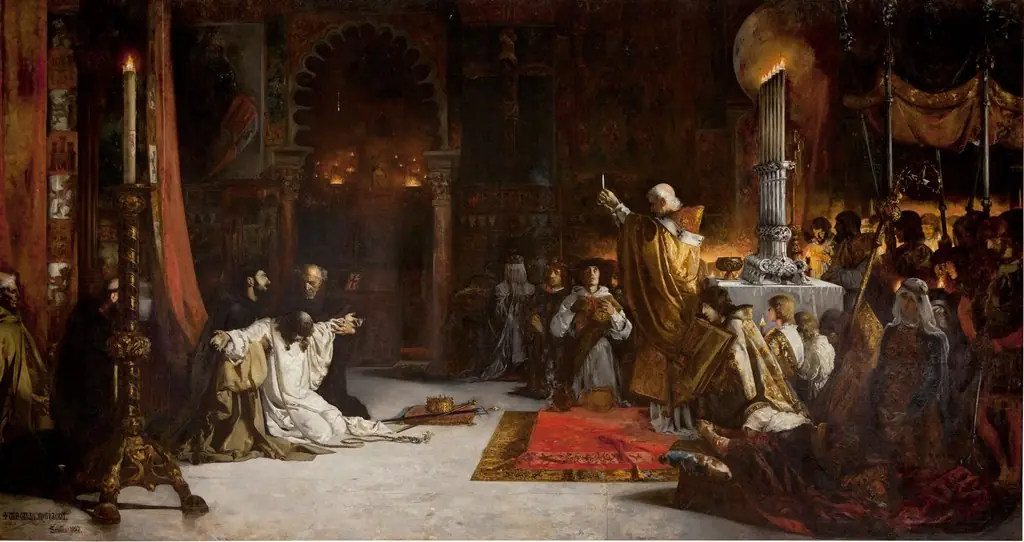 Las postrimerías de Fernando III el Santo
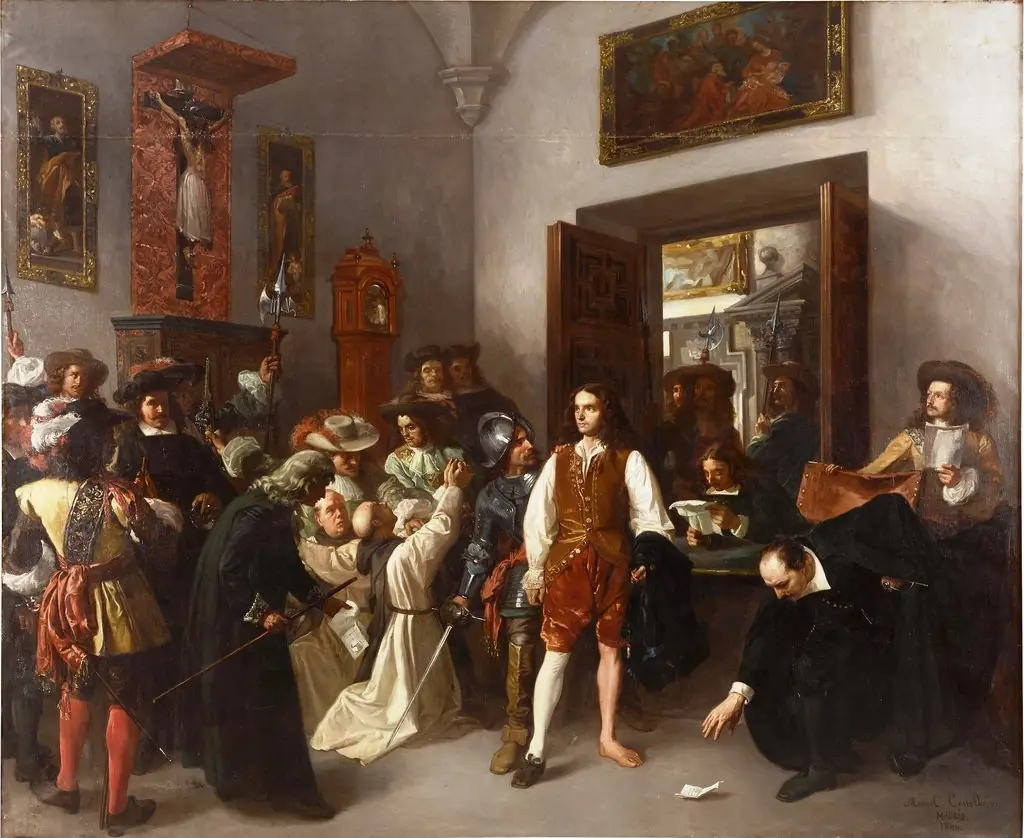 Prisión de don Fernando de Valenzuela
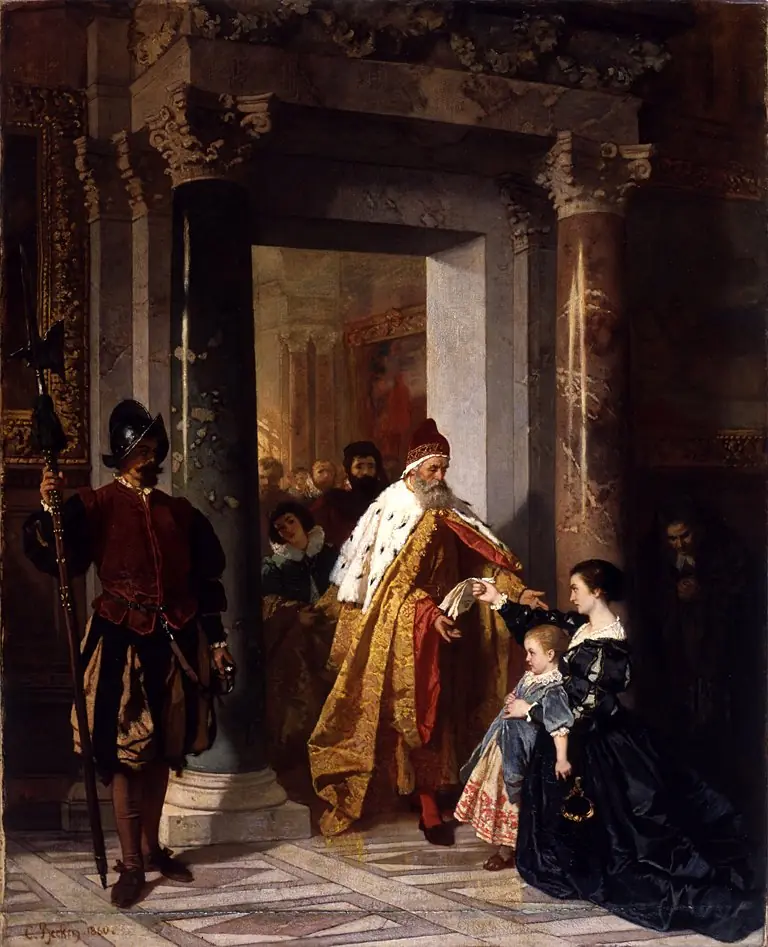 The Petition to the Doge
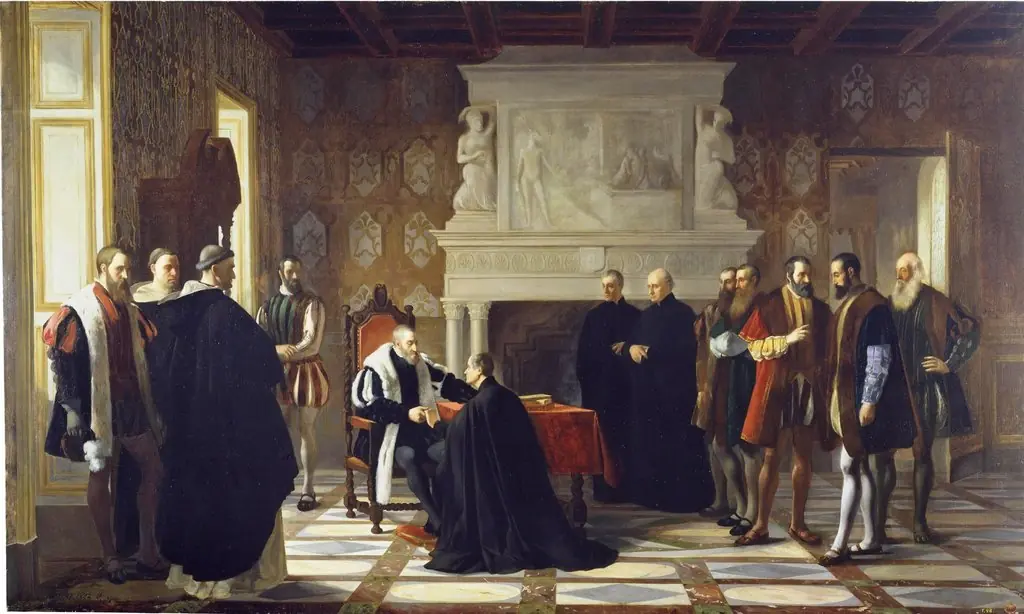 Carlos V recibe en Yuste la visita de San Francisco de Borja
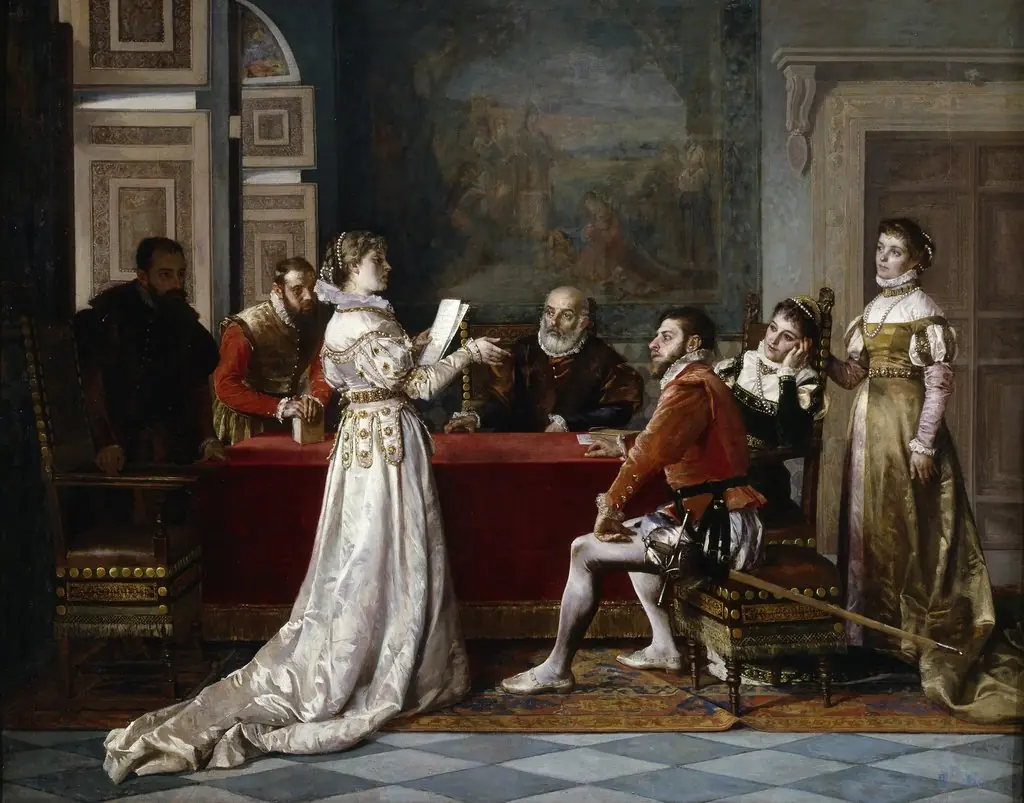 La poetisa
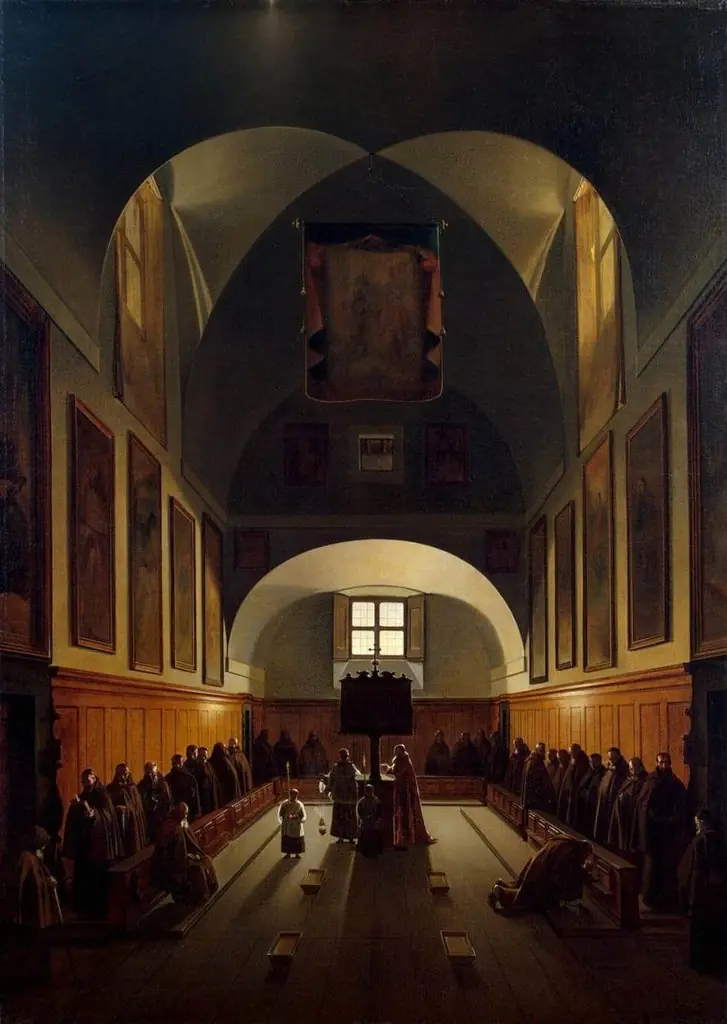 Interior of the Choir in the Capuchin Church on Piazza Barberini in Rome
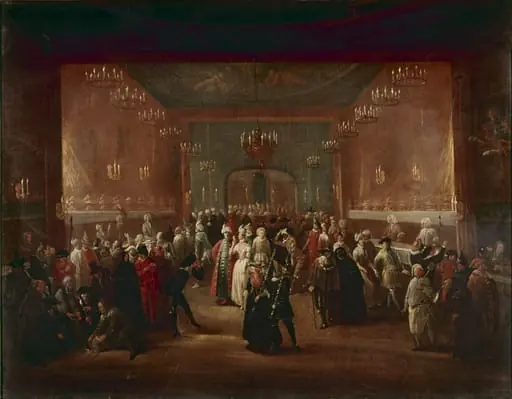 A Masquerade at the King's Theatre, Haymarket
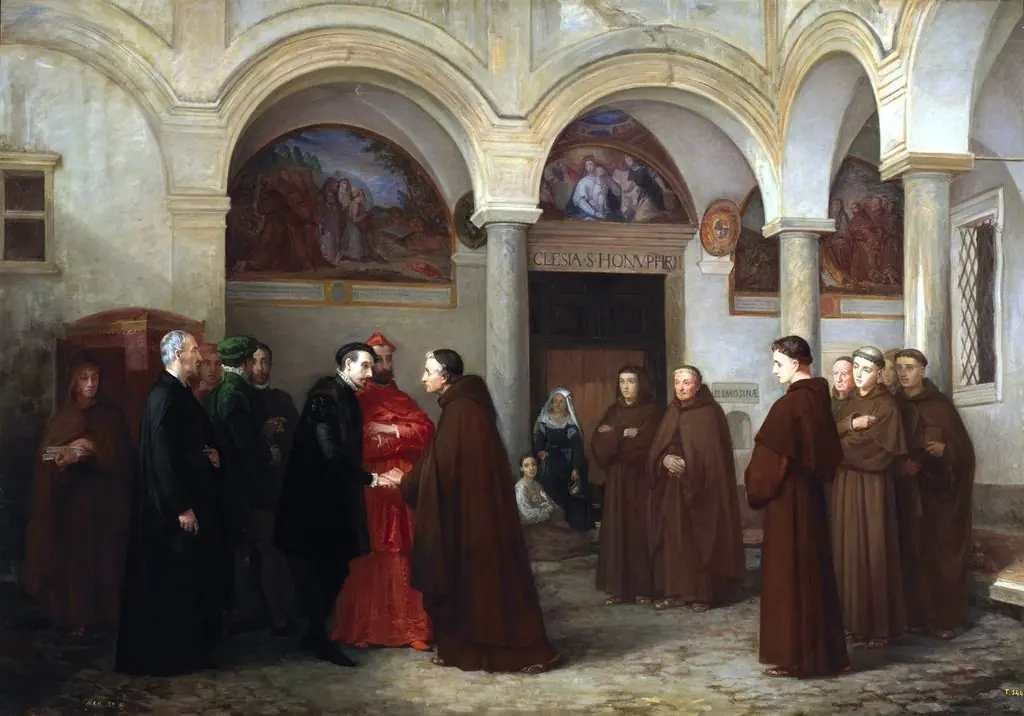 Torcuato Tasso se retira al convento de San Onofre en el Janículo
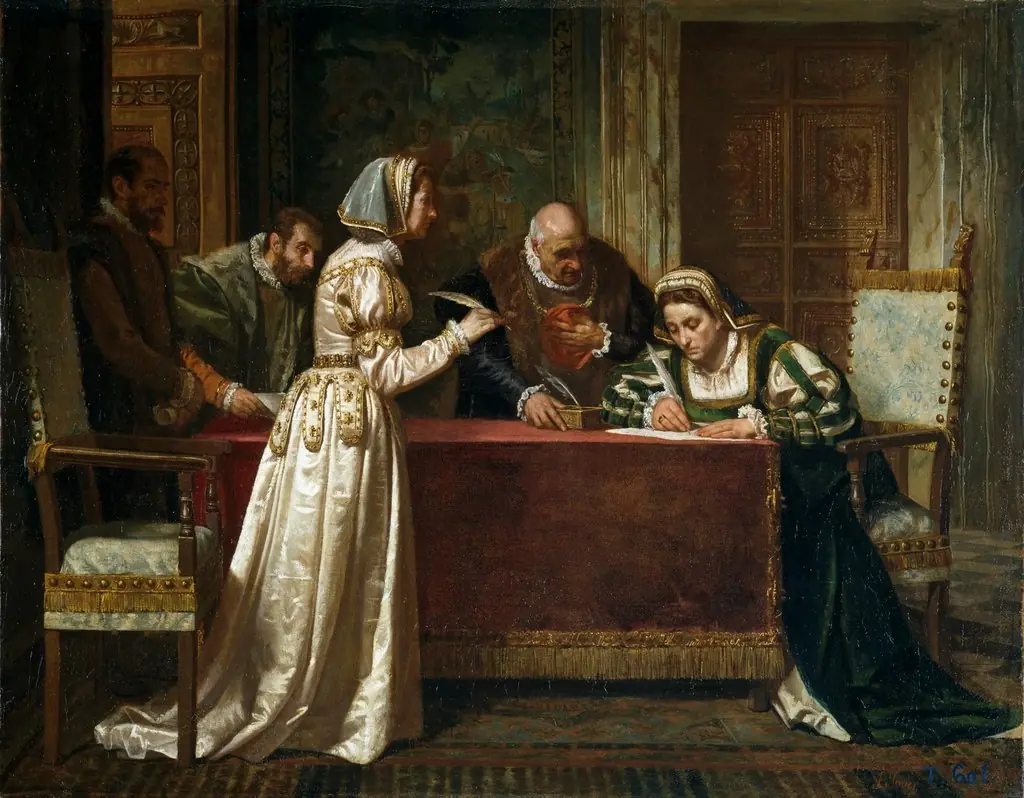 Tratado de Cambray
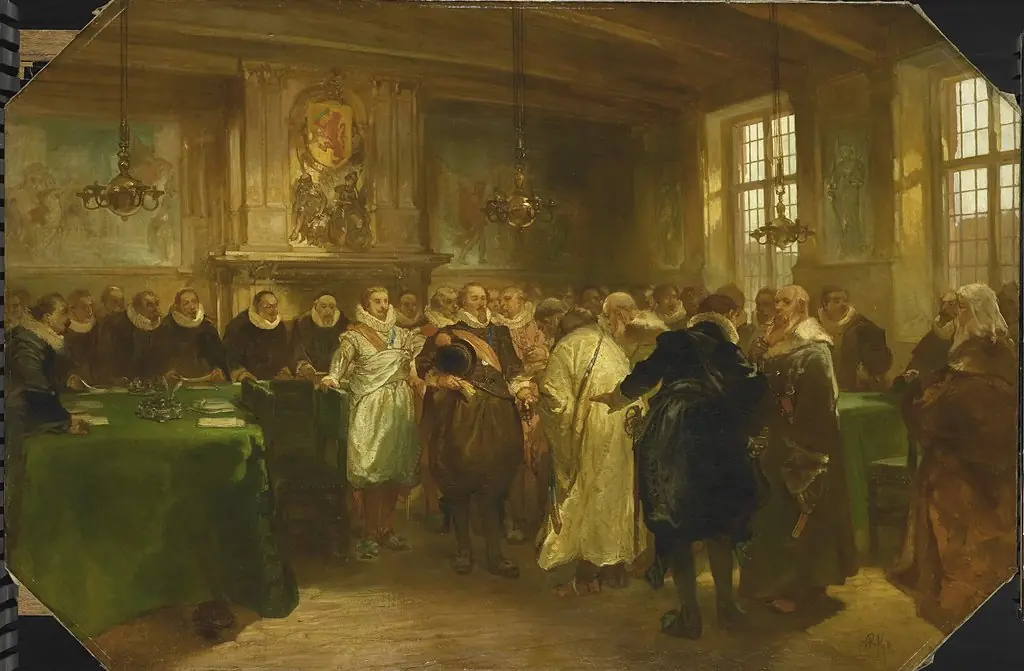 Prince Maurits Receiving a Russian Delegation in 1614
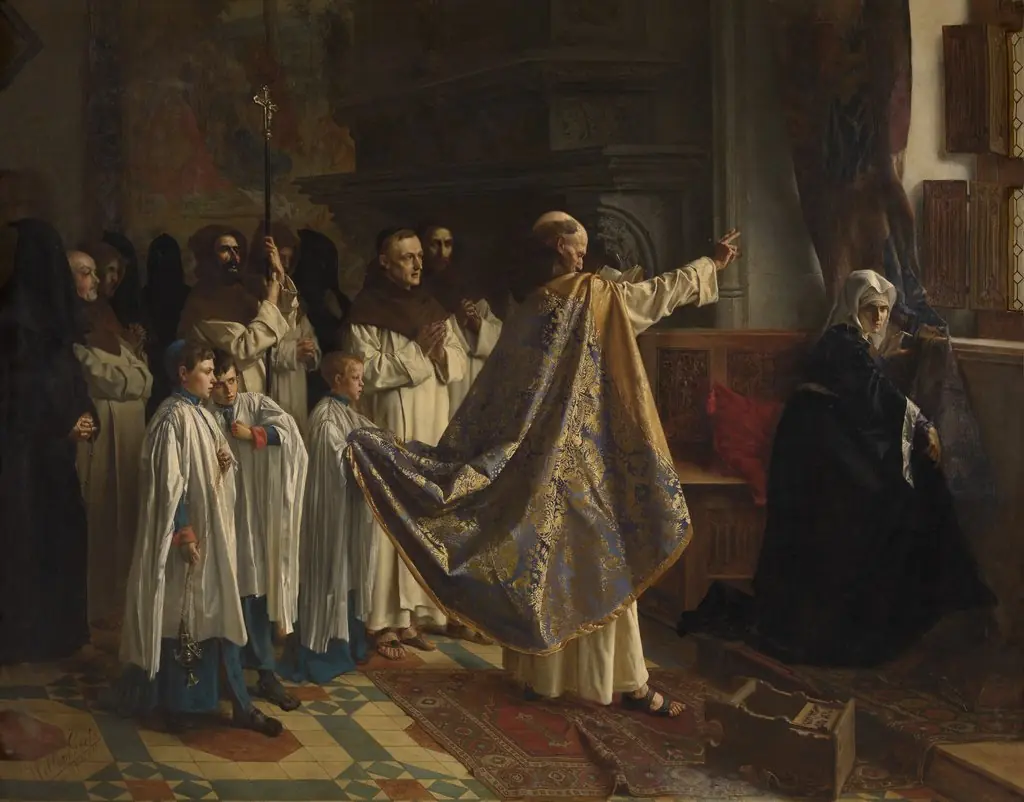 Exorcism of Joanna of Castile
 Philip II of Spain Honours Don John of Austria