Artwork
Gattamelata
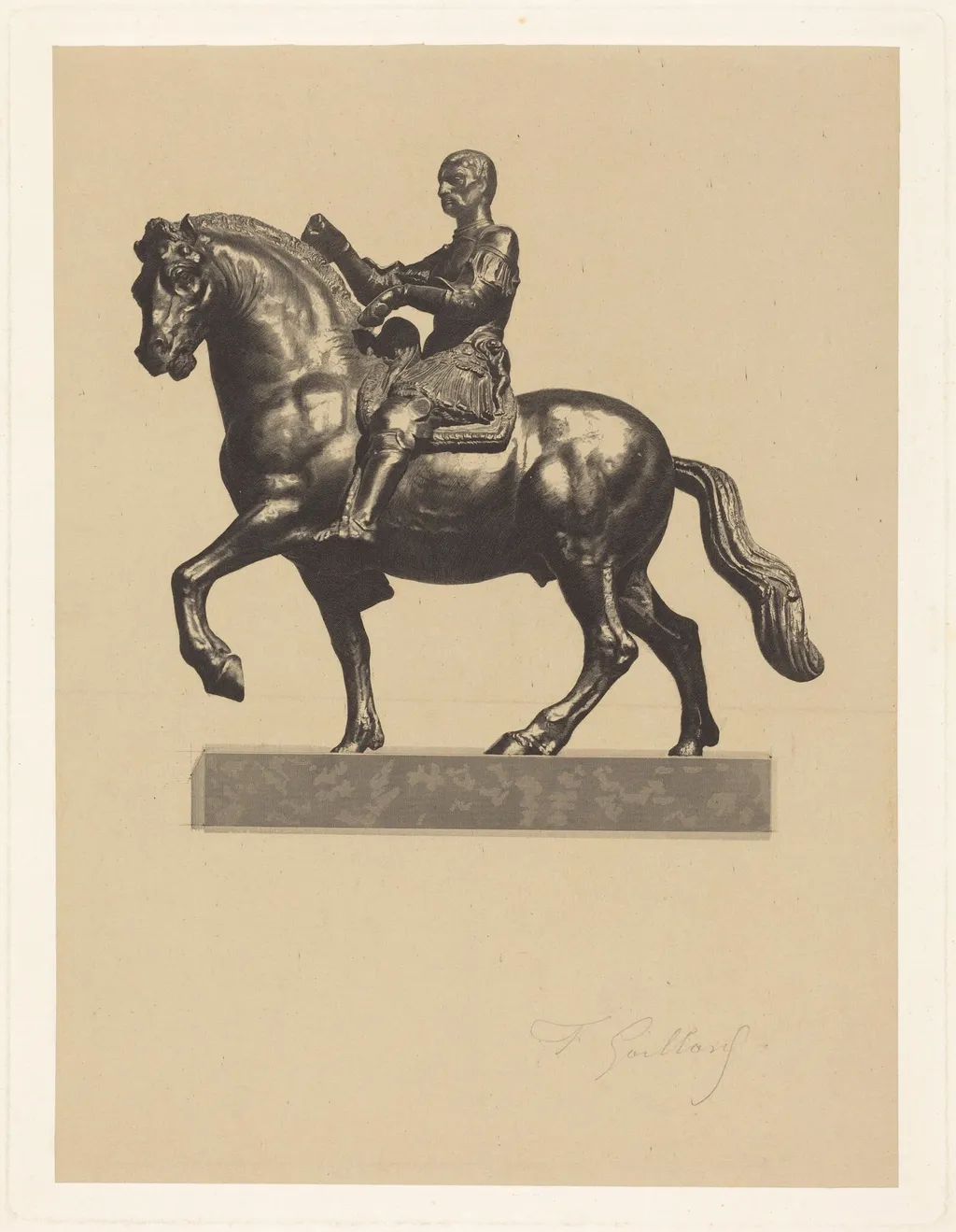
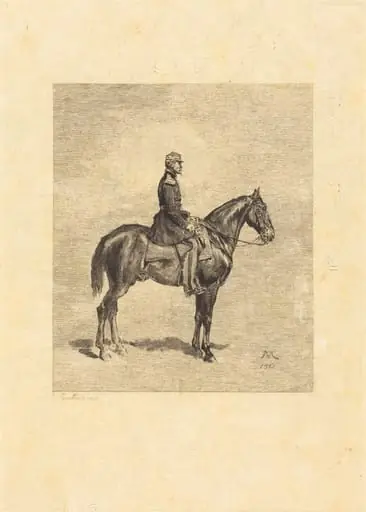
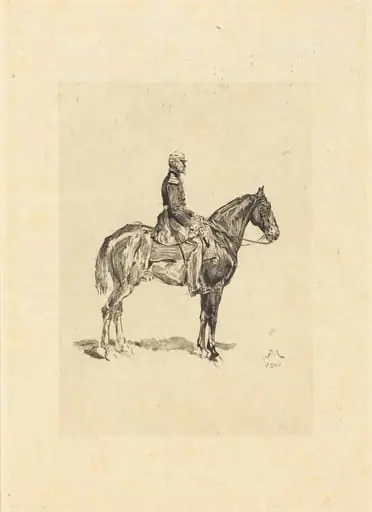
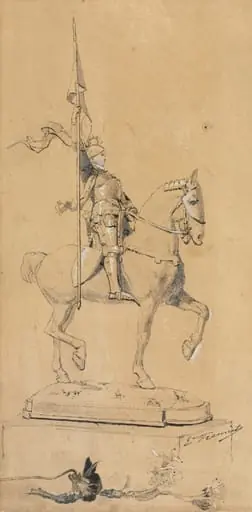
Gattamelata is an ink print by the Impressionist artist Ferdinand Gaillard. It dates from 1866 and is held in the collection of the National Gallery of Art.
About this work
Overview
The composition conveys a sense of imminent motion, emphasizing the tension between the rider’s control and the animal’s kinetic energy.
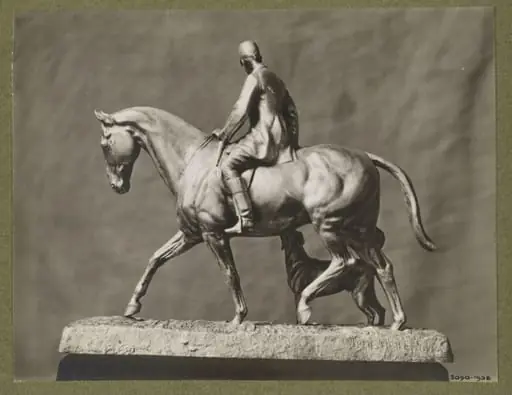
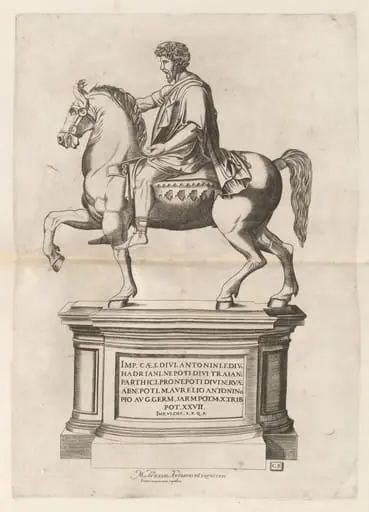
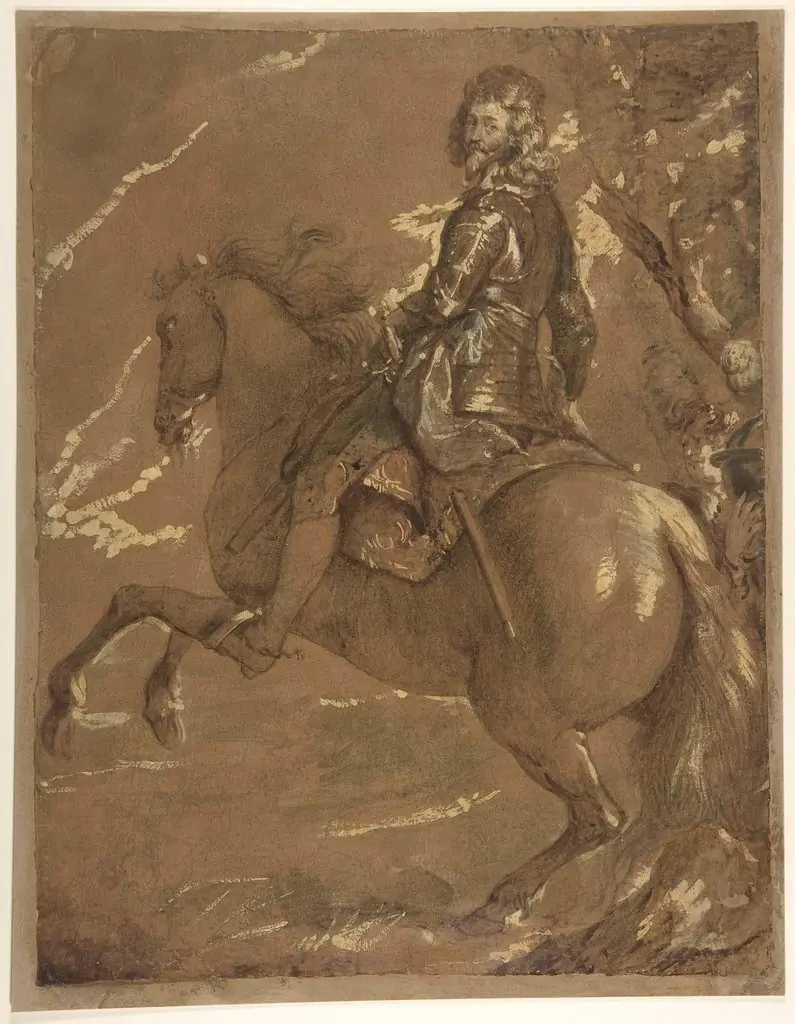
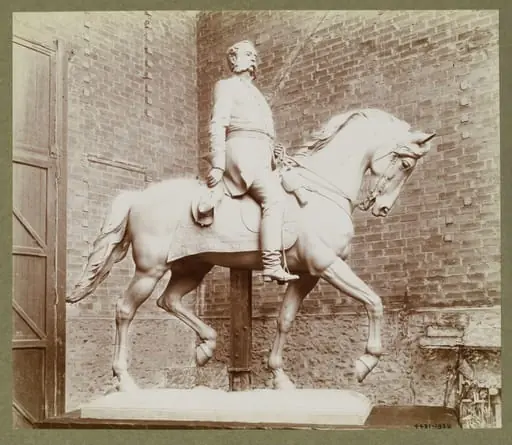
Ferdinand Gaillard’s 1866 engraving titled Gattamelata presents a rendered image of a bronze equestrian statue. Executed on gray chine collé affixed to wove paper, the print captures a mounted figure in full armor, grasping the reins, while the horse rears on its hindquarters. The composition conveys a sense of imminent motion, emphasizing the tension between the rider’s control and the animal’s kinetic energy.
Subject & Meaning
The work depicts the celebrated condottiero Erasmo da Narni, known as Gattamelata, a 15th‑century Italian mercenary leader. By portraying him astride a rearing horse, Gaillard underscores the commander’s martial vigor and authority. The armor and poised reins reinforce themes of disciplined power, while the horse’s upward thrust suggests both the chaos of battle and the rider’s mastery over it.
Technique & Style
Gaillard employed cross‑hatching on a gray chine collé surface, allowing subtle tonal variations that model the statue’s three‑dimensional form. The fine, intersecting lines create gradations of light and shadow, rendering the metallic sheen of armor and the musculature of the horse with convincing depth. The realistic rendering aligns with mid‑19th‑century printmaking trends that favored meticulous detail and anatomical accuracy.
History & Provenance
Created in 1866, the engraving reflects a period when European artists frequently reproduced classical and Renaissance monuments for a broader audience. Gaillard’s print was likely circulated among collectors interested in historic military figures. While specific ownership records are scarce, the work remains documented in print catalogues of the era, attesting to its role in disseminating the image of Gattamelata beyond its original sculptural setting.
Artist & collection