Artwork
Vows of Jan Kazimierz
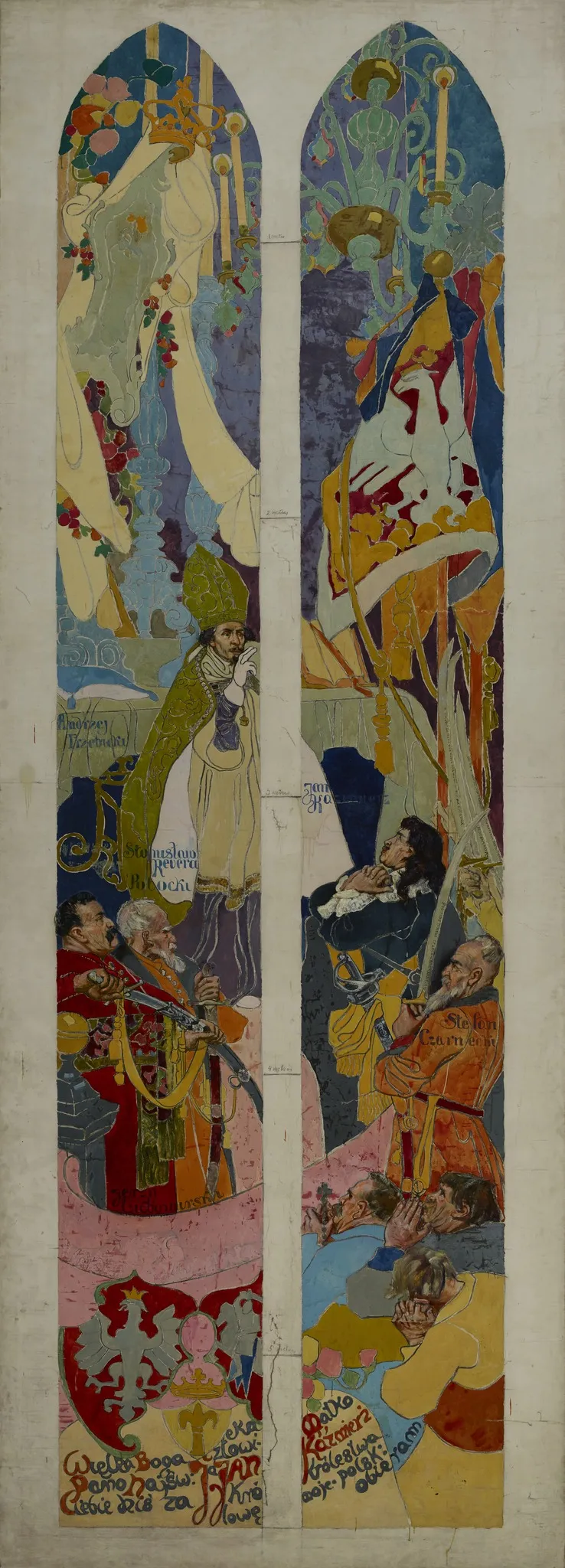
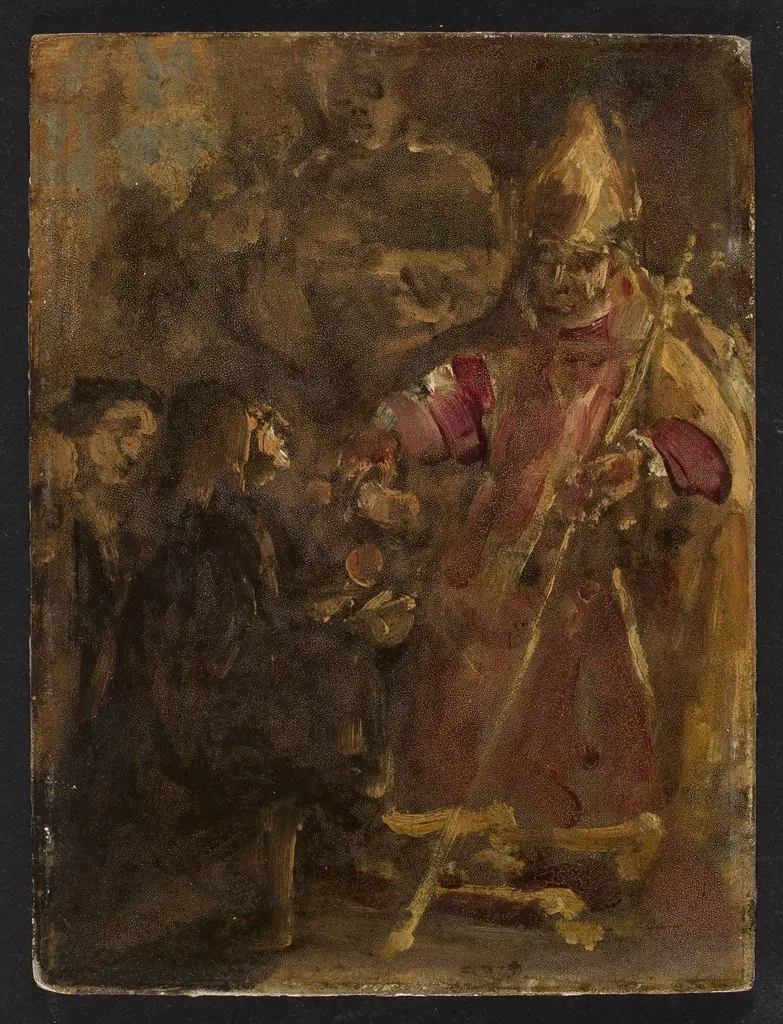
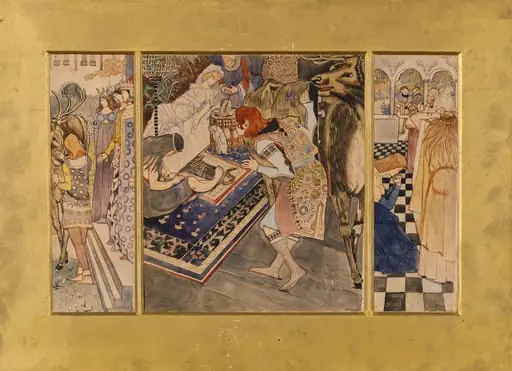
Vows of Jan Kazimierz is an oil painting by the Post-Impressionist artist Stanisław Wyspiański. It dates from 1897 and is held in the collection of the National Museum in Kraków.
About this work
Overview
Though rooted in historical narrative, the work transcends literal representation, employing symbolic composition and stylized form.
Stanisław Wyspiański completed this oil painting in 1897, situating it within the broader currents of Young Poland, a cultural movement seeking to redefine Polish identity through modern artistic forms. Though rooted in historical narrative, the work transcends literal representation, employing symbolic composition and stylized form. It resides today in the National Museum in Kraków, where it is recognized for its fusion of national myth and decorative modernism.
Subject & Meaning
The painting presents two mirrored panels, each depicting King Jan Kazimierz in ceremonial robes, crowned and holding a scepter. One panel surrounds him with natural abundance—flowers and fruit—suggesting earthly sovereignty; the other places him against a celestial blue and gold field, evoking divine sanction. Together, they frame the monarch’s dual role as temporal ruler and sacred protector, reflecting the political and spiritual ideals of 17th-century Poland.
Technique & Style
Wyspiański employs a flattened perspective and intricate linear detail reminiscent of Art Nouveau, with flowing contours defining robes and ornamental borders. The palette is restrained: muted whites, soft blues, and metallic golds create a luminous, almost liturgical atmosphere. Surface patterns in fabric and background echo textile and stained-glass traditions, merging secular history with ecclesiastical aesthetics through deliberate stylization rather than naturalism.
History & Provenance
Commissioned during a period of renewed Polish cultural self-awareness under foreign partition, the painting was completed shortly after Wyspiański’s return from studying in Paris. It entered the National Museum in Kraków’s collection in the early 20th century, where it has remained as part of a core group of works representing the Young Poland movement’s engagement with national symbolism and historical memory.
Context
Created amid rising nationalist sentiment and artistic experimentation, the work responds to Poland’s loss of sovereignty by reimagining its past through symbolic rather than documentary means. Wyspiański drew from medieval iconography, folk motifs, and contemporary European modernism to construct a visual language that was both distinctly Polish and aligned with international aesthetic trends of the fin de siècle.
Legacy
Though less widely known than Wyspiański’s theatrical works, this painting exemplifies his unique synthesis of historical narrative and decorative modernism. It influenced later Polish artists seeking to reconcile national identity with avant-garde form, and remains a key reference in discussions of how visual art contributed to cultural resistance during the partitions.
Artist & collection
Artist
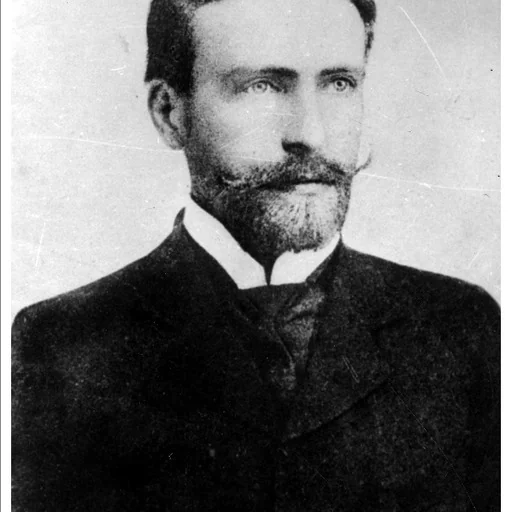
Stanisław Mateusz Ignacy Wyspiański (pronounced ; 15 January 1869 – 28 November 1907) was a Polish playwright, painter, poet, and interior and furniture designer.

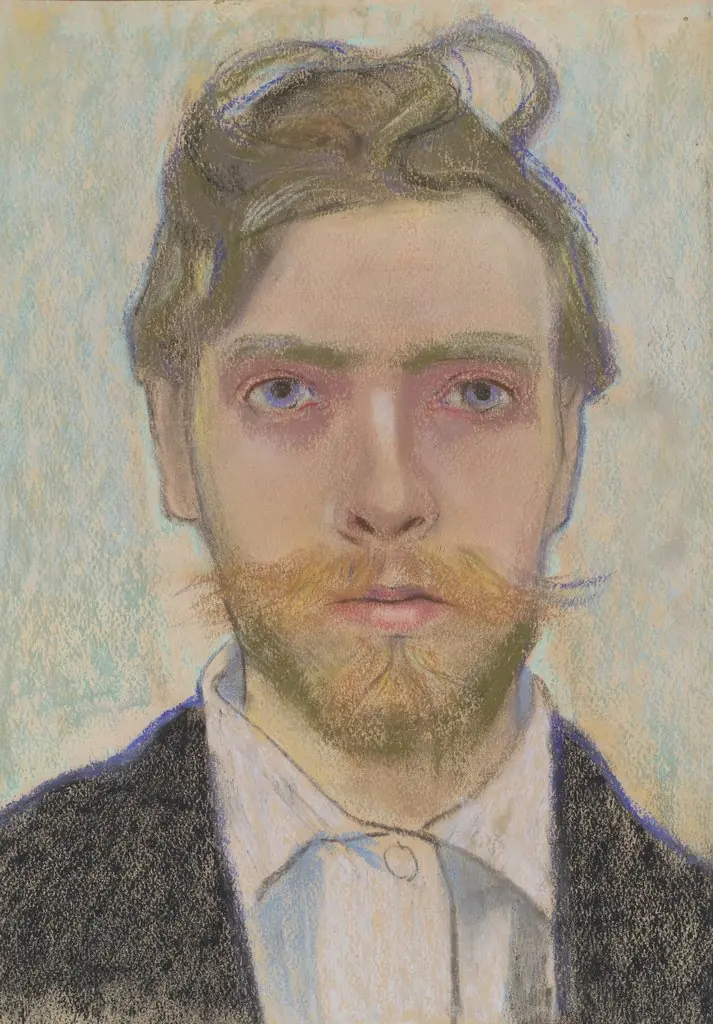 Self-Portrait
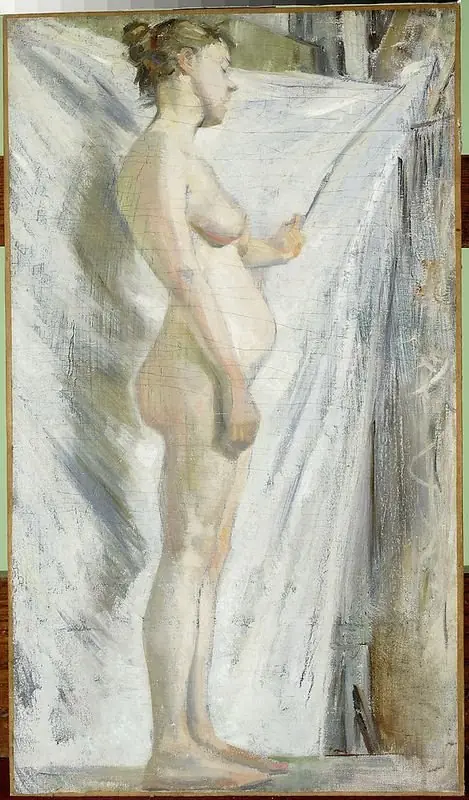 Female nude
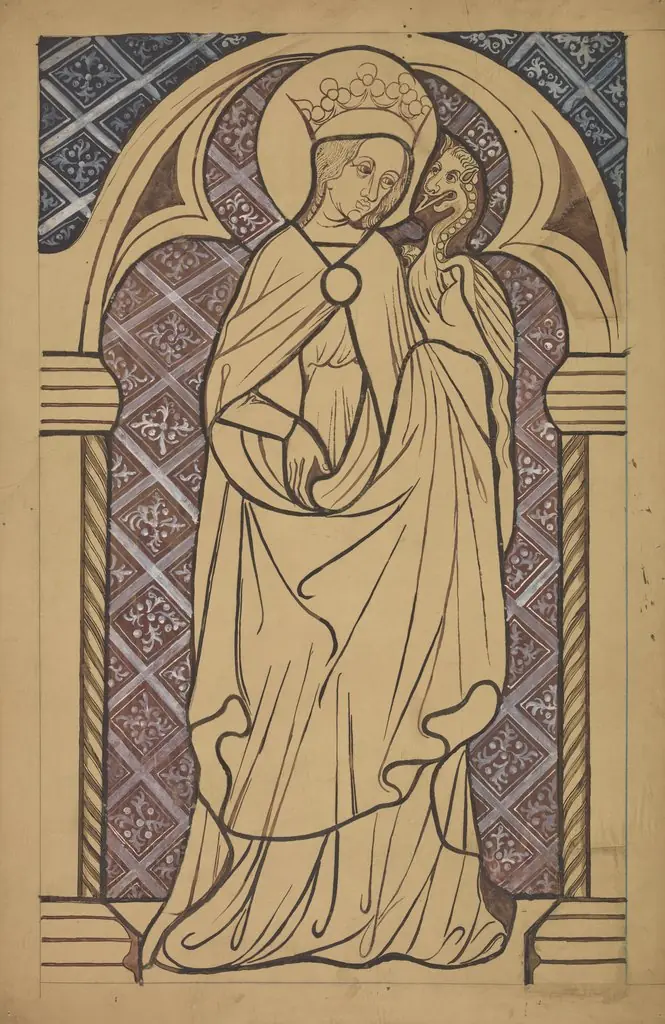 Saint Margaret. Artistic reconstruction of a stained-glass panel from the Dominican church in Kraków
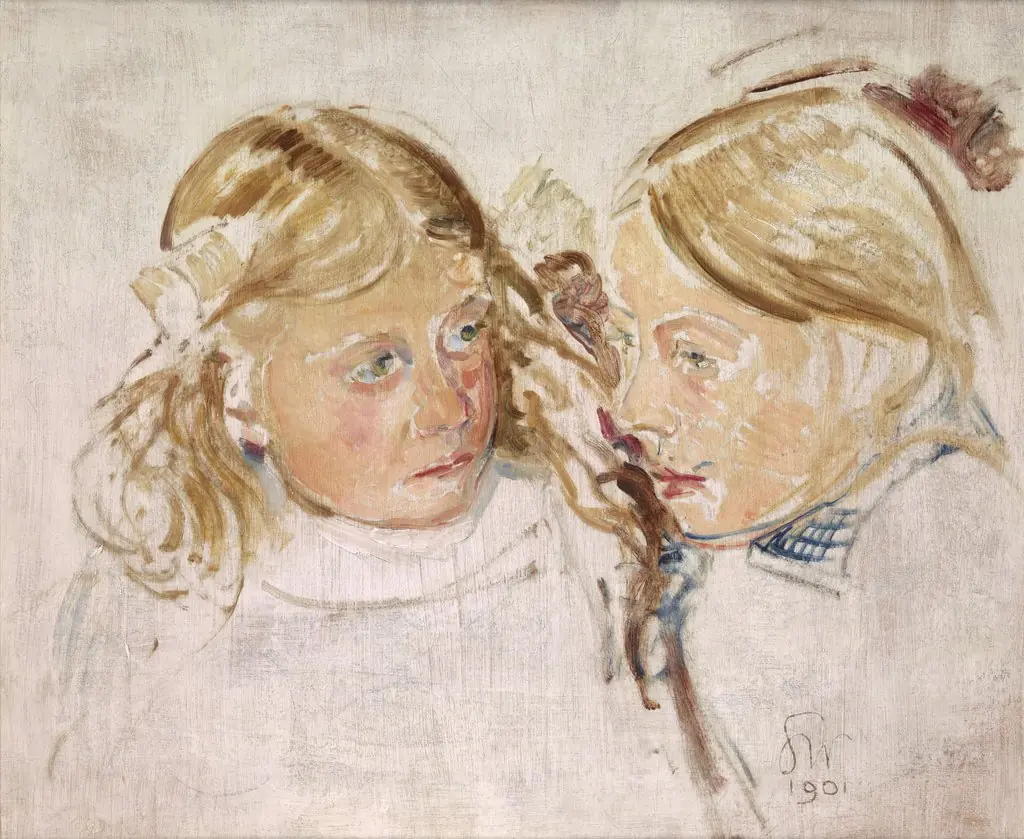 Double Portrait
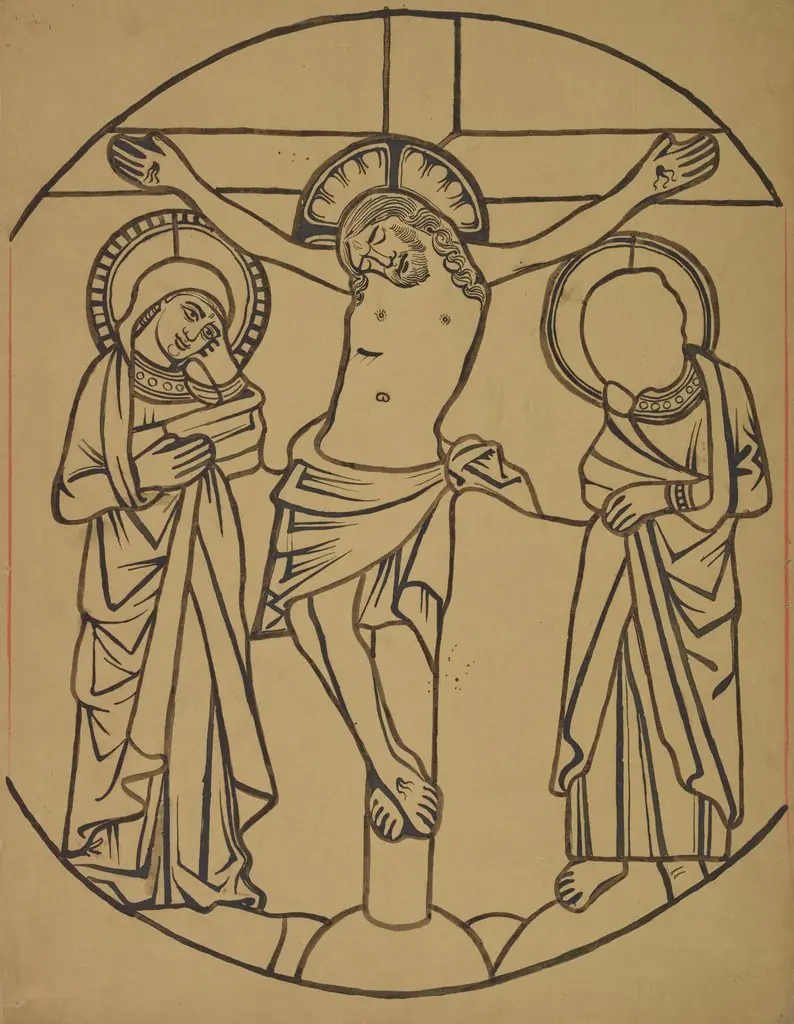 Crucifixion. Artistic reconstruction of a stained-glass panel from the Dominican church in Kraków
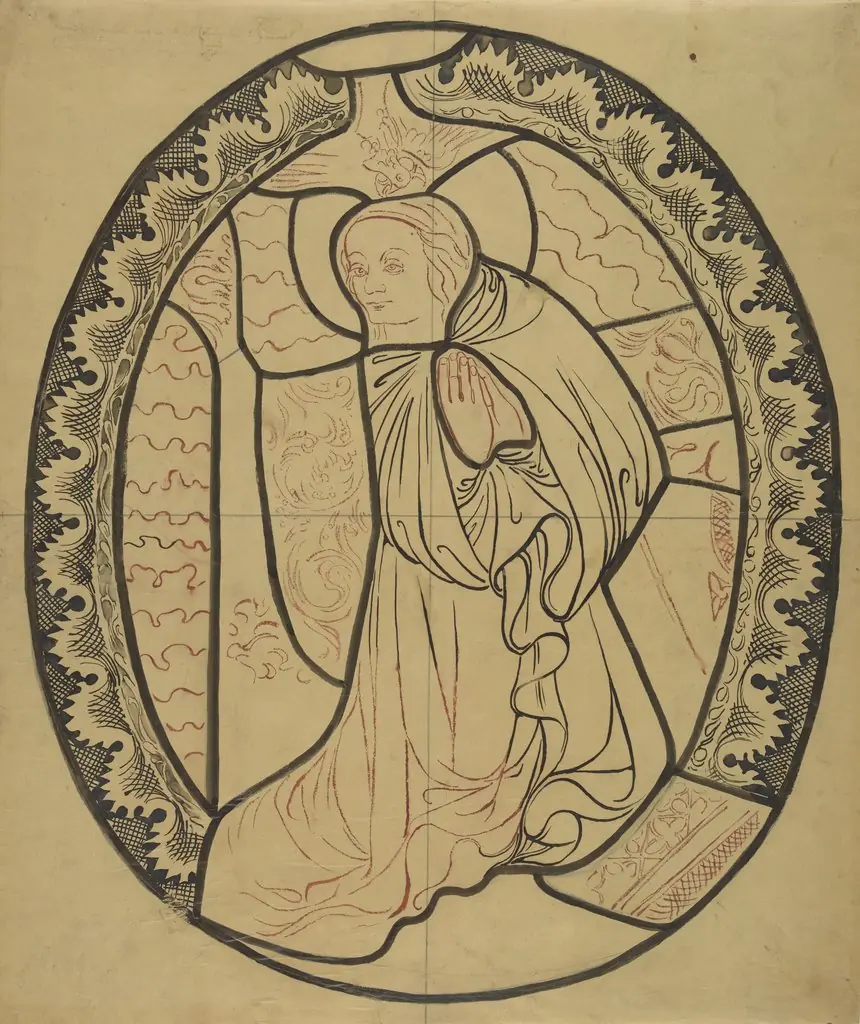 The Blessed Virgin Mary from the scene "Annunciation" (right part). Artistic reconstruction of a stained-glass panel from the Dominican church in Kraków
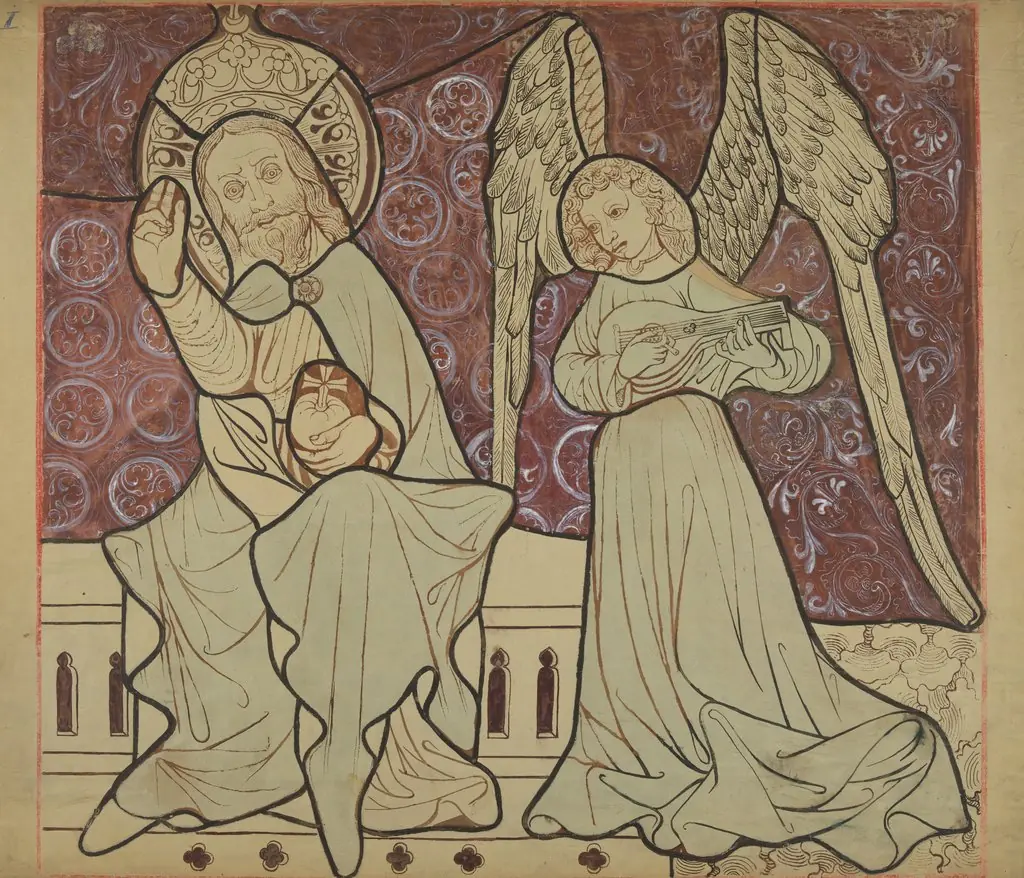 Enthroned Christ with an angel from the scene "Coronation of the Blessed Virgin Mary" (right part). Artistic reconstruction of a stained-glass panel from the Dominican church in Kraków
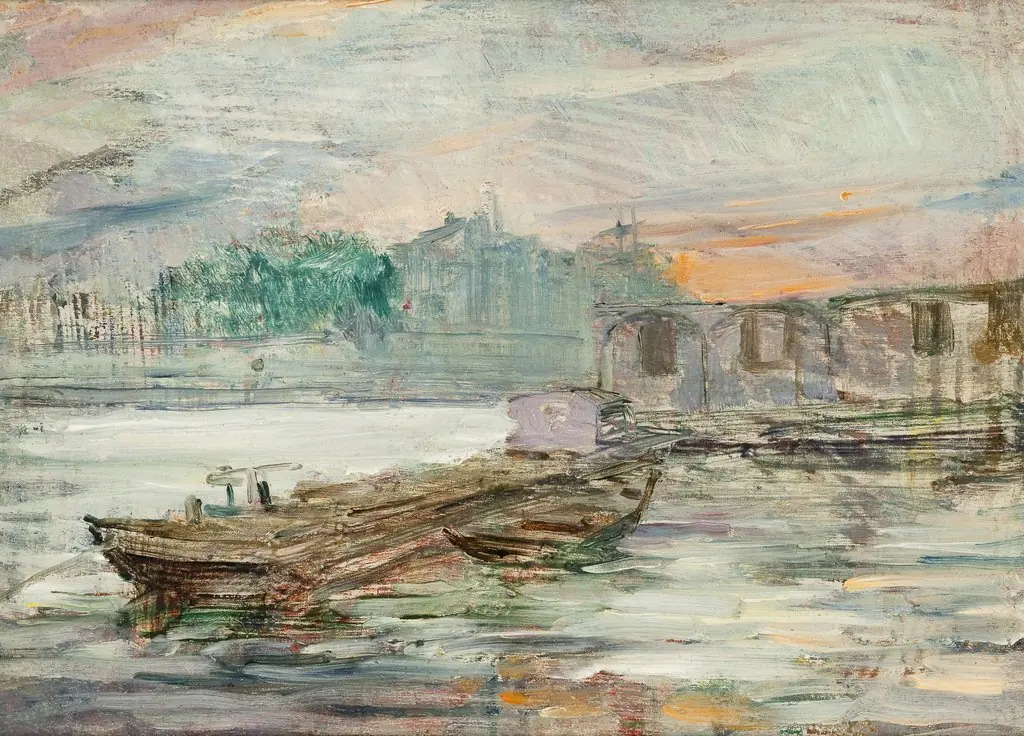 Barges on the Seine