Artwork
lo levò in aria gridando, ecco il pane della providenza (I Held It Aloft and Cried, "Behold the Bread of Divine Providence!")
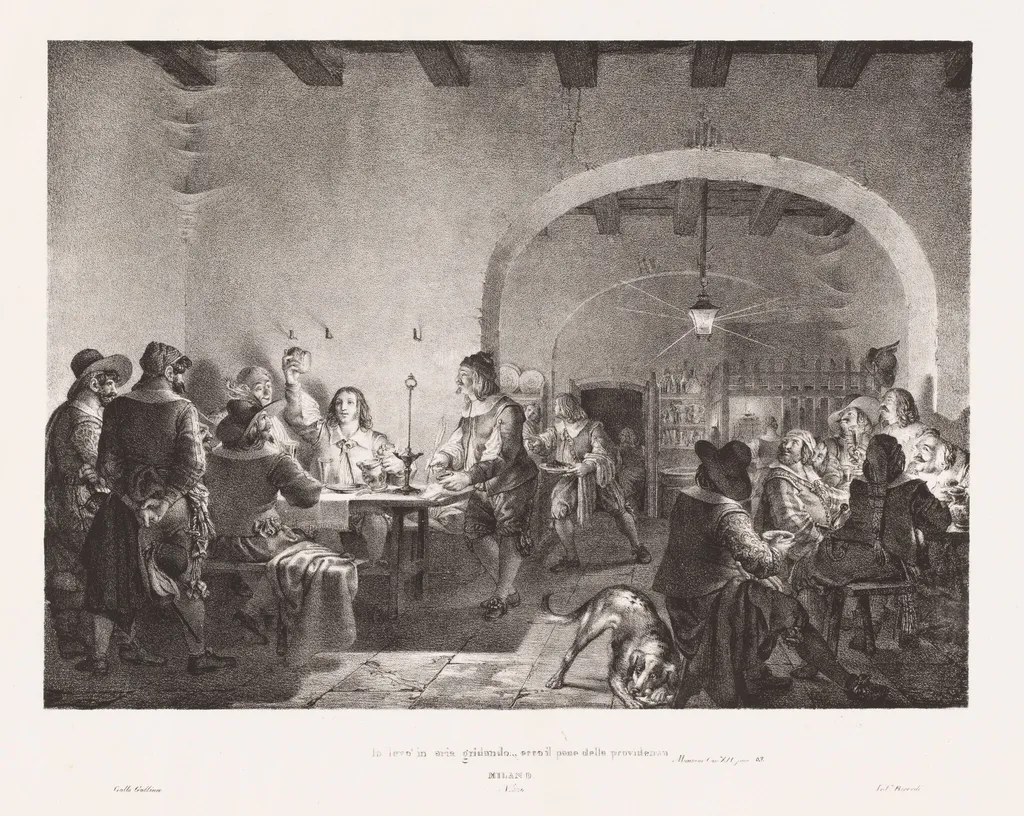
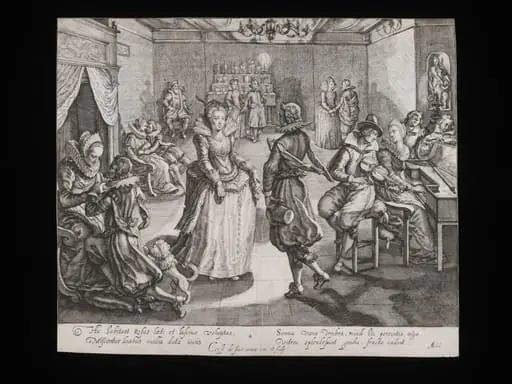
lo levò in aria gridando, ecco il pane della providenza (I Held It Aloft and Cried, "Behold the Bread of Divine Providence!") is an ink print by the Romanticist artist Gallo Gallina. It dates from 1829 and is held in the collection of the National Gallery of Art.
About this work
Overview
Created in 1829 by Gallo Gallina, this lithograph captures a moment of communal reverence centered on a loaf of bread.
Created in 1829 by Gallo Gallina, this lithograph captures a moment of communal reverence centered on a loaf of bread. Rendered in monochrome on wove paper, the image conveys quiet drama through precise line work and tonal contrast. The lithographic process allowed Gallina to translate the spontaneity of a sketch into a reproducible print, making the scene accessible beyond a single original drawing.
Subject & Meaning
A man raises a loaf of bread before a group of onlookers in a modest interior, invoking a phrase tied to divine provision. The figures, arranged in attentive stillness, suggest a moment of shared gratitude or spiritual recognition. The presence of a dog in the corner and domestic shelves implies an ordinary setting elevated by the act—emphasizing sustenance as both physical and symbolic.
Technique & Style
Lithography enabled Gallina to draw directly onto a stone surface, preserving the fluidity of hand-drawn lines. The resulting print mimics the immediacy of ink sketches, with fine hatching and subtle gradations defining form and shadow. The absence of color focuses attention on gesture and composition, reinforcing the solemnity of the scene through tonal restraint and clear spatial organization.
History & Provenance
Produced in 1829, the print likely circulated among religious or civic audiences in Italy during a period of social upheaval and economic hardship. Its subject matter—bread as a symbol of providence—resonated with communities facing scarcity. While specific early owners are unrecorded, the work reflects the era’s interest in moral narratives made accessible through print media.
Context
In early 19th-century Italy, lithography emerged as a tool for disseminating religious and civic imagery to broader audiences. Gallina’s work aligns with a tradition of depicting humble acts as spiritually significant, echoing themes found in devotional art and popular sermons. The domestic setting and unidealized figures reflect a shift toward realism in visual storytelling during the period.
Legacy
The print stands as an example of how lithography democratized visual culture in the early 1800s, allowing nuanced religious narratives to reach non-elite audiences. Though Gallina is not widely known today, this work endures as a quiet testament to the power of everyday rituals rendered with dignity and precision through print.
Artist & collection


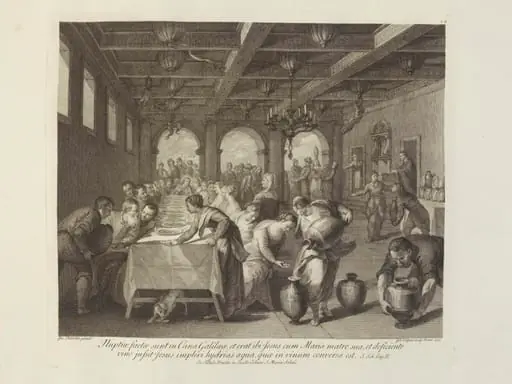 Marriage in Cana
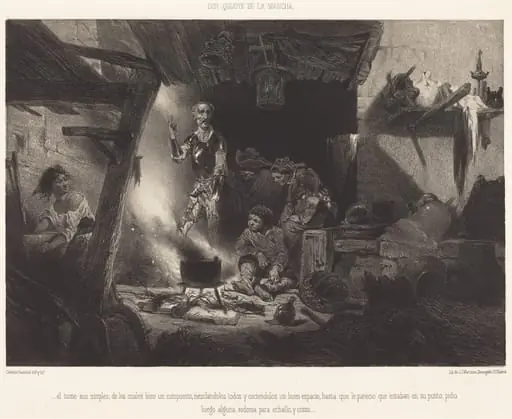 ...il tomo sus simples...
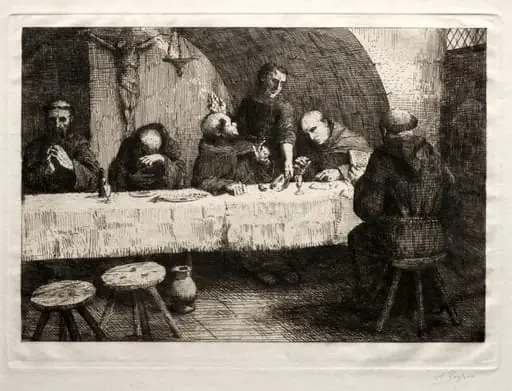 The Refectory
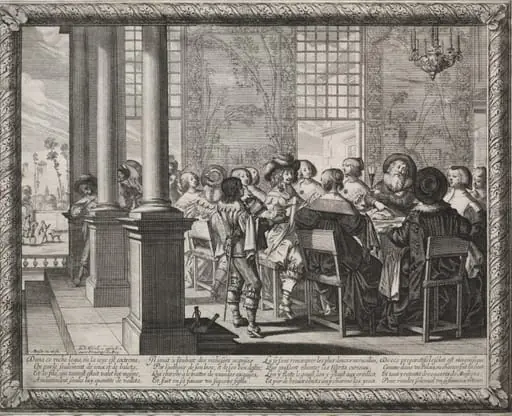 The Prodigal Son: The Feast in Honor of the Prodigal's Return
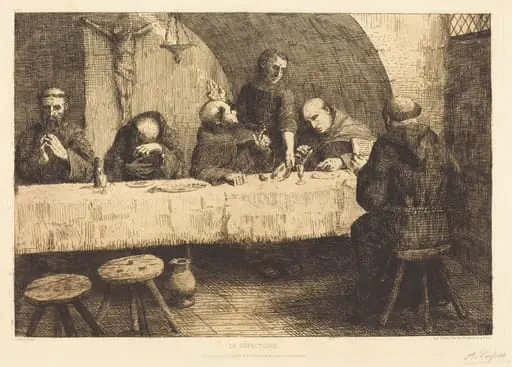 The Refectory (Le refectoire)
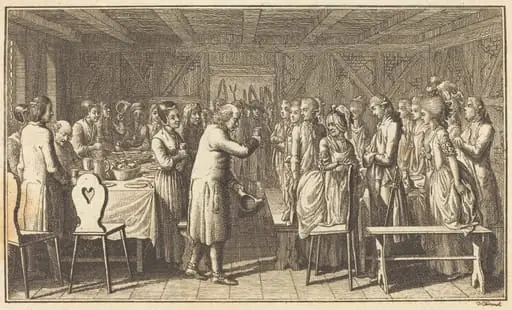 A Welcome Guest
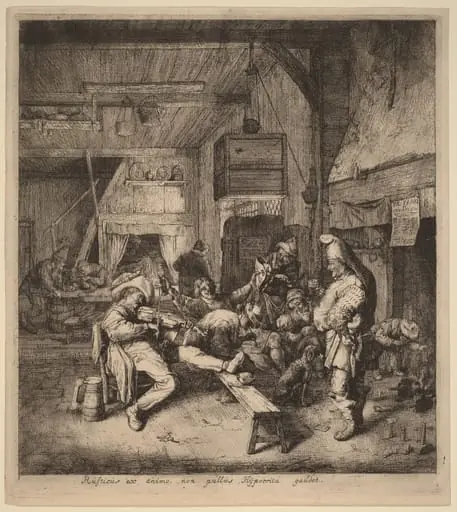 Violin Player Seated in a Tavern
 Violin Player Seated in the Inn
 Peasants Drinking
 La Galerie du Palais
 H Beard Print Collection
 Feast in the house of the Rich Man