Artwork
The Fortune Teller
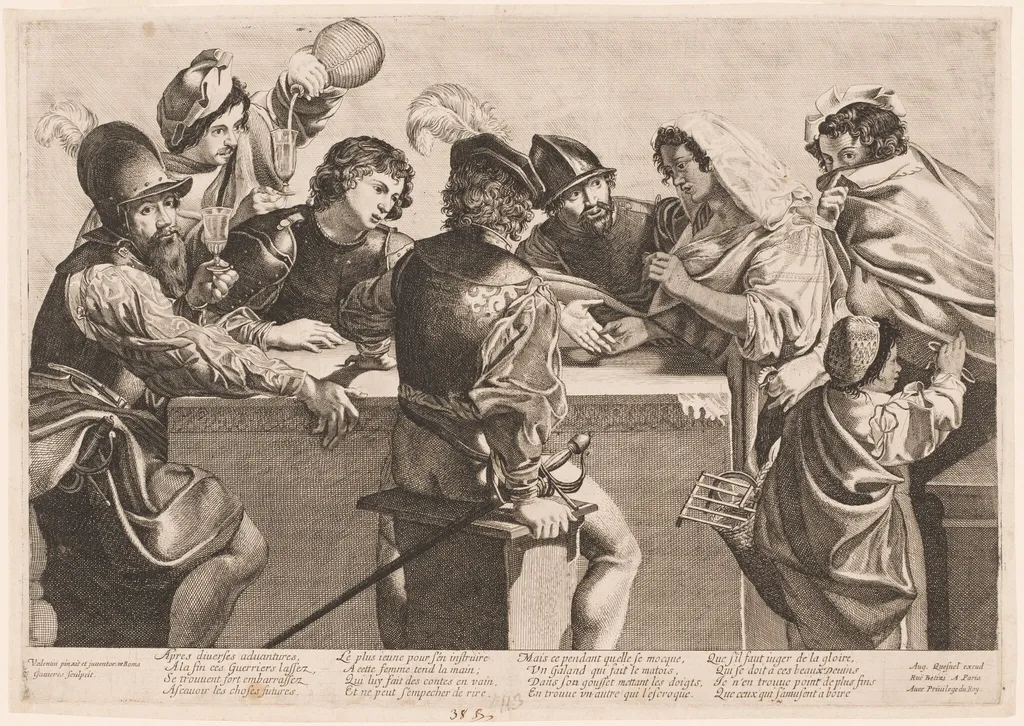
The Fortune Teller is an ink print by the Baroque artist Jean Ganière. It dates from 1640 and is held in the collection of the National Gallery of Art.
About this work
Overview
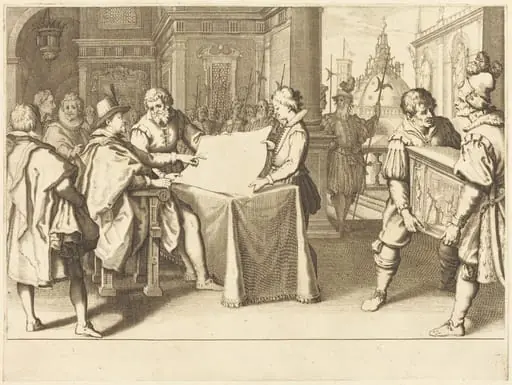
Jean Ganière’s print titled *The Fortune Teller*, executed around 1640, presents a bustling interior tableau. Rendered on laid paper, the work combines etching and engraving to portray a central female figure in a white headscarf and shawl, surrounded by several armored men. Objects such as a basket, a sword and a hat lie on the table, creating a scene charged with curiosity and anticipation.
Subject & Meaning
The composition functions as an allegory of fate and destiny. The woman, positioned at the heart of the gathering, assumes the role of a seer, while the surrounding soldiers—symbols of power and martial authority— appear drawn to her revelations. The juxtaposition of ordinary items with martial gear invites reflection on the unpredictable influence of chance upon even the most disciplined lives.
Technique & Style
Ganière employed a hybrid printmaking process, merging the fluid lines of etching with the precise incisions of engraving on laid paper. This combination yields a textured surface where delicate shading coexists with crisp outlines, enhancing depth and tactile quality. The baroque sensibility is evident in the dynamic arrangement of figures and the dramatic interplay of light and shadow.
History & Provenance
Created in the early seventeenth century, *The Fortune Teller* is attributed to the French artist Jean Ganière, whose oeuvre remains relatively obscure. The print survives in several museum collections, though its early ownership record is scant. Its survival on laid paper indicates careful preservation, allowing contemporary viewers to assess Ganière’s approach to allegorical narrative.
Artist & collection


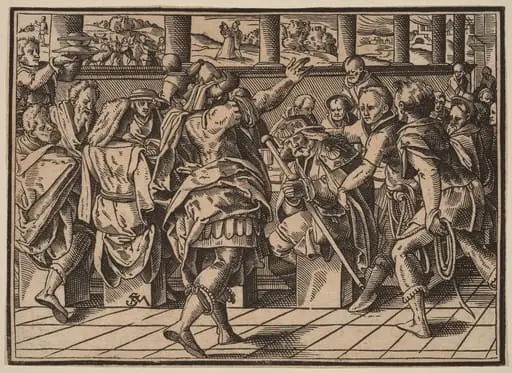 The Martyrdom of Saint James (?)
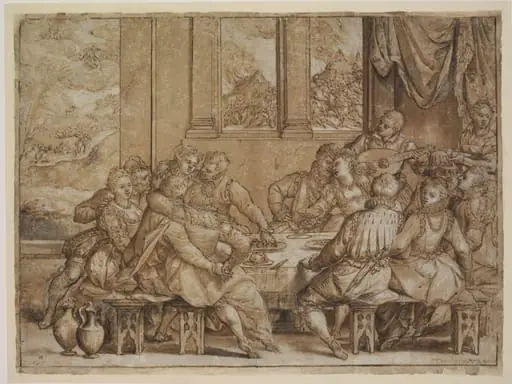 Mankind Feasting and Making Love, Awaiting the Last Judgement (‘the coming of the son of man’) (Matthew 24:37–42)
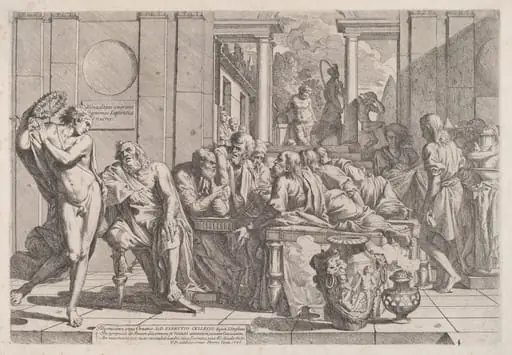 The Symposium
 Banquet at the House of Tarquinius Collatinus
 The Card Players
 The Young Christ Teaching in the Temple
 Pharaoh and the Plague of Frogs
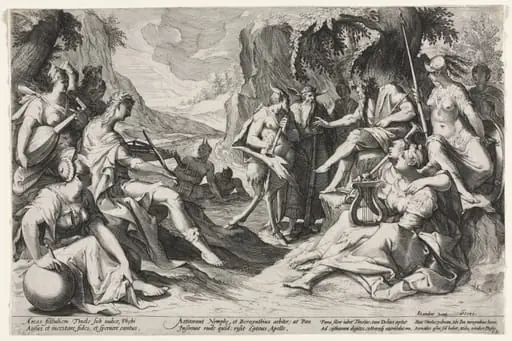 The Judgment of Midas
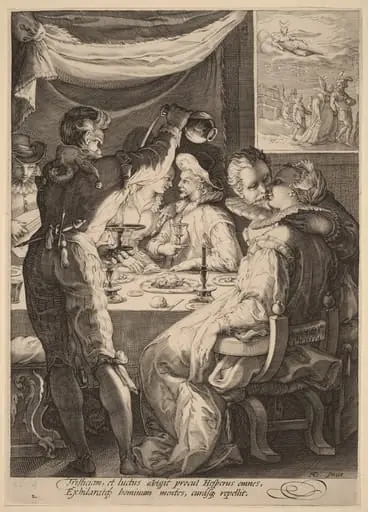 Evening
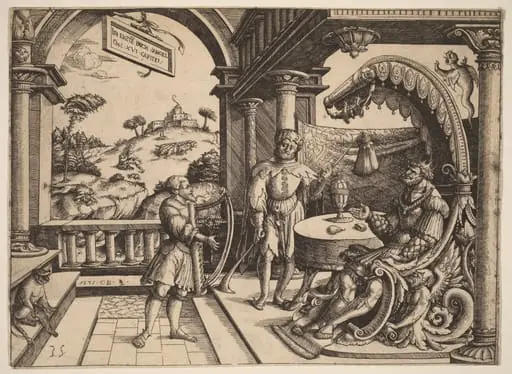 David Playing the Harp before Saul
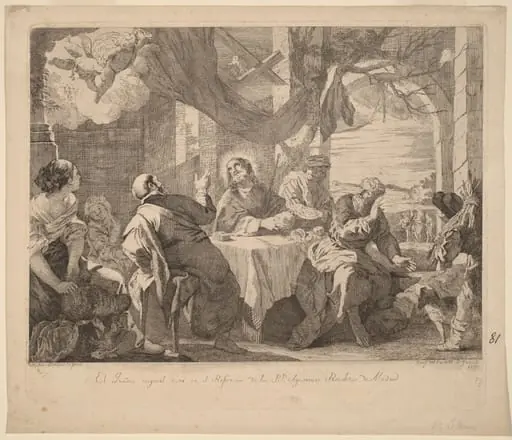 The Supper at Emmaus
 Restoration of the Duomo, Florence