Artwork
The Siege of Tortona, or The Thirst of the People of Tortona (La Costanza dei tortonesi)
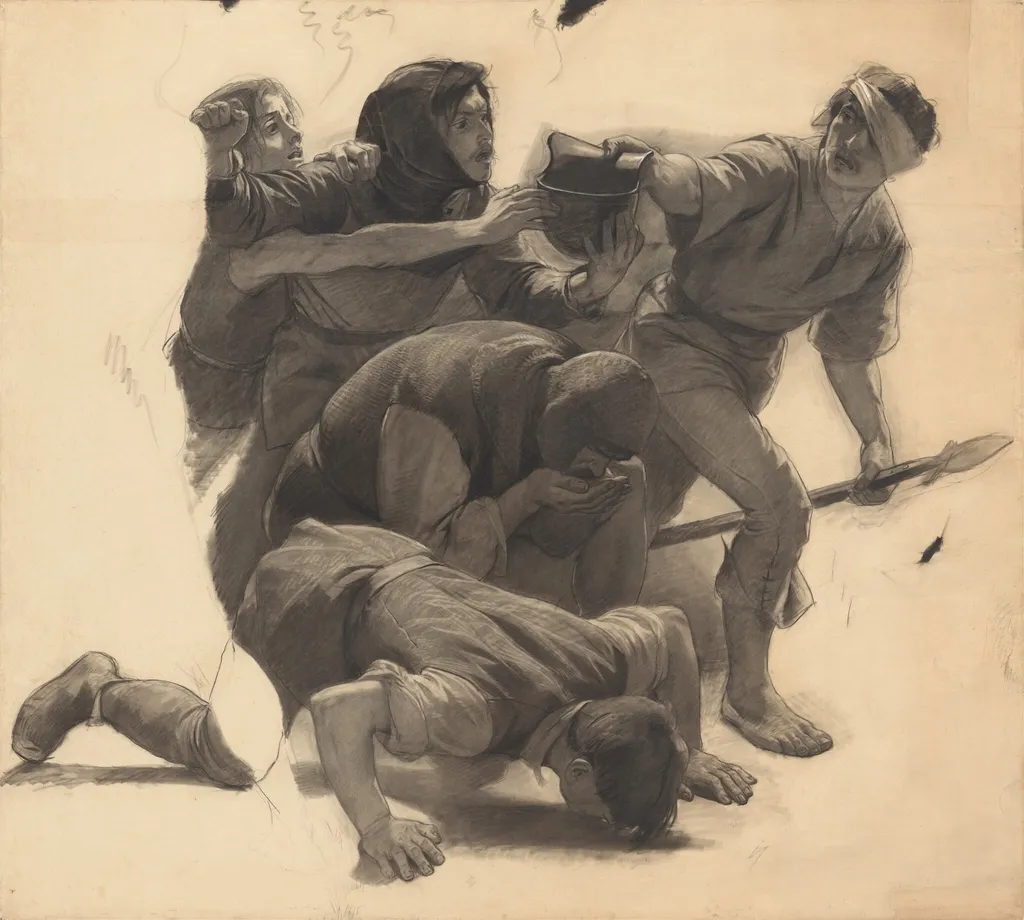
The Siege of Tortona, or The Thirst of the People of Tortona (La Costanza dei tortonesi) is a charcoal drawing by the Impressionist artist Andrea Gastaldi. It dates from 1866 and is held in the collection of the National Gallery of Art.
About this work
Overview
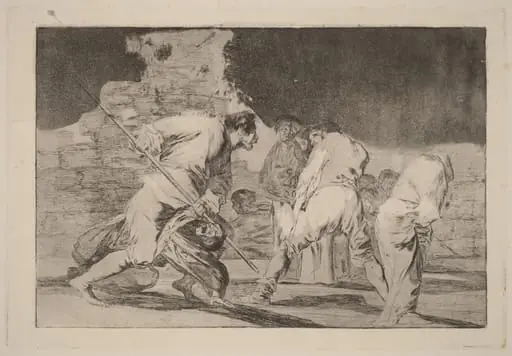
Executed in charcoal, black crayon, and white chalk on dark cream paper, it captures a fleeting, intense struggle among four men.
Created in 1866 by Andrea Gastaldi, this drawing depicts a moment of violent chaos during the Siege of Tortona. Executed in charcoal, black crayon, and white chalk on dark cream paper, it captures a fleeting, intense struggle among four men. The work is mounted on board and resides in the National Gallery of Art, Washington. Its raw execution and dramatic contrast reflect a focus on human endurance under duress, characteristic of Gastaldi’s engagement with historical and civic themes.
Subject & Meaning
The scene illustrates the desperation of civilians during the 1168 siege, when Tortona’s population endured starvation and assault. The tangled figures—struggling, clutching weapons and a hat—symbolize collective resistance amid physical collapse. The title, 'La Costanza dei tortonesi,' references their steadfastness, not heroism. The drawing avoids glorification, instead emphasizing the grim, unheroic reality of survival under siege, aligning with 19th-century realism’s interest in unvarnished human experience.
Technique & Style
Gastaldi employed rapid, energetic strokes in charcoal and crayon to convey motion and tension, with white chalk highlighting limbs and faces against the dark paper. The rough texture and lack of fine detail amplify the sense of urgency. The composition is tightly cropped, forcing the viewer into the melee. The use of the paper’s inherent darkness as a shadowy ground enhances the figures’ stark silhouettes, creating a dramatic, almost theatrical contrast without artificial lighting.
History & Provenance
The drawing was completed in 1866, during a period of Italian unification when historical narratives of resistance were culturally significant. Gastaldi, a Piedmontese artist, often depicted episodes from medieval and Renaissance Italian history. The work entered the National Gallery of Art’s collection through the Samuel H. Kress Foundation in 1952, having previously been in private hands in Italy. Its preservation on board suggests early efforts to stabilize the fragile paper support.
Context
This work emerged amid Italy’s Risorgimento, when artists revisited medieval conflicts to inspire national identity. Gastaldi’s focus on civilian suffering, rather than military triumph, diverged from academic traditions. The drawing’s immediacy reflects broader shifts toward realism, influenced by French and Spanish social art. Unlike idealized battle scenes, this piece prioritizes visceral, unmediated human struggle, aligning with contemporary interest in the lives of ordinary people during upheaval.
Legacy
Though not widely exhibited, the drawing remains a key example of Gastaldi’s commitment to historical realism. Its emphasis on physical and emotional intensity influenced later Italian artists exploring civic trauma. The work’s raw technique and avoidance of sentimentality contributed to a broader redefinition of historical art in the late 19th century, shifting focus from grand narratives to the embodied experience of conflict.
Artist & collection

Artist
Andrea Gastaldi was an Italian painter, primarily of historical canvases and portraits.

 The Germans Arrive
 Le Christ dépouillé de se vêtements (Christ Stripped of His Clothes)
 German Raid on a Village
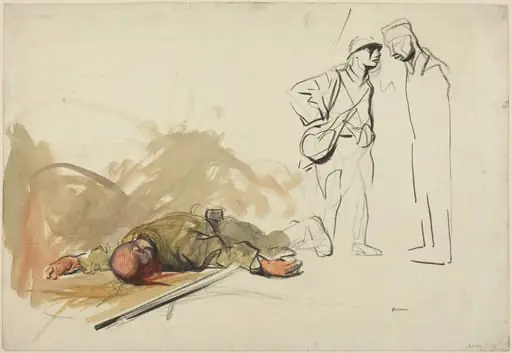 a) Dead German Soldier (recto); b) Head of a Soldier (verso)
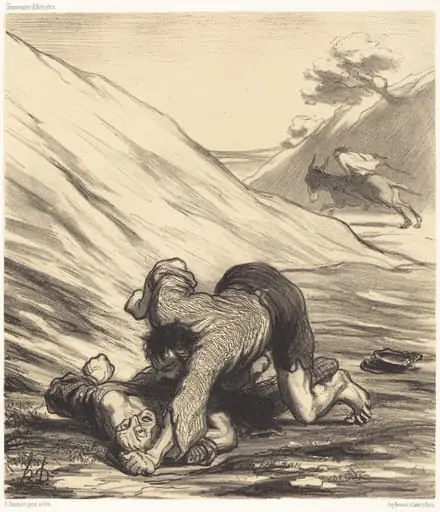 L'Ane et les deux voleurs
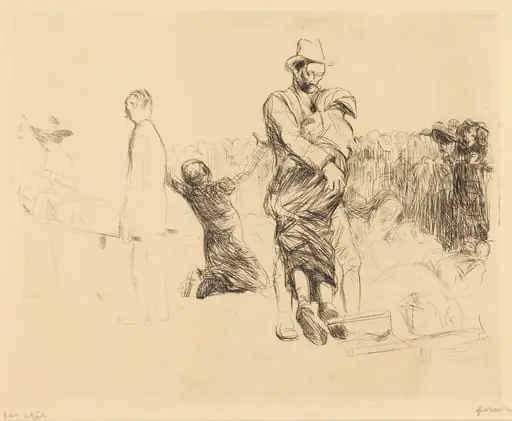 Lourdes, transport des paralysées (Lourdes, Transport of the Paralyzed)
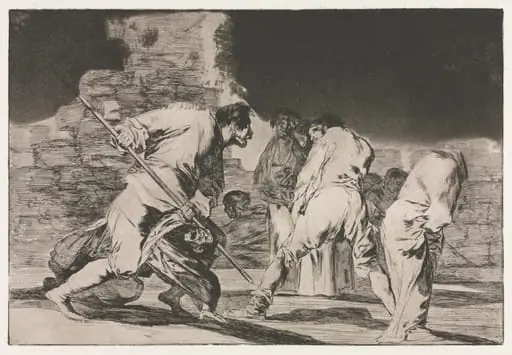 The Proverbs: The Folly of Fury
 Lost Illusions
 Levy in Mass
 The Case of Sergeant Delaney
 Fallait pas me tutoyer, j'suis dans...
 Disparate furioso (Furious Folly)