Artwork
Pardon in Brittany
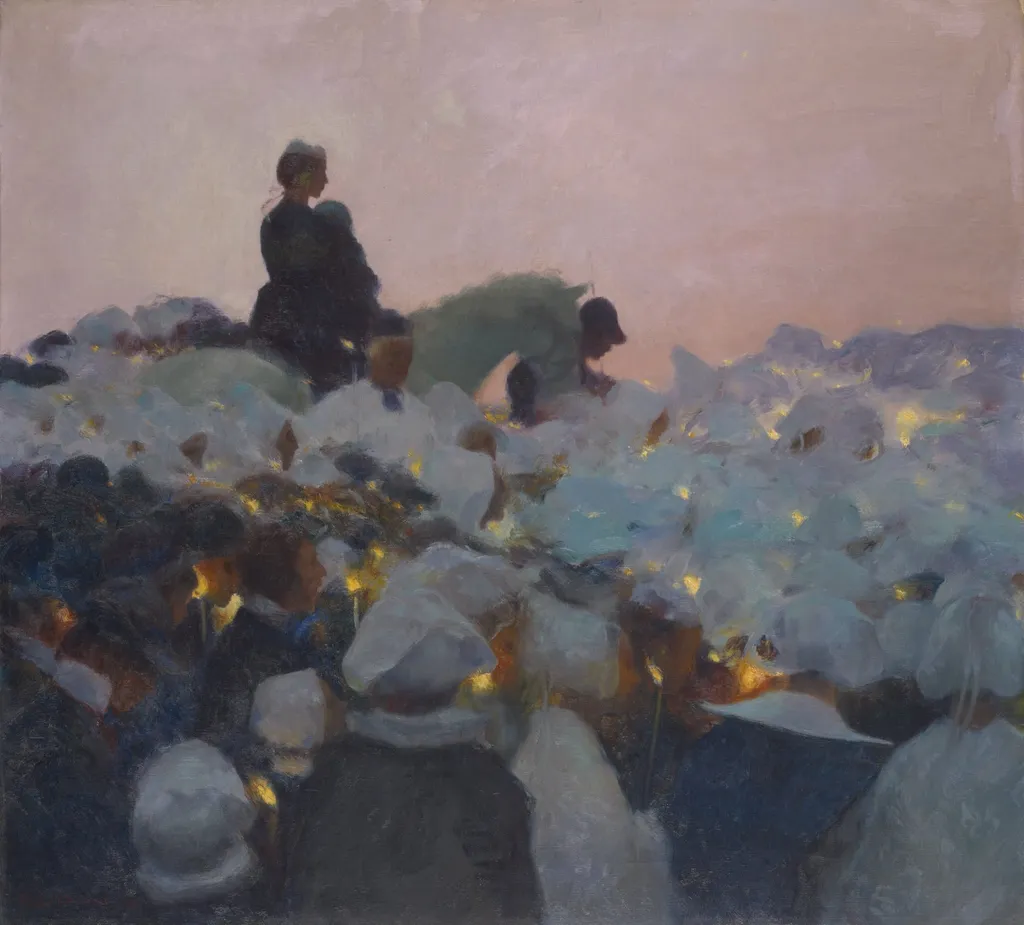
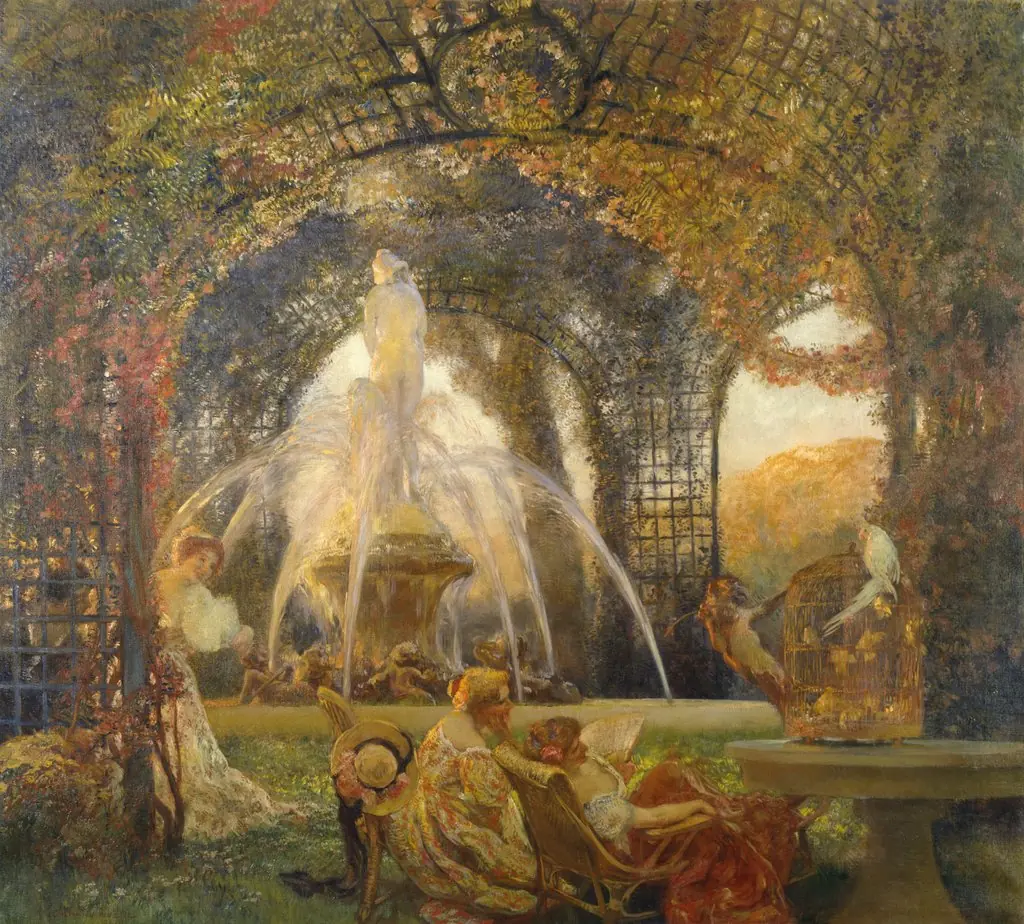
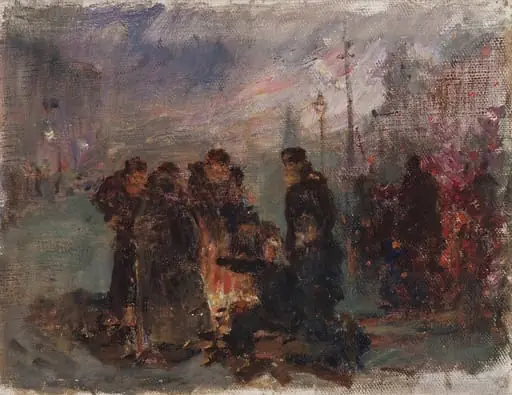
Pardon in Brittany is an oil painting by the Impressionist artist Gaston La Touche. It dates from 1896 and is held in the collection of the Art Institute of Chicago.
About this work
Overview
Painted in 1896, Pardon in Brittany is an oil-on-canvas genre scene by French artist Gaston La Touche. It depicts a communal religious gathering in a Breton village at twilight. The work resides in the collection of the Art Institute of Chicago, where it stands as a quiet example of late 19th-century realism infused with atmospheric sensitivity.
Subject & Meaning
The painting captures a pardon, a traditional Breton festival combining Catholic ritual with local customs. A priest stands beneath a stone cross as villagers—women in white bonnets, men in dark coats—gather in the fading light. The scene emphasizes collective devotion rather than individual piety, reflecting the deep integration of faith and community life in rural Brittany.
Technique & Style
La Touche employed thin, layered glazes of oil paint to render the lantern light with a soft, luminous quality. The warm orange glow contrasts subtly with the deep blue shadows, avoiding the rigid formalism of earlier religious art. This method, known as glazing, allowed him to achieve a naturalistic, almost glowing atmosphere that feels alive and immediate.
History & Provenance
La Touche painted the work after witnessing a pardon in Brittany during a visit to the region. He sought to document the authenticity of the event, not as spectacle but as lived tradition. The painting entered the Art Institute of Chicago’s collection in the early 20th century, where it has remained as a record of regional religious practice.
Context
Pardons were annual events in Brittany, blending processions, prayer, and local festivity. La Touche’s depiction aligns with broader 19th-century interest in regional cultures, but avoids romanticization. His focus on ordinary participants and the quiet dignity of dusk reflects a shift toward observational realism over idealized narrative.
Legacy
The painting contributes to a broader artistic dialogue on rural French life and the interplay of light and ritual. While not widely known outside academic circles, it remains a thoughtful example of how late Impressionist techniques were adapted to convey cultural specificity without sentimentality.
Own this work as a print
Artist & collection
Artist
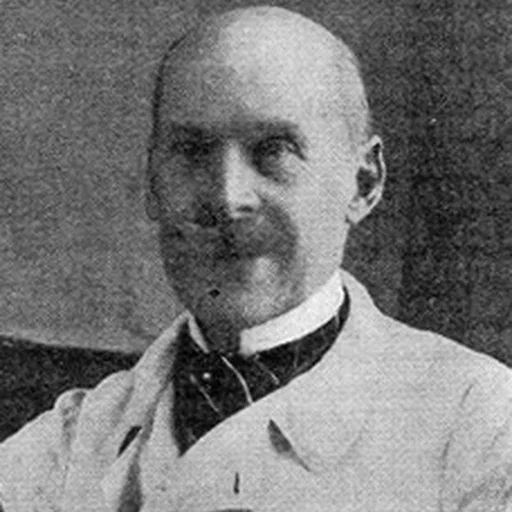
Gaston La Touche, or de La Touche, was a French painter, illustrator, engraver and sculptor.