Artwork
Plate with the Head of a Horned Devil (Planche au diable cornu)
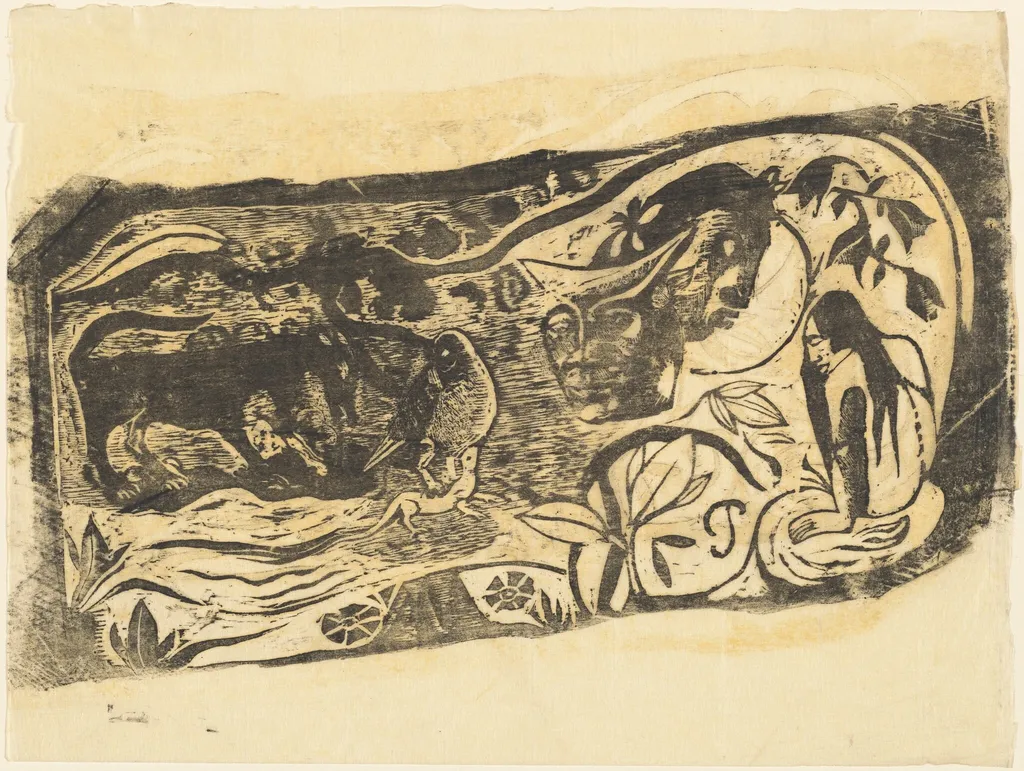
Plate with the Head of a Horned Devil (Planche au diable cornu) is an ink print by the Impressionist artist Paul Gauguin. It dates from 1895 and is held in the collection of the National Gallery of Art.
About this work
Overview
The work’s stark black-and-white tonality and simplified forms reflect his departure from Western naturalism toward a more symbolic visual language.
Created in 1895, *Plate with the Head of a Horned Devil* is a woodcut printed on delicate Japanese paper by Paul Gauguin. It belongs to a series of prints made during his time in Tahiti, where he increasingly turned to printmaking as a means of exploring spiritual and mythological themes. The work’s stark black-and-white tonality and simplified forms reflect his departure from Western naturalism toward a more symbolic visual language.
Subject & Meaning
The image depicts a nocturnal gathering around a fire, with a horned, shadowy figure emerging from the trees in the background. The figure, neither fully human nor entirely demonic, suggests a fusion of Polynesian spiritual beliefs and European occult imagery. Gauguin uses ambiguity to evoke a sense of the unseen, inviting viewers to interpret the presence as ancestral, supernatural, or psychological—a manifestation of inner turmoil or cultural collision.
Technique & Style
Gauguin carved the design directly into a woodblock, exploiting the medium’s inherent contrast between carved-away areas and inked surfaces. The resulting lines are bold and angular, with minimal gradation, emphasizing silhouette over detail. The use of thin Japanese paper allowed for subtle ink absorption, enhancing the print’s ethereal quality. His approach aligns with Synthetism: reducing forms to essential shapes to convey emotional and symbolic weight rather than optical accuracy.
History & Provenance
This print was produced during Gauguin’s second stay in Tahiti, a period marked by financial hardship and physical decline. He made limited impressions of his woodcuts, often printing them on unconventional papers, including Japanese tissue, to achieve specific textural effects. Few original impressions survive, and this work is among the more enigmatic in his print oeuvre, with uncertain early ownership records before entering institutional collections.
Context
In the mid-1890s, Gauguin sought to distance himself from European artistic norms, turning to indigenous cultures for inspiration. His woodcuts, including this one, were influenced by Oceanic carvings and medieval wood engravings, which he admired for their directness. The horned figure may reference both Polynesian deities and European folklore, reflecting his interest in syncretism and the universal nature of mythic archetypes.
Legacy
Though less celebrated than his paintings, Gauguin’s woodcuts influenced later Expressionist and Primitivist artists who valued their raw, symbolic power. *Plate with the Head of a Horned Devil* exemplifies his belief that printmaking could convey spiritual depth as effectively as painting. Its haunting simplicity and unresolved symbolism continue to resonate in discussions of non-Western influence on modern art and the role of the artist as mythmaker.
Artist & collection
Artist
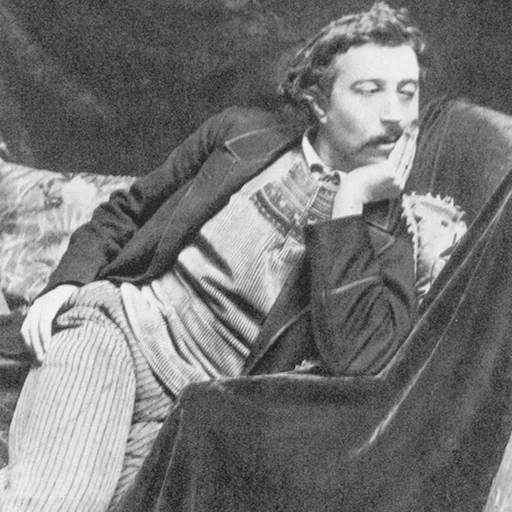
Eugène Henri Paul Gauguin (; French: ; 7 June 1848 – 8 May 1903) was a French painter, sculptor, printmaker, ceramist, and writer, whose work has been primarily associated with the Post-Impressionist and Symbolist movements.

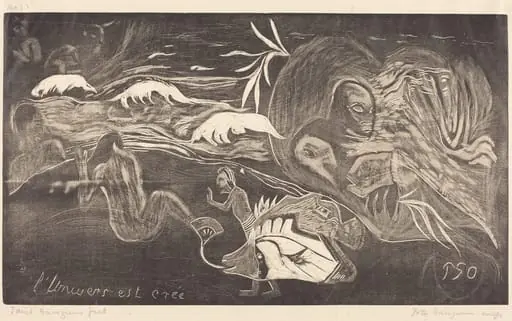 L'Univers est crée (The Creation of the Universe)
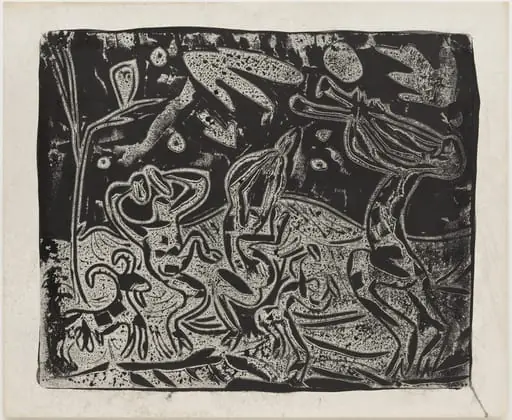 Untitled
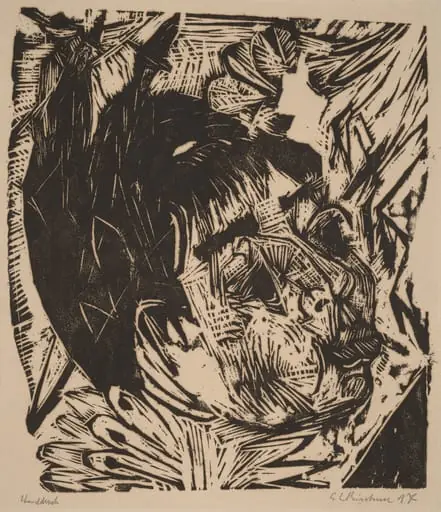 Wife of Professor Schaxel
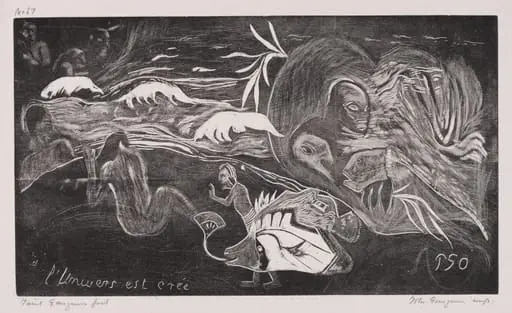 Noa Noa: L'Univers est créé (The Universe is Created)
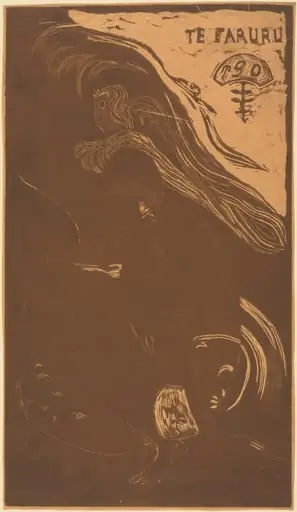 Te Faruru (They are Making Love Here)
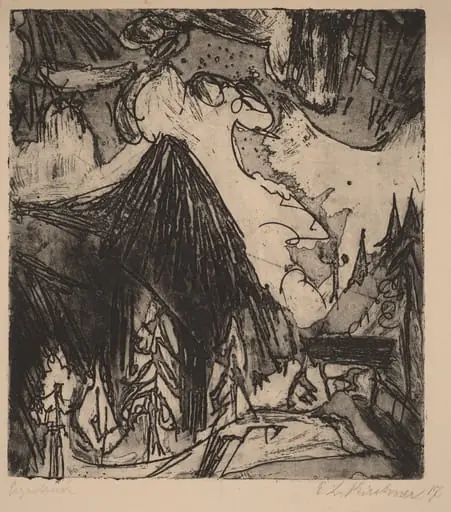 Seehorn
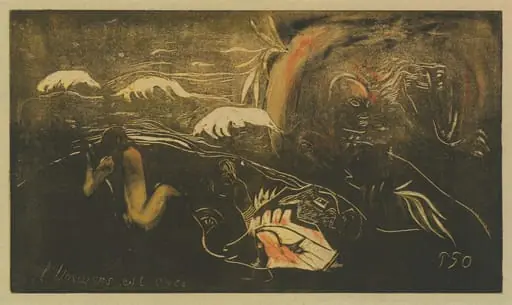 The Universe is Created (L'Univers est créé)
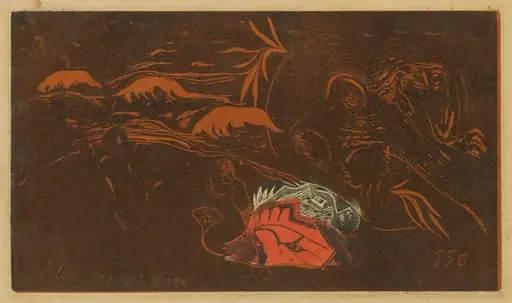 The Universe is Created (L'Univers est cree)
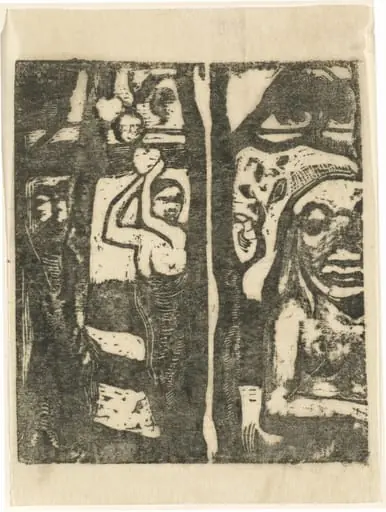 Woman Picking Fruit and the Savage (Femme cueillant des fruits et oviri)
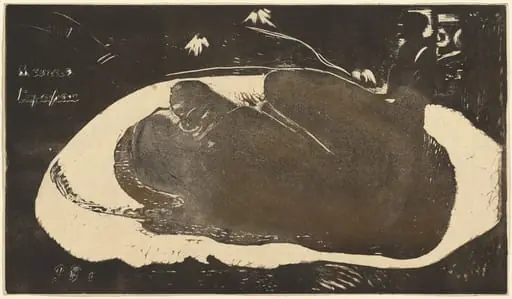 Manao Tupapau (She is Haunted by a Spirit)
 Te Atua (The Gods) Small Plate
 Human Misery (Misères humaines)