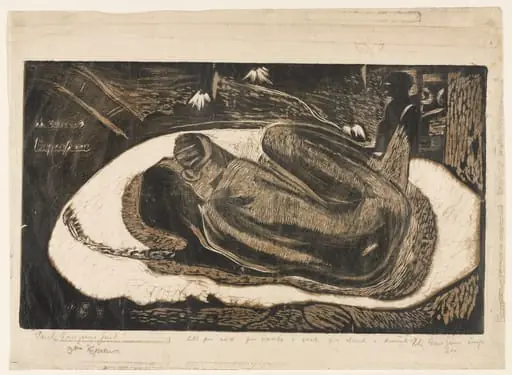
Artwork
Te Po (The Long Night)
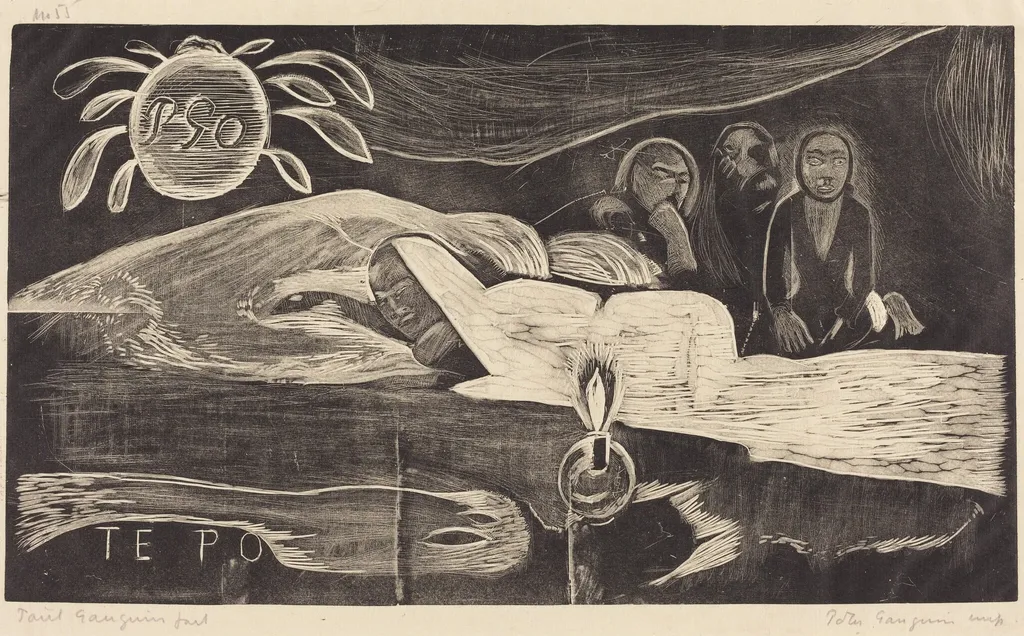
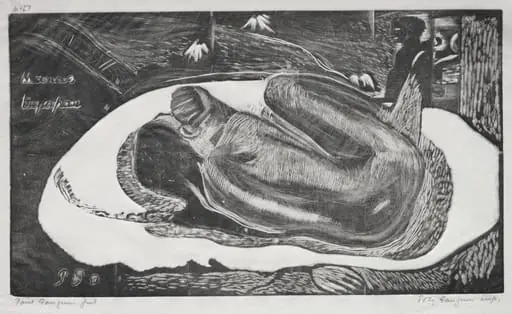
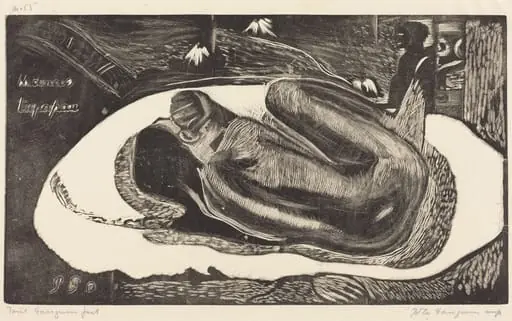
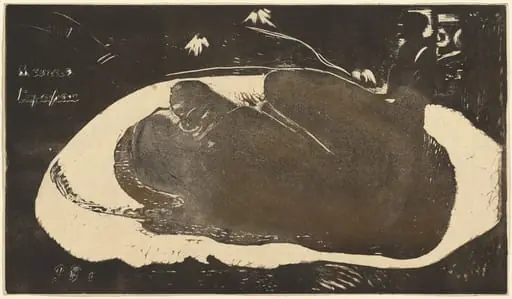
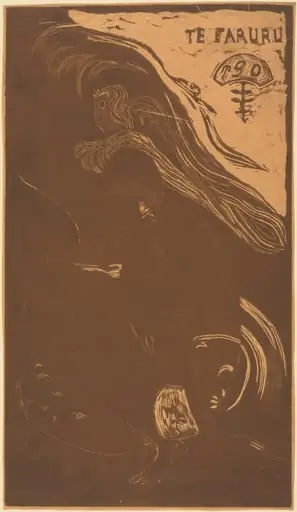
Te Po (The Long Night) is an ink print by the Impressionist artist Paul Gauguin. It dates from 1894 and is held in the collection of the National Gallery of Art.
About this work
Overview
Paul Gauguin produced *Te Po (The Long Night)* in 1894 as a woodcut printed on China paper. Created after his relocation to Tahiti, the work reflects his deepening interest in non-Western artistic traditions. Unlike his oil paintings, this print emphasizes line and tone over color, aligning with his exploration of printmaking as a vehicle for spiritual and cultural expression.
Subject & Meaning
Dressed in a red skirt and white top, she appears both grounded and ethereal, her form reduced to bold, simplified contours.
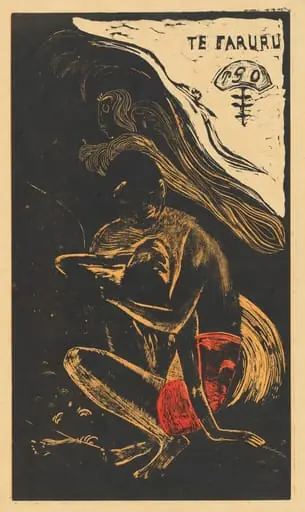
The figure in *Te Po* is a solitary woman, her elongated arms raised beneath a vast, dark sky. Dressed in a red skirt and white top, she appears both grounded and ethereal, her form reduced to bold, simplified contours. The Tahitian title, meaning 'the night,' suggests a meditative or ritualistic atmosphere, evoking themes of solitude, the unseen, and the spiritual weight of darkness in Polynesian cosmology.
Technique & Style
Gauguin carved the image into a woodblock, using sharp, incised lines to define the figure and sky. Printed on thin China paper, the ink absorbs subtly, enhancing the print’s quiet intensity. The composition rejects naturalistic depth, favoring flat planes and strong silhouettes reminiscent of Polynesian carvings. This deliberate stylization distances the work from European academic conventions.
History & Provenance
Made during Gauguin’s second stay in Tahiti, *Te Po* emerged from a period of intense experimentation with indigenous techniques. He produced a small series of woodcuts around this time, often printing them on delicate papers to achieve muted tonal effects. The print entered the collection of the National Gallery of Art in Washington, D.C., where it remains part of its holdings of Gauguin’s graphic work.
Context
In the mid-1890s, Gauguin sought to escape European modernity and immerse himself in what he perceived as an unspoiled Polynesian culture. His woodcuts were not mere reproductions but reinterpretations of local carving traditions, filtered through his own symbolic vision. *Te Po* reflects this synthesis—neither purely ethnographic nor purely European, but a hybrid form of personal and cultural inquiry.
Legacy
Though less known than his paintings, Gauguin’s woodcuts influenced later modernists interested in primitivism and expressive line. *Te Po* exemplifies how printmaking allowed him to distill complex emotional and spiritual ideas into stark, elemental forms. Its quiet power lies in its restraint—offering no narrative, only presence, and inviting contemplation rather than explanation.
Artist & collection
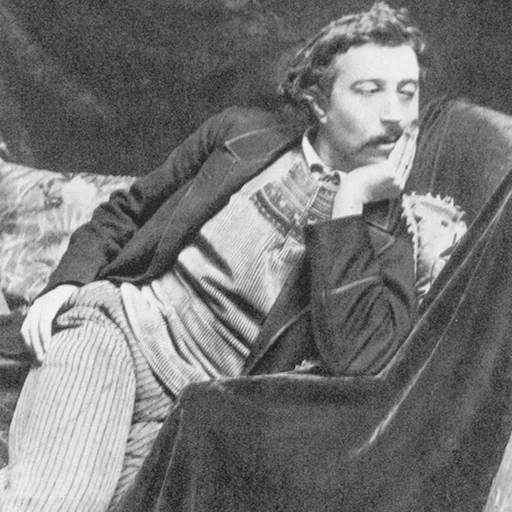
Artist
Eugène Henri Paul Gauguin (; French: ; 7 June 1848 – 8 May 1903) was a French painter, sculptor, printmaker, ceramist, and writer, whose work has been primarily associated with the Post-Impressionist and Symbolist movements.