Artwork
Portrait of a Man.
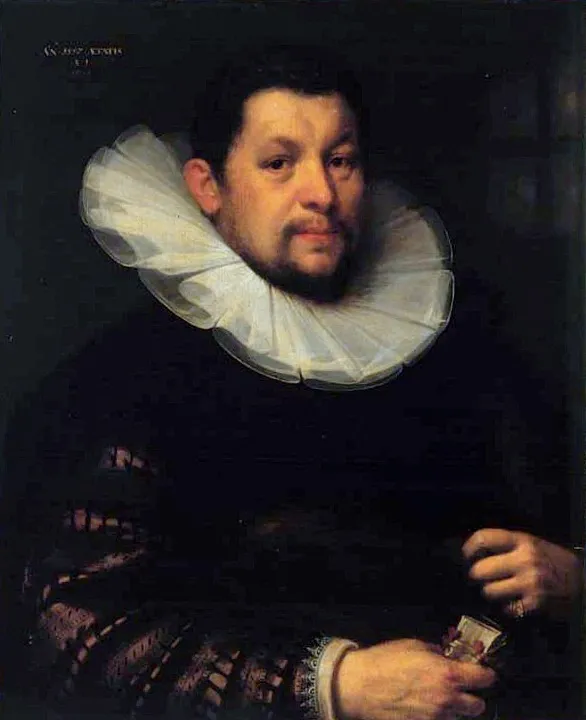
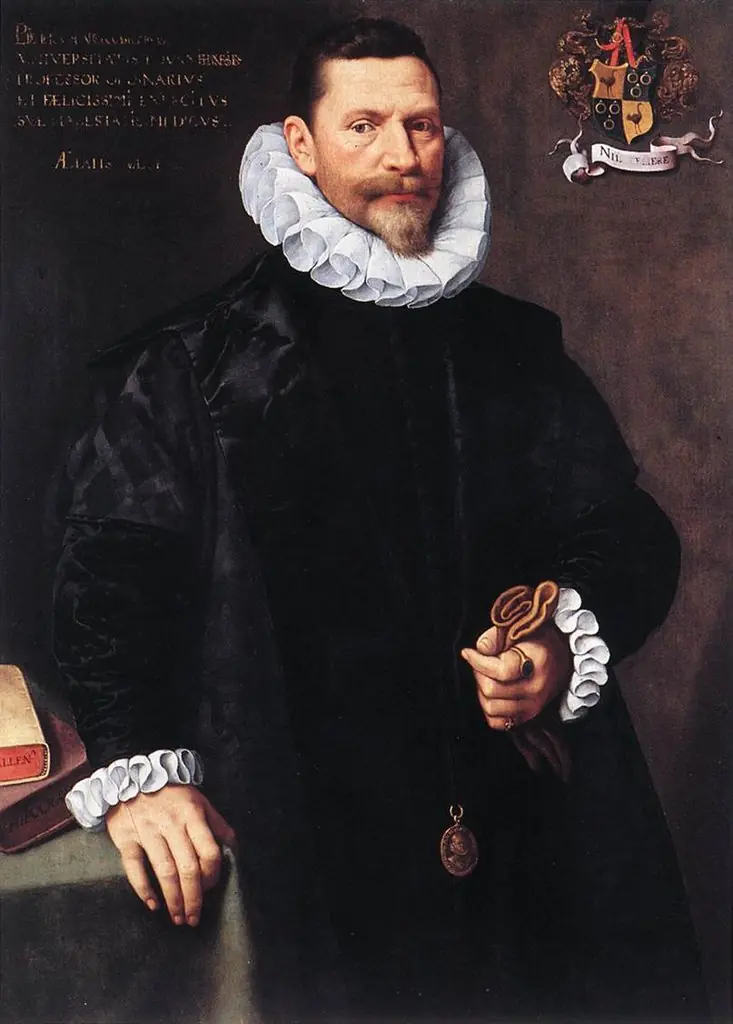
Portrait of a Man. is an oil painting by the Flemish Baroque painting artist Geldorp Gortzius. It dates from 1599 and is held in the collection of the National Museum of Ancient Art. Gortzius Geldorp, a Flemish painter who spent much of his career in Germany, completed this oil portrait in 1599.
About this work
The artist's use of chiaroscuro creates a sense of volume and dimensionality, drawing the viewer's attention to the subject's face and hands.
This portrait features a man with dark hair and a beard, wearing a black shirt with a white ruffled collar. His right hand holds a small object, possibly a ring or a pendant, while his left hand is not visible. The background is dark, with a subtle gradient that adds depth to the image.
The subject's attire and the style of the painting suggest a formal portrait from the 16th century. The artist's use of chiaroscuro creates a sense of volume and dimensionality, drawing the viewer's attention to the subject's face and hands.
For more information on the artist's technique, look up chiaroscuro.
Overview
Gortzius Geldorp, a Flemish painter who spent much of his career in Germany, completed this oil portrait in 1599. Executed in the late Renaissance period that transitions toward the Baroque, the work presents a single male sitter against a darkened backdrop. It is currently part of the collection of the National Museum of Ancient Art.
Subject & Meaning
The figure is a bearded man with dark hair, dressed in a black shirt accented by a white, ruffled collar. He holds a small object—perhaps a ring or pendant—in his right hand, a common device for indicating status or personal identity in 16th‑century portraiture. The composition emphasizes his facial features and hands, suggesting a focus on individual presence and social rank.
Technique & Style
Geldorp employs chiaroscuro, contrasting deep shadows with illuminated areas to model the sitter’s form and give a three‑dimensional quality. The subtle gradation of the background recedes, enhancing the figure’s volume. The brushwork is typical of Flemish Baroque practice, with careful attention to texture in the fabric and the delicate rendering of the ruff.
History & Provenance
Created at the close of the 16th century, the portrait entered the holdings of the National Museum of Ancient Art, where it remains on display. Its provenance traces back to the artist’s workshop in Germany, reflecting the cross‑regional circulation of Flemish painters and their works during the period.
Artist & collection
Artist
Gortzius Geldorp (1553–1618) was a Flemish Renaissance artist who was active in Germany where he distinguished himself through his portrait paintings.

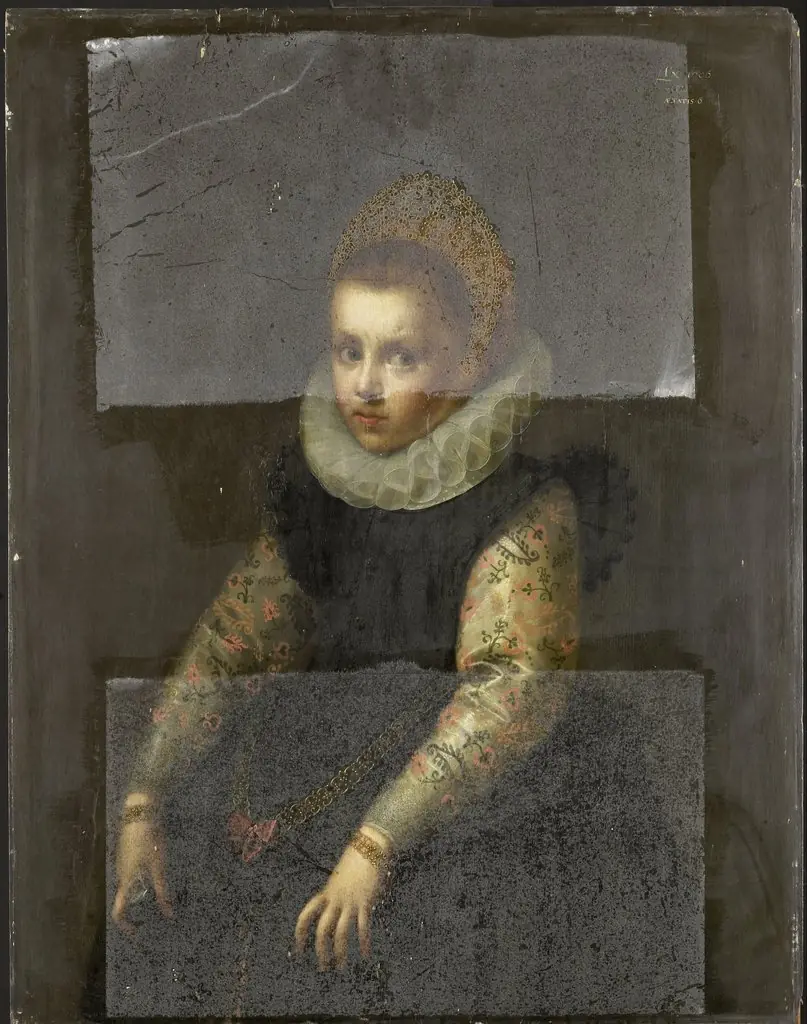 Portrait of a Sister of Catharina Fourmenois
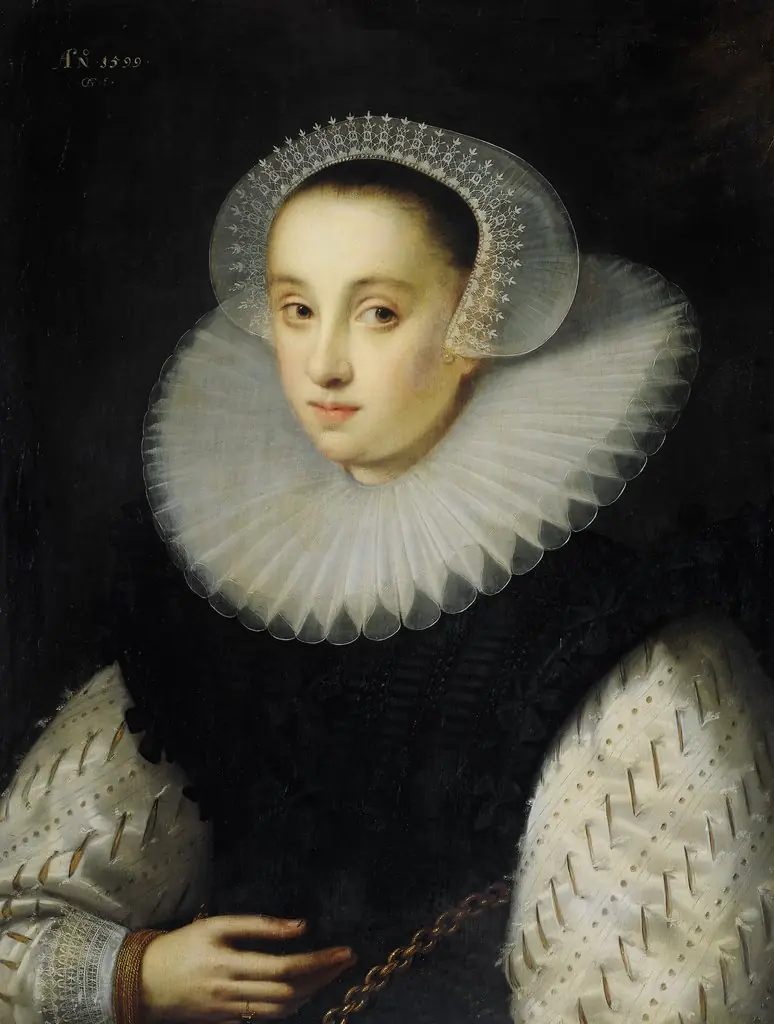 Portrait of Hortensia del Prado (died 1627)
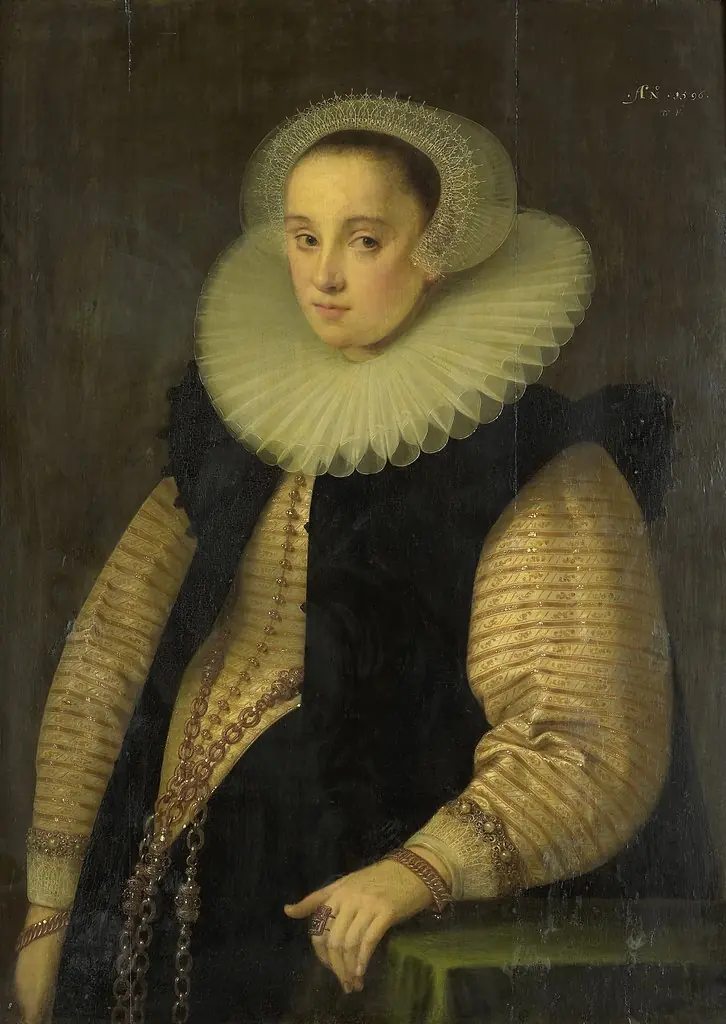 Portrait of Hortensia del Prado (died 1627), Wife of Jean Fourmenois
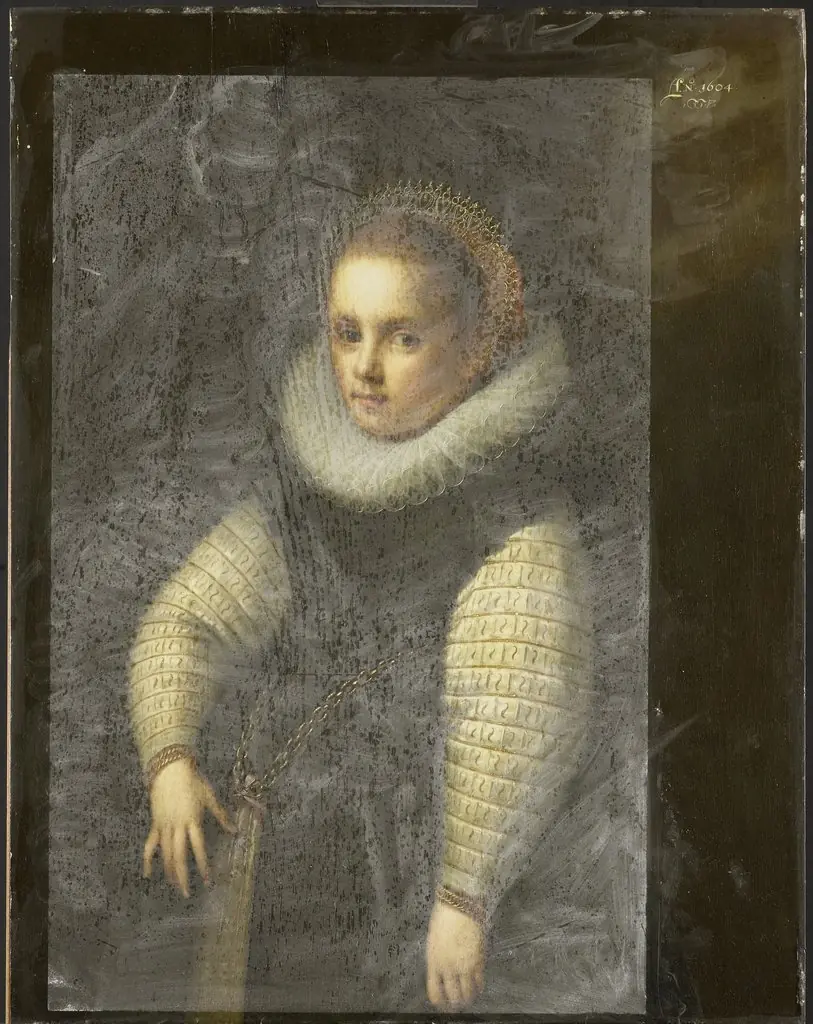 Portrait of Catharina Fourmenois as a Child, later Wife of Pieter Boudaen Courten
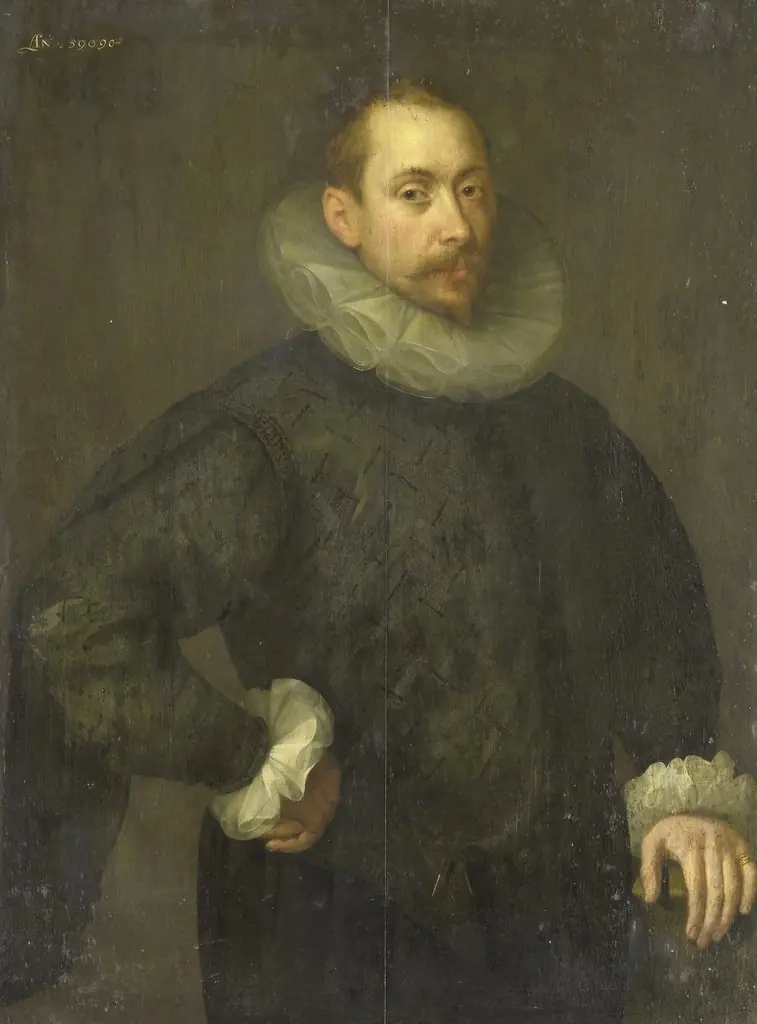 Portrait of Jean Fourmenois
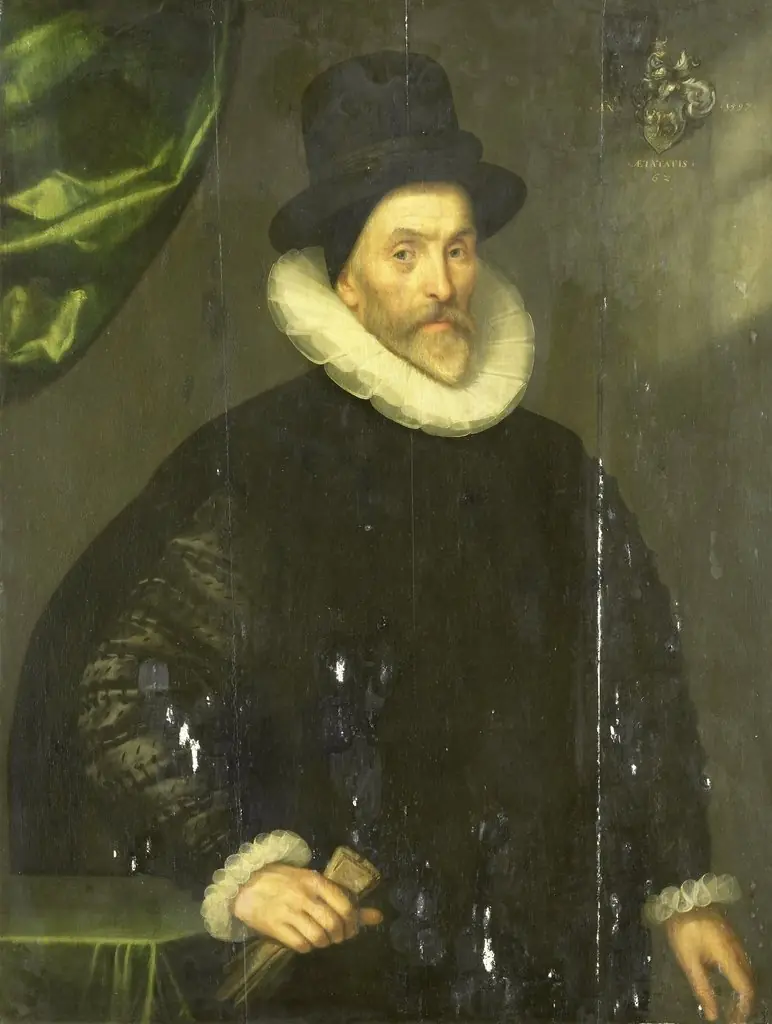 Portrait of Gualtero del Prado
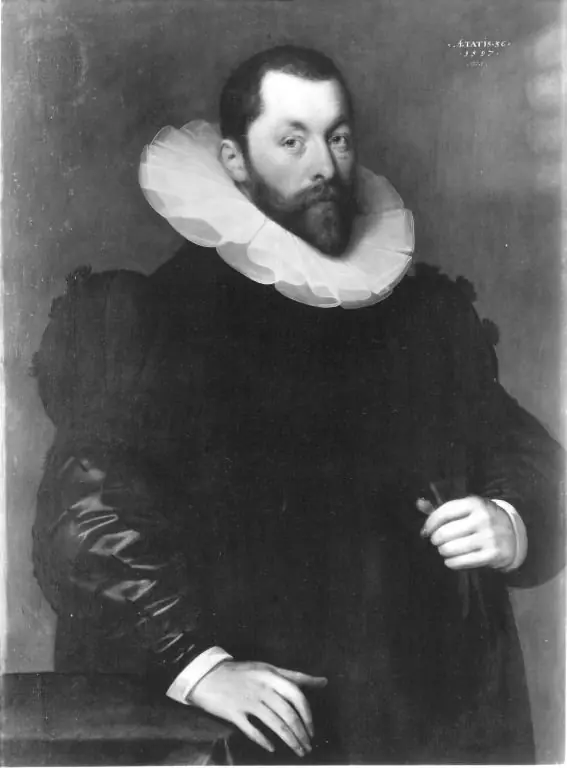 Bildnis eines Mannes
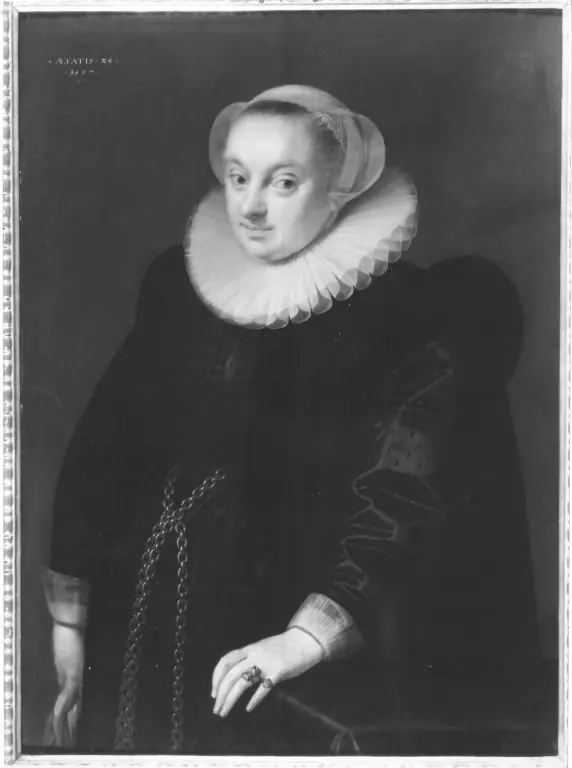 Portrait of a woman
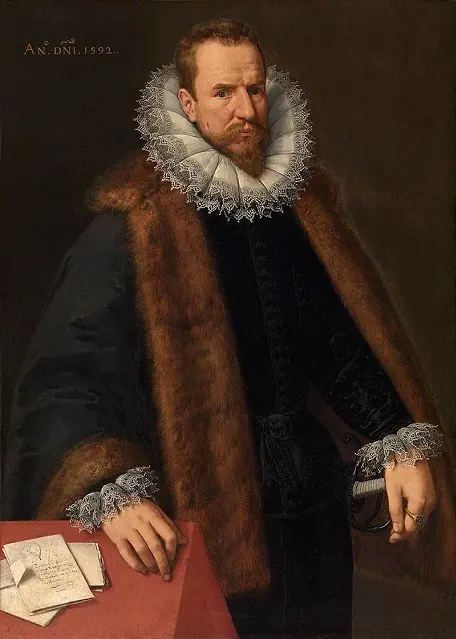 Portrait of Nicolas de Hellincx, counselor of the king
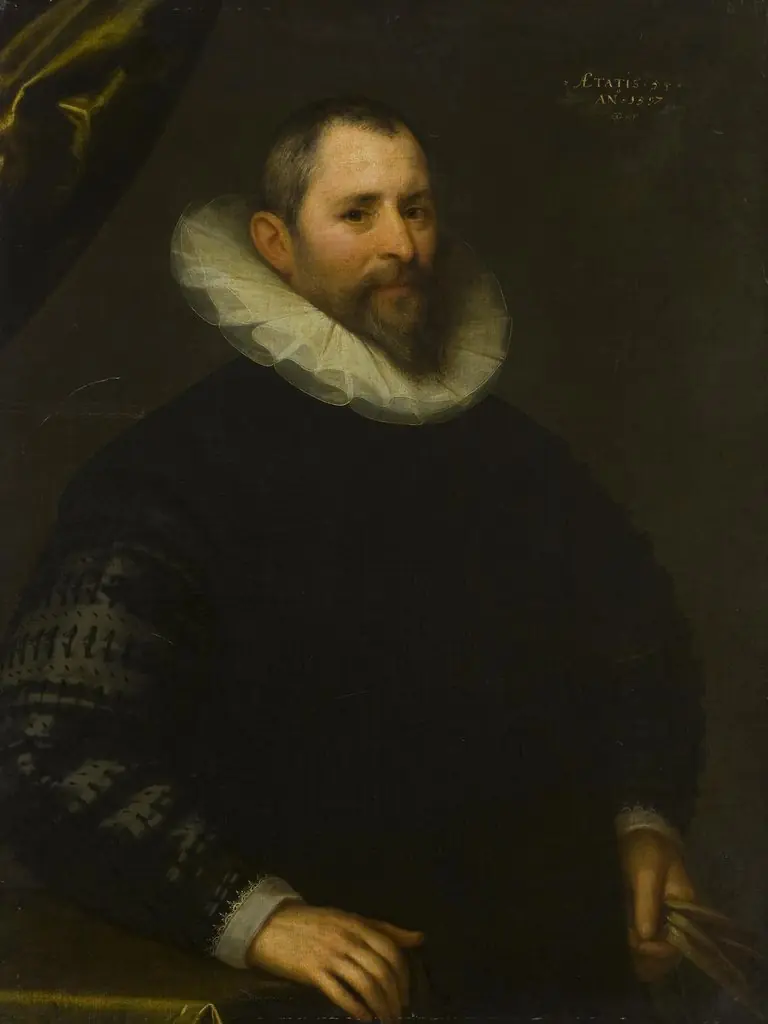 Portrait of Gottfried Hautappel
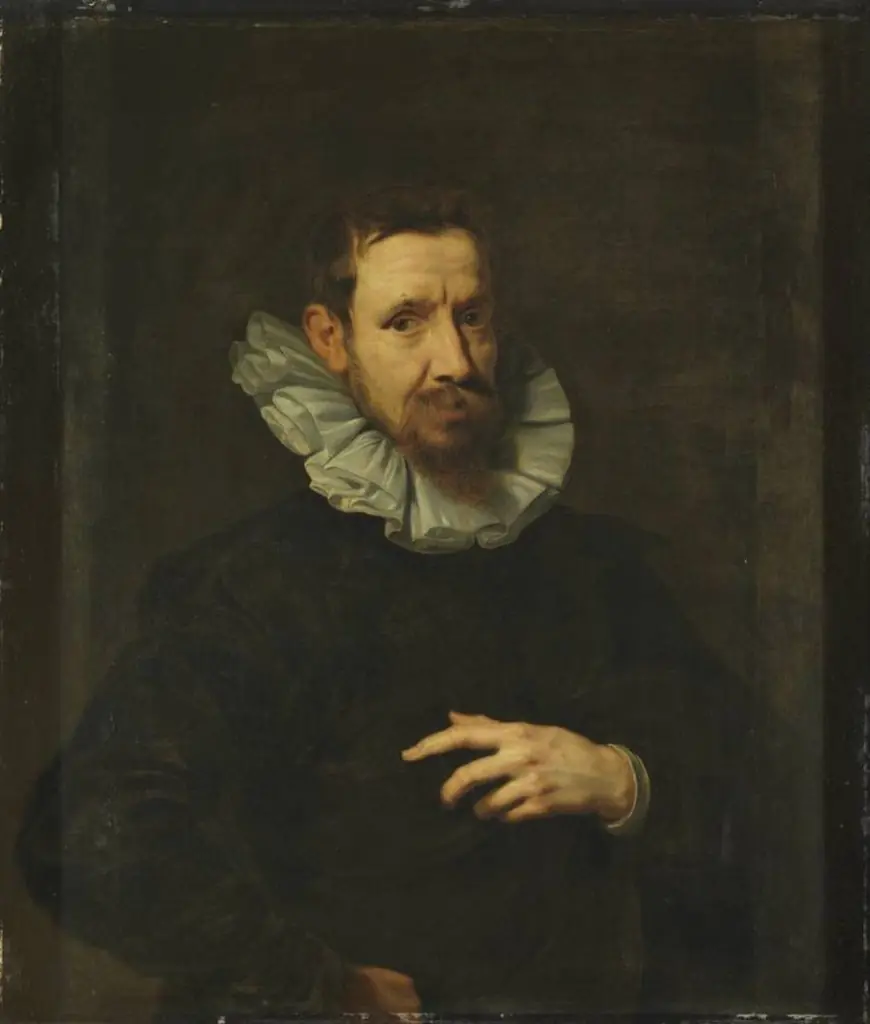 Portrait of the painter Jan Brueghel
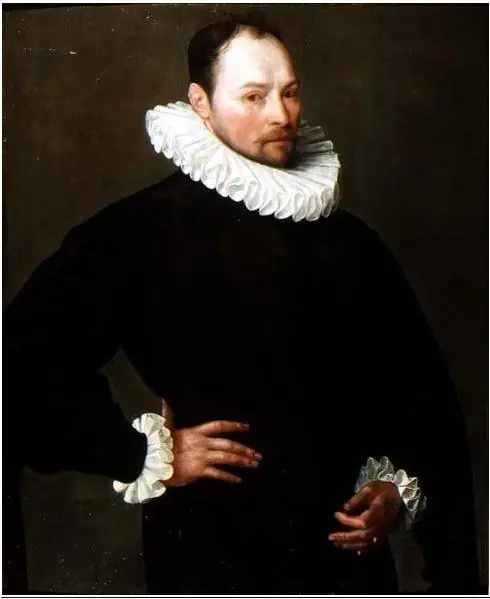 Portrait of a man aged 33
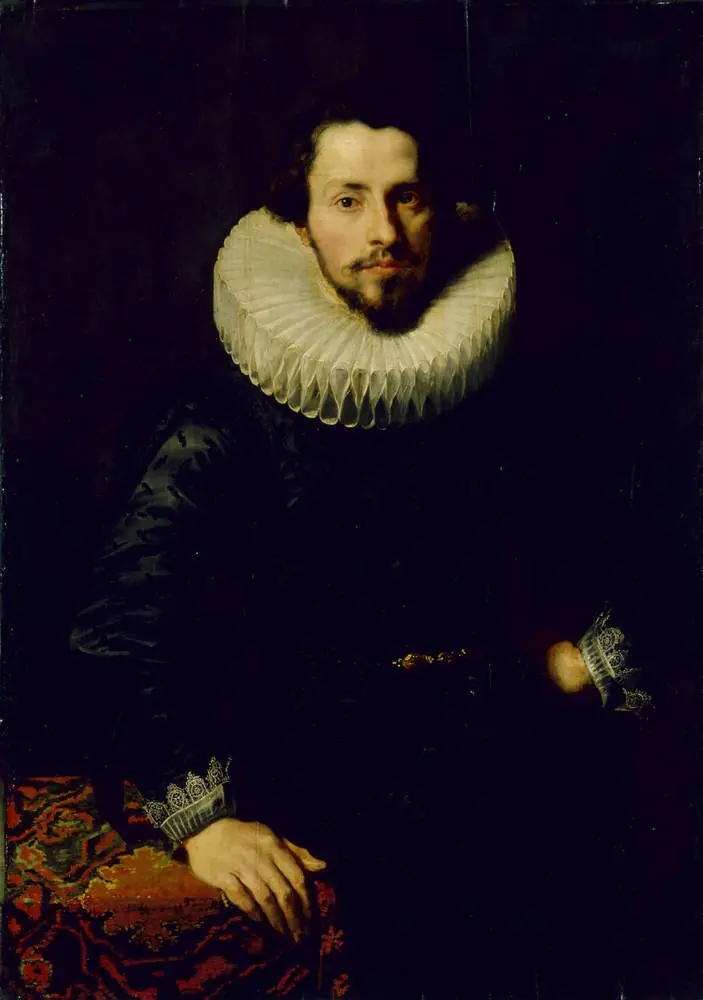 Portrait of a Man at a Table
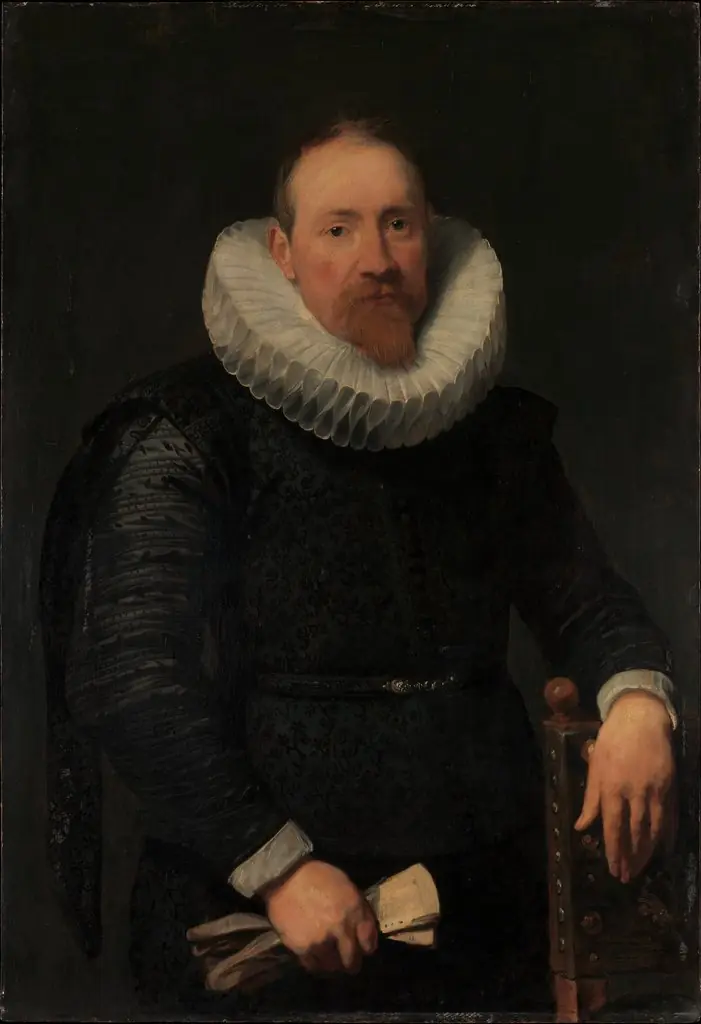 Portrait of a Man
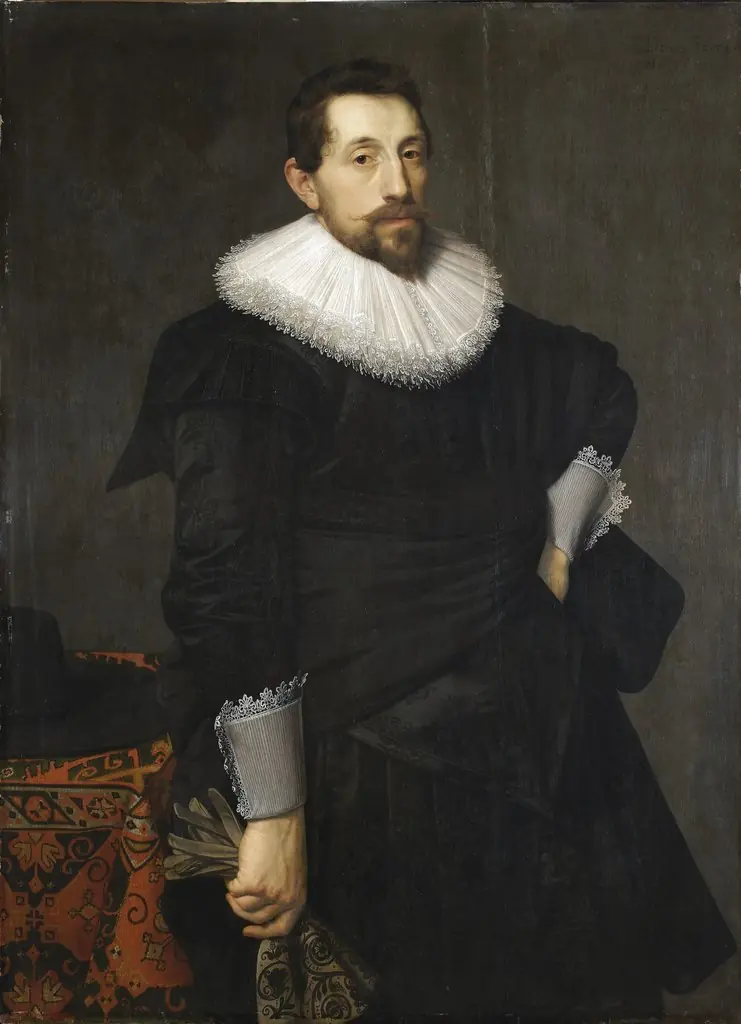 Portrait of a Man with Gloves
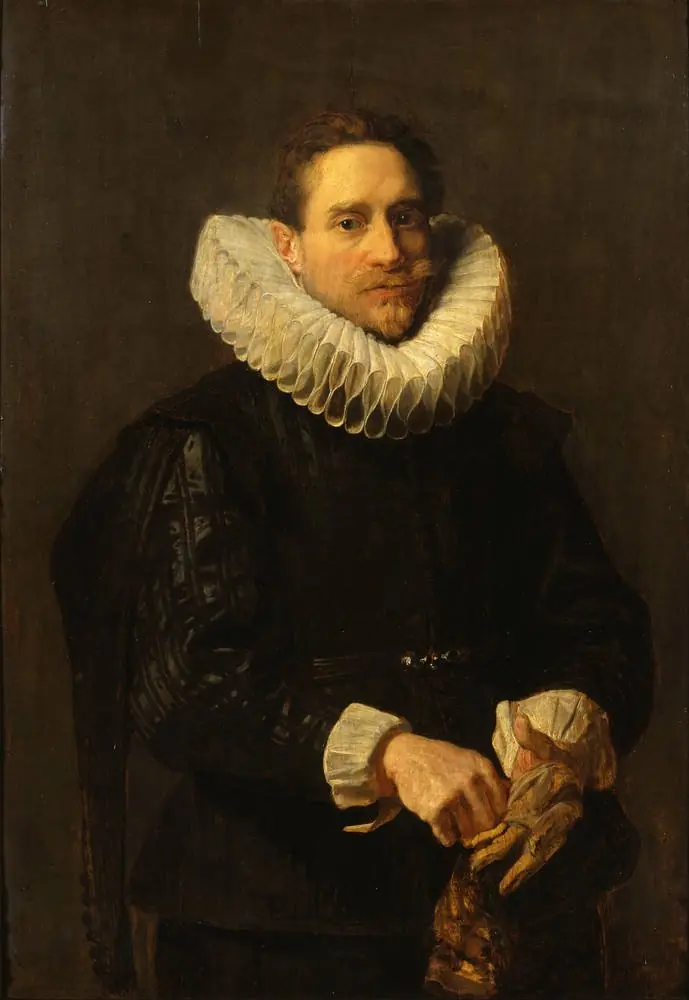 Portrait of a Man
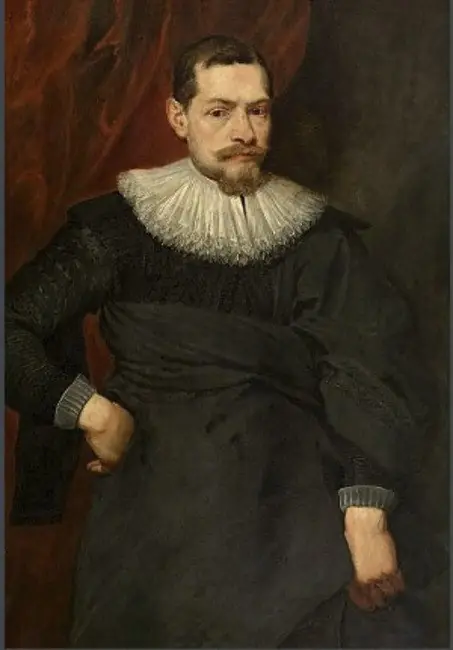 Portrait of man with an unstarched ruff
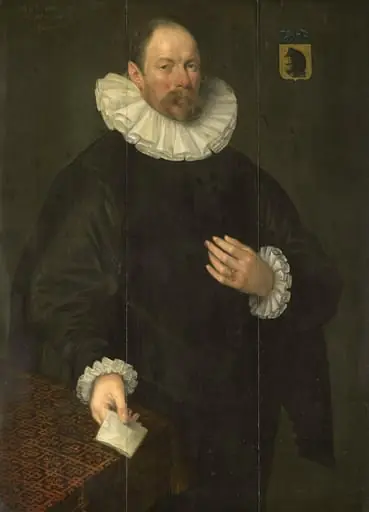 Portrait of Paulus Cornelisz van Beresteyn (1548-1625), Burgomaster of Delft
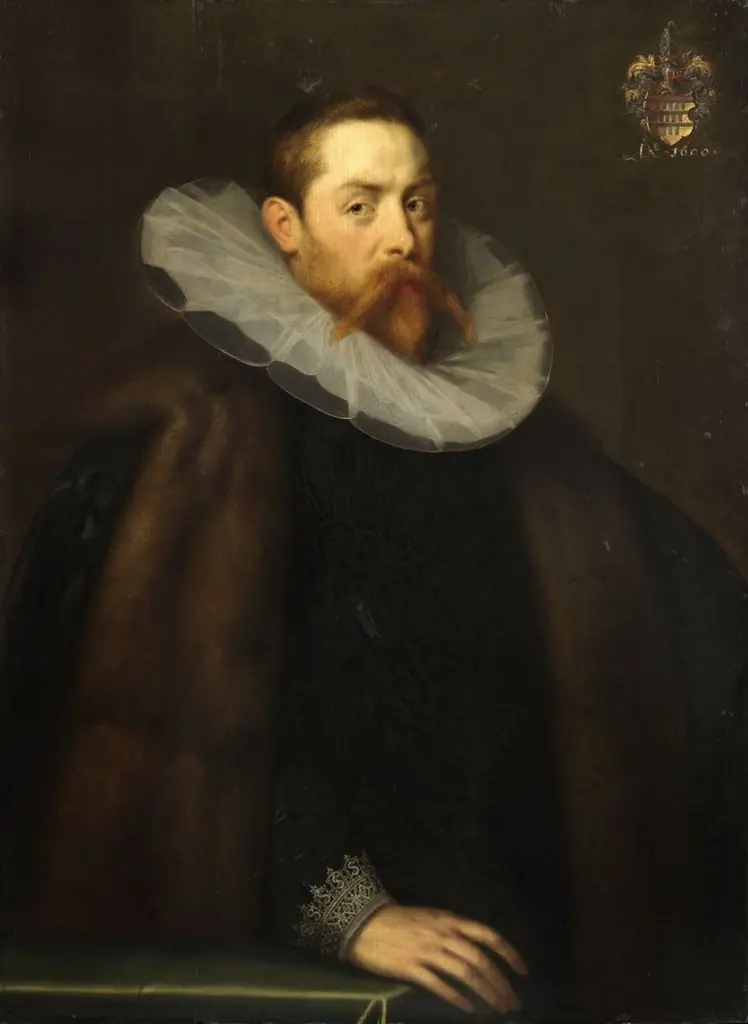 Portrait of a Member of the Lyskirchen Family
 Portrait of Petrus Ricardus