Artwork
Portrait of A.I. Kurakina
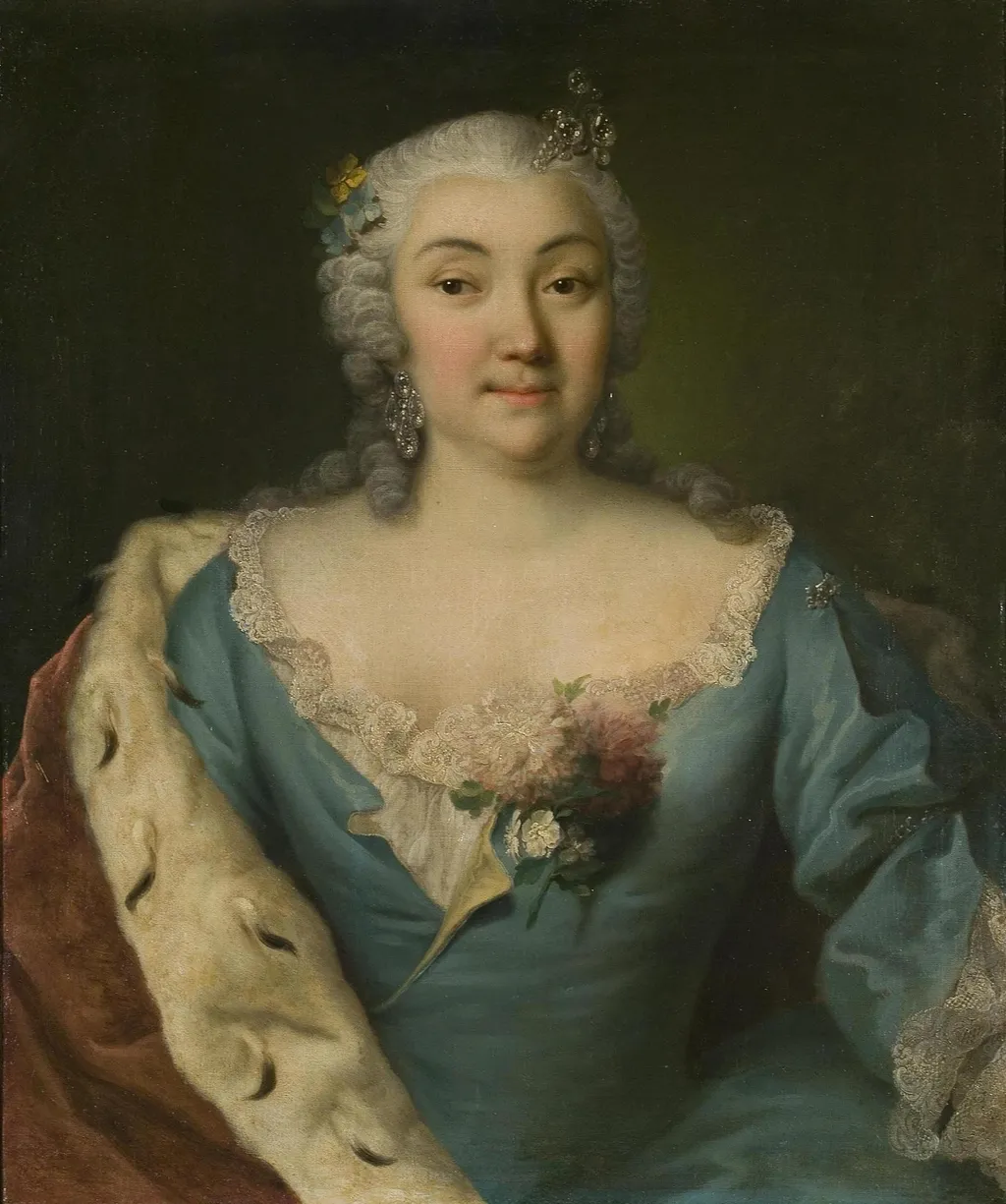
Portrait of A.I. Kurakina is an oil painting by the Rococo painting artist Georg Cristoph Grooth. It dates from 1725 and is held in the collection of the Hermitage Museum. Painted in 1725 by the German-born artist Georg Christoph Grooth, this oil portrait depicts A.
About this work
Overview
Grooth, who had previously worked in Württemberg, was active in Russia during the early 18th century.
Painted in 1725 by the German-born artist Georg Christoph Grooth, this oil portrait depicts A.I. Kurakina, a noblewoman of the Russian imperial court. Grooth, who had previously worked in Württemberg, was active in Russia during the early 18th century. The painting is part of the State Hermitage Museum’s collection and exemplifies the transition from Baroque formality to the more intimate aesthetics of Rococo portraiture.
Subject & Meaning
The sitter, A.I. Kurakina, is portrayed with quiet dignity, her light gray hair gently curled and adorned with minimal jewelry. The inclusion of a small bouquet and fur collar suggests both refinement and seasonal fashion, while the restrained elegance of her attire reflects aristocratic taste. The composition avoids overt symbolism, instead emphasizing personal presence and social status through subtle indicators of wealth and poise.
Technique & Style
Grooth employed soft, blended brushwork to render the textures of lace, fur, and silk, creating a tactile quality without overt detail. The dark background isolates the figure, enhancing the three-dimensionality of her form. Delicate chiaroscuro directs attention to her face and upper torso, where light gently modulates the planes of her skin and clothing, a hallmark of Rococo portraiture’s emphasis on luminous subtlety.
History & Provenance
Commissioned during Grooth’s tenure in Saint Petersburg, the portrait entered the imperial collection shortly after its completion. It remained in royal hands through successive reigns and was later integrated into the Hermitage’s formal holdings. Its continuous presence in state collections underscores its early recognition as a significant example of foreign-trained artists shaping Russian elite portraiture.
Context
In early 18th-century Russia, Western European artistic styles were actively adopted by the court under Peter the Great’s reforms. Grooth, like other German and Italian painters, brought continental techniques to Russian nobility. This portrait reflects the cultural synthesis of the era—German training applied to Russian aristocrats, blending local identity with imported aesthetic norms.
Legacy
The portrait stands as an early example of Rococo portraiture in Russia, influencing subsequent court artists in their treatment of light, texture, and psychological restraint. While Grooth’s broader oeuvre is less widely known, this work remains a reference point for understanding how foreign artists contributed to the visual language of Russian aristocracy during its formative modernization period.
Own this work as a print
Artist & collection
Artist
Georg Christoph Grooth (21 January 1716 in Stuttgart – 8 October 1749 in St. Petersburg) was a German painter employed at the Duchy of Württemberg before moving to Imperial Russia to paint portraits of Elizabeth of…

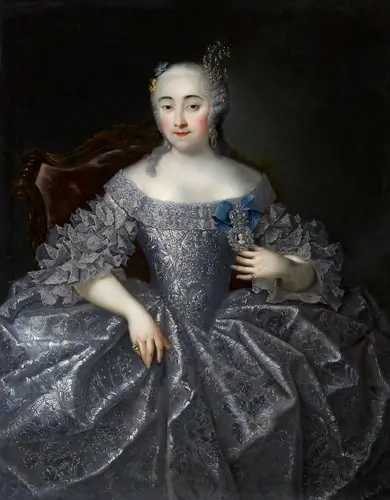
![Portrait of a young woman [Sophie Markgräfin von Brandenburg-Bayreuth, née Duchess Sachsen-Weißenfels (1684–1752)?], by Unknown](https://artifactworldgallery.com/img/unknown--portrait-of-a-young-woman-sophie-markgrafin-von-brandenburg--2d73c9561763e528-w320.webp) Portrait of a young woman [Sophie Markgräfin von Brandenburg-Bayreuth, née Duchess Sachsen-Weißenfels (1684–1752)?]
Portrait of a young woman [Sophie Markgräfin von Brandenburg-Bayreuth, née Duchess Sachsen-Weißenfels (1684–1752)?]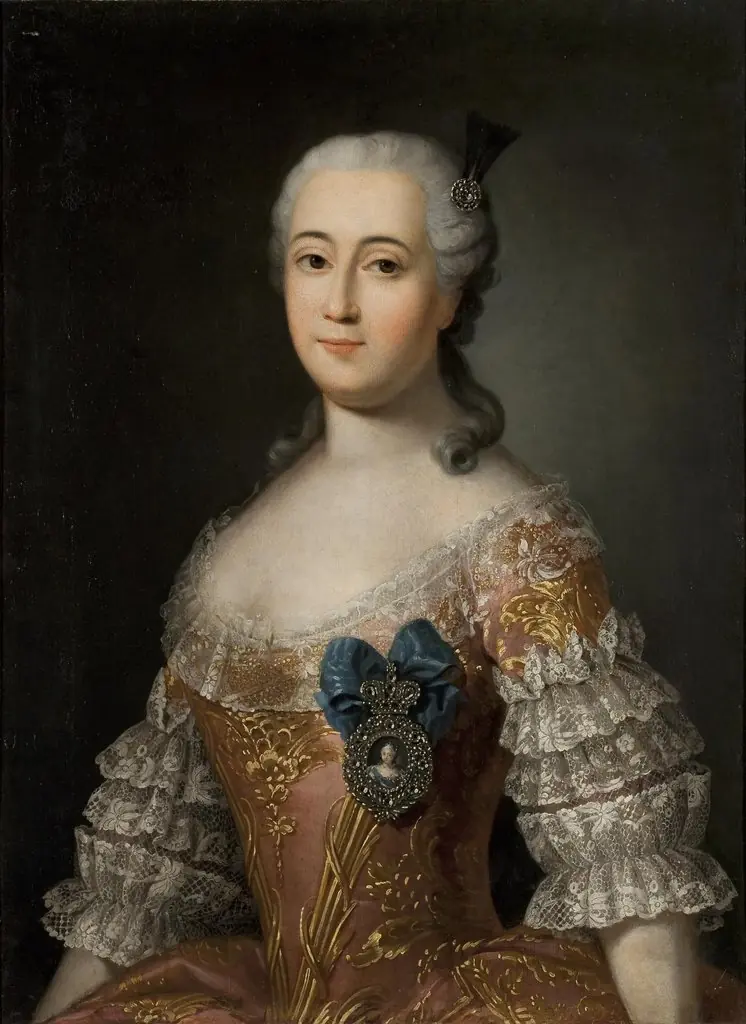 Portrait of a Woman
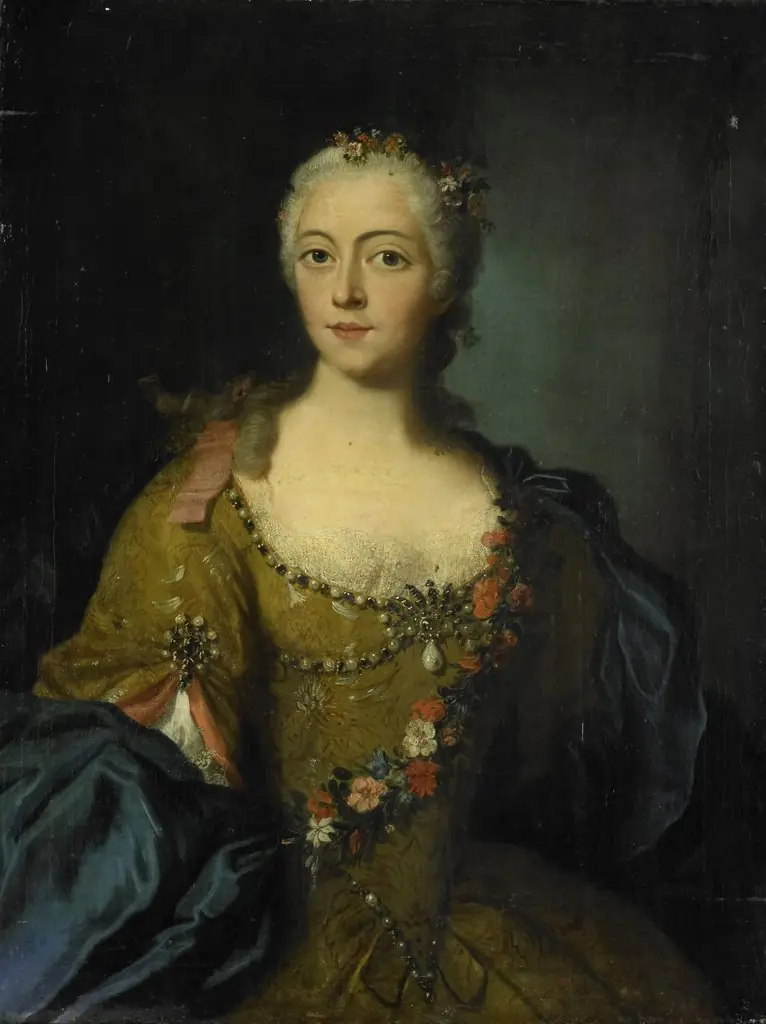 Portret van een vrouw
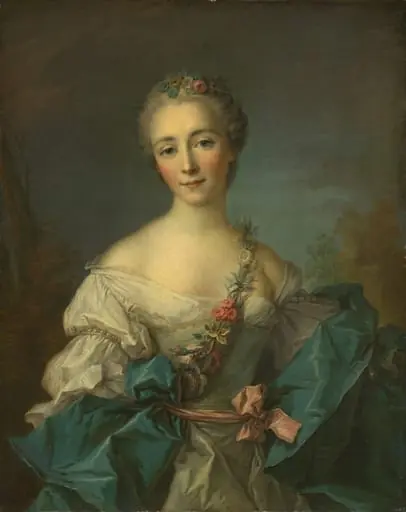 Portrait of a Young Woman
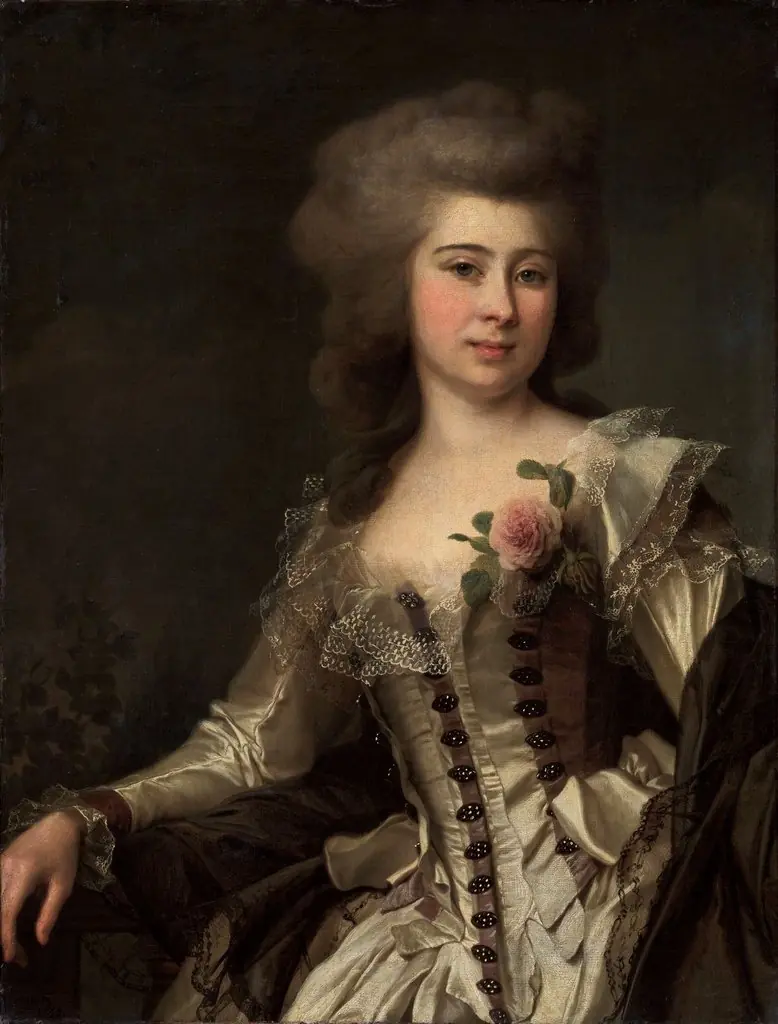 Portrait of an Unknown Woman with a Rose
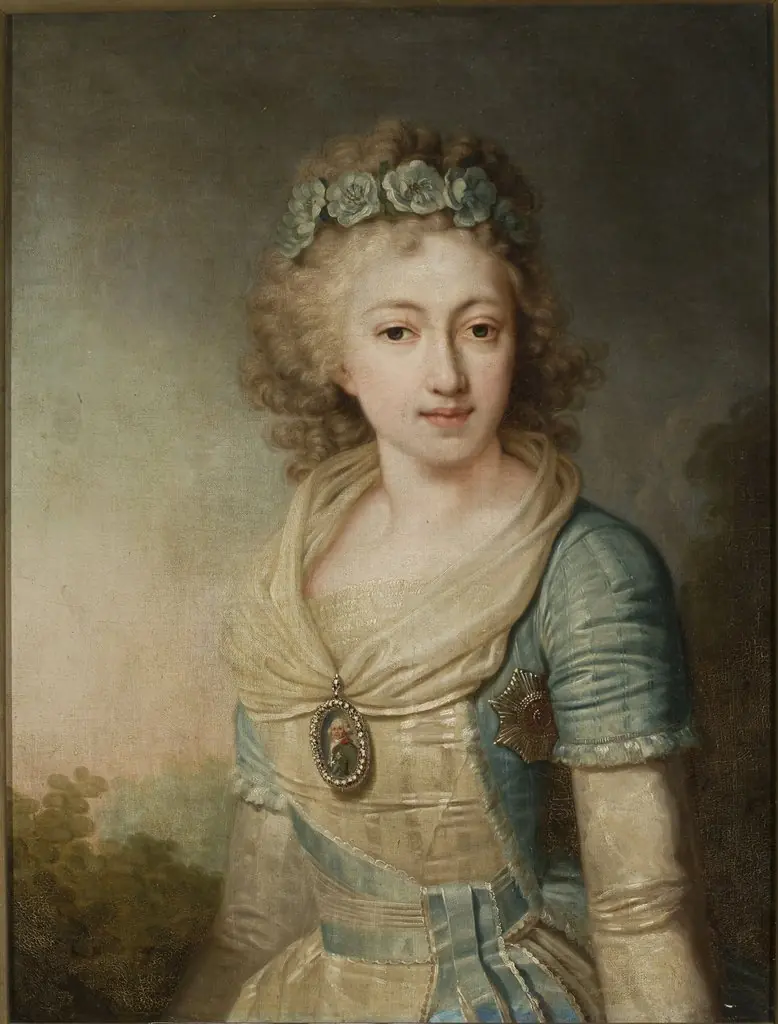 Portrait of Paul I’s daughter – Helena
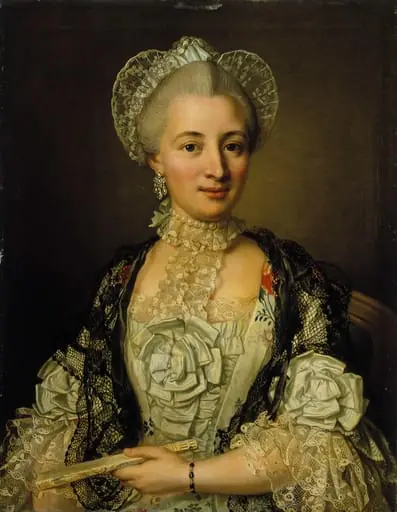 Naisen muotokuva
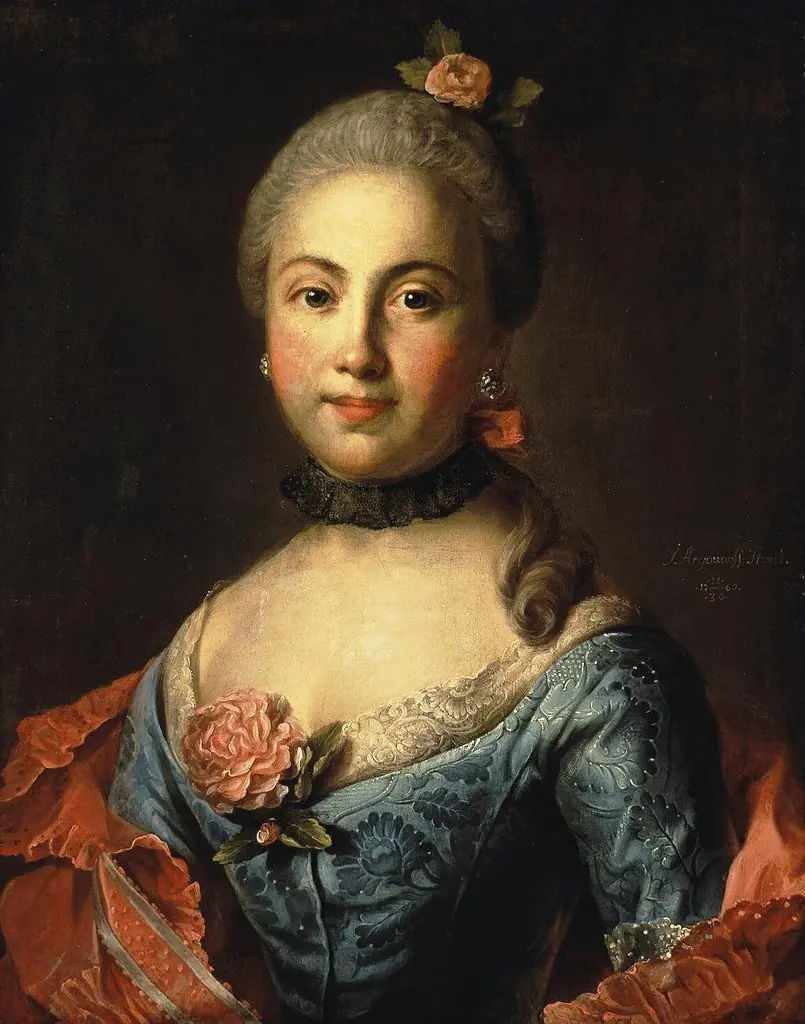 Portrait of a Woman in a Blue Dress
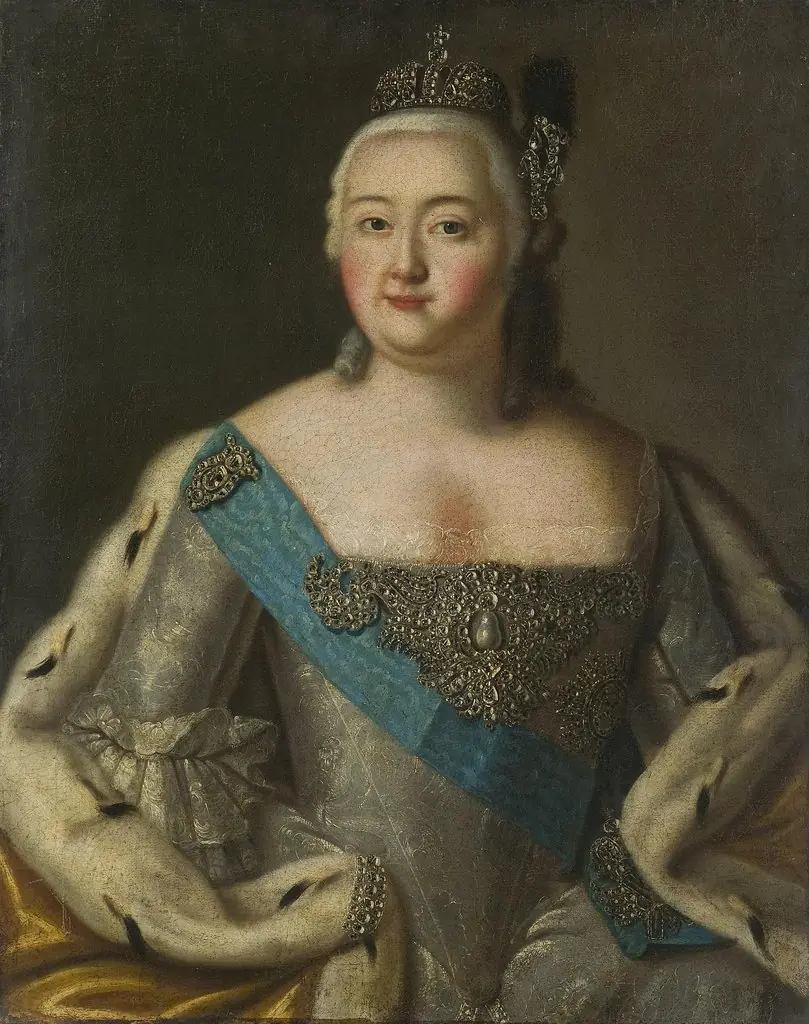 Portrait of Empress Elizabeth Petrovna
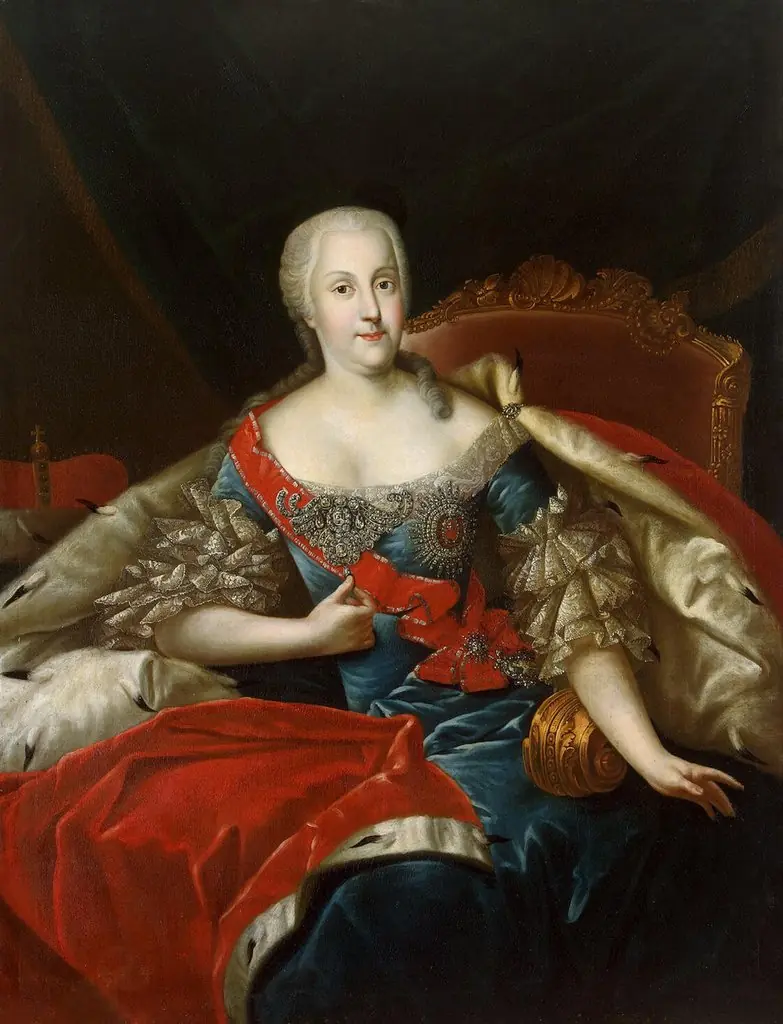 Portrait of Johanna Elisabeth, Princess of Anhalt-Zerbst
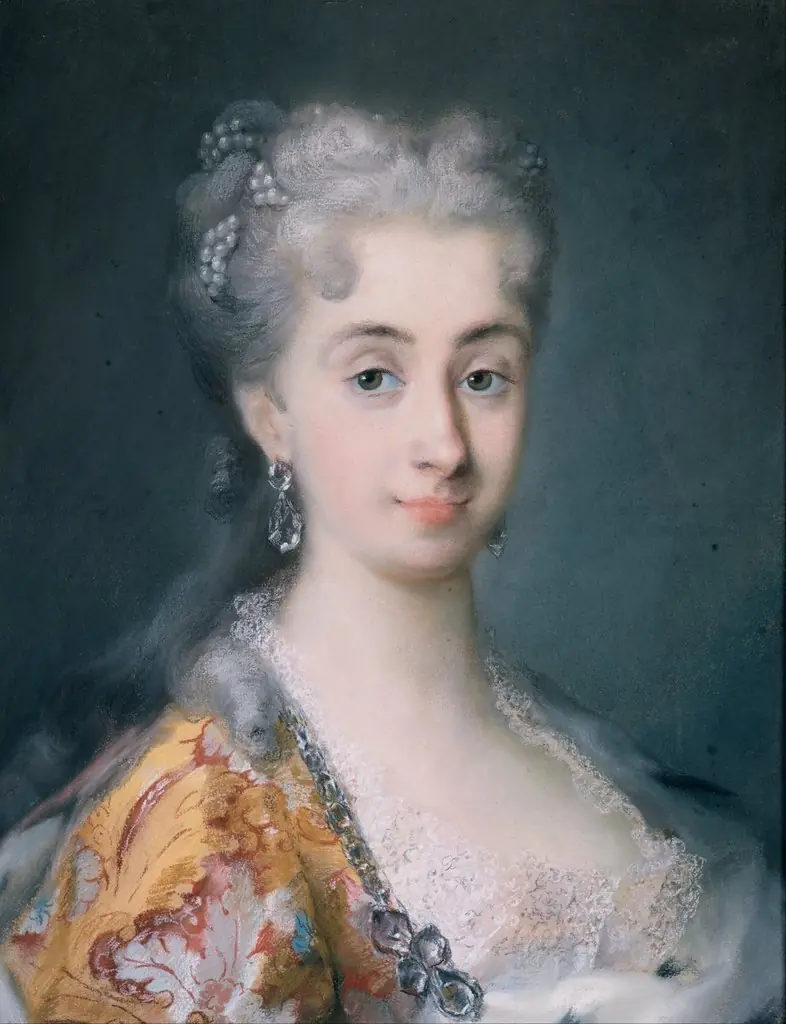 Lucrezia Mocenigo
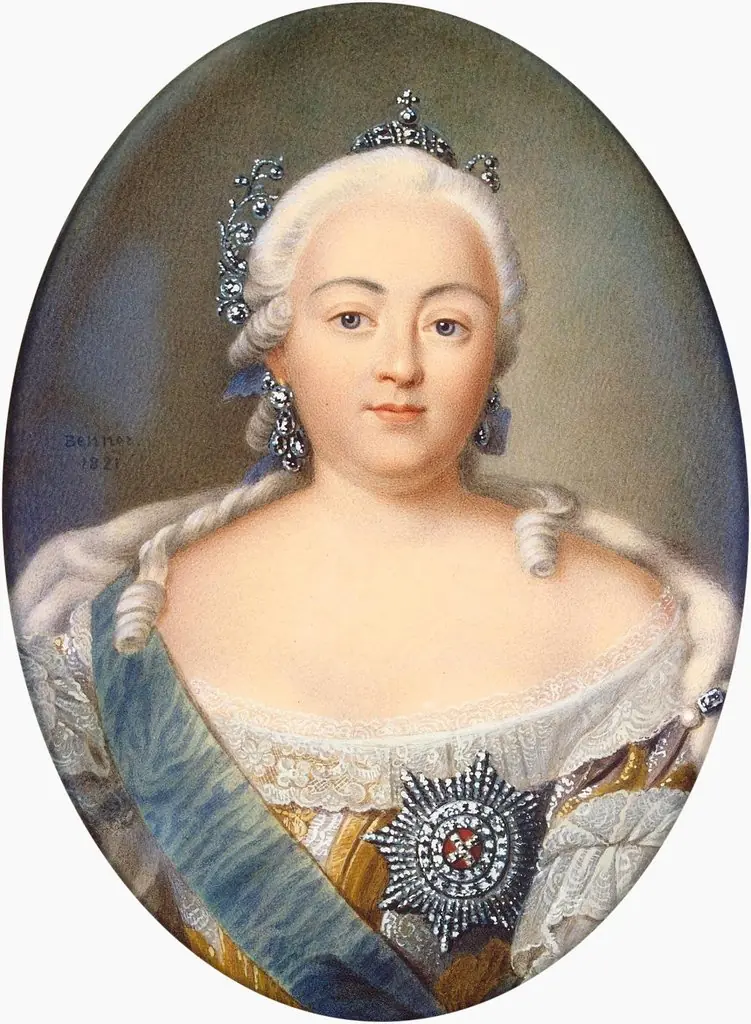 Portrait of Elizabeth of Russia