Artwork
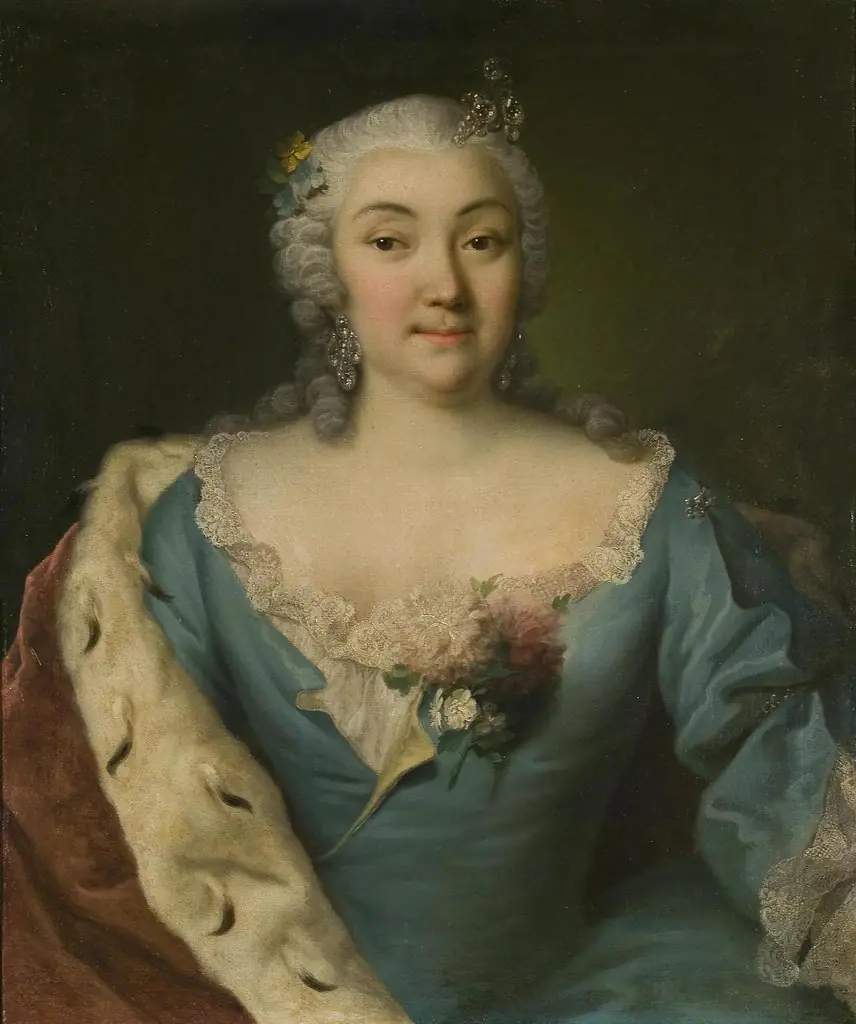
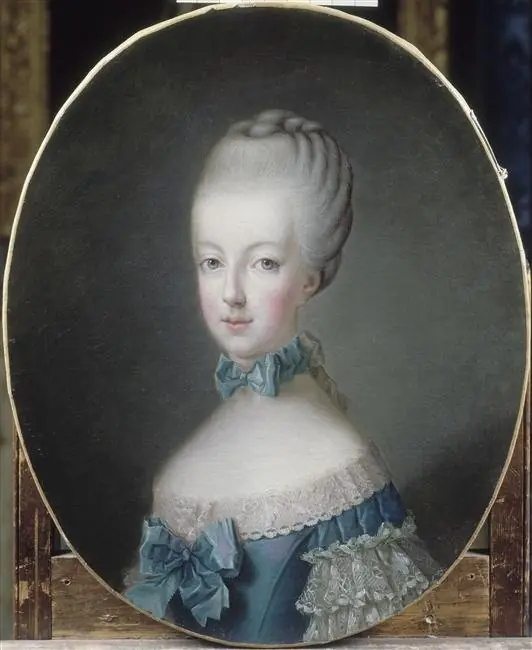
Porträt der Varvara Alexeevna Sheremeteva
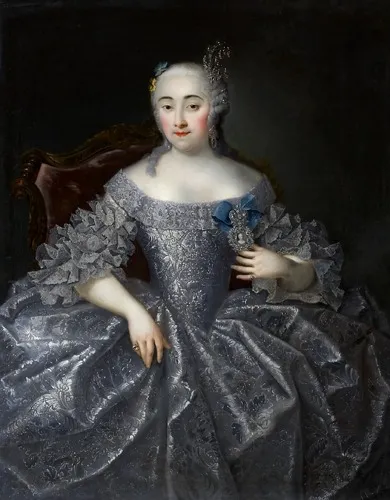
Porträt der Varvara Alexeevna Sheremeteva is an oil painting by the Rococo painting artist Georg Cristoph Grooth. It dates from 1746 and is held in the collection of the Tretyakov Gallery.
About this work
Overview
The work exemplifies the Rococo aesthetic with its emphasis on grace, detail, and refined elegance.
Painted in 1746 by the German-born artist Georg Christoph Grooth, this oil-on-canvas portrait captures Varvara Alexeevna Sheremeteva, a noblewoman of the Russian imperial court. Grooth, who had previously worked in Württemberg, relocated to St. Petersburg and became a favored portraitist among the Russian aristocracy. The work exemplifies the Rococo aesthetic with its emphasis on grace, detail, and refined elegance.
Subject & Meaning
Varvara Alexeevna Sheremeteva, a member of Russia’s high nobility, is depicted in a moment of quiet composure. Her poised posture and restrained expression reflect the social expectations of aristocratic women in mid-18th-century Russia. The portrait functions not merely as likeness but as a statement of status, aligning her with the cultivated ideals of courtly life through dress, gesture, and setting.
Technique & Style
Grooth employed soft brushwork and subtle tonal transitions to render the textures of silk, lace, and ribbon with precision. The dark, unobtrusive background isolates the figure, heightening the visual impact of the blue gown’s intricate patterns and the delicate ruffles along the sleeves. The hand resting lightly on the chair arm introduces a naturalistic ease, balancing the formality of the attire with a sense of intimate presence.
History & Provenance
Commissioned during Grooth’s tenure as a court painter in St. Petersburg, the portrait was likely created for the Sheremeteva family’s private collection. It remained within Russian aristocratic circles until the 20th century, when it entered a public collection. Its survival through political upheavals underscores its value as both personal and cultural artifact of the imperial era.
Context
In mid-18th-century Russia, portraiture became a tool for nobles to assert identity and lineage amid Western cultural influence. Grooth’s style, shaped by German training and adapted to Russian tastes, bridged Northern European realism with the ornamental flair of French Rococo. This portrait reflects the broader trend of Russian elites adopting European artistic conventions to signal sophistication and connection to broader courtly networks.
Legacy
Grooth’s portraits, including this one, helped define the visual language of Russian aristocratic identity during the reign of Elizabeth Petrovna. While not widely known outside specialized circles, his work remains a key reference for understanding how foreign artists contributed to the formation of a distinct Russian imperial aesthetic in the decades before the rise of native academies.
Artist & collection
Artist
Georg Christoph Grooth (21 January 1716 in Stuttgart – 8 October 1749 in St. Petersburg) was a German painter employed at the Duchy of Württemberg before moving to Imperial Russia to paint portraits of Elizabeth of…

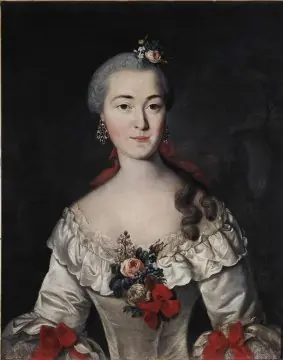 Portrait of M.I. Tatischeva
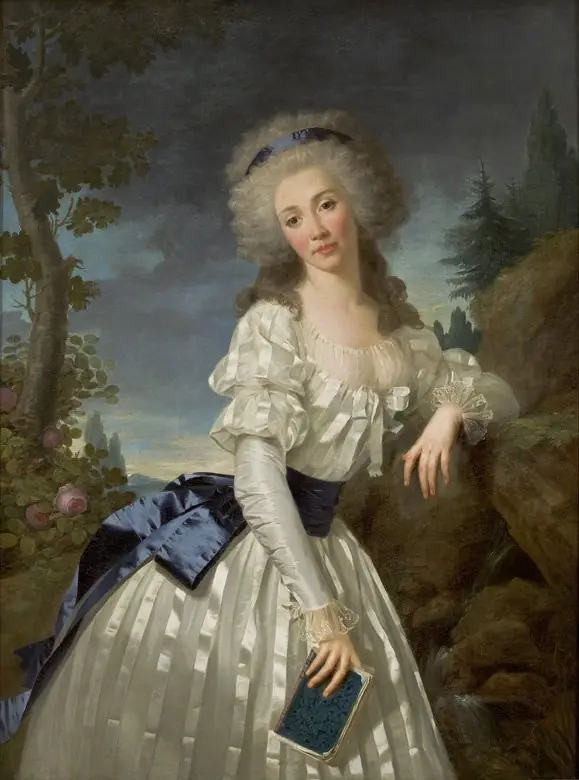 Retrato de uma dama com livro junto a uma fonte
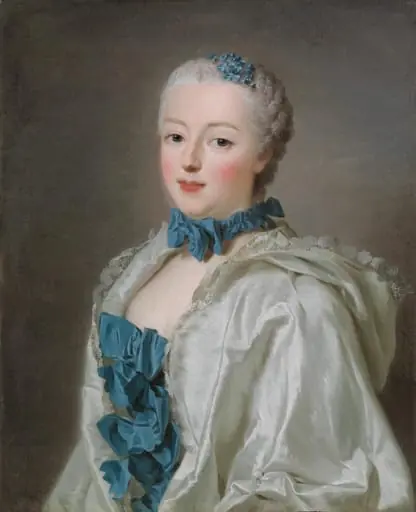 Françoise Marguerite de Sévigné, Grignanin kreivitär
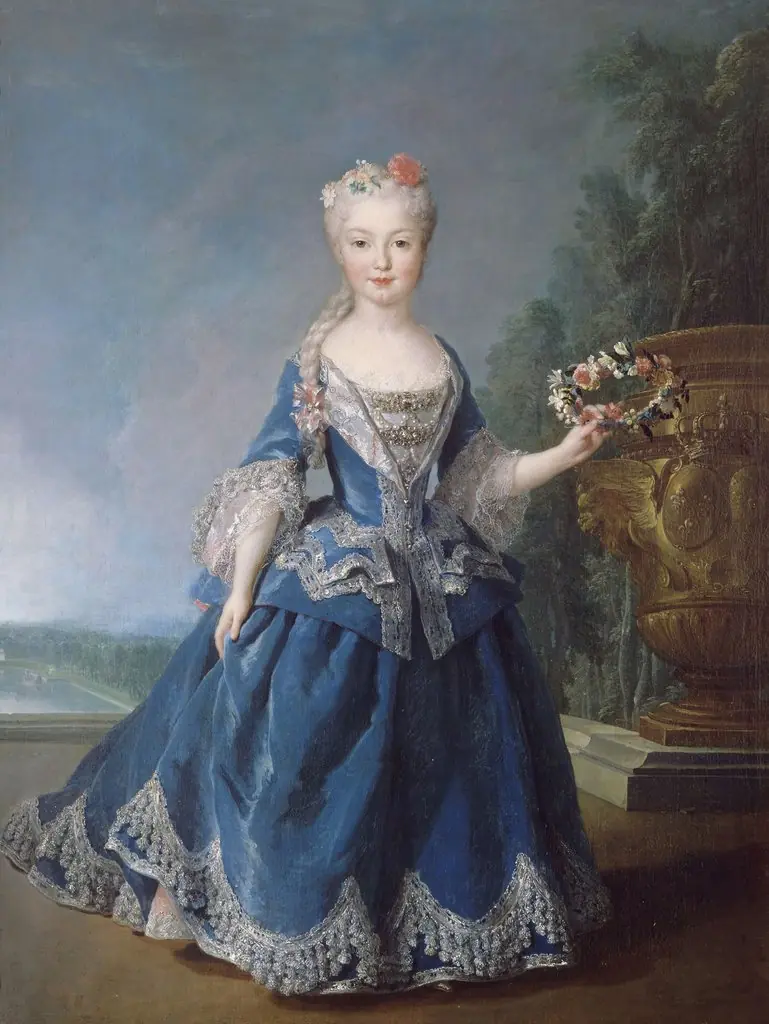 Portrait of Mariana Victoria of Spain (1718-1781)
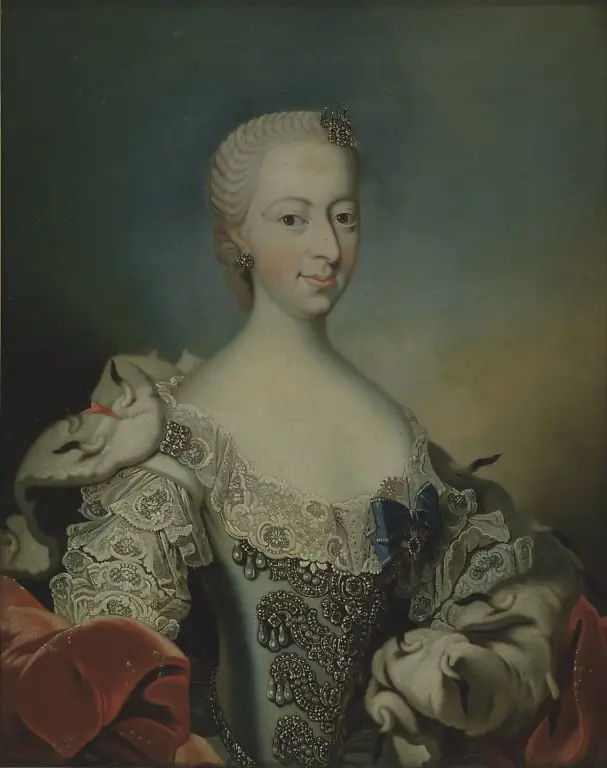 Juliane Marie, Frederik V's anden dronning
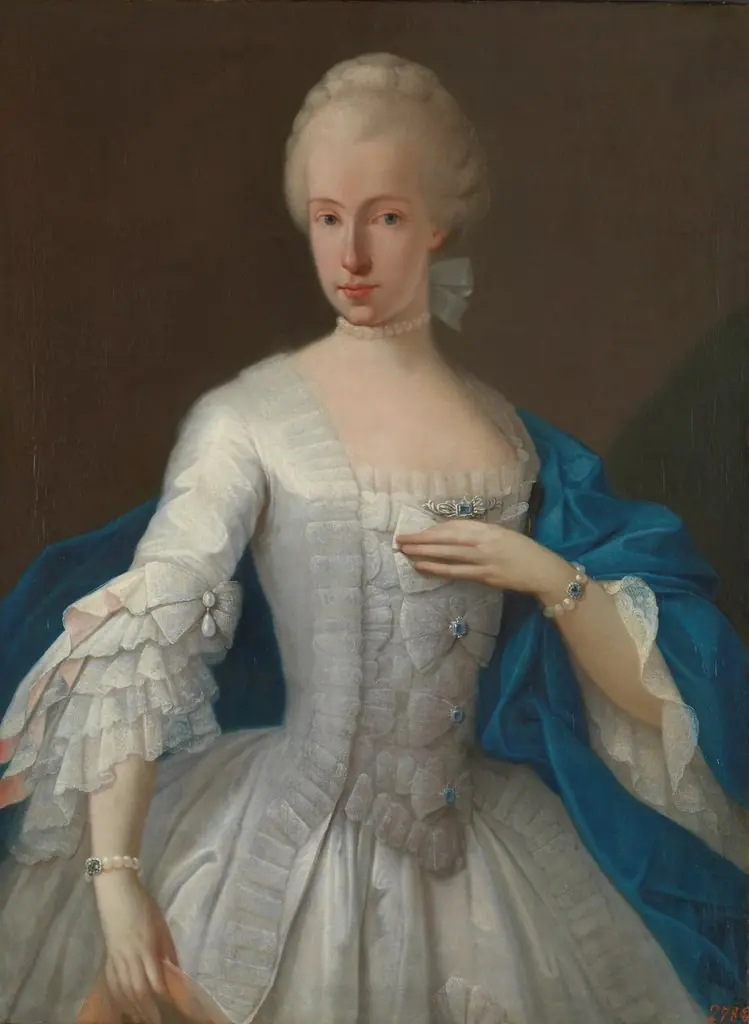 María Luisa de Borbón y Sajonia
 Archduchess Maria Elisabeth of Austria (1743–1808), daughter of Maria Theresa.
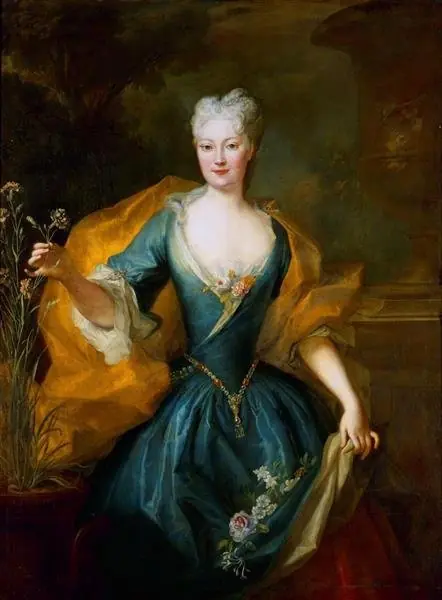 Friederike Charlotte Fürstin Lubomirska (1701-1755)
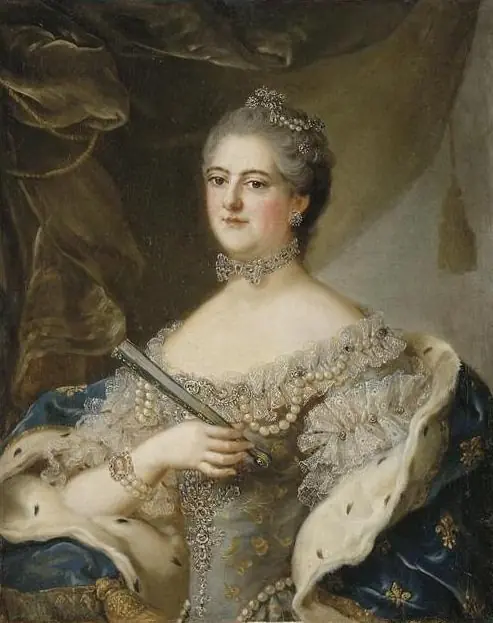 Élisabeth-Alexandrine de Bourbon, Mademoiselle de Sens (1705–1765)
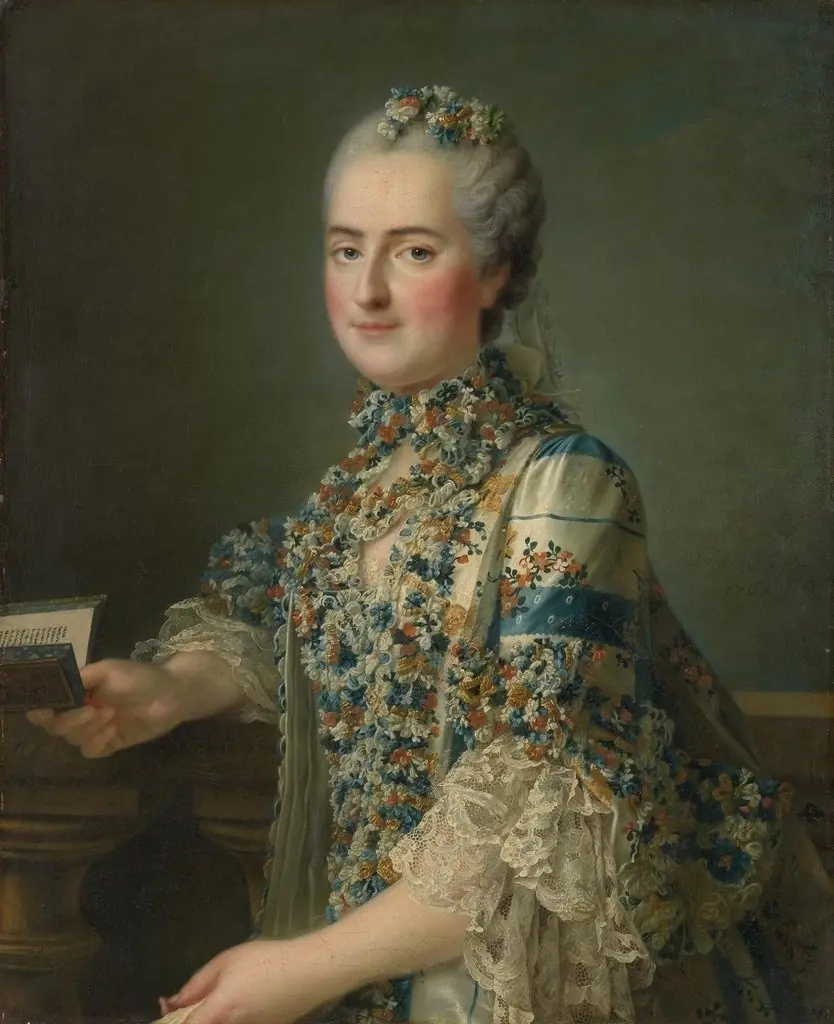 Louise-Marie de France
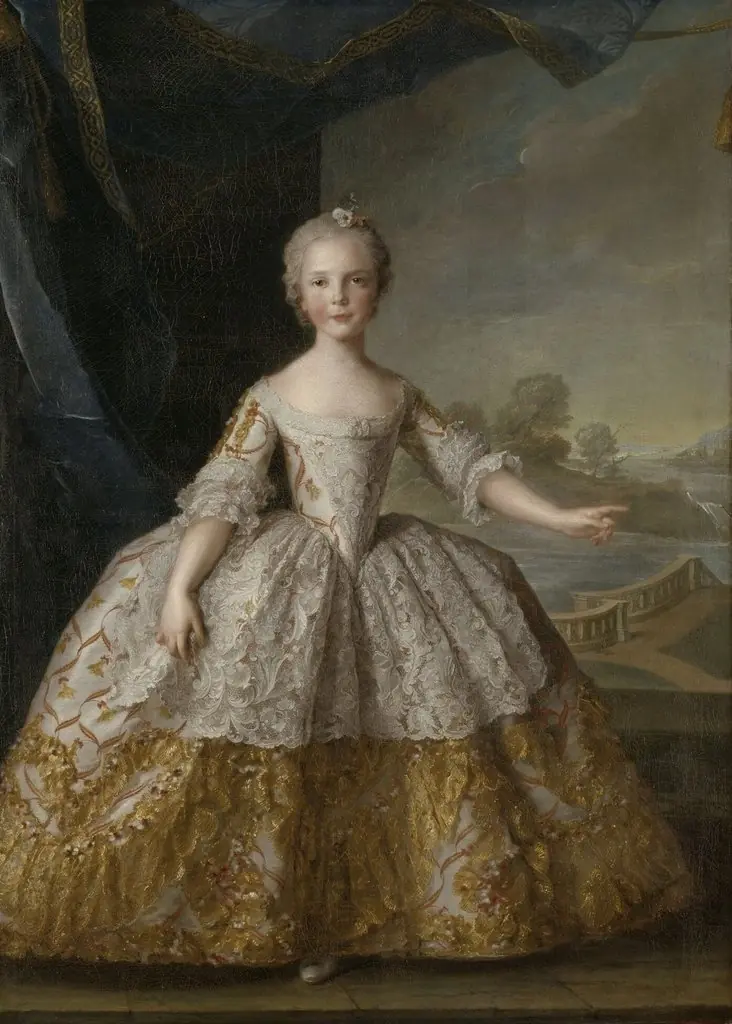 Isabelle de Bourbon, infante de Parme
 Porträt der Marie-Antoinette