Artwork
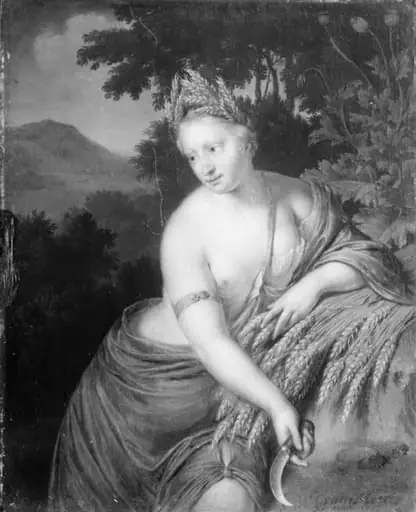
Ceres or Allegory of the Element Earth
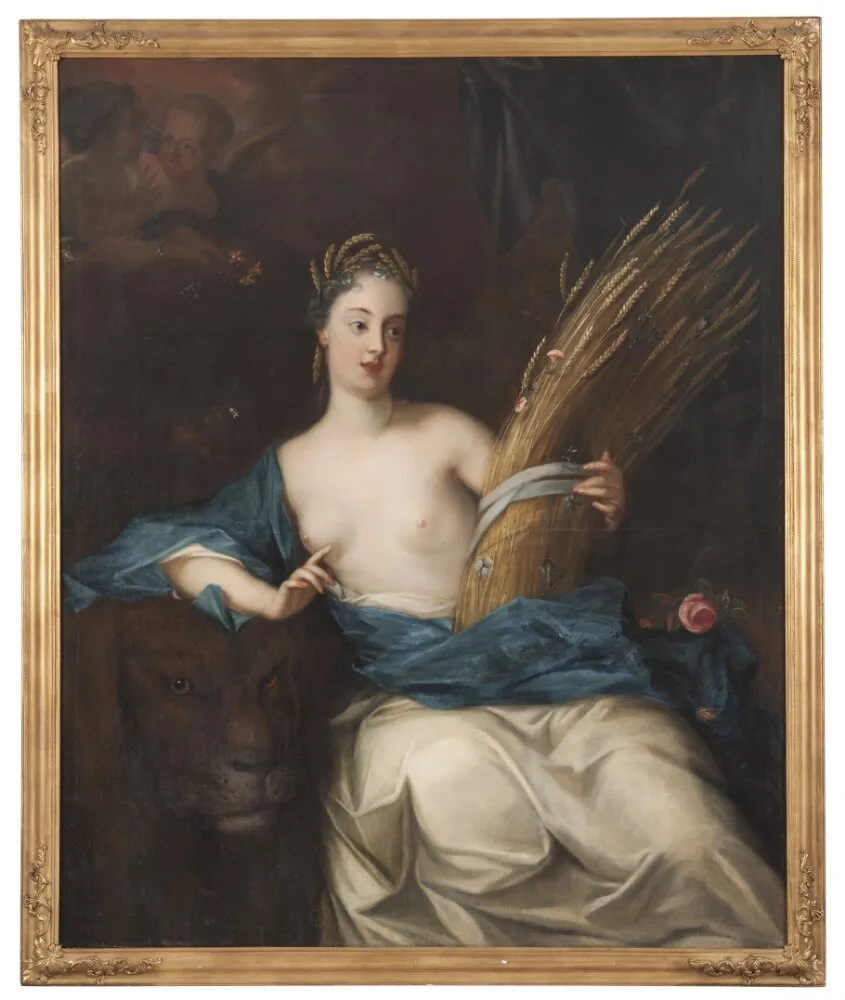
Ceres or Allegory of the Element Earth is an oil painting by the Rococo painting artist Georg Engelhard Schröder. It dates from 1727 and is held in the collection of the Nationalmuseum.
About this work
Overview
Painted around 1727 by Georg Engelhard Schröder, this oil work presents an allegorical representation of Earth through the figure of Ceres.
Painted around 1727 by Georg Engelhard Schröder, this oil work presents an allegorical representation of Earth through the figure of Ceres. It resides in the Nationalmuseum in Stockholm and reflects the Baroque tradition of personifying natural elements. The composition centers on a seated female figure, surrounded by symbolic attributes tied to fertility and the land, rendered with careful attention to texture and light.
Subject & Meaning
The central figure, likely Ceres, the Roman goddess of agriculture, holds wheat and wears a crown of grain, directly linking her to harvest and abundance. Seated on a dark, lion-like beast, she embodies the strength and stability of the earth. The faint figures in the upper corner may represent rural laborers or mythological attendants, reinforcing the theme of human dependence on the land. The imagery serves as a quiet tribute to terrestrial nourishment.
Technique & Style
Schröder employs chiaroscuro to model the figure with soft, directional light, enhancing the volume of the form and the texture of the wheat. Earth-toned pigments dominate the palette, grounding the scene in naturalism. The blue drape over her shoulder contrasts subtly with the muted surroundings, drawing focus without disrupting the somber harmony. The background recedes into near-obscurity, isolating the allegorical figure in contemplative stillness.
History & Provenance
The painting was created during Schröder’s active period in Sweden, where he served as a court artist. It entered the Nationalmuseum’s collection in the 19th century, likely through royal or institutional acquisition. Its attribution has remained consistent, with no evidence of significant alteration or reworking. The work reflects the Swedish court’s interest in classical allegory during the early 18th century.
Context
In early 18th-century Northern Europe, allegorical paintings of the elements were common in royal and academic circles, often used to convey philosophical or political ideals. Schröder’s depiction aligns with broader European trends that fused classical mythology with natural philosophy. The subdued tone and restrained composition distinguish it from more theatrical Italian Baroque works, reflecting Nordic aesthetic preferences of the time.
Legacy
Though not widely exhibited outside Sweden, the painting remains a key example of Swedish Baroque allegory. It illustrates how classical themes were adapted to local sensibilities, favoring quiet dignity over dramatic flourish. Art historians cite it as evidence of Schröder’s skill in merging mythological symbolism with naturalistic observation, contributing to the development of Swedish academic painting.
Artist & collection
Artist
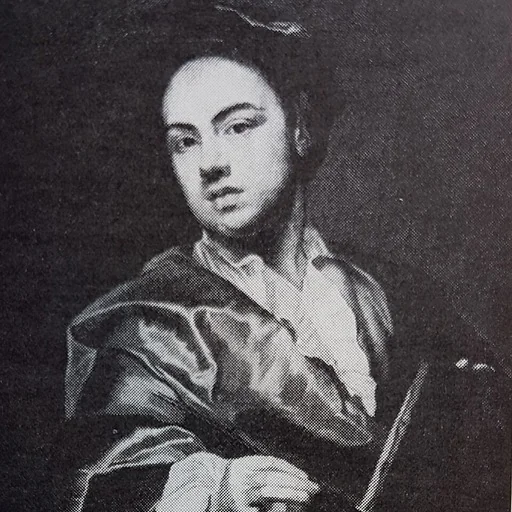
Georg Engelhard Schröder (1684–1750) was an artist, born in Stockholm.

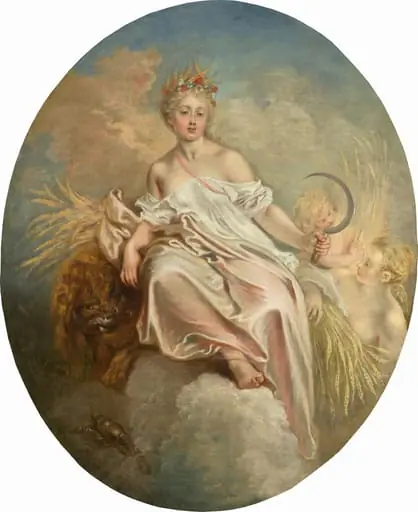 Ceres (Summer)
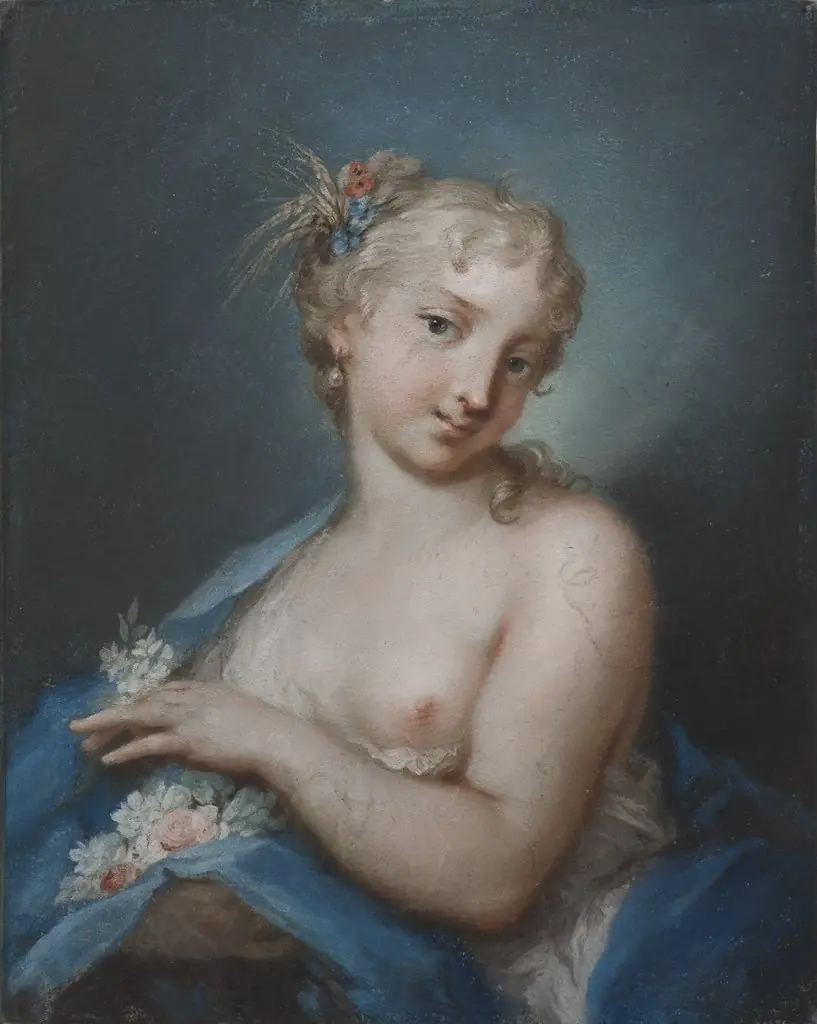 The Summer
 The Goddess Juno
 The Autumn
 Allegori över konung Karl XI:s fredliga regeringr
 Allegory of Freedom
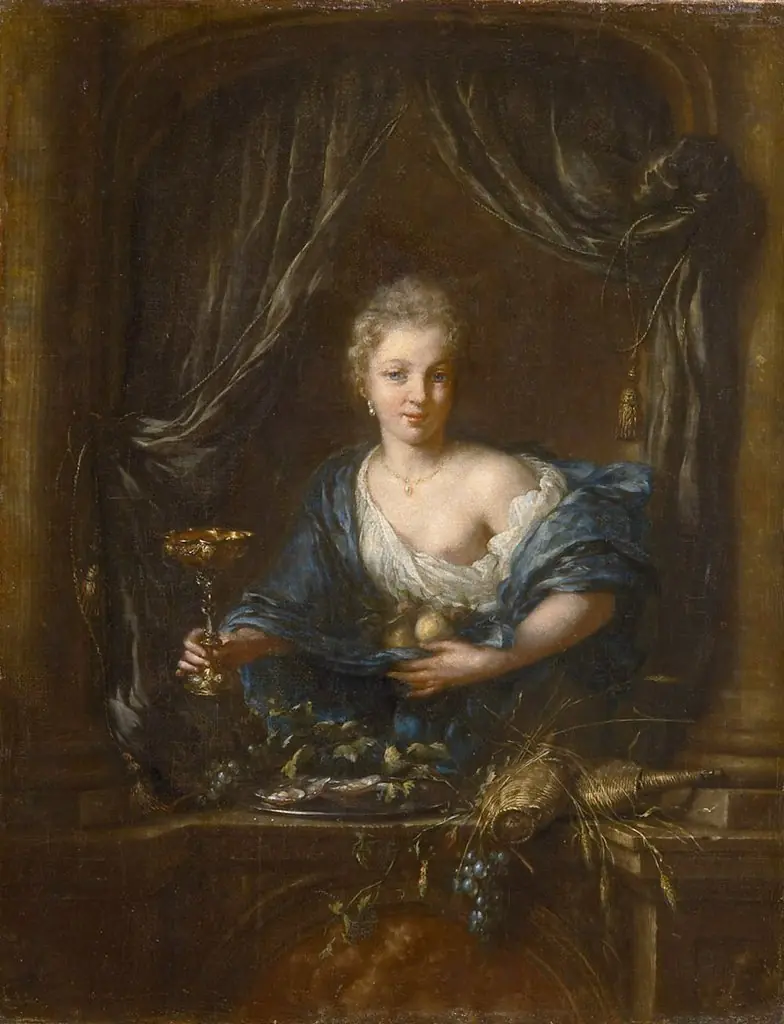 Mädchen mit Pokal am Fenster
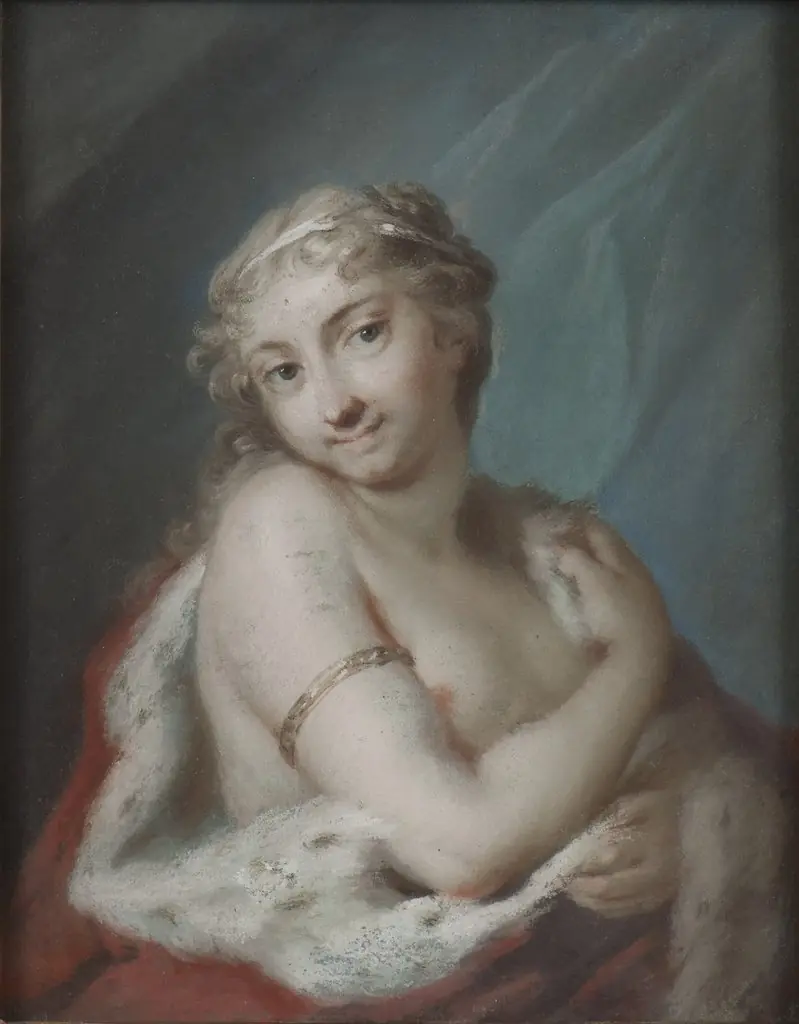 The Winter
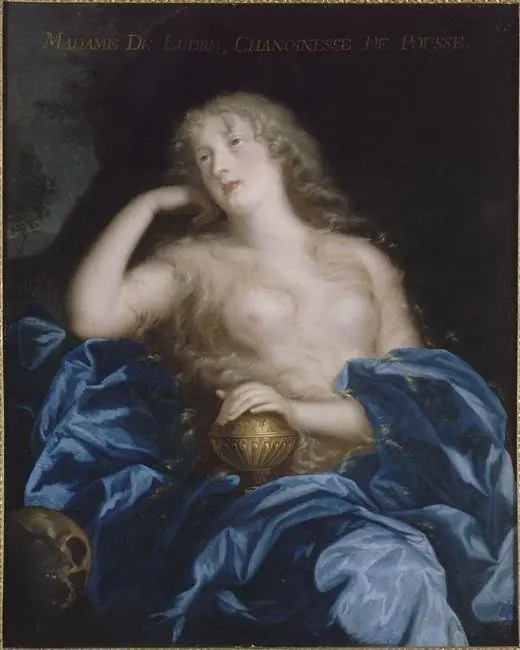 Portrait of Isabelle de Ludres (1647-1726)
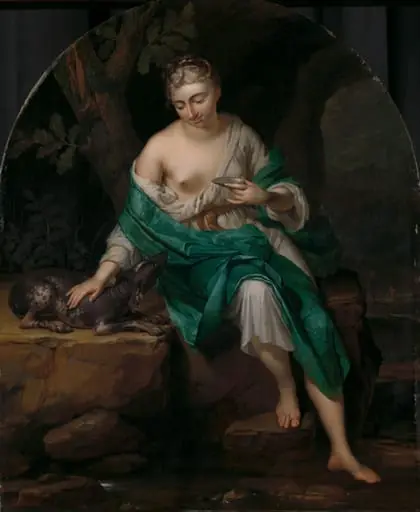 A Woman with a Dog
 Anna Catharina Wrangel af Lindeberg (1656(?)-1724), friherrinna, g.m. friherre Christer Bonde
 The Goddess Ceres