Artwork
Anna Catharina Wrangel af Lindeberg (1656(?)-1724), friherrinna, g.m. friherre Christer Bonde
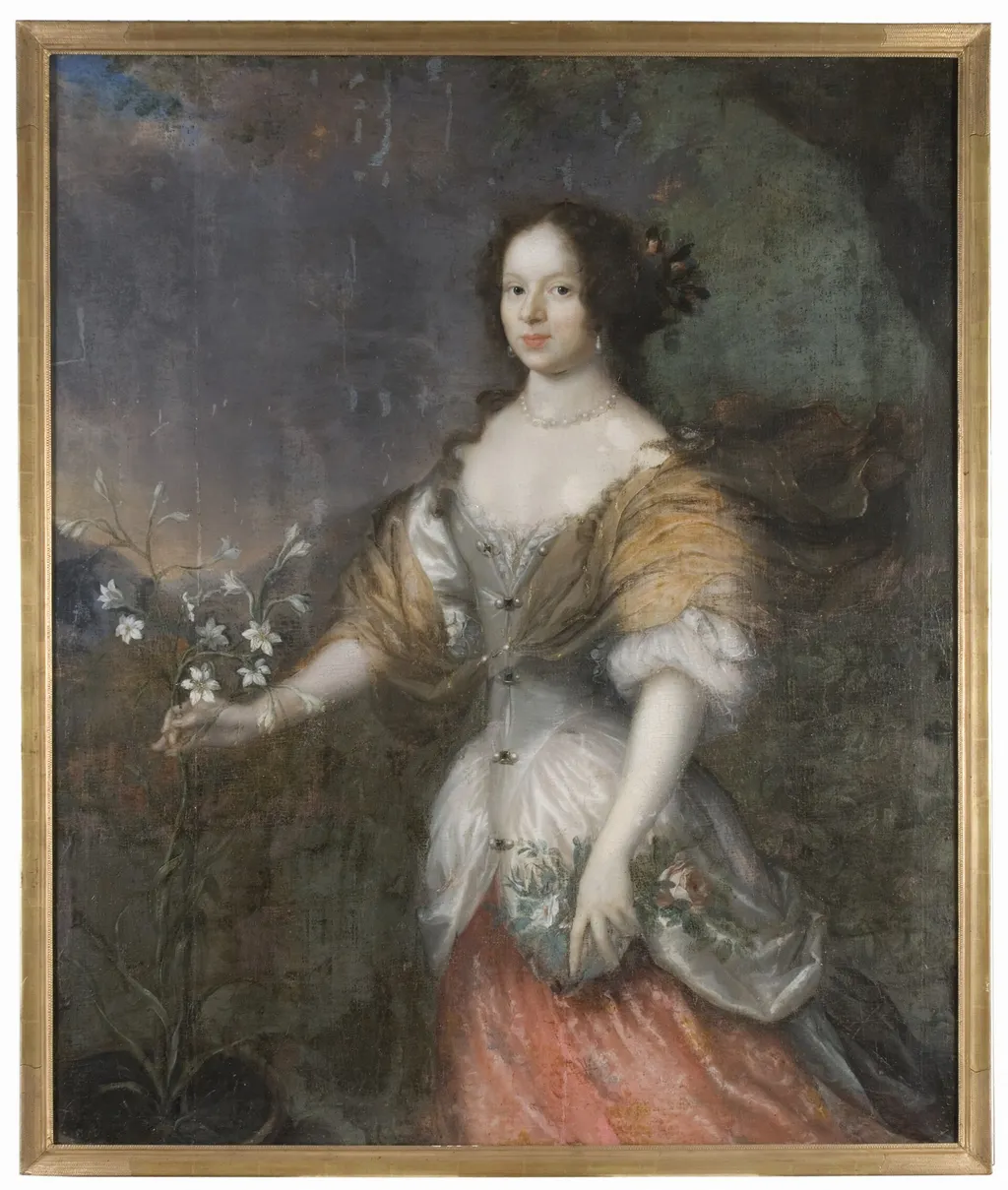
Anna Catharina Wrangel af Lindeberg (1656(?)-1724), friherrinna, g.m. friherre Christer Bonde is an oil painting by Martin van Meytens. It dates from 1690 and is held in the collection of the Nationalmuseum. This oil portrait, dated circa 1690, presents Anna Catharina Wrangel af Lindeberg, a Swedish noblewoman who married friherre Christer Bonde.
About this work
She is dressed in a white dress with a brown shawl and a red skirt, and is holding a bouquet of white flowers in her right hand.
This painting is a portrait of a woman, likely from the 17th century. She is dressed in a white dress with a brown shawl and a red skirt, and is holding a bouquet of white flowers in her right hand. The background is dark and muted, with some greenery visible behind her.
The woman's face is turned slightly to her right, and she has a gentle expression. Her dark hair is styled in loose waves, and she wears a pearl necklace and earrings. The overall effect is one of elegance and refinement.
The artist's use of chiaroscuro creates a sense of depth and dimensionality in the painting. To learn more about the artist's techniques, explore the works of Martin Mytens.
Overview
This oil portrait, dated circa 1690, presents Anna Catharina Wrangel af Lindeberg, a Swedish noblewoman who married friherre Christer Bonde. Executed by Martin Mytens, a painter of Swedish‑Austrian origin active in the early 18th century, the work is part of the Nationalmuseum’s collection and exemplifies the formal portraiture typical of aristocratic commissions of the period.
Subject & Meaning
The sitter is shown in a composed pose, her face turned slightly to the right, conveying a calm, refined demeanor. She wears a white gown with a brown shawl, a red skirt, and a pearl necklace and earrings, holding a small bouquet of white flowers. The attire and accessories signal her high social rank and the conventions of noble portraiture.
Technique & Style
Mytens employs chiaroscuro to model the figure against a dark, muted backdrop, creating depth and a three‑dimensional presence. The subtle gradations of light on the fabric and skin, together with the restrained colour palette, reflect the influence of contemporary court painters and the artist’s own synthesis of Swedish and Austrian portrait traditions.
History & Provenance
The painting entered the Nationalmuseum’s holdings as part of its early‑modern Swedish collection, though the precise acquisition record is not detailed here. It remains attributed to Mytens, whose career spanned the late 17th and early 18th centuries, and it stands as a documented example of his work for Swedish aristocracy.
Context
Portraits of this type served both as personal commemoration and as visual affirmation of lineage for noble families. In late‑17th‑century Sweden, such images were often displayed in domestic settings to reinforce status and alliances, especially through marital connections like that of Wrangel and Bonde.
Artist & collection
Artist
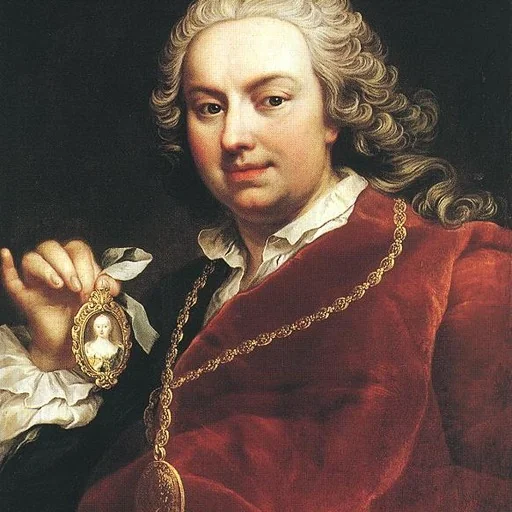
Martin van Meytens (24 June 1695 – 23 March 1770) was a Swedish-Austrian painter who painted members of the Royal Court of Austria such as Marie Antoinette, Maria Theresa of Austria, Francis I, Holy Roman Emperor, the…

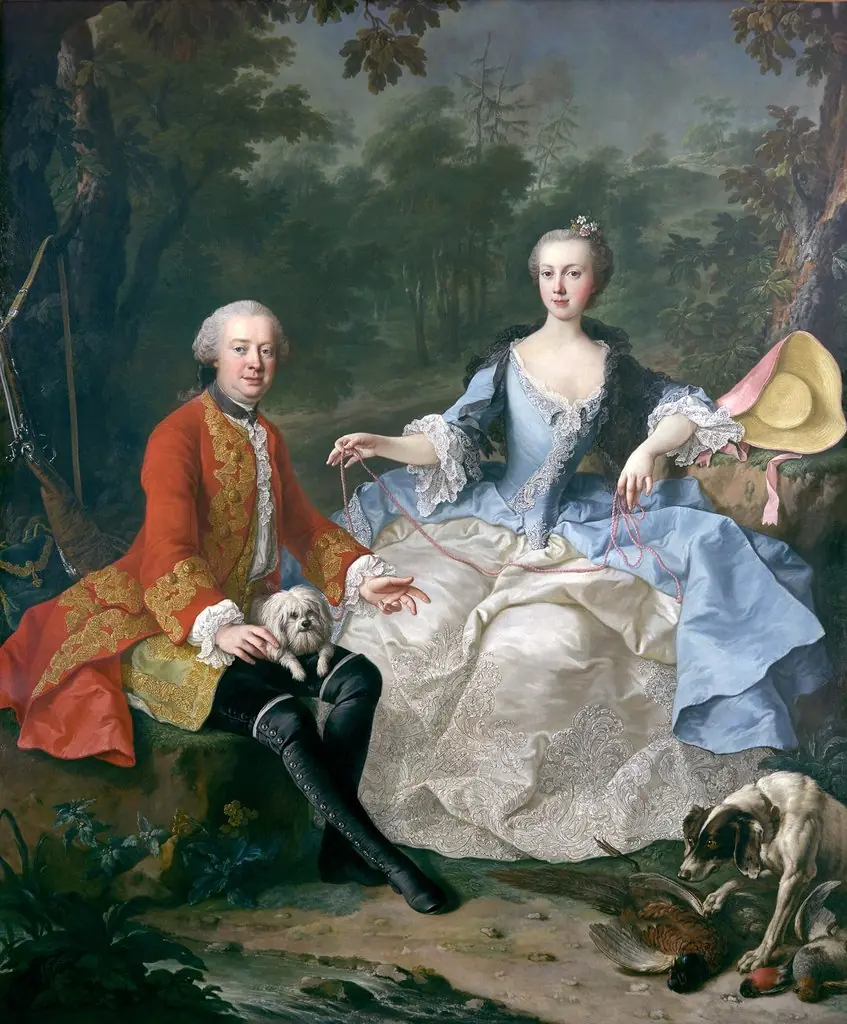 Count Giacomo Durazzo in the Guise of a Huntsman with His Wife
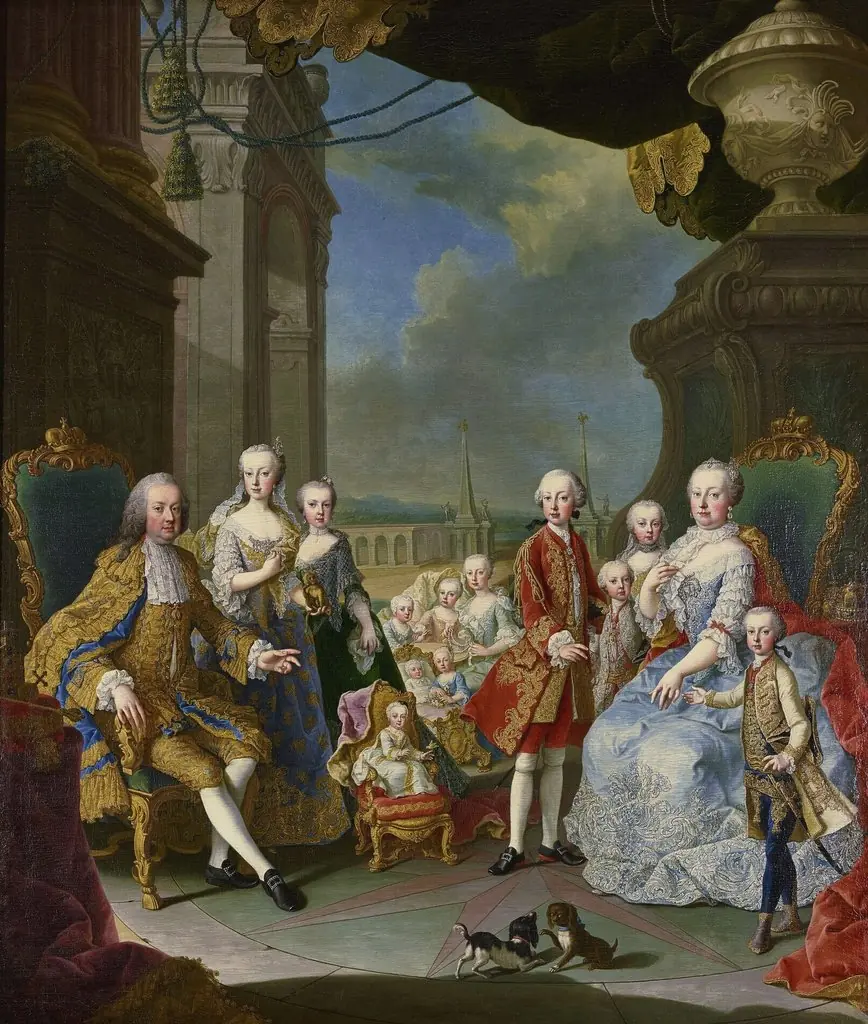 The Imperial family in 1756
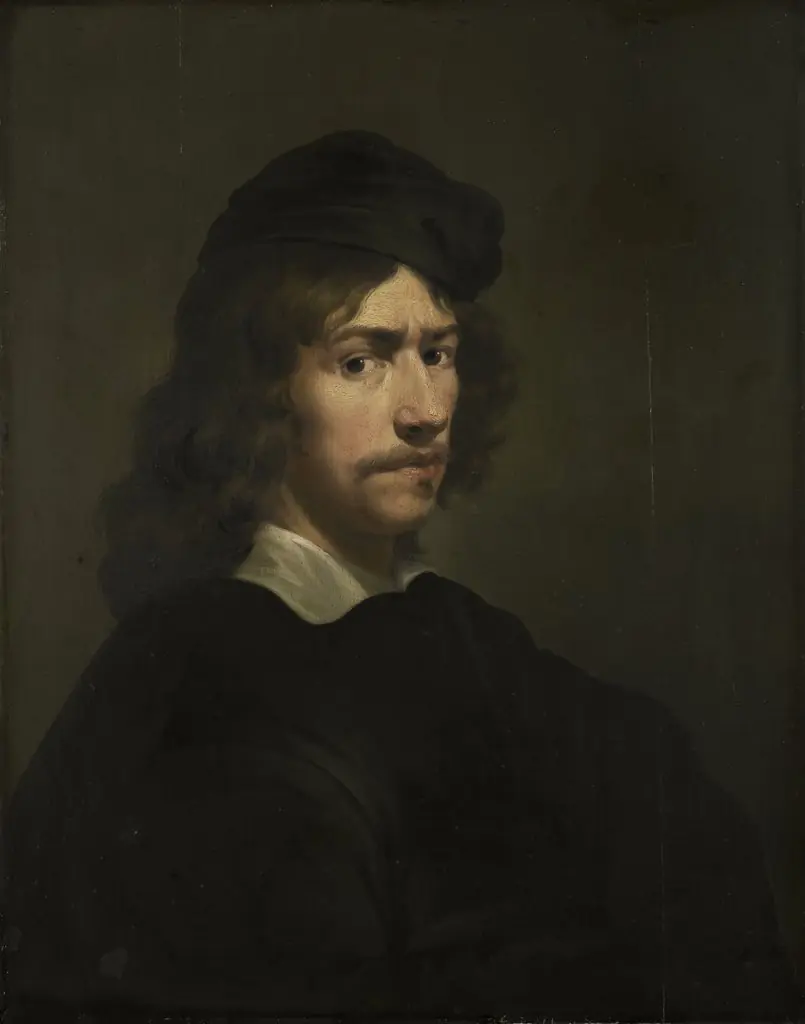 Self portrait
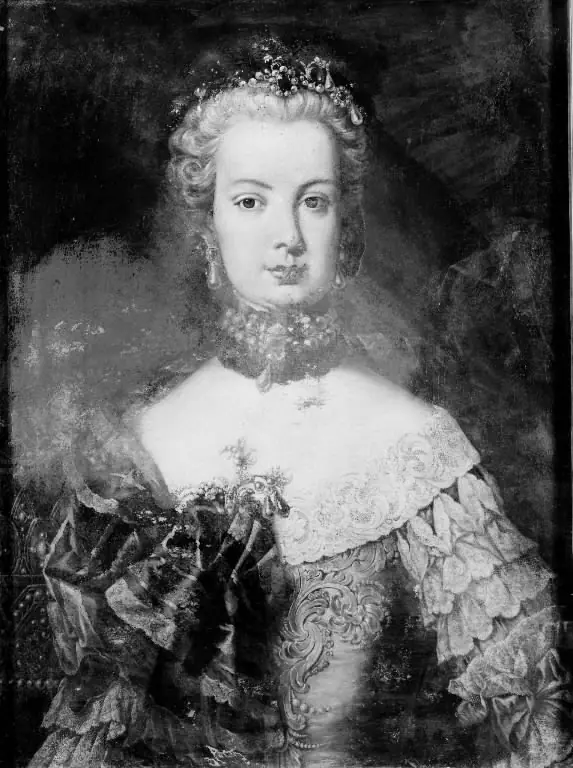 Elisabeth Christine von Braunschweig-Wolfenbüttel
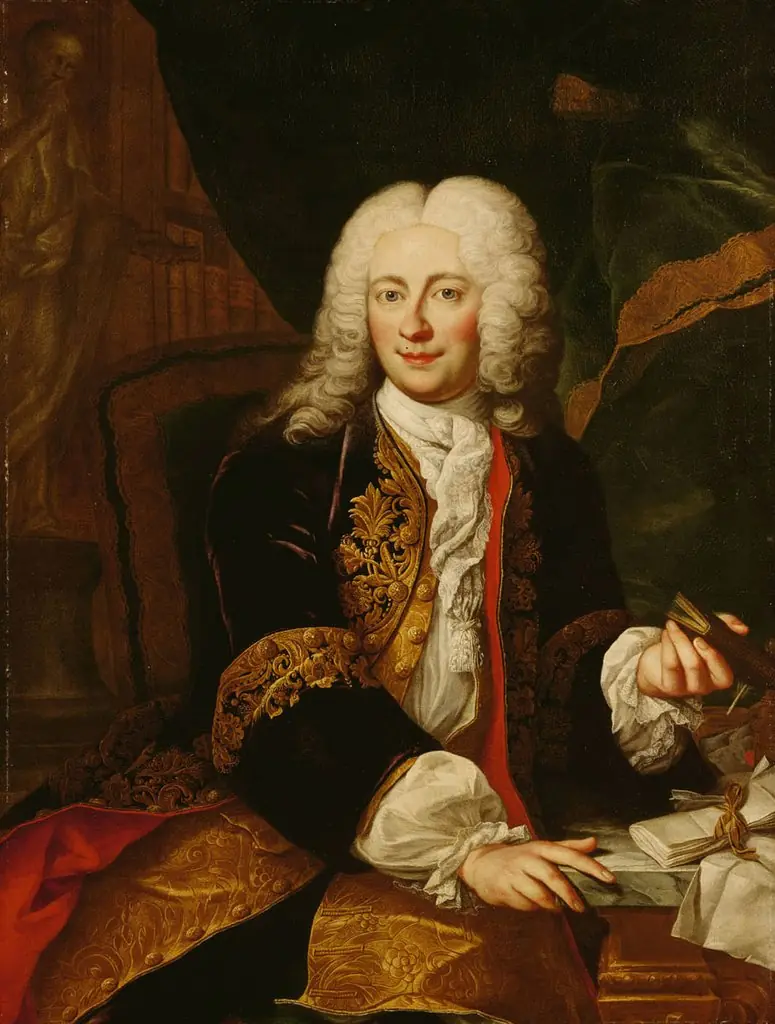 Portrait of Johann Christoph Freiherr von Bartenstein (1689-1767)
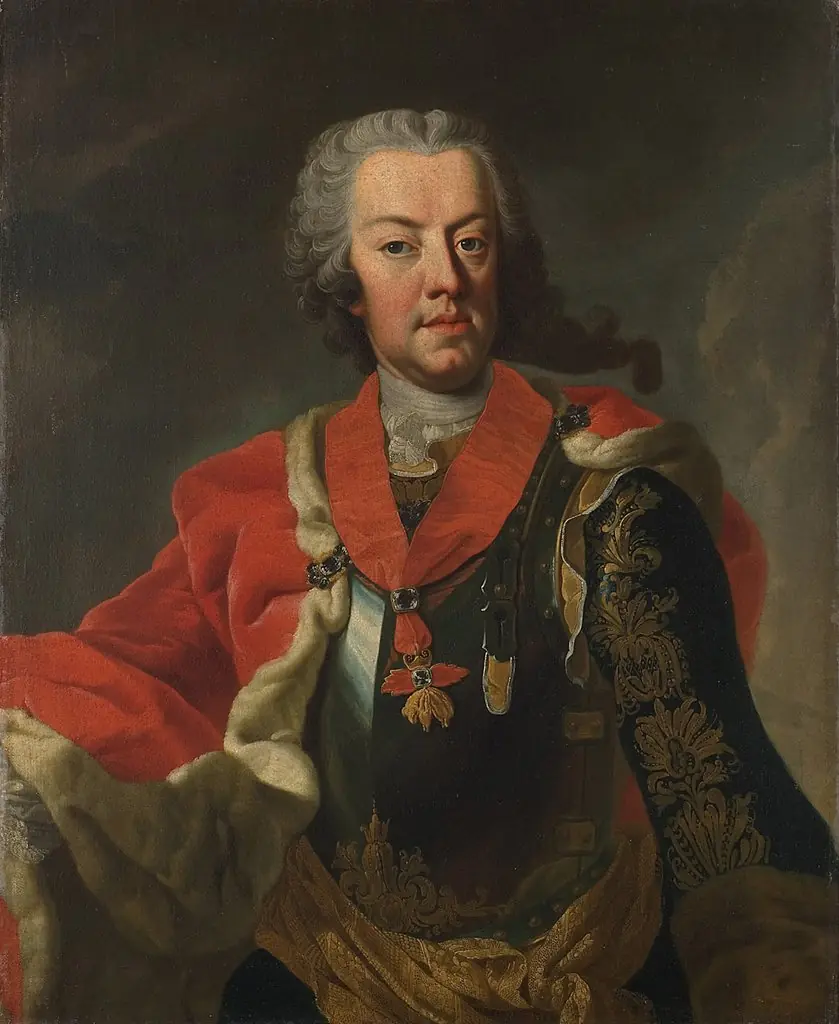 Herzog Karl Alexander von Lothringen (1712-1780), Brustbild
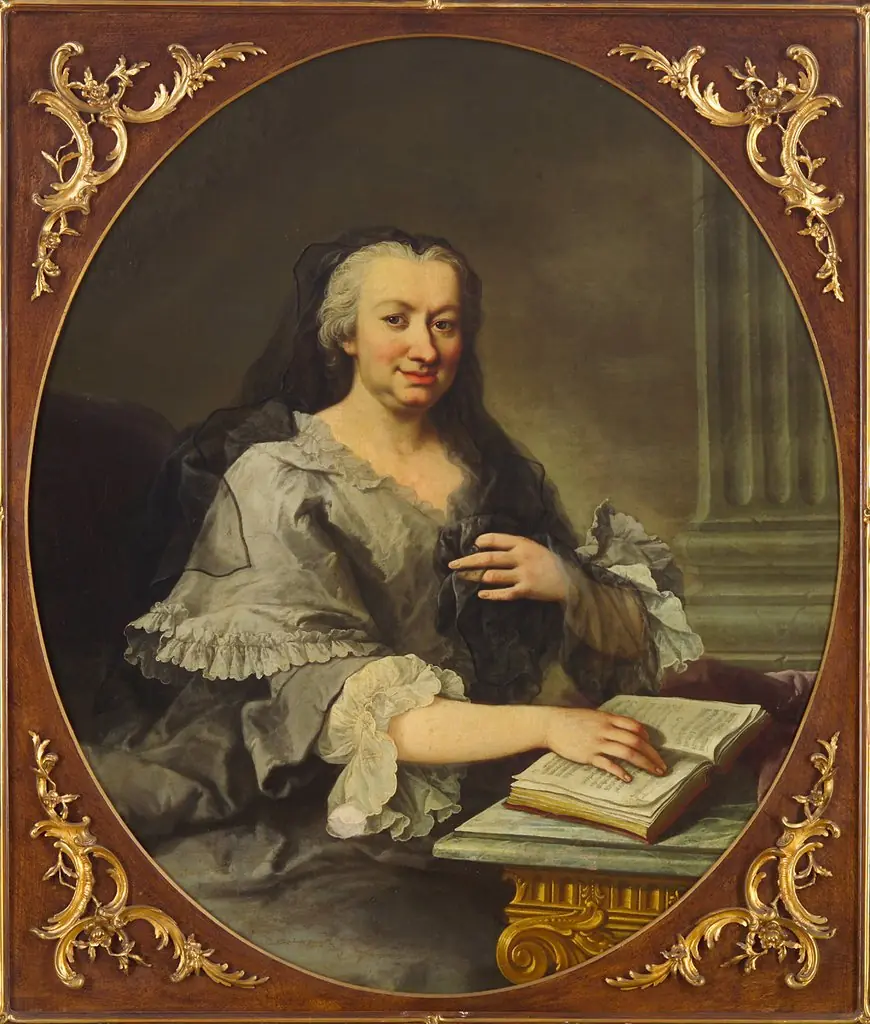 Portrait of Maria Karolina Gräfin Fuchs (1681-1754)
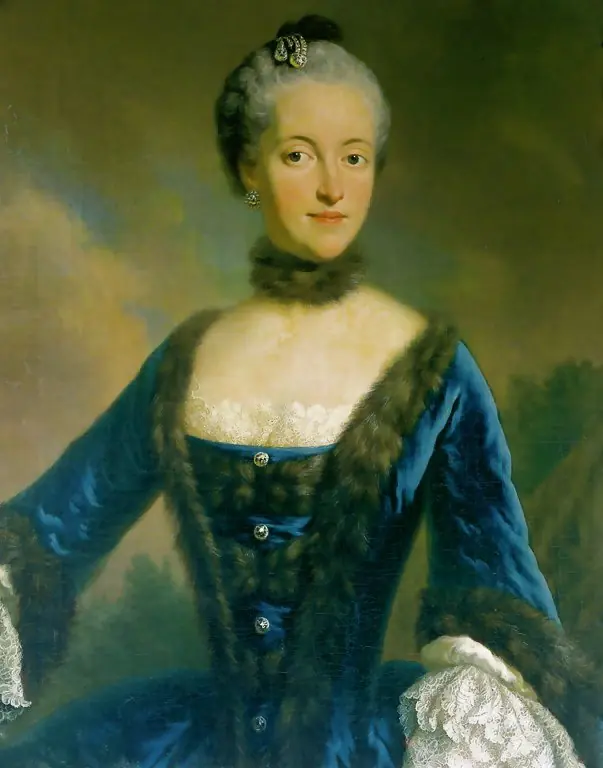 Portrait of Maria Josepha of Bavaria (1739-1767)
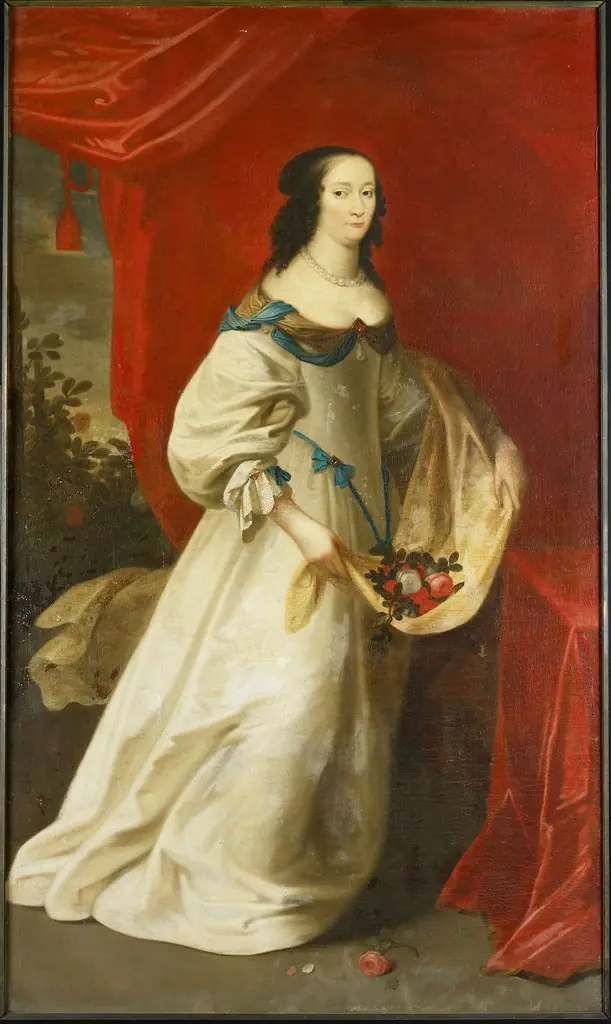 Portrait of Anna Isabella Gonzaga Novelare ( -1703)
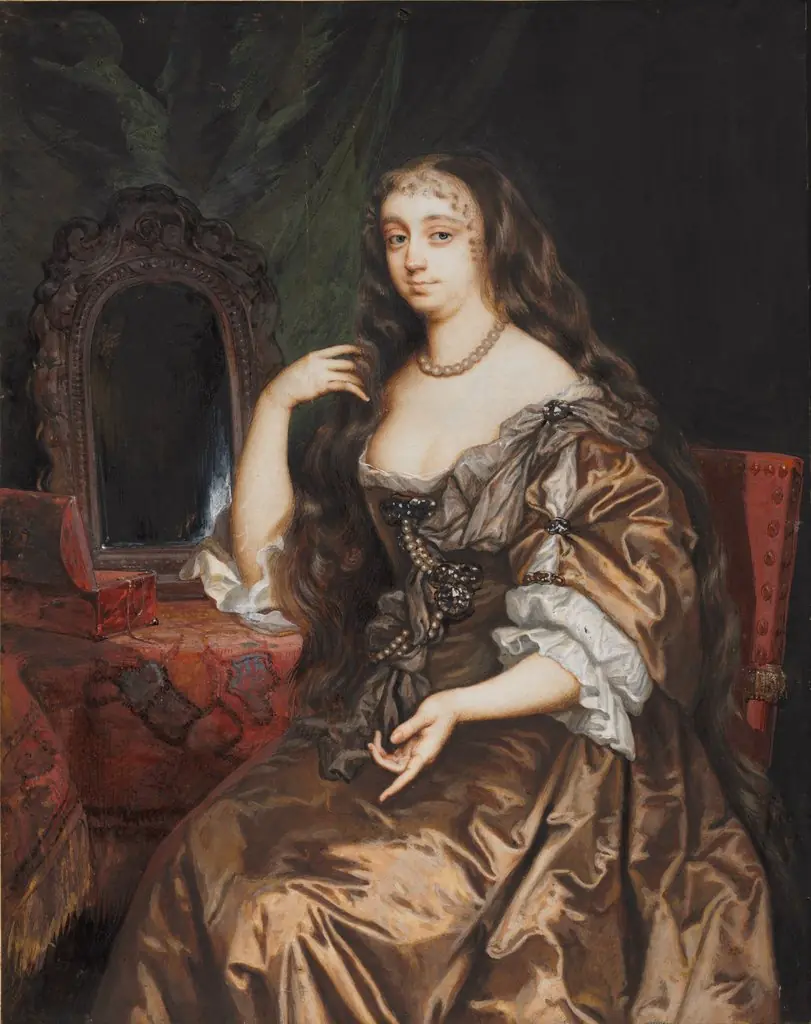 Portrait of Anne Hyde, Duchess of York
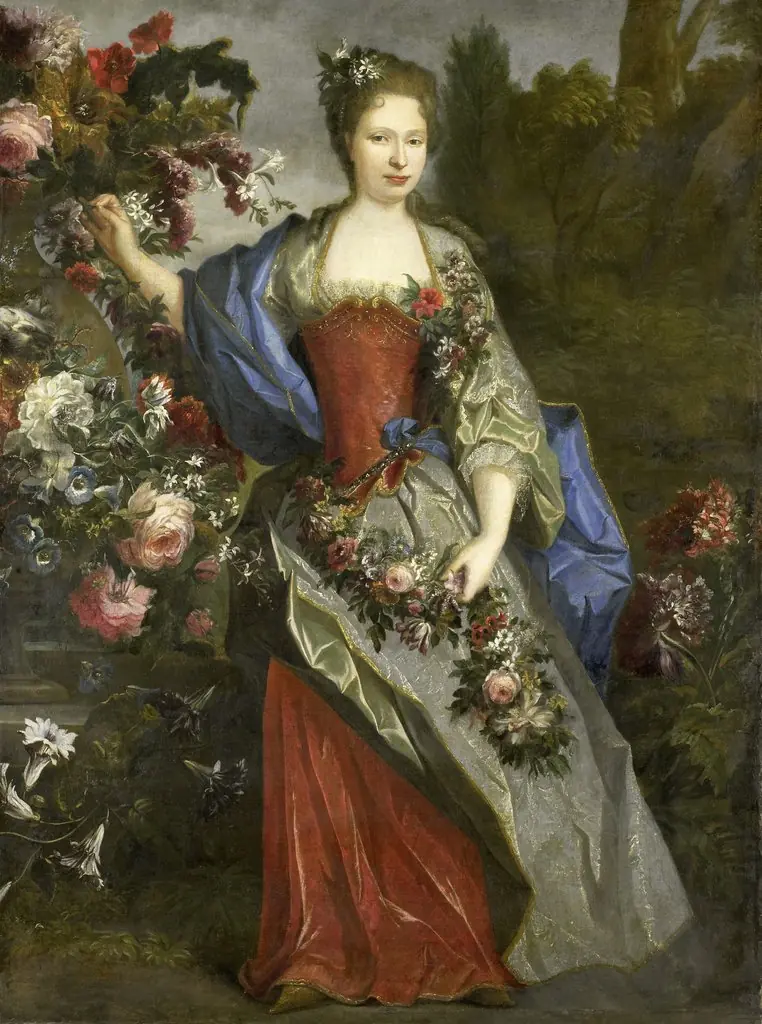 Portrait of a Woman, according to tradition Marie Louise Elisabeth d'Orléans, Duchess of Berry, as Flora
 Elizabeth Wriothesley, Northumberlandin kreivitär
 Jacoba van Orliens (1643-91). Wife of Jacob de Witte van Haamstede
 Portrait of a Woman, according to tradition Marie Louise Elisabeth d'Orléans (1695-1719), Duchesse de Berry, as Flora
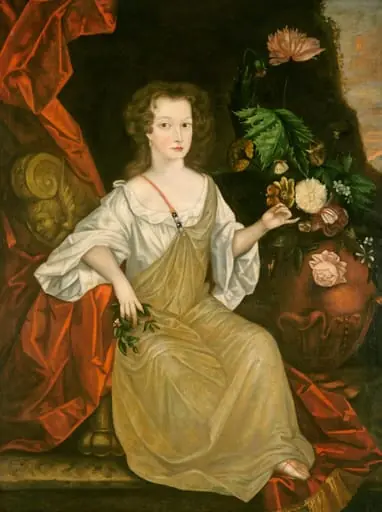 Young Woman with a Butterfly
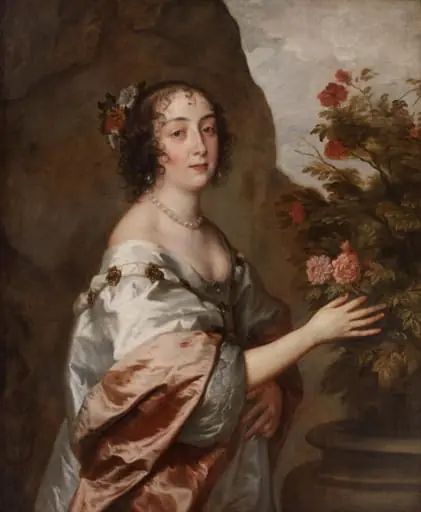 Portrait of a Lady
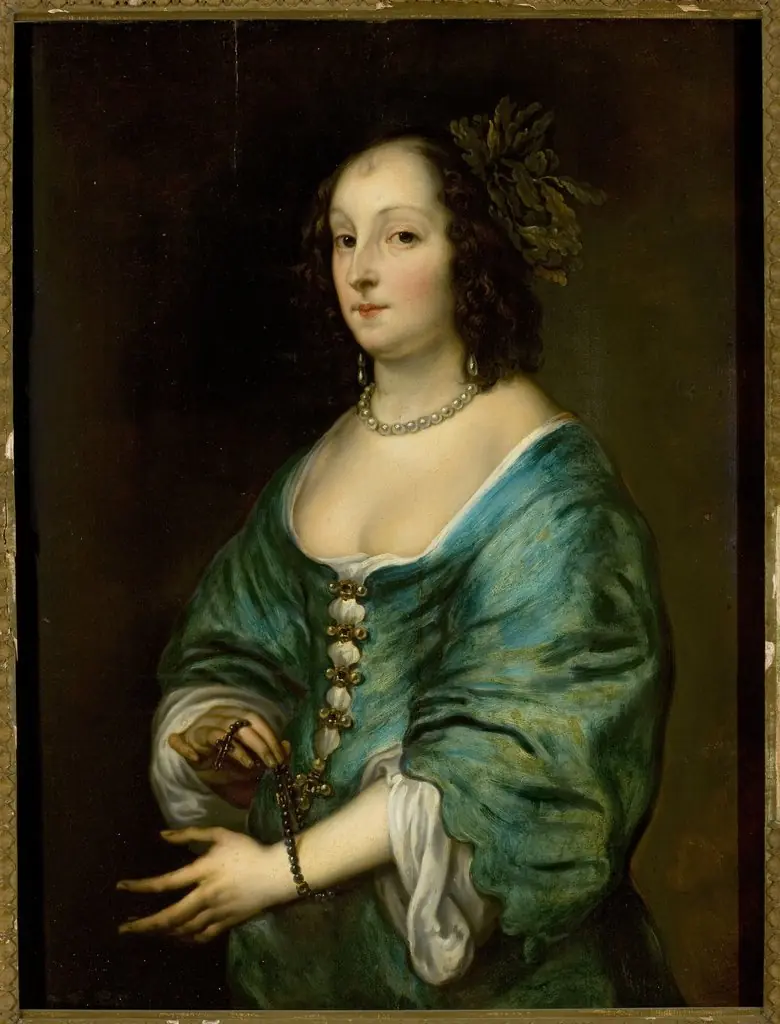 Portrait of Anthony van Dyck's wife Mary Ruthven
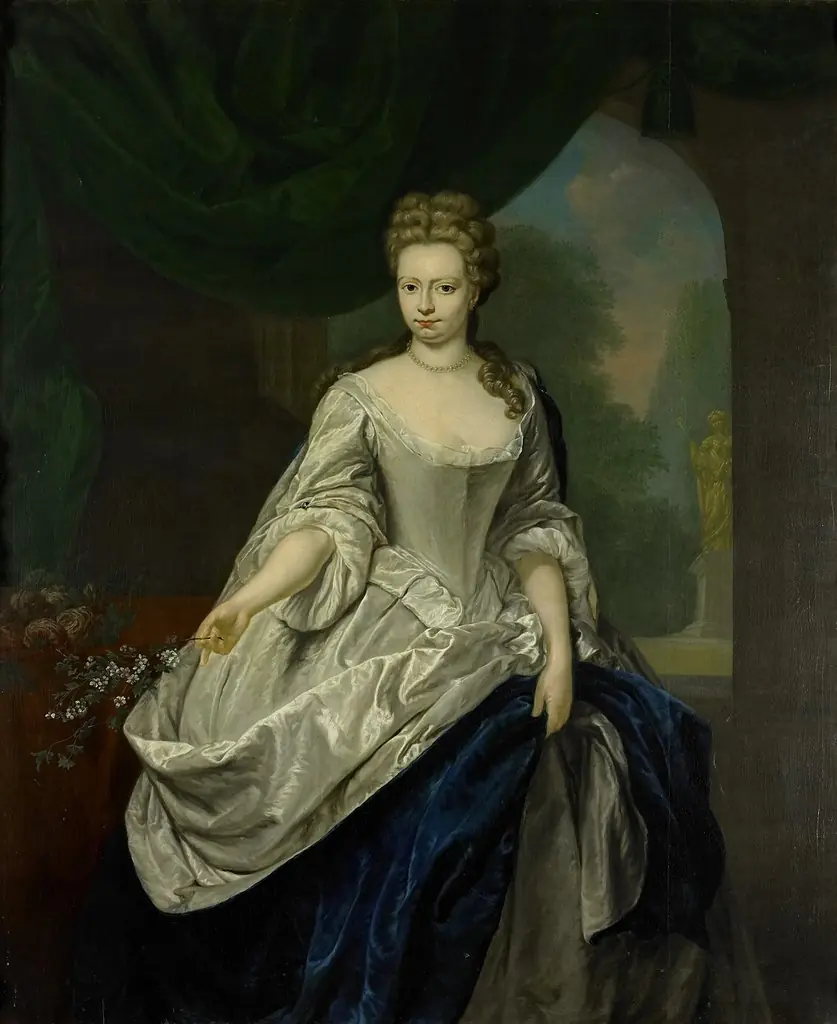 Portrait of Louise Christina Trip (died 1733), Wife of Gerrit Sichterman
 Portræt af en kvinde som Flora
 Portrait of Catharina Dierquens