Artwork
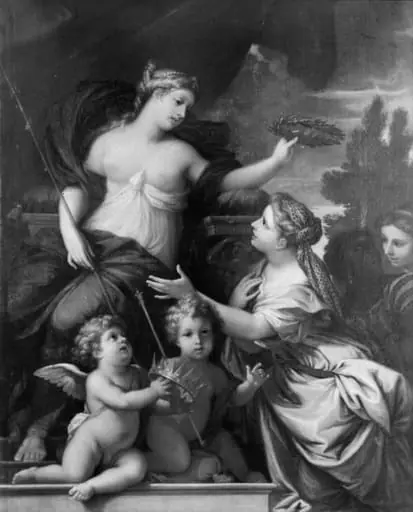
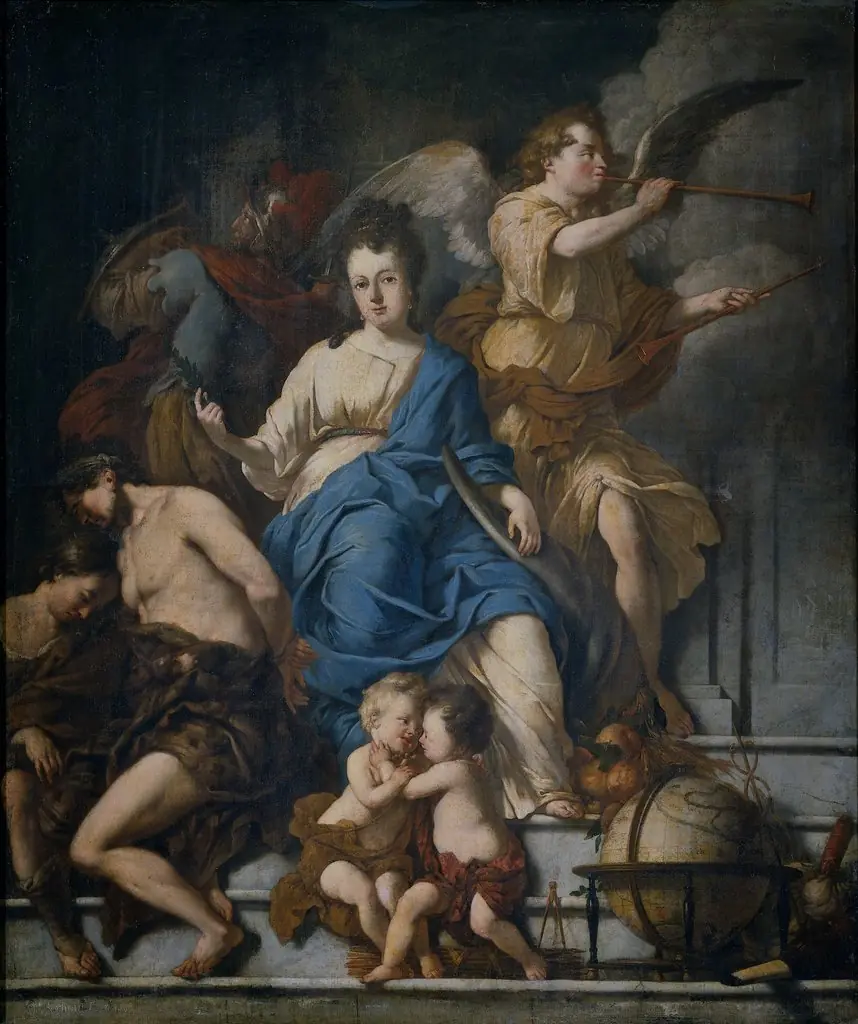
Allegory of Freedom
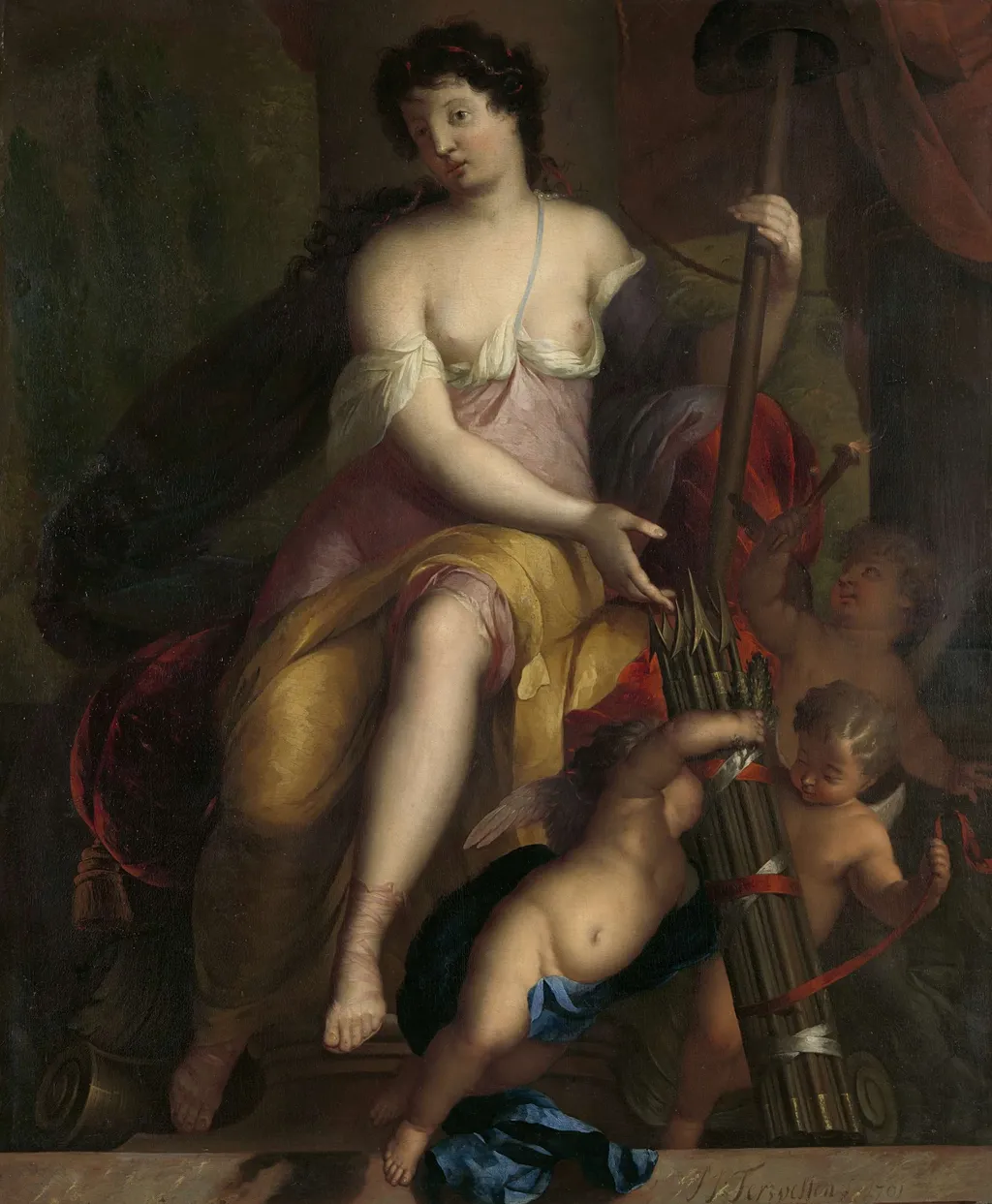
Allegory of Freedom is an oil painting by the Rococo painting artist Mattheus Terwesten. It dates from 1701 and is held in the collection of the Rijksmuseum.
About this work
Overview
Created in 1701 by Dutch painter Mattheus Terwesten, this oil on canvas presents an allegorical scene typical of the early Rococo period. The work is part of the Rijksmuseum’s collection and exemplifies the artist’s blend of portraiture and symbolic imagery.
Subject & Meaning
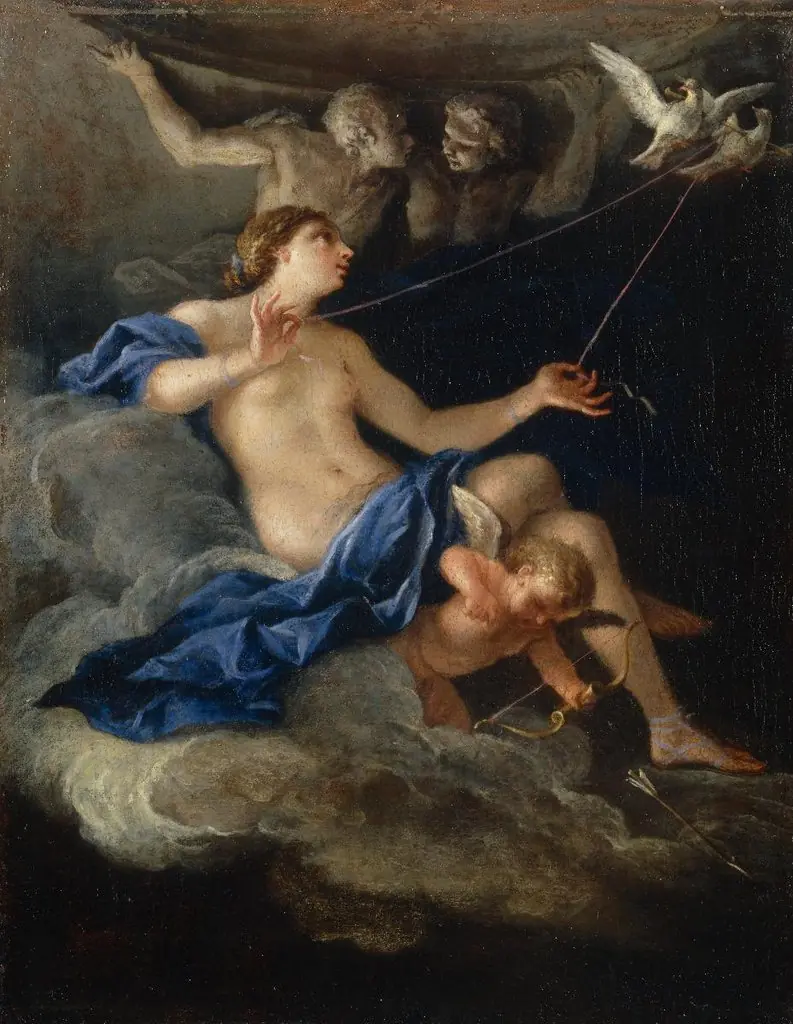
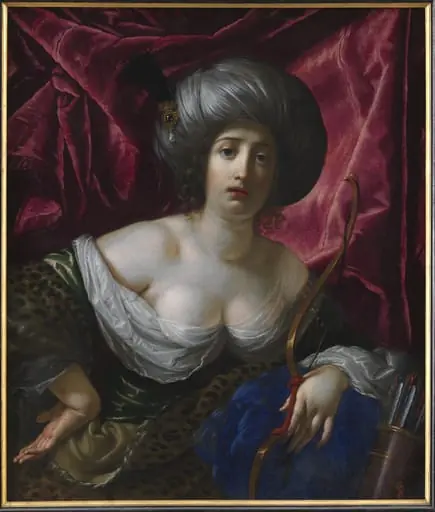
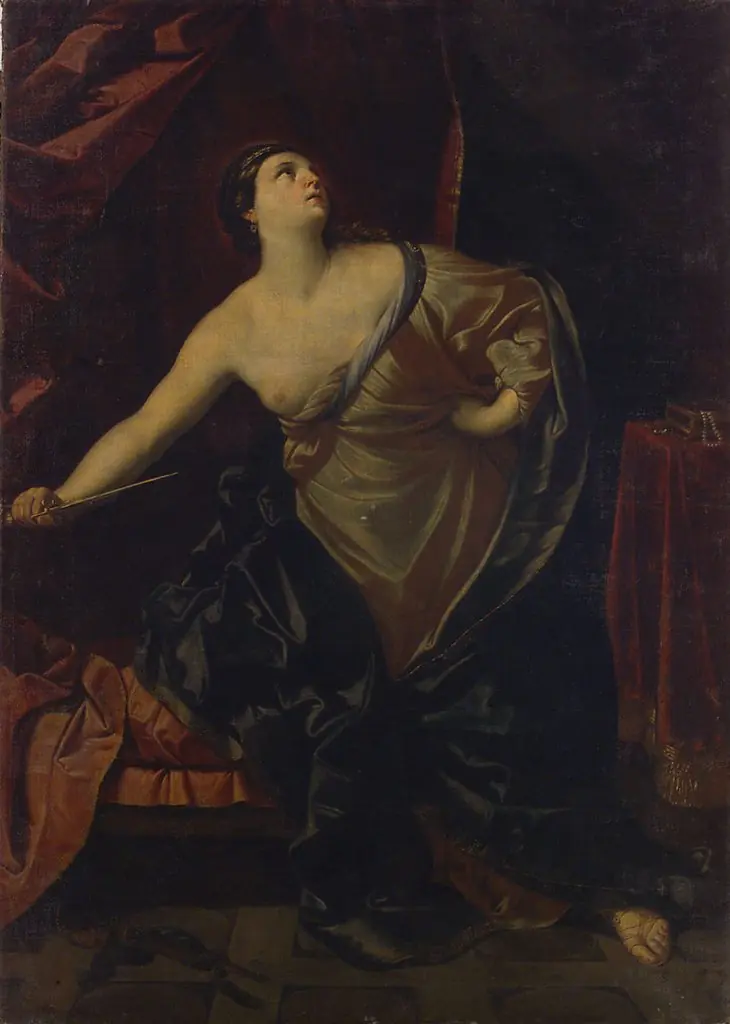
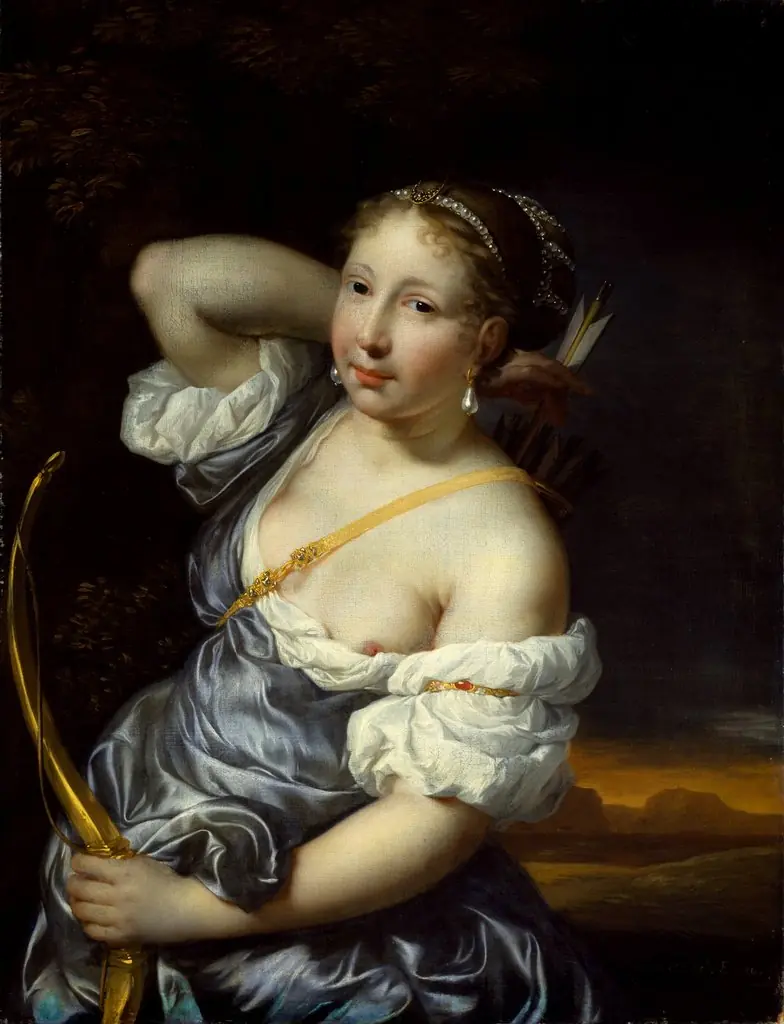
At the centre sits a female figure dressed in a pink and yellow gown, her right arm wrapped in a white cloth, grasping a tall pole with her left hand. Flanked by two winged cherubs, the composition suggests an embodiment of liberty, the pole serving as a conventional attribute of freedom while the surrounding figures emphasize a gentle, divine endorsement.
Technique & Style
Terwesten employs the soft, luminous palette associated with Rococo, using delicate brushwork to render the satin sheen of the dress and the subtle modeling of the cherubs. The darkened backdrop, punctuated with touches of red and yellow, creates a chiaroscuro effect that draws attention to the central allegorical group.
History & Provenance
After a career that included decorative commissions for aristocratic interiors and a tenure as court painter to Frederick William I of Prussia, Terwesten’s *Allegory of Freedom* entered the Rijksmuseum’s holdings, where it remains on display as part of the museum’s Dutch Baroque and Rococo collection.
Own this work as a print
Artist & collection
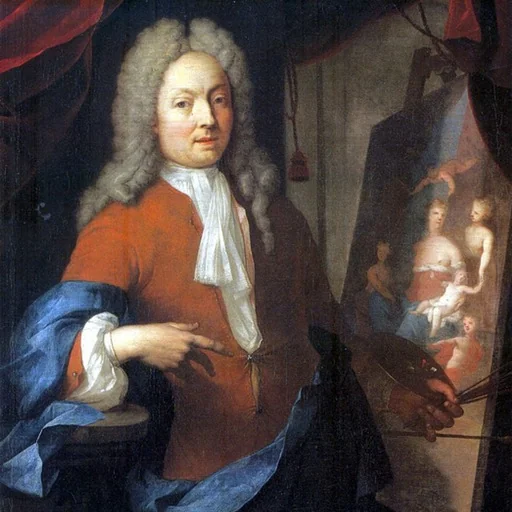
Artist
Mattheus Terwesten or Matthäus Terwesten (23 February 1670 – 11 June 1757) was a Dutch painter and art educator.