Artwork
Allegori över konung Karl XI:s fredliga regeringr
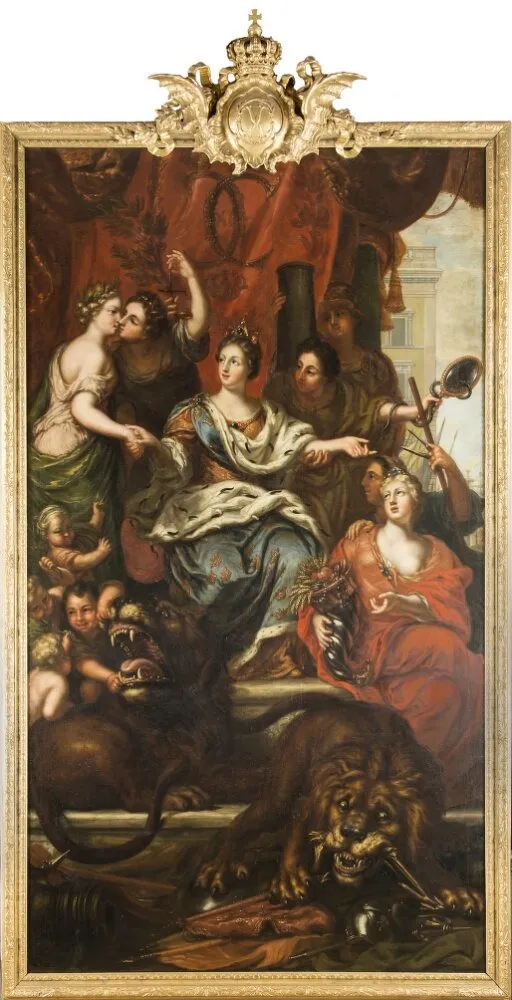
Allegori över konung Karl XI:s fredliga regeringr is an oil painting by the Rococo painting artist David Klöcker Ehrenstrahl. It dates from 1697 and is held in the collection of the Nationalmuseum.
About this work
Overview
Painted in 1697 by David Klöcker Ehrenstrahl, this oil-on-canvas allegory honors the peaceful reign of King Charles XI of Sweden.
Painted in 1697 by David Klöcker Ehrenstrahl, this oil-on-canvas allegory honors the peaceful reign of King Charles XI of Sweden. Commissioned for royal representation, it presents a symbolic court scene rather than a literal portrait. The work resides in the Nationalmuseum in Stockholm, where it remains a key example of late 17th-century Swedish court art, blending political messaging with classical allegorical traditions.
Subject & Meaning
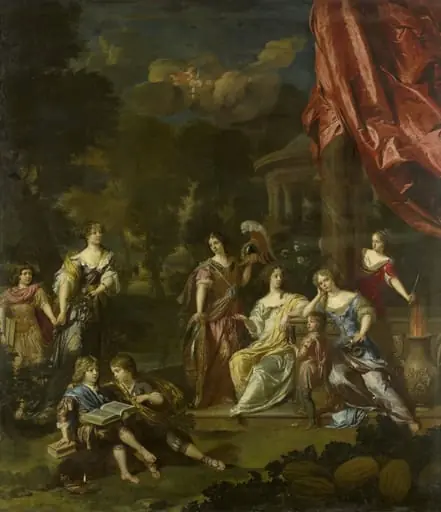
The central female figure embodies Sweden itself, crowned and robed in white and blue, symbolizing purity and sovereignty. To her left, a figure in green represents peace or prosperity; to her right, the orange-robed woman may signify justice or strength. A reclining lion, traditional emblem of royal power, lies docile at her feet, suggesting stability under Charles XI’s rule. Children surrounding the throne allude to the nation’s future and the continuity of peace.
Technique & Style
Ehrenstrahl employs chiaroscuro to model the figures with subtle gradations of light and shadow, lending volume and presence to the allegorical forms. The composition is carefully balanced, with rich textures in fabrics and metallic accents in the crown and frame enhancing the regal tone. The palette—dominated by red, gold, blue, and white—echoes imperial iconography, while the detailed rendering of garments and skin reflects the artist’s training in European court painting traditions.
History & Provenance
Commissioned shortly after Charles XI’s death, the painting was likely intended for display in a royal or state setting to legitimize his legacy of peace and centralized rule. It entered the Nationalmuseum’s collection in the 19th century, following the museum’s founding in 1792. Its preservation reflects Sweden’s early institutional commitment to documenting its monarchical history through visual art.
Context
Created during a period when European courts used allegory to glorify rulers, this work aligns with broader trends in Baroque political imagery. Sweden, emerging from decades of war, sought to emphasize its transition to internal stability. Ehrenstrahl, as court painter, drew on Italian and French models to craft a visual language that elevated the monarchy through mythic symbolism rather than historical realism.
Legacy
The painting endures as a primary example of Swedish Baroque allegory, illustrating how state ideology was visually encoded in art. While not widely reproduced outside academic circles, it remains a touchstone for understanding how Swedish identity was constructed in the late 17th century. Its presence in the Nationalmuseum ensures continued scholarly engagement with the intersection of power, symbolism, and visual culture in early modern Sweden.
Artist & collection
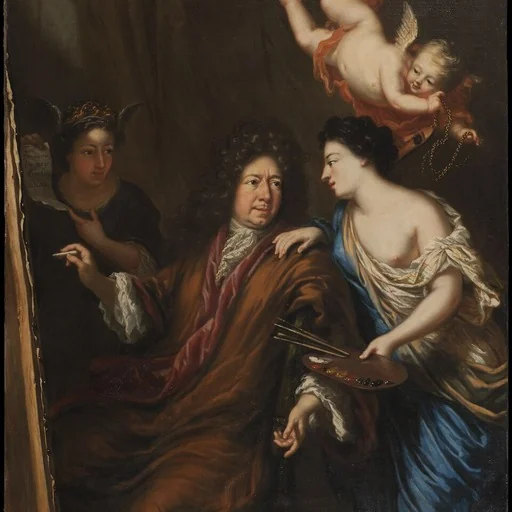
Artist
David Klöcker Ehrenstrahl (1628–1698) was an artist, born in Hamburg.

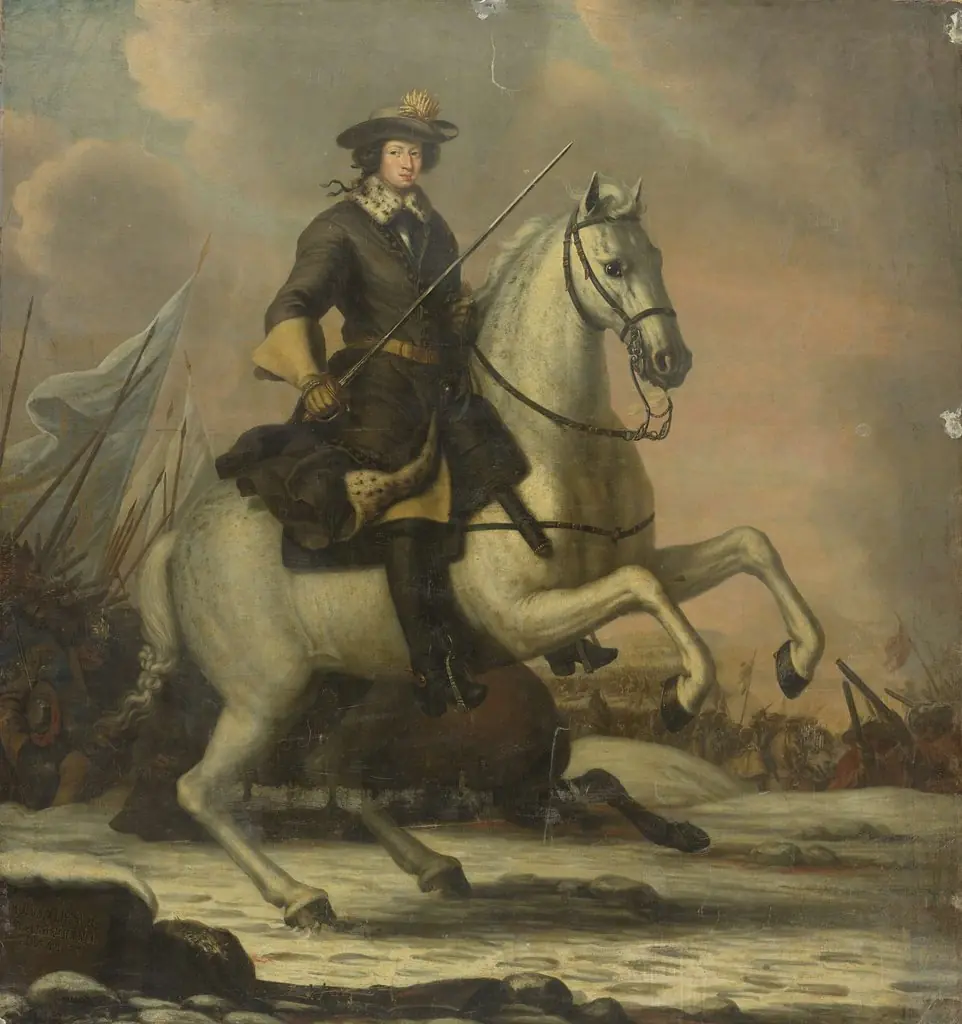 Karl XI (1665-1697), king of Sweden
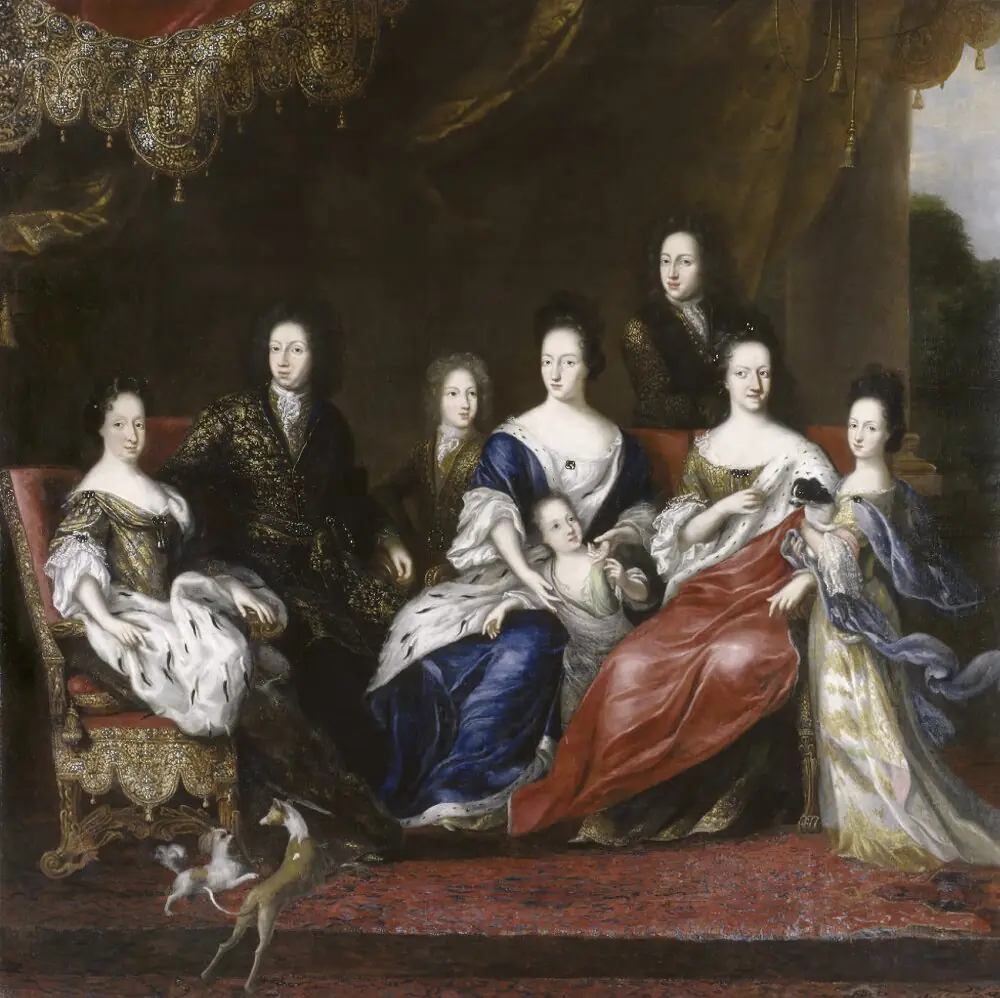 Karl XI konung av Sverige med familj
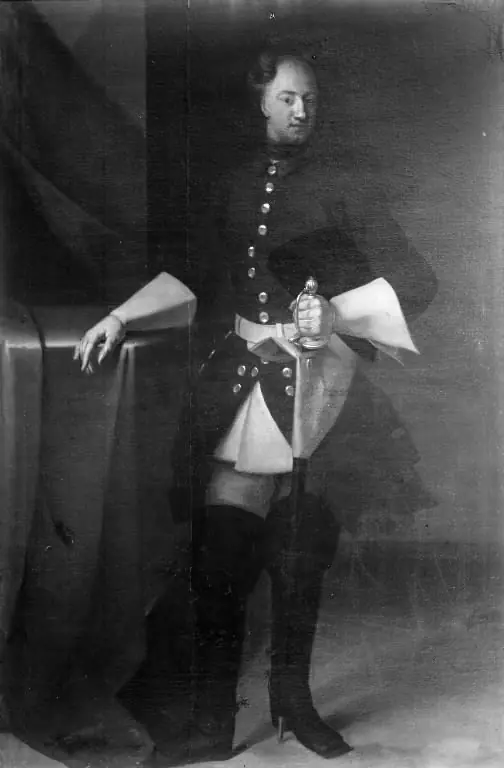 Portrait of Carl XII of Sweden
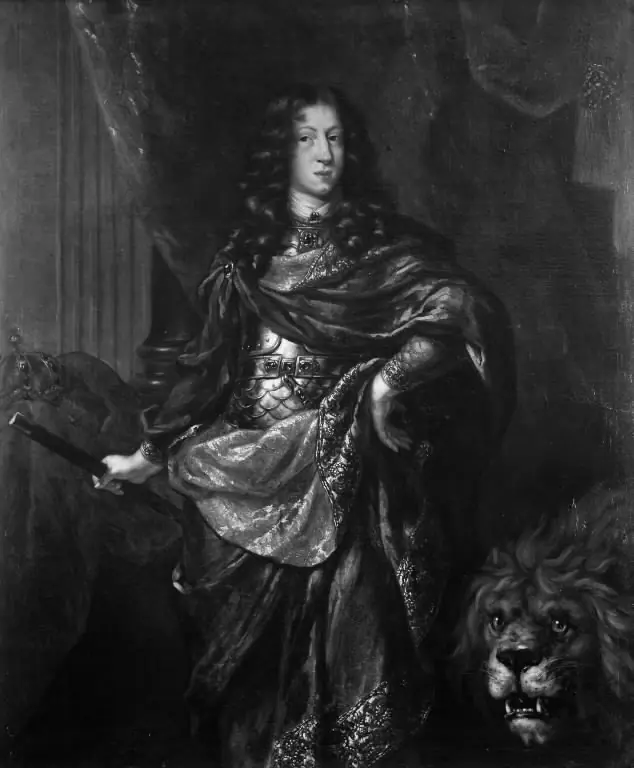 Portrait of Carl XI
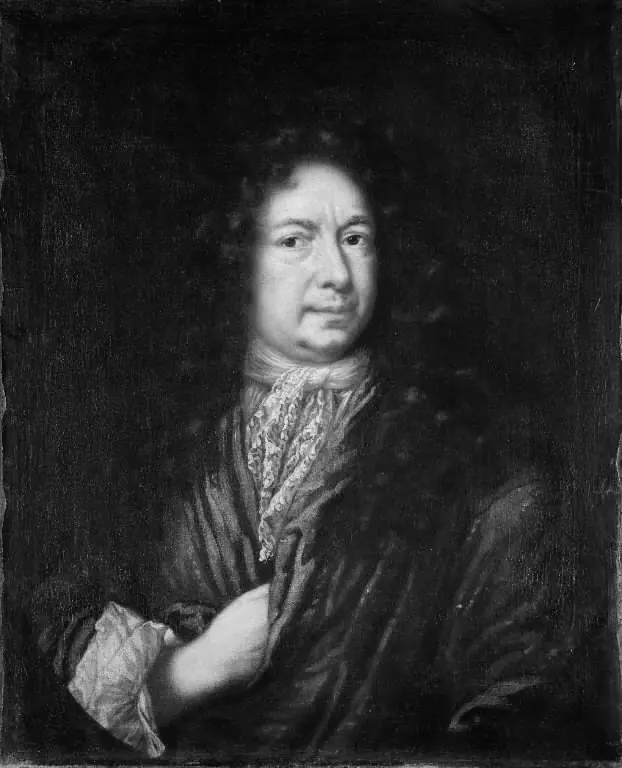 Portrait of the Artist
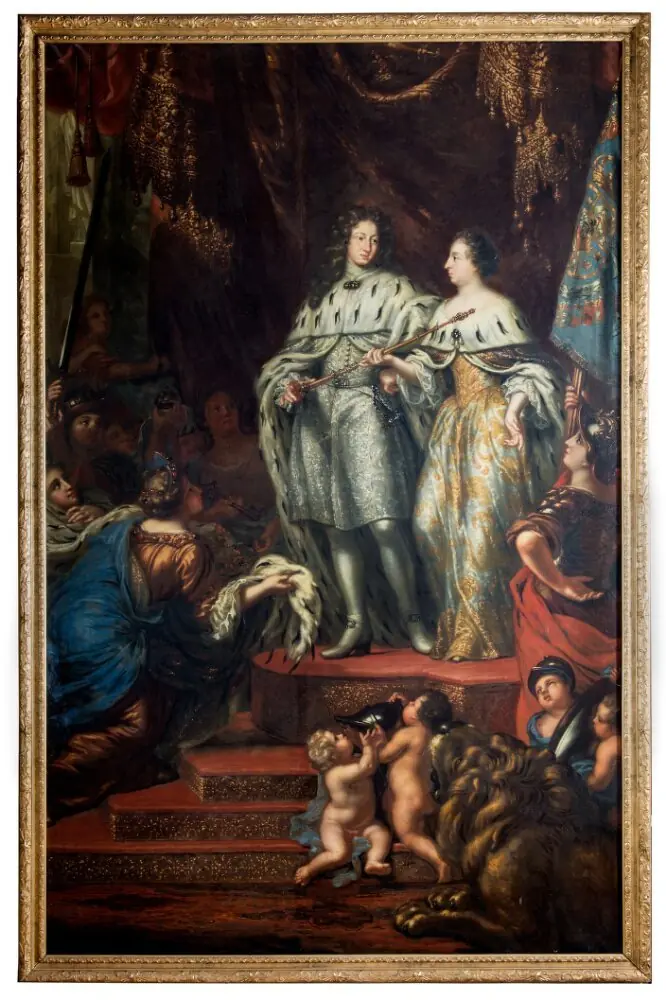 Allegori över hur konung Karl XI mottager regeringen av sin moder Hedvig Eleonora
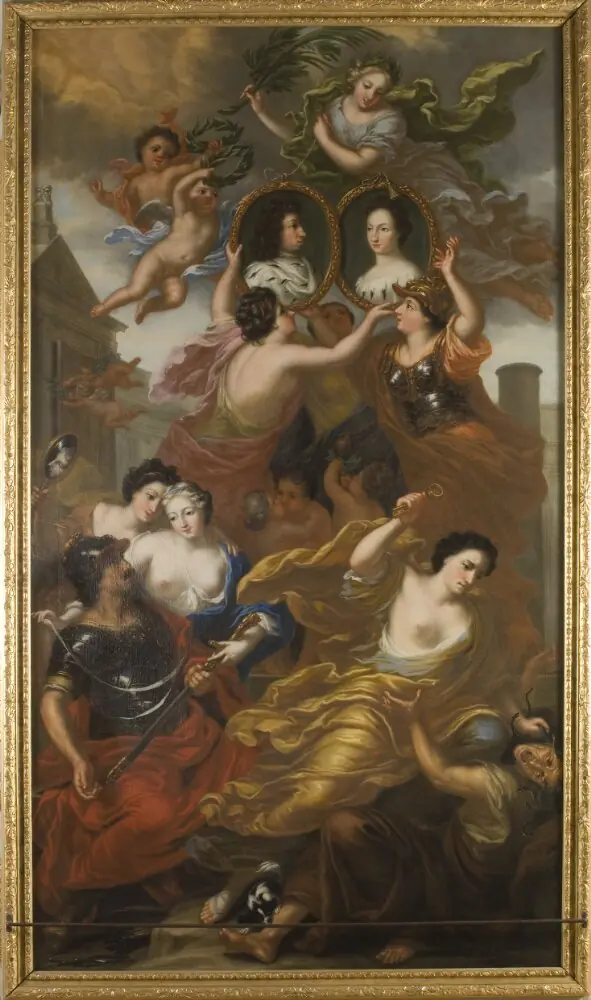 Allegori över konung Karl XI:s och drottning Ulrika Eleonoras förening
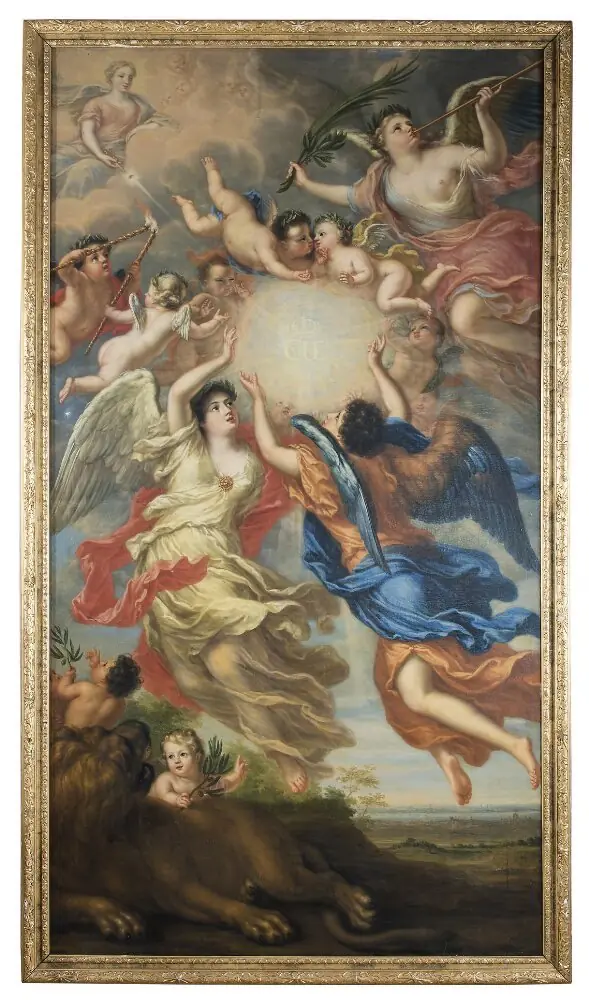 Allegori över konung Karl XI:s och drottning Ulrika Eleonoras förmälning
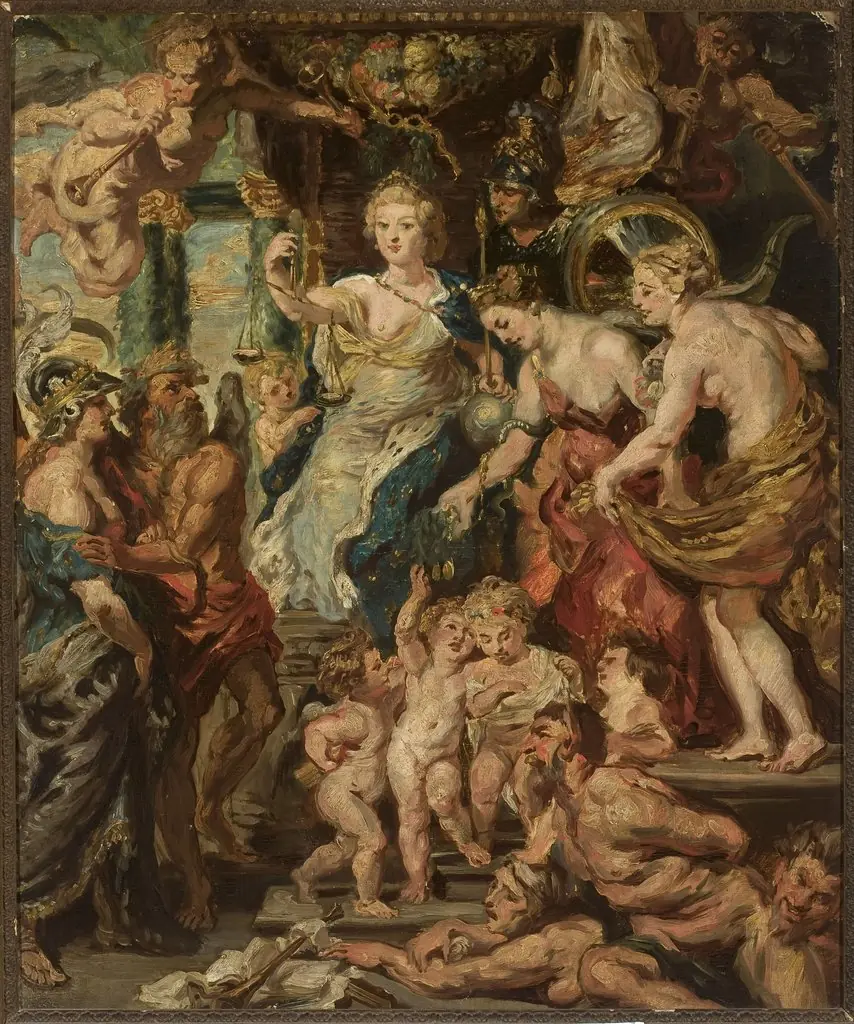 Apotheosis of Maria Medici
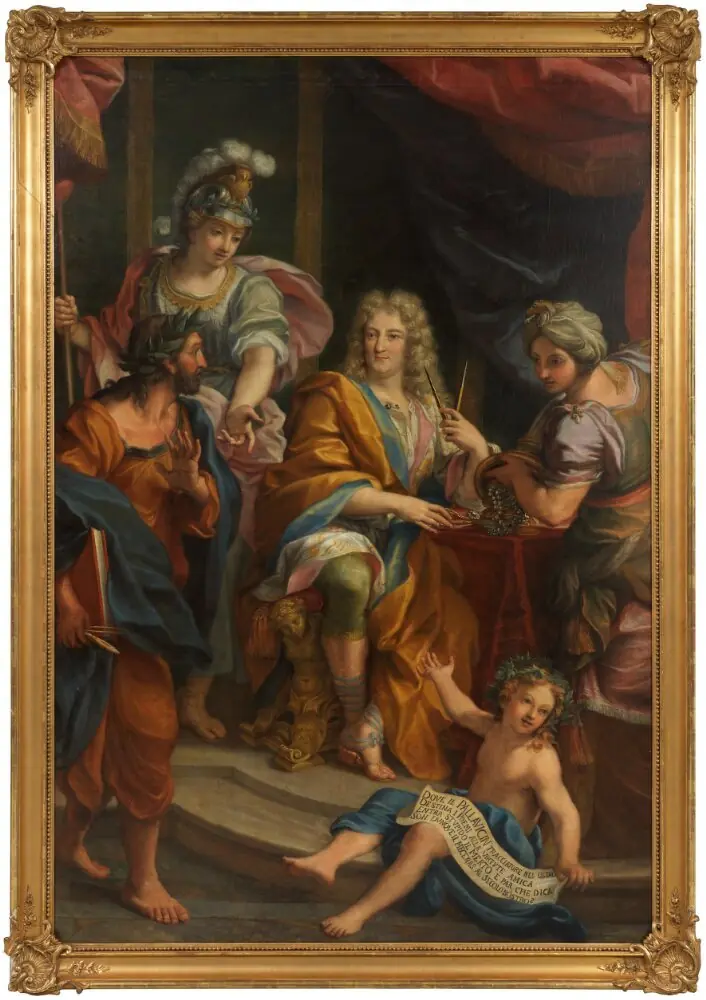 Allegorical portrait of Marchese Niccolò Maria Pallavicini (1650-1714)
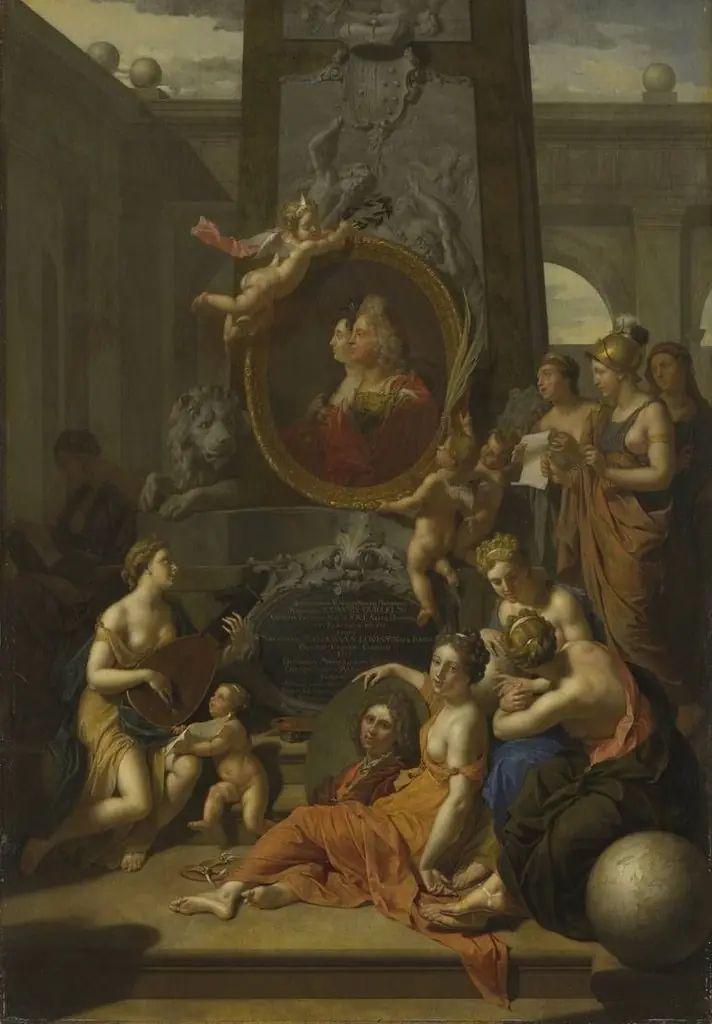 The Arts, represented by the royal couple Johann Wilhelm von der Pfalz and Maria Anna Louisa de' Medici
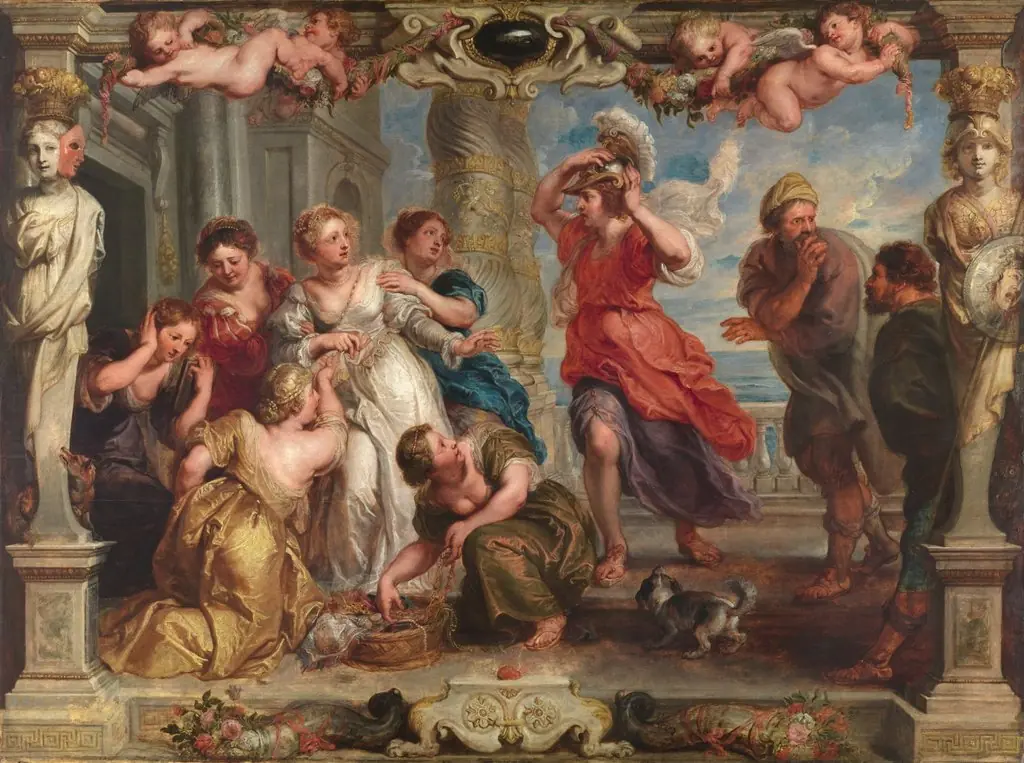 Achilles discovered Among the Daughters of Lycomedes
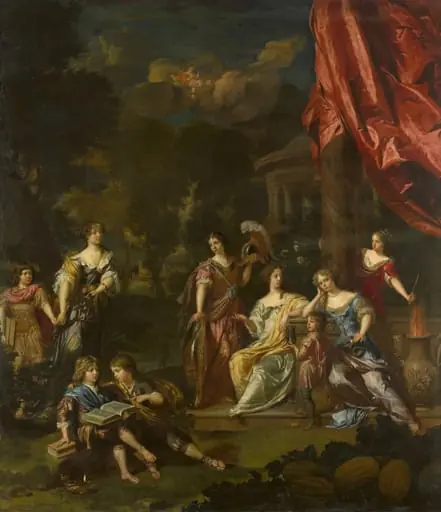 Allegorizing Group Portrait of the Children of Diederic Pietersz van Leyden van Leeuwen, Burgomaster of Leiden, and Alida Paets
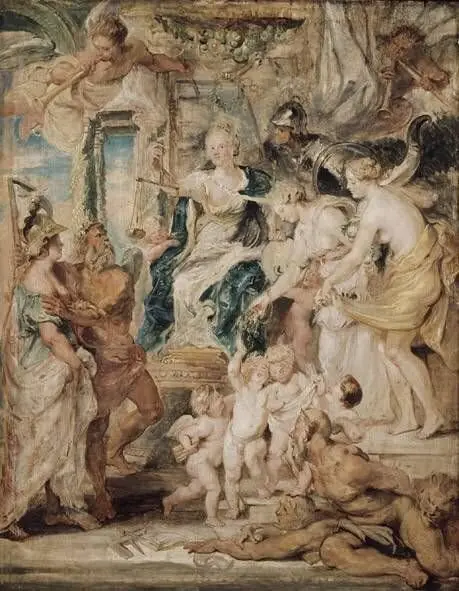 The Felicity of the Regency
 Hercules and Omphale
 Summer and Spring
 Untitled