Artwork
Horace Southwick
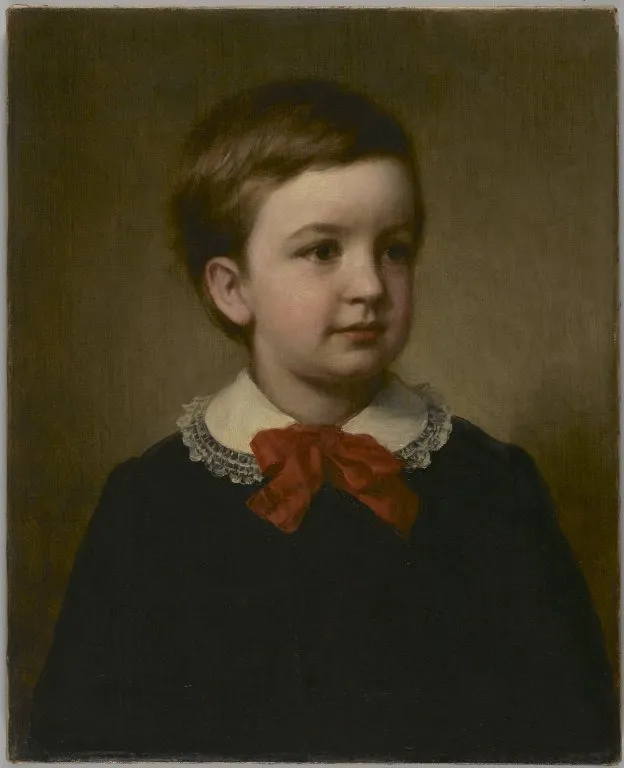
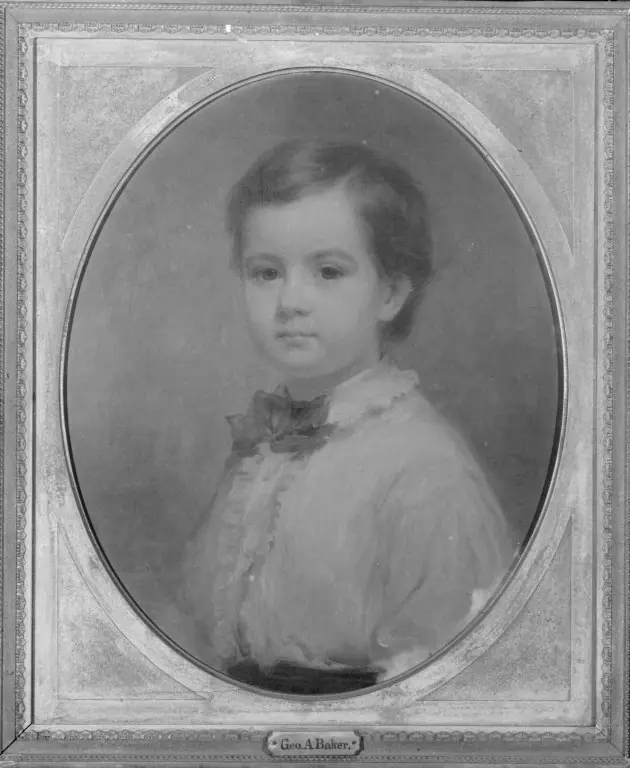
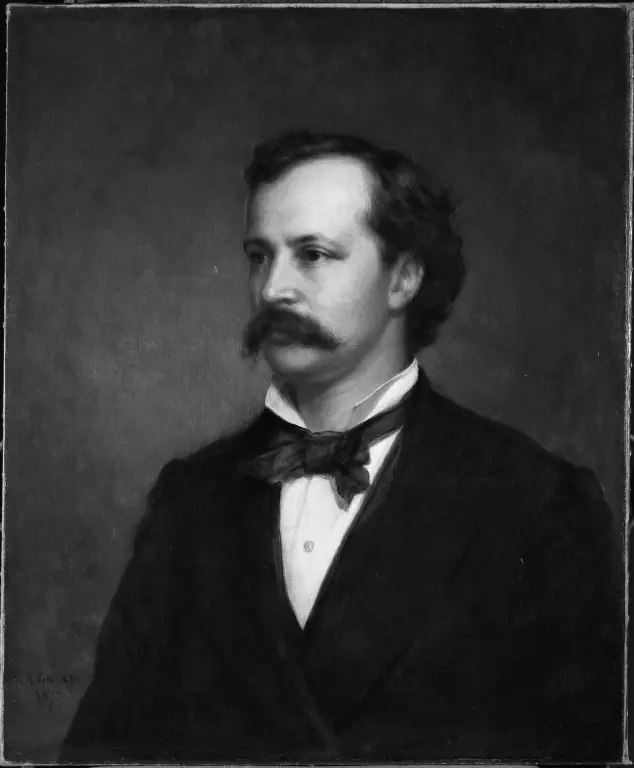
Horace Southwick is an oil painting by the Realist artist George Augustus Baker. It is held in the collection of the Brooklyn Museum.
About this work
If you're interested in learning more about this style of portraiture, you might want to explore the work of artist George Augustus Baker.
This portrait painting features a young boy with short, dark hair, dressed in a black jacket with a white collar and a red bow tie. The background is a muted brown color.
The boy's attire and the style of the painting suggest a formal portrait from the 19th century. The artist's use of oil paint and attention to detail in the boy's clothing and facial expression add to the overall sense of formality.
If you're interested in learning more about this style of portraiture, you might want to explore the work of artist George Augustus Baker.
Overview
Painted in 1868 by George Augustus Baker, this oil portrait depicts Horace Southwick, a young boy from a middle- or upper-class family. The work is part of the Brooklyn Museum’s collection and exemplifies mid-19th-century American portraiture. Its restrained palette and precise rendering reflect the period’s emphasis on dignity and social standing, common in domestic commissions of the era.
Subject & Meaning
The subject, Horace Southwick, is portrayed with quiet composure, his gaze directed slightly beyond the viewer. His attire—a black jacket, crisp white collar, and red bow tie—signals formality and familial pride. The absence of props or symbolic elements focuses attention on the child’s presence, suggesting a personal commemoration rather than an allegorical statement.
Technique & Style
Baker employed oil paint with careful brushwork to define textures: the sheen of the boy’s jacket, the softness of his skin, and the crispness of his collar. The muted brown background isolates the figure, enhancing the portrait’s intimacy. The lighting is even and naturalistic, avoiding theatricality, which aligns with the period’s preference for restrained, lifelike representation.
History & Provenance
The painting was completed in 1868 and entered the Brooklyn Museum’s collection through documented acquisition. Its provenance traces back to the Southwick family, indicating it was likely commissioned as a private portrait. No major exhibitions or public records suggest widespread recognition during the artist’s lifetime, but its preservation reflects its value to the subject’s descendants.
Context
In the decades following the Civil War, American families increasingly commissioned portraits to affirm social identity. Baker, though not widely known today, was part of a generation of regional painters who catered to middle-class patrons seeking dignified likenesses. This work fits within a broader trend of domestic portraiture that prioritized modesty and moral character over grandeur.
Legacy
While George Augustus Baker’s oeuvre remains largely understudied, this portrait endures as a quiet example of 19th-century American domestic art. It offers insight into how families visually encoded values of propriety and refinement. Its presence in a major public collection ensures continued access for scholars and viewers interested in everyday visual culture of the period.
Artist & collection

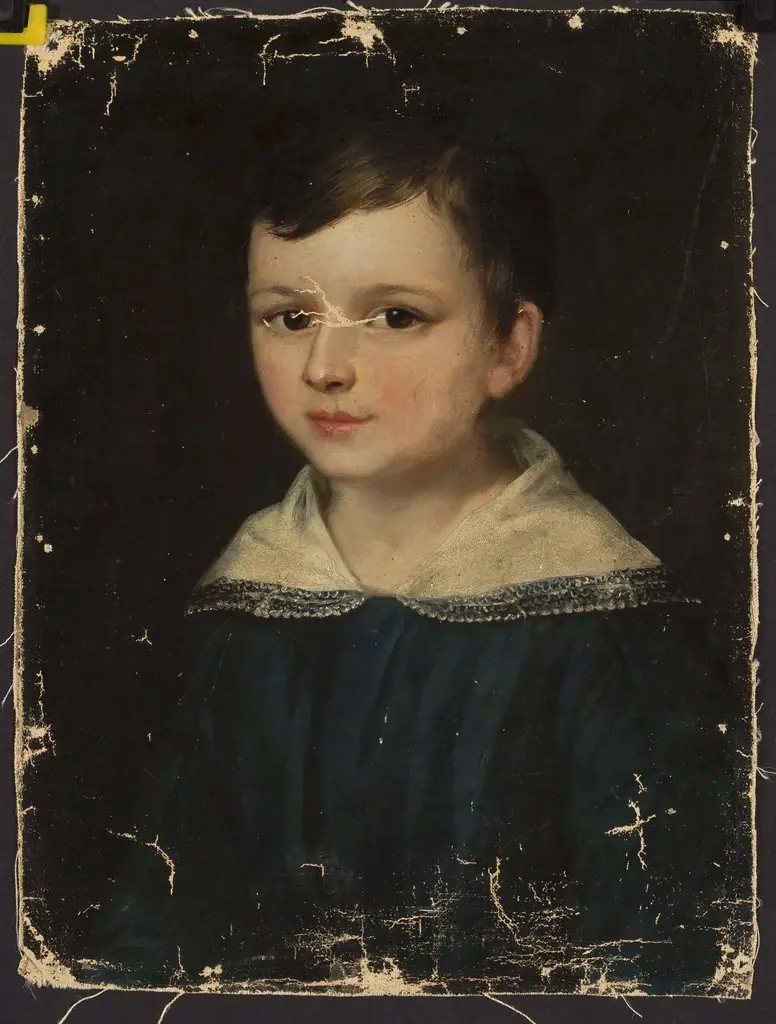 Portrait of Oktawian Szukiewicz as a child
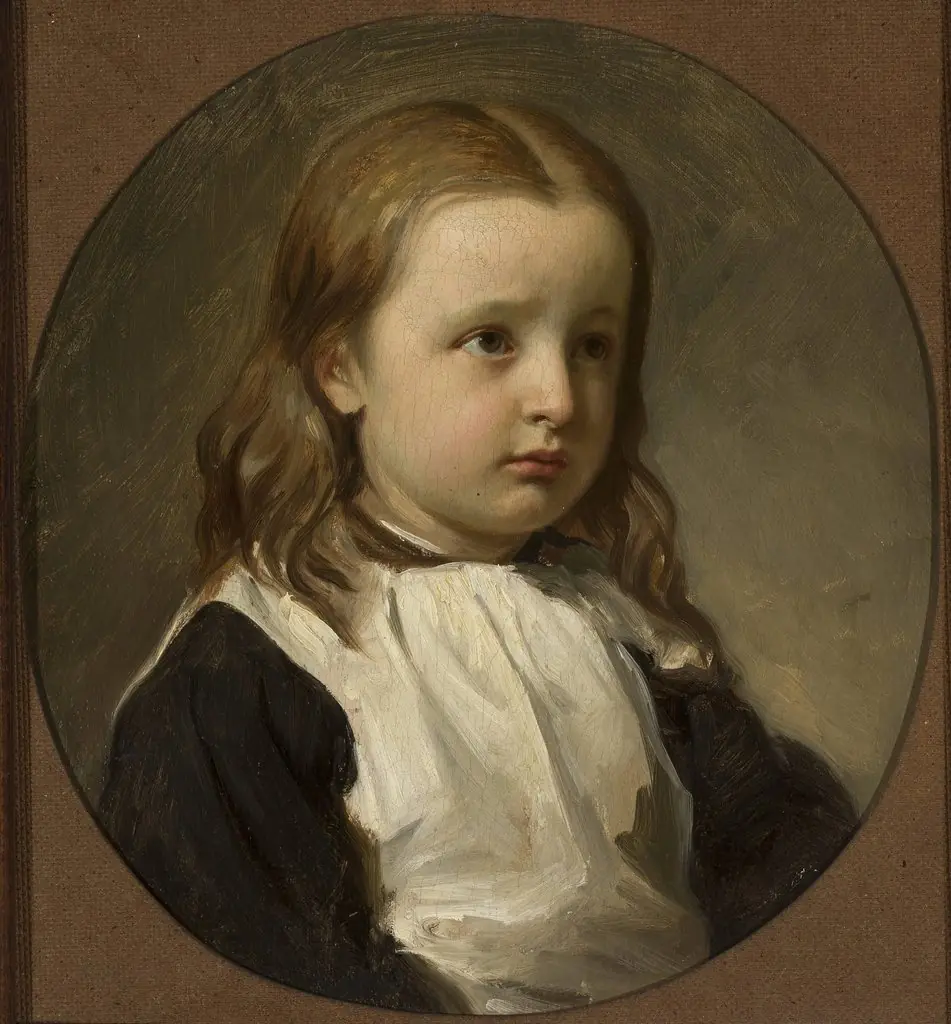 Portrait of Julia Simmler, artist's daughter
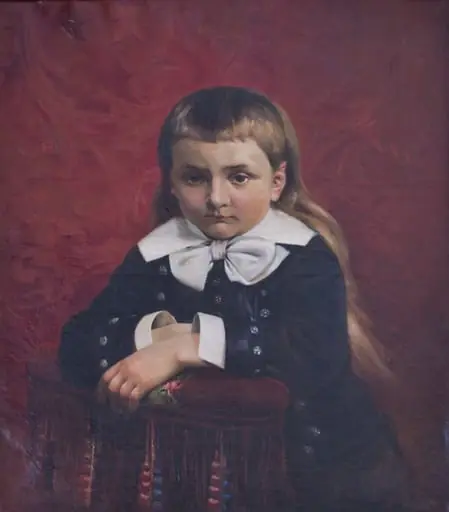 Profesorul George Capșa la vârsta de 8 ani
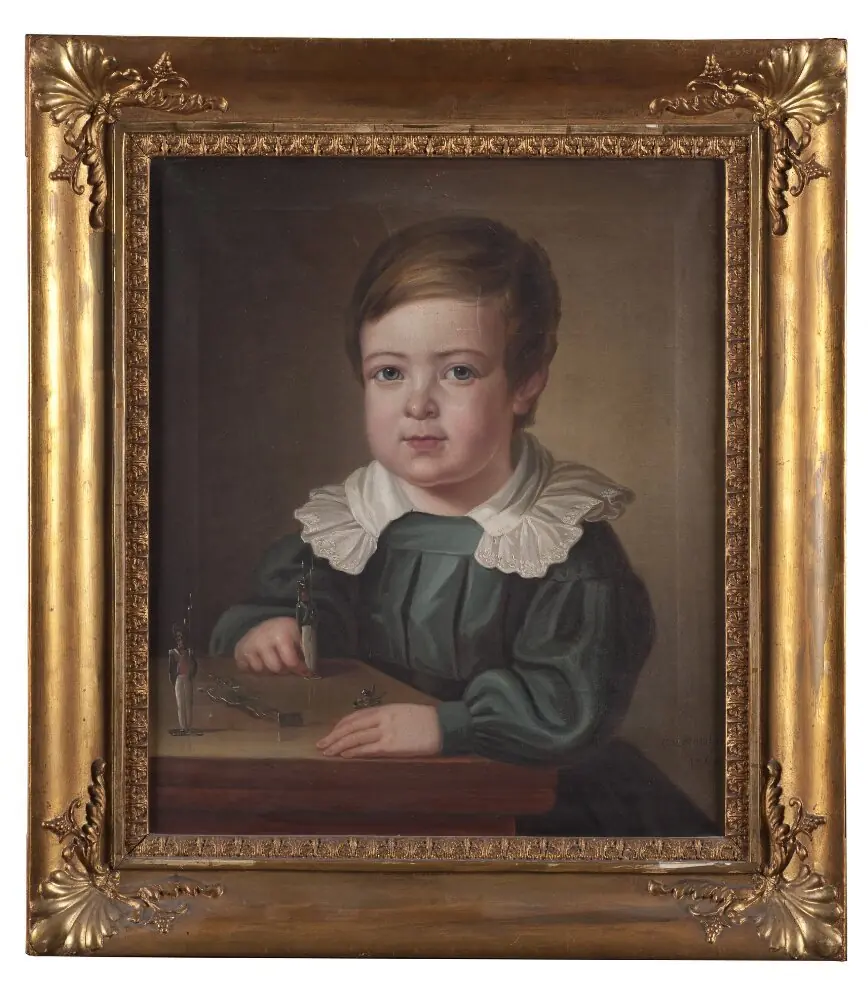 Carl Bror Munck af Fulkila (1836-1905)
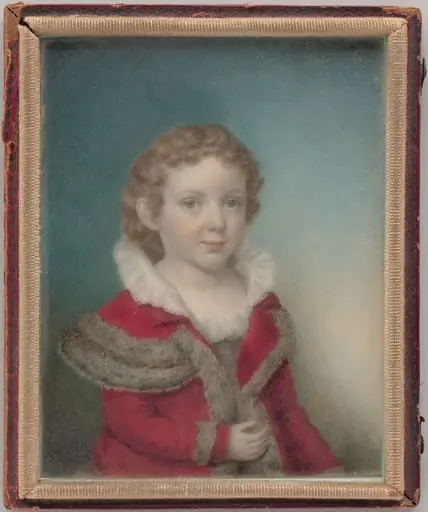 Edward Blake Parkman
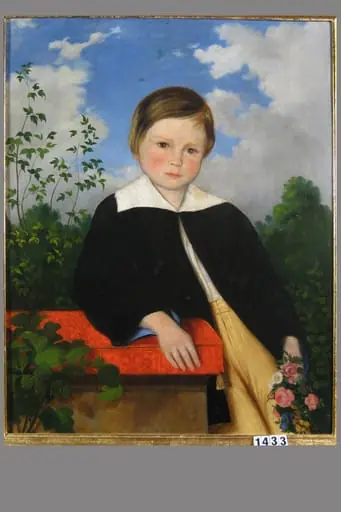 Julius Sigerus, copil
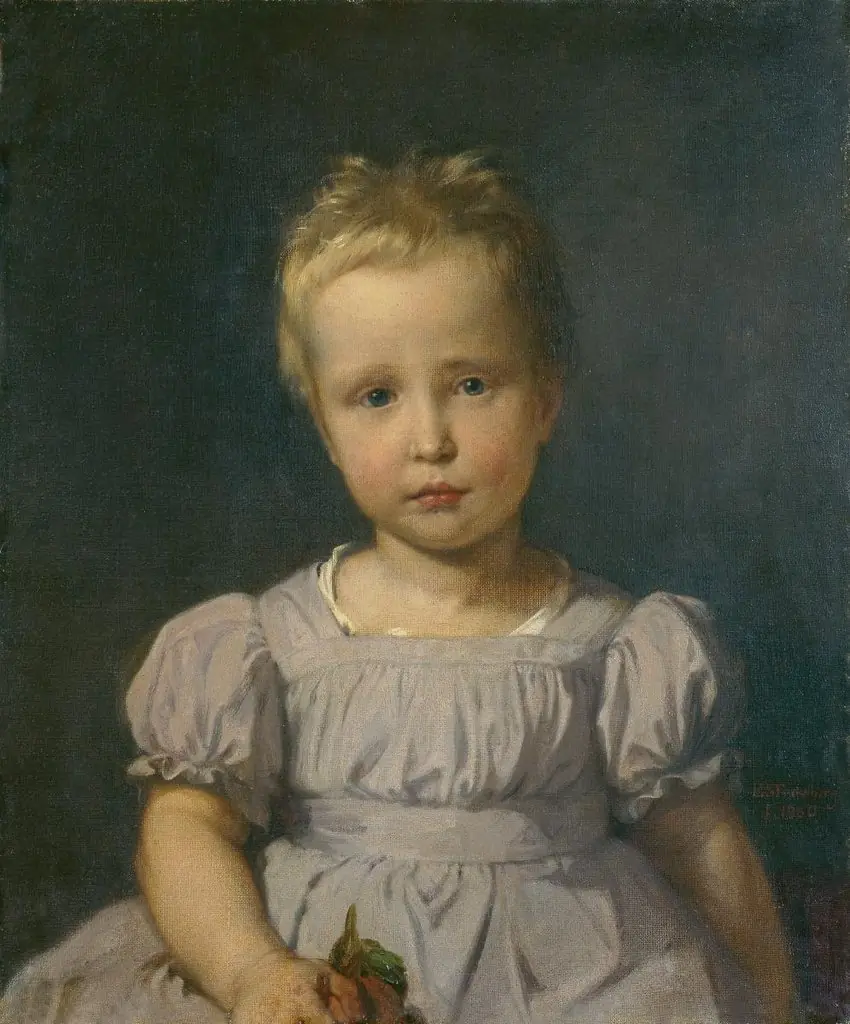 Bildnis von Rudolf Kollers Söhnlein
 Portrait of a girl
 Portrait of a Baby
 Knabenbildnis
 Portrait of Juan Ramon Burzaco Tamini