Artwork
Henry Ward Beecher
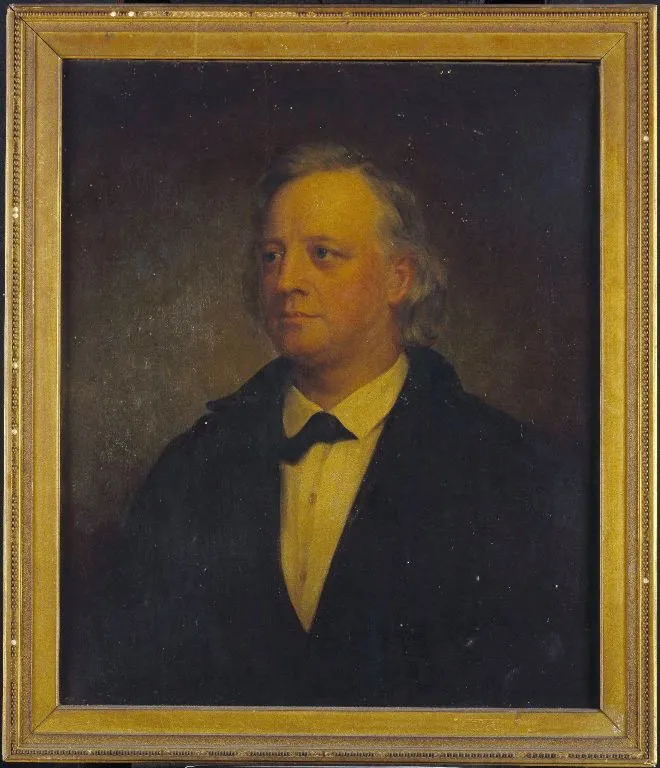
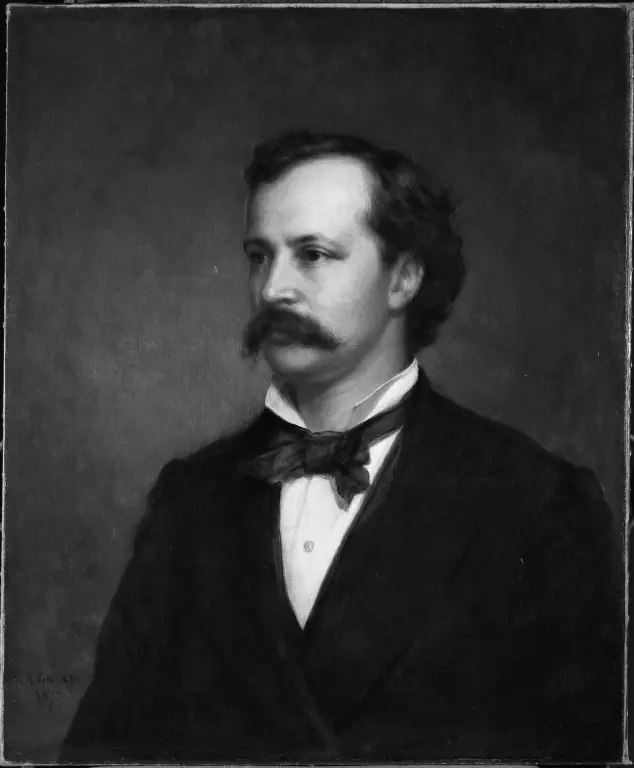
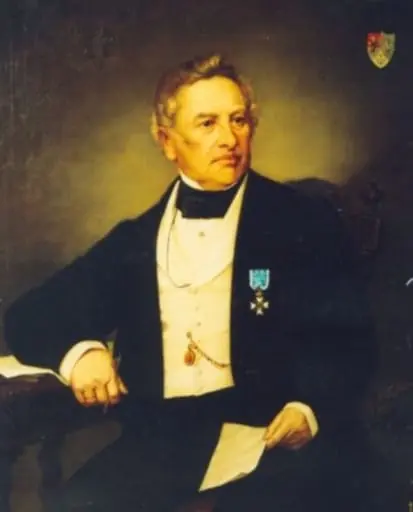
Henry Ward Beecher is an oil painting by the American Impressionist artist George Augustus Baker. It is held in the collection of the Brooklyn Museum.
About this work
Overview
Painted in 1874 by George Augustus Baker, this oil portrait depicts Henry Ward Beecher, a prominent 19th-century American clergyman and social reformer.
Painted in 1874 by George Augustus Baker, this oil portrait depicts Henry Ward Beecher, a prominent 19th-century American clergyman and social reformer. The work is part of the Brooklyn Museum’s collection and presents its subject in a restrained, contemplative manner. The composition emphasizes stillness and psychological presence over theatricality, aligning with the period’s preference for dignified portraiture.
Subject & Meaning
Henry Ward Beecher was a widely known preacher and abolitionist whose sermons influenced public opinion on slavery and morality. The portrait captures him in a moment of quiet intensity, reflecting his reputation as a thoughtful and morally driven figure. His direct yet distant gaze and somber attire suggest introspection, reinforcing his public image as a serious moral authority rather than a charismatic showman.
Technique & Style
Baker employs chiaroscuro to model the face and hands, creating subtle contrasts between light and shadow that lend volume and depth. The dark, unbroken background isolates the figure, focusing attention on his features and posture. Brushwork is precise but not overly refined, favoring naturalism over idealization. The muted palette and restrained tones contribute to the portrait’s solemn, understated character.
History & Provenance
Commissioned during Beecher’s lifetime, the painting was acquired by the Brooklyn Museum in the early 20th century. It has remained in the museum’s collection since, with no documented changes in ownership or significant restoration. Its preservation reflects its status as a historical document of a key cultural figure, rather than a celebrated work of art in the fine art canon.
Context
In the 1870s, formal portraiture remained a primary means of honoring public figures, especially religious and political leaders. Baker’s approach aligns with the era’s preference for sober, authoritative depictions over flamboyant styles. Beecher’s prominence in post-Civil War America made him a frequent subject of visual representation, though this portrait stands out for its quiet restraint compared to more dramatic contemporary likenesses.
Legacy
The portrait endures as a visual record of Beecher’s public persona, offering insight into how 19th-century Americans wished to remember their moral leaders. While not widely exhibited today, it retains scholarly value as an example of mid-Victorian portraiture in the United States. Its subdued aesthetic reflects a cultural moment when gravitas was valued over spectacle in the representation of authority.
Artist & collection

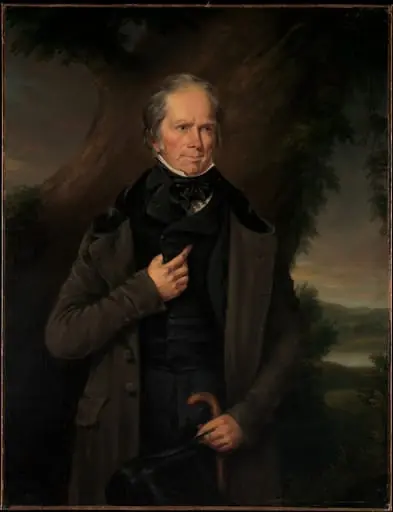 Henry Clay
 Parch. Henry Rees, Lerpwl, 1798-1869
 Portrait of Samuel Lover (1797-1868), Author and Artist
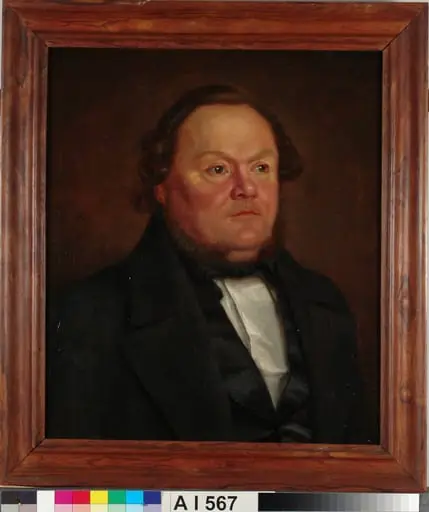 Oulun kaupunginvoudin Jacob Forssin muotokuva
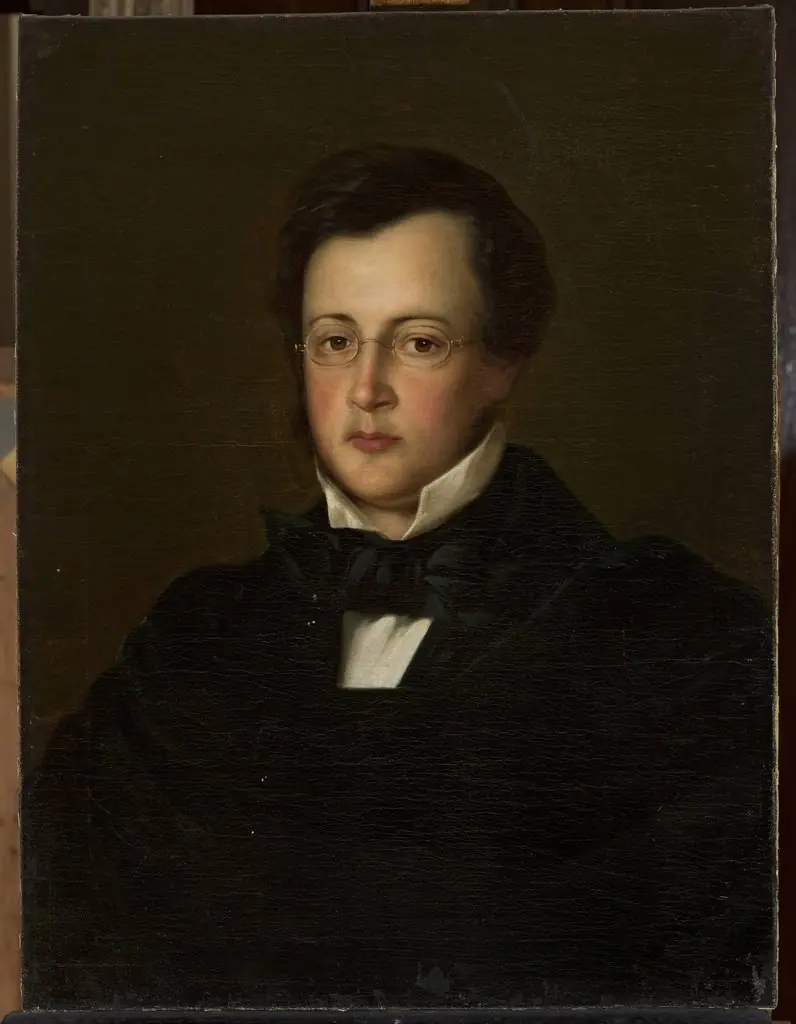 Portrait of Konstanty Świdziński (d. 1855)
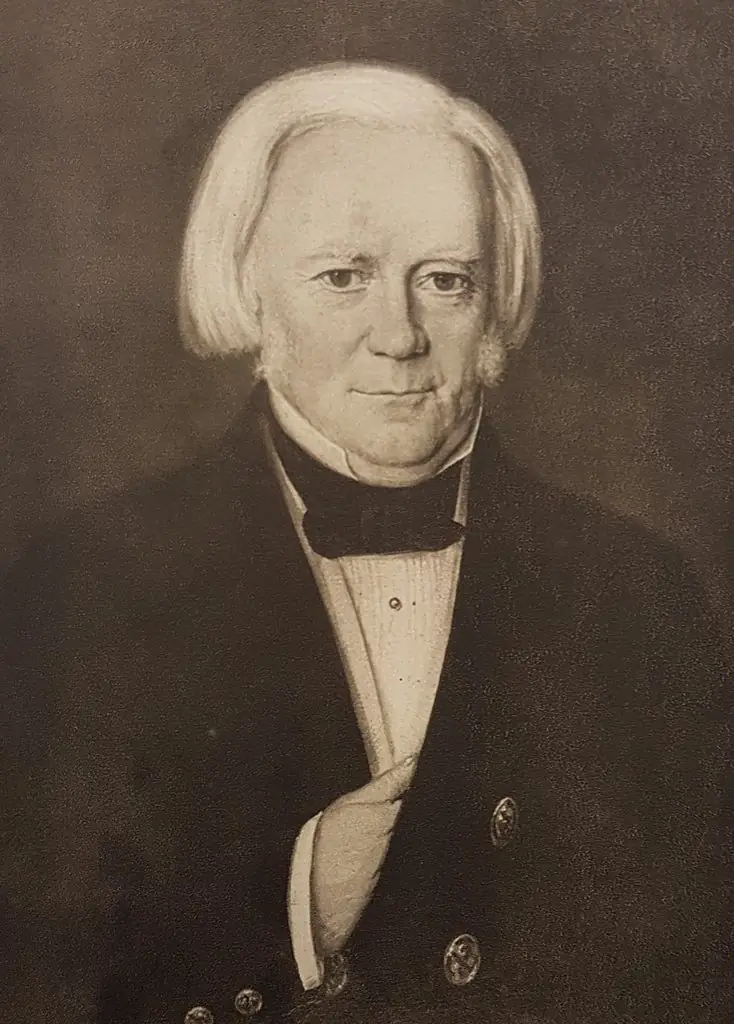 Georg Camitz (1788-1868), bruksägare
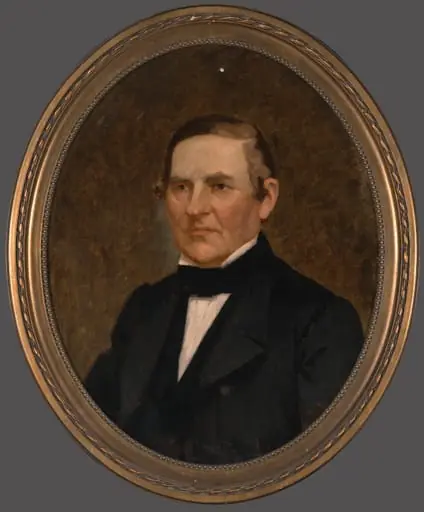 Johan Lindroos vanhana.
 Deák Ferenc
 Constant van den Nest, Secretary of the Royal Academy of Fine Arts Antwerp
 Omakuva
 Self-portrait
 Scarlat Petrovici Armis