Artwork
Untitled
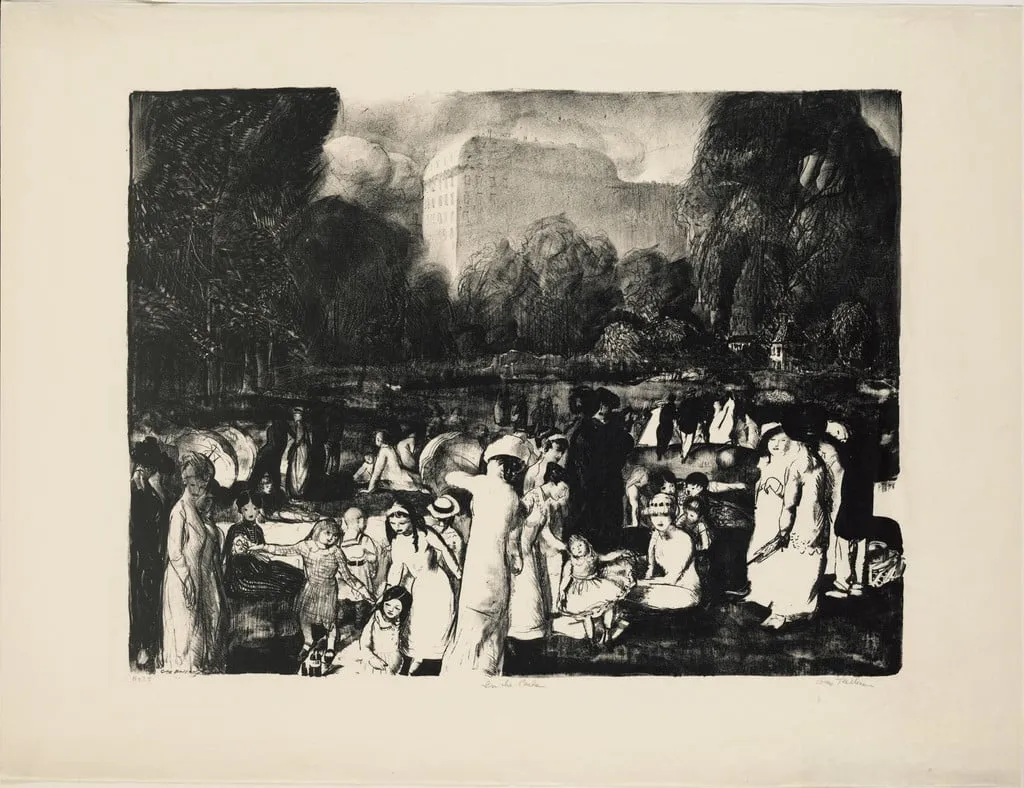
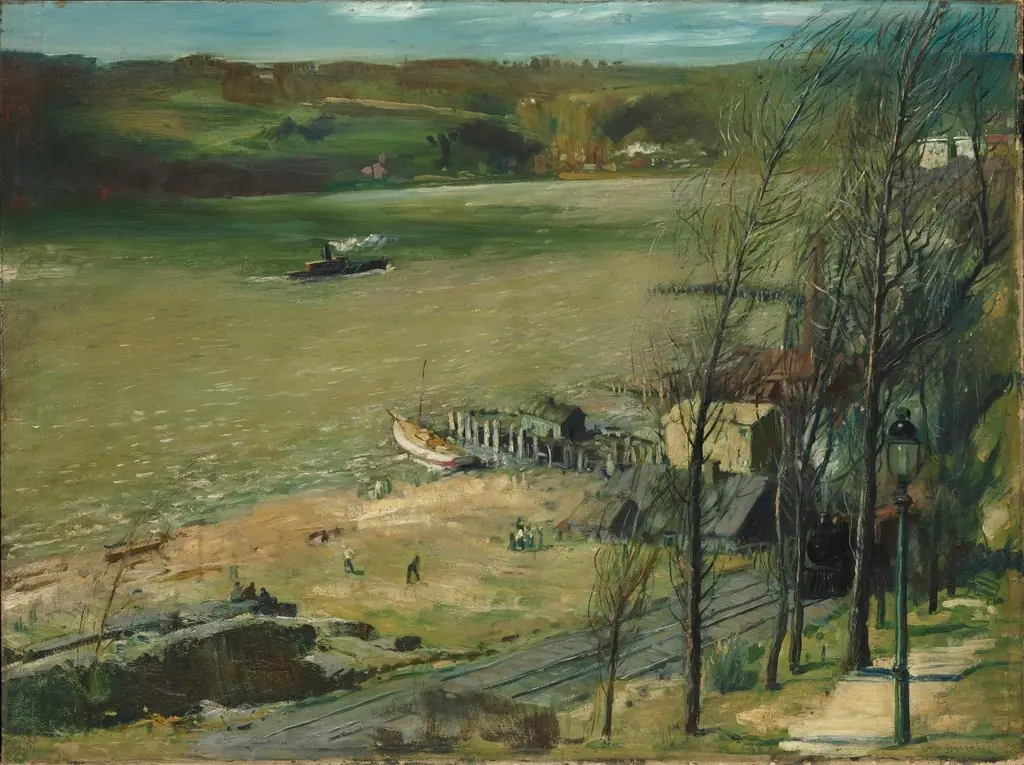
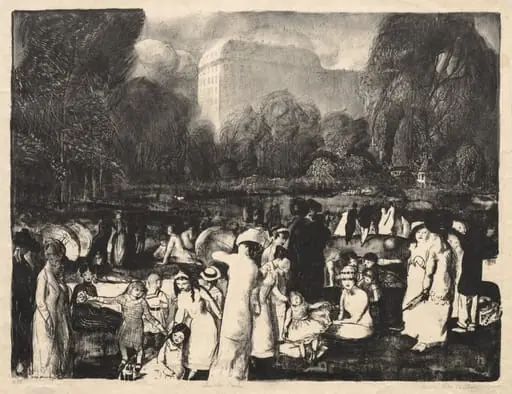
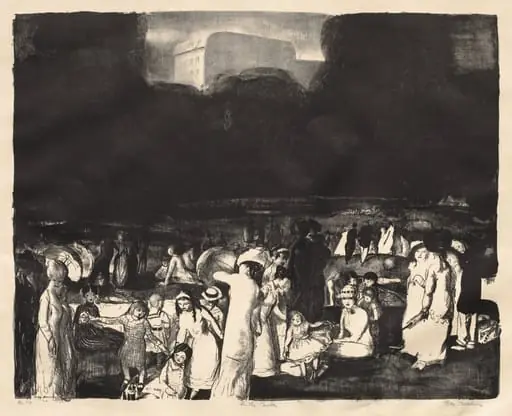
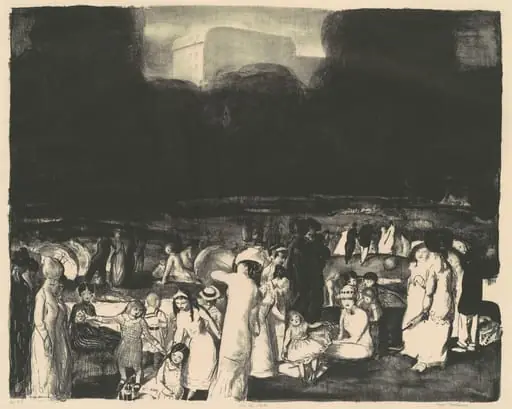
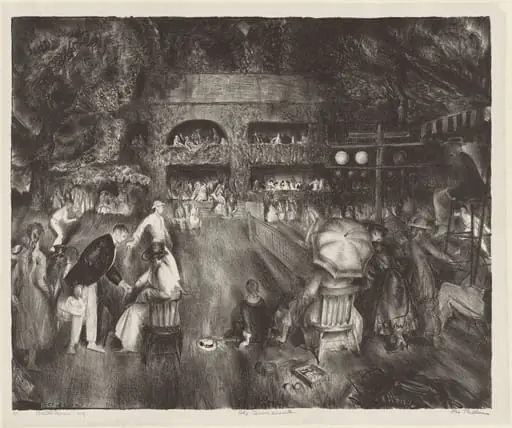
Untitled is an ink print by George Bellows. It dates from 1916 and is held in the collection of the Museum of Modern Art.
About this work
Overview
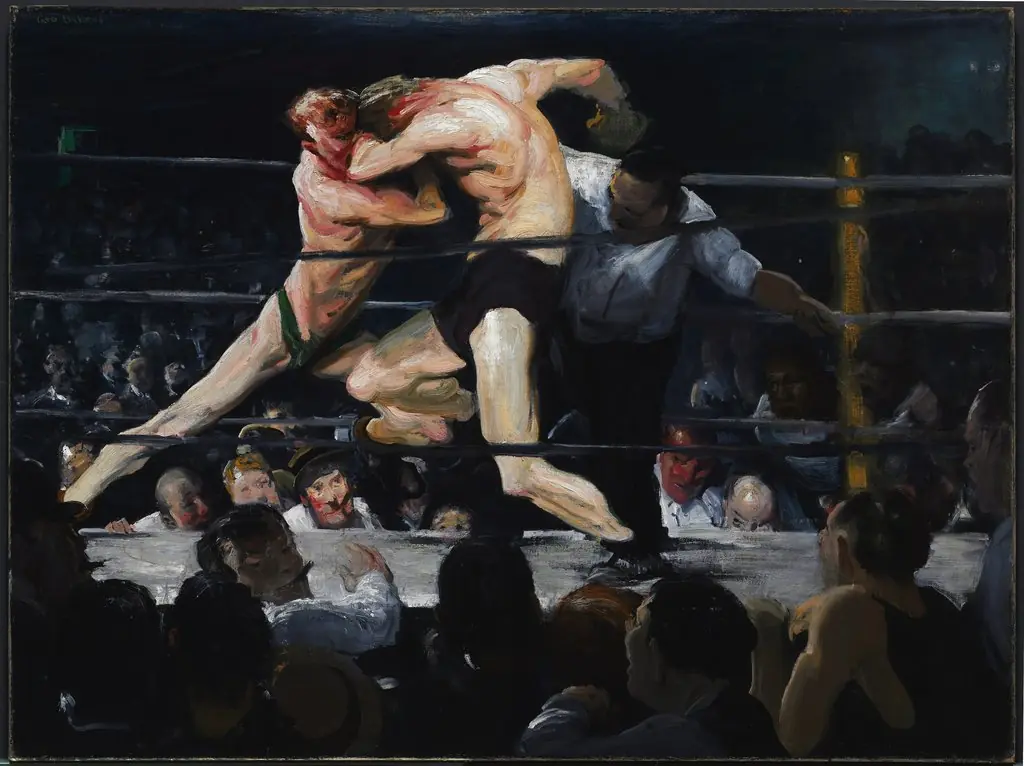
Unlike his more dramatic boxing scenes, this piece conveys a subdued rhythm of leisure, emphasizing atmosphere over action.
Created in 1916, this lithograph by George Bellows is one of many prints in which he translated his observational approach to urban life into the medium of printmaking. Executed in black and white, the work captures a quiet moment in a riverside park at twilight, reflecting Bellows’s consistent interest in everyday public spaces. Unlike his more dramatic boxing scenes, this piece conveys a subdued rhythm of leisure, emphasizing atmosphere over action.
Subject & Meaning
The scene depicts a group of New Yorkers enjoying an evening in a public park, with figures scattered across the grass, near the water’s edge, and along the path. Children play, adults converse, and the silhouette of a large building suggests the encroachment of the city. The composition avoids idealization, presenting ordinary people in unposed, natural postures. The mood is contemplative rather than celebratory, suggesting the quiet resilience of urban life.
Technique & Style
Bellows employed a loose, energetic lithographic technique, using rough, gestural lines and dense shadows to suggest form and movement. The contrast between dark, heavy areas and sparse, sketchy marks creates a sense of immediacy, as if the scene were drawn on the spot. The lack of fine detail invites the viewer to infer the environment through tone and composition, characteristic of his preference for expressive immediacy over polished finish.
History & Provenance
The lithograph entered the collection of The Museum of Modern Art in the 20th century, where it remains part of a broader holding of Bellows’s graphic works. It was produced during a period when the artist was actively exploring printmaking as a means to extend his realist vision beyond painting. Its preservation reflects institutional recognition of his contributions to American print culture in the early 1900s.
Context
In the 1910s, American artists increasingly turned to urban subjects as cities expanded and public spaces became sites of social interaction. Bellows, aligned with the Ashcan School, rejected academic idealism in favor of unvarnished depictions of daily life. This lithograph fits within a broader movement that valued authenticity and observation, capturing the rhythms of a rapidly modernizing America without sentimentality.
Legacy
Bellows’s lithographs, including this one, helped establish printmaking as a legitimate medium for social realism in American art. His use of bold contrasts and spontaneous line work influenced later generations of printmakers who sought to convey urban experience with emotional directness. The work endures not as a singular achievement, but as part of a sustained practice that redefined how ordinary moments could be rendered with gravity.
Artist & collection
Artist
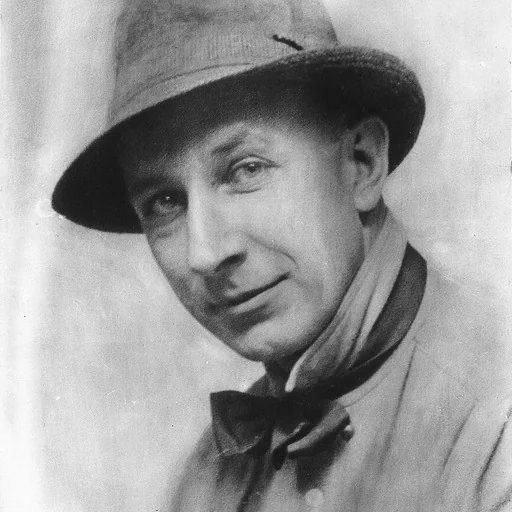
George Wesley Bellows (August 12 or August 19, 1882 – January 8, 1925) was an American realist painter, known for his bold depictions of urban life in New York City.