Artwork
A Shepherdess Spied upon in a Landscape
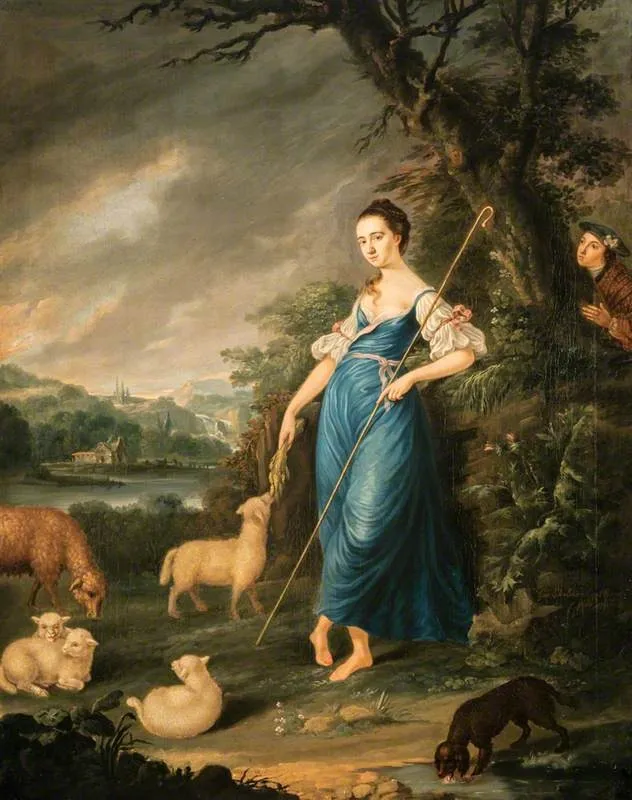
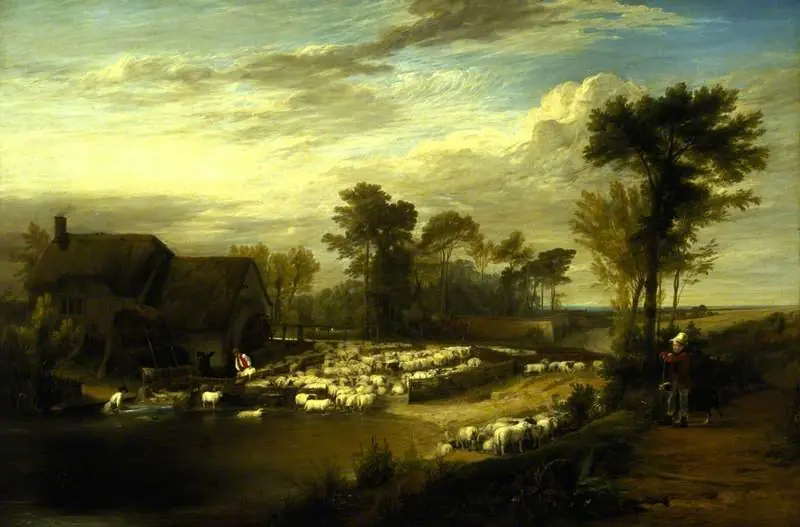
A Shepherdess Spied upon in a Landscape is an oil painting by the Rococo painting artist George Chalmers. It dates from 1760 and is held in the collection of the National Galleries Scotland.
About this work
Overview
Painted in 1760 by Scottish artist George Chalmers, this oil-on-canvas work presents a quiet pastoral moment within the Rococo tradition.
Painted in 1760 by Scottish artist George Chalmers, this oil-on-canvas work presents a quiet pastoral moment within the Rococo tradition. Though Chalmers later gained recognition for portraiture, this early piece emphasizes atmosphere over narrative, aligning with the period’s preference for gentle, idealized nature scenes. It resides today in the Scottish National Gallery, where it stands as a rare example of his non-portrait output.
Subject & Meaning
A lone shepherdess stands in a tranquil countryside, staff in hand, surrounded by grazing sheep and a loyal dog. Her presence is passive, observed rather than engaged, reinforcing the scene’s contemplative tone. The painting evokes an idealized rural life, not as a record of labor but as a poetic retreat from urban complexity—typical of Rococo sensibilities that favored harmony and quiet beauty over drama or moral instruction.
Technique & Style
Chalmers employs soft brushwork and a muted palette to suggest depth and atmosphere. The shepherdess’s blue dress contrasts subtly with the earth tones of the landscape, guiding the eye without dominating it. Light filters diffusely through the clouds, creating a hazy, enveloping glow. While not overtly dramatic, the composition uses layered foliage and water to establish spatial recession, characteristic of Rococo landscape conventions.
History & Provenance
Created during Chalmers’s formative years, the painting predates his formal association with the Royal Academy, where he later exhibited portraits. Its survival and eventual acquisition by the Scottish National Gallery suggest it was valued within local circles, though it received little public attention at the time. No record of its early ownership exists, but its preservation indicates it was retained within private collections in Scotland before institutional acquisition.
Context
In mid-18th-century Scotland, artistic interest in pastoral themes was influenced by European Rococo ideals and Enlightenment-era nostalgia for rural simplicity. While British art increasingly favored historical or moral subjects, Chalmers’s work reflects a quieter, more decorative current—aligned with French and Italian landscape traditions that celebrated nature as an aesthetic refuge rather than a social statement.
Legacy
Though not widely reproduced or studied, the painting remains a quiet testament to Chalmers’s range beyond portraiture. It offers insight into the lesser-known landscape practices of Scottish artists during a period dominated by academic and historical painting. Its presence in a national collection ensures its continued availability for scholarly and public engagement with regional artistic diversity.
Artist & collection
Artist
Sir George Chalmers, Bart., a native of Edinburgh and a pupil of Allan Ramsay, exhibited portraits at the Royal Academy from 1776 to 1790.

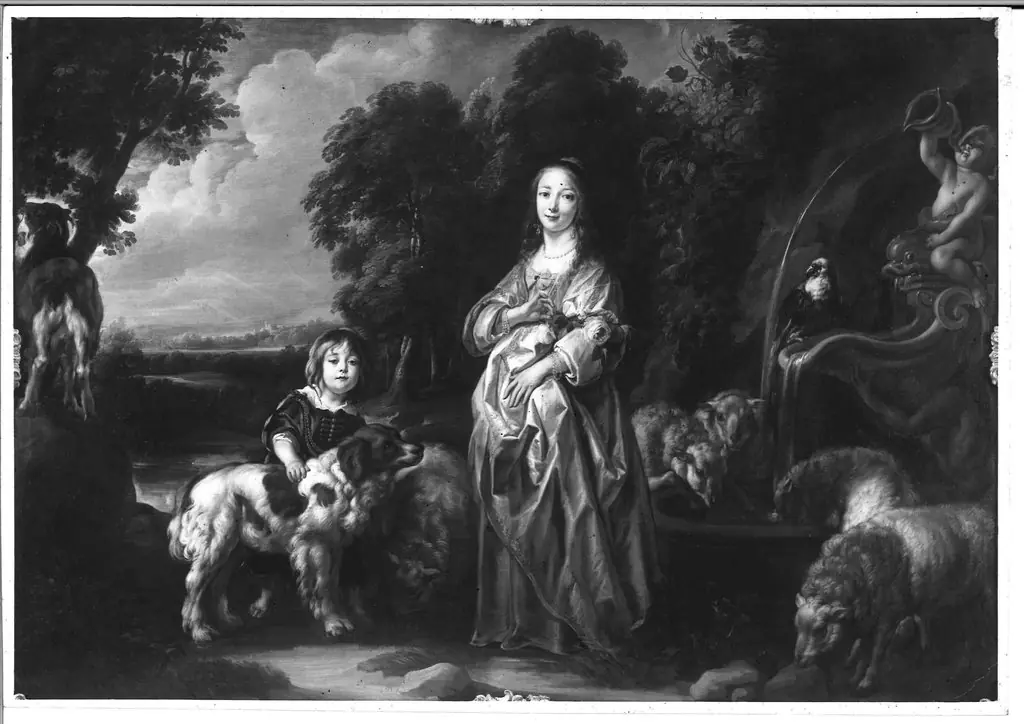
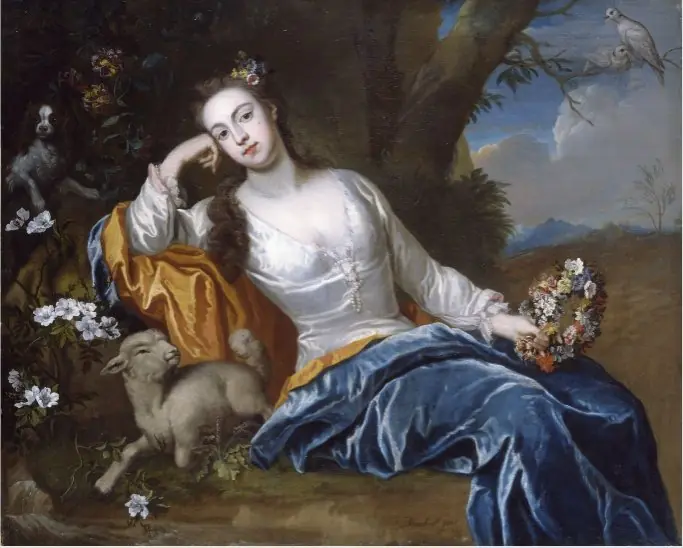 Portrait of Henrietta, Duchess of Bolton (1682-1730) as a Shepherdess
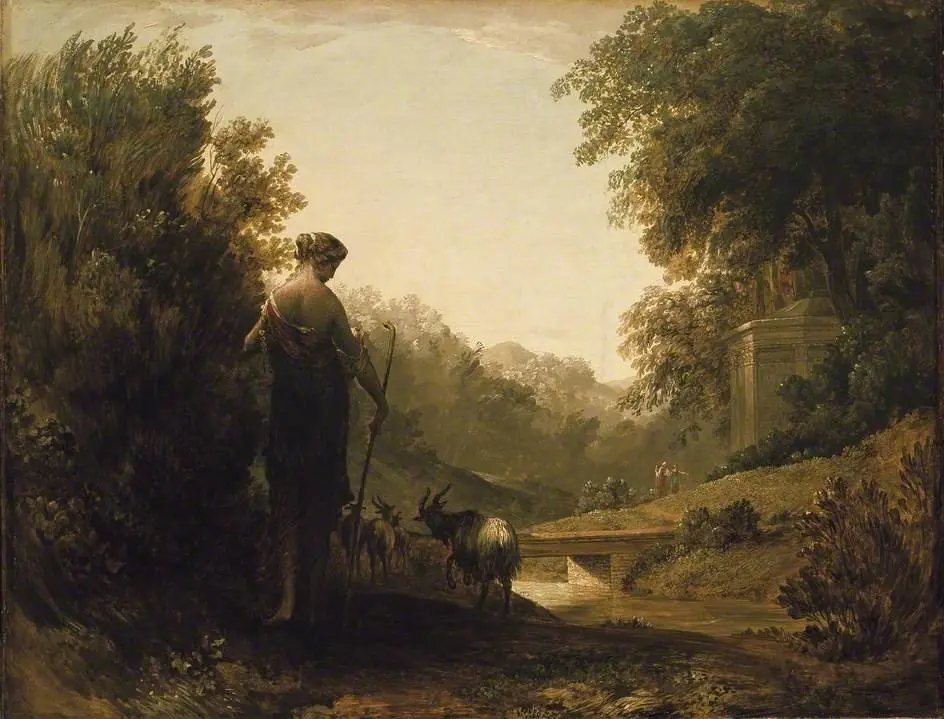 Classical Landscape with a Goatherd
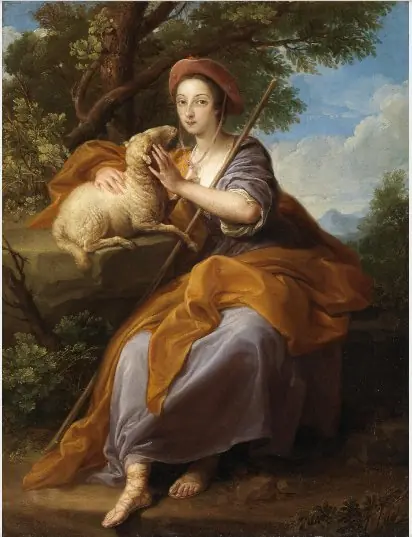 A Lady of the Leeson Family as a Shepherdess
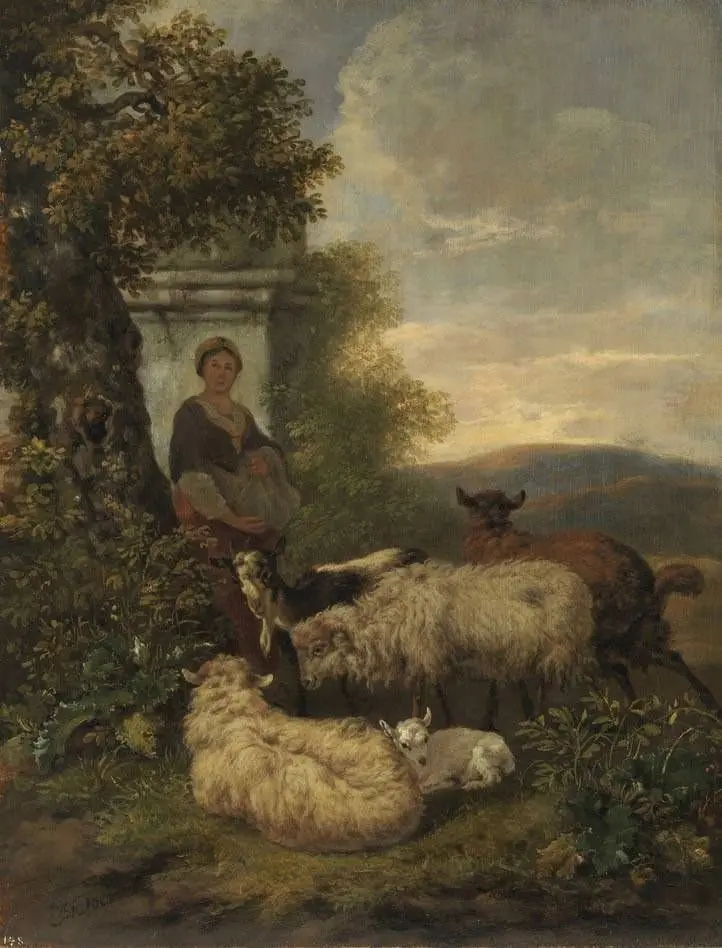 Abendlandschaft mit Schafen, Ziegen und Hirtin
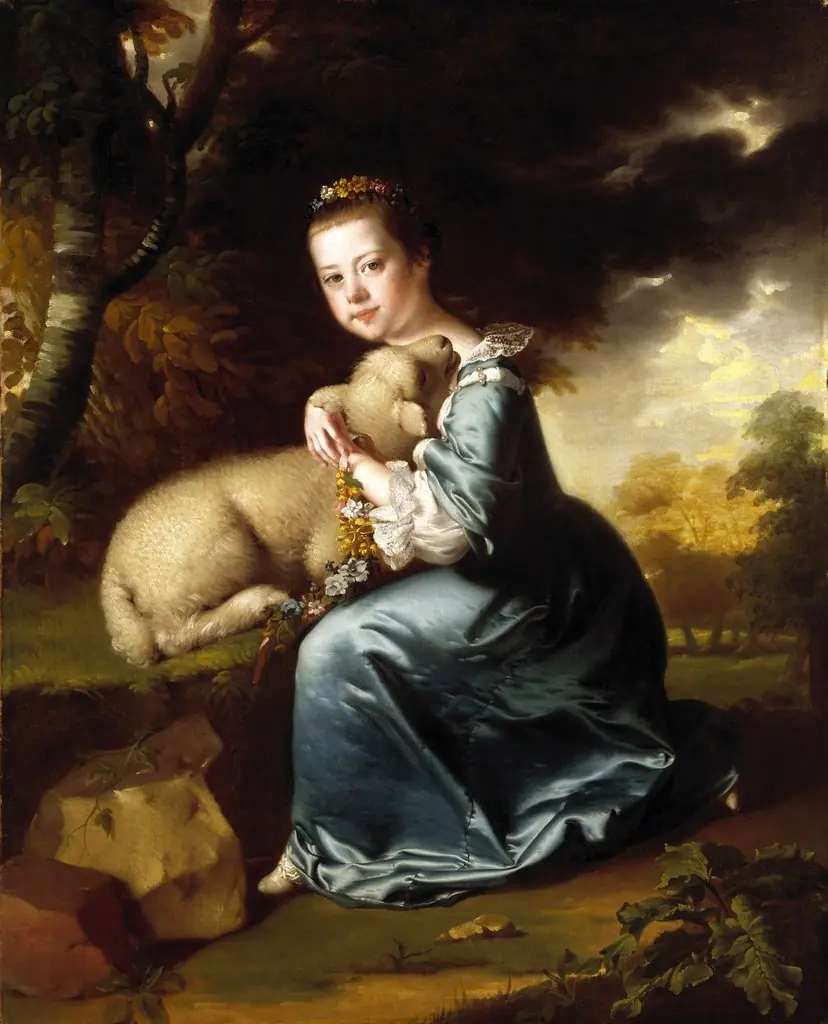 Miss Frances Warren
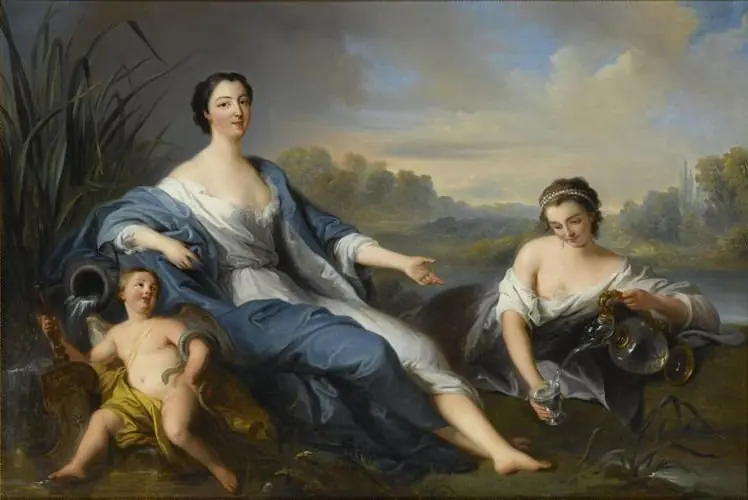 Marie-Anne de Bourbon-Condé, Mademoiselle de Clermont
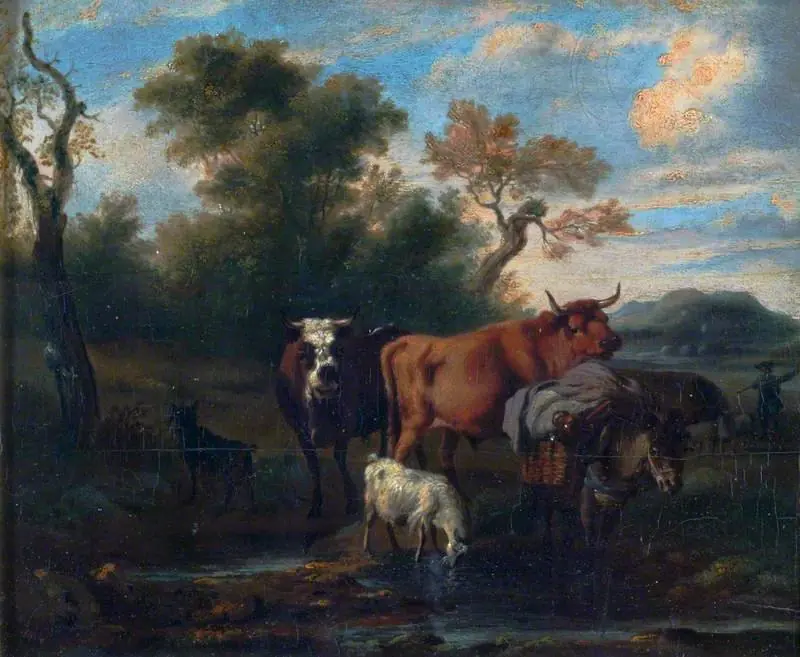 Landscape with Cattle
 Landschaft mit Figurenstaffage
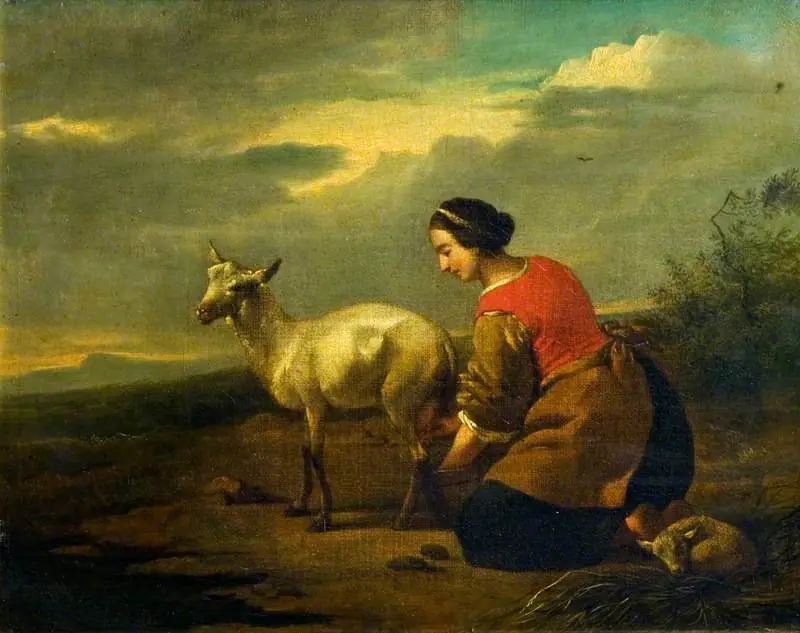 Woman Milking a Ewe
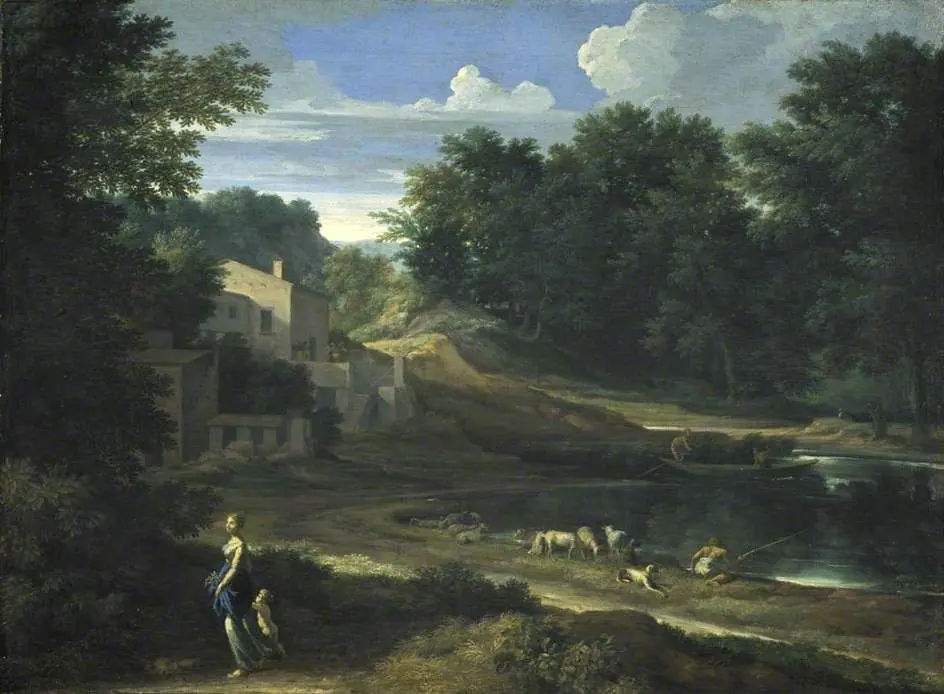 Classical Landscape with a Lake
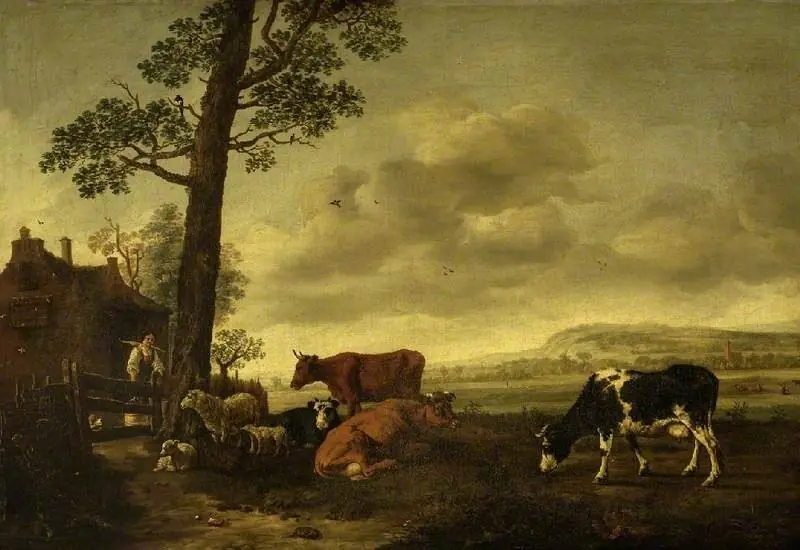 Landscape with cattle
 Sheepwashing