Artwork
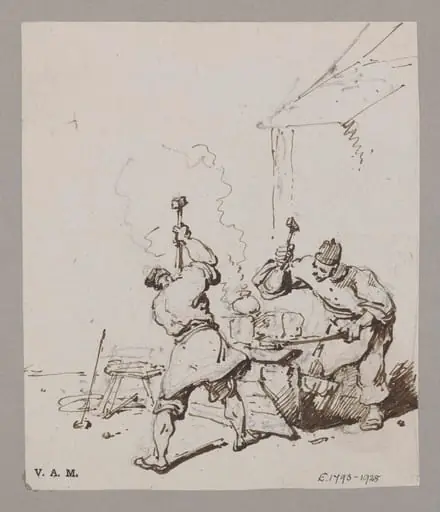
Two blacksmiths at work
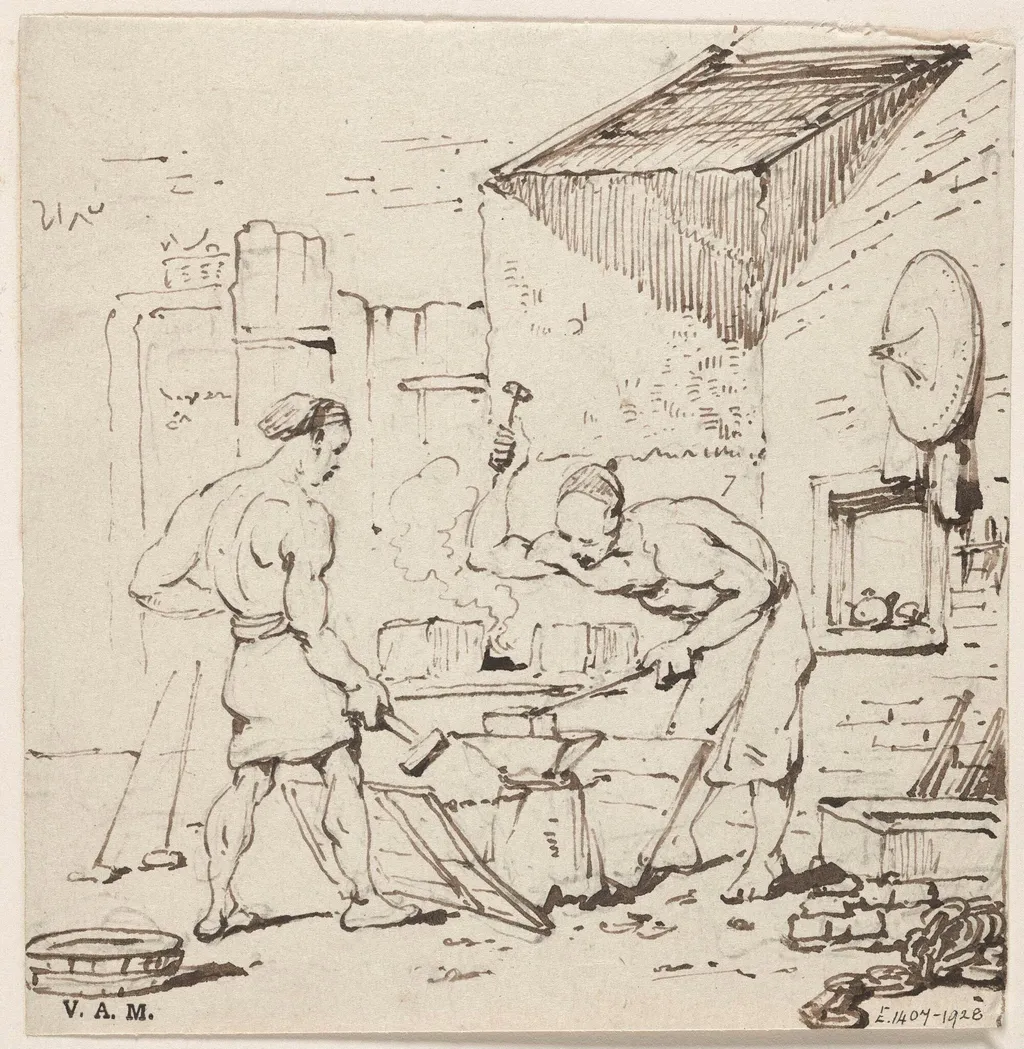
Two blacksmiths at work is a drawing by the Romanticist artist George Chinnery. It dates from 19 and is held in the collection of the Victoria and Albert Museum.
About this work
Overview
This pencil drawing by George Chinnery depicts two Chinese blacksmiths engaged in labor at their forge. The scene is rendered with observational precision, capturing the physicality of their work and the modest surroundings of the workshop. The artist includes everyday objects—tools, a hanging hat, a teapot—that ground the image in daily life rather than idealized spectacle.
Subject & Meaning
The blacksmiths, bare-chested and focused, embody skilled labor in a pre-industrial setting. Their tools—a chain, sledgehammers, and a small furnace—suggest a functional, working forge. The teapot and hat imply moments of pause amid labor, hinting at routines of rest and personal ritual. The drawing avoids romanticism, presenting work as a quiet, habitual act.
Technique & Style
Chinnery used loose, agile pencil strokes to convey movement and texture. The figures are defined with economical lines, while the furnace’s smoke and the rough surfaces of tools are suggested through light shading. The back of the sheet holds a separate, rapid sketch of a porter, revealing the artist’s habit of capturing fleeting moments during his travels in southern China.
History & Provenance
Created during Chinnery’s decades-long residence in Guangzhou and Macau, the drawing belongs to a body of work documenting local life in early 19th-century southern China. It was likely made as a personal study, not for public display. The piece remained in private hands until entering a public collection, where its dual-sided composition drew scholarly attention.
Context
Chinnery, a British artist based in China, was among the few Westerners of his time to record Chinese laborers with such directness. His drawings contrast with the exoticized depictions common in European art, offering instead unembellished glimpses into domestic and artisanal environments. This work reflects his engagement with the communities around him.
Legacy
The drawing contributes to a rare visual archive of Chinese craftsmanship during the Qing dynasty’s later years. Its unidealized portrayal of labor has influenced later studies of cross-cultural observation in art. The inclusion of the porter on the reverse underscores Chinnery’s practice of documenting the broader social fabric, not just isolated scenes.
Own this work as a print
Artist & collection
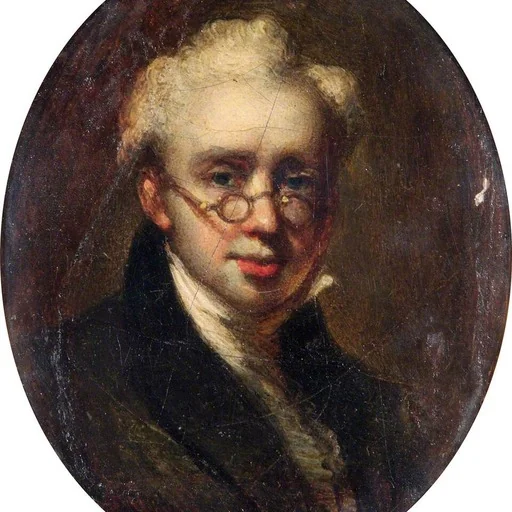
Artist
George Chinnery (Chinese: 錢納利; 5 January 1774 – 30 May 1852) was an English painter who spent most of his life in Asia, especially India and southern China.

 Chinese blacksmiths
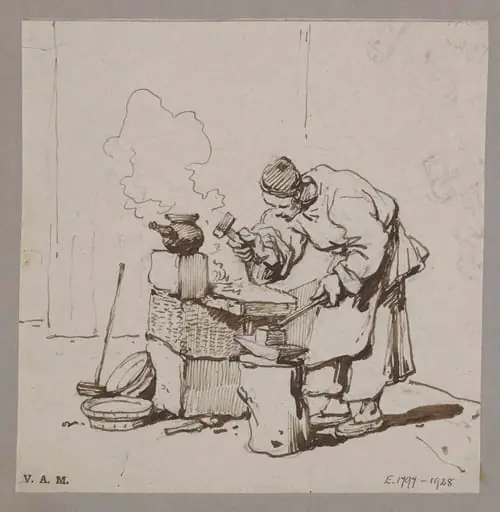 A blacksmith at his anvil
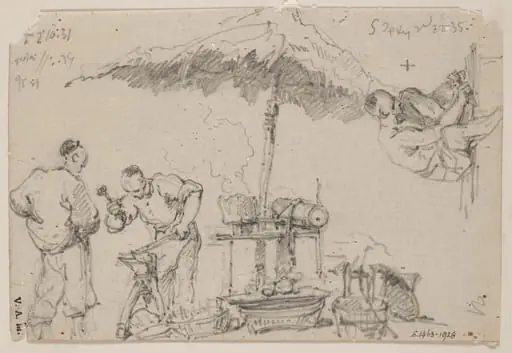 Two blacksmiths beneath a parasol
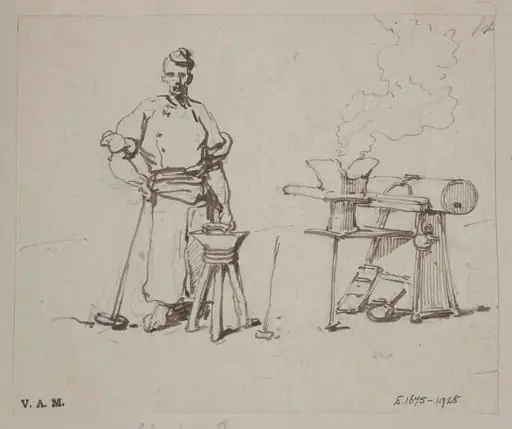 A Chinese blacksmith by his anvil
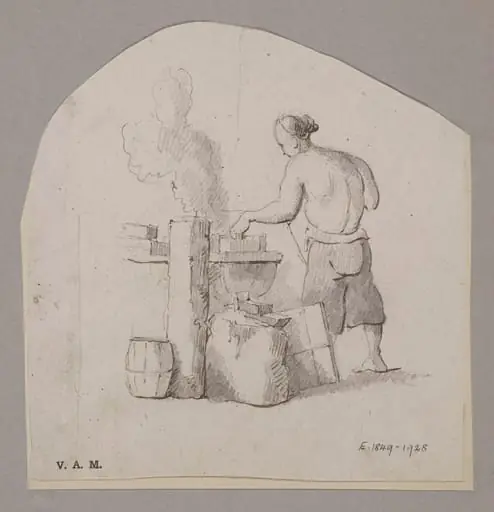 A blacksmith with his equipment
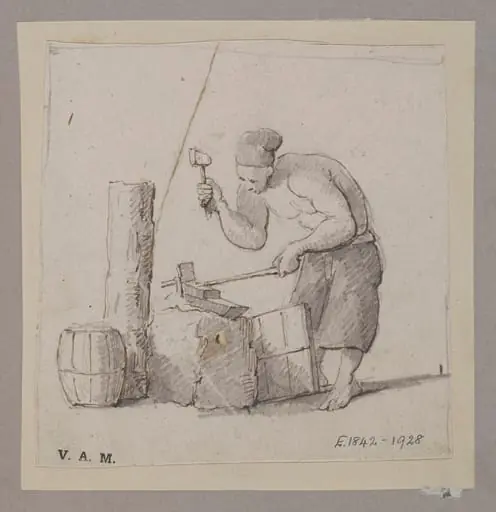 A Chinese blacksmith
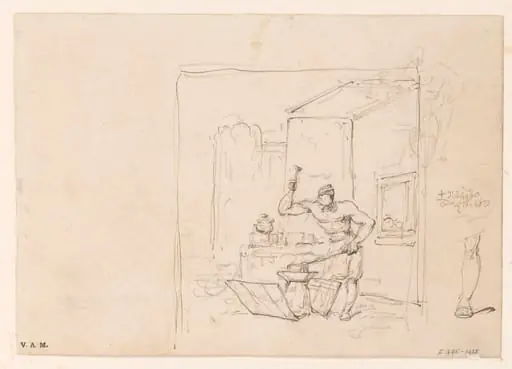 A Chinese blacksmith hammering at his anvil
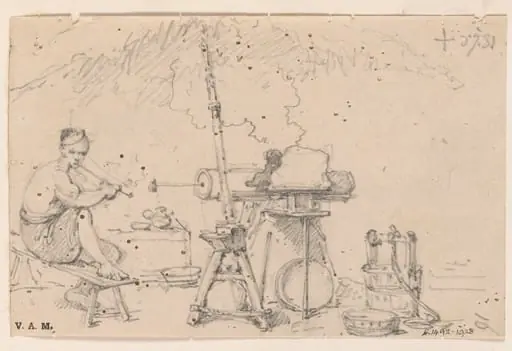 A Chinese blacksmith at his forge
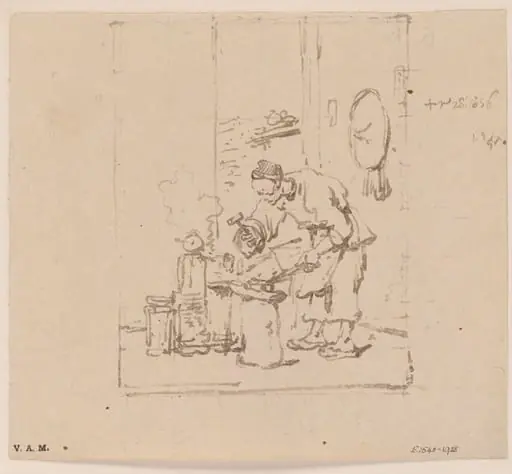 A Chinese blacksmith at work
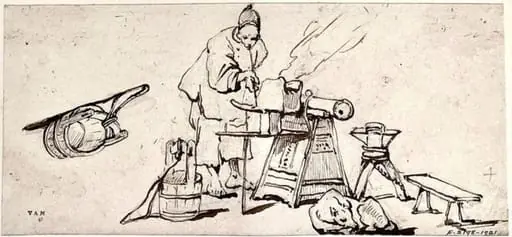 A blacksmith with his eqipment and a sleeping dog
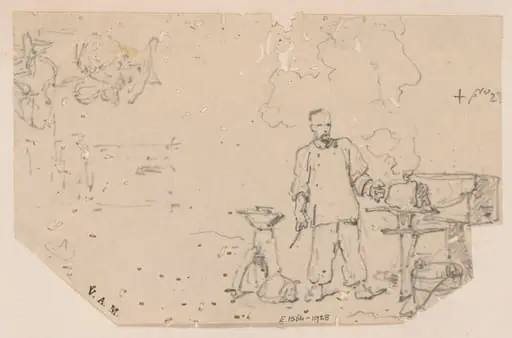 A blacksmith and a seated man
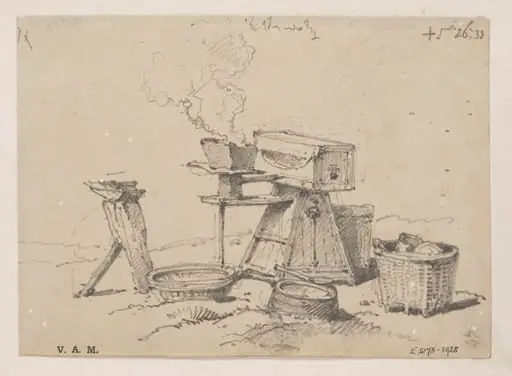 A Chinese blacksmith's equipment