Artwork
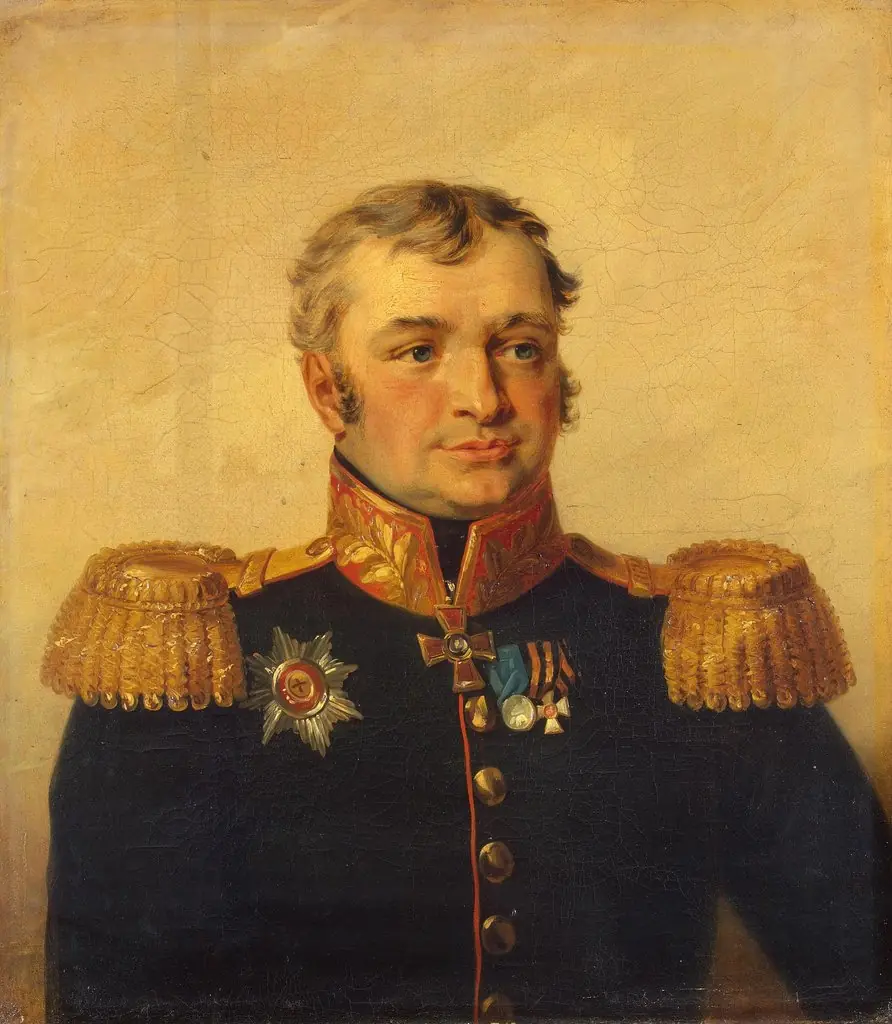
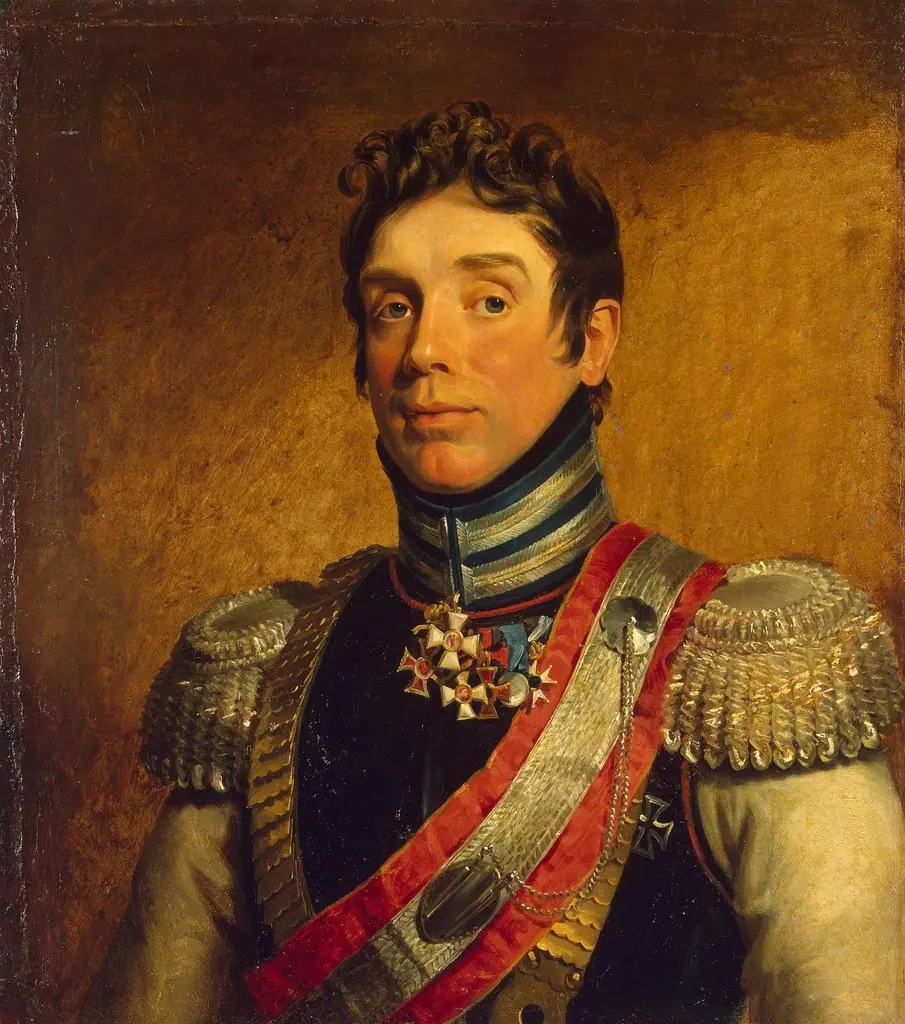
Portrait of Anton A. Skalon (1767-1812)
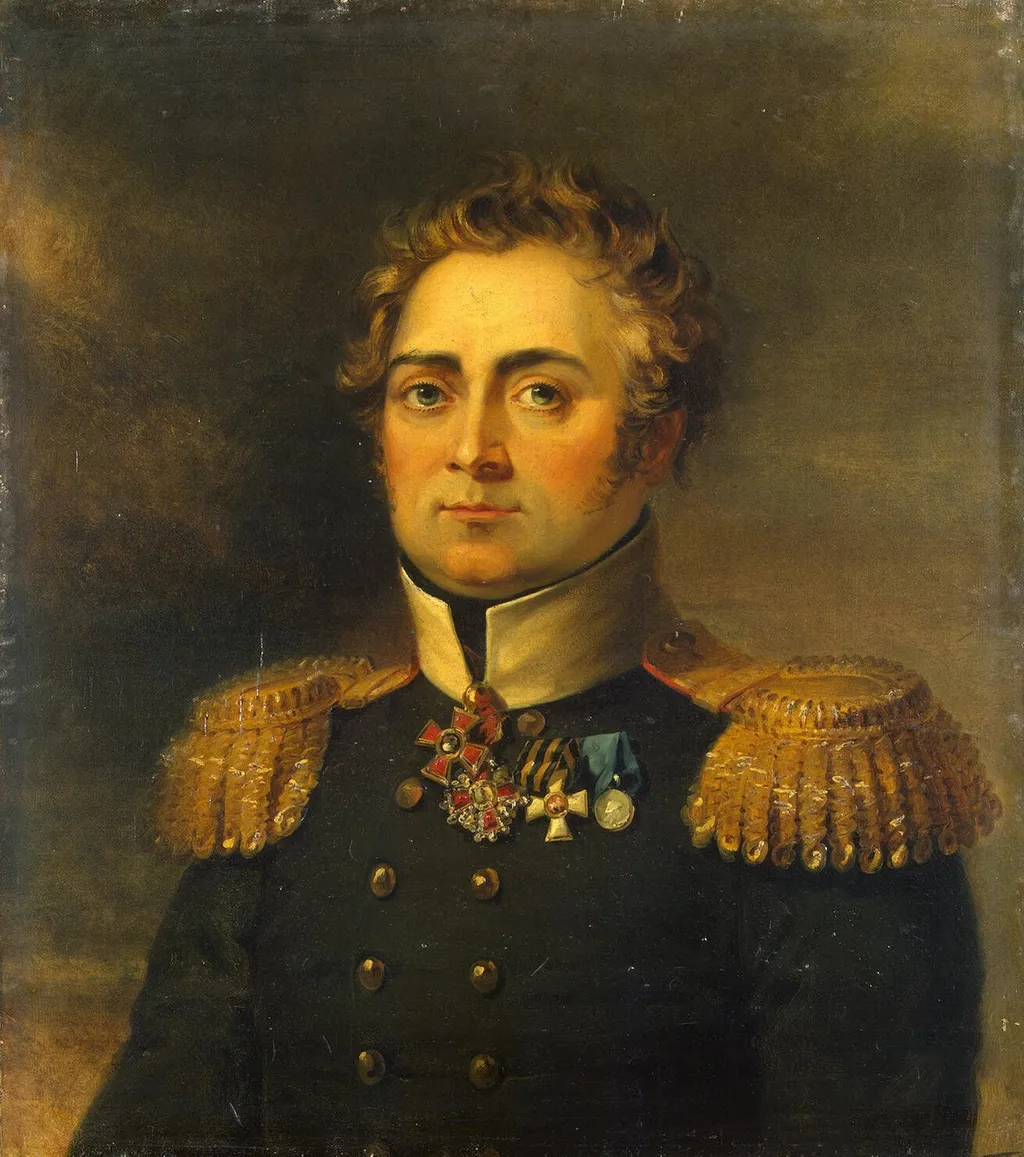
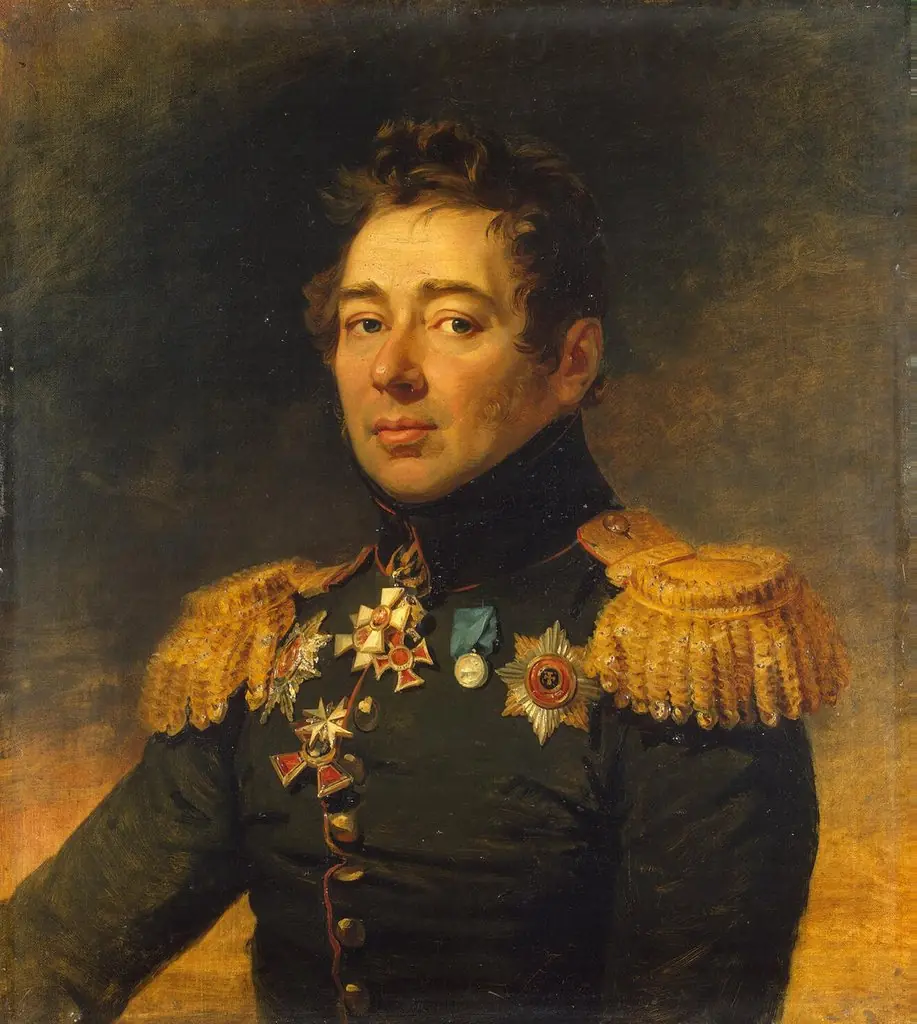
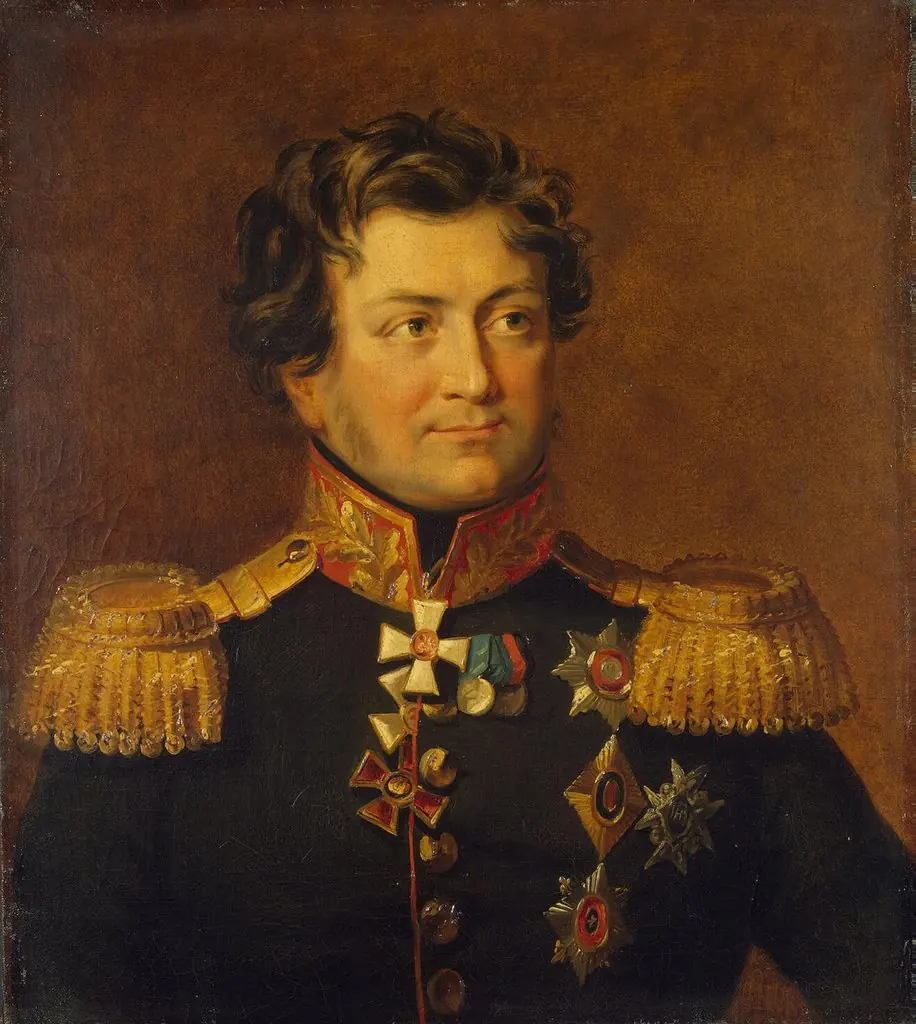
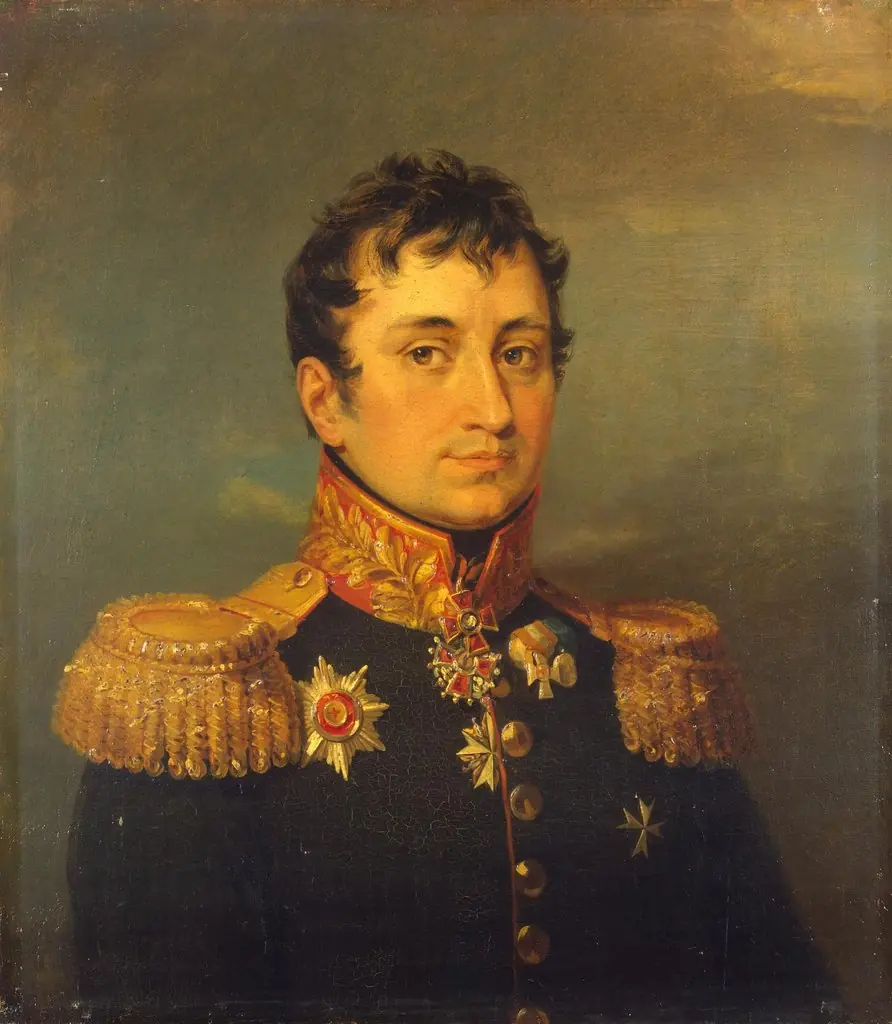
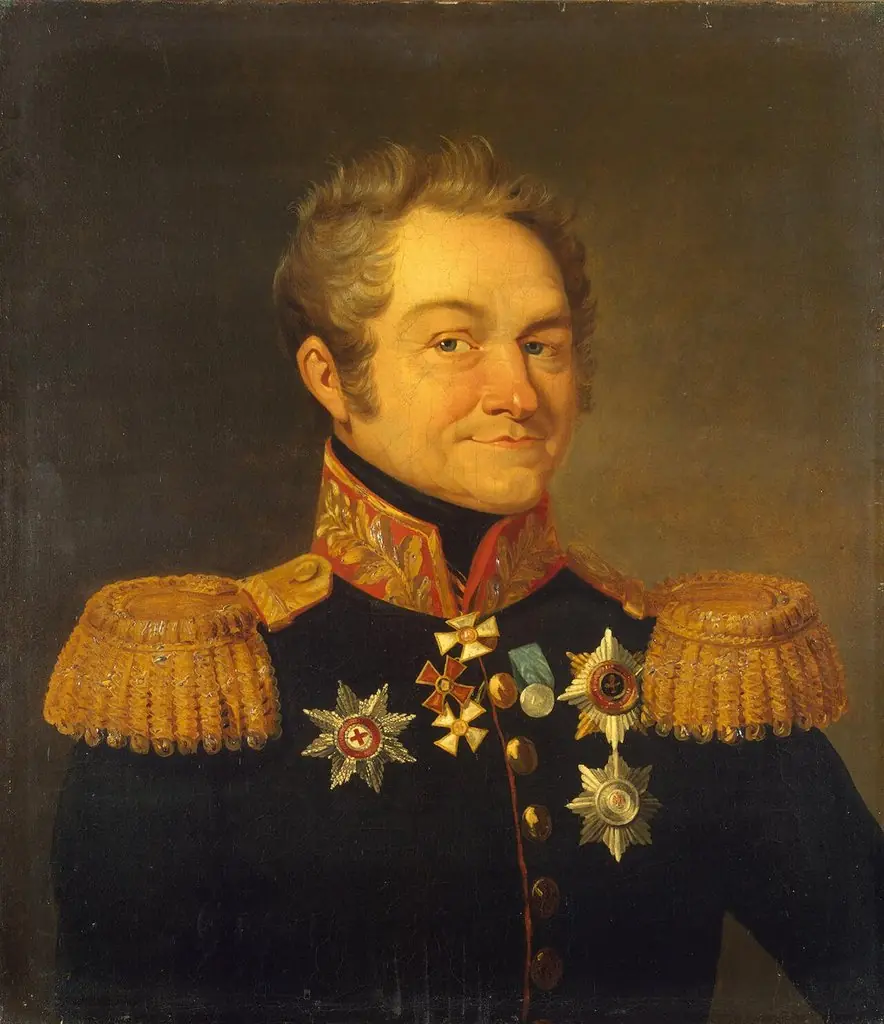
Portrait of Anton A. Skalon (1767-1812) is an oil painting by George Dawe. It dates from 1822 and is held in the collection of the Hermitage Museum.
About this work
Overview
The work is now held in the State Hermitage Museum, where it contributes to a broader collection of imperial-era portraiture.
Painted in 1822 by the English artist George Dawe, this oil-on-canvas portrait depicts Anton A. Skalon, a Russian military officer. Dawe, who moved to Saint Petersburg in 1819, was commissioned to portray members of the Russian elite. The work is now held in the State Hermitage Museum, where it contributes to a broader collection of imperial-era portraiture. Its formal composition and attention to detail reflect Dawe’s training and the expectations of aristocratic patrons.
Subject & Meaning
Anton A. Skalon is shown in full military regalia, his uniform adorned with multiple medals and a black sash, indicating high rank and distinguished service. His direct gaze and composed expression convey authority and solemnity. The absence of symbolic props or landscape suggests the focus is on his status and personal bearing rather than narrative context. The portrait functions as a visual record of military honor, aligning with the values of early 19th-century Russian service culture.
Technique & Style
Dawe employed chiaroscuro to model Skalon’s face and uniform, using subtle gradations of light to emphasize texture and form. The dark, neutral background isolates the figure, heightening the impact of the metallic gleam on buttons and medals. Brushwork is precise but not overly ornate, favoring clarity over flourish. The rendering of fabric and metal reflects a disciplined approach rooted in British academic portraiture, adapted to Russian tastes.
History & Provenance
Commissioned during Dawe’s tenure in Saint Petersburg, the portrait was likely created as part of a series documenting Russian military leaders. It entered the Hermitage collection shortly after completion, possibly through imperial acquisition. Dawe’s position as a favored foreign artist granted him access to high-ranking subjects, and this work remains among the better-documented examples of his Russian-period output.
Context
In the early 1820s, Russia was consolidating its imperial identity after the Napoleonic Wars, and military merit was increasingly celebrated in visual culture. Dawe’s portraits, including this one, served to visually affirm the hierarchy and valor of the officer class. His presence in Saint Petersburg coincided with a broader cultural exchange between Britain and Russia, where foreign artists were often employed to lend prestige to domestic institutions.
Legacy
The portrait stands as a representative example of how foreign artists contributed to Russian imperial imagery. While Dawe is less known today than his Russian contemporaries, his body of work helped shape the visual language of military portraiture in the early 19th century. The Hermitage’s retention of the painting ensures its continued role as a historical document of rank, service, and artistic patronage in imperial Russia.
Artist & collection
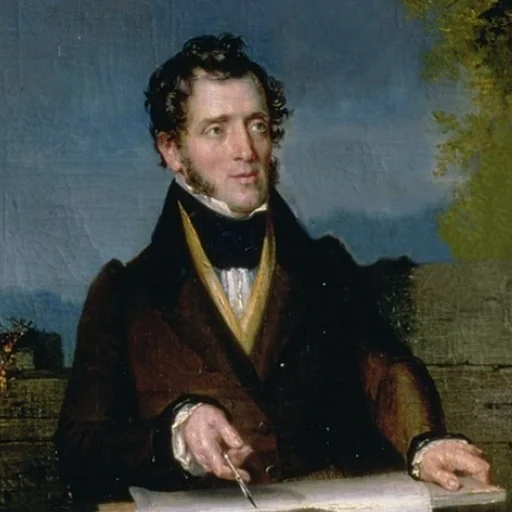
Artist
George Dawe (6 February 1781 – 15 October 1829) was an English portraitist who painted 329 portraits of Russian generals active during Napoleon's invasion of Russia for the Military Gallery of the Winter Palace.

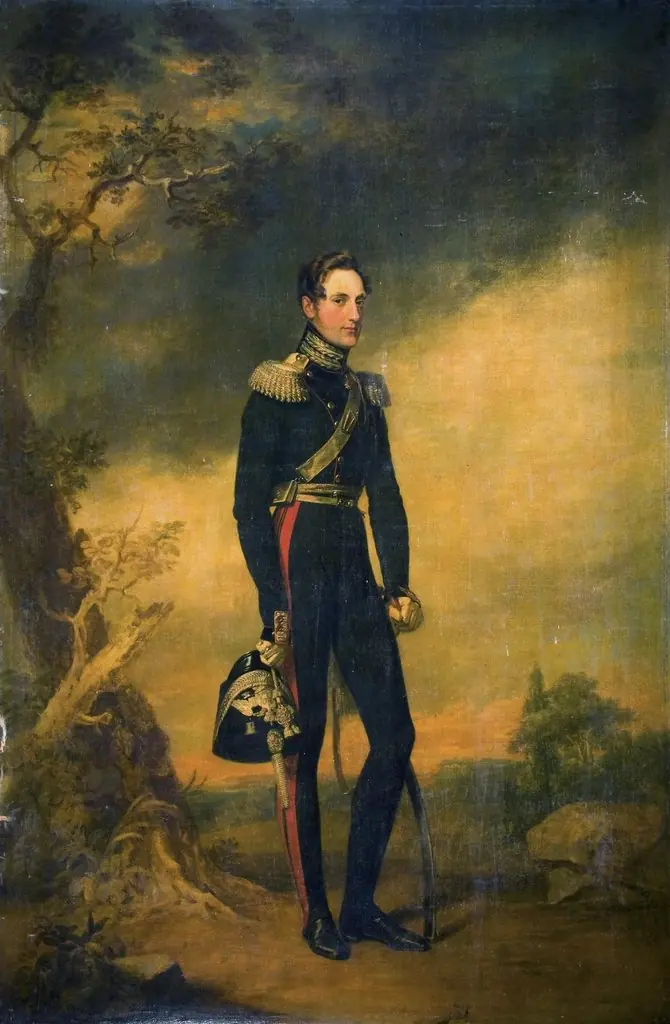 Portrait of Grand Duke Nikolai Pavlovich
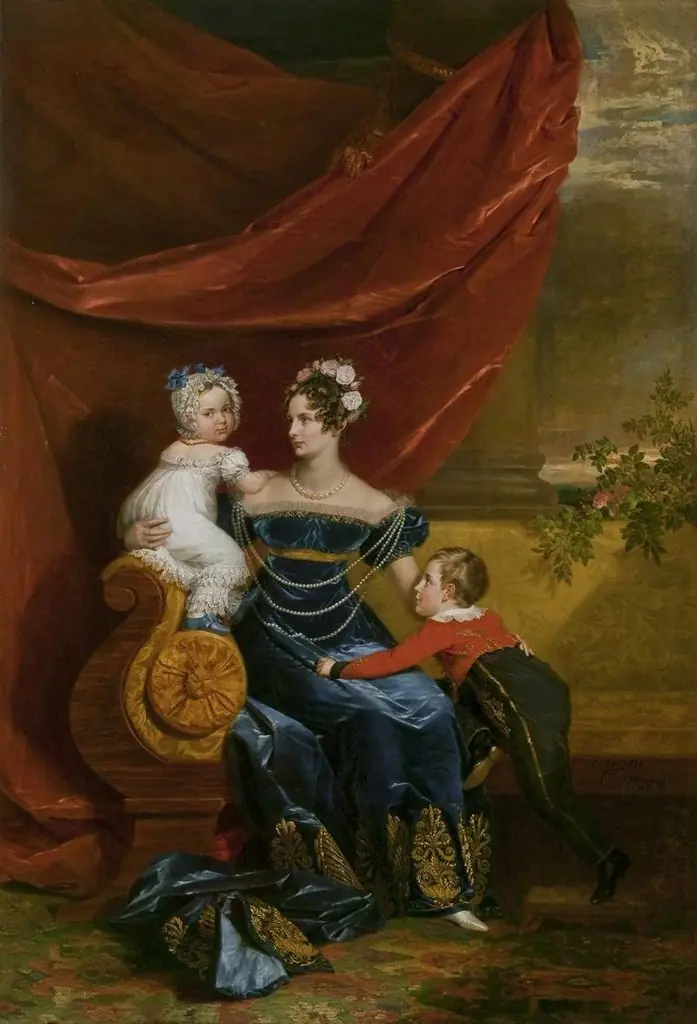 Portrait of Grand Duchess Alexandra Fiodorovna with Children
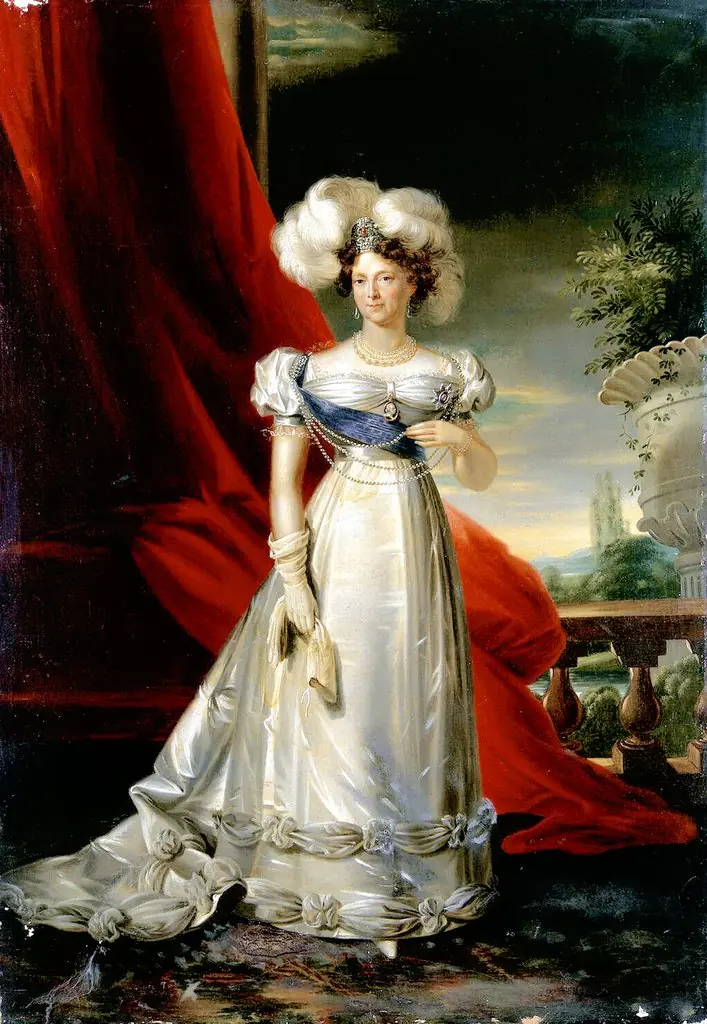 Portrait of the Empress Dowager Maria Feodorovna
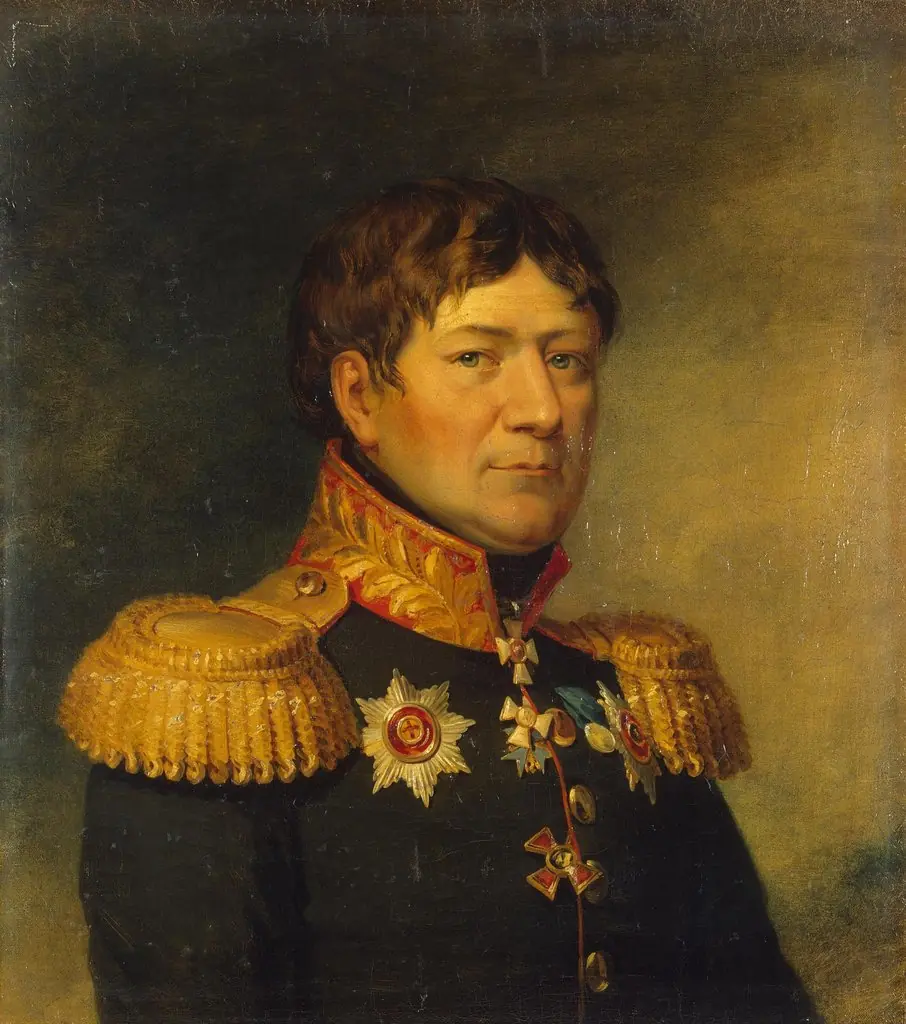 Portrait of Yegor M. Pillar (1767-1830)
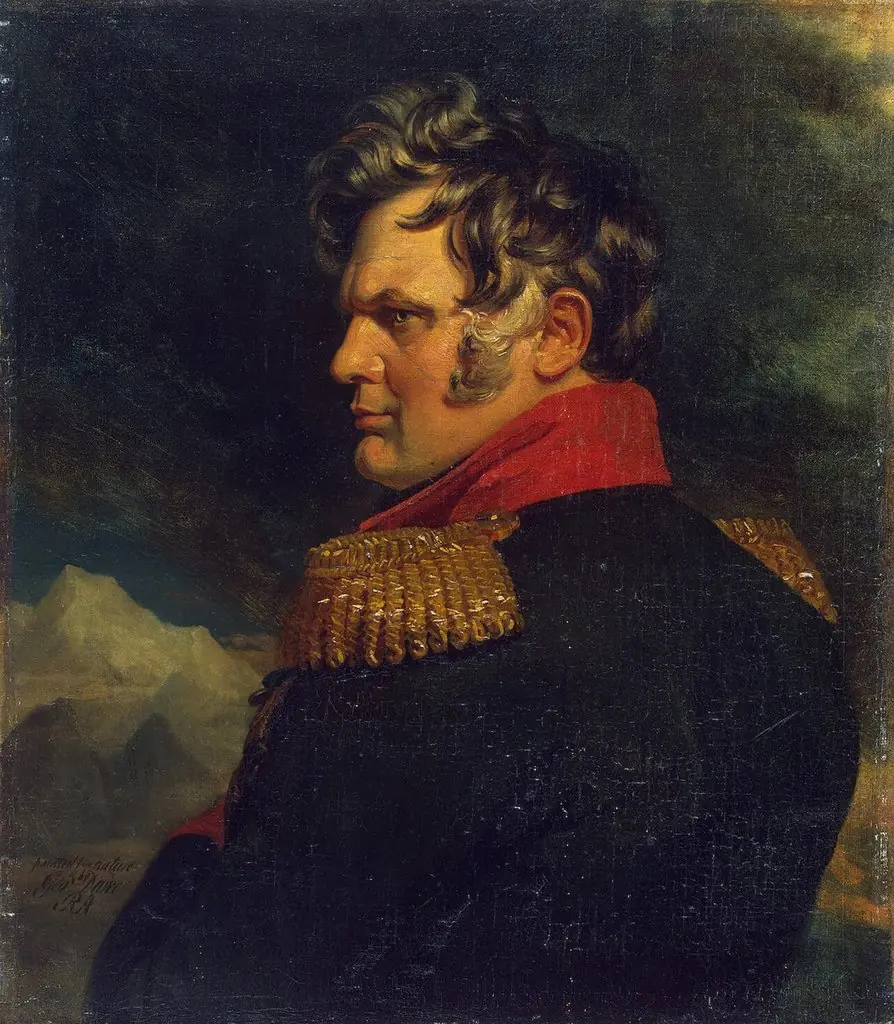 Portrait of Alexei P. Yermolov (1772/77-1861)
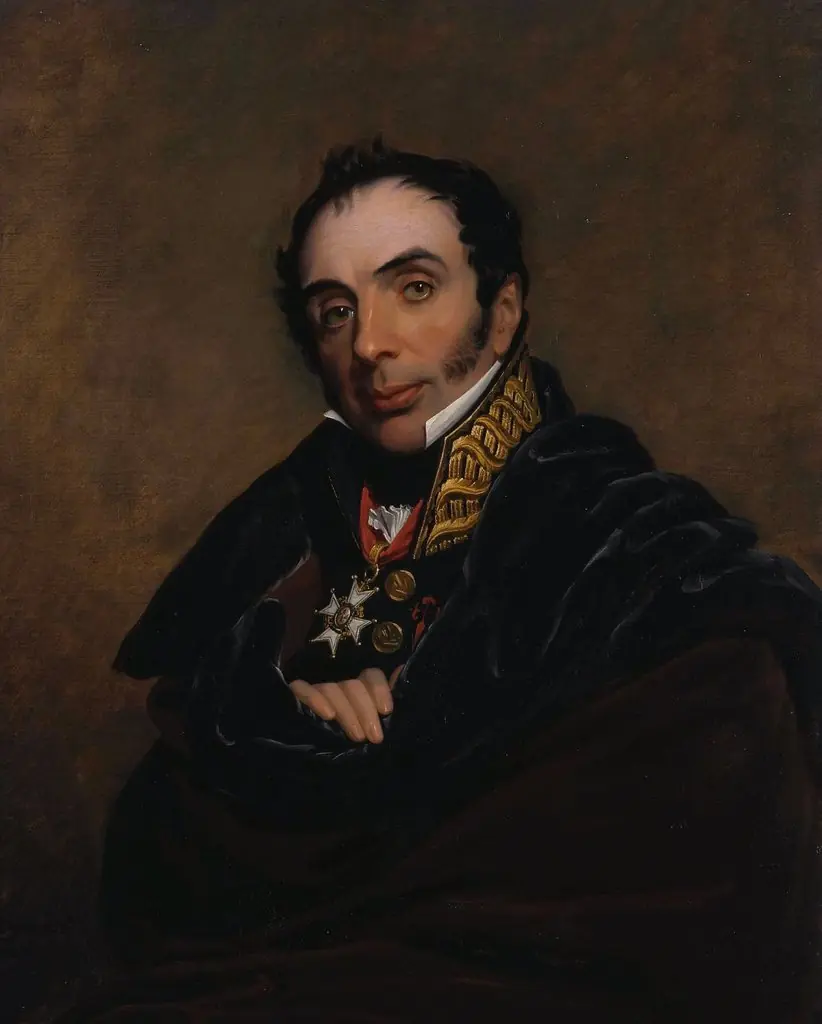 Portrait of Miguel Ricardo de Alava
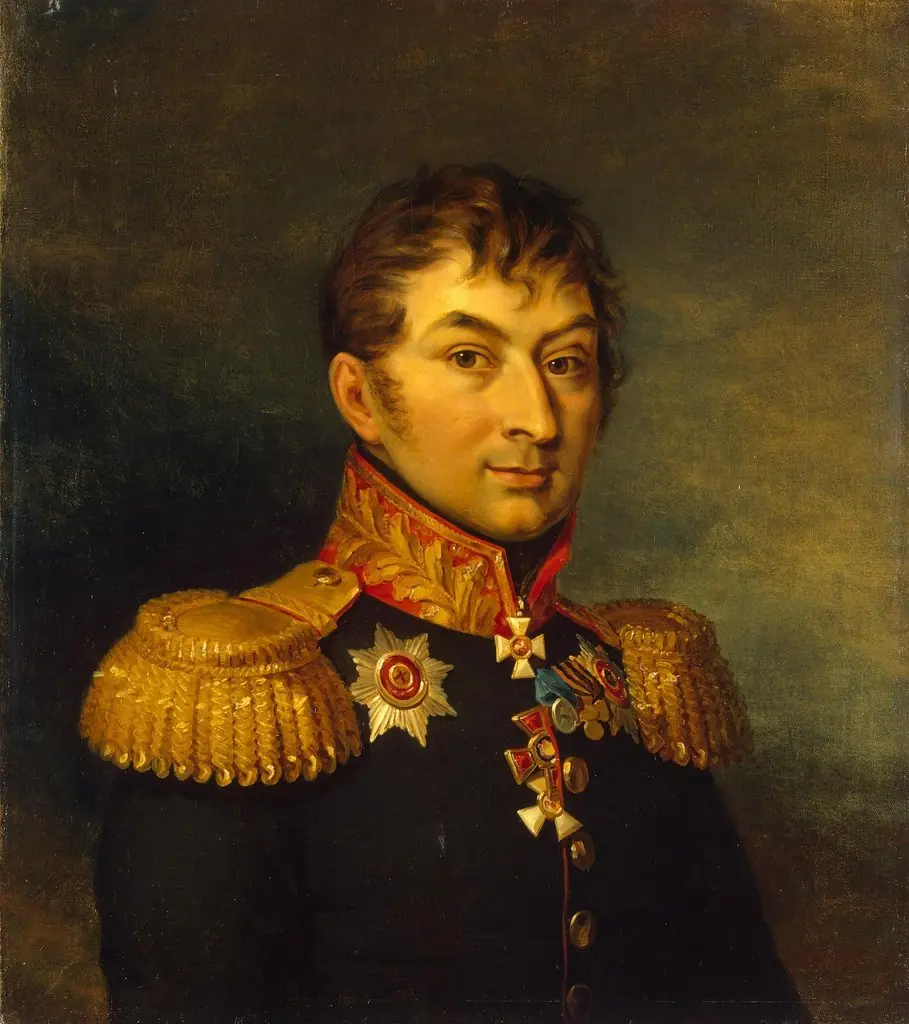 Portrait of Ivan D. Panchulidzev (1759-1815) (1st)
 Portrait of Karl V. Budberg (1774-1829)