Artwork
Portrait of Fabian W. von der Osten-Sacken (1752-1837)
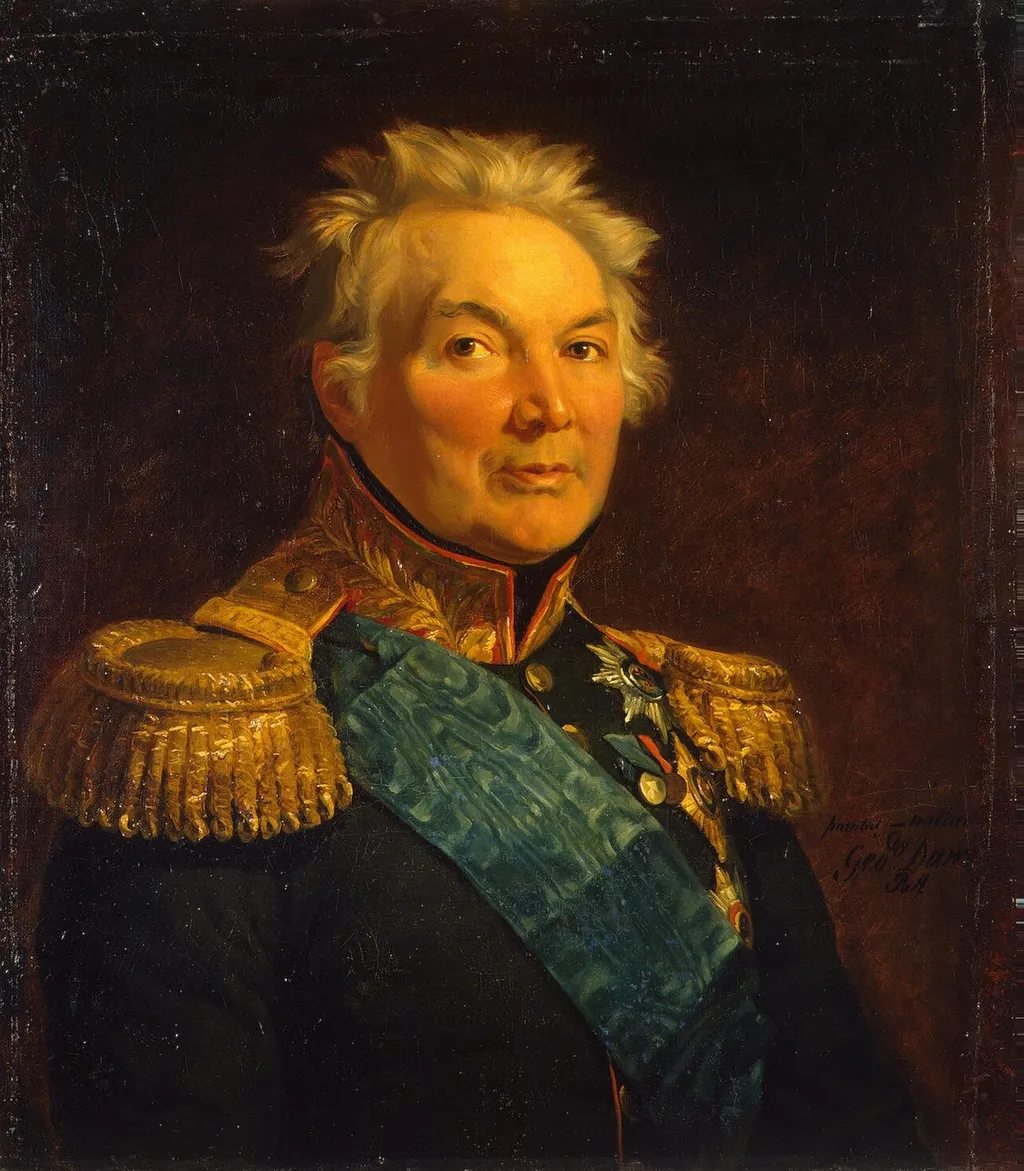
Portrait of Fabian W. von der Osten-Sacken (1752-1837) is an oil painting by George Dawe. It dates from 1822 and is held in the collection of the Hermitage Museum.
About this work
Overview
Dawe, based in Saint Petersburg, was commissioned to document military leaders of the Napoleonic Wars.
Painted in 1822 by the English artist George Dawe, this oil portrait captures Fabian W. von der Osten-Sacken, a Russian general of German descent. Dawe, based in Saint Petersburg, was commissioned to document military leaders of the Napoleonic Wars. The painting is part of the State Hermitage Museum’s collection, where it resides among other portraits from the Imperial Military Gallery, a project intended to honor Russia’s wartime commanders.
Subject & Meaning
Fabian Gottlieb von der Osten-Sacken served with distinction during Napoleon’s 1812 invasion of Russia, rising to the rank of general. The portrait emphasizes his status through formal military attire and an array of decorations, reflecting both his service and the imperial recognition he received. His composed expression and direct gaze convey authority and stoicism, aligning with the ideals of military leadership valued in early 19th-century Russia.
Technique & Style
Dawe employed chiaroscuro to model the general’s face and shoulders, using strong contrasts between light and shadow to create volume and focus. The dark, unadorned background isolates the figure, heightening the visual impact of his uniform. Precise brushwork renders the gold embroidery, red trim, and green sash with clarity, while the graying curls and textured skin suggest age and experience without idealization.
History & Provenance
Commissioned as part of a larger series for the Winter Palace’s Military Gallery, the portrait was completed in 1822 during Dawe’s decade-long residency in Russia. It remained in imperial collections after the revolution and was transferred to the Hermitage Museum, where it has been consistently displayed as part of the historical record of Russia’s military elite. Its provenance is well-documented through imperial archives and museum inventories.
Context
The portrait emerged during a period when Tsar Alexander I sought to consolidate national identity through visual commemoration of war heroes. Dawe’s project, supported by the state, included over 300 portraits of officers who fought against Napoleon. This work reflects the broader cultural project of memorializing military service as a pillar of imperial legitimacy and civic virtue in post-Napoleonic Russia.
Legacy
Dawe’s series, including this portrait, established a visual template for Russian military portraiture in the 19th century. Though less known outside Russia, his work influenced how officers were depicted in official settings. The portrait endures as a primary source for understanding the aesthetics of rank, honor, and representation in the Russian imperial court during the early 1800s.
Artist & collection
Artist
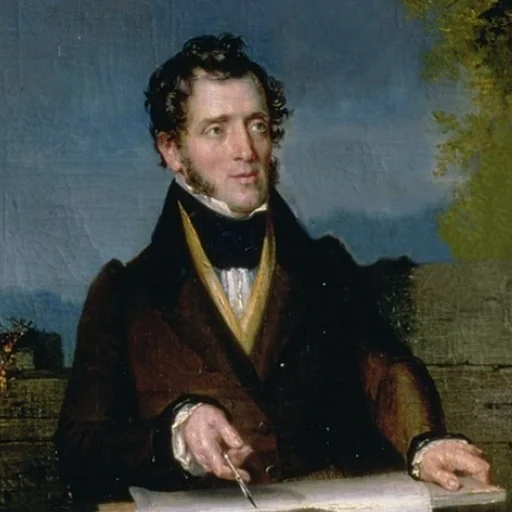
George Dawe (6 February 1781 – 15 October 1829) was an English portraitist who painted 329 portraits of Russian generals active during Napoleon's invasion of Russia for the Military Gallery of the Winter Palace.

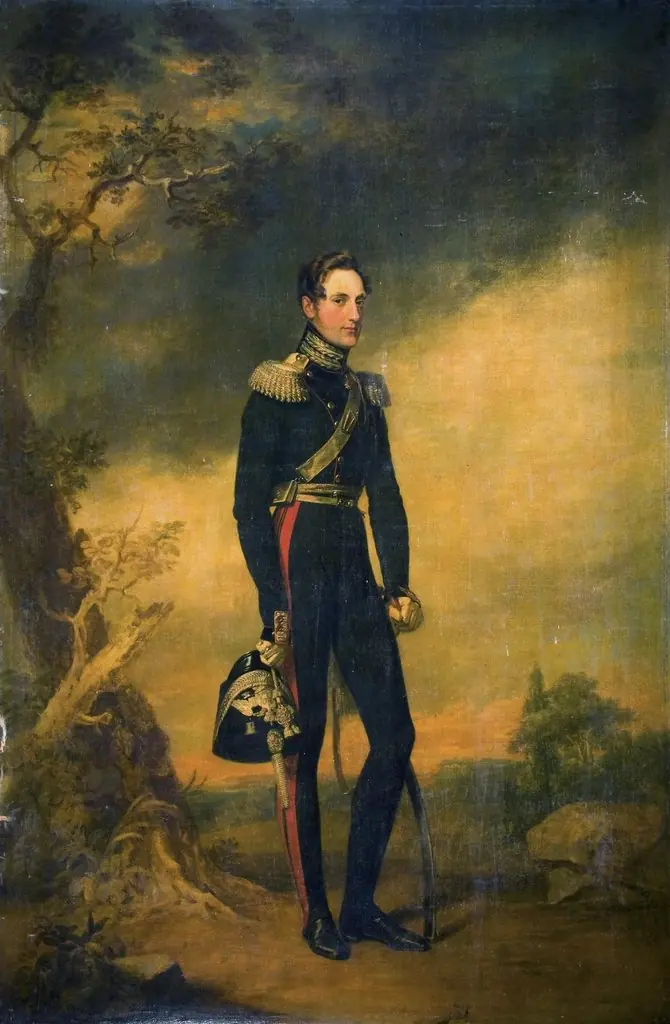 Portrait of Grand Duke Nikolai Pavlovich
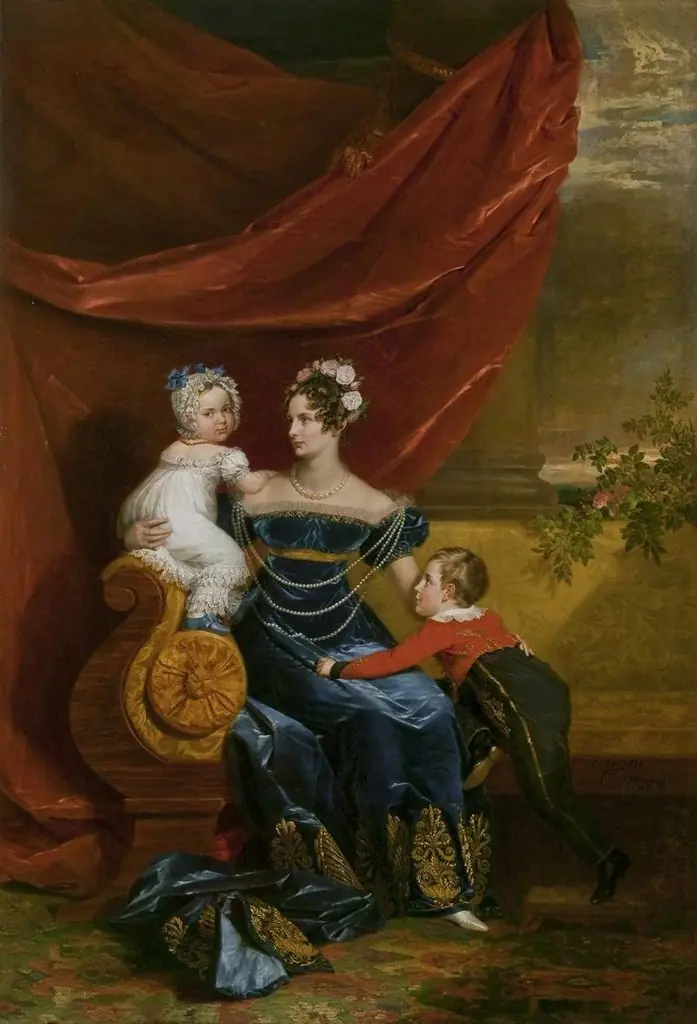 Portrait of Grand Duchess Alexandra Fiodorovna with Children
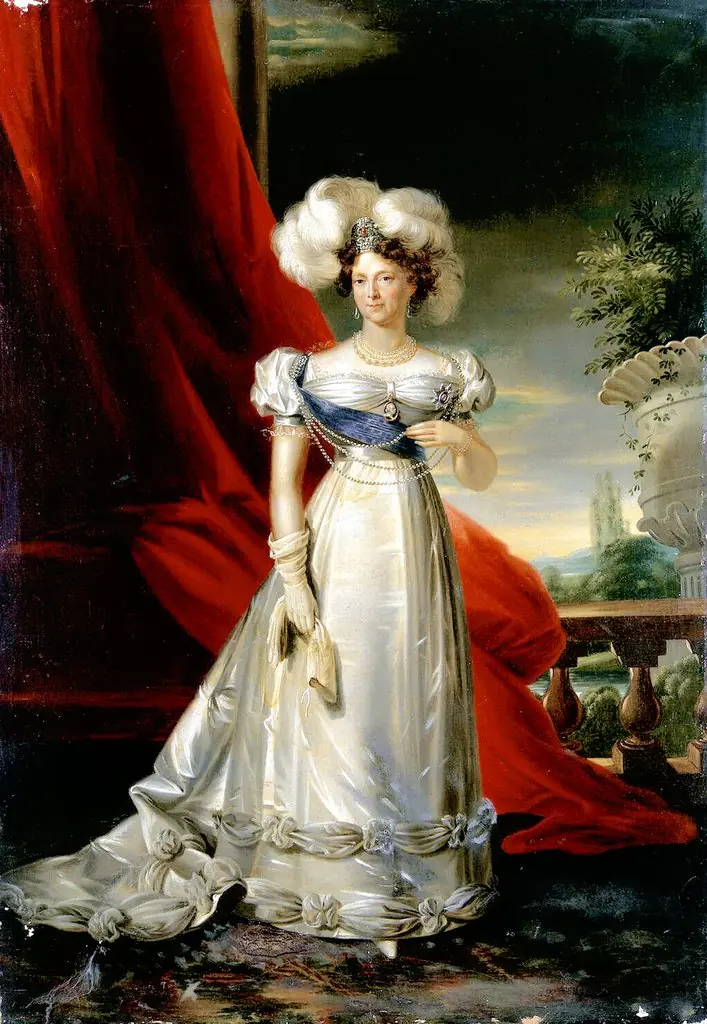 Portrait of the Empress Dowager Maria Feodorovna
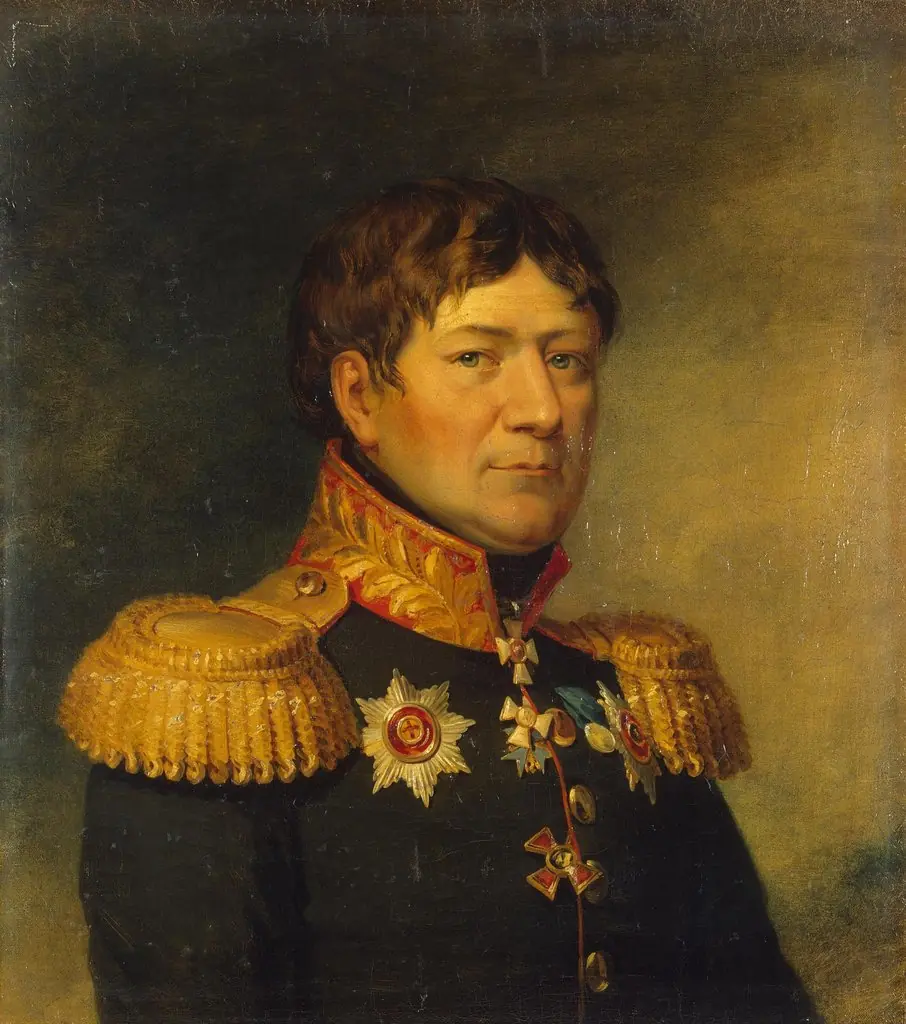 Portrait of Yegor M. Pillar (1767-1830)
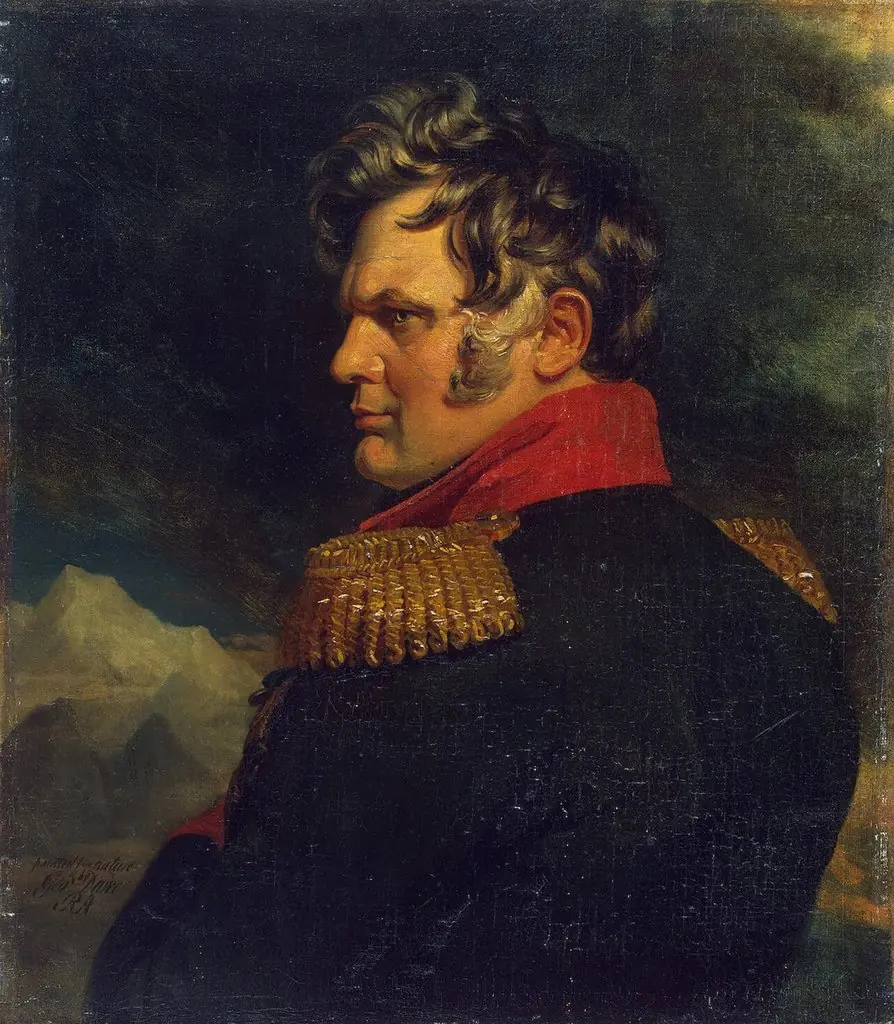 Portrait of Alexei P. Yermolov (1772/77-1861)
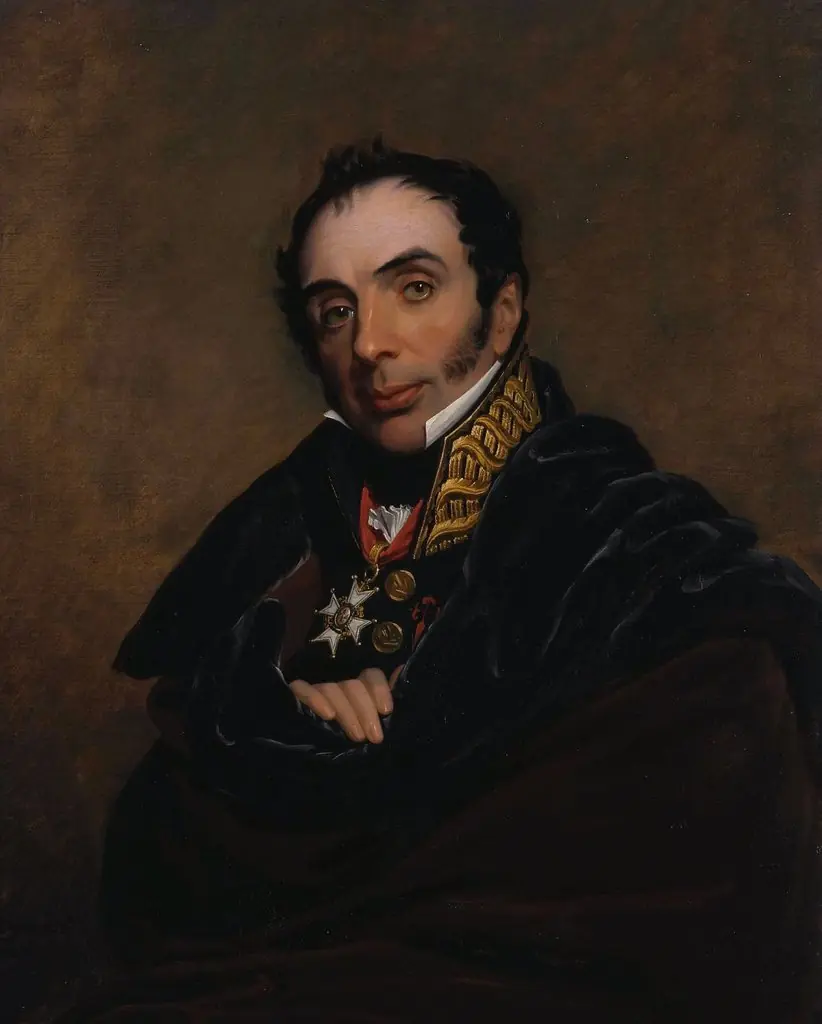 Portrait of Miguel Ricardo de Alava
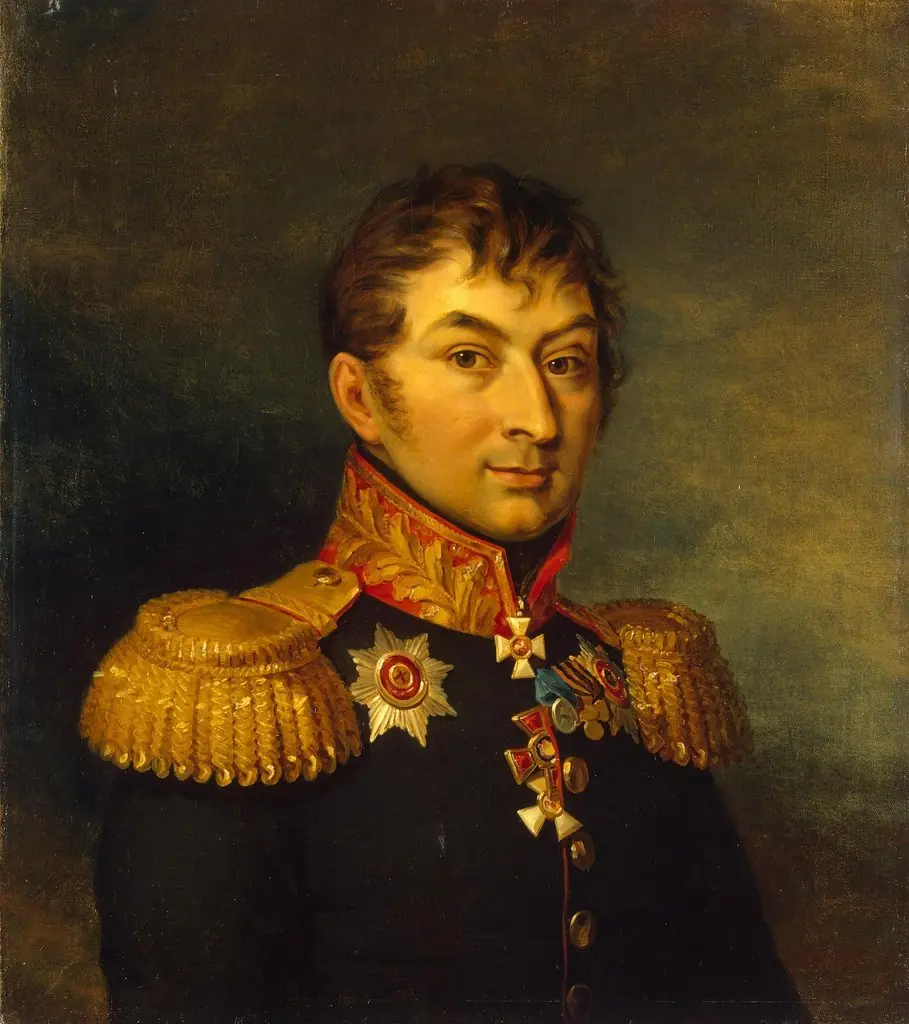 Portrait of Ivan D. Panchulidzev (1759-1815) (1st)
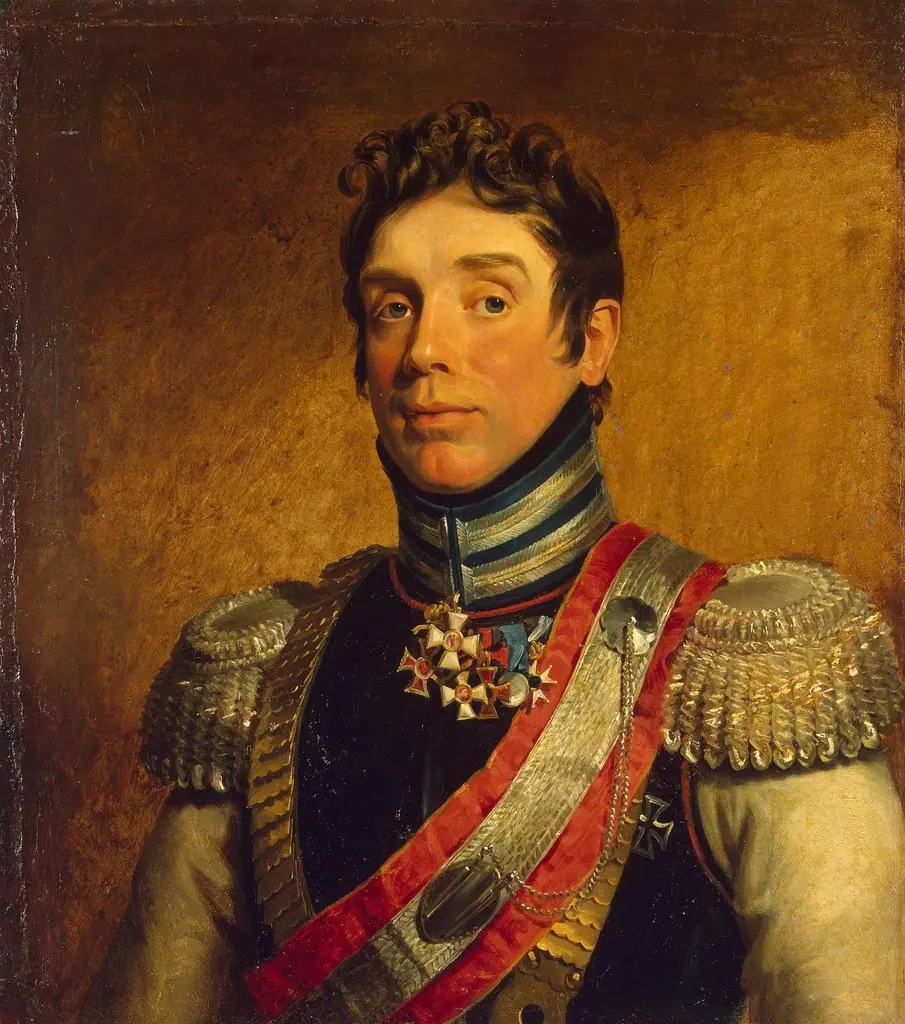 Portrait of Karl V. Budberg (1774-1829)
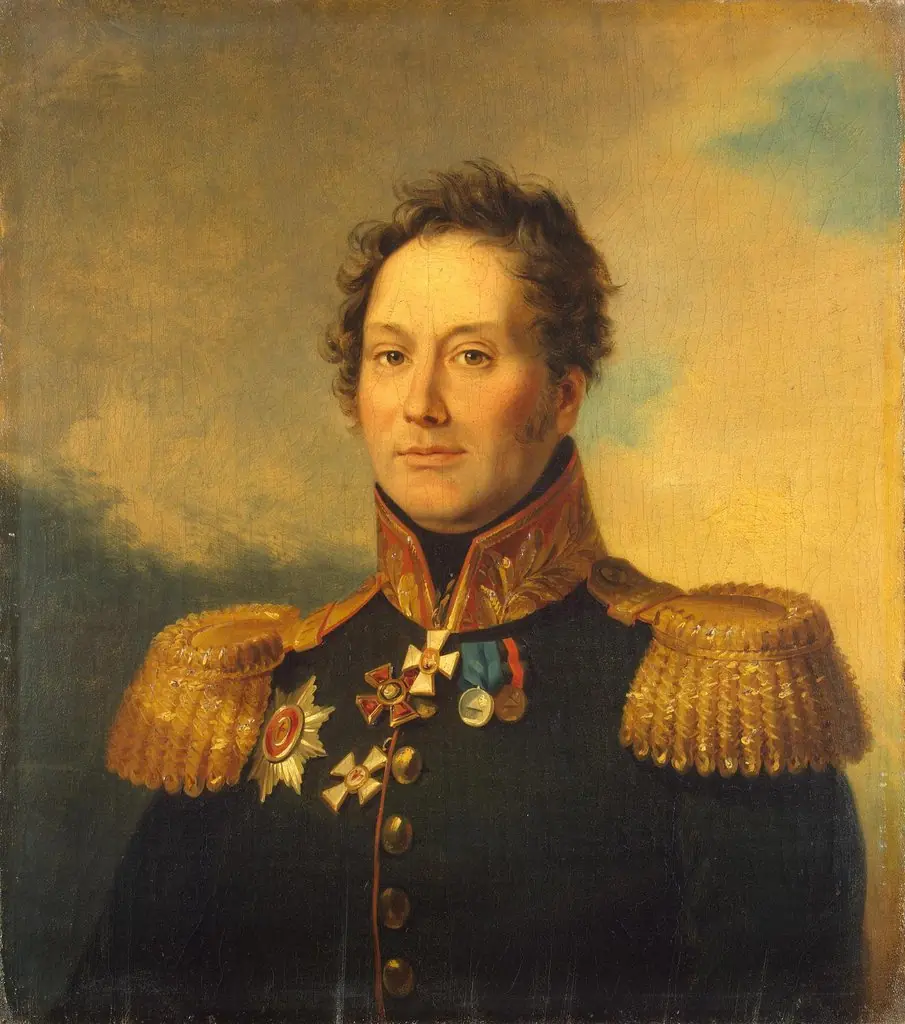 Portrait of Moisey I. Karpenko (1775-1854)
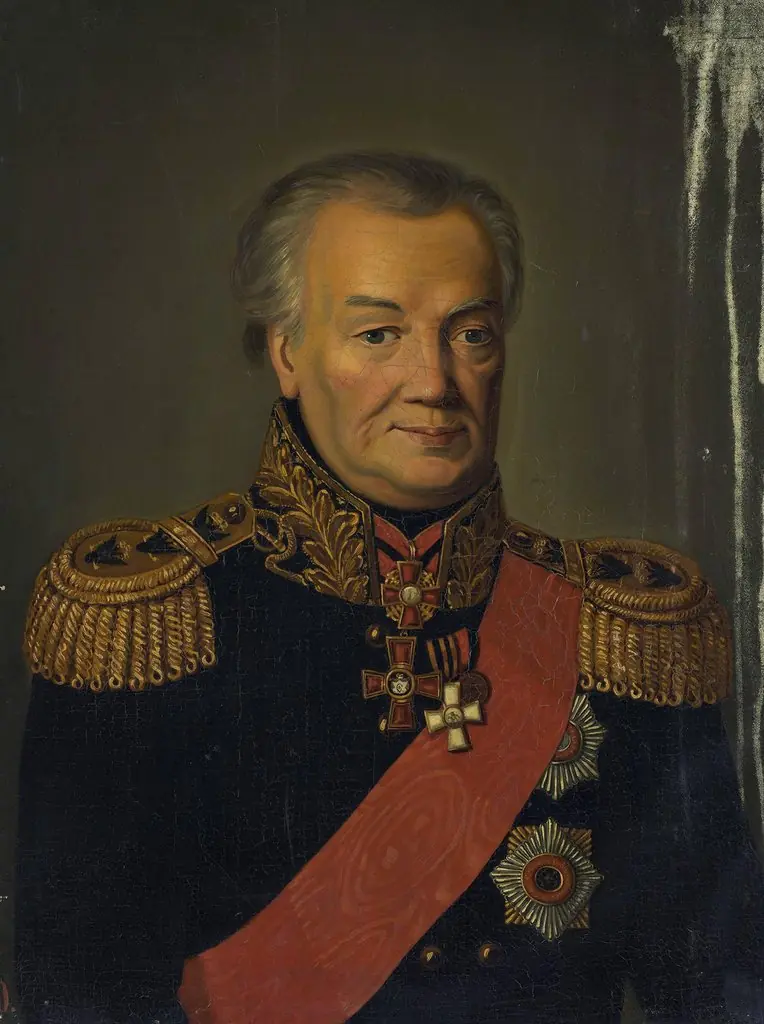 Portrait of P. Kartsev
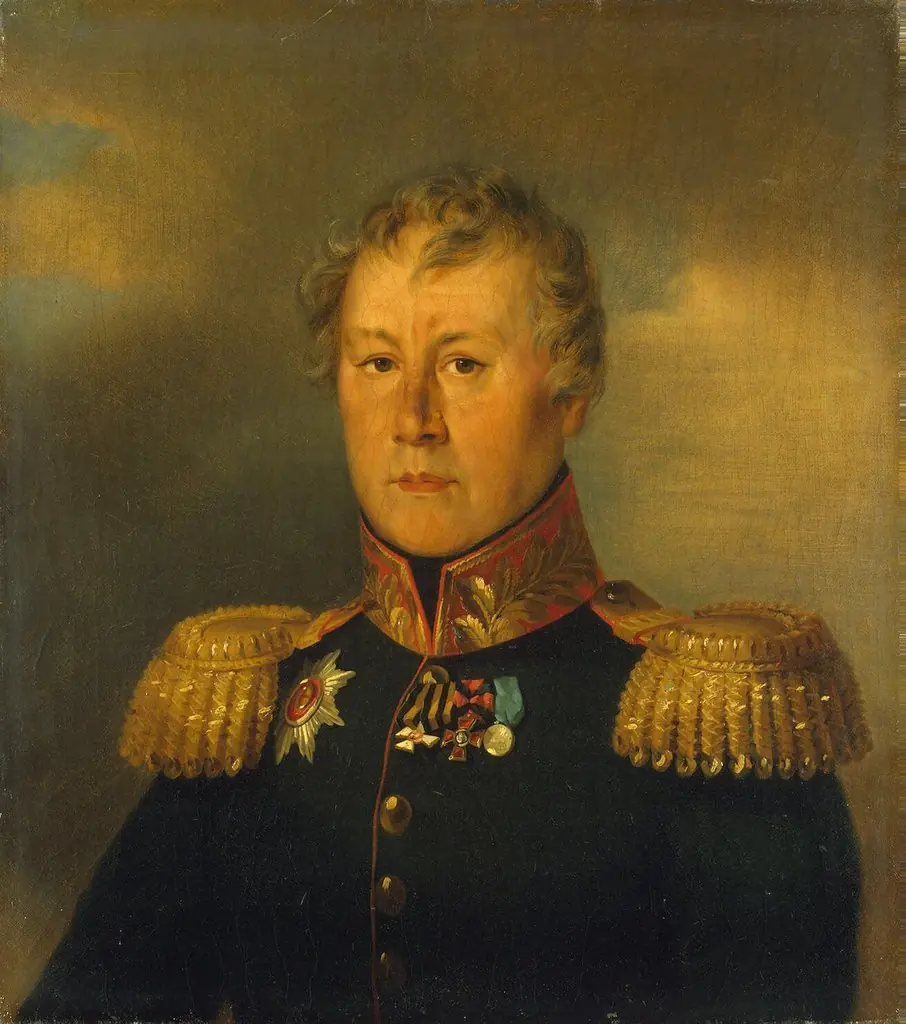 Portrait of Fyodor V. Zvarykin (1765-1826)
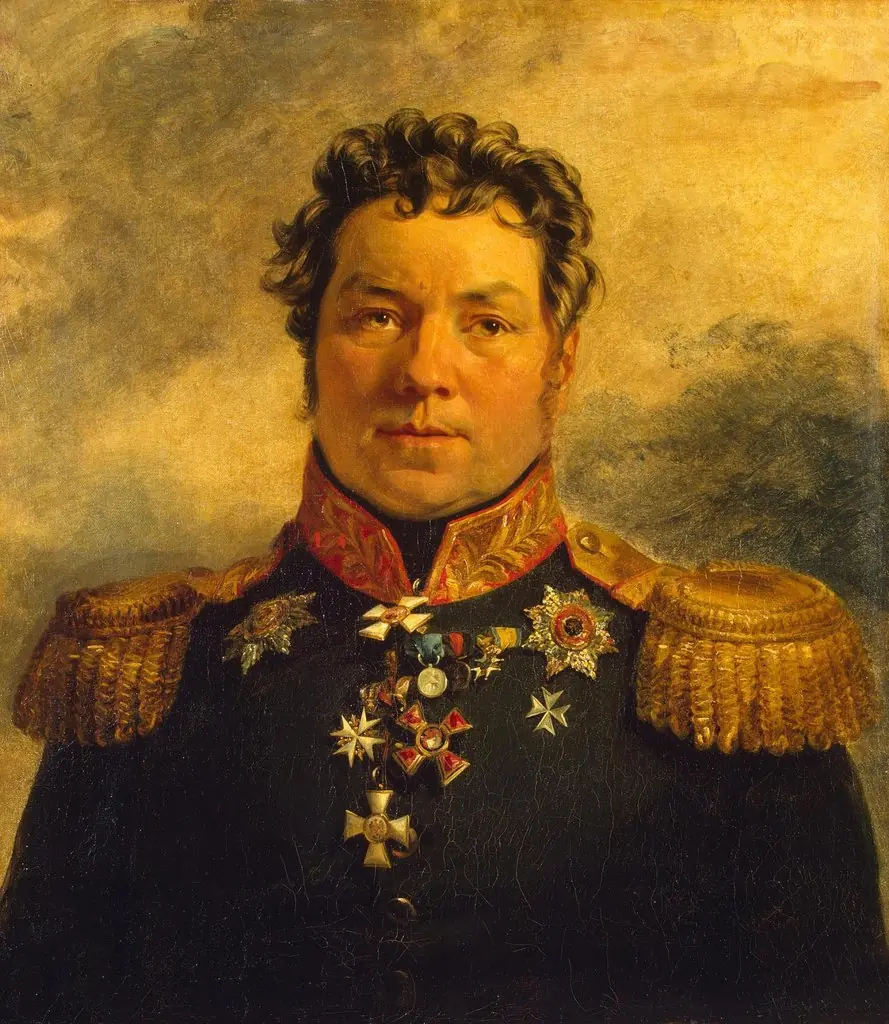 Portrait of Pyotr Ya. Kornilov (1770-1828)
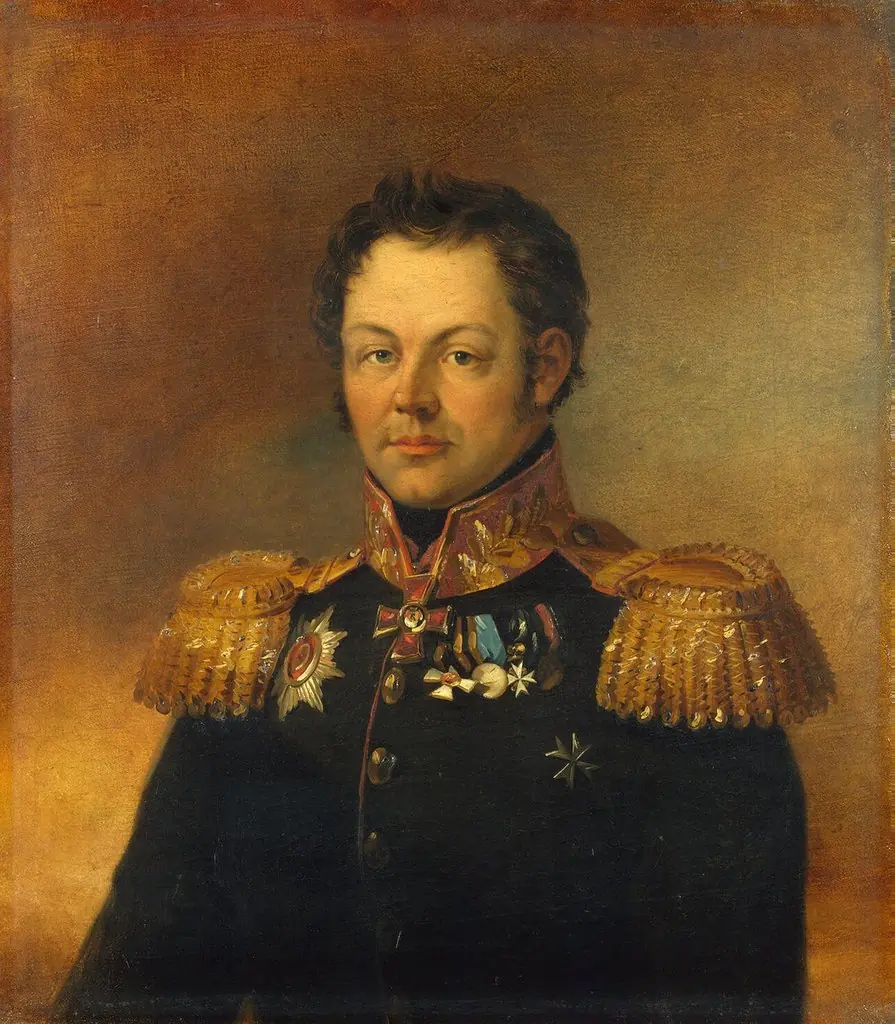 Portrait of Alexander E. Pyker (1776-1834)
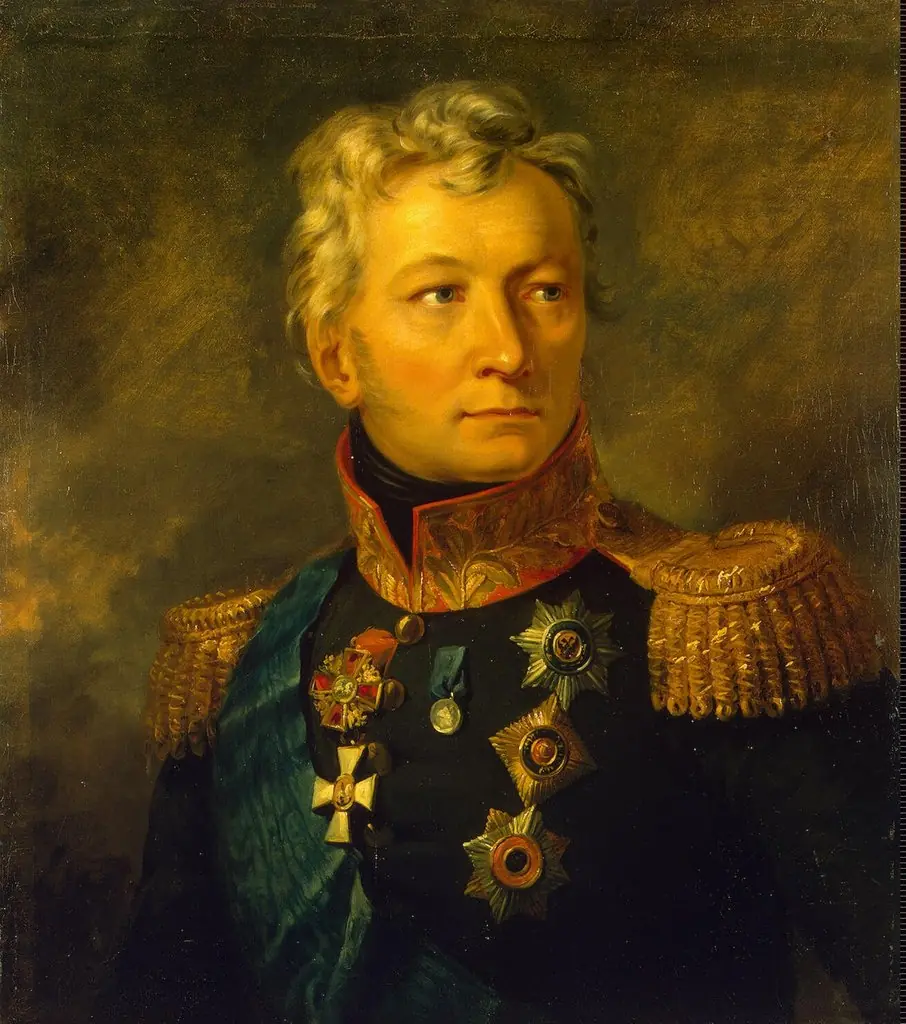 Portrait of Alexander P. Tormasov (1752-1819)
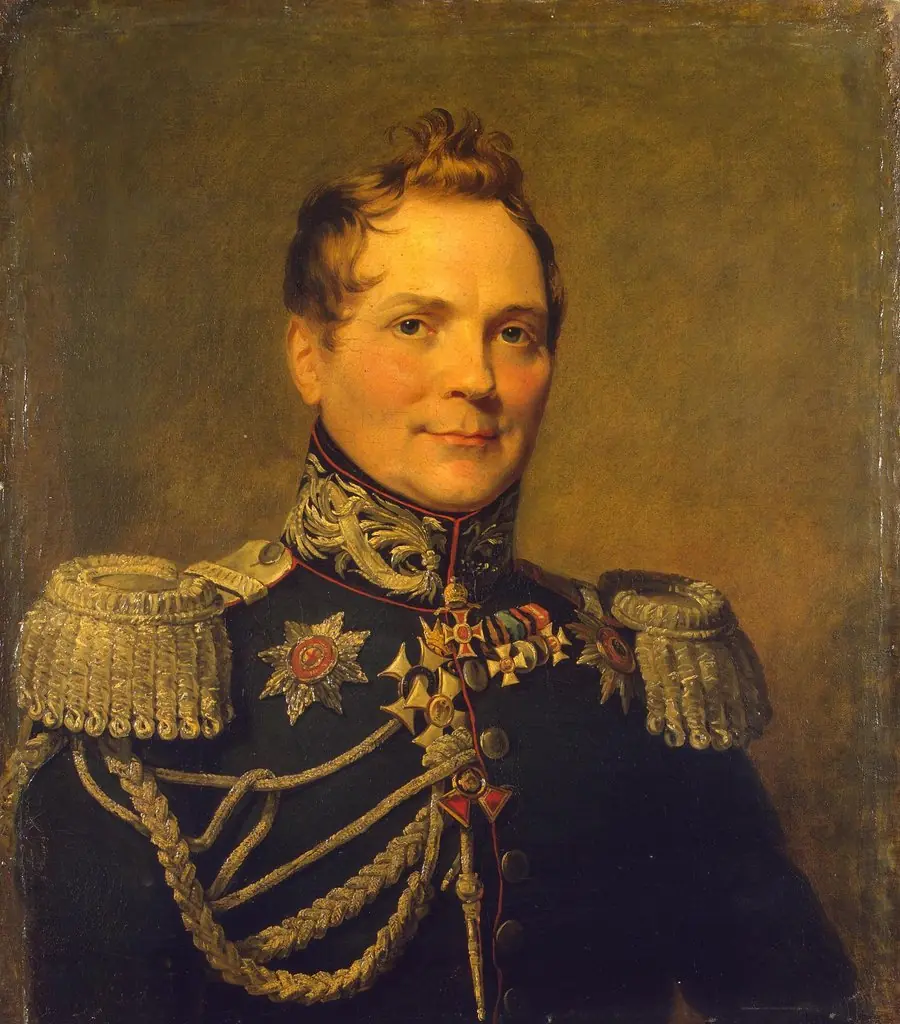 Portrait of Karl F. Toll (1777-1842)
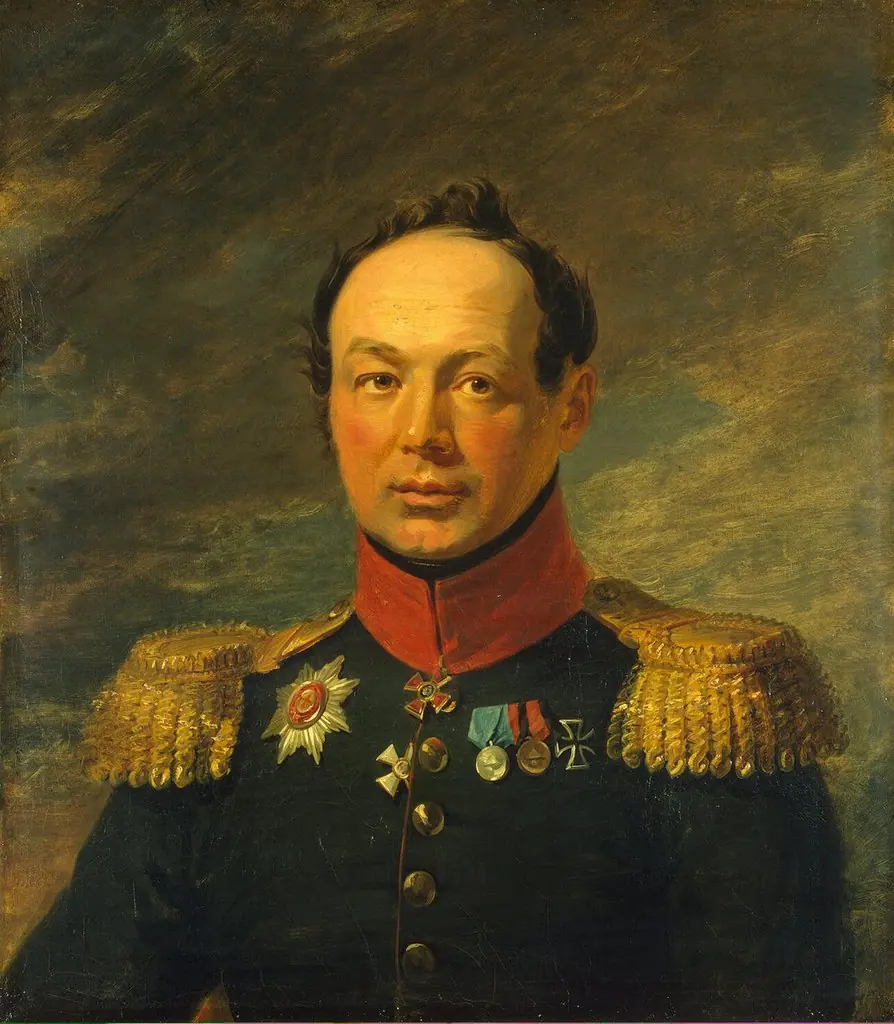 Portrait of Ivan A. Nabokov (1787-1852)