Artwork
Portrait of Loggin O. Roth (1780-1851)
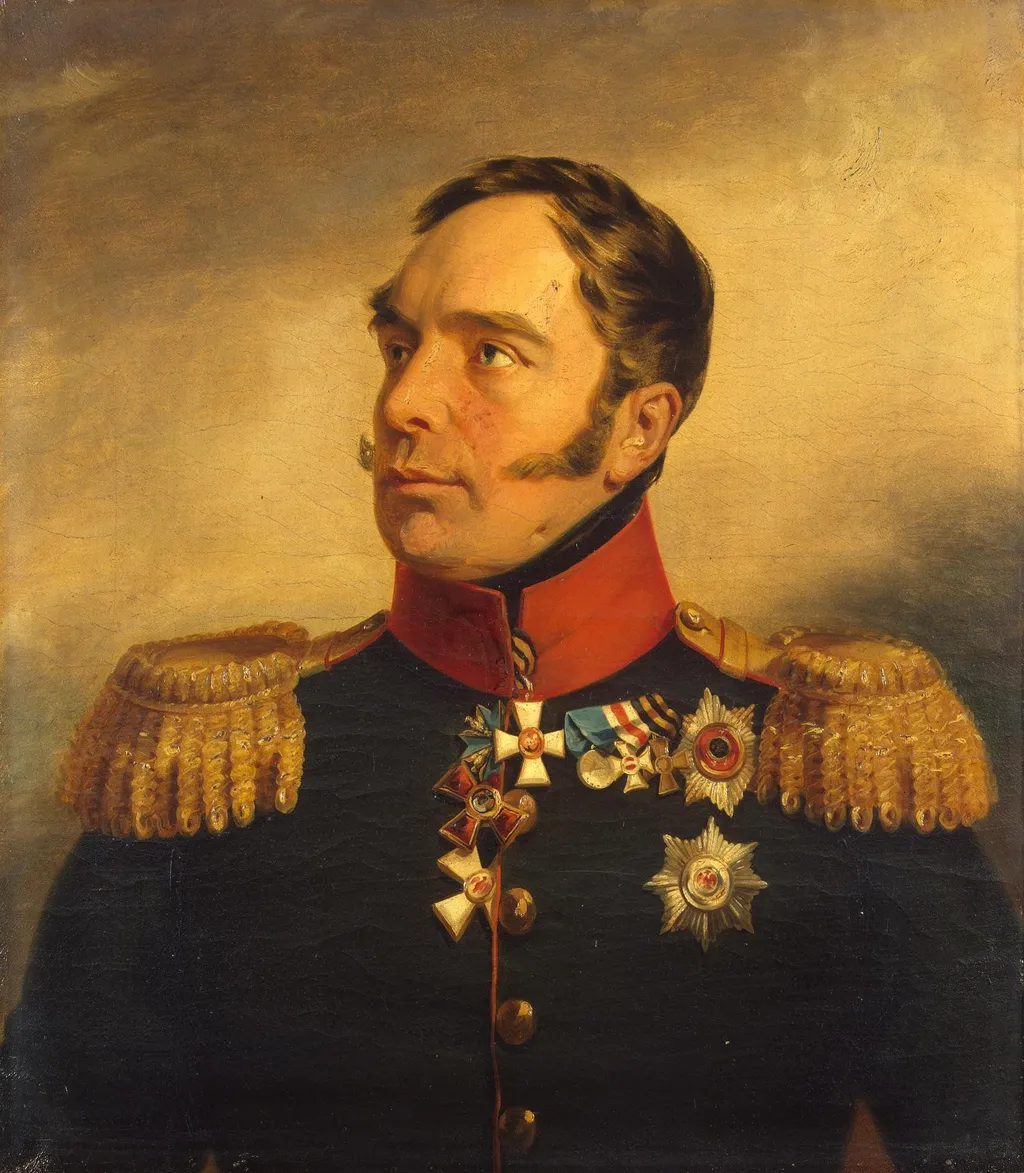
Portrait of Loggin O. Roth (1780-1851) is an oil painting by George Dawe. It dates from 1822 and is held in the collection of the Hermitage Museum.
About this work
Overview
Painted in 1822 by the English artist George Dawe, this oil portrait depicts Loggin Osipovič Roth, a Russian military officer of the early 19th century.
Painted in 1822 by the English artist George Dawe, this oil portrait depicts Loggin Osipovič Roth, a Russian military officer of the early 19th century. Dawe, who moved to Saint Petersburg in 1819, was commissioned to portray members of the Russian elite. The work is part of the State Hermitage Museum’s collection, reflecting Dawe’s role in documenting Russian aristocratic and military figures during his years in the empire.
Subject & Meaning
Loggin O. Roth is portrayed in full military dress, his uniform adorned with gold epaulets, red trim, and multiple medals. His stern expression and direct gaze suggest a man defined by duty and rank. The absence of overt symbolism or narrative context emphasizes his identity as a professional officer, aligning with the era’s preference for portraits that convey status through attire and bearing rather than personal anecdote.
Technique & Style
Dawe employs chiaroscuro to model Roth’s face and uniform with subtle gradations of light and shadow, enhancing three-dimensionality. The dark uniform contrasts with the warm, golden background, focusing attention on the subject’s features. Brushwork is precise, particularly in rendering metallic embellishments and the texture of fabric, reflecting academic training and a preference for clarity over expressive flourish.
History & Provenance
Commissioned during Dawe’s tenure in Saint Petersburg, the portrait entered the Hermitage’s holdings as part of the imperial collection. Dawe’s position as a favored portraitist to Russian nobility ensured his works were systematically acquired by state institutions. The painting’s uninterrupted presence in the museum since the 19th century confirms its recognized significance within Russia’s visual record of the period.
Context
In the 1820s, Russian elites increasingly sought to align themselves with Western artistic traditions. Dawe, an English painter trained in London, was welcomed as a conduit for this aesthetic. His portraits of military officers like Roth served both as personal commemoration and as instruments of state image-making, reinforcing the authority and discipline of the imperial hierarchy.
Legacy
Dawe’s portraits, including this one, remain key references for understanding the visual culture of early 19th-century Russia. Though less celebrated abroad, his work provided a consistent, formal record of the Russian officer class. The portrait of Roth exemplifies the quiet dignity and institutional identity that defined his approach, influencing later Russian portraiture through its restrained realism.
Own this work as a print
Artist & collection
Artist
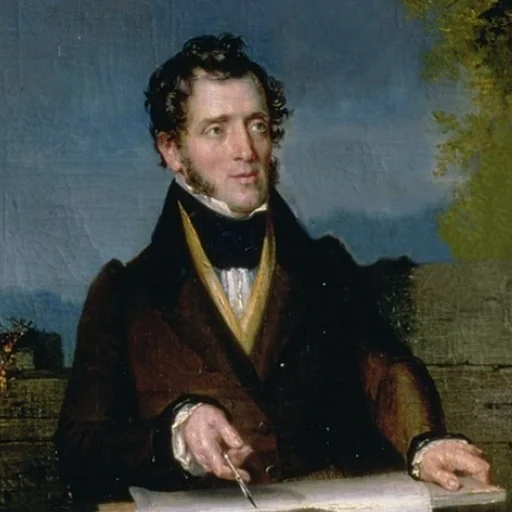
George Dawe (6 February 1781 – 15 October 1829) was an English portraitist who painted 329 portraits of Russian generals active during Napoleon's invasion of Russia for the Military Gallery of the Winter Palace.

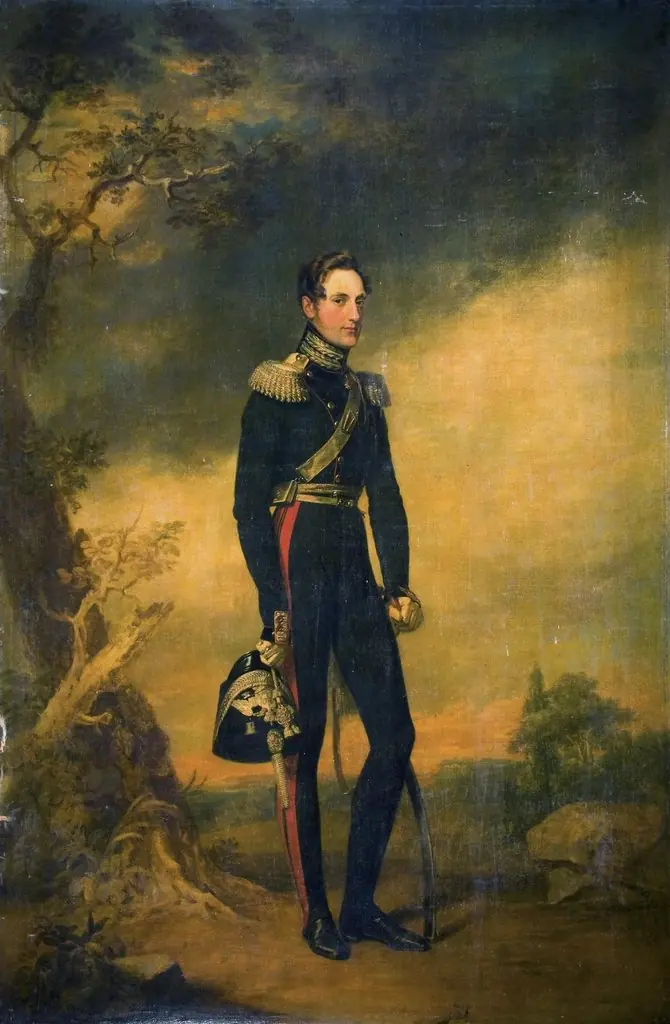 Portrait of Grand Duke Nikolai Pavlovich
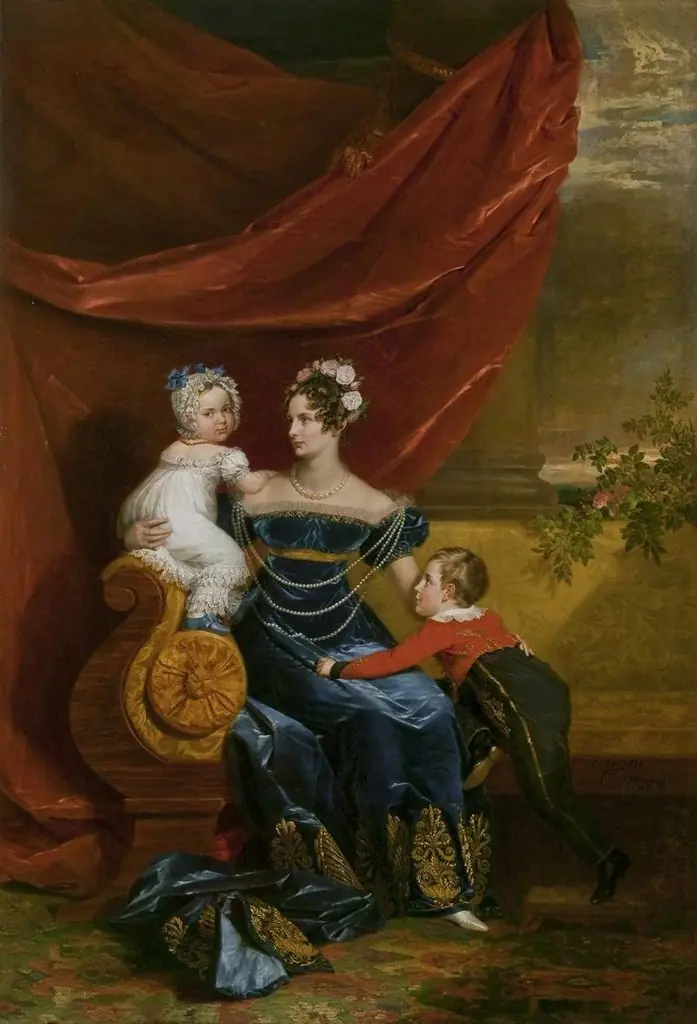 Portrait of Grand Duchess Alexandra Fiodorovna with Children
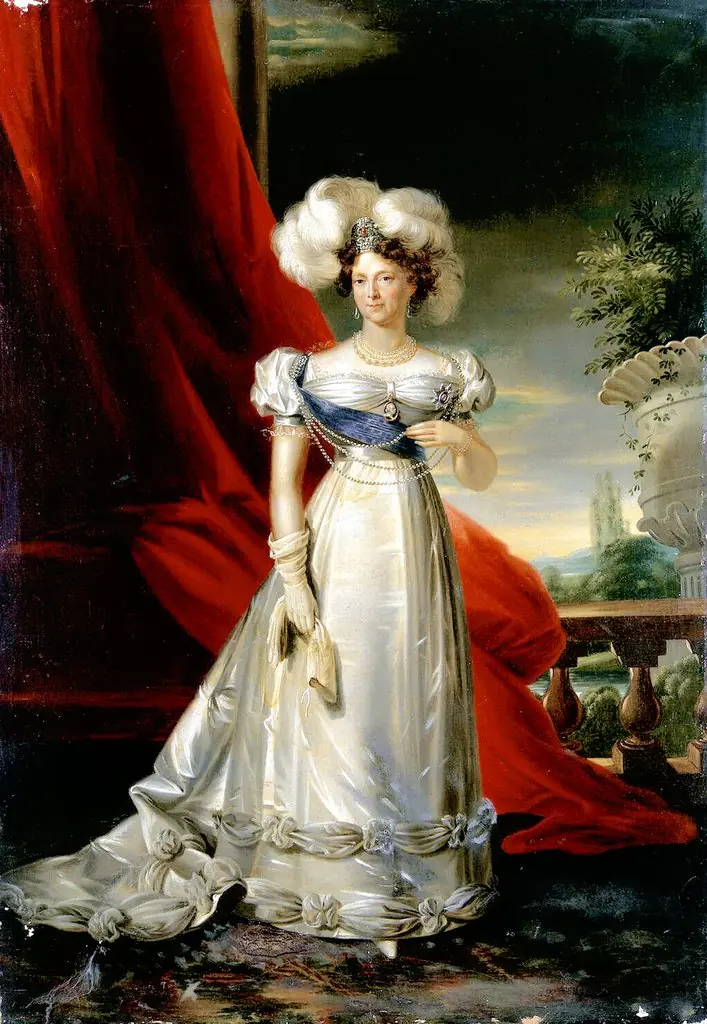 Portrait of the Empress Dowager Maria Feodorovna
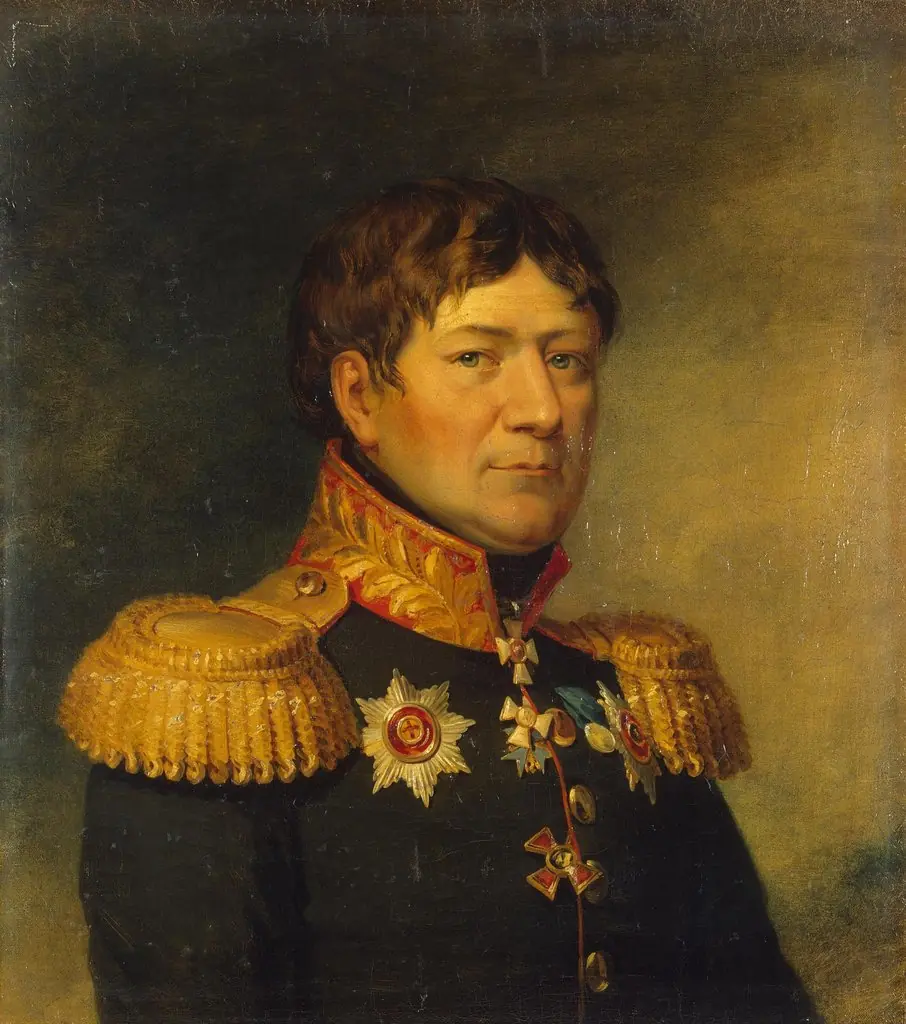 Portrait of Yegor M. Pillar (1767-1830)
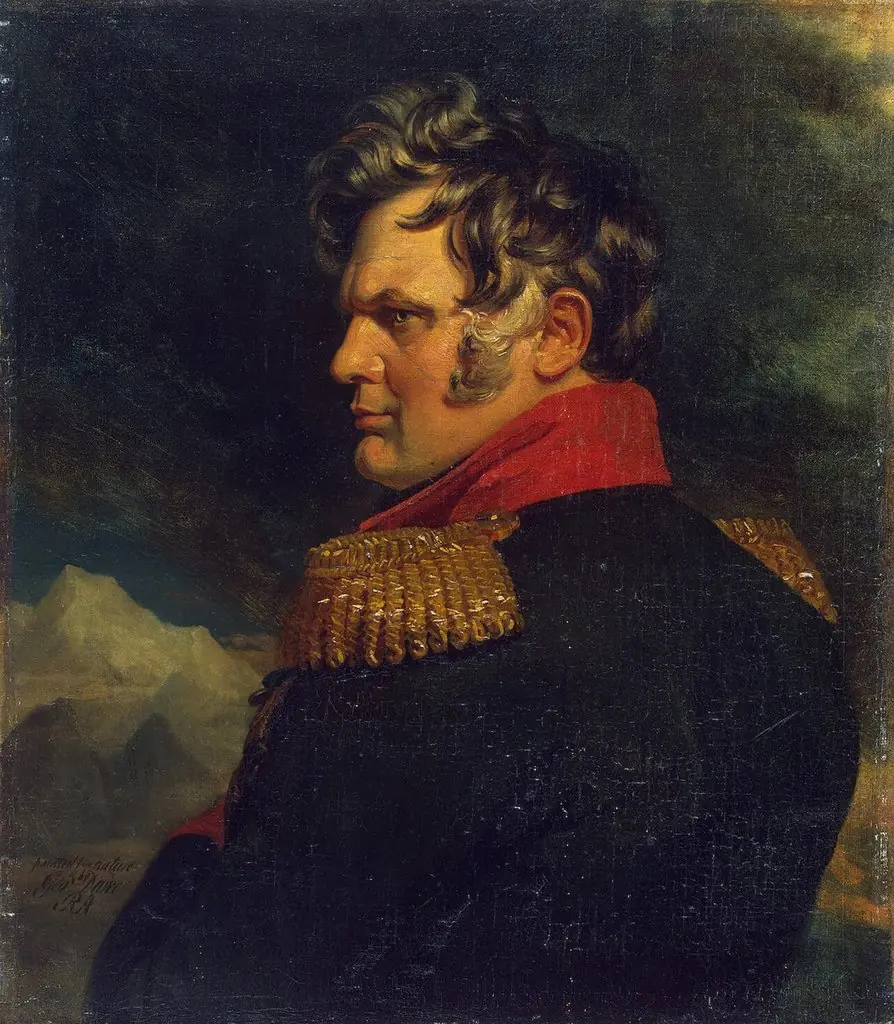 Portrait of Alexei P. Yermolov (1772/77-1861)
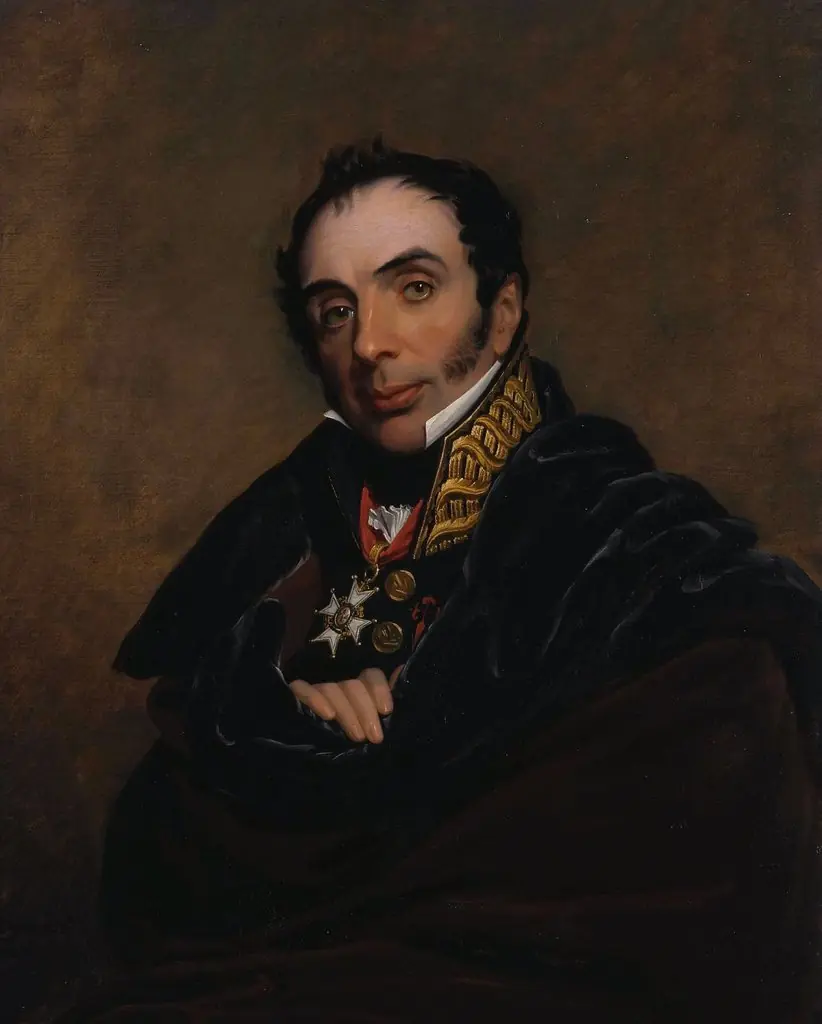 Portrait of Miguel Ricardo de Alava
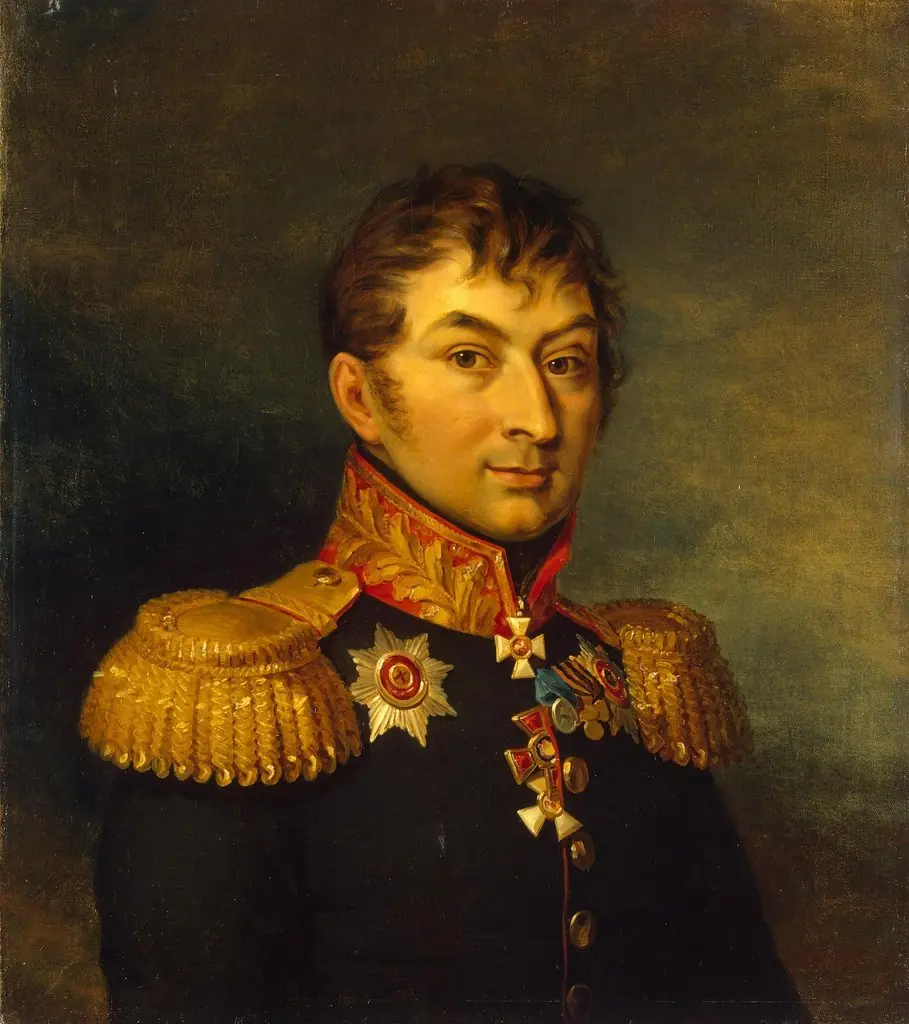 Portrait of Ivan D. Panchulidzev (1759-1815) (1st)
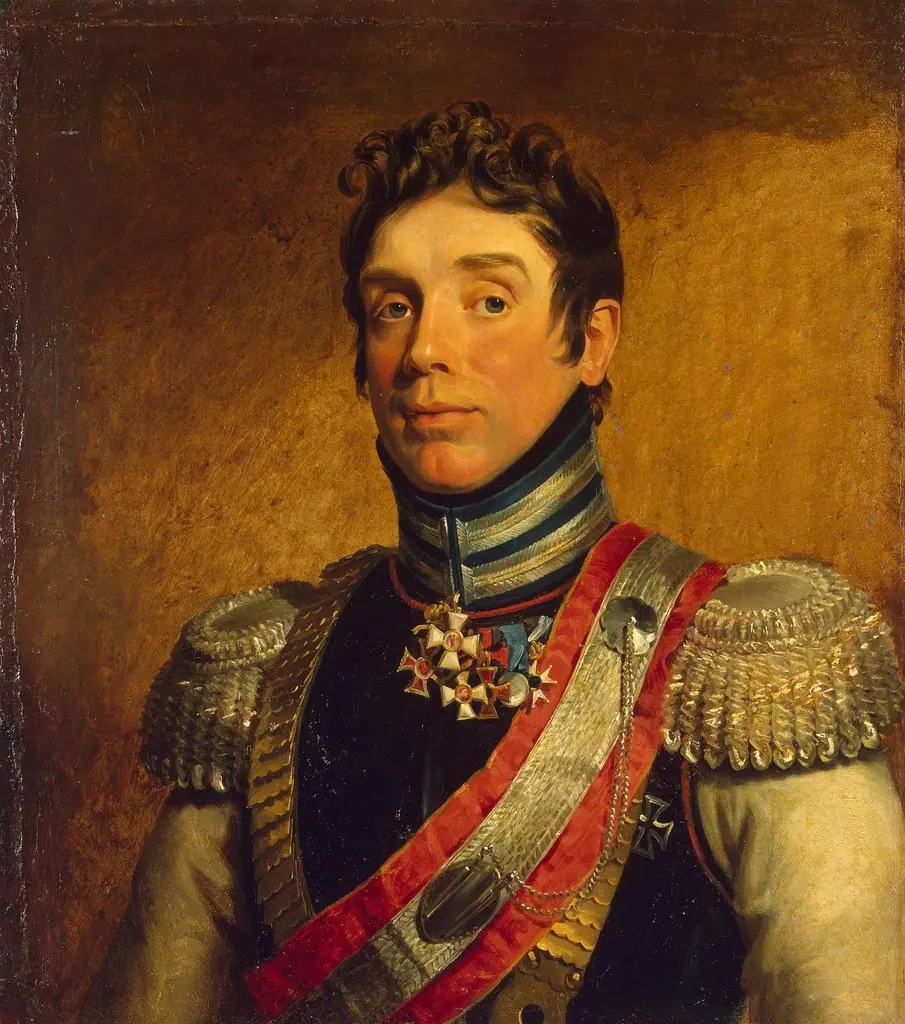 Portrait of Karl V. Budberg (1774-1829)
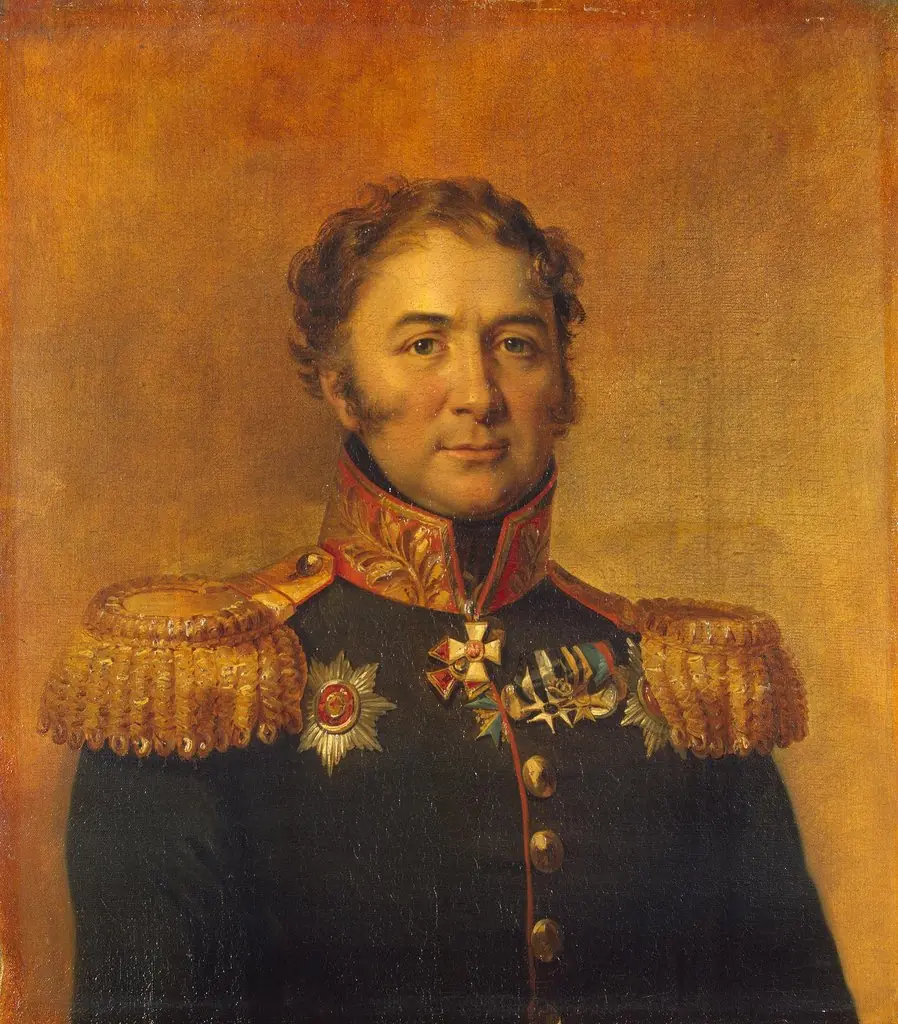 Portrait of Nikolai V. Dekhteryov (1775-1831)
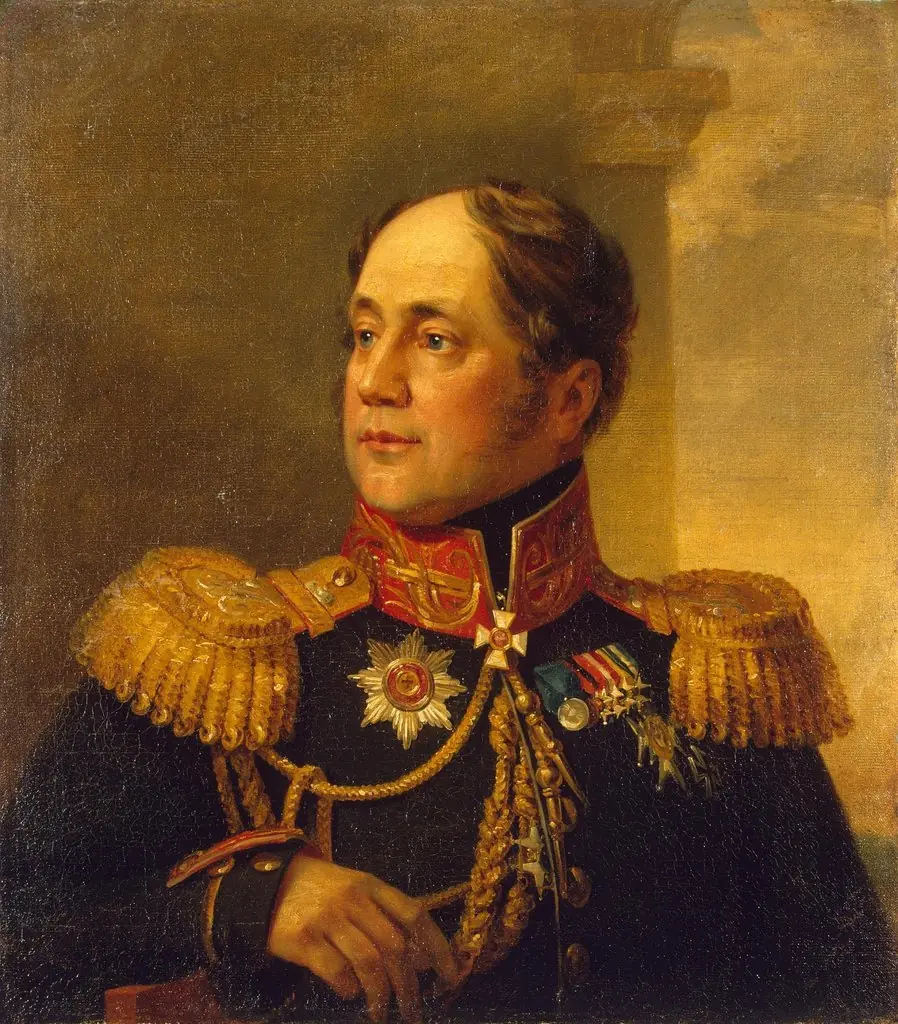 Portrait of Nikolai M. Sipyagin (1785-1828)
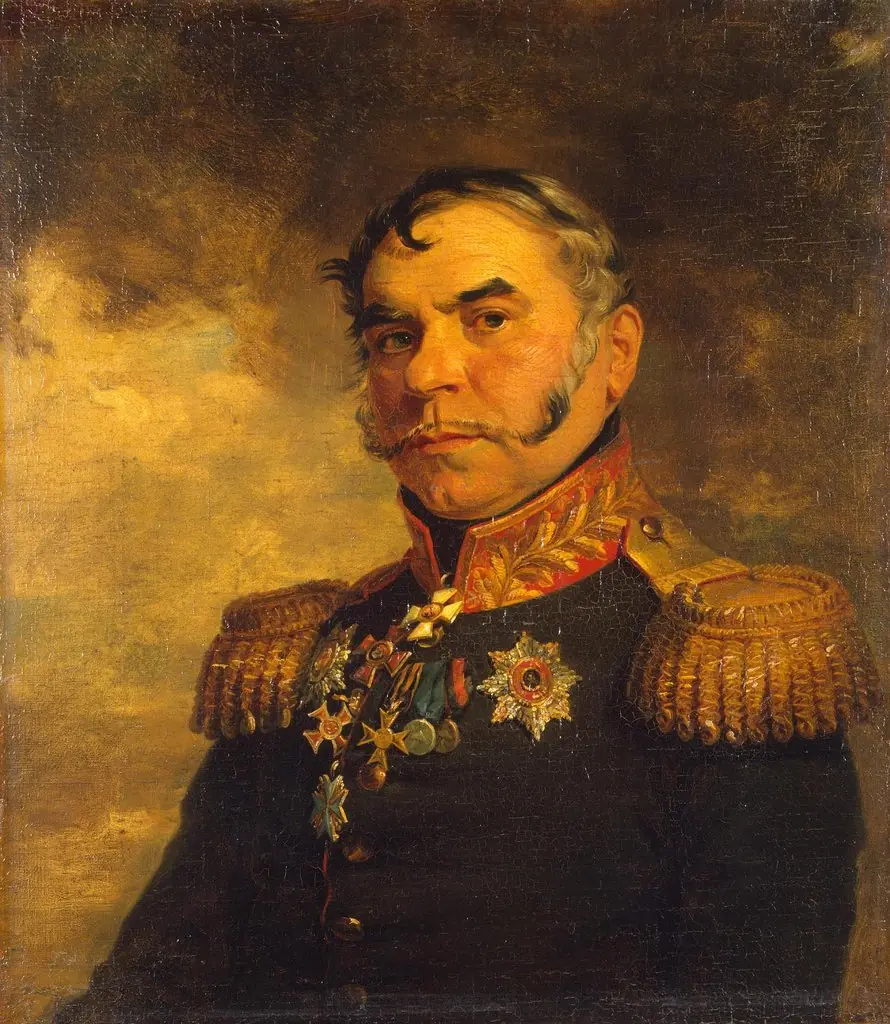 Portrait of Grigory I. Lisanevich (1756-1832)
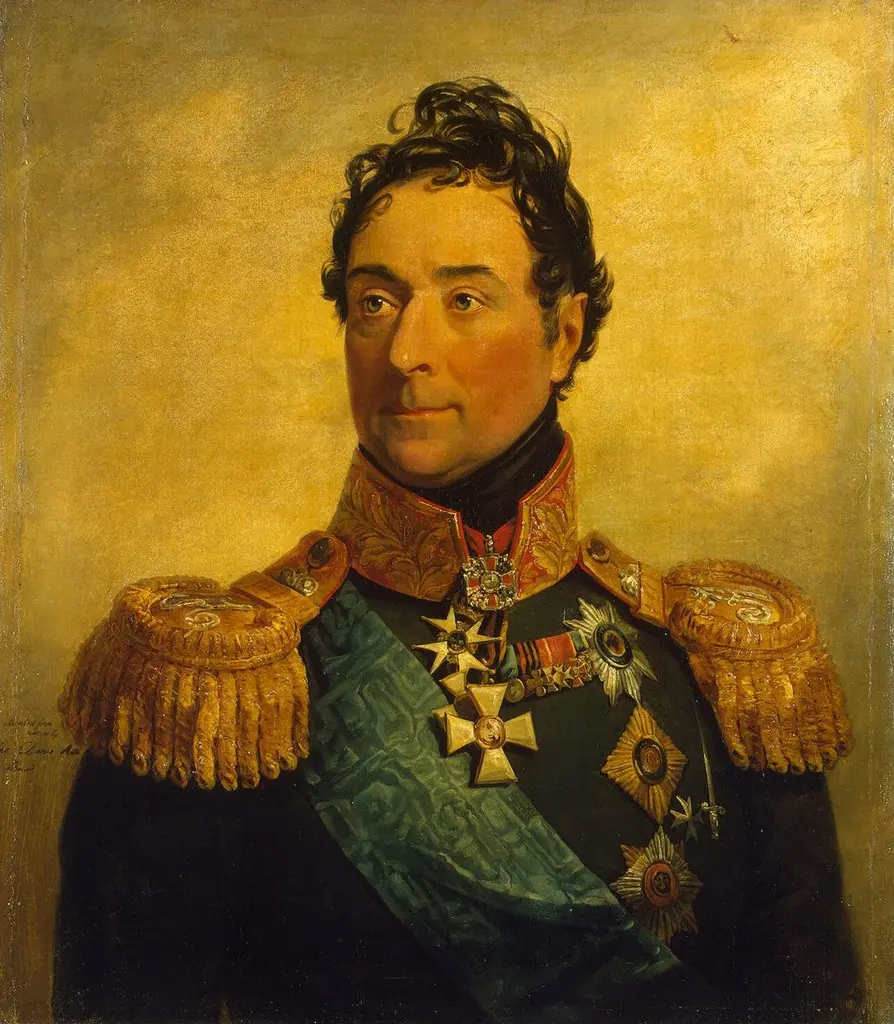 Portrait of Alexander F. Langeron (1763-1831)
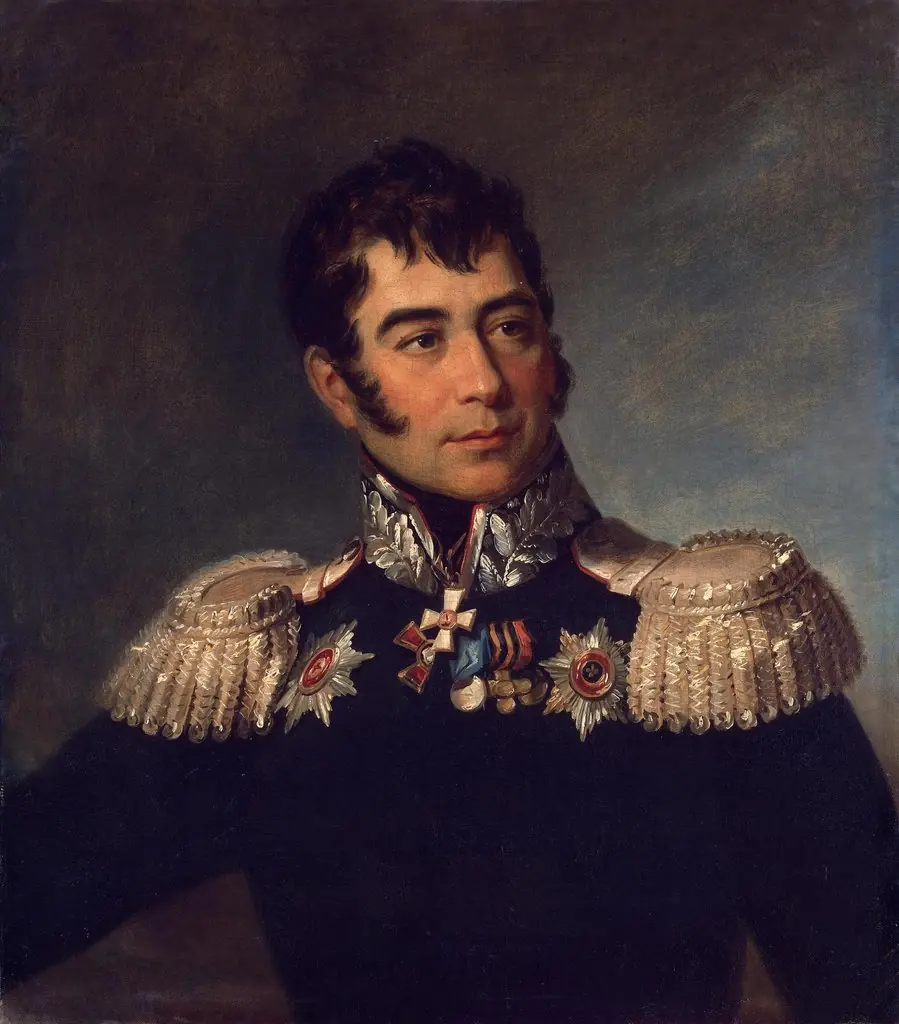 Portrait of Ivan D. Ilovaisky (1766 - after 1827) (4th)
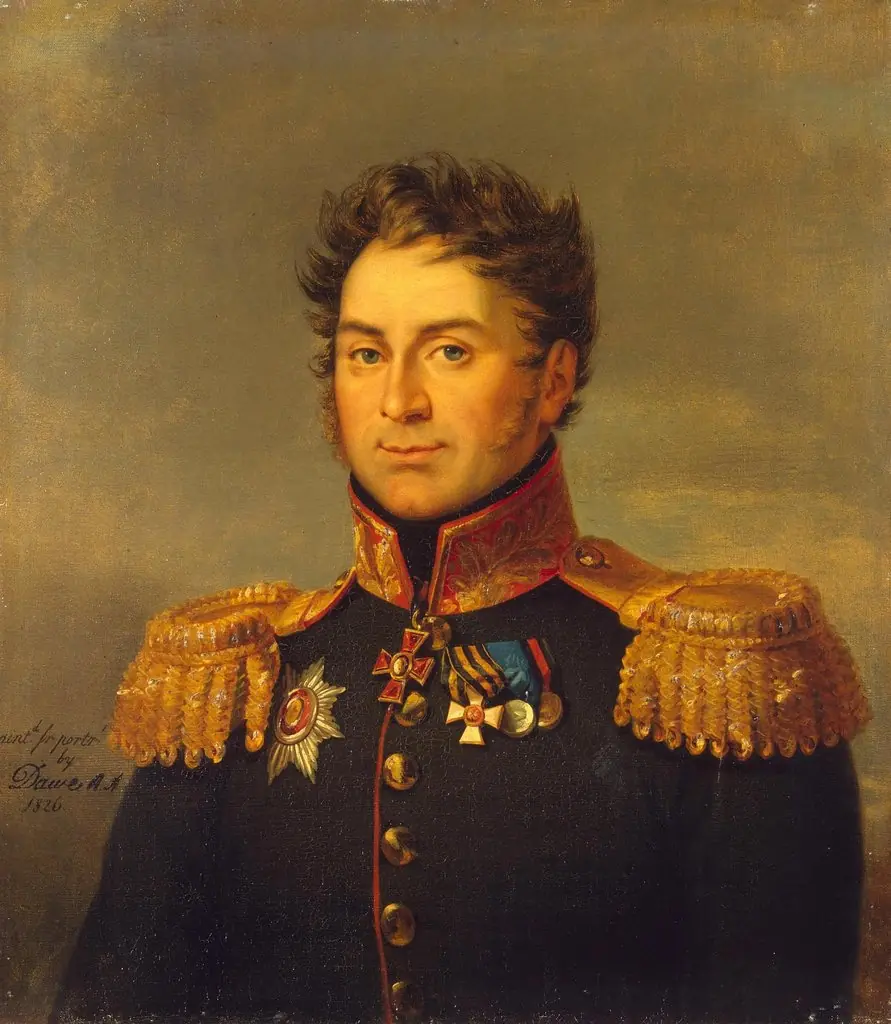 Portrait of Nikolai D. Olsufyev (1779-1817) (3rd)
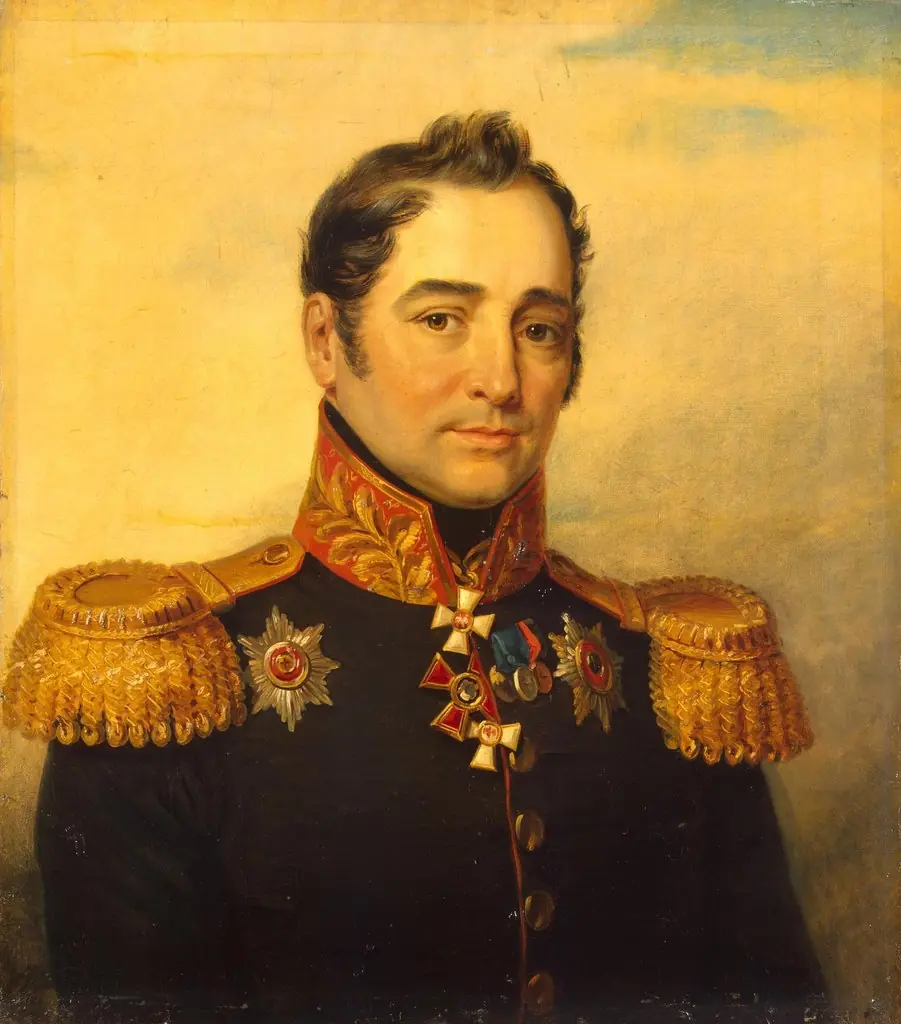 Portrait of Yegor I. Vlastov (1769/70-1837)
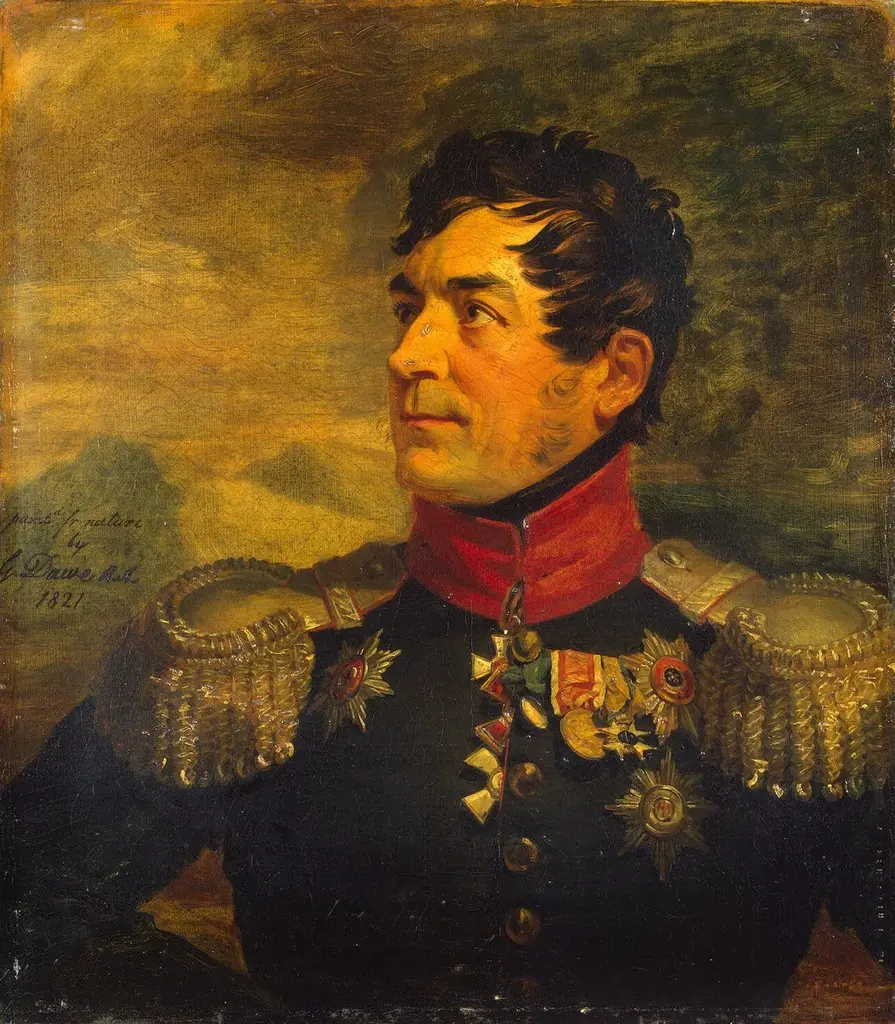 Portrait of Georgy A. Emanuel (1774-1837)
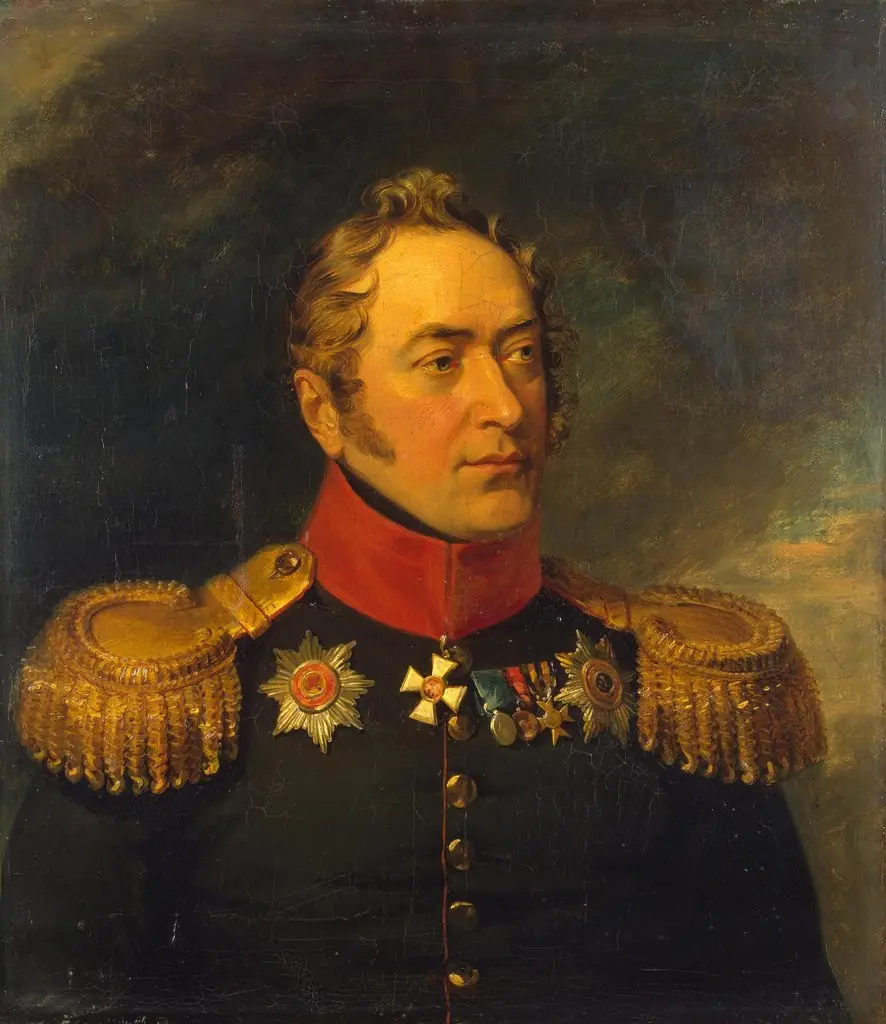 Portrait of Nikolai N. Khovansky (1777-1837)
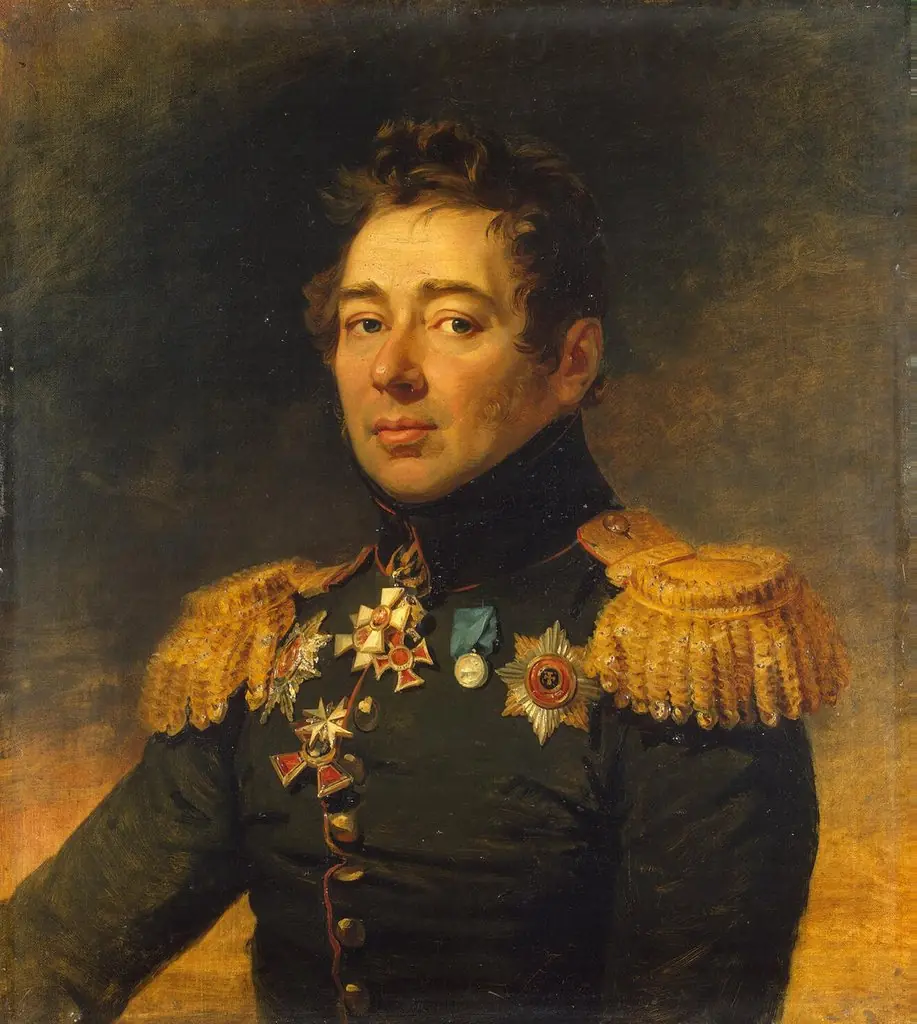 Portrait of Alexey P. Nikitin (1777-1858)