Artwork
Portrait of Nikolai M. Borozdin (1777-1830)
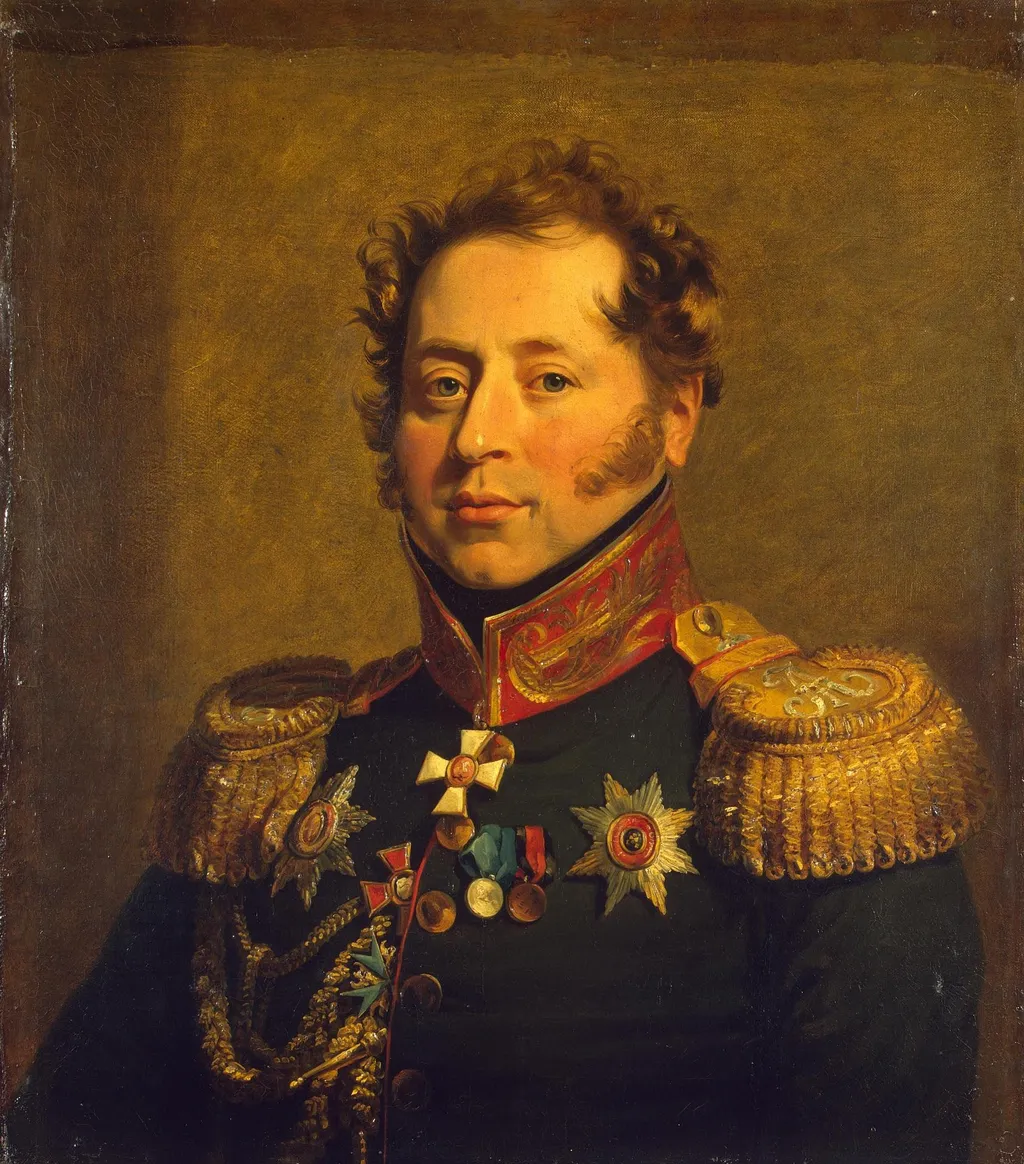
Portrait of Nikolai M. Borozdin (1777-1830) is an oil painting by George Dawe. It dates from 1822 and is held in the collection of the Hermitage Museum.
About this work
Overview
The work is part of a broader series of official portraits commissioned by the imperial court and now resides in the State Hermitage Museum’s collection.
Painted in 1822 by the English artist George Dawe, this oil portrait depicts Nikolai M. Borozdin, a Russian military officer of the Napoleonic era. Dawe, then residing in Saint Petersburg, was commissioned to document Russia’s wartime leadership. The work is part of a broader series of official portraits commissioned by the imperial court and now resides in the State Hermitage Museum’s collection.
Subject & Meaning
Nikolai Borozdin is portrayed as a disciplined officer of high rank, his uniform adorned with gold embroidery and multiple medals indicating distinguished service. His composed expression and upright posture convey authority and stoicism, reflecting the values of military duty and imperial loyalty. The absence of symbolic props or landscape emphasizes his identity as a career soldier rather than a nobleman or statesman.
Technique & Style
Dawe employed a precise, restrained technique rooted in British portraiture traditions, with careful attention to texture in fabric and metal. The dark uniform contrasts with the warm, neutral background, directing focus to the figure’s facial expression and insignia. Brushwork is controlled, avoiding theatricality; the rendering of medals and braid demonstrates technical precision over emotional flourish.
History & Provenance
Commissioned during Dawe’s decade-long residency in Russia, the portrait was created as part of a state-sponsored project to document officers who served in the Napoleonic Wars. It entered the Hermitage collection shortly after completion, likely through imperial acquisition. Its preservation reflects its role in documenting Russia’s military hierarchy during the early 19th century.
Context
Dawe’s work emerged in a period when the Russian court sought to visually consolidate its military legacy following the defeat of Napoleon. Portraits like this one were not merely personal likenesses but instruments of state memory, reinforcing the image of a disciplined, heroic officer corps. The genre was closely tied to imperial propaganda and institutional identity.
Legacy
The portrait remains a representative example of early 19th-century Russian military portraiture, illustrating the fusion of British artistic methods with Russian imperial themes. While Dawe’s broader series is better known, individual works like this continue to serve as historical records of rank, uniform, and demeanor within the Russian armed forces of the era.
Own this work as a print
Artist & collection
Artist
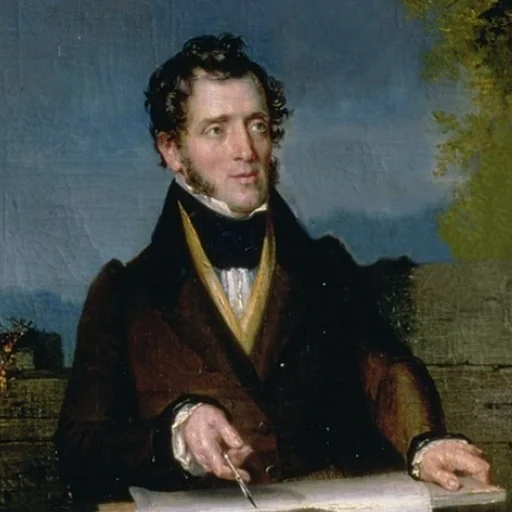
George Dawe (6 February 1781 – 15 October 1829) was an English portraitist who painted 329 portraits of Russian generals active during Napoleon's invasion of Russia for the Military Gallery of the Winter Palace.

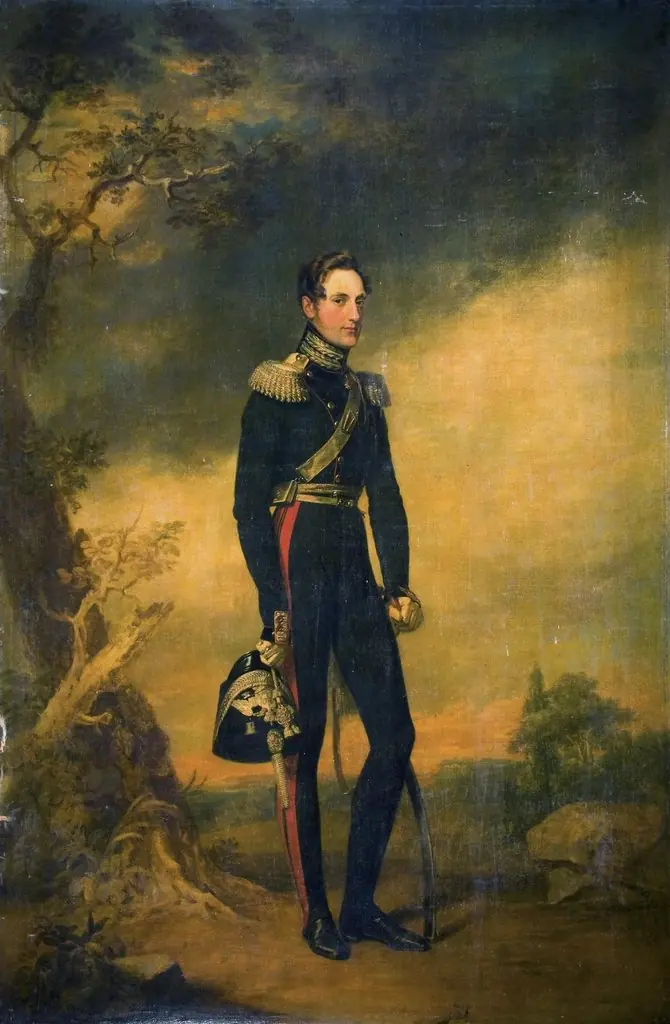 Portrait of Grand Duke Nikolai Pavlovich
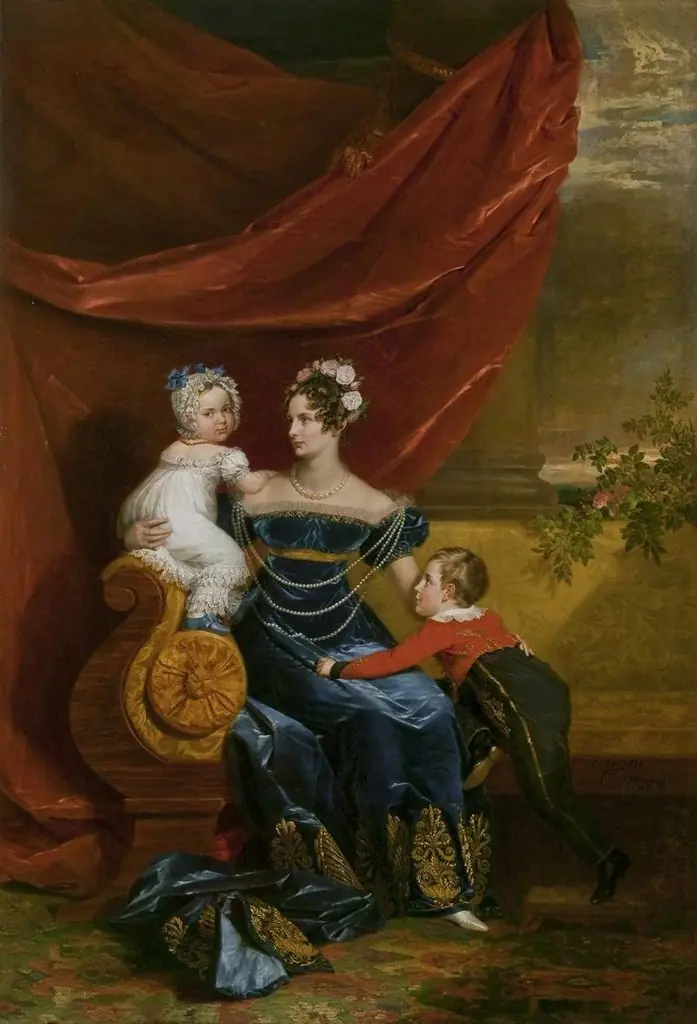 Portrait of Grand Duchess Alexandra Fiodorovna with Children
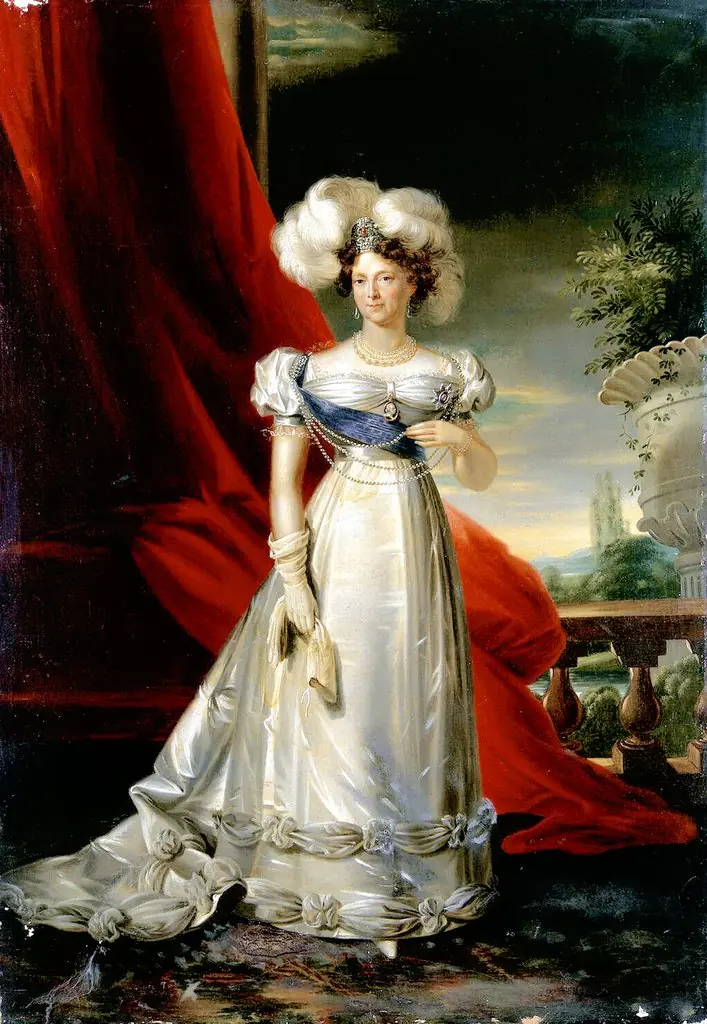 Portrait of the Empress Dowager Maria Feodorovna
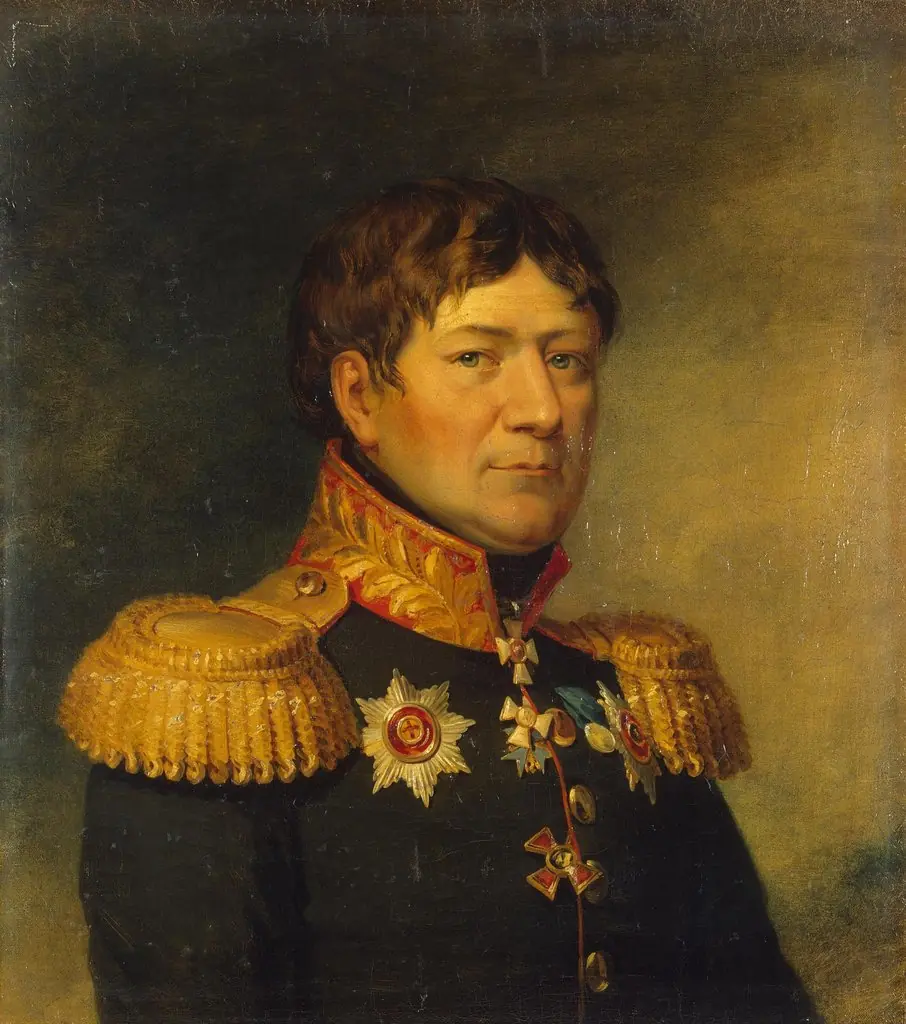 Portrait of Yegor M. Pillar (1767-1830)
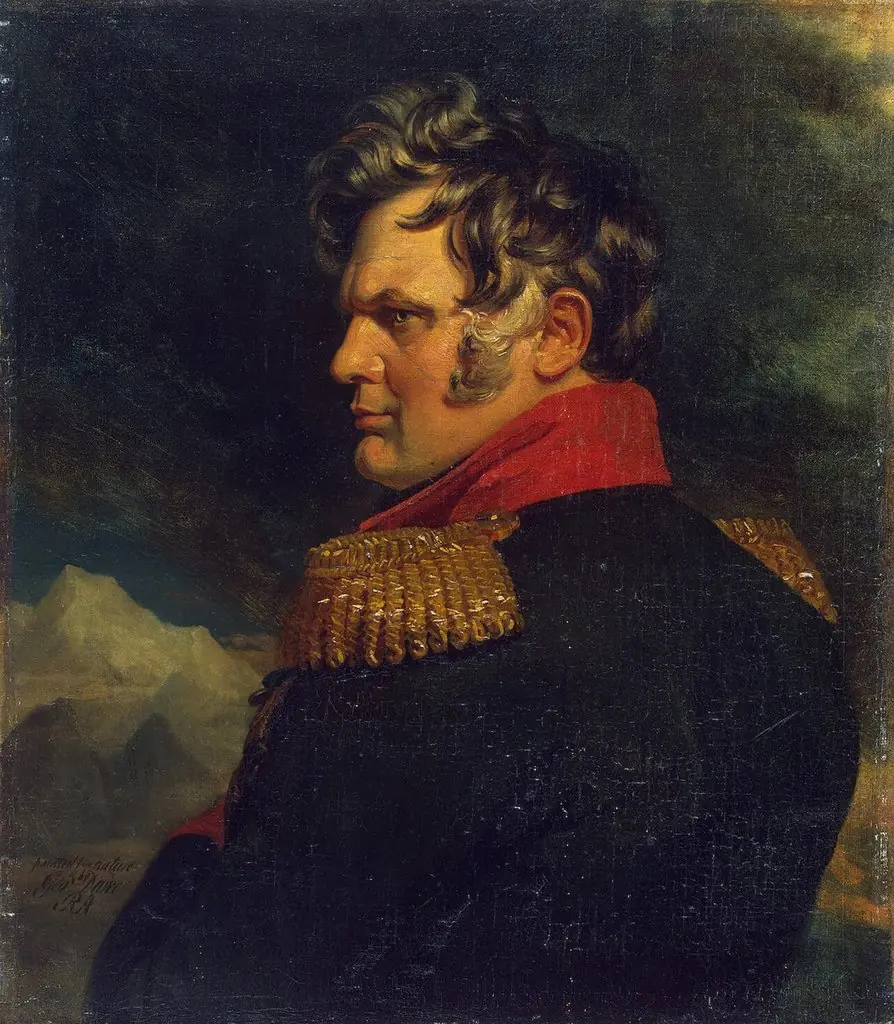 Portrait of Alexei P. Yermolov (1772/77-1861)
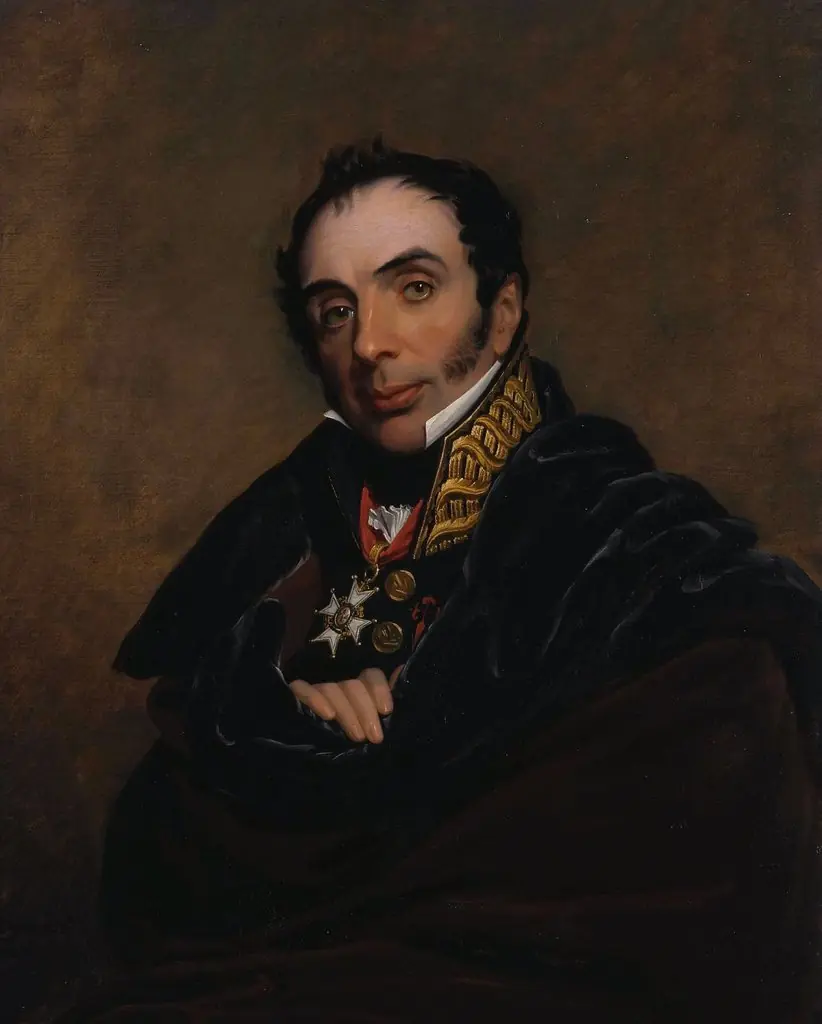 Portrait of Miguel Ricardo de Alava
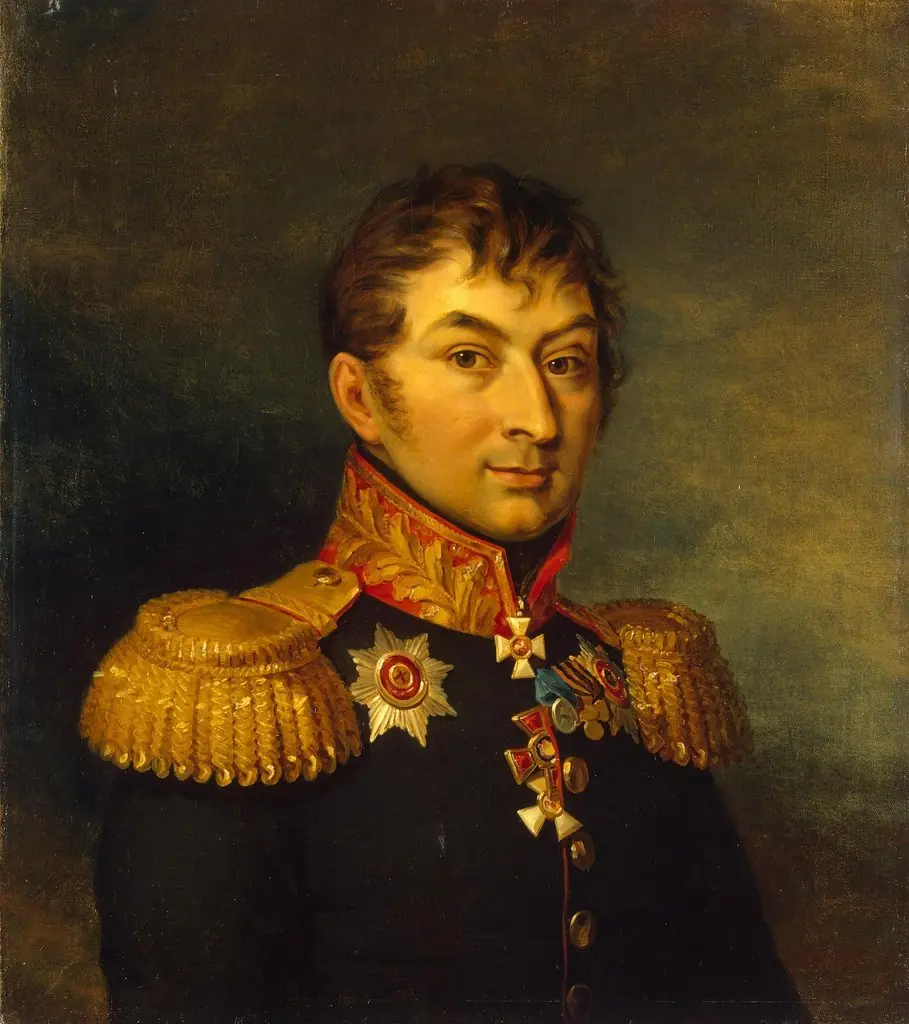 Portrait of Ivan D. Panchulidzev (1759-1815) (1st)
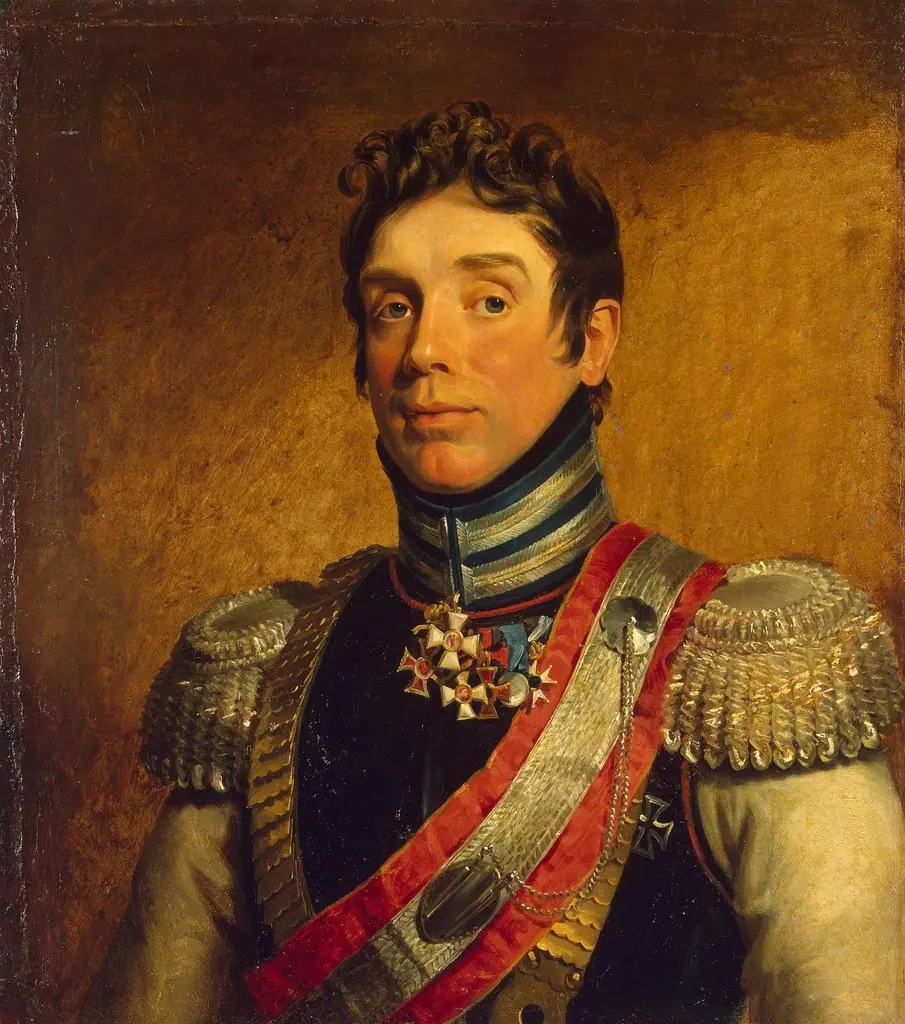 Portrait of Karl V. Budberg (1774-1829)
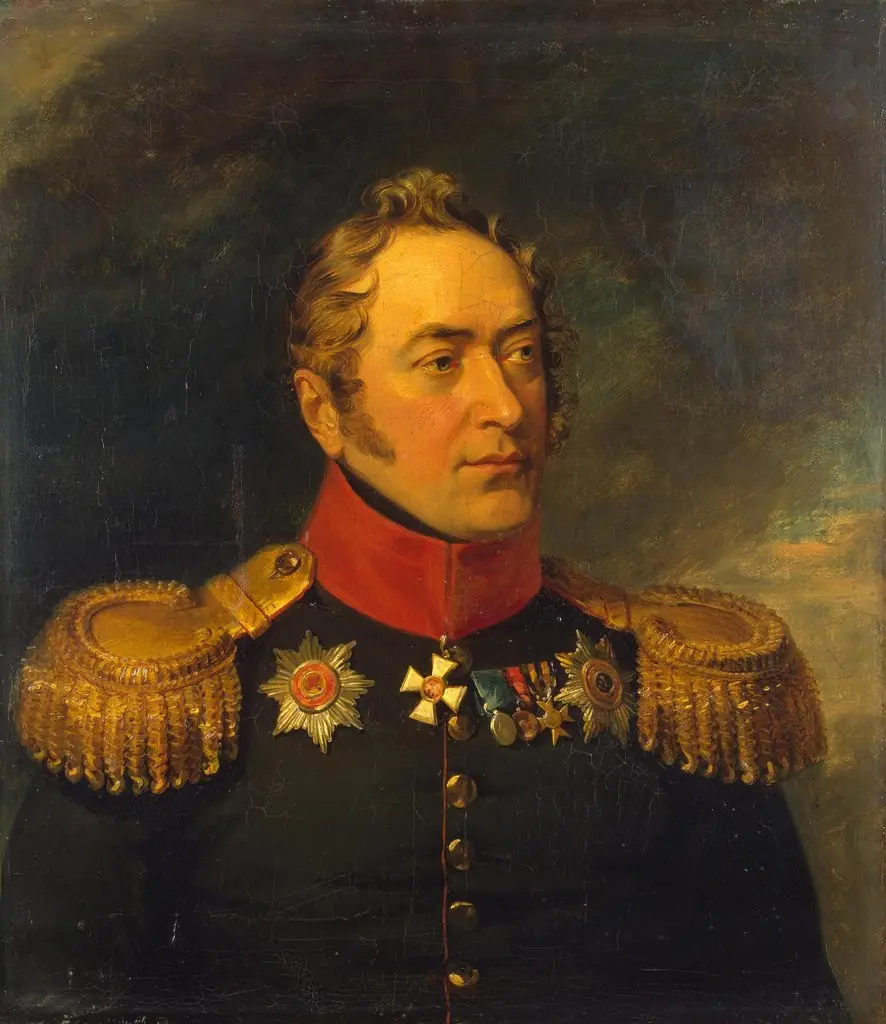 Portrait of Nikolai N. Khovansky (1777-1837)
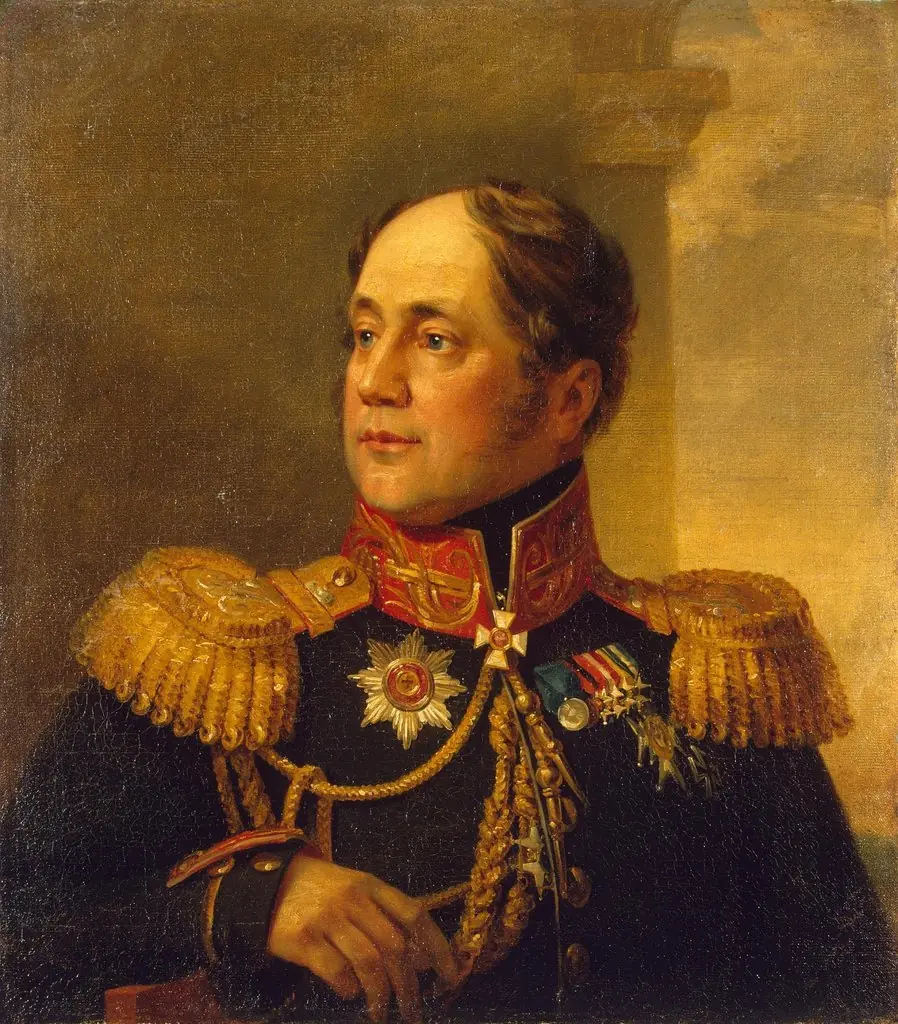 Portrait of Nikolai M. Sipyagin (1785-1828)
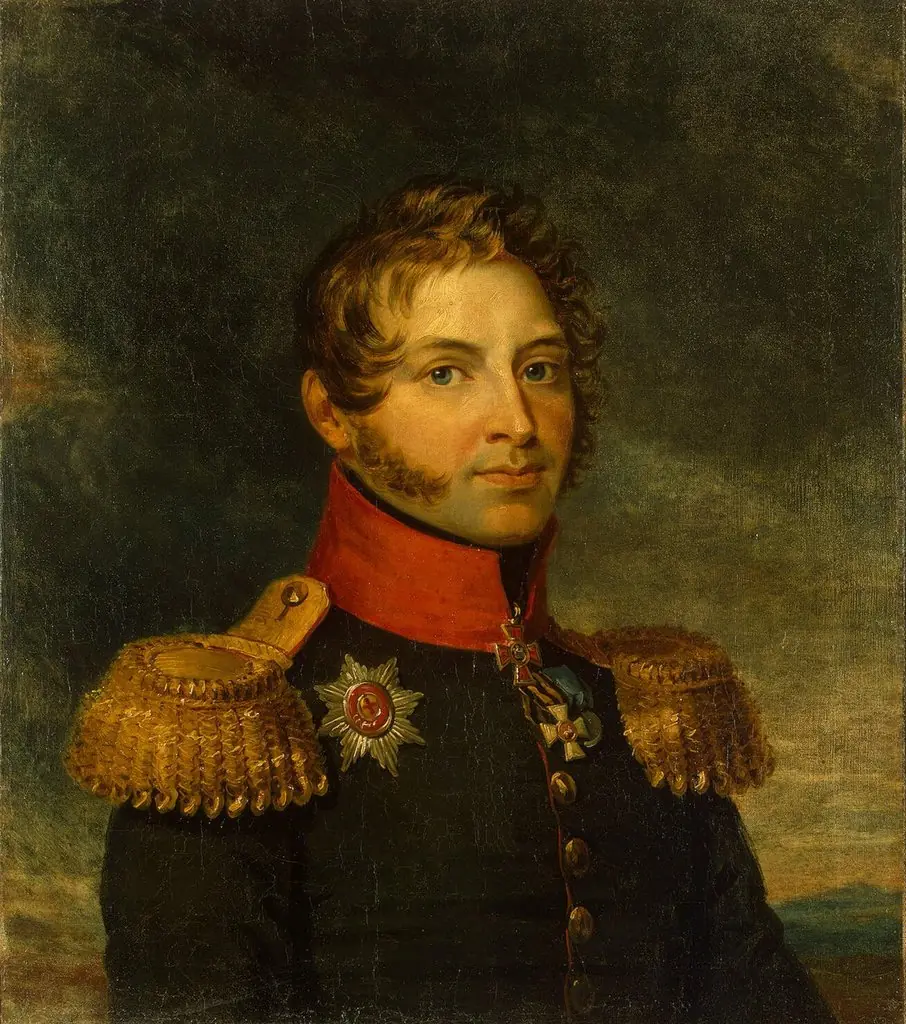 Portrait of Alexander P. Kutuzov (1777-1817)
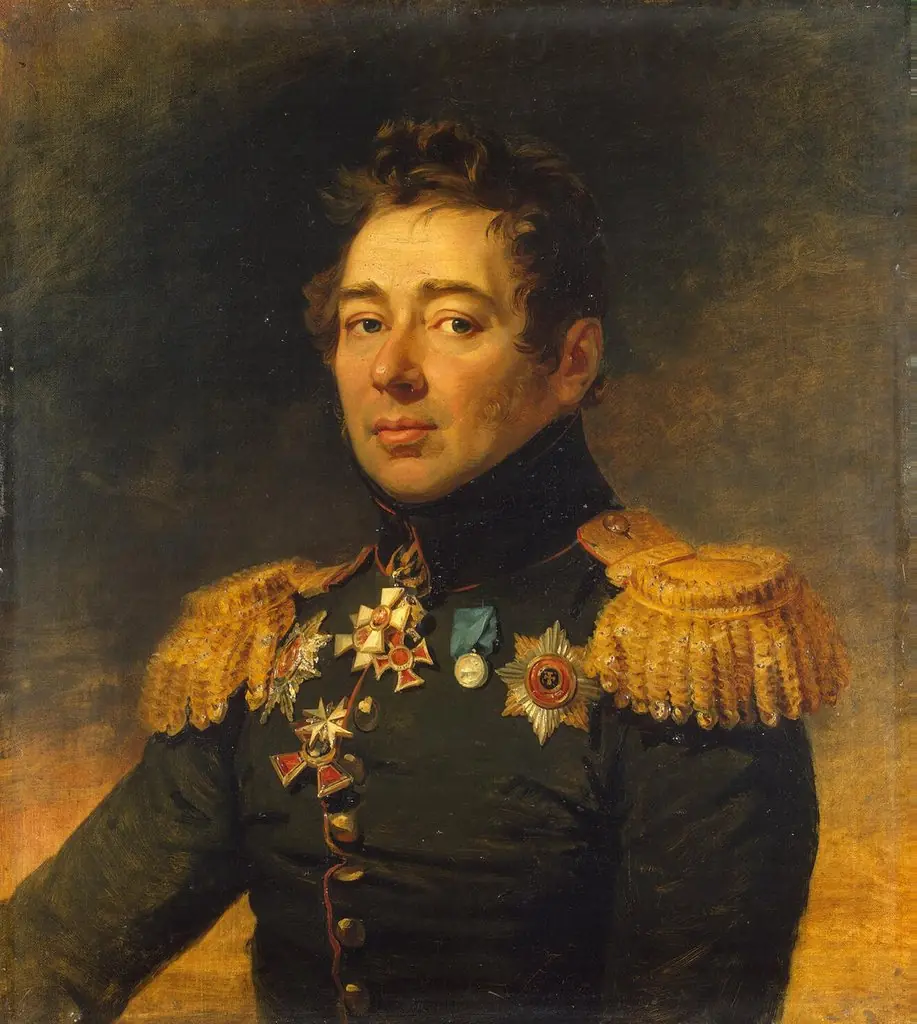 Portrait of Alexey P. Nikitin (1777-1858)
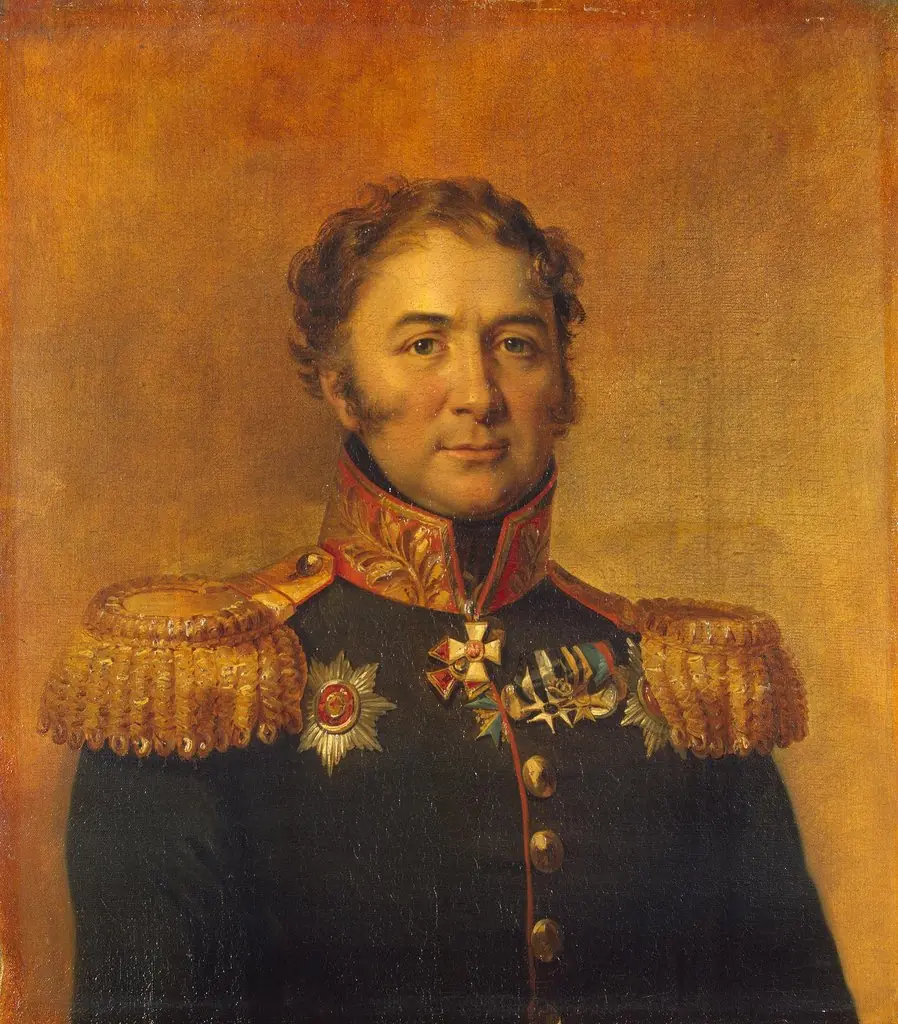 Portrait of Nikolai V. Dekhteryov (1775-1831)
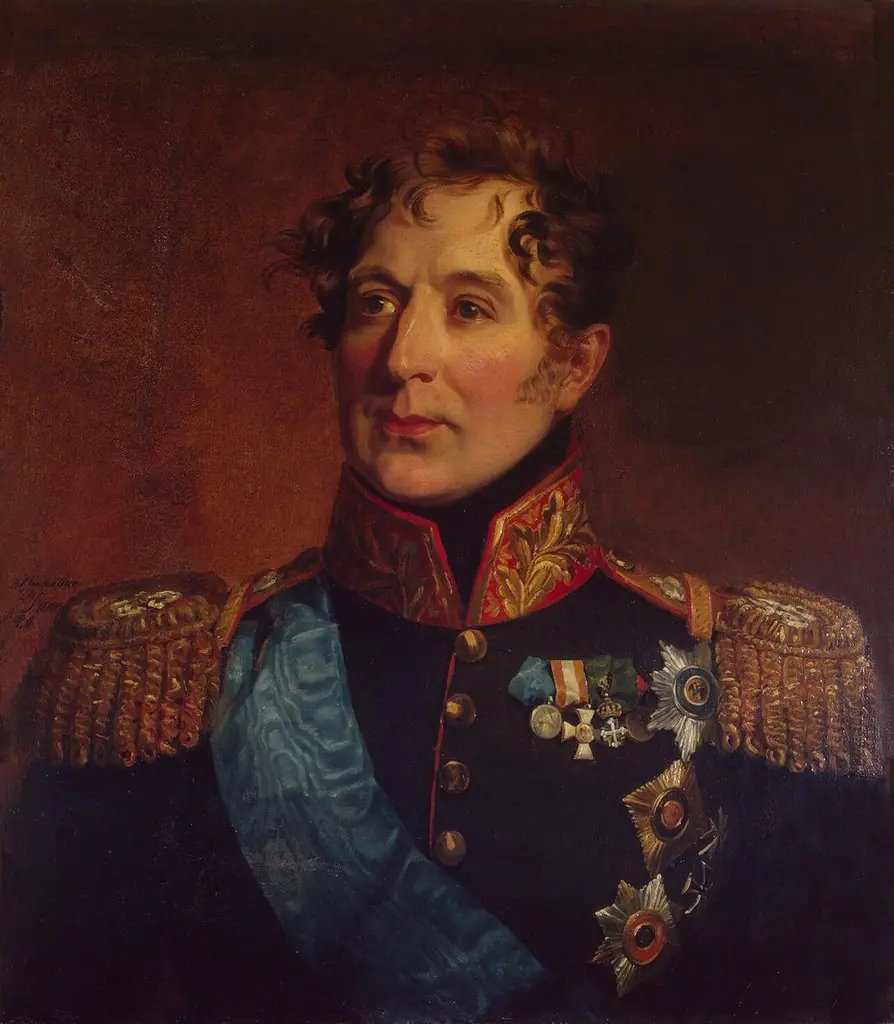 Portrait of Mikhail A. Miloradovich (1771-1825)
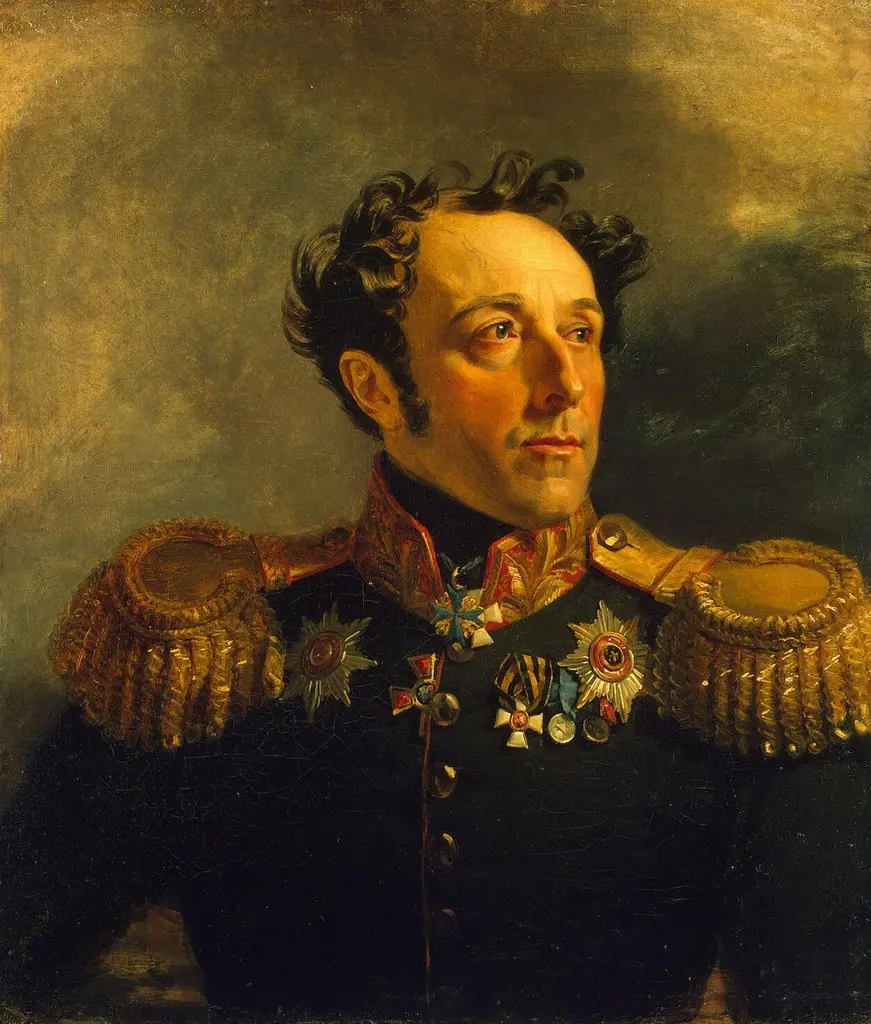 Portrait of Boris Ya. Knyazhnin (1777-1854) (2nd)
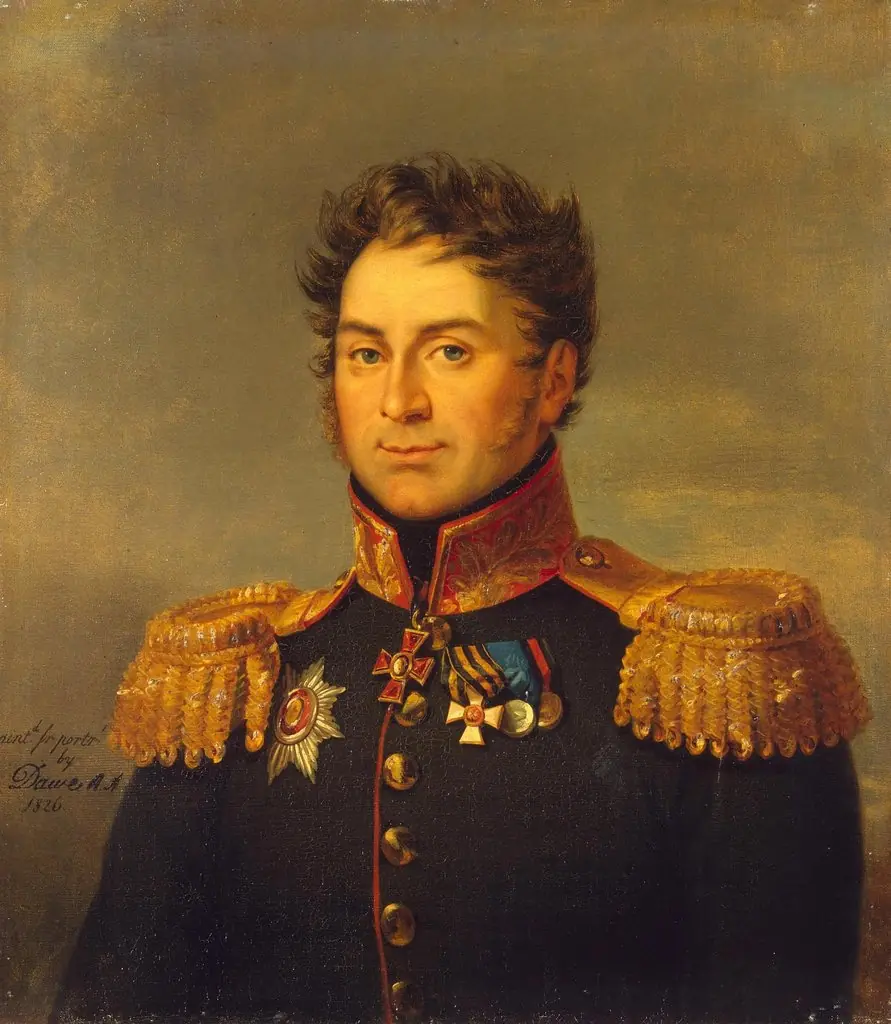 Portrait of Nikolai D. Olsufyev (1779-1817) (3rd)