Artwork
Portrait of Piotr Meller-Zakomelsky (1755-1823)
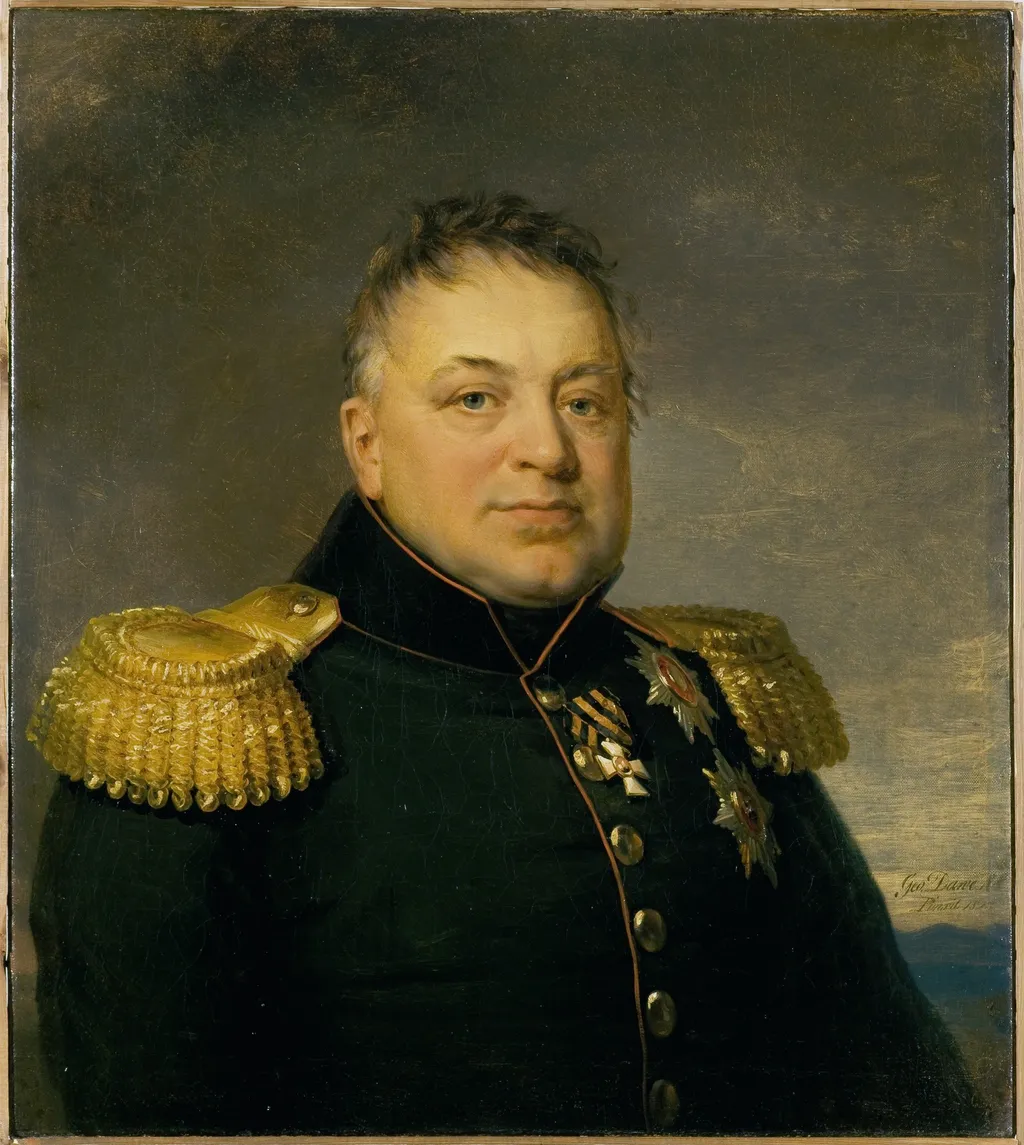
Portrait of Piotr Meller-Zakomelsky (1755-1823) is an oil painting by George Dawe. It dates from 1823 and is held in the collection of the Hermitage Museum.
About this work
Overview
The portrait is part of the State Hermitage Museum’s collection, reflecting Dawe’s role in shaping the visual record of Russia’s imperial elite.
Painted in 1823 by the English artist George Dawe, this oil portrait captures Piotr Meller-Zakomelsky, a Russian military officer. Dawe, who had settled in Saint Petersburg in 1819, was commissioned to document Russian military leadership, and this work emerged during his later years in Russia. The portrait is part of the State Hermitage Museum’s collection, reflecting Dawe’s role in shaping the visual record of Russia’s imperial elite.
Subject & Meaning
Piotr Meller-Zakomelsky, a decorated officer in the Russian army, is portrayed with the formal dignity expected of his rank. His uniform, adorned with medals and gold epaulets, signals service and distinction. The direct gaze and restrained posture convey authority without theatrics. The absence of symbolic props or landscape suggests a focus on identity through attire and bearing, aligning with the era’s military portraiture conventions.
Technique & Style
Dawe employed a precise, realistic technique characteristic of early 19th-century academic portraiture. Facial features and fabric textures—especially the metallic gleam of epaulets and the weave of the jacket—are rendered with careful attention. The background, a muted brown with soft tonal shifts, recedes deliberately to isolate the figure. The brushwork remains controlled, prioritizing clarity over expressive flourish.
History & Provenance
Commissioned during Dawe’s tenure in Saint Petersburg, the portrait was likely created as part of his broader project to document Russian military figures. After completion, it entered the imperial collection and remained within state custody. It was later transferred to the Hermitage Museum, where it has been preserved as part of the institution’s 19th-century portrait holdings, with no known changes in ownership since the 1820s.
Context
Dawe’s work in Russia coincided with a state-driven effort to visually consolidate the legacy of the Napoleonic Wars’ victors. Portraits like this one were not merely personal tributes but instruments of national memory. The emphasis on uniform and insignia mirrored official protocols for recognizing military merit, reinforcing hierarchy and loyalty within the imperial structure.
Legacy
Though less widely known outside Russia, Dawe’s portraits, including this one, remain significant for their role in documenting the Russian officer class. His methodical approach influenced later state-sponsored portraiture in the empire. The painting endures as a quiet but precise record of a military career embedded in the institutional culture of early 19th-century Russia.
Artist & collection
Artist
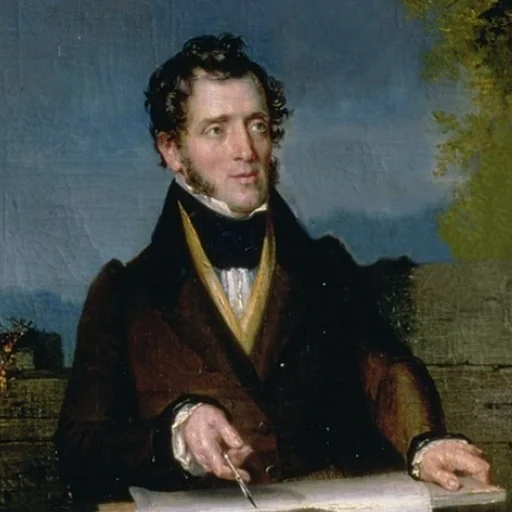
George Dawe (6 February 1781 – 15 October 1829) was an English portraitist who painted 329 portraits of Russian generals active during Napoleon's invasion of Russia for the Military Gallery of the Winter Palace.

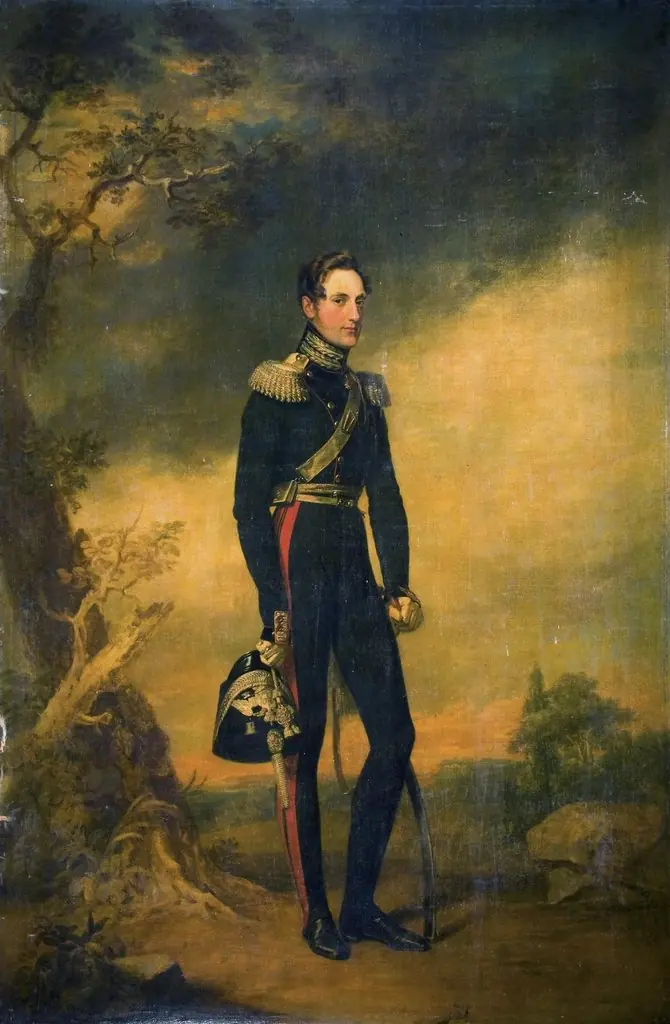 Portrait of Grand Duke Nikolai Pavlovich
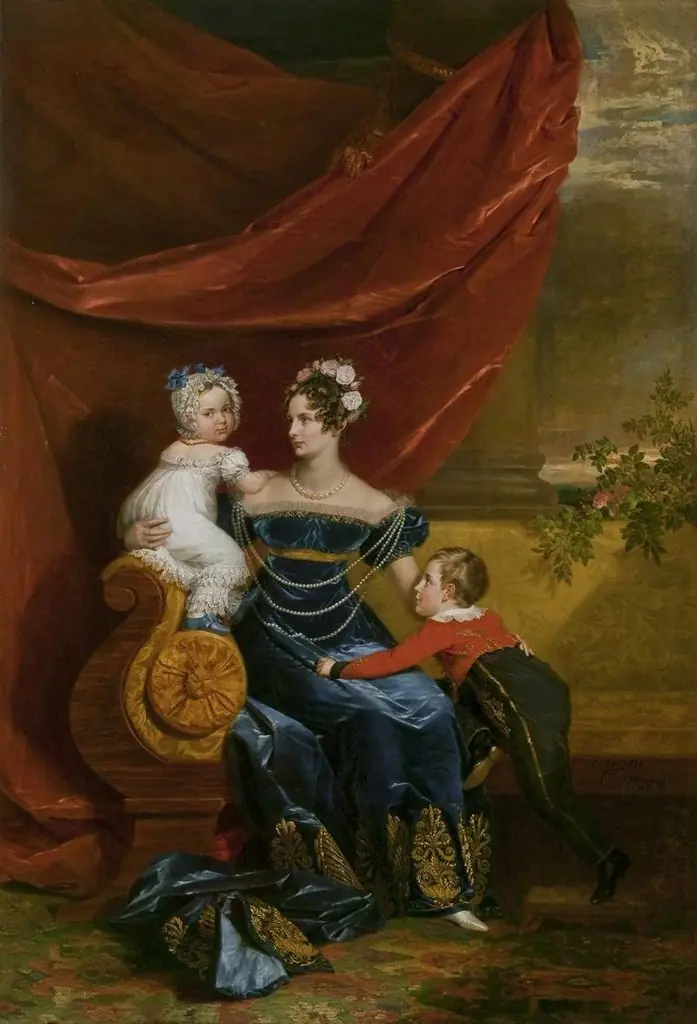 Portrait of Grand Duchess Alexandra Fiodorovna with Children
 Portrait of the Empress Dowager Maria Feodorovna
 Portrait of Yegor M. Pillar (1767-1830)
 Portrait of Alexei P. Yermolov (1772/77-1861)
 Portrait of Miguel Ricardo de Alava
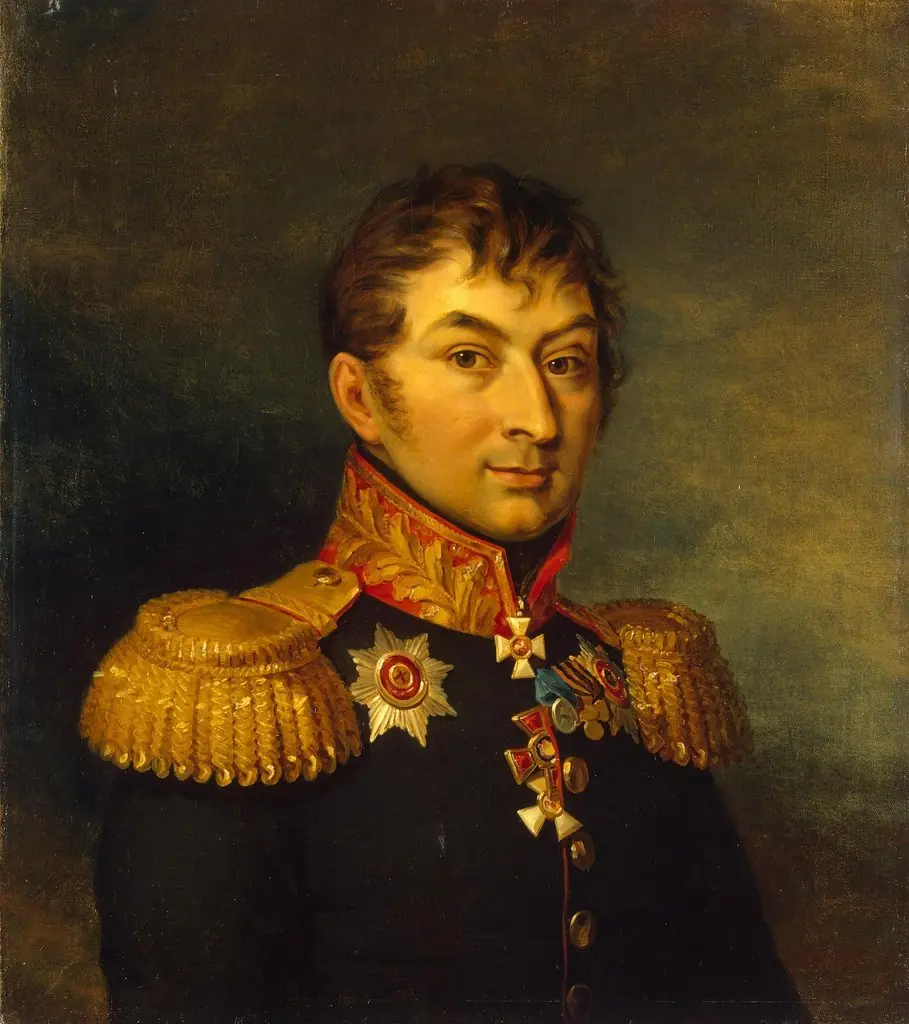 Portrait of Ivan D. Panchulidzev (1759-1815) (1st)
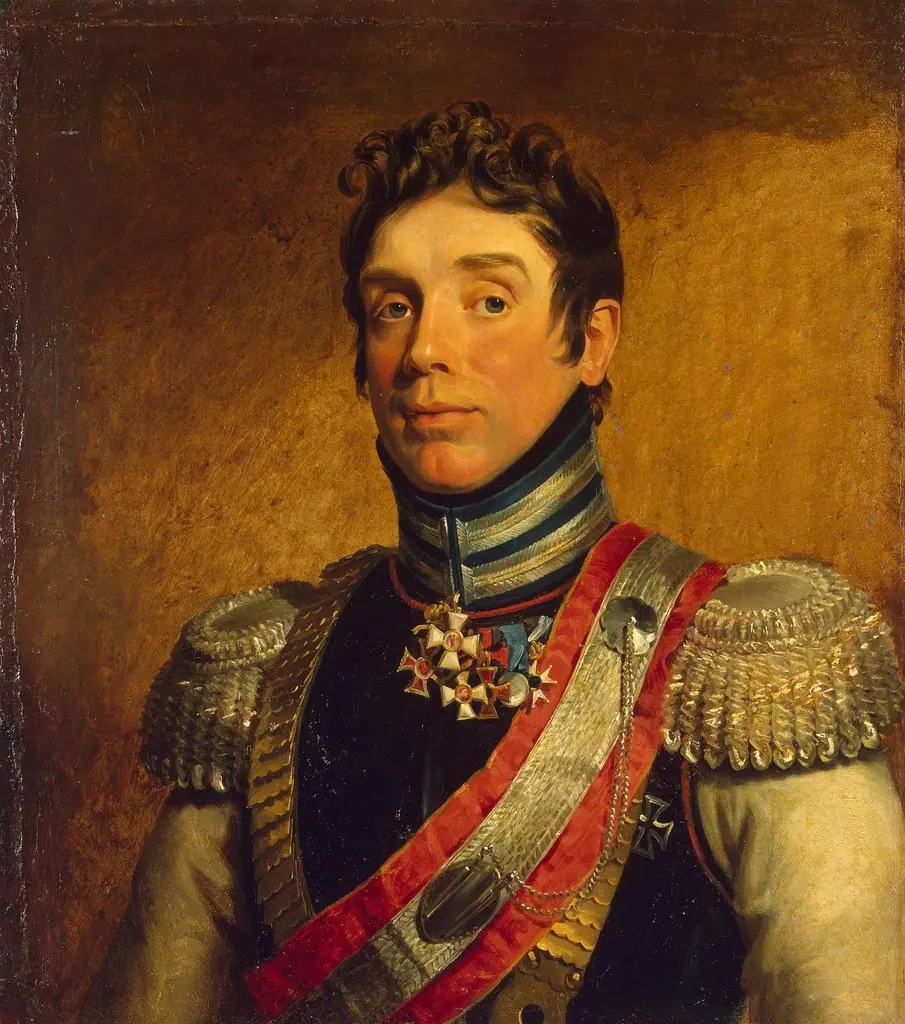 Portrait of Karl V. Budberg (1774-1829)
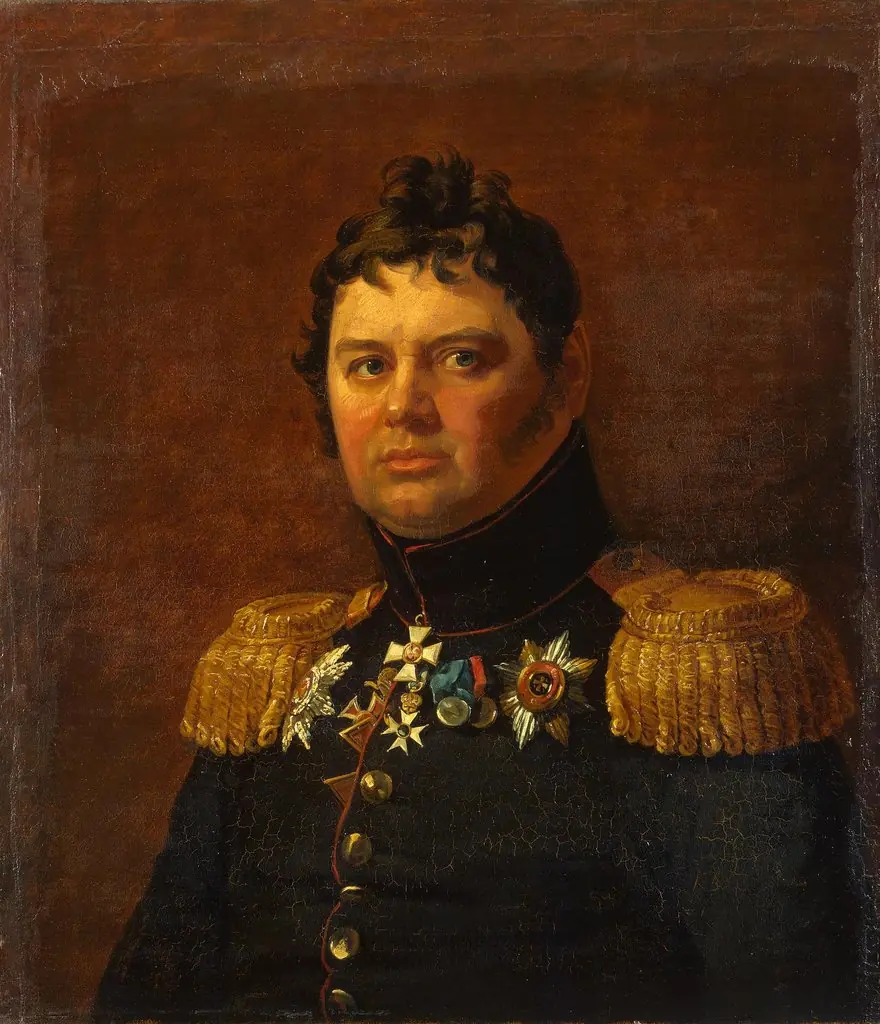 Portrait of Karl F. Loevenstern (1770/71-1840)
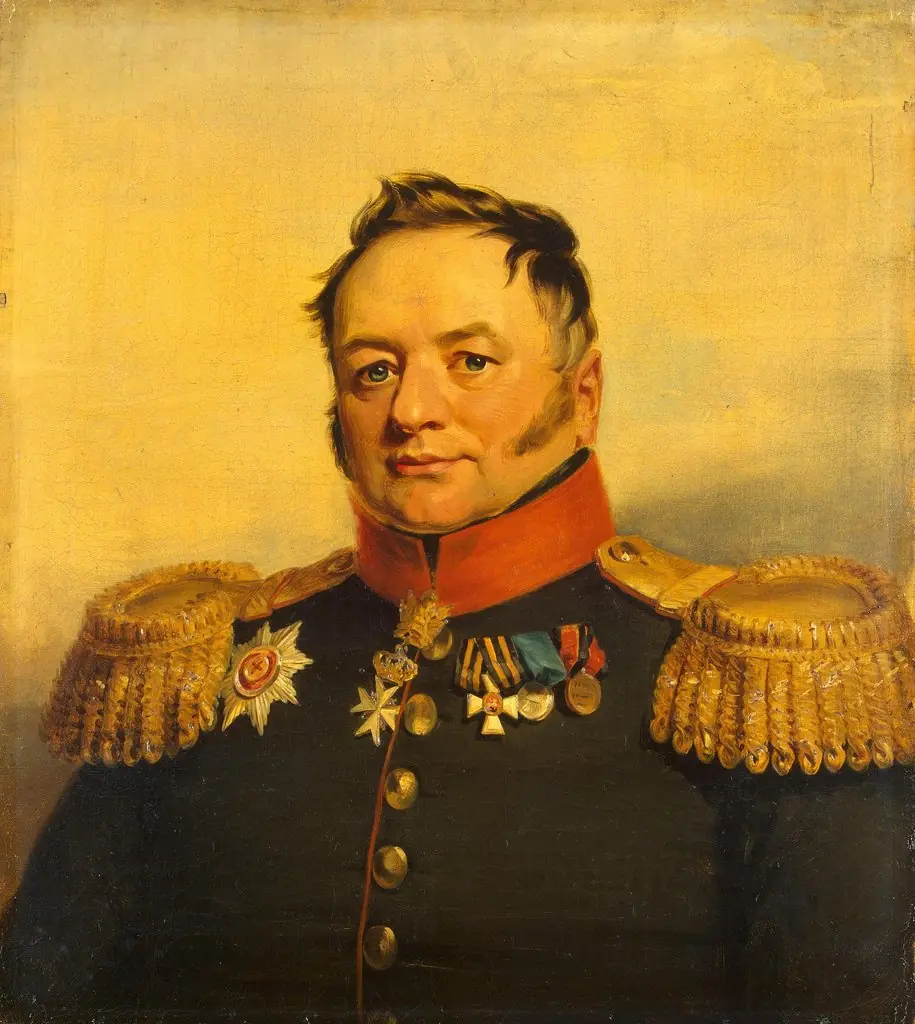 Portrait of Pavel A. Tuchkov (1775/76-1858) (3rd)
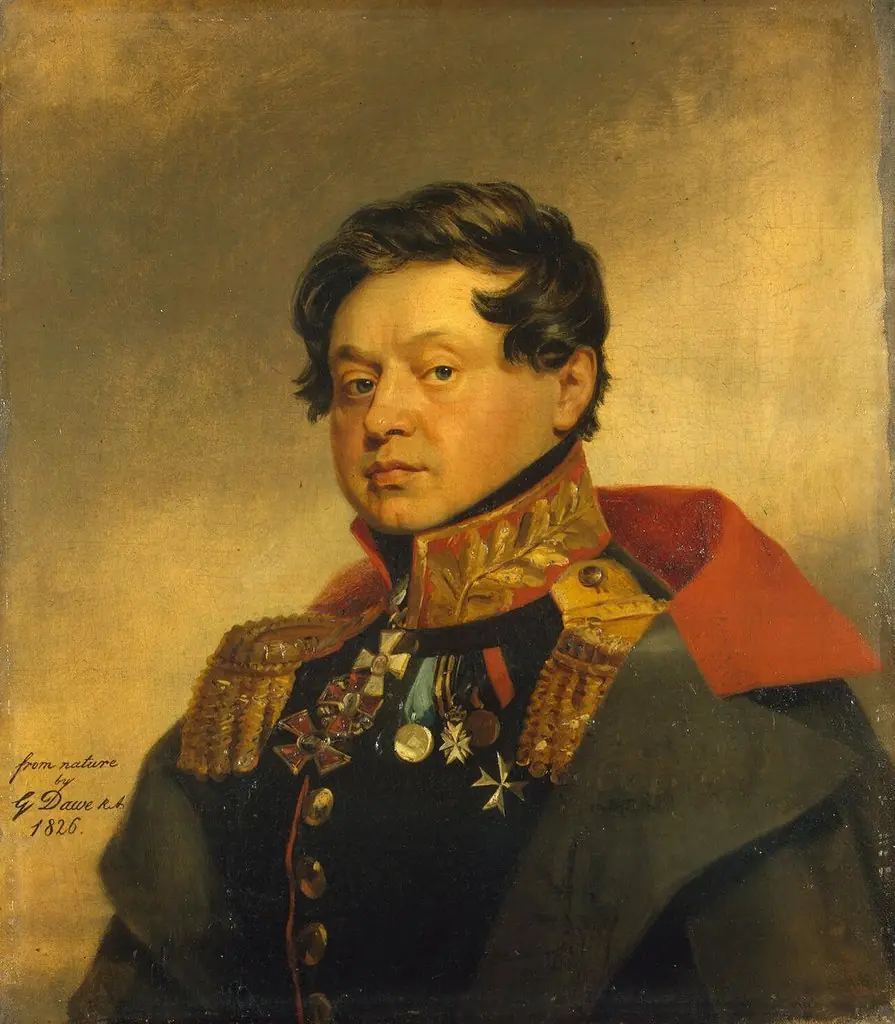 Portrait of Fyodor I. Masolov (17671-1844)
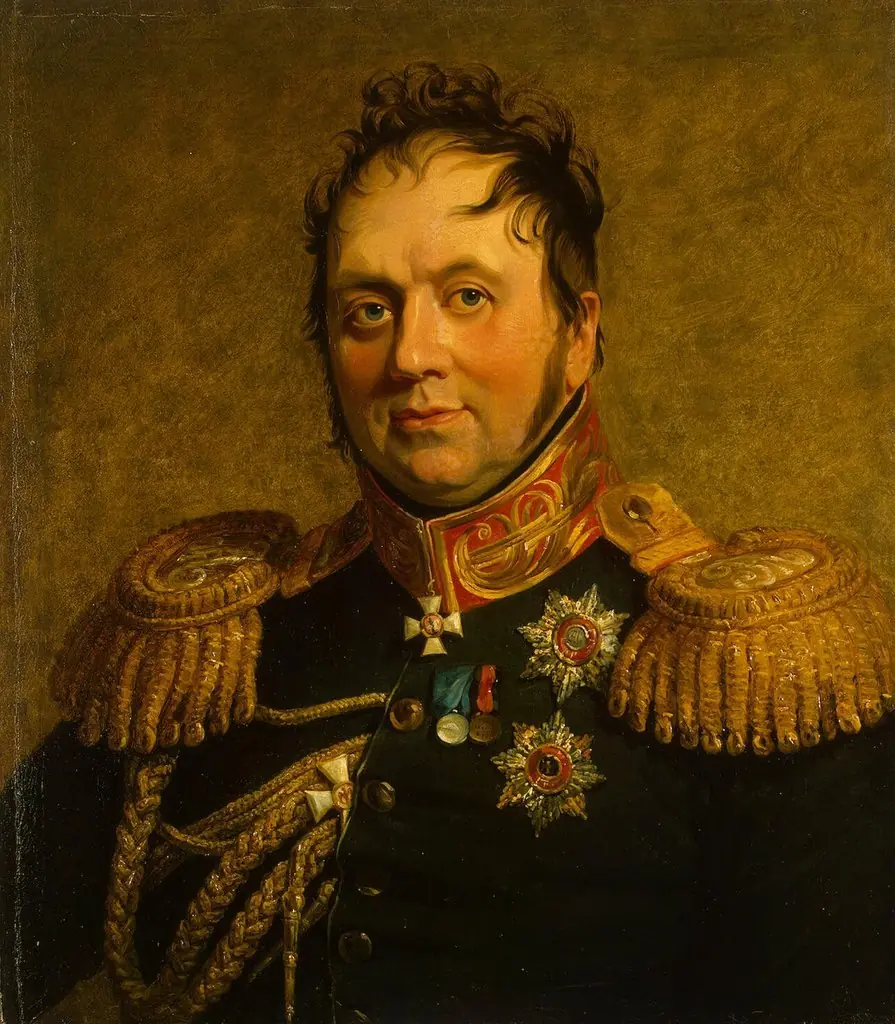 Portrait of Fyodor K. Korff (1773/74-1823)
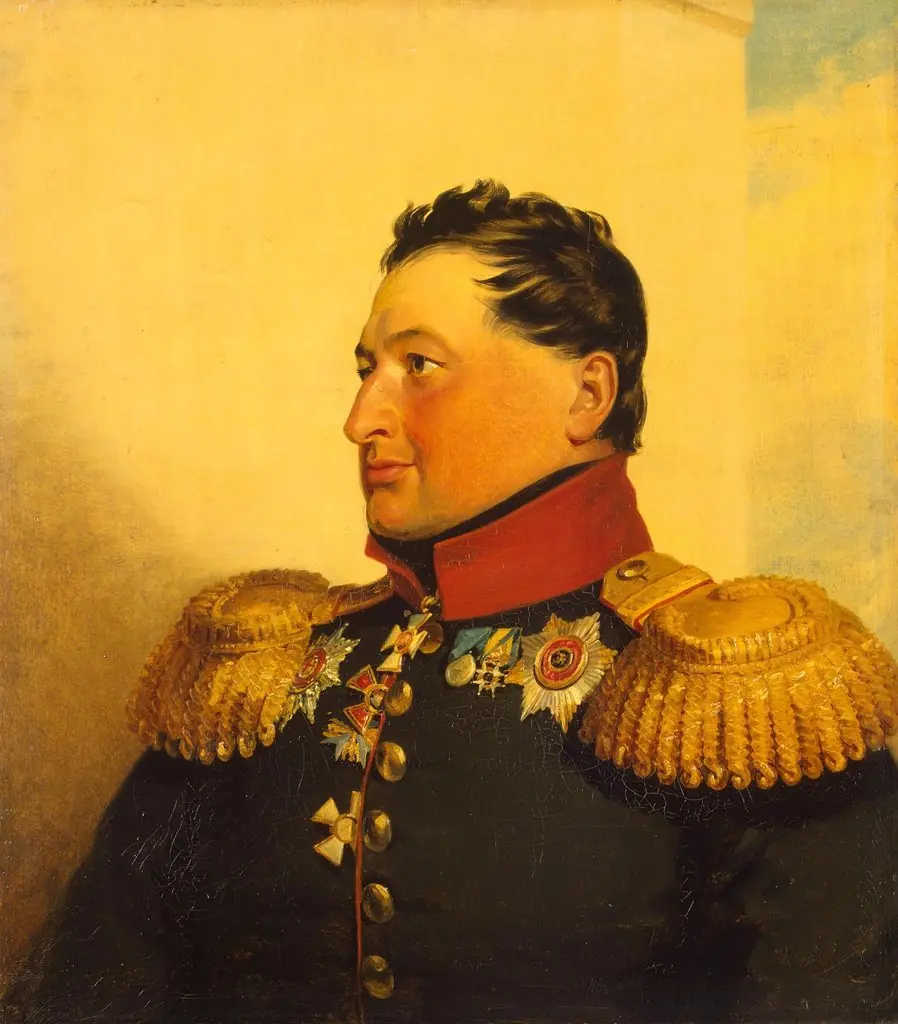 Portrait of Pavel P. Turchaninov (1776-1839) (1st)
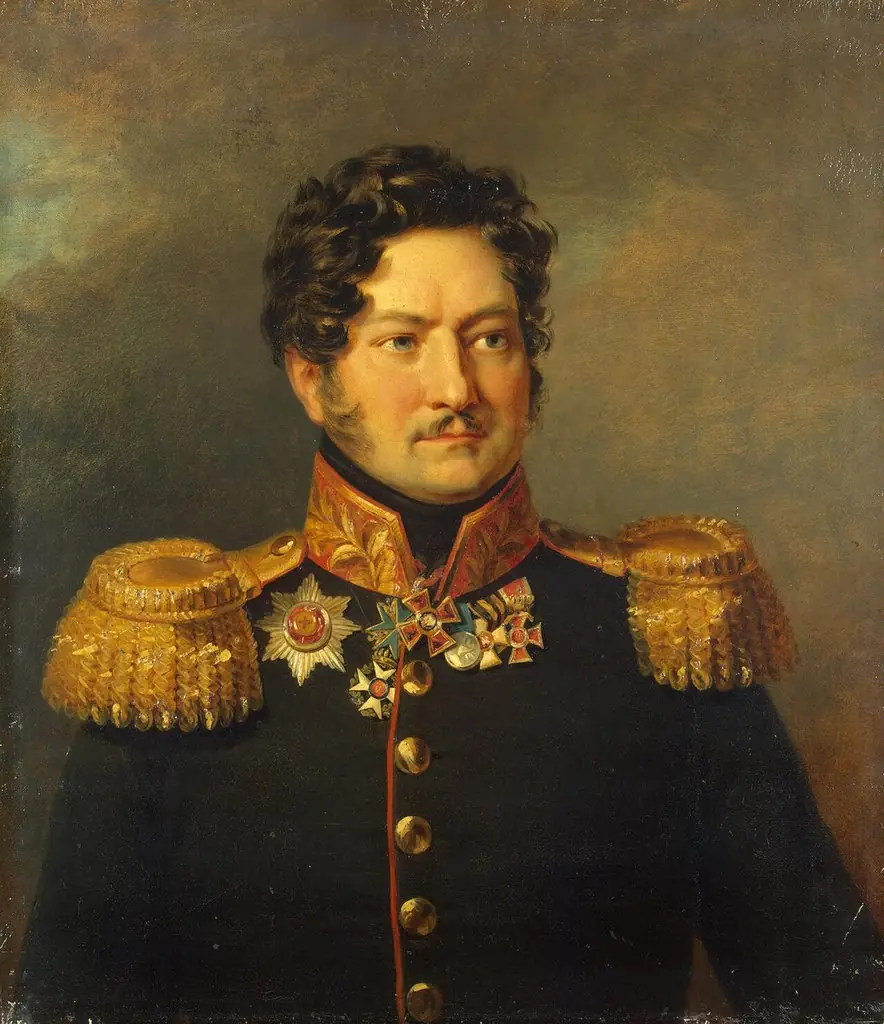 Portrait of Dmitry L. Ignatyev (1771-1833)
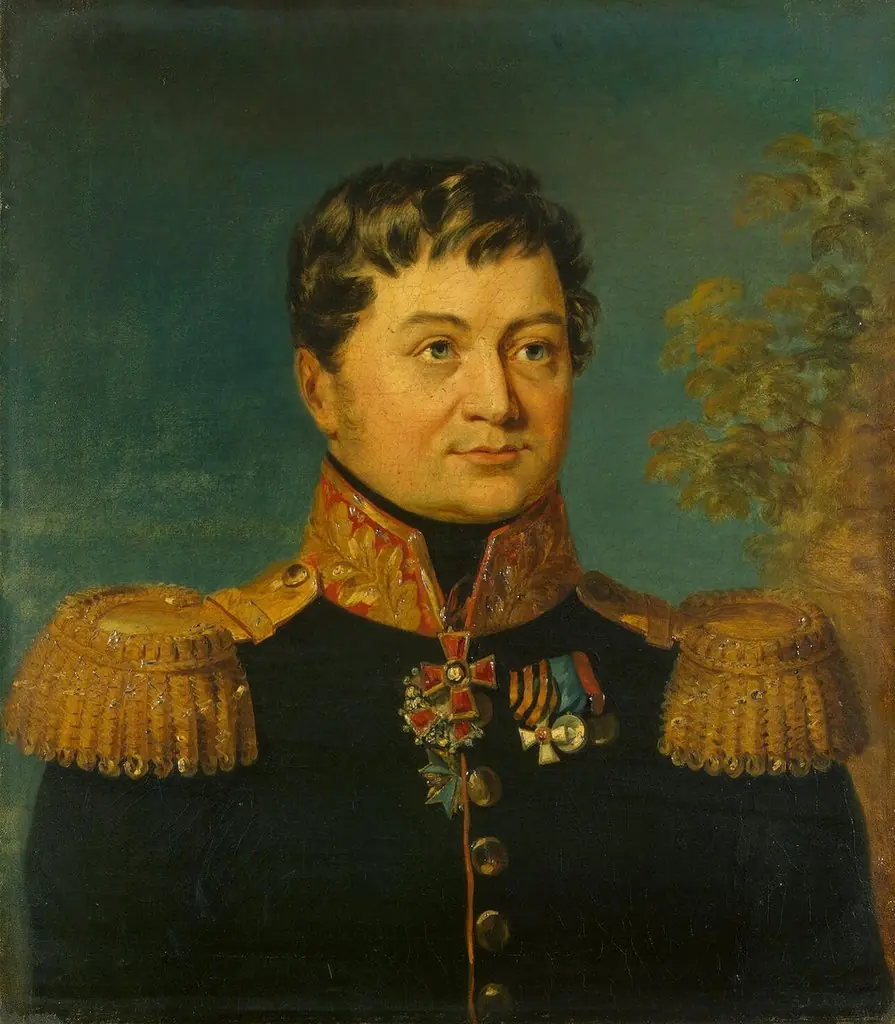 Portrait of Andrey P. Turchaninov (1779 -1830) (2nd)
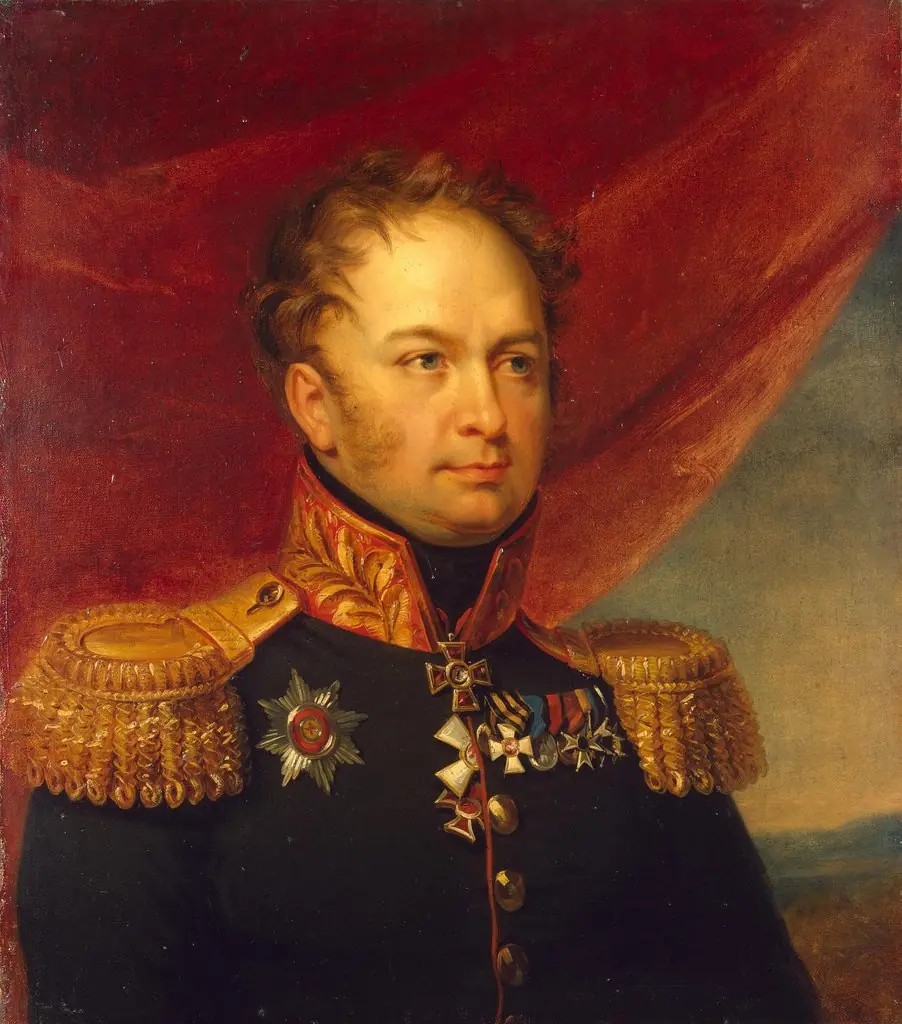 Portrait of Mikhail F. Vlodek (1780-1849)
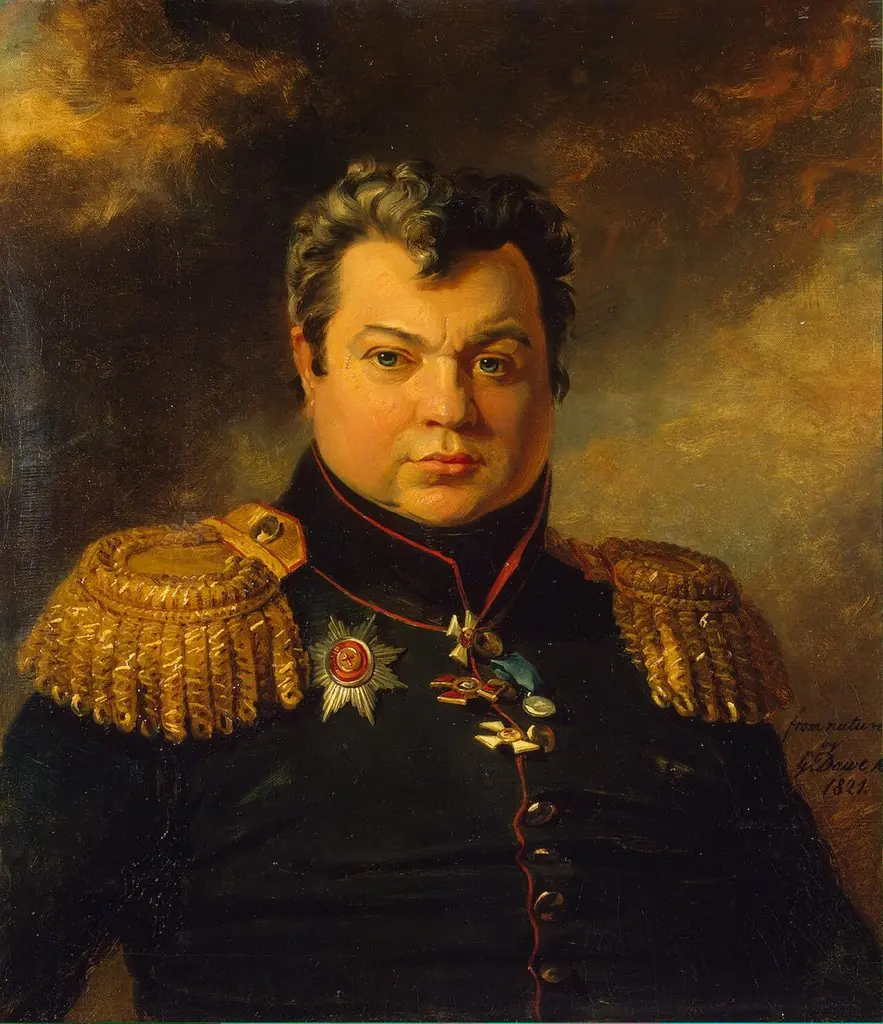 Portrait of Gavriil P. Veselitsky (1774-1829)
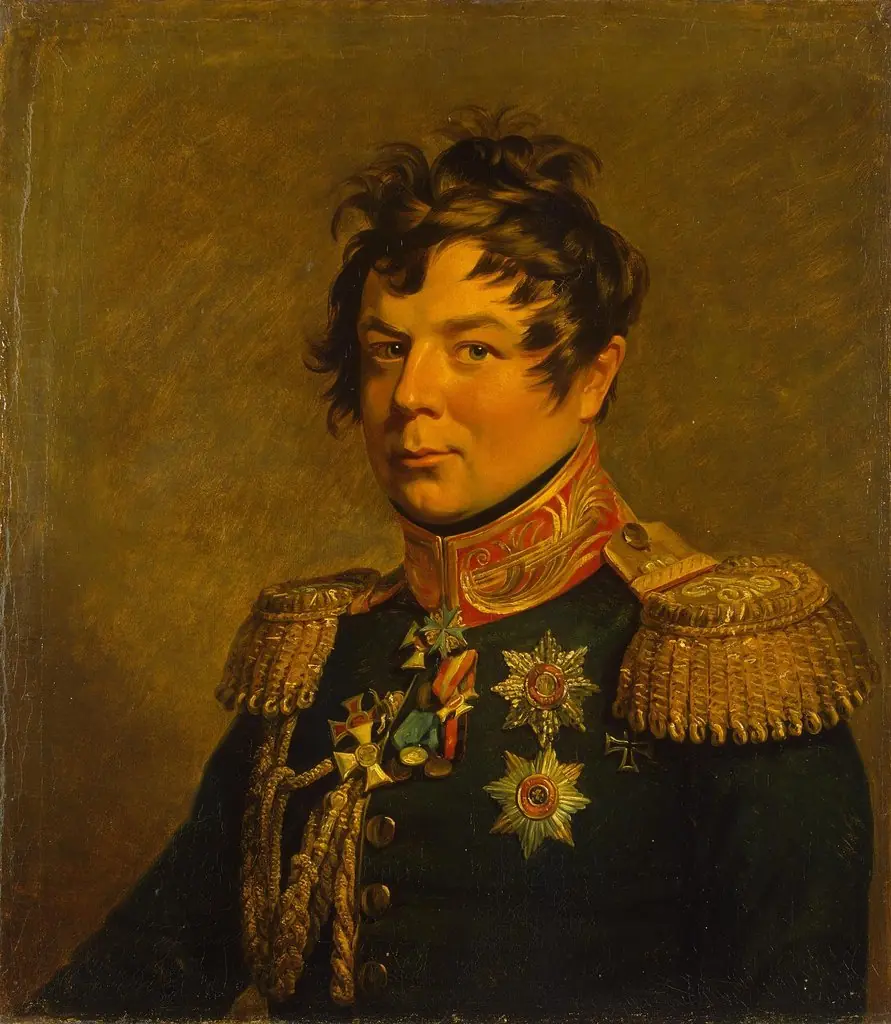 Portrait of Ivan I. Diebitsch-Zabalkansky (1785-1831)
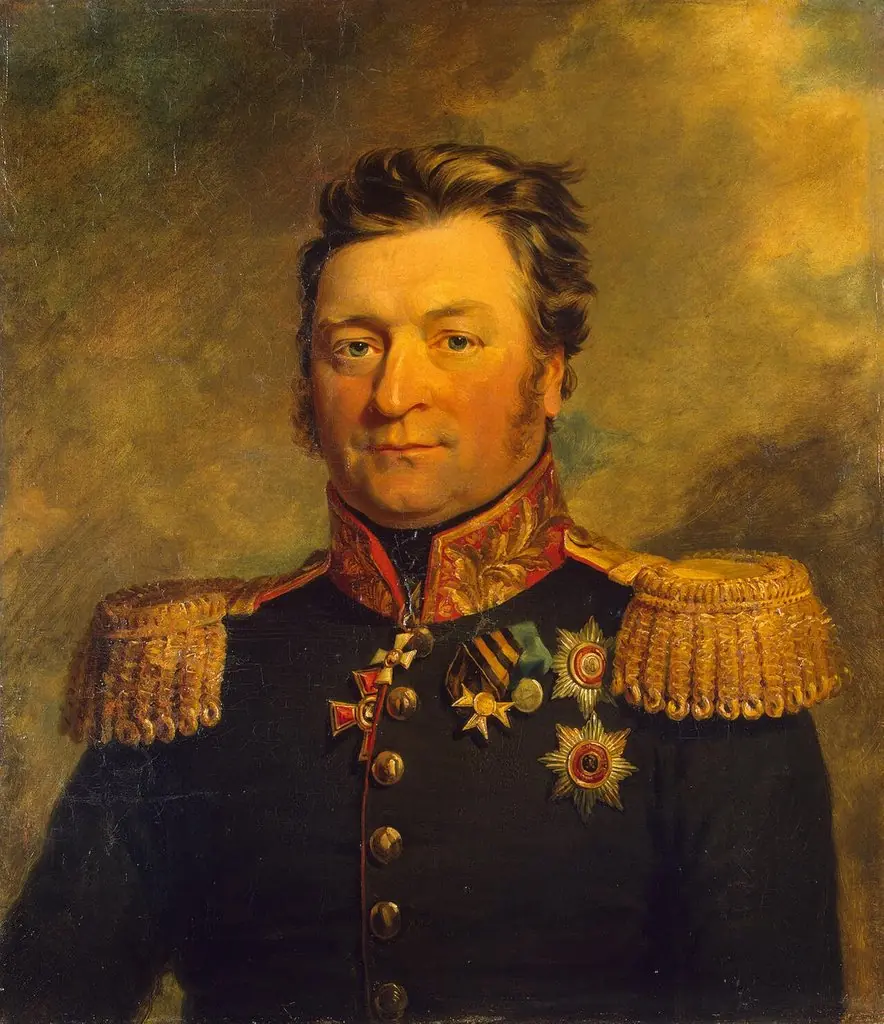 Portrait of Alexander L. Voinov (1768/70-1832)
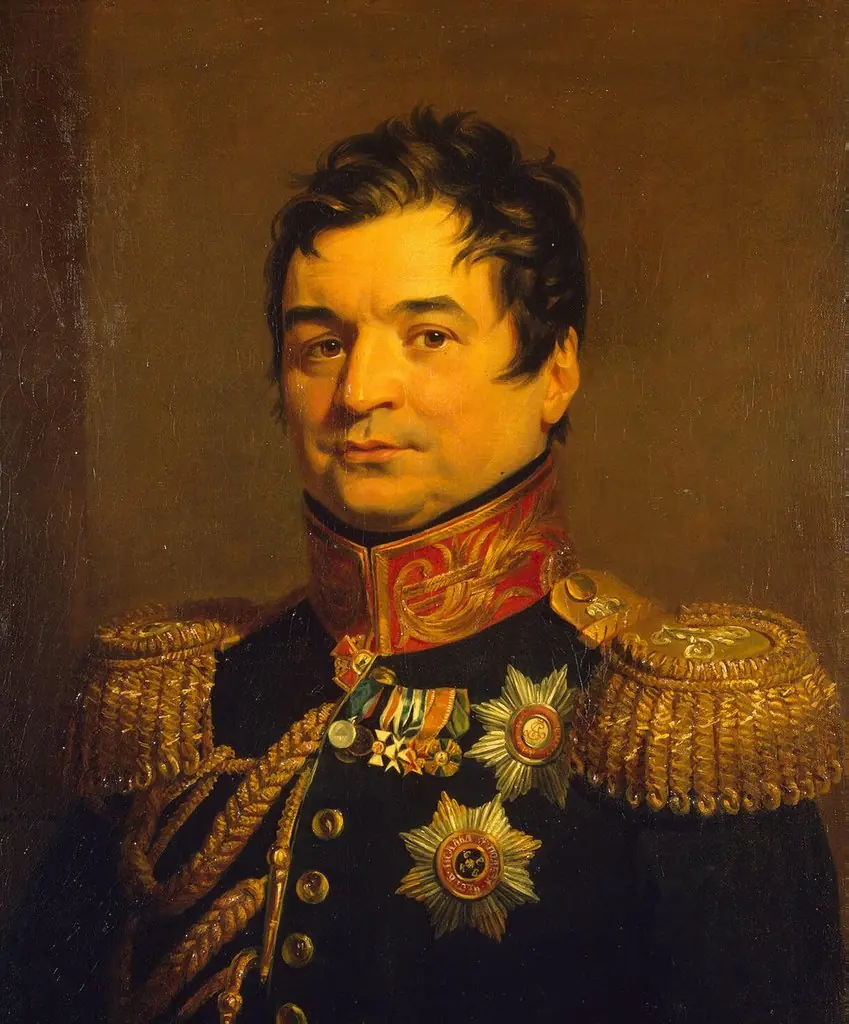 Portrait of Alexander D. Balashov (1770-1837)