Artwork
Portrait of Vasily Lavrentyev (?-1843)
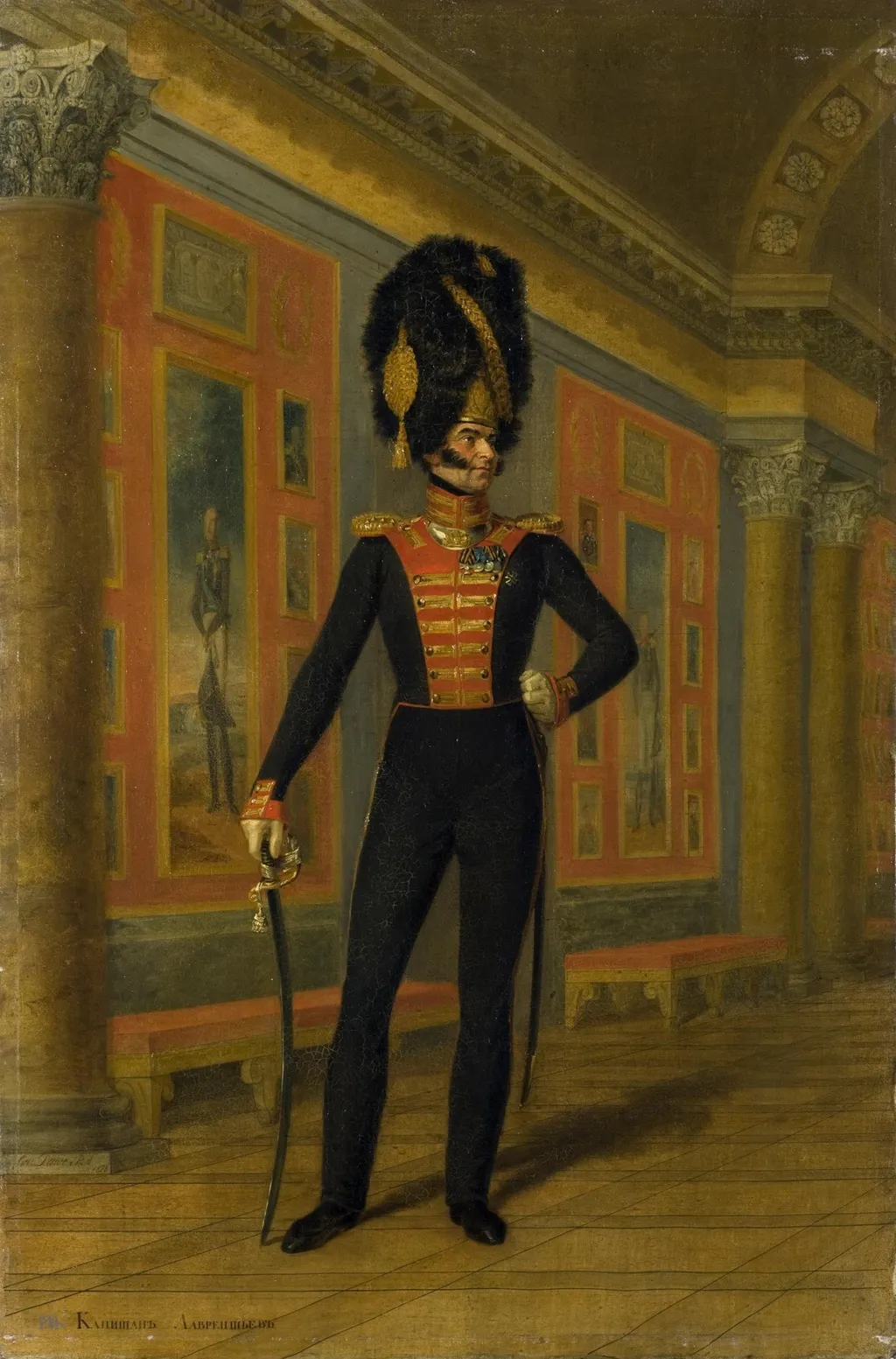
Portrait of Vasily Lavrentyev (?-1843) is an oil painting by George Dawe. It dates from 1828 and is held in the collection of the Hermitage Museum.
About this work
Overview
Painted in 1828 by the English artist George Dawe, this oil portrait depicts Vasily Lavrentyev, a Russian military officer. Dawe, who settled in Saint Petersburg in 1819, was commissioned by the imperial court to document the faces of officers who served in the Napoleonic Wars. This work is one of hundreds produced under that project and now resides in the State Hermitage Museum’s collection.
Subject & Meaning
The sword, medal, and ornate uniform elements—gold epaulets, buttons, and a decorated hat—emphasize his status within the imperial army.
The subject, identified as Vasily Lavrentyev, is portrayed in full military regalia, signifying his rank and service. His serious expression, softened by a faint smile, conveys composure and quiet dignity. The sword, medal, and ornate uniform elements—gold epaulets, buttons, and a decorated hat—emphasize his status within the imperial army. The setting, richly detailed but not ostentatious, frames him as a disciplined officer of the post-Napoleonic era.
Technique & Style
Dawe employs chiaroscuro to model the figure with subtle gradations of light and shadow, lending volume to the uniform and face. The textures of silk, metal, and fabric are rendered with precision, while the background’s red and gold walls and tiled floor establish spatial depth without distraction. The brushwork remains controlled and refined, typical of academic portraiture, yet avoids excessive ornamentation, focusing on the subject’s presence.
History & Provenance
Commissioned as part of a state-sponsored project to commemorate Russian military leaders, the portrait entered the Hermitage’s collection shortly after its completion. Dawe’s extensive series of 329 general portraits was assembled under imperial patronage and intended for display in the Military Gallery of the Winter Palace. This work remained in state custody, preserving its historical context and institutional significance.
Context
Dawe’s work emerged during a period when Russia sought to visually consolidate its military legacy after the Napoleonic Wars. Portraiture served not merely as personal commemoration but as state propaganda, reinforcing national identity through the depiction of loyal officers. His English training brought a neoclassical clarity to Russian imperial imagery, bridging Western techniques with local subject matter.
Legacy
Though less known outside Russia, Dawe’s portrait series remains one of the most comprehensive visual records of early 19th-century Russian military leadership. This portrait contributes to that archive, offering insight into the aesthetics of rank and the cultural priorities of the imperial court. Its preservation in the Hermitage ensures continued access for historical and artistic study.
Own this work as a print
Artist & collection
Artist
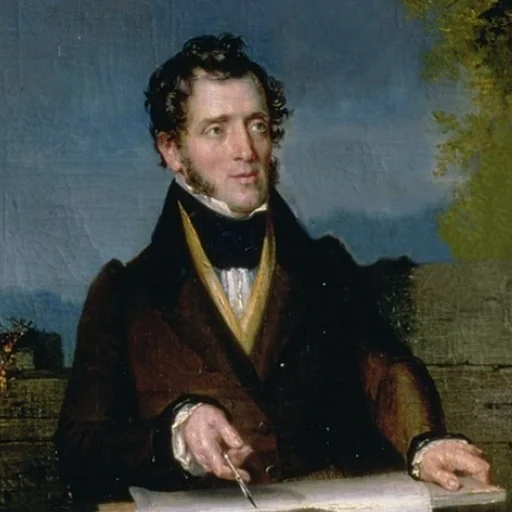
George Dawe (6 February 1781 – 15 October 1829) was an English portraitist who painted 329 portraits of Russian generals active during Napoleon's invasion of Russia for the Military Gallery of the Winter Palace.

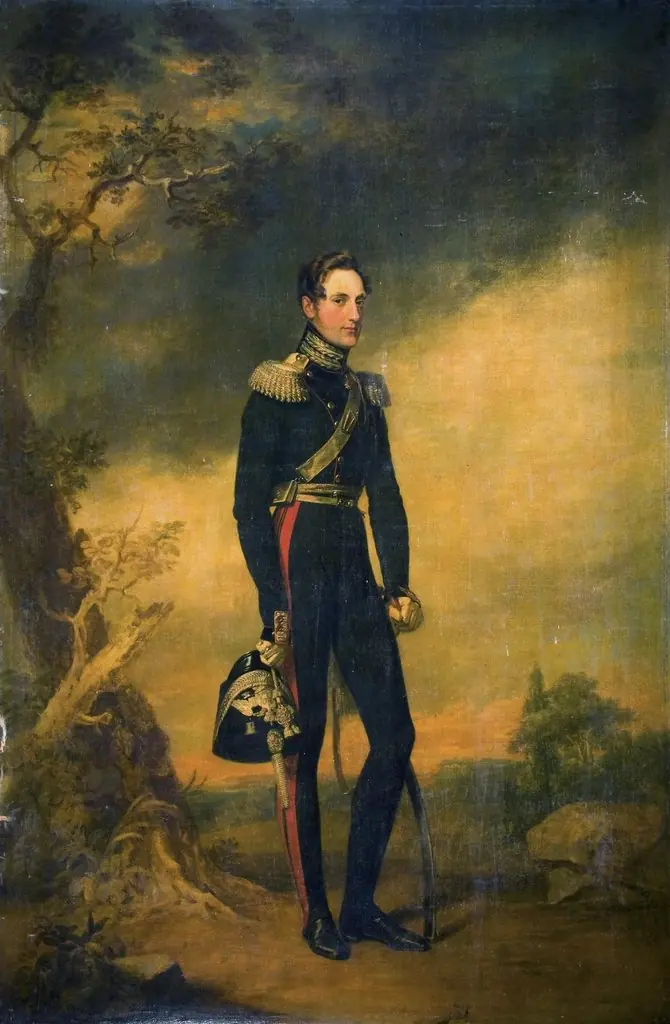 Portrait of Grand Duke Nikolai Pavlovich
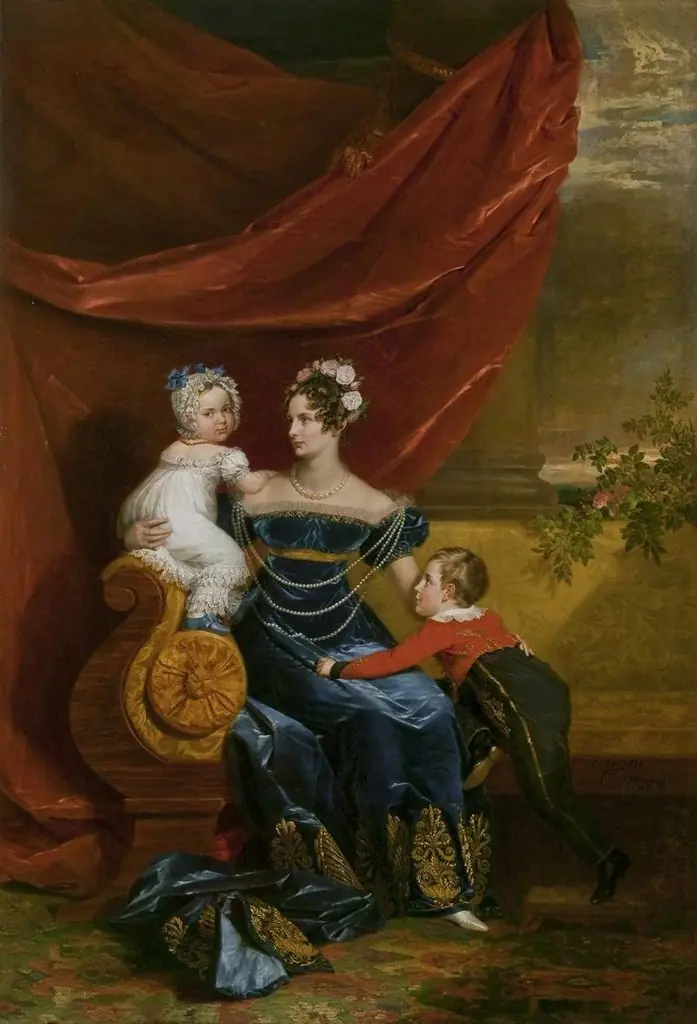 Portrait of Grand Duchess Alexandra Fiodorovna with Children
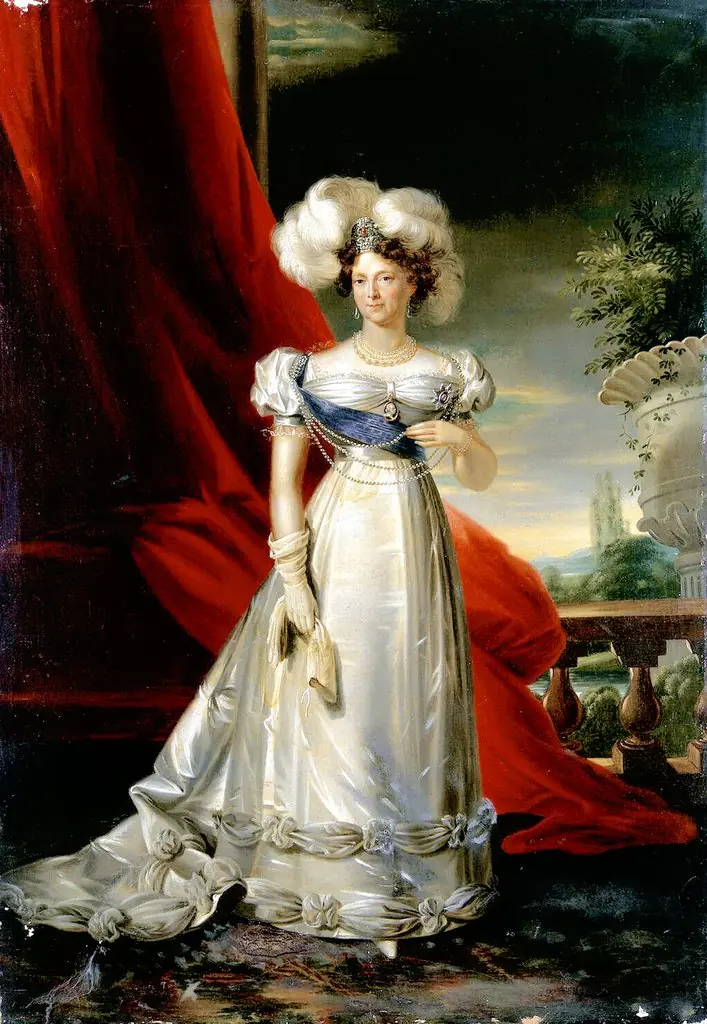 Portrait of the Empress Dowager Maria Feodorovna
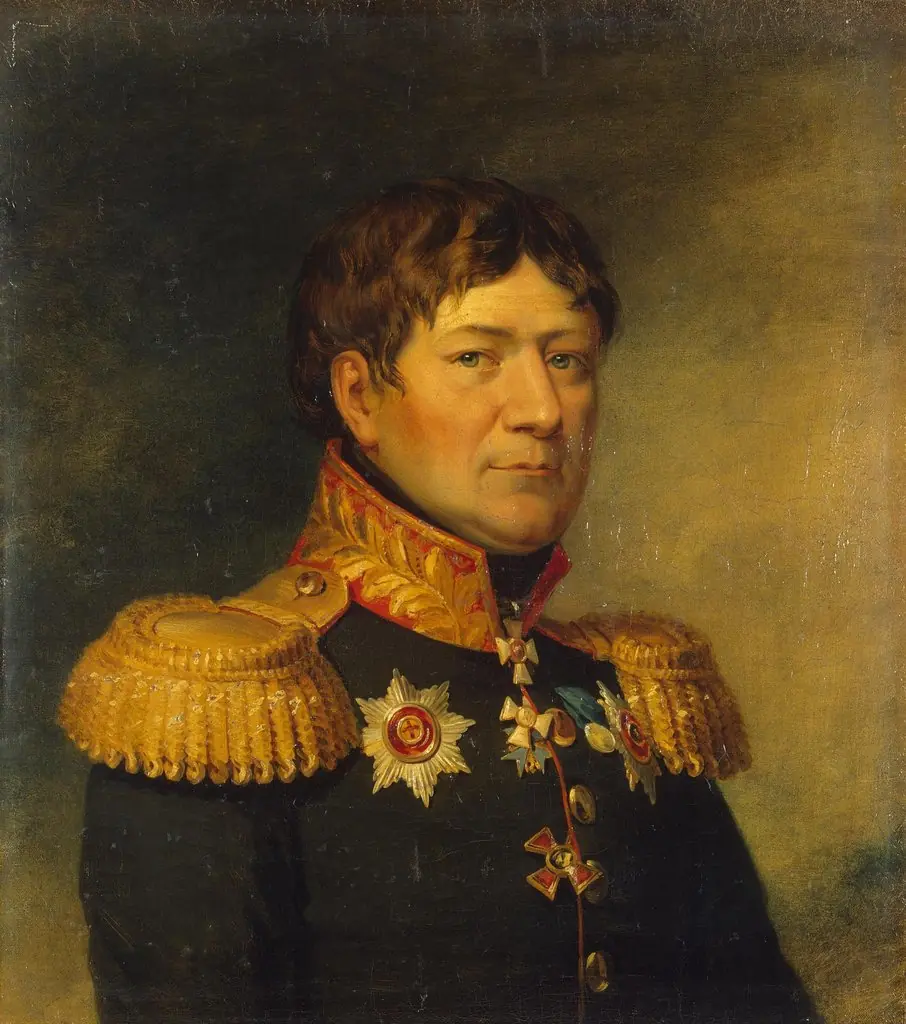 Portrait of Yegor M. Pillar (1767-1830)
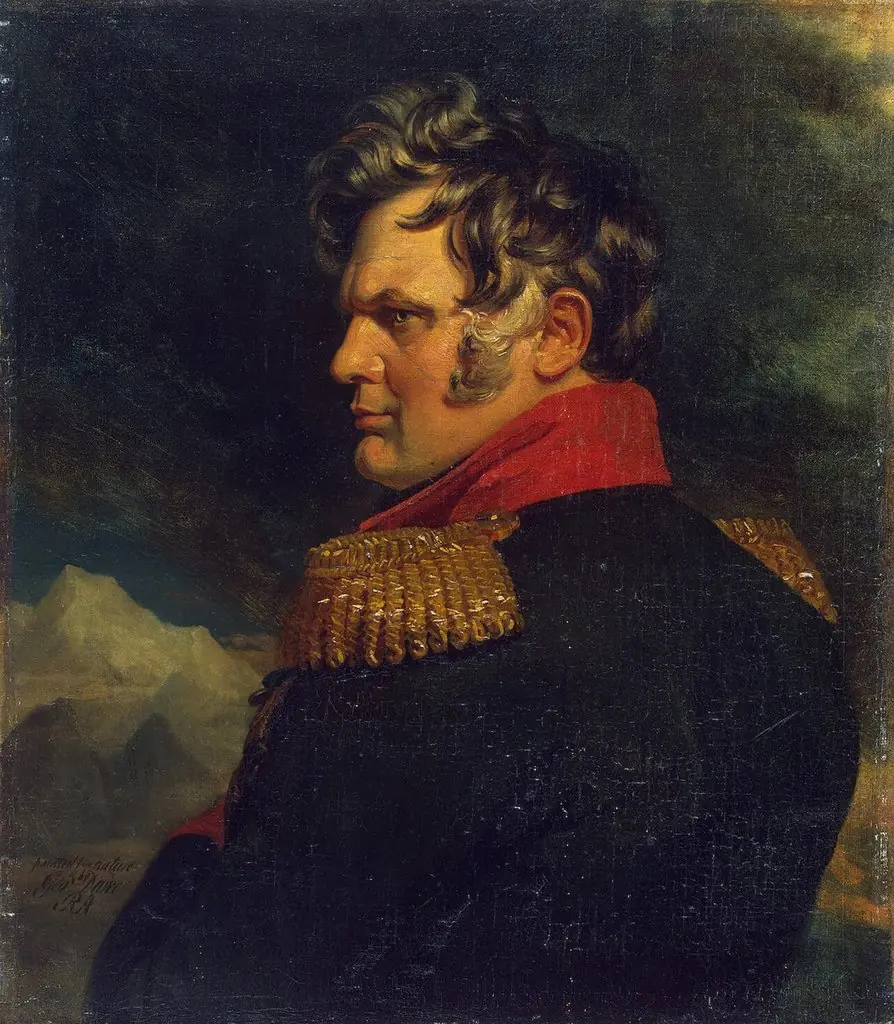 Portrait of Alexei P. Yermolov (1772/77-1861)
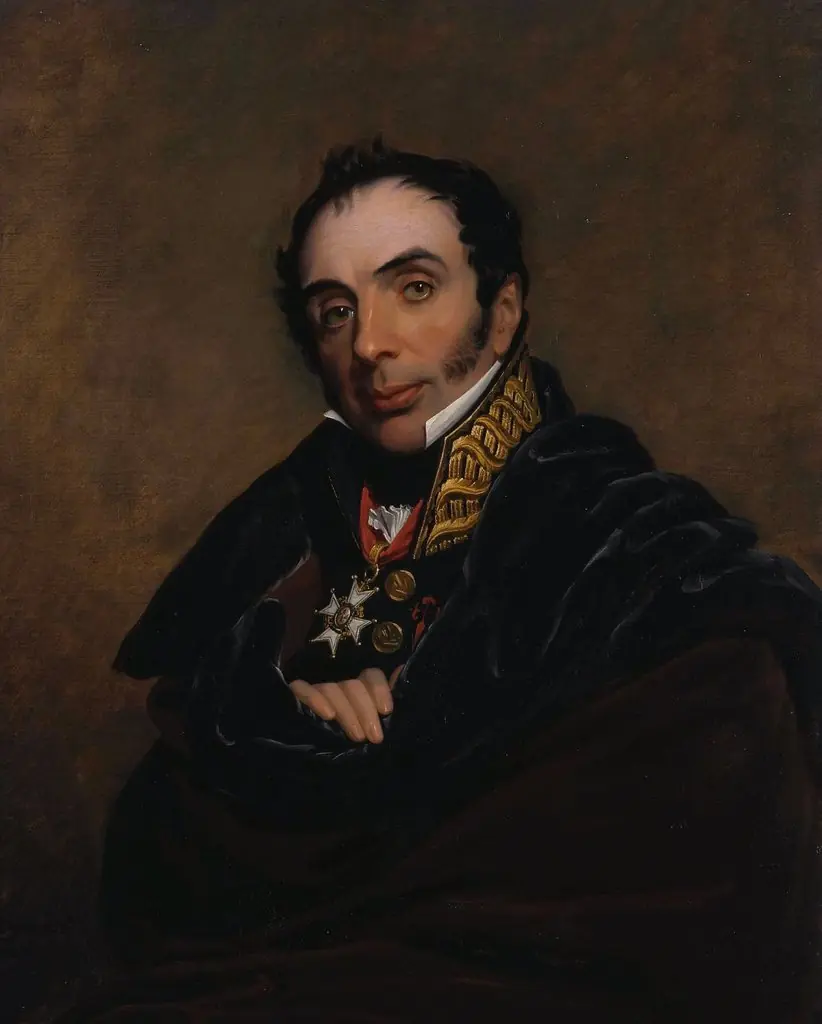 Portrait of Miguel Ricardo de Alava
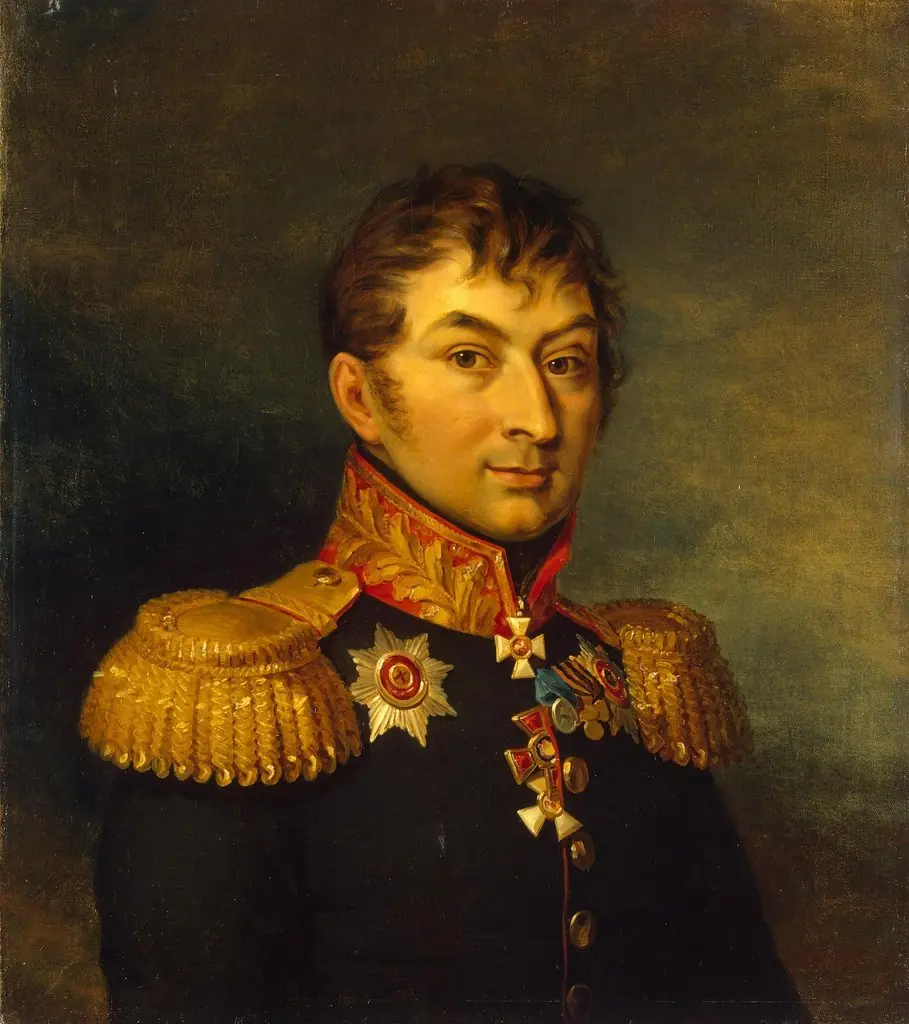 Portrait of Ivan D. Panchulidzev (1759-1815) (1st)
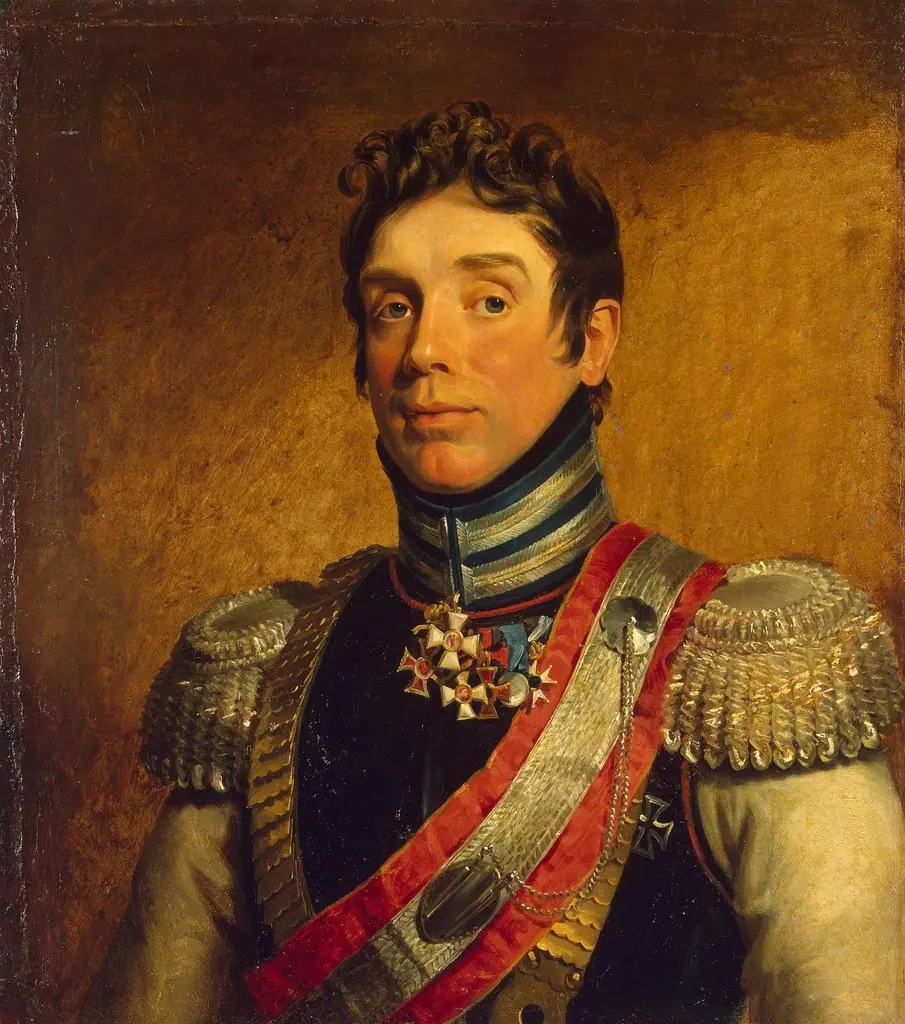 Portrait of Karl V. Budberg (1774-1829)
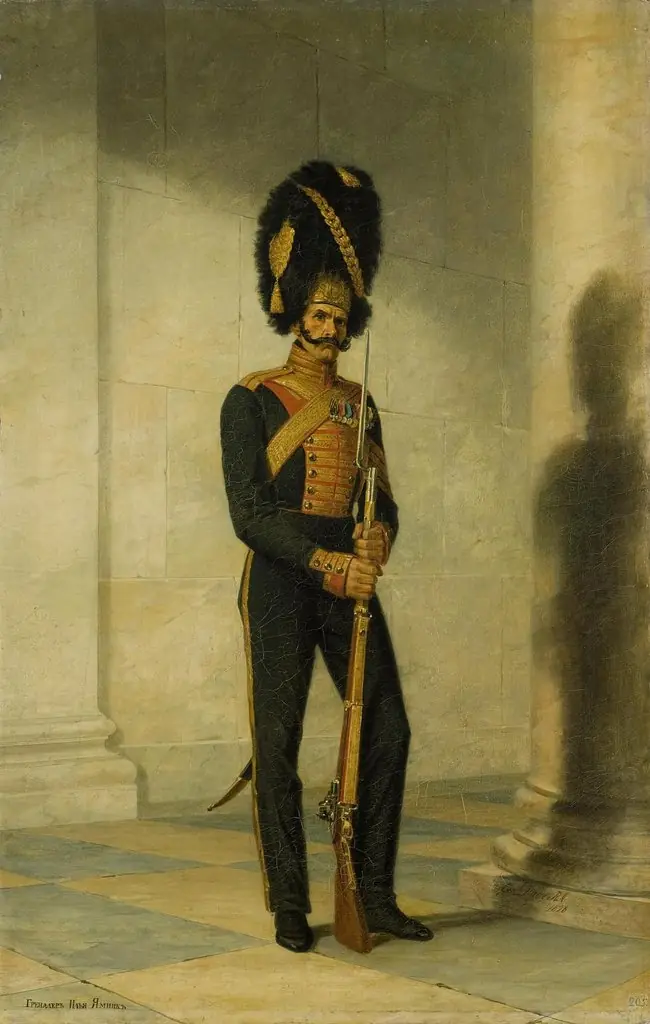 Portrait of Ilya Yamnik (1781 - after 1833)
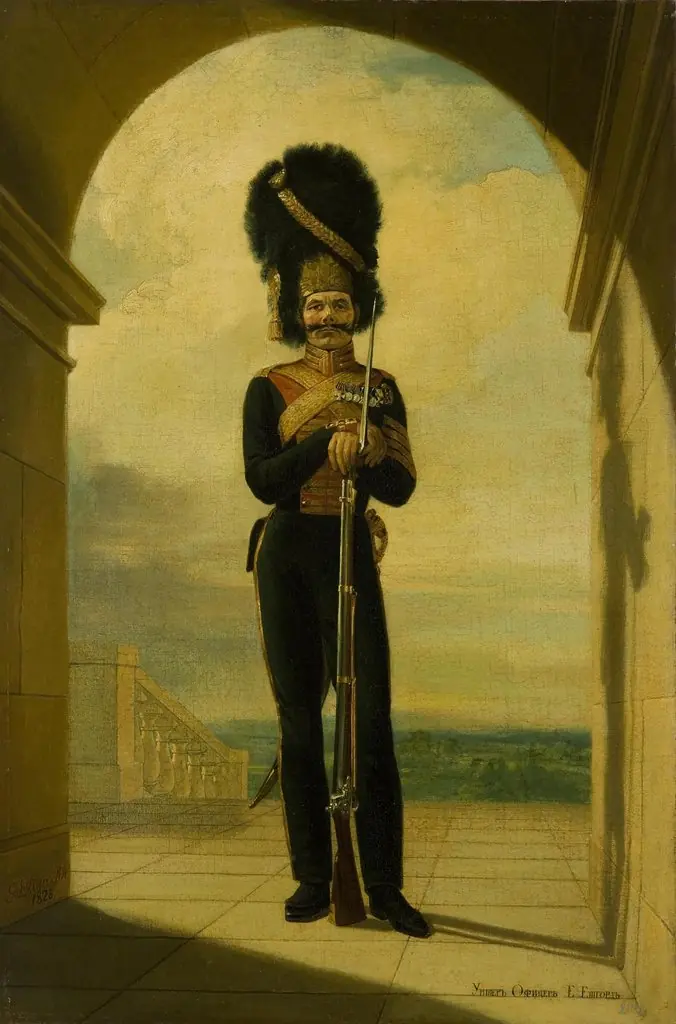 Portrait of Yegor Getgort (Etgort) (1788-1857)
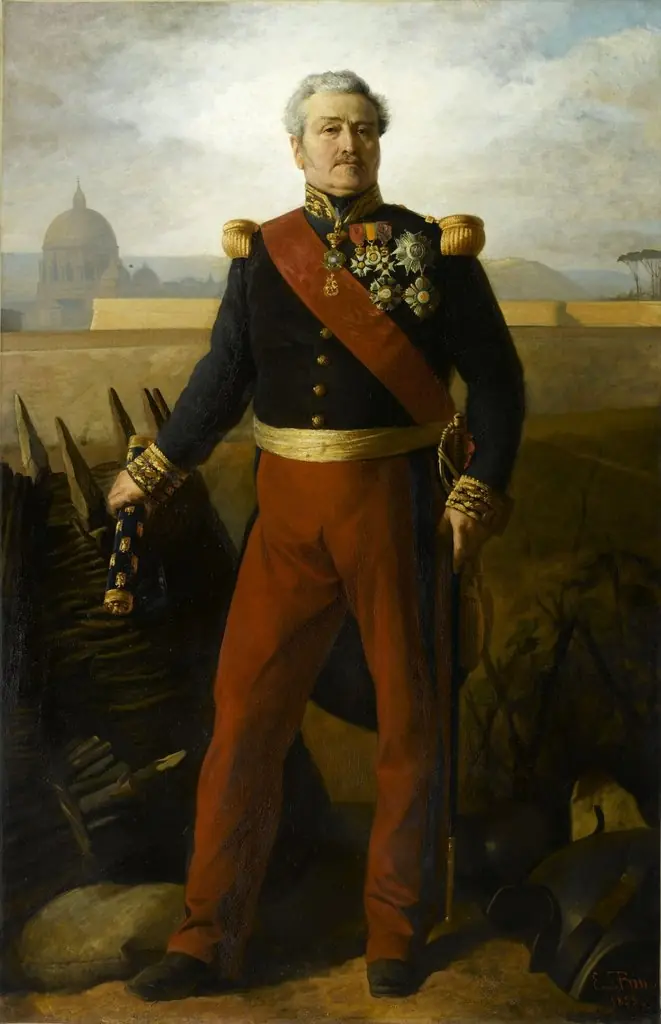 Jean-Baptiste-Philibert Vaillant, Marshal of France
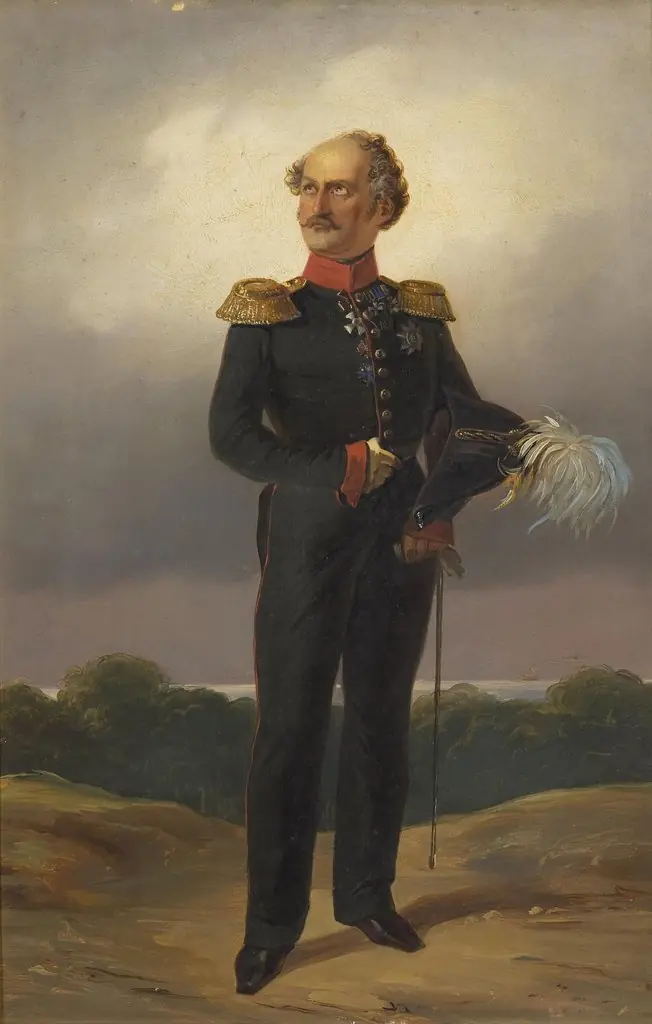 Portrait of a General
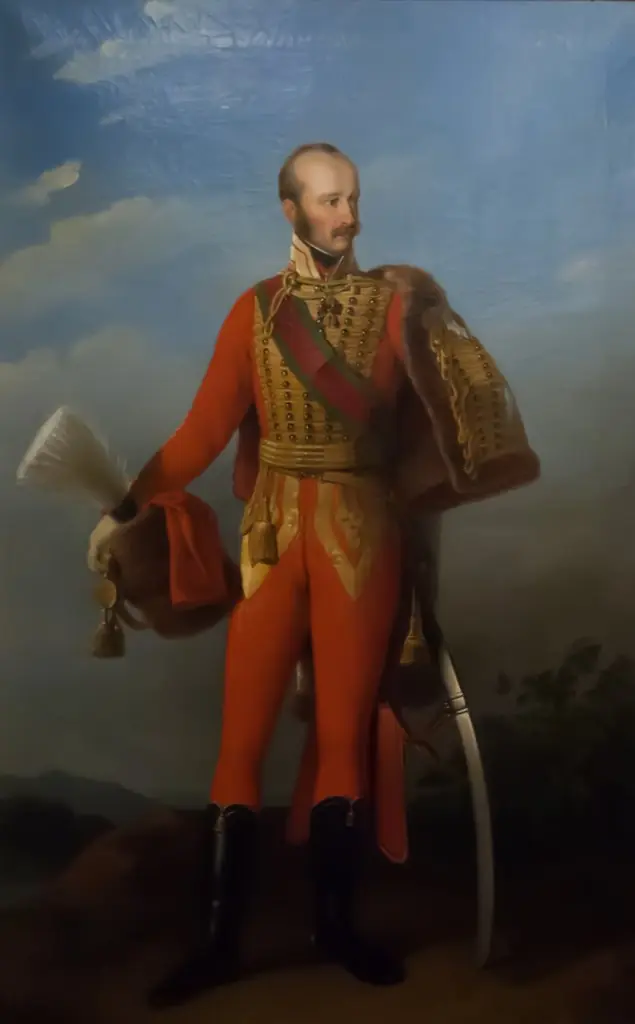 Porträt des Archduke Joseph, Palatine of Hungary (1776-1847)
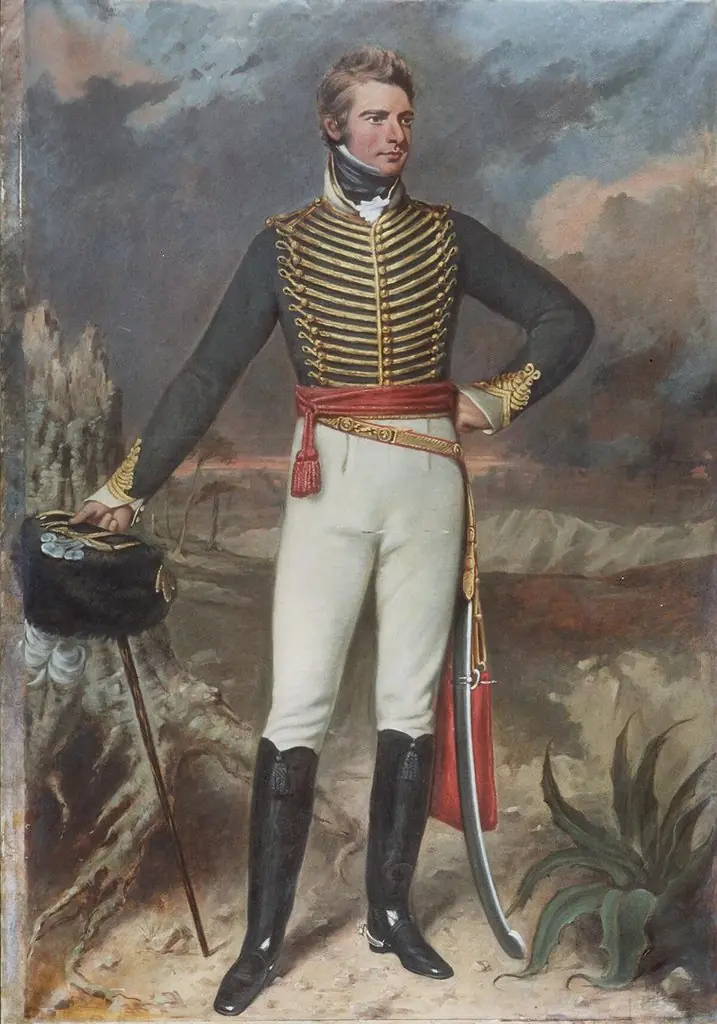 Henry Seymour
 Portrait of Maciej Rybiński
 Portrait of Count Alexey Arakcheyev
 Alfonso XIII