Artwork
Portrait of Count Alexey Arakcheyev
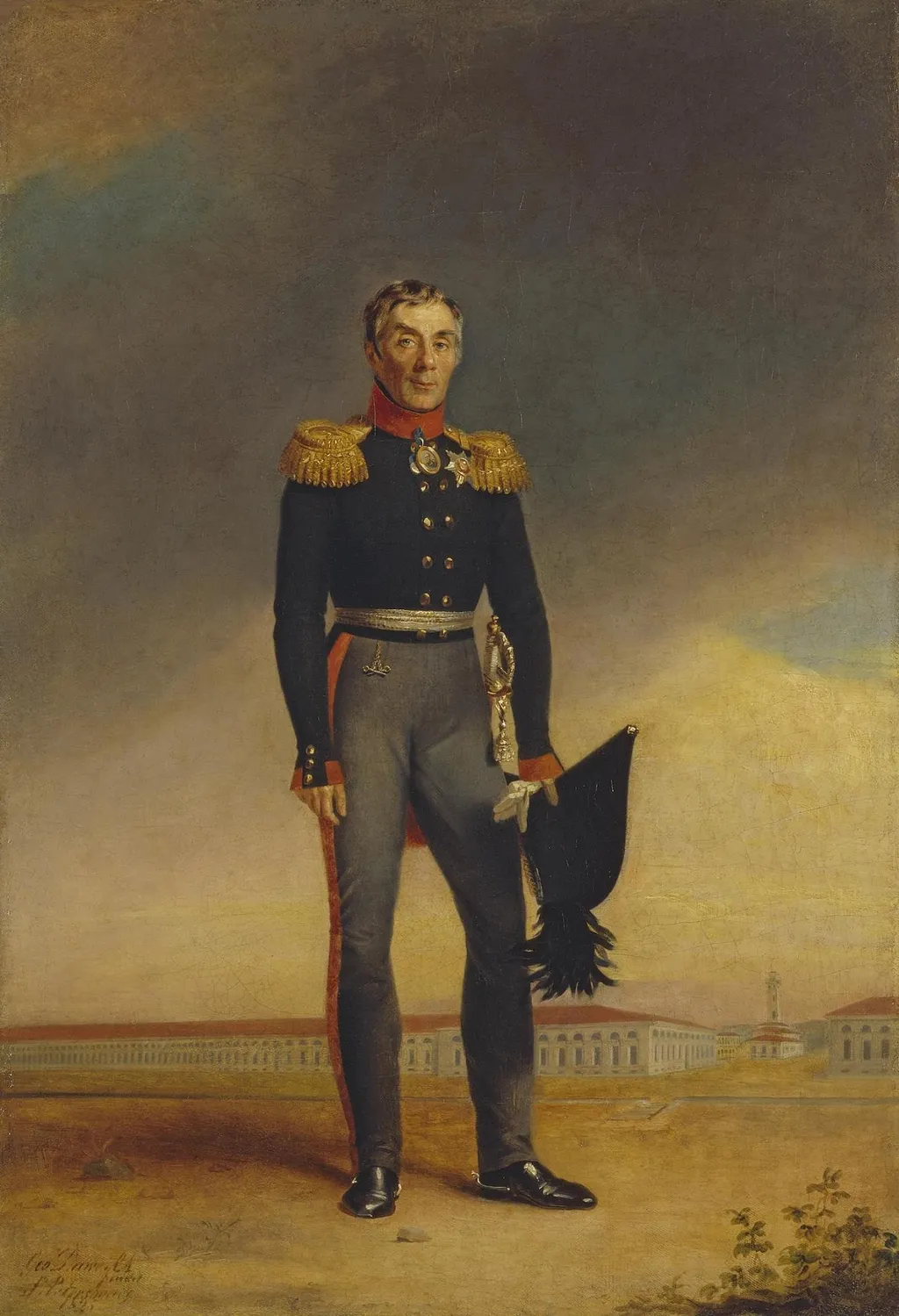
Portrait of Count Alexey Arakcheyev is an oil painting by George Dawe. It dates from 1825 and is held in the collection of the Hermitage Museum.
About this work
Overview
The painting is part of the State Hermitage Museum’s collection, where it remains as one of many official portraits Dawe produced during his time in Russia.
Painted in 1825 by the English artist George Dawe, this oil portrait depicts Count Alexey Arakcheyev, a prominent Russian military administrator. Dawe, who moved to Saint Petersburg in 1819, was commissioned to portray key figures of the imperial court. The painting is part of the State Hermitage Museum’s collection, where it remains as one of many official portraits Dawe produced during his time in Russia.
Subject & Meaning
Count Arakcheyev was a powerful figure in Tsar Alexander I’s government, known for his strict oversight of military reforms and rural administration. The portrait emphasizes his authority through formal military dress and a rigid posture. The medal on his chest signifies state recognition, while the hat held at his side suggests readiness for duty. His pale, expressionless face conveys discipline rather than warmth, reflecting his reputation for severity.
Technique & Style
Dawe employed traditional oil painting techniques to render fine details in the uniform’s gold embroidery and the texture of the feathered hat. The background is softly blurred, directing focus to the figure’s structured form. Lighting is even and controlled, minimizing dramatic contrast. The composition follows academic conventions of the period, prioritizing clarity and status over emotional depth or environmental context.
History & Provenance
Commissioned during Dawe’s tenure in Saint Petersburg, the portrait was likely created for imperial use. It entered the Hermitage collection shortly after completion, among a group of official portraits documenting Russia’s military elite. Dawe’s position as court painter ensured his works were preserved within state institutions, securing their institutional legacy rather than private ownership.
Context
In early 19th-century Russia, portraiture served political ends, reinforcing the image of loyal, disciplined leadership. Dawe, as a foreign artist, was chosen for his technical reliability and adherence to European norms. Arakcheyev’s portrayal aligns with state efforts to project order and authority during a period of post-Napoleonic consolidation, where military hierarchy was central to governance.
Legacy
Dawe’s series of Russian military portraits, including this one, remains a visual archive of imperial service. While Arakcheyev’s historical reputation is controversial, the portrait endures as a document of how power was visually codified. It reflects the role of art in state identity, offering insight into the aesthetics of authority in Tsarist Russia without embellishment or personal interpretation.
Own this work as a print
Artist & collection
Artist
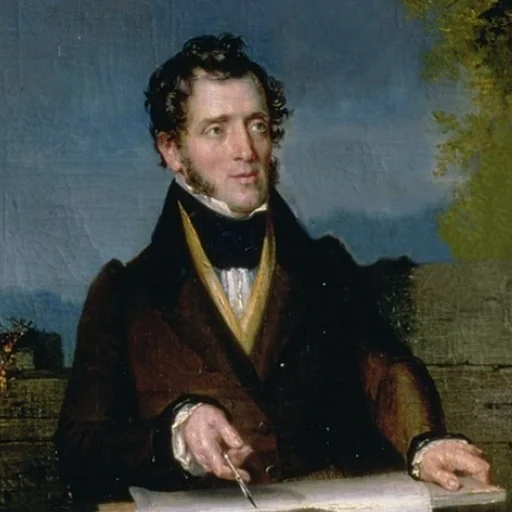
George Dawe (6 February 1781 – 15 October 1829) was an English portraitist who painted 329 portraits of Russian generals active during Napoleon's invasion of Russia for the Military Gallery of the Winter Palace.

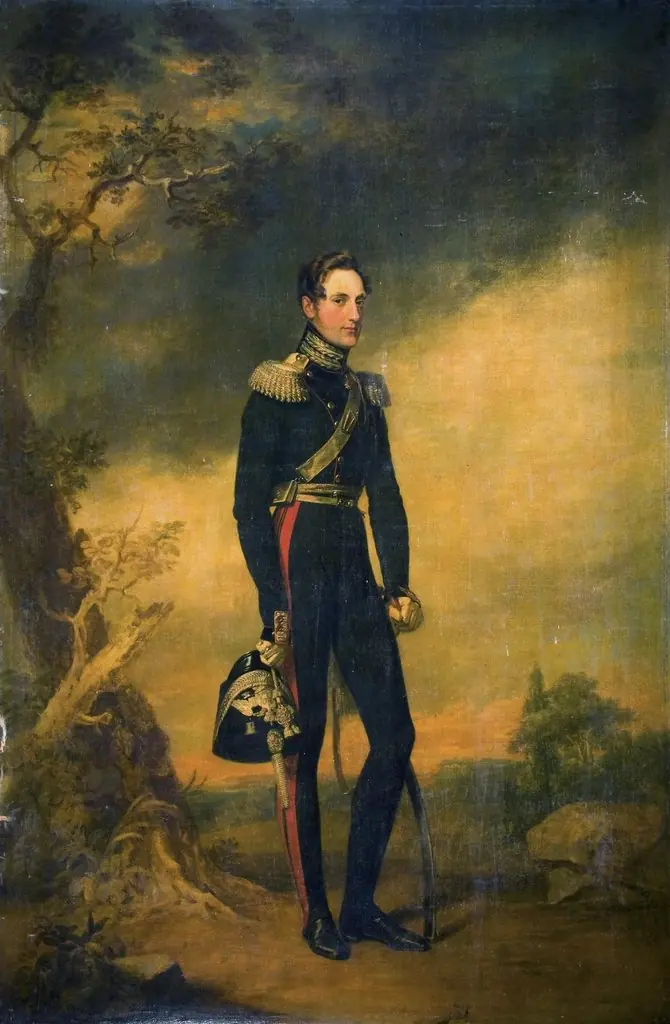 Portrait of Grand Duke Nikolai Pavlovich
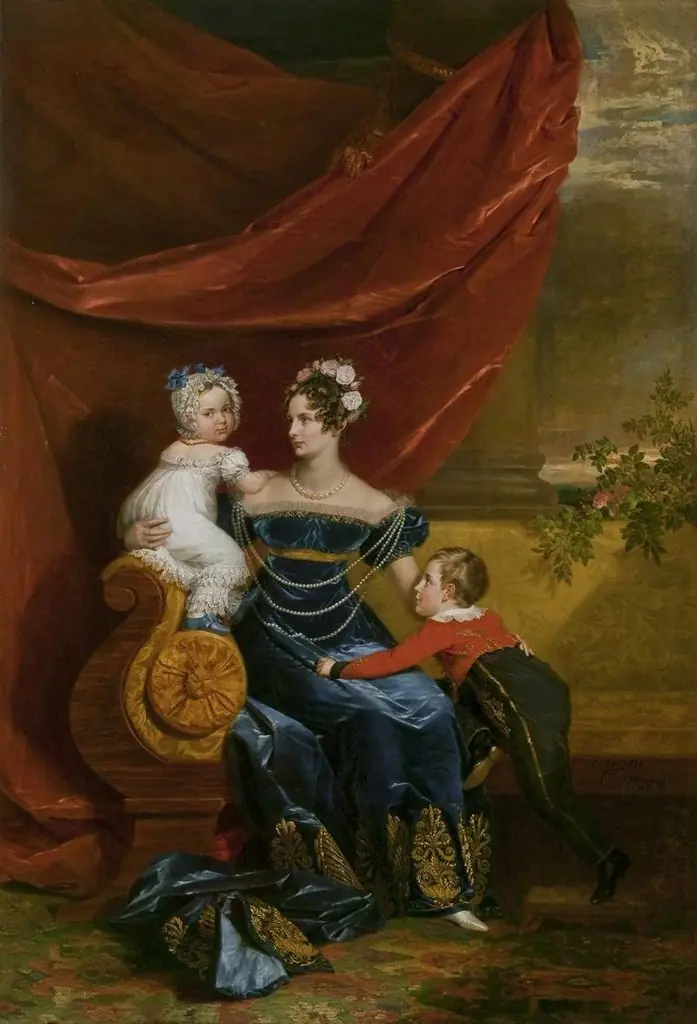 Portrait of Grand Duchess Alexandra Fiodorovna with Children
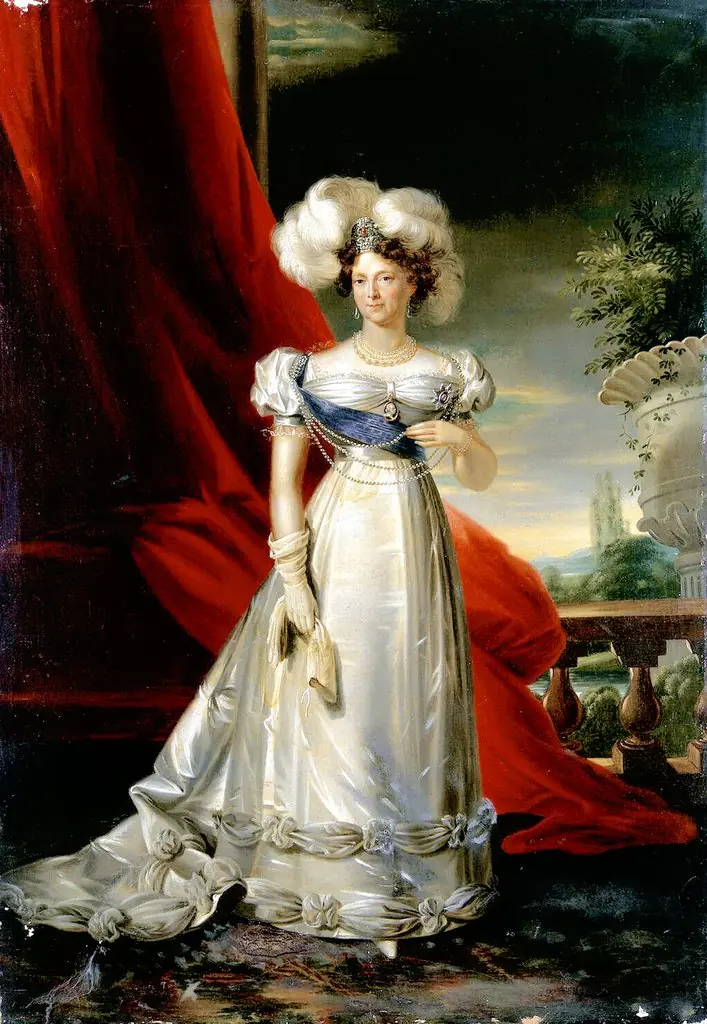 Portrait of the Empress Dowager Maria Feodorovna
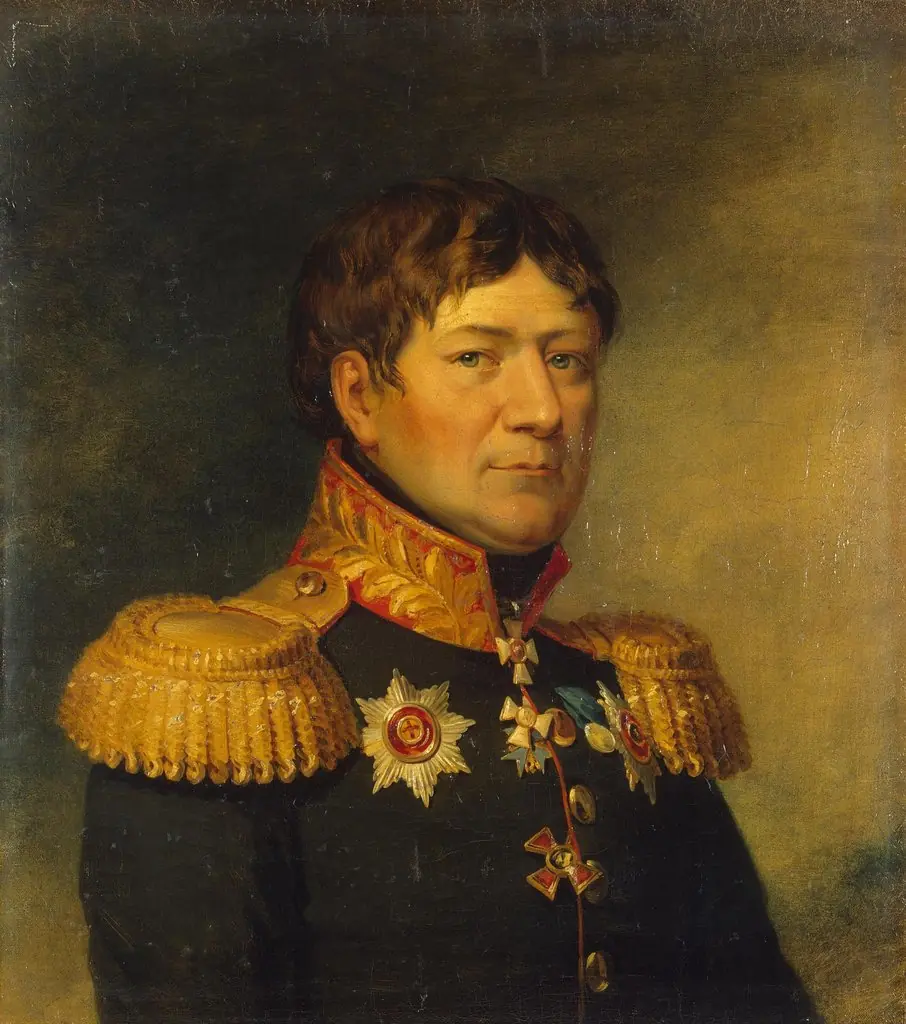 Portrait of Yegor M. Pillar (1767-1830)
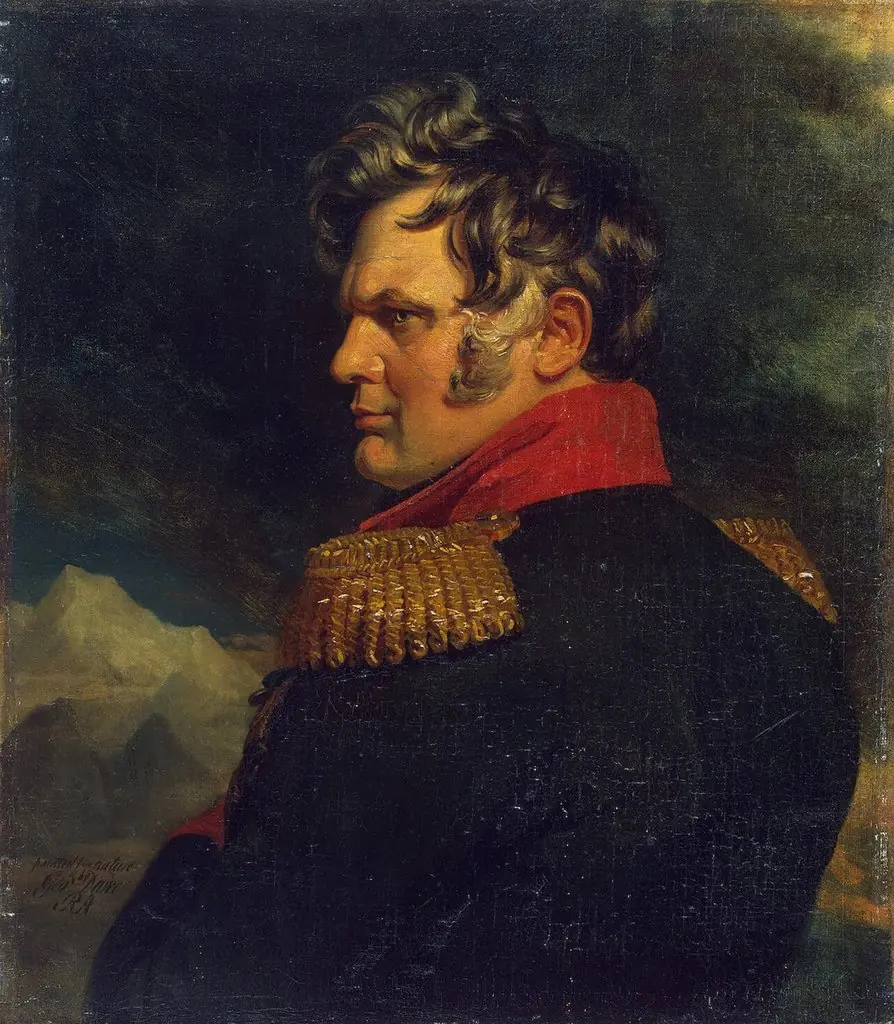 Portrait of Alexei P. Yermolov (1772/77-1861)
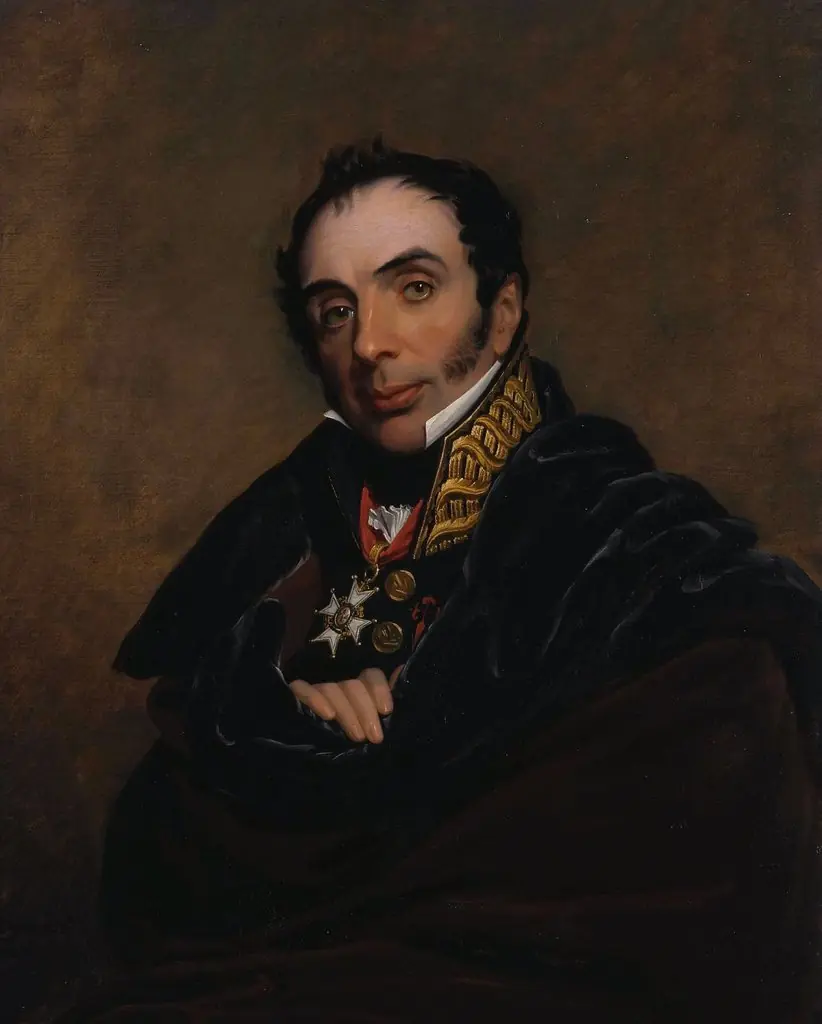 Portrait of Miguel Ricardo de Alava
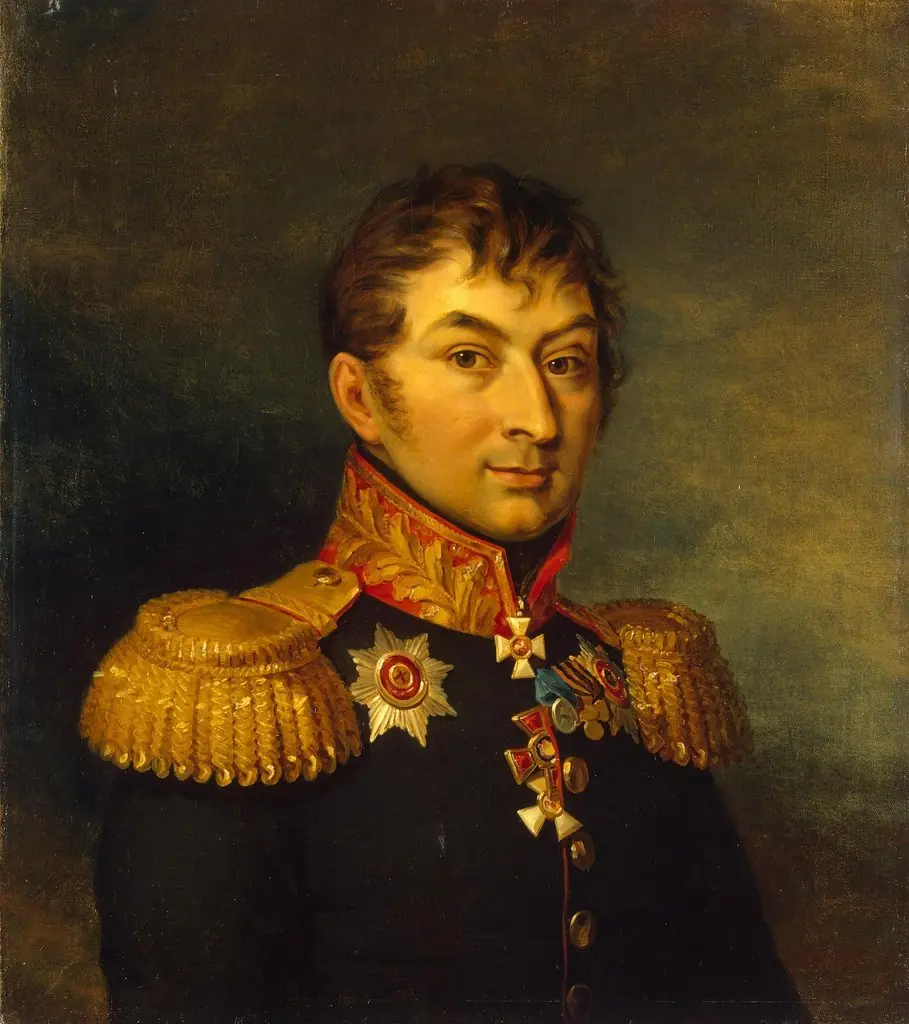 Portrait of Ivan D. Panchulidzev (1759-1815) (1st)
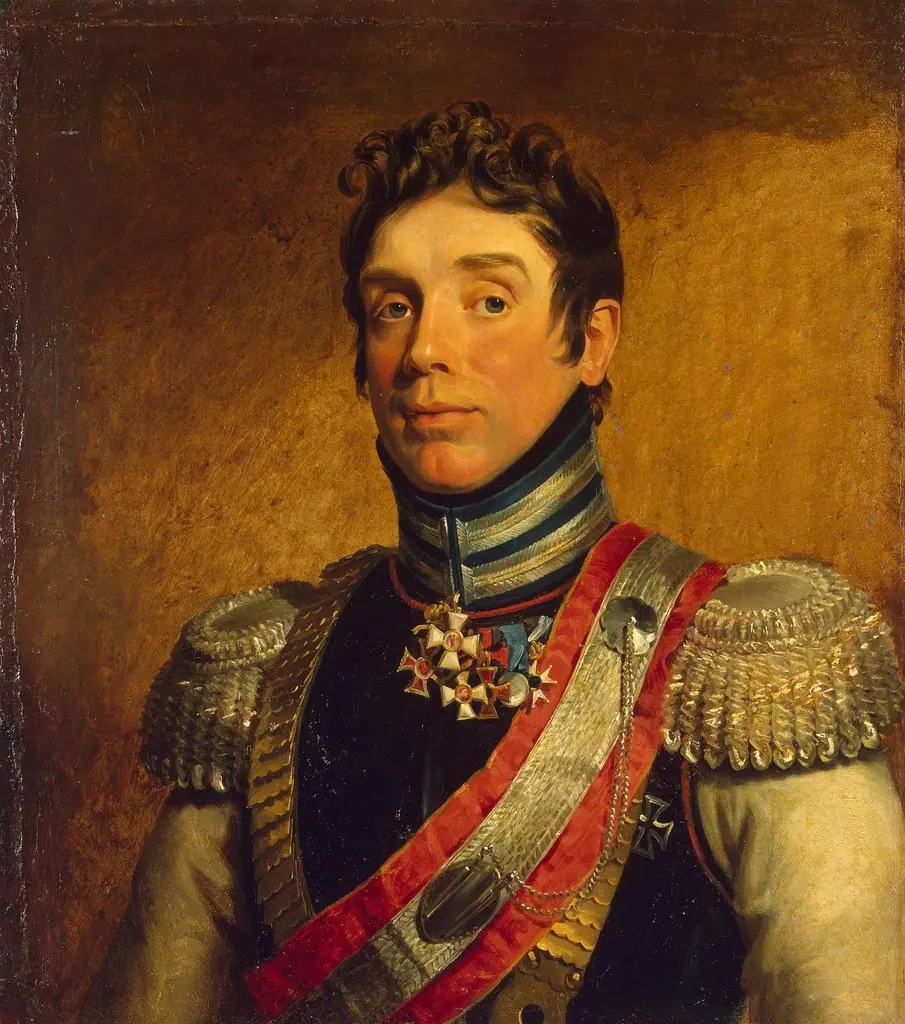 Portrait of Karl V. Budberg (1774-1829)
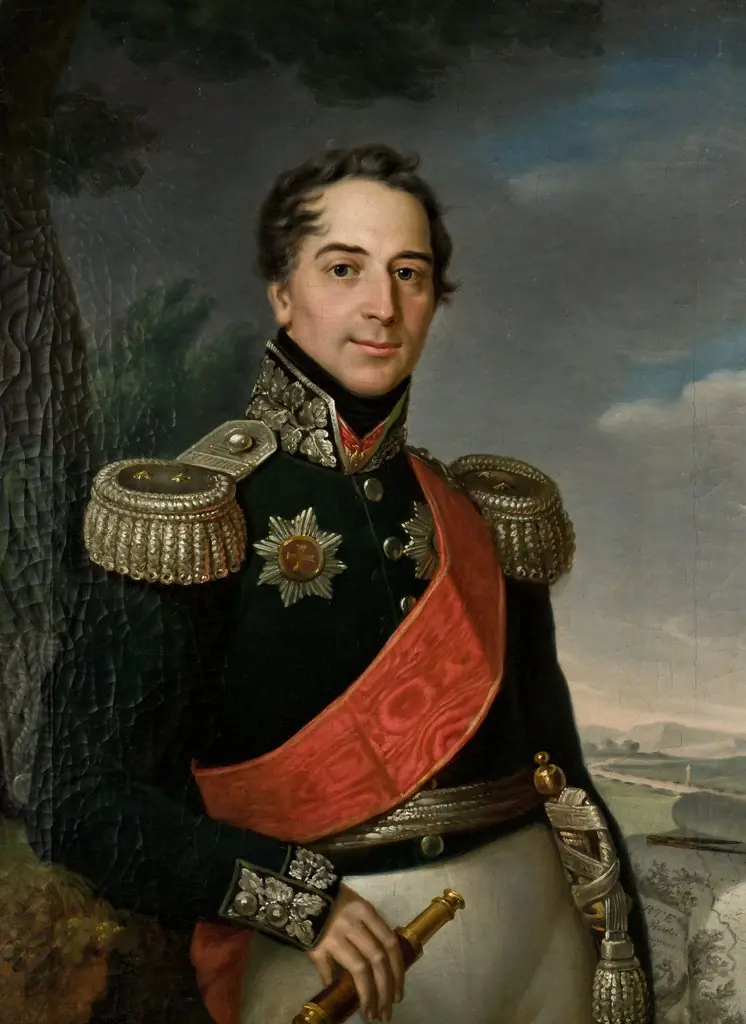 Portrait of Franciszek Ksawery Christiani
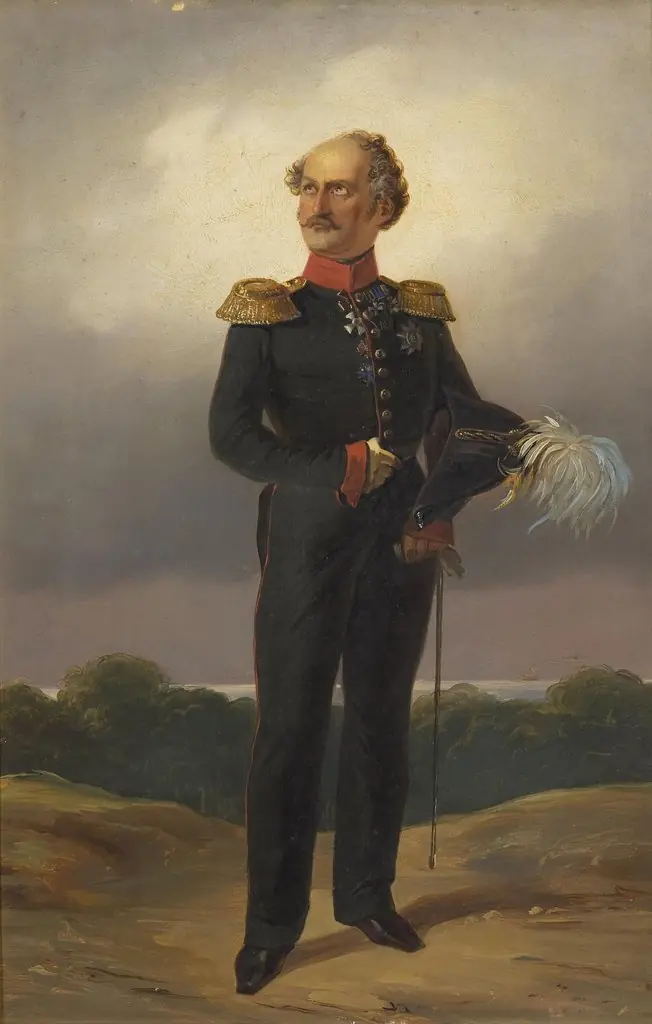 Portrait of a General
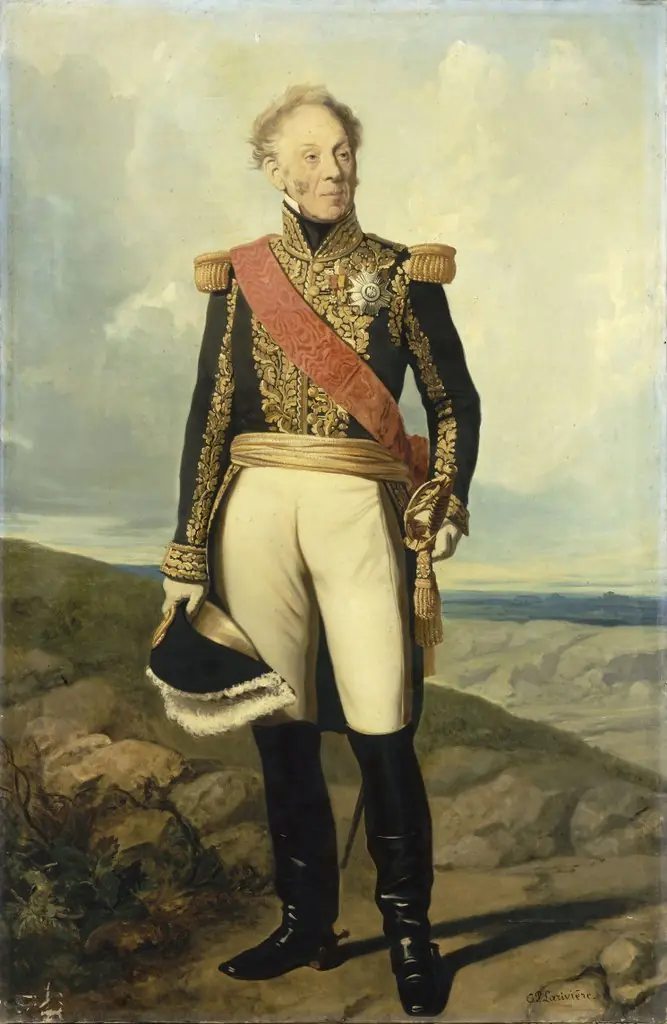 Porträt des Rémi Joseph Isidore Exelmans, Marechal De France (1775-1852)
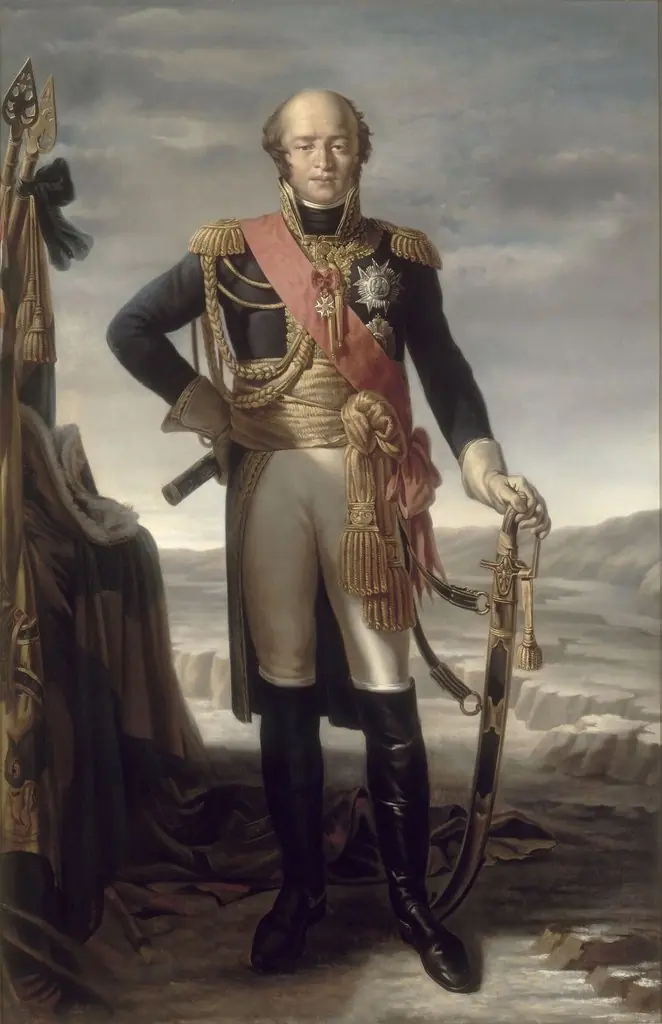 Portrait de Louis Nicolas Davout
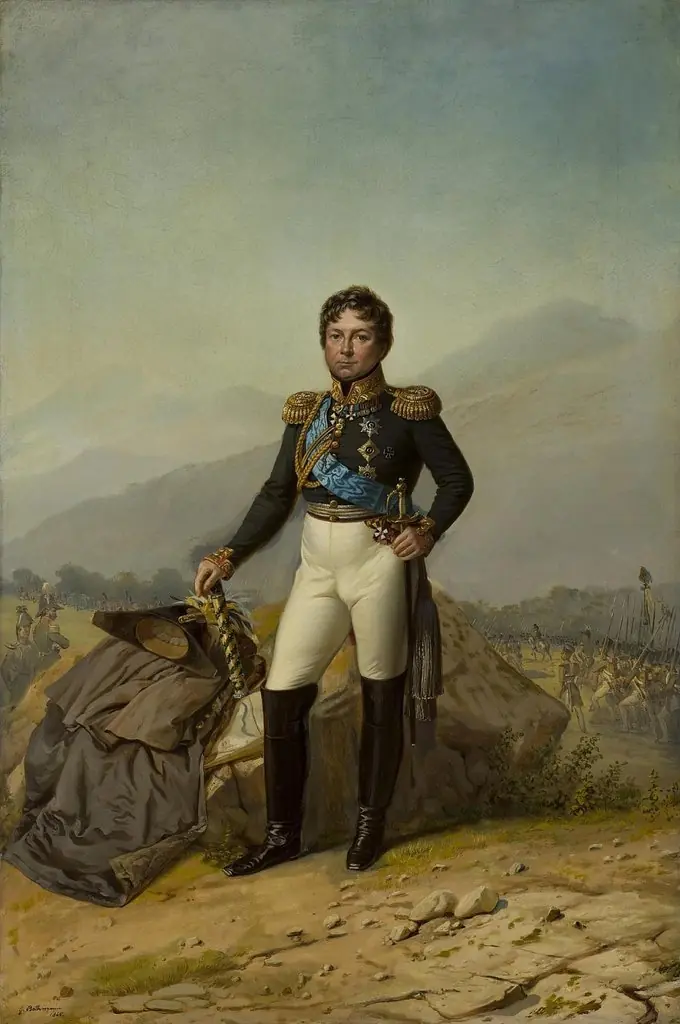 "Portrait of Field-Marshal Count I.I. Diebitsch
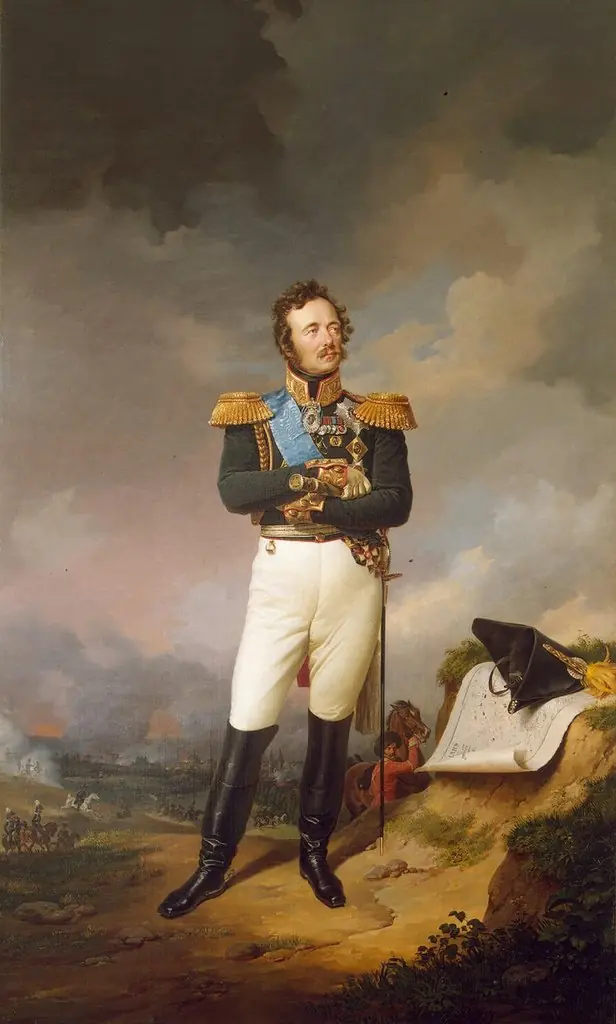 Portrait of Ivan Paskevich
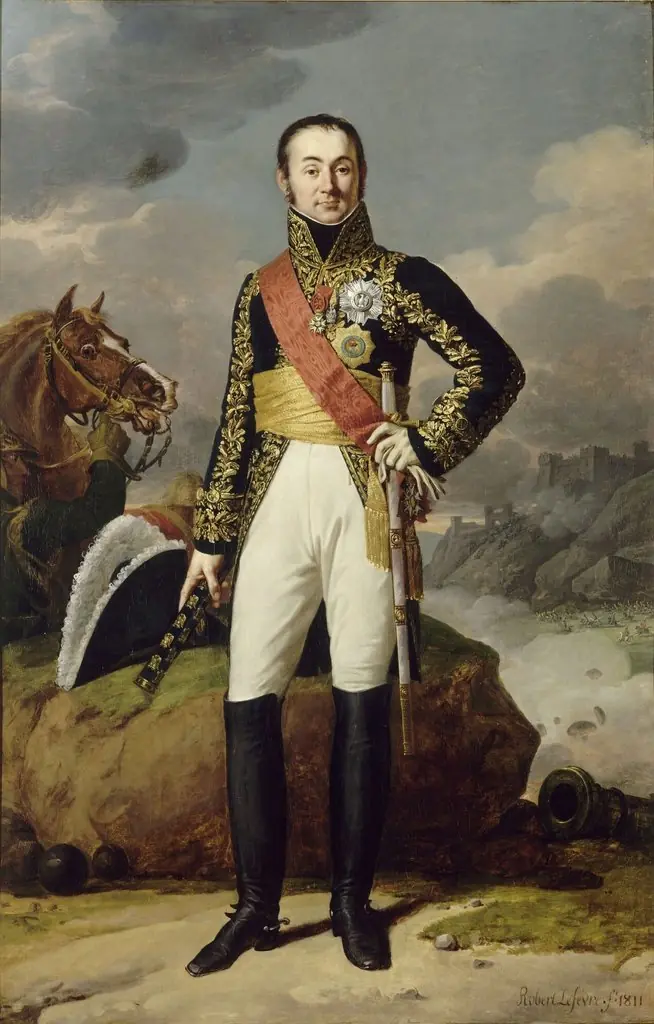 Nicolas-Charles Oudinot, Duke of Reggio, Marshal of France (1767-1847)
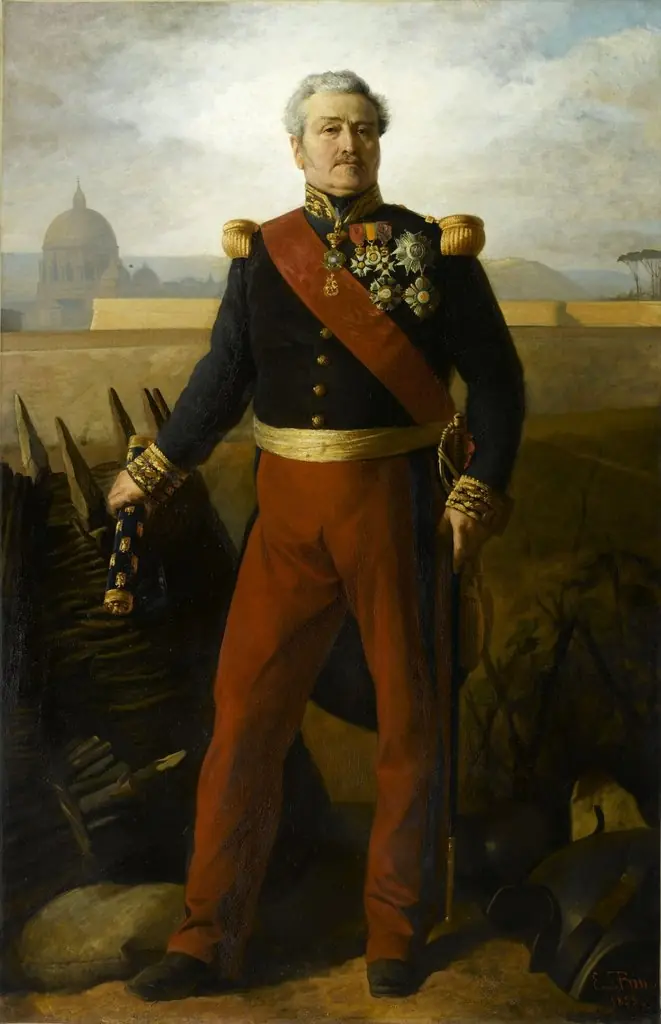 Jean-Baptiste-Philibert Vaillant, Marshal of France
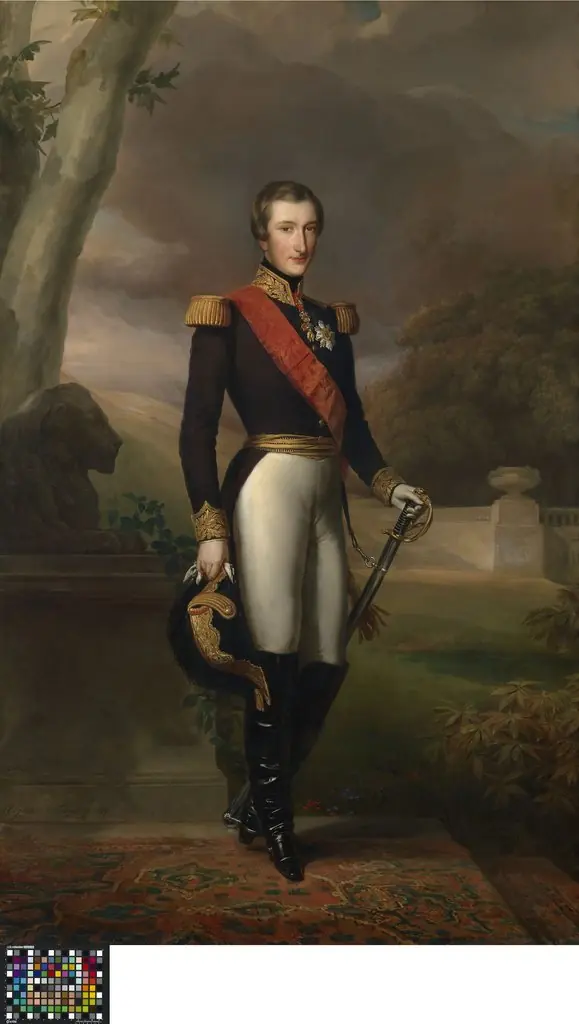 Portret van Leopold II, koning der Belgen, als hertog van Brabant