Artwork
Portrait of Vladimir I. Kablukov (1780-1848) (2nd)
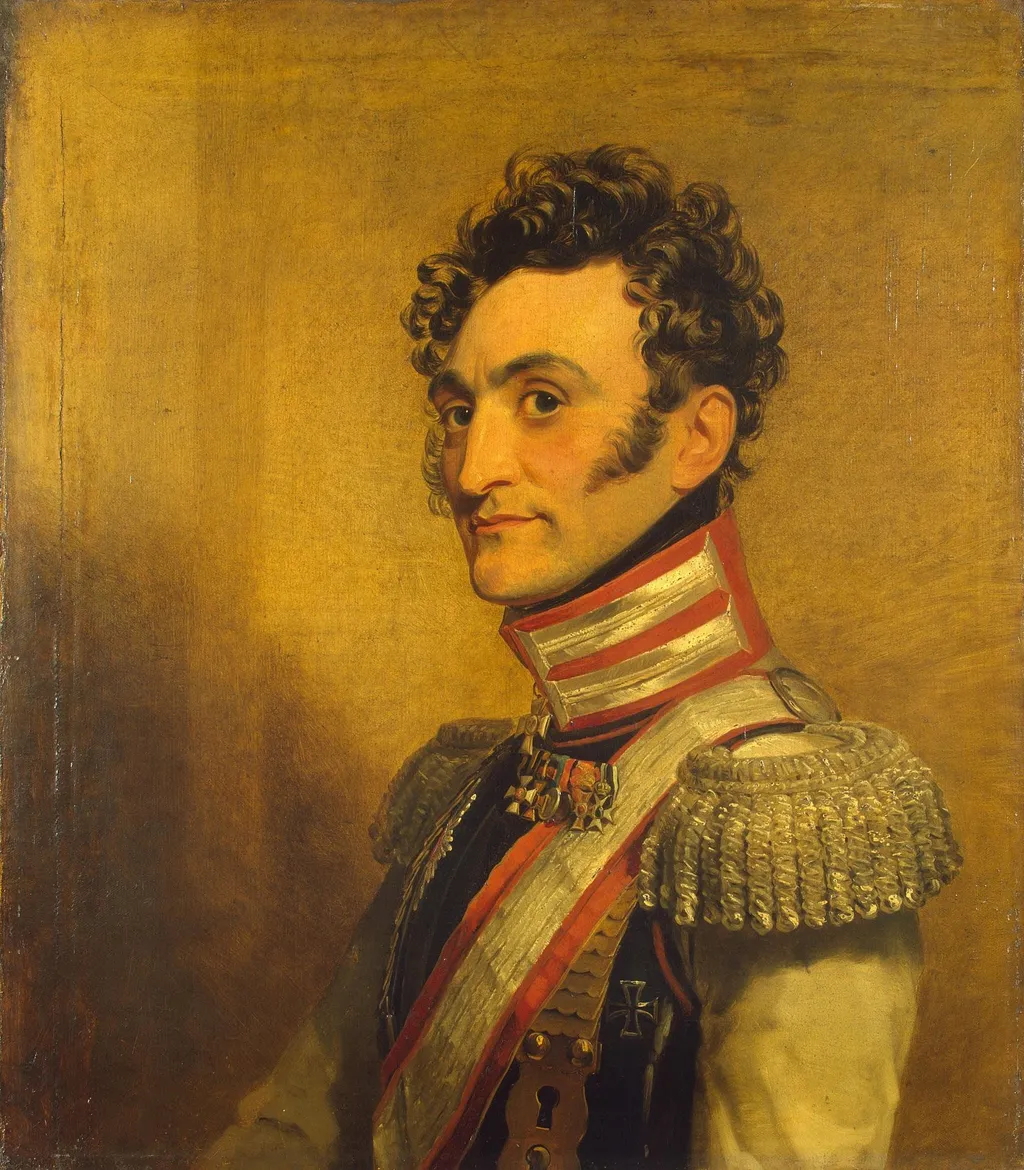
Portrait of Vladimir I. Kablukov (1780-1848) (2nd) is an oil painting by George Dawe. It dates from 1822 and is held in the collection of the Hermitage Museum.
About this work
Overview
Painted in 1822 by the English artist George Dawe, this oil-on-canvas portrait depicts Vladimir I.
Painted in 1822 by the English artist George Dawe, this oil-on-canvas portrait depicts Vladimir I. Kablukov, a Russian military officer who served during the Napoleonic Wars. Dawe, who relocated to Saint Petersburg in 1819, was commissioned to document Russian military leaders, and this work belongs to his broader project for the Winter Palace’s Military Gallery. The painting is now held in the State Hermitage Museum’s collection.
Subject & Meaning
Kablukov is portrayed in full ceremonial uniform, its gold embroidery and red accents signaling rank and service. His expression is composed, eyes direct, conveying quiet authority rather than aggression. The elaborate wig and high collar reflect early 19th-century military fashion, emphasizing formality and discipline. The portrait functions as both personal likeness and institutional record, affirming Kablukov’s place within Russia’s military hierarchy.
Technique & Style
Dawe employed a restrained, precise technique typical of academic portraiture: smooth brushwork, controlled lighting, and minimal background detail to isolate the subject. The uniform’s textures—metallic threads, wool, and lace—are rendered with careful attention, while the dark, neutral backdrop enhances the figure’s presence. The composition avoids theatricality, favoring clarity and dignity over dramatic effect.
History & Provenance
Commissioned as part of a state-sponsored project to honor Russian generals, the portrait entered the Imperial collection shortly after completion. Dawe painted 329 such portraits between 1820 and 1837, many displayed in the Military Gallery of the Winter Palace. The work remained in state custody through the Russian Revolution and was later integrated into the Hermitage’s permanent holdings, where it continues to be exhibited.
Context
Dawe’s project emerged in the aftermath of the Napoleonic Wars, as Tsar Alexander I sought to memorialize military leadership through visual means. The portraits served nationalistic aims, reinforcing imperial identity and the valor of service. As a foreign artist working under imperial patronage, Dawe adapted his British training to Russian tastes, blending realism with ceremonial formality.
Legacy
Dawe’s series of military portraits remains one of the most extensive visual archives of Russian officers from the era. While his individual works are not widely known outside Russia, the collective body of work provides critical insight into military culture, dress, and portraiture conventions of the early 19th century. Kablukov’s portrait exemplifies the systematic, state-driven approach to historical commemoration of the time.
Own this work as a print
Artist & collection
Artist
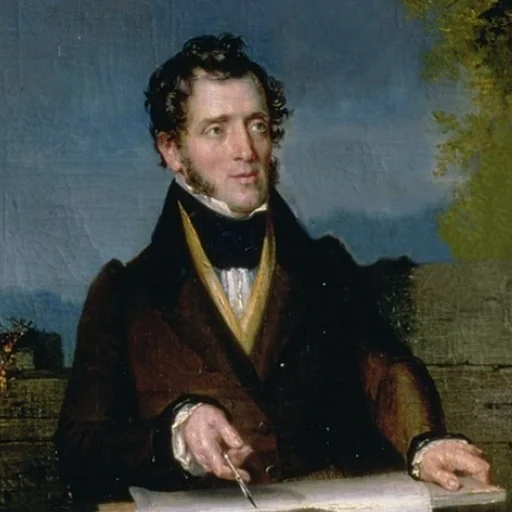
George Dawe (6 February 1781 – 15 October 1829) was an English portraitist who painted 329 portraits of Russian generals active during Napoleon's invasion of Russia for the Military Gallery of the Winter Palace.

 Portrait of Grand Duke Nikolai Pavlovich
 Portrait of Grand Duchess Alexandra Fiodorovna with Children
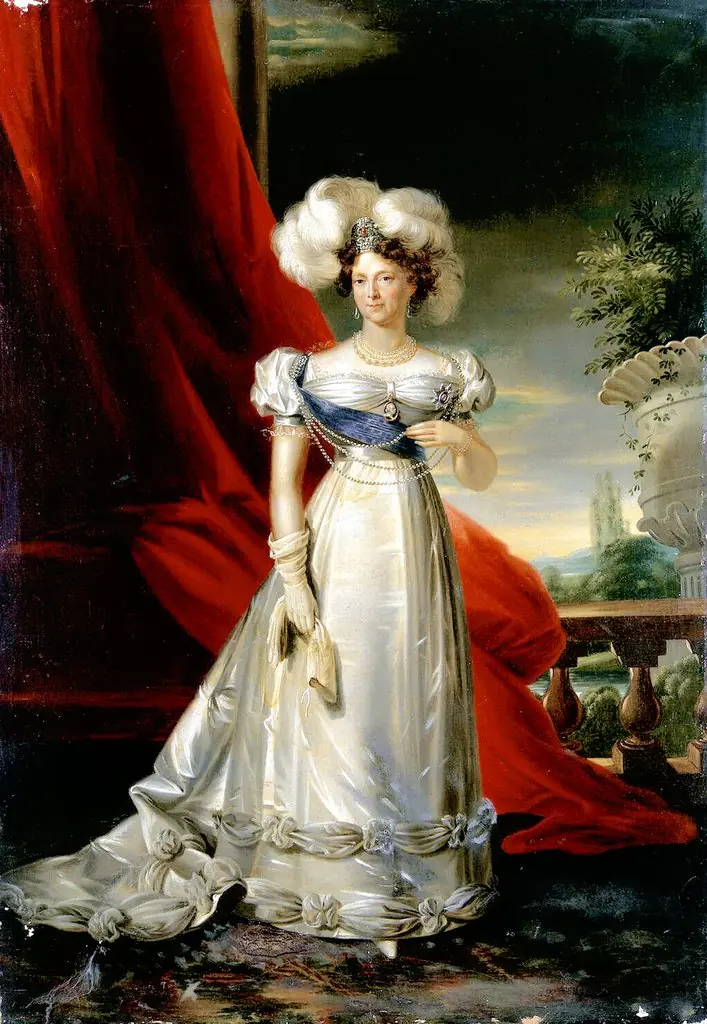 Portrait of the Empress Dowager Maria Feodorovna
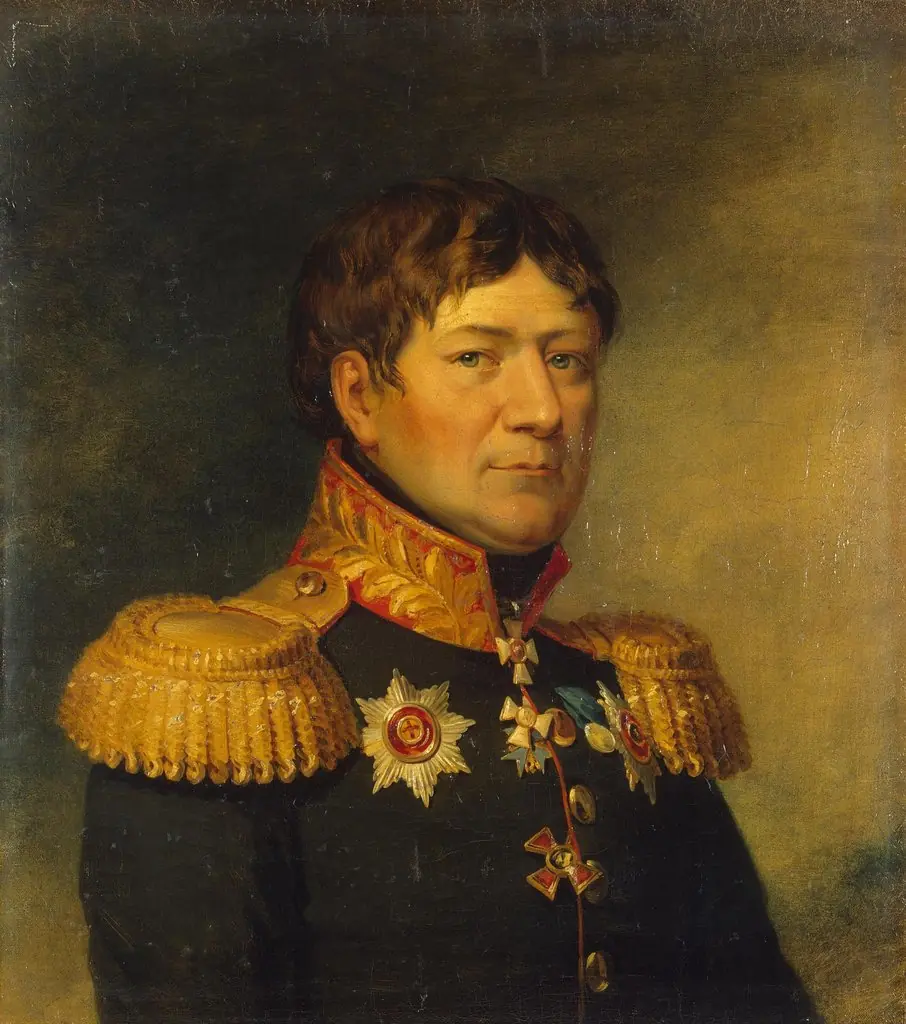 Portrait of Yegor M. Pillar (1767-1830)
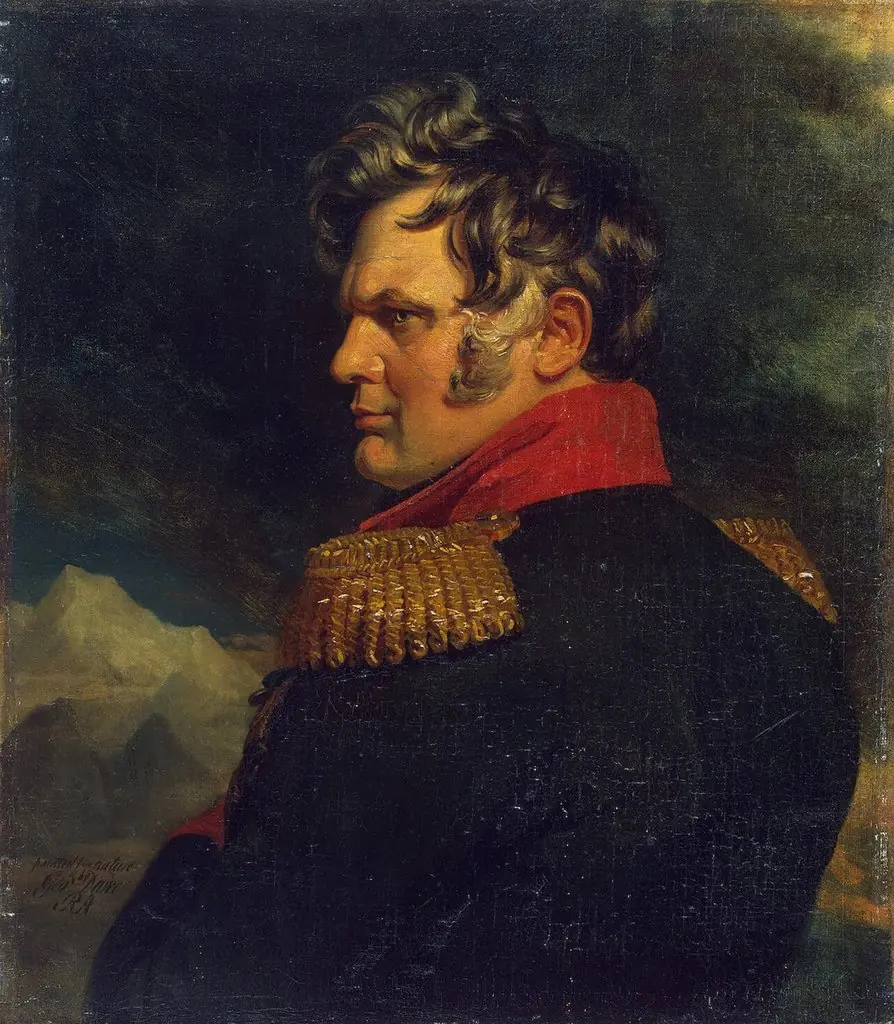 Portrait of Alexei P. Yermolov (1772/77-1861)
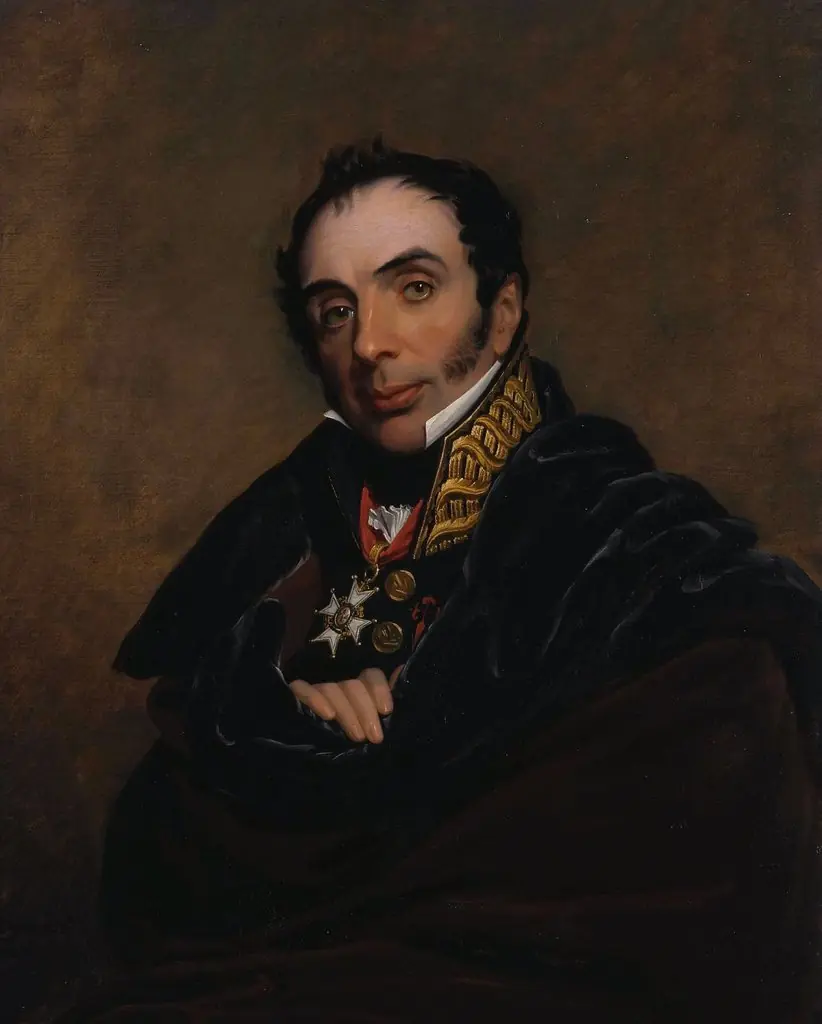 Portrait of Miguel Ricardo de Alava
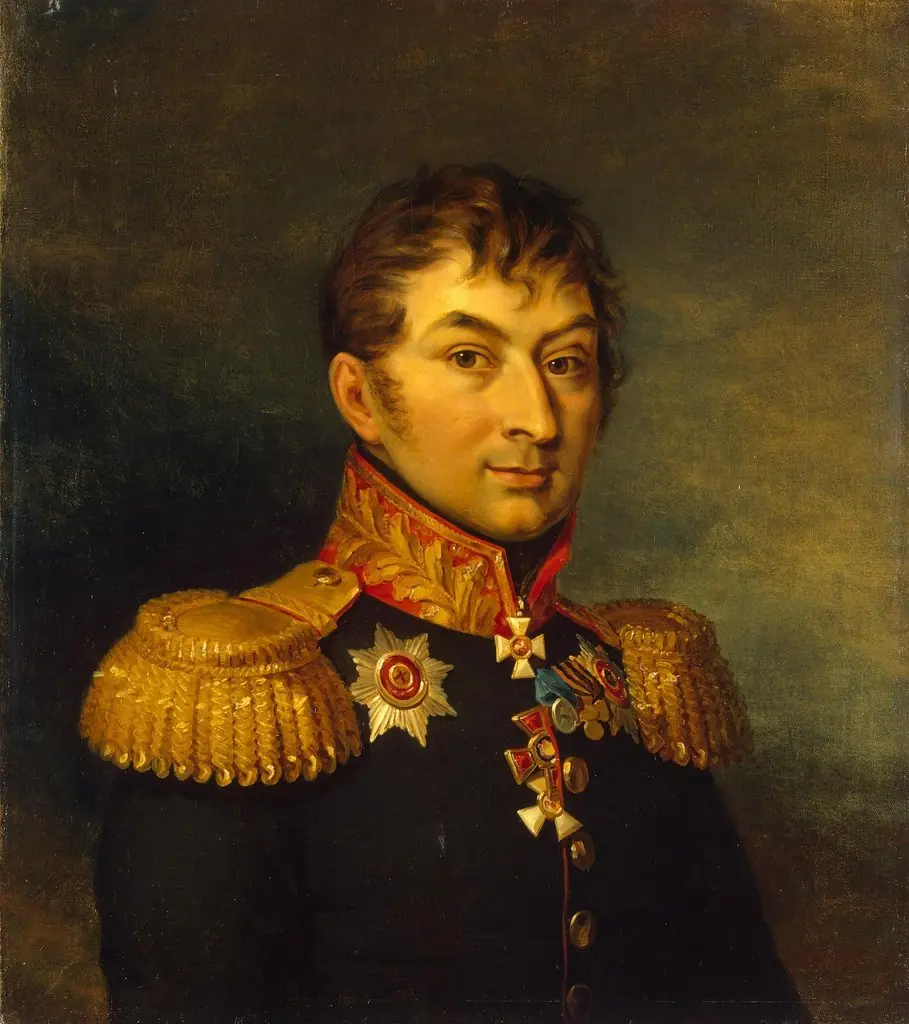 Portrait of Ivan D. Panchulidzev (1759-1815) (1st)
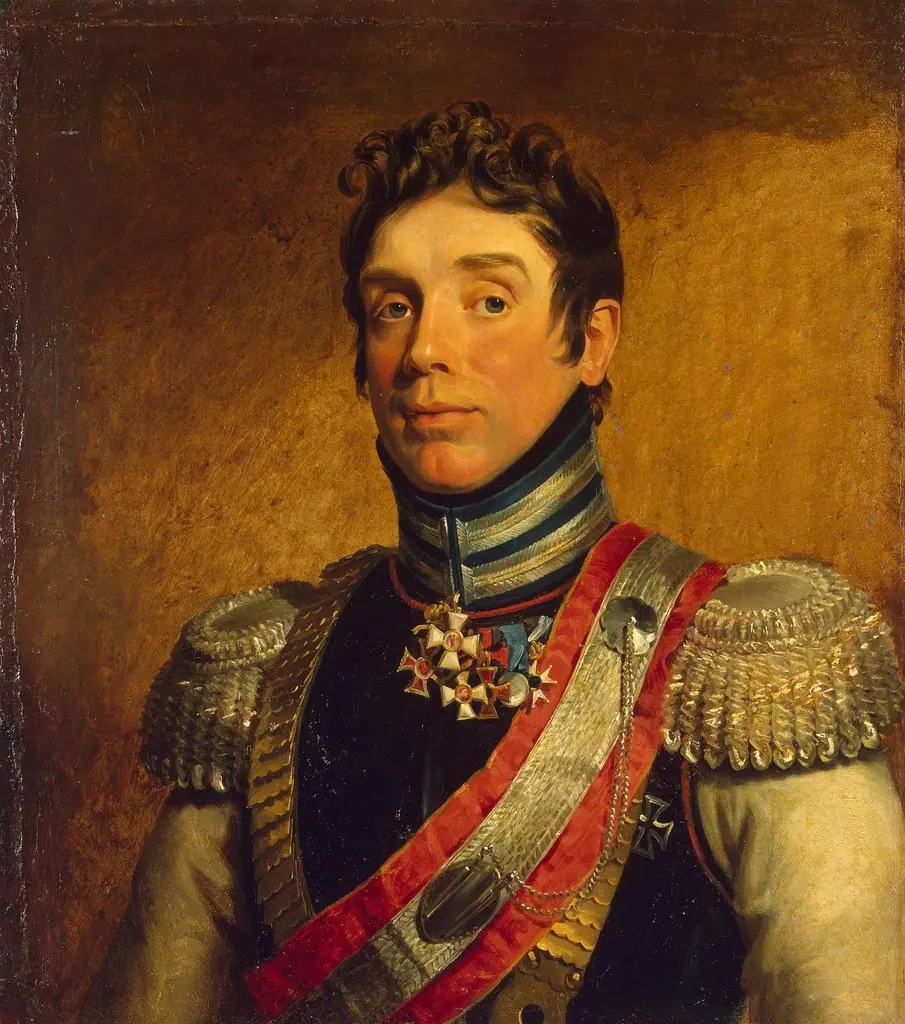 Portrait of Karl V. Budberg (1774-1829)
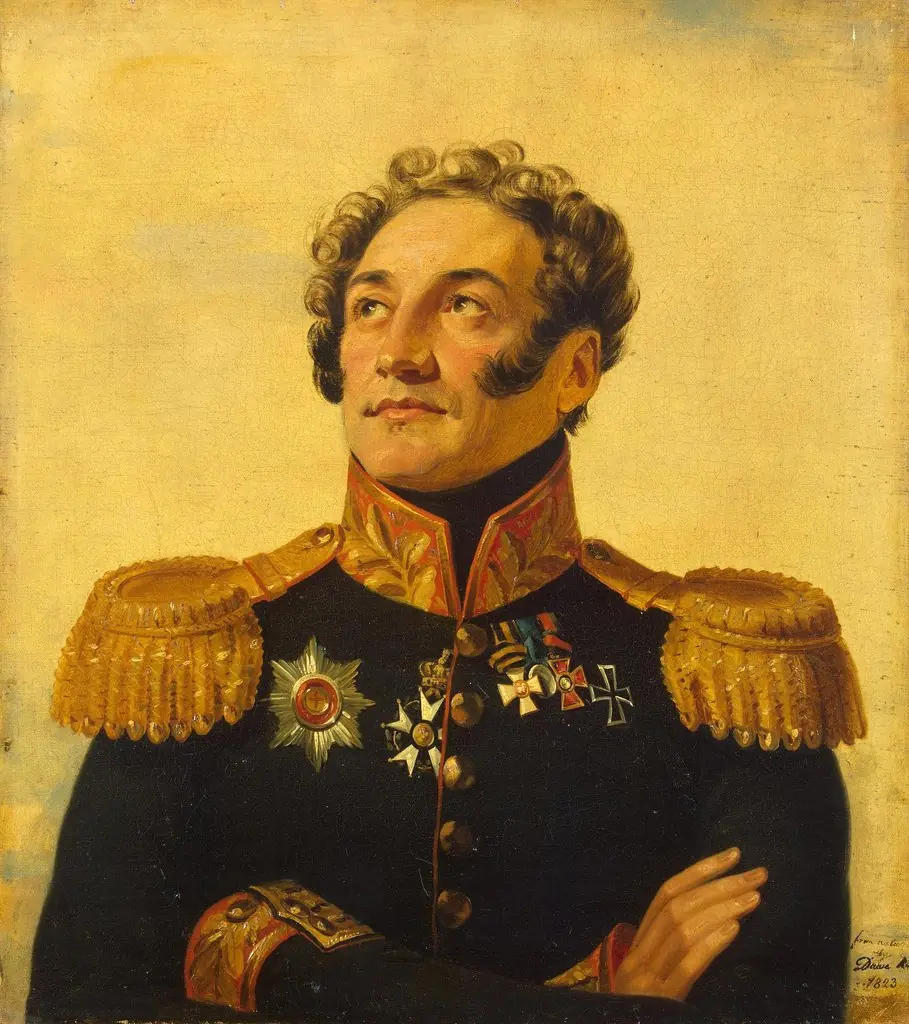 Portrait of Platon I. Kablukov (1781-1835) (1st)
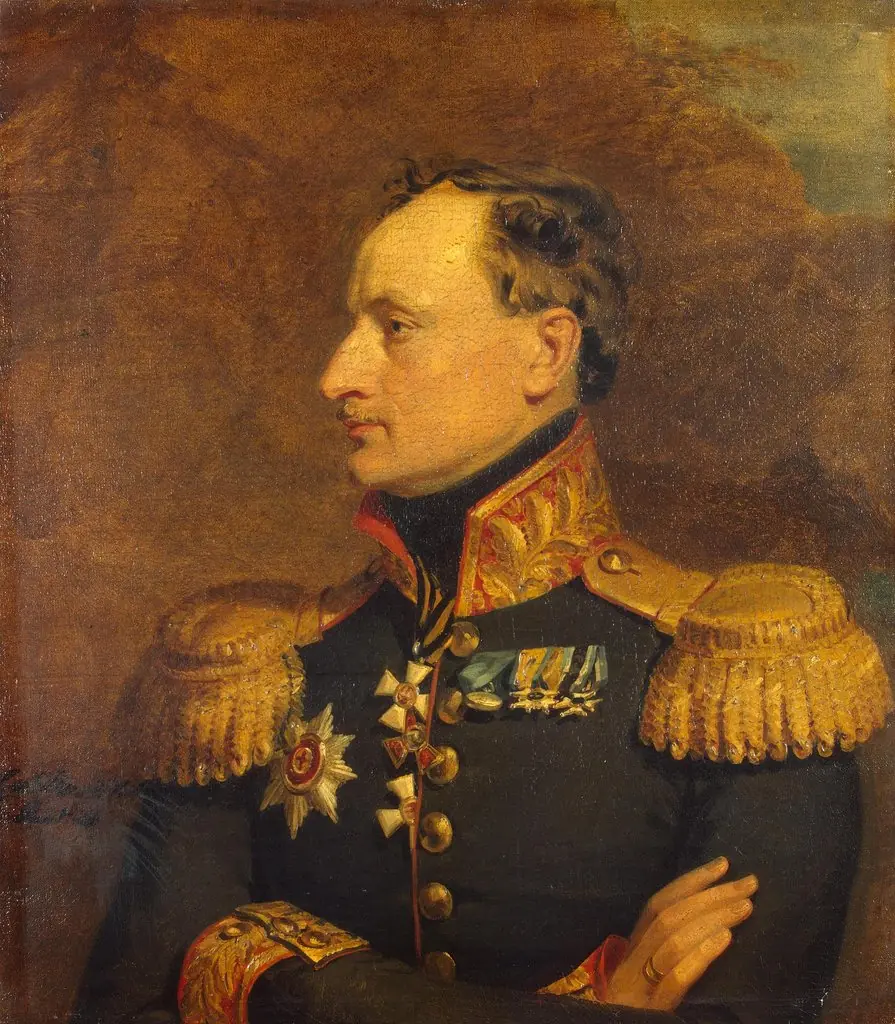 Portrait of Konstantin Kh. von Benckendorf (1785-1828) (2nd)
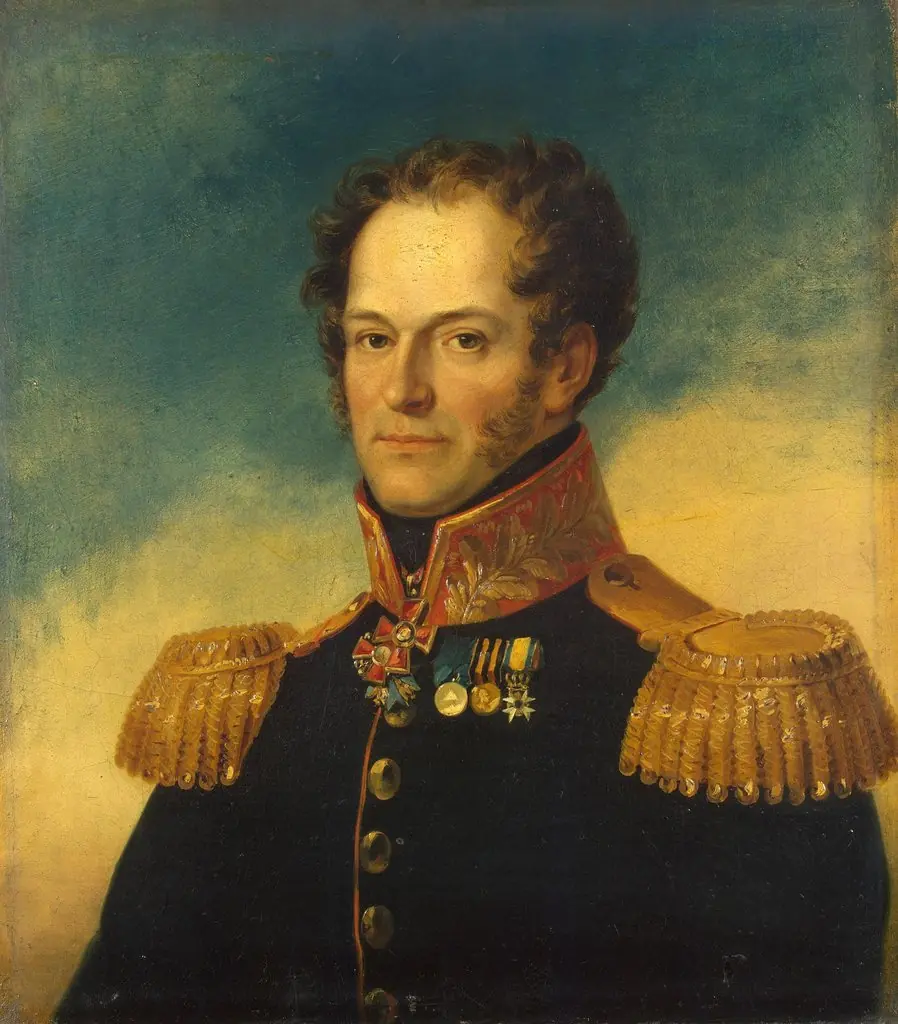 Portrait of Mikhail N. Matsnev (1785-1842)
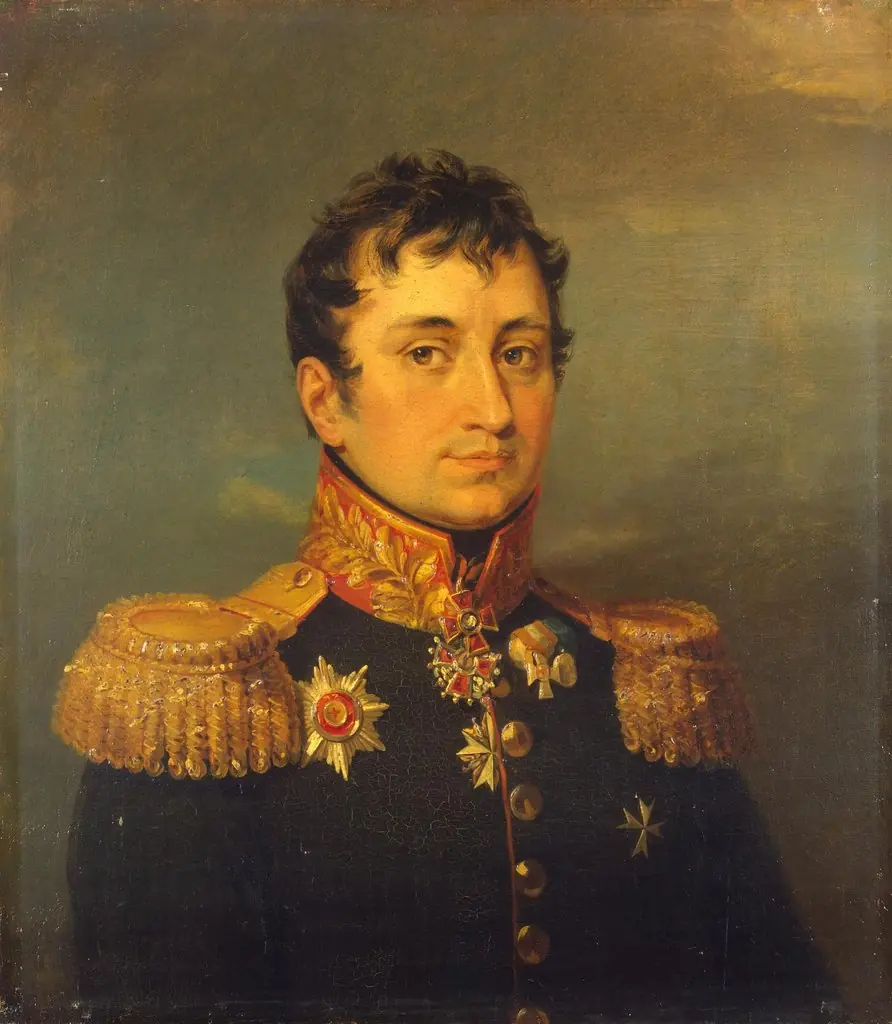 Portrait of Pavel A. Filisov (1769-1821)
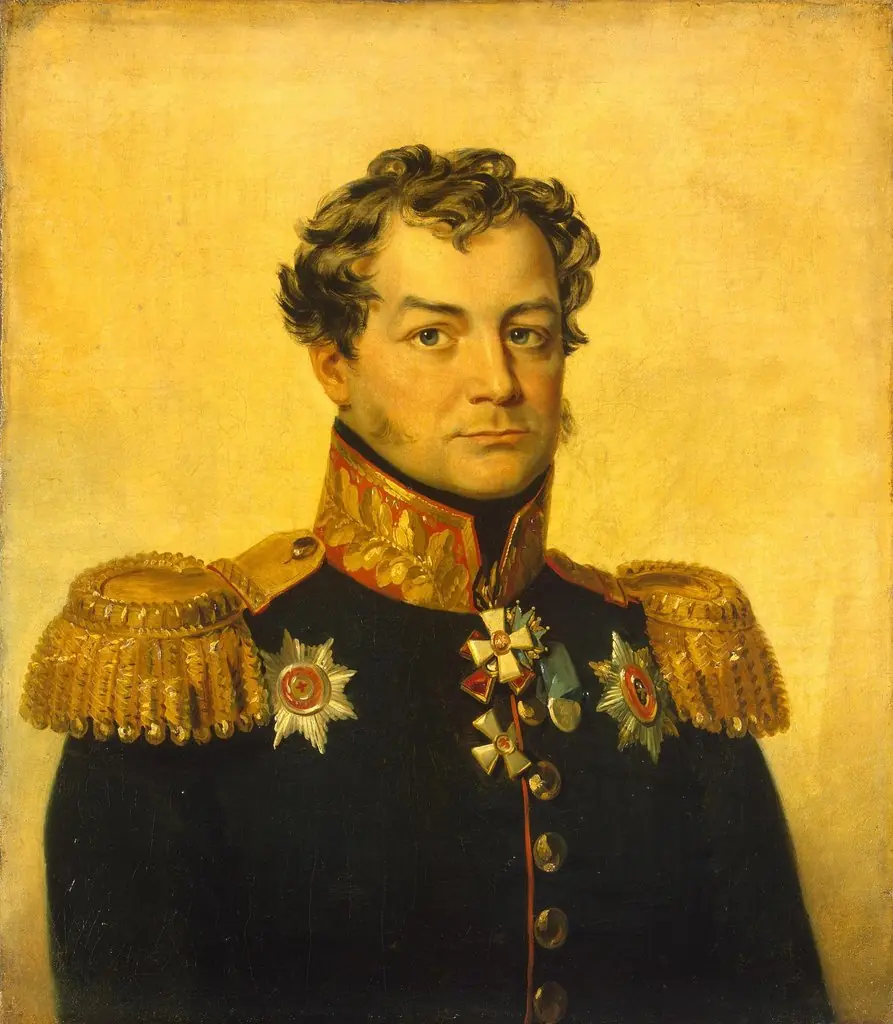 Portrait of Kirill F. Kazachkovsky (1760-1829)
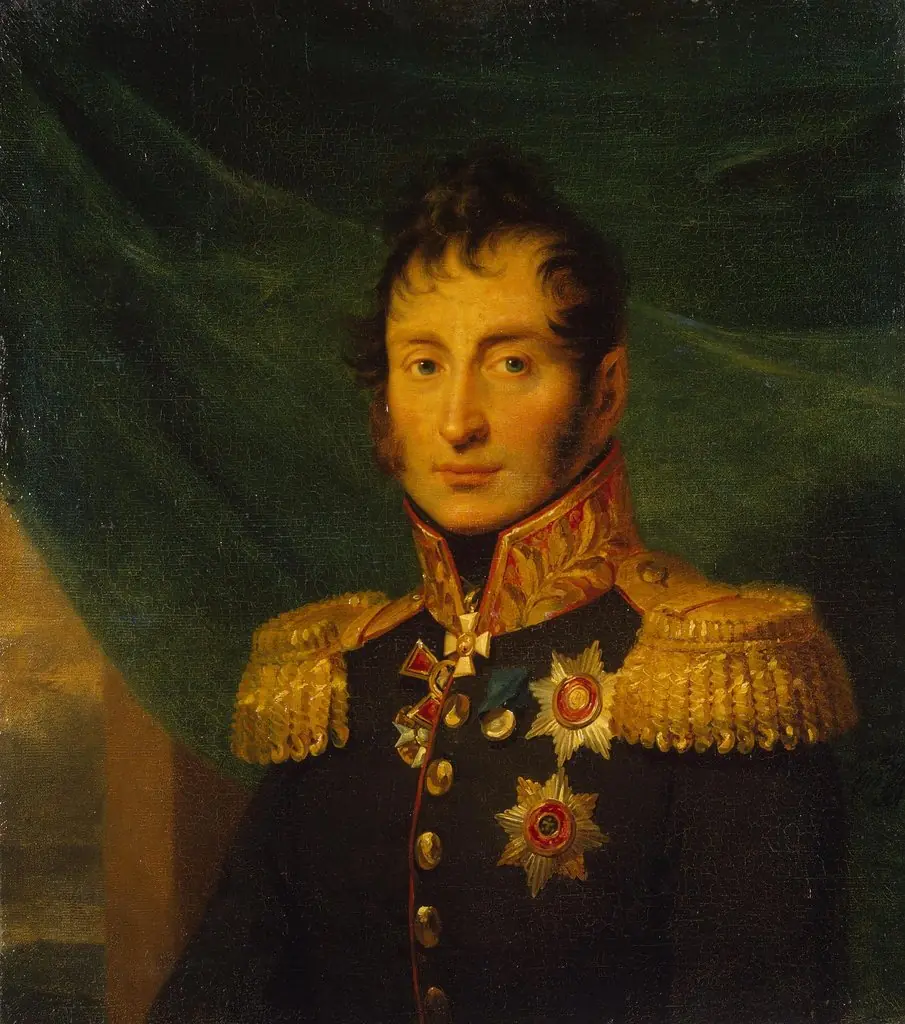 Portrait of Nikolai A. Tuchkov (1765-1812) (1st)
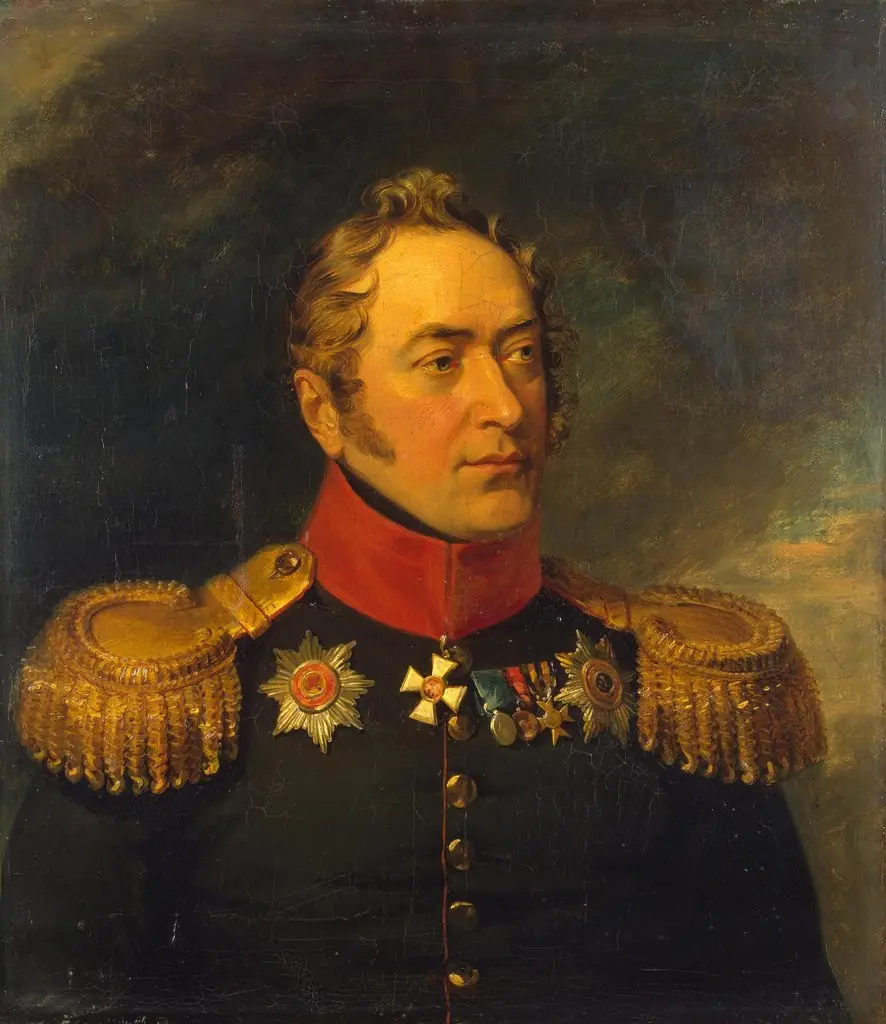 Portrait of Nikolai N. Khovansky (1777-1837)
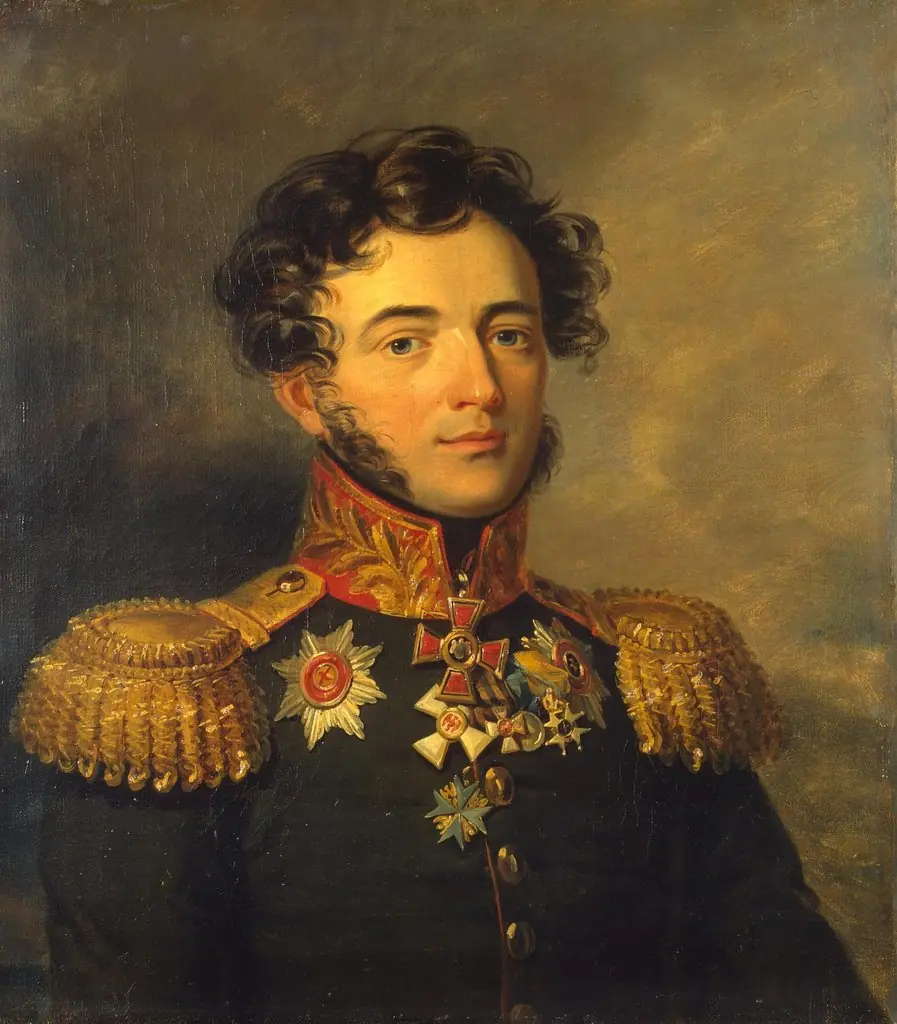 Portrait of Sergey F. Zheltukhin (1776-1833)
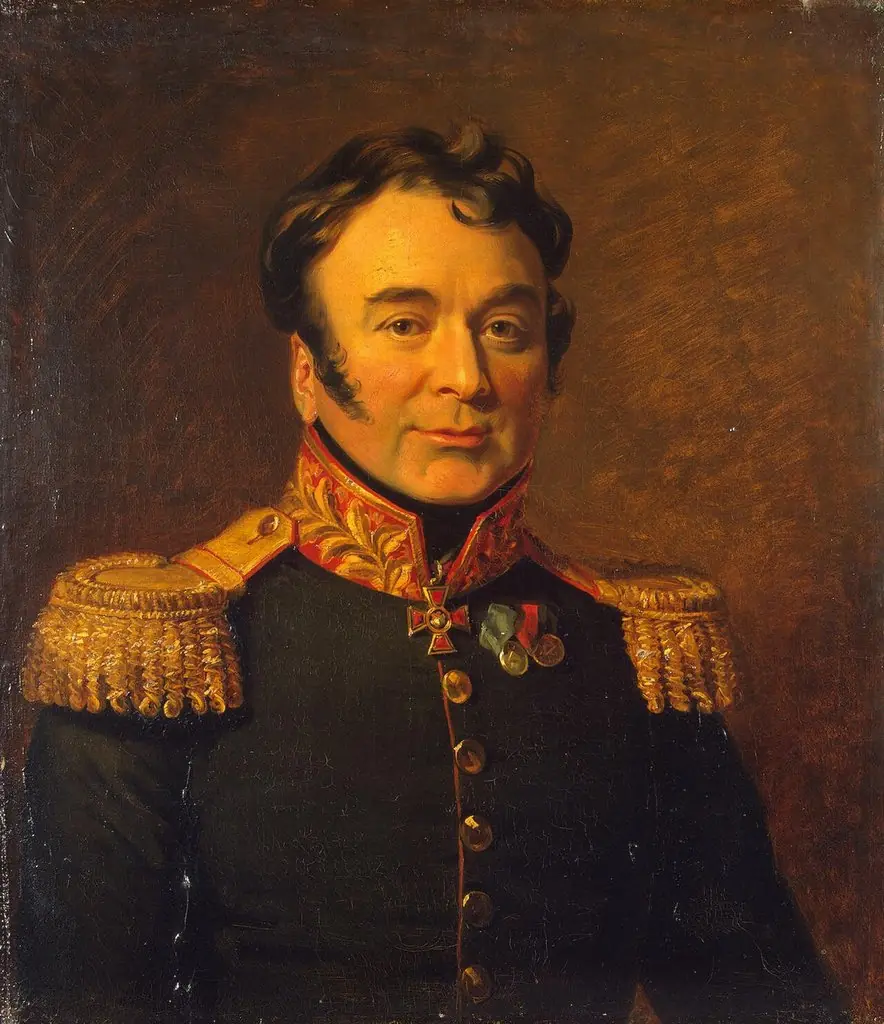 Portrait of Anton P. Velikopolsky (1770-1830)
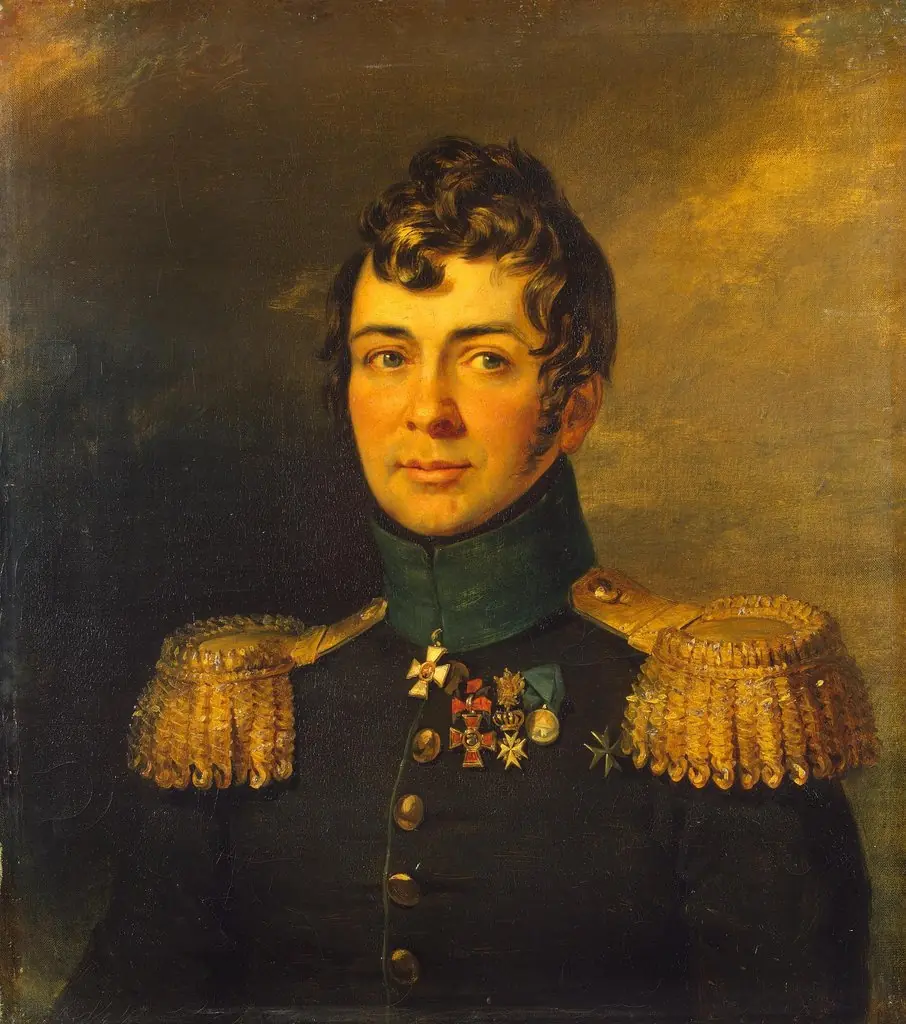 Portrait of Sergey N. Ushakov (1776-1814) (2nd)