Artwork
Untitled
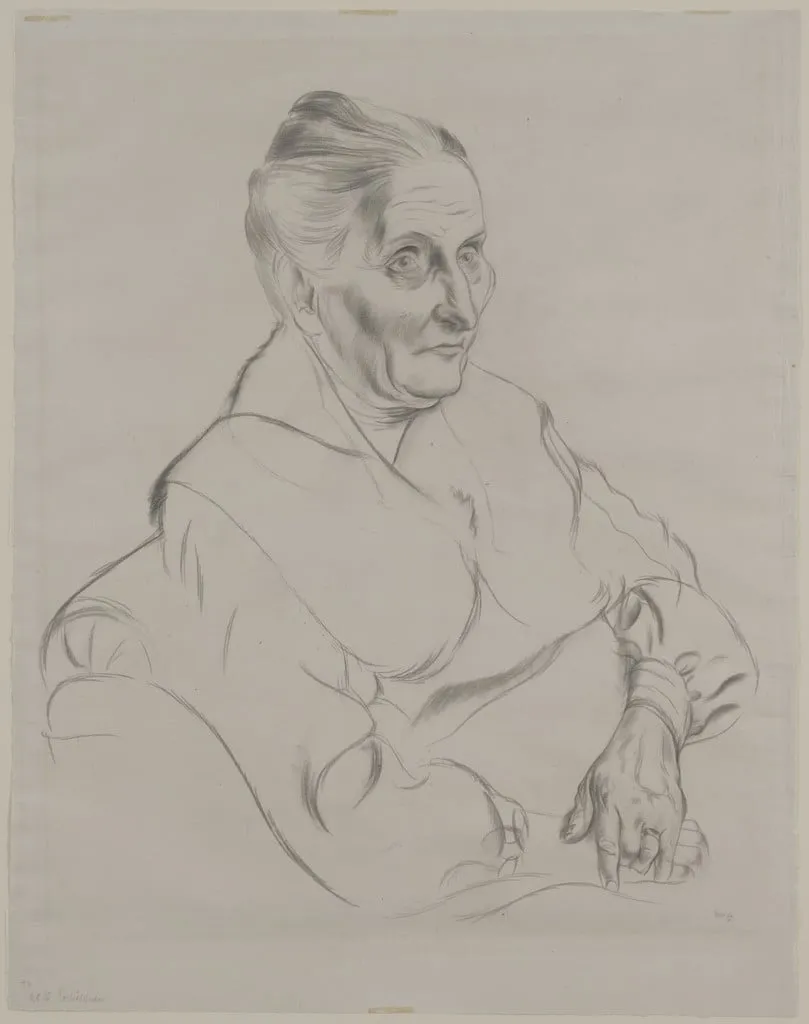
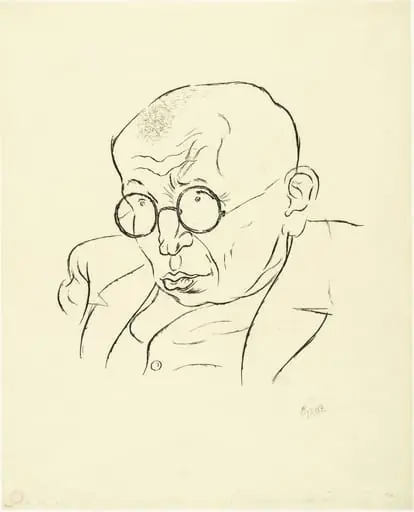
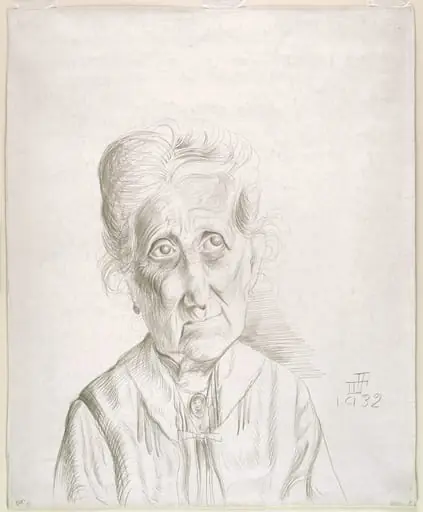
Untitled is a graphite drawing by George Grosz. It dates from 1926 and is held in the collection of the Museum of Modern Art.
About this work
Overview
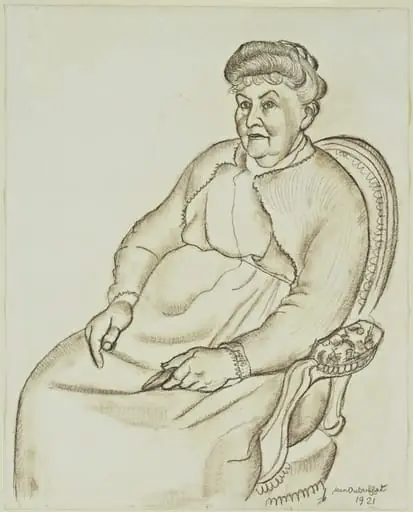
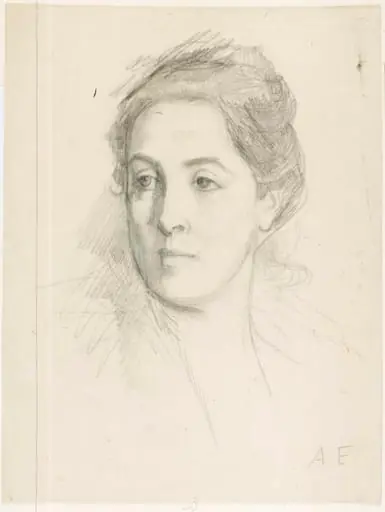
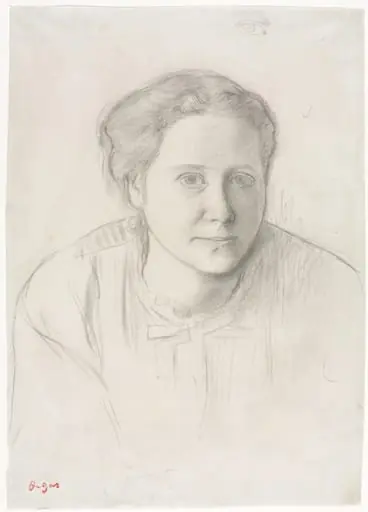
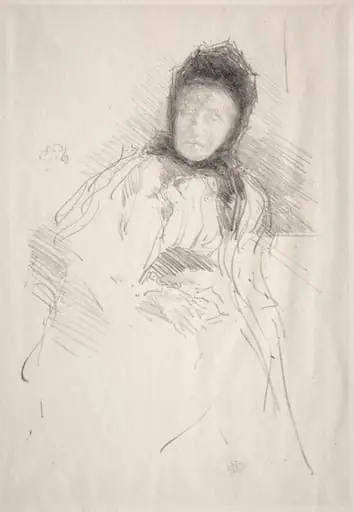
The work is unadorned by color or background, focusing entirely on the figure’s presence through line and tone.
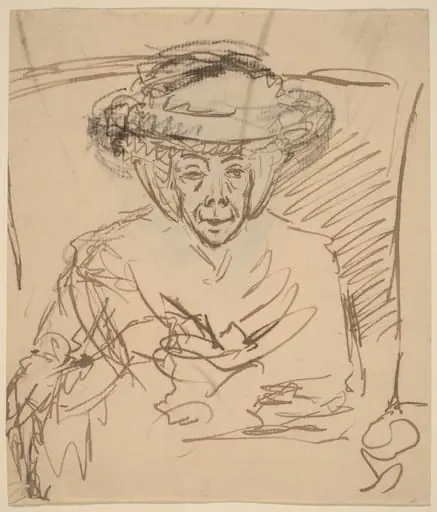
This 1926 pencil drawing by George Grosz is part of The Museum of Modern Art’s collection. Executed with restrained precision, it captures a woman’s upper body in a quiet, introspective pose. The work is unadorned by color or background, focusing entirely on the figure’s presence through line and tone. Its modest scale and intimate subject reflect Grosz’s interest in everyday human forms during his Berlin years.
Subject & Meaning
The subject is a middle-aged woman, depicted with dignity and quiet reserve. Her neatly pulled-back hair and high-necked dress suggest modesty or social constraint. The folded cloth in her hand and the stillness of her posture imply a moment of pause, perhaps domestic labor or contemplation. Grosz avoids caricature here, offering instead a restrained portrait that emphasizes inner stillness over external drama.
Technique & Style
Grosz employs loose yet deliberate pencil strokes to define form and texture. Shading is built through subtle gradations rather than heavy cross-hatching, lending softness to the skin and fabric. The hands are rendered with particular care, their wrinkles and the cloth’s folds rendered with tactile precision. The drawing’s economy of line conveys volume and weight without reliance on detail, showcasing Grosz’s mastery of minimalism.
History & Provenance
Created in Berlin during Grosz’s most active period as a social observer, the drawing entered MoMA’s collection in the mid-20th century. Its provenance prior to institutional acquisition is not publicly documented, but it aligns with a series of intimate studies Grosz made of individuals he encountered in urban settings. Unlike his satirical prints, this work reveals a quieter, more personal facet of his practice.
Context
In mid-1920s Germany, Grosz was known for biting social commentary, yet this drawing departs from his usual polemics. It reflects a broader trend among Expressionist artists to explore psychological depth in solitary figures. The absence of context or setting shifts focus to the individual’s humanity, mirroring a cultural moment where personal vulnerability became a subject of artistic inquiry amid political instability.
Legacy
This drawing stands as a quiet counterpoint to Grosz’s more famous satirical works. It demonstrates his capacity for empathy and formal restraint, influencing later artists interested in psychological portraiture without overt narrative. Its inclusion in MoMA’s collection affirms its value as an example of 20th-century drawing that prioritizes observation over exaggeration.
Artist & collection

Artist
George Grosz was a German artist known especially for his caricatural drawings and paintings of Berlin life in the 1920s.