Artwork
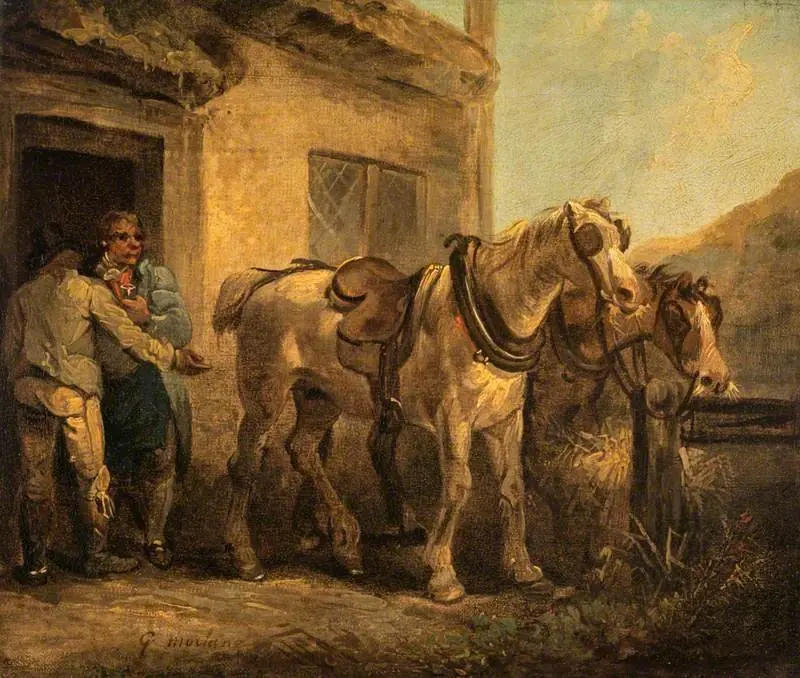
A Farmyard
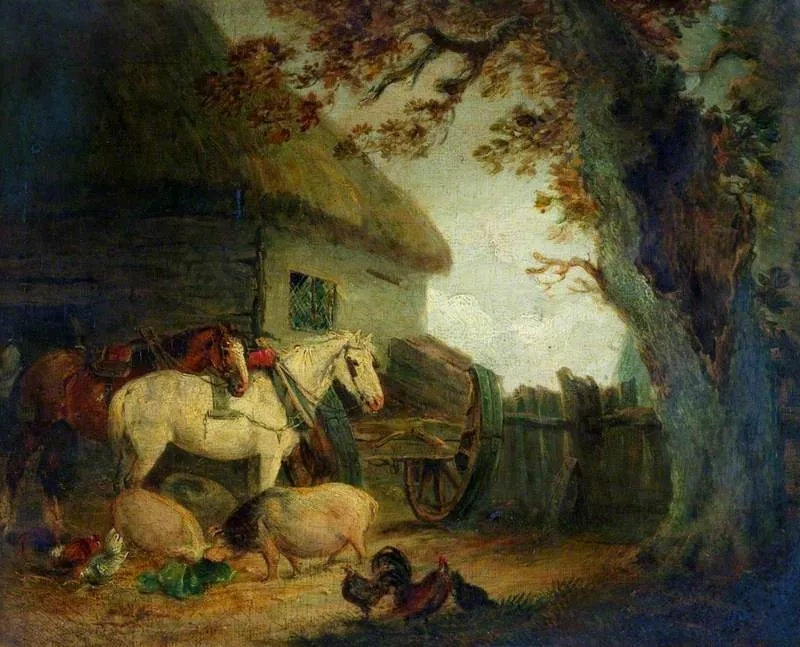
A Farmyard is an oil painting by George Morland. It dates from 1793 and is held in the collection of the Victoria and Albert Museum.
About this work
Overview
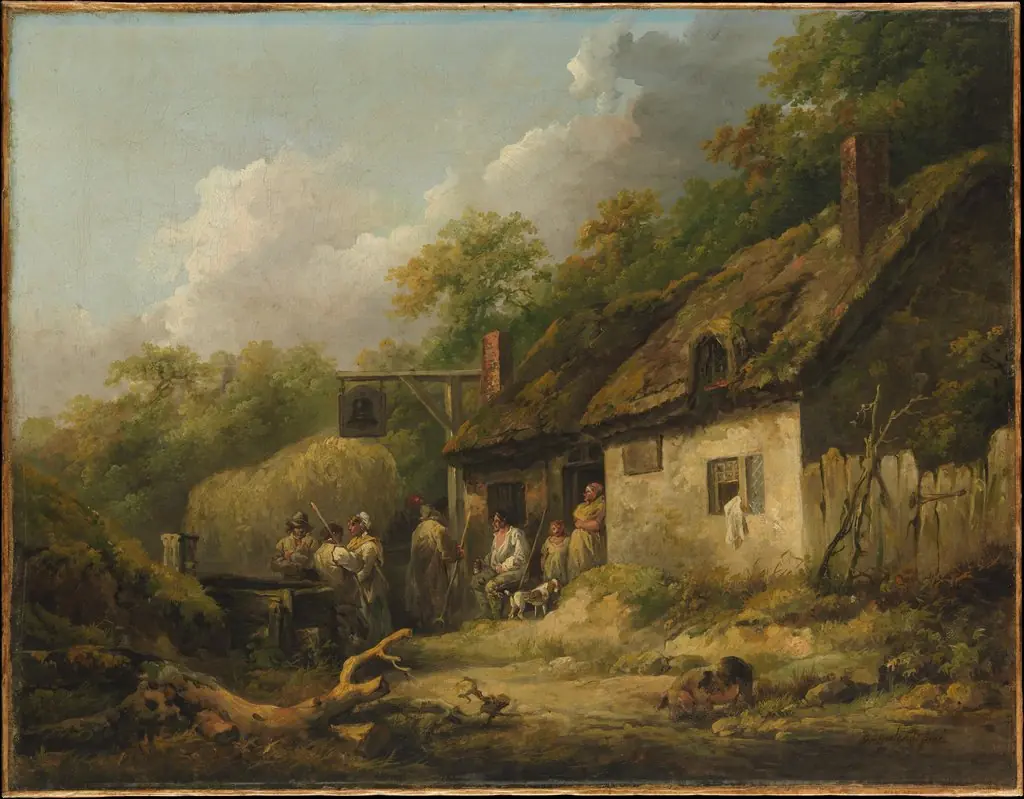
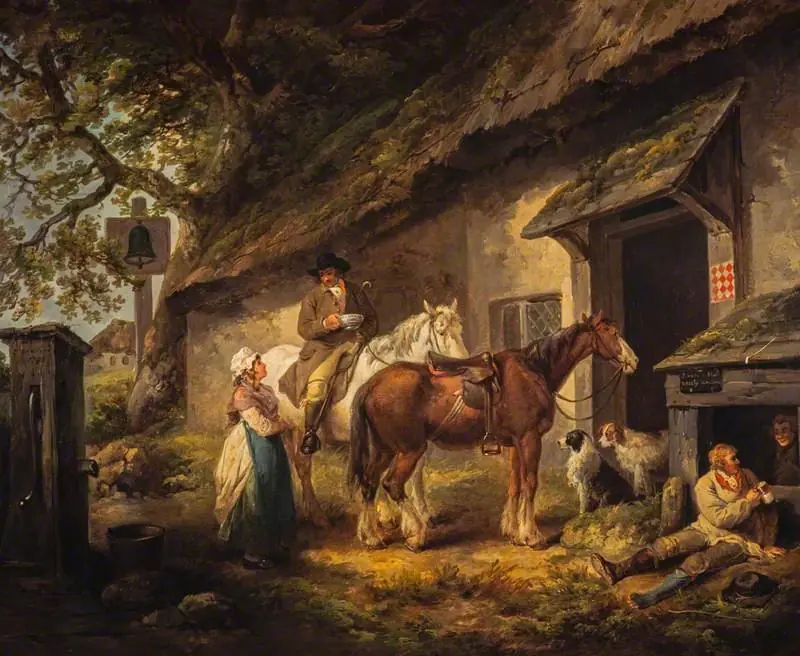
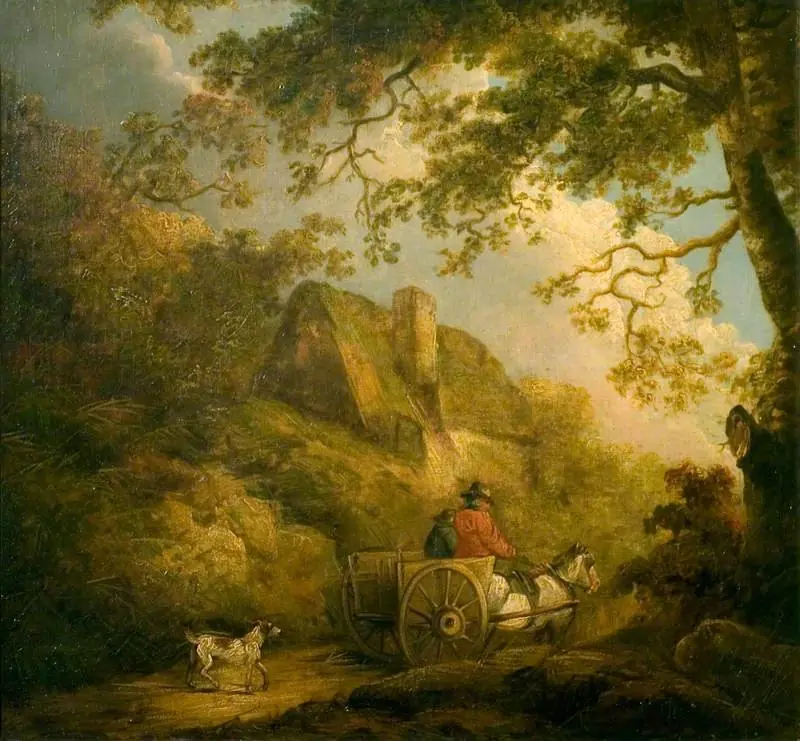
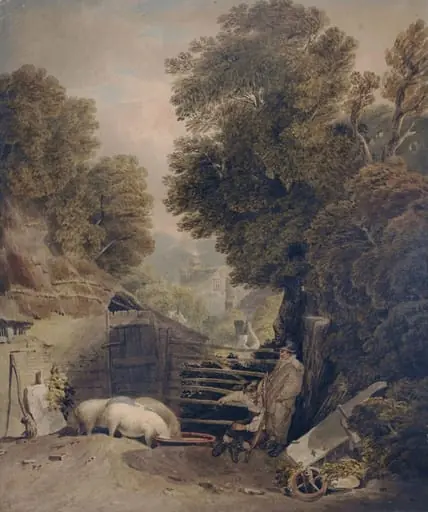
Created circa 1793, *A Farmyard* presents a quiet agricultural setting rendered in oil. A white horse pulls a cart while pigs and chickens wander nearby, all set before a modest thatched cottage framed by trees and a low fence. The composition balances foreground activity with a calm background, offering a snapshot of everyday country life.
Subject & Meaning
The work focuses on ordinary farm labor and domestic animals, emphasizing the simplicity and self‑sufficiency of rural existence. By foregrounding the horse and livestock, Morland highlights the interdependence of work and nature, inviting viewers to contemplate the steady rhythm of agrarian routines.
Technique & Style
Morland employs a warm palette and layered oil strokes that give texture to fur, foliage, and thatch. Subtle chiaroscuro models the forms, while the loose handling of brushwork conveys atmospheric depth without sacrificing detail. The painting reflects his assimilation of Dutch genre conventions, yet displays a personal softness in the treatment of light.
History & Provenance
By the early 1790s he had established a distinct visual language after earlier influence from contemporaries such as Francis Wheatley.
The piece entered the collection of the Victoria and Albert Museum, where it remains on display. During Morland’s lifetime, his farm scenes were frequently reproduced as engravings, a practice that generated greater profit for his publishers than for the artist himself. By the early 1790s he had established a distinct visual language after earlier influence from contemporaries such as Francis Wheatley.
Artist & collection
Artist
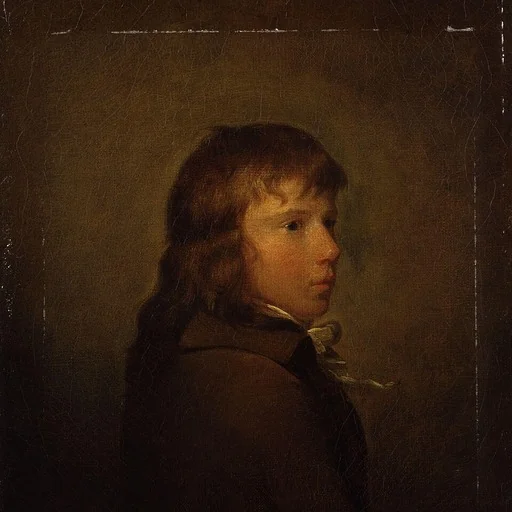
George Morland (26 June 1763 – 29 October 1804) was an English painter. His early work was influenced by Francis Wheatley, but after the 1790s he came into his own style. His best compositions focus on rustic scenes:…