Artwork
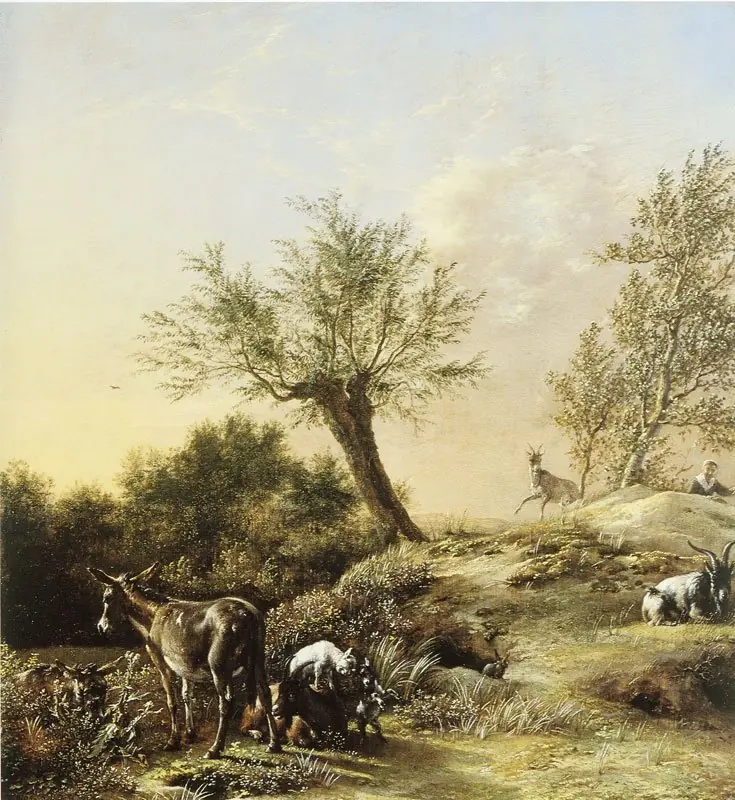
Farmyard Scene: A Donkey and Goats
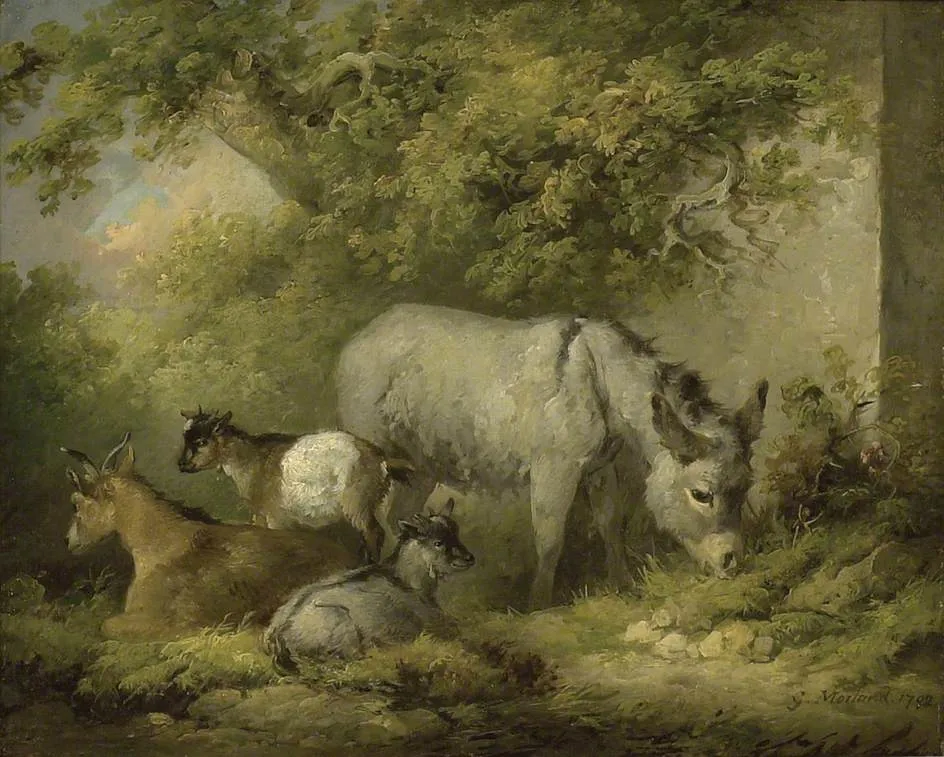
Farmyard Scene: A Donkey and Goats is an oil painting by George Morland. It dates from 1796 and is held in the collection of the Ashmolean Museum.
About this work
Overview
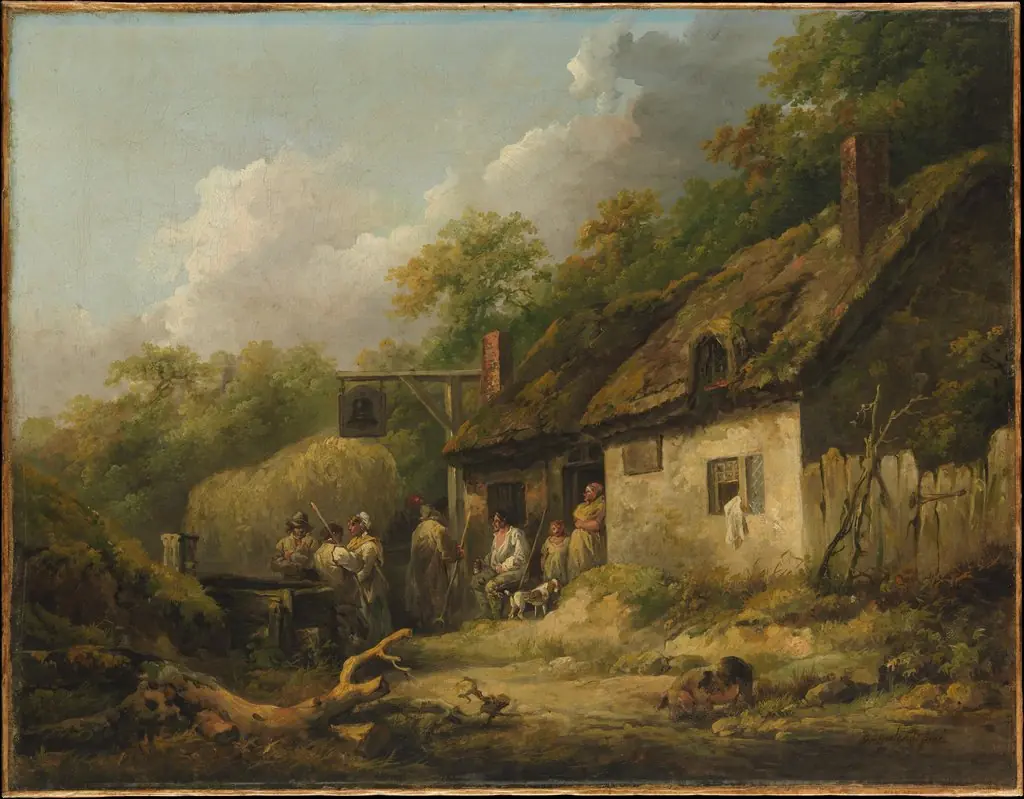
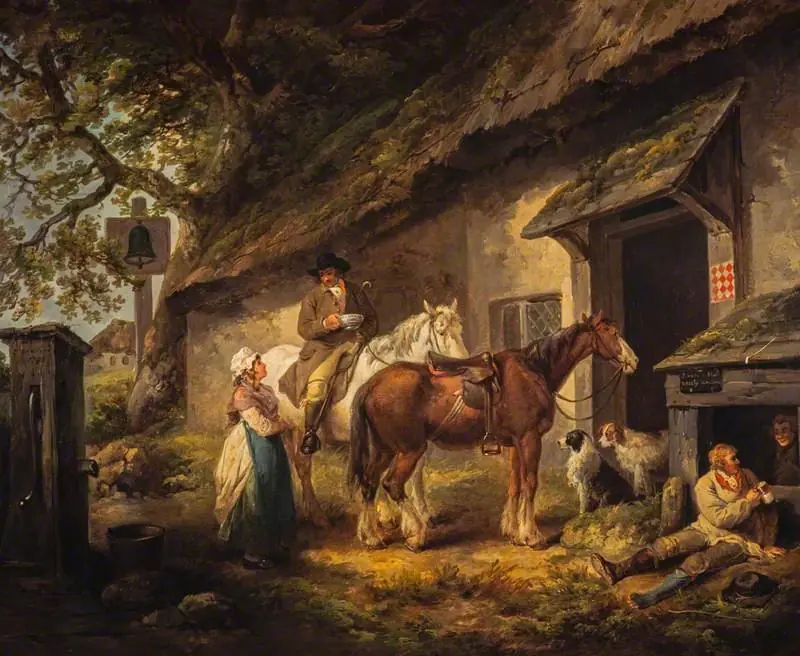
The scene reflects his consistent interest in the ordinary rhythms of country existence, rendered with a muted palette dominated by greens and earth tones.
Painted in 1796, this oil-on-canvas work by George Morland presents a quiet moment in rural England, centered on a white donkey and several brown-and-white goats in a grassy yard. Morland, known for his unidealized depictions of agricultural life, captures the animals in a naturalistic pose, avoiding theatricality. The scene reflects his consistent interest in the ordinary rhythms of country existence, rendered with a muted palette dominated by greens and earth tones.
Subject & Meaning
The painting’s subject is unadorned rural labor and animal presence, not narrative or symbolism. The donkey and goats are shown without human figures, emphasizing their autonomy within the farm environment. Their relaxed postures suggest a moment of pause in daily routines, inviting contemplation of animal life as integral to the landscape. Morland’s choice to exclude human activity underscores a quiet dignity in non-human subjects.
Technique & Style
Morland employed loose, observational brushwork to render the animals and foliage, avoiding fine detail in favor of atmospheric cohesion. The greens of the grass and trees are layered with subtle variations, creating depth without sharp definition. Light falls evenly across the scene, softening edges and unifying the composition. His technique aligns with Dutch pastoral traditions but lacks their idealized harmony, favoring a more immediate, unpolished realism.
History & Provenance
Created during a period of intense productivity, the painting emerged from Morland’s frequent engagement with rural subjects despite his personal instability. Though widely reproduced as prints—often without his consent or fair compensation—original works like this one remained relatively private. Its early ownership is undocumented, but it likely circulated among collectors drawn to his accessible, genre-driven imagery rather than elite commissions.
Context
In late 18th-century Britain, interest in rural life grew amid urbanization and industrial change. Morland’s paintings responded to this nostalgia, offering images of agrarian stability. Unlike academic painters who elevated historical or mythological themes, he focused on working animals and modest farmsteads, aligning with a broader trend of genre painting that valued everyday observation over grandeur.
Legacy
Morland’s influence lies in his normalization of rural subjects in British art, paving the way for later realist painters. Though overshadowed in his time by more celebrated contemporaries, his works remain valued for their unpretentious observation of animal and landscape interaction. His prolific output, despite personal hardship, contributed to a visual record of rural England that continues to inform understandings of 18th-century country life.
Artist & collection
Artist
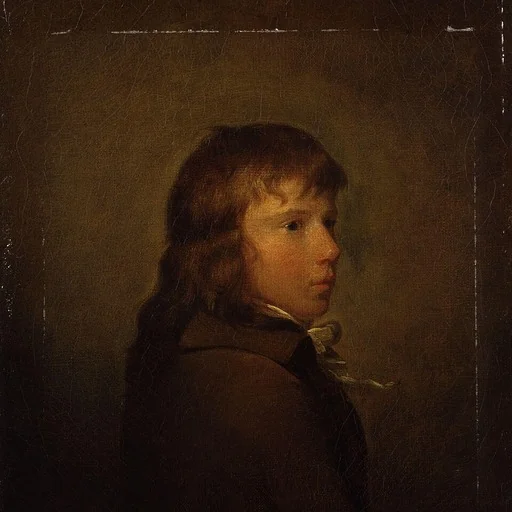
George Morland (26 June 1763 – 29 October 1804) was an English painter. His early work was influenced by Francis Wheatley, but after the 1790s he came into his own style. His best compositions focus on rustic scenes:…