Artwork
Gypsy Encampment with Seated Man Breaking Firewood
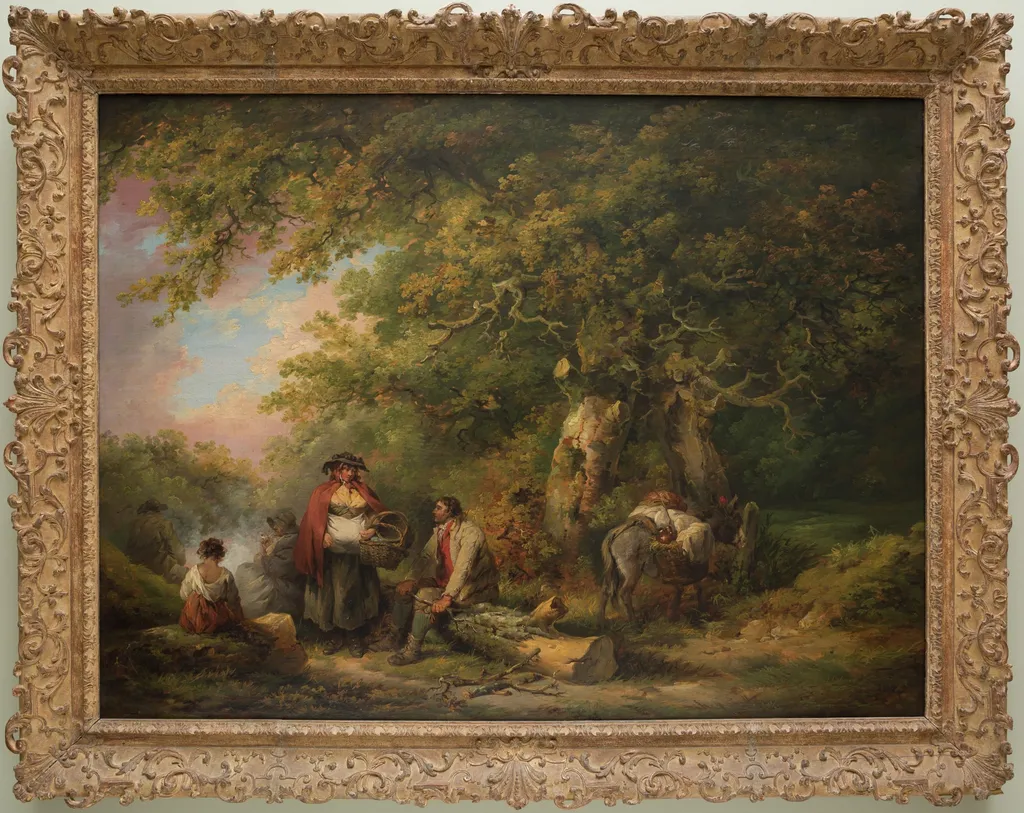
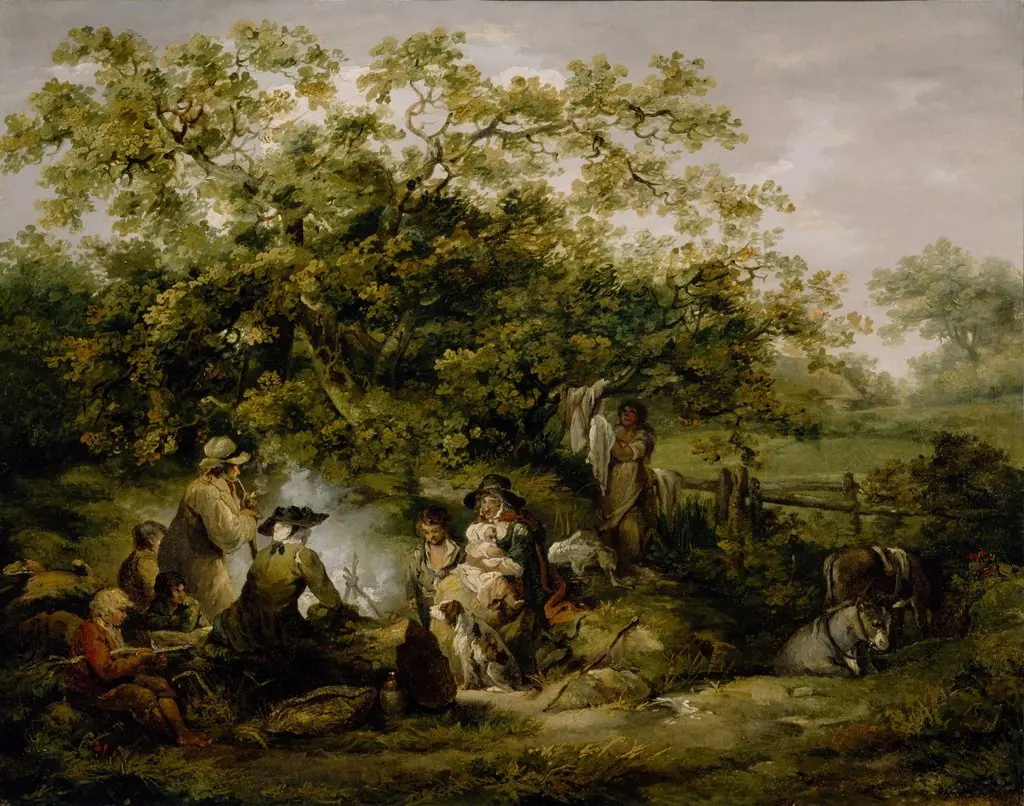
Gypsy Encampment with Seated Man Breaking Firewood is an oil painting by George Morland. It dates from 1796 and is held in the collection of the Detroit Institute of Arts. Created in 1796, this oil painting captures a small encampment set within a forested landscape.
About this work
Overview
Created in 1796, this oil painting captures a small encampment set within a forested landscape. A seated figure splits firewood while a woman with a basket and a child attend nearby. The composition is framed by trees and a muted sky, conveying a quiet moment of daily life among itinerant people.
Subject & Meaning
The work portrays a gypsy camp, emphasizing the routine tasks of fire‑making and caretaking. By focusing on ordinary activities rather than dramatic narrative, it suggests themes of survival, community, and the modest comforts found within a transient lifestyle.
Technique & Style
Morland employs a warm palette that imparts a gentle glow to the scene, while his brushwork remains loose and animated, lending a sense of immediacy. The handling of light and texture reflects the influence of Dutch genre painters, merging detailed observation with broader, expressive strokes.
History & Provenance
The painting entered the Detroit Institute of Arts collection, where it remains on display. It belongs to the later phase of Morland’s career, a period marked by a refined approach to rural genre subjects despite the artist’s personal difficulties during his final years.
Context
During the late eighteenth century, English artists increasingly turned to depictions of rural and itinerant life, catering to a market interested in sentimental and moralizing scenes. Morland’s focus on gypsies aligns with contemporary curiosity about marginalized groups, while his compositional choices echo the broader European tradition of genre painting.
Artist & collection
Artist
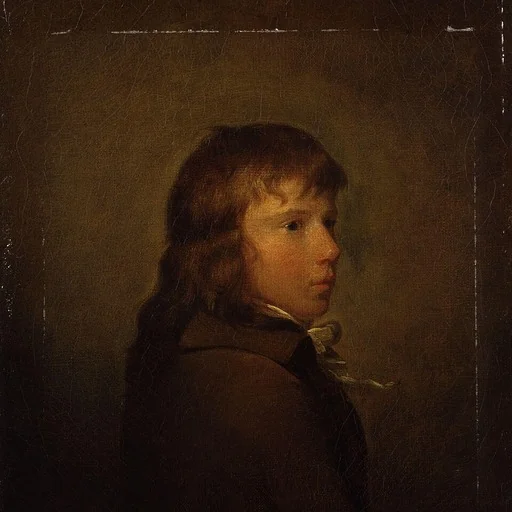
George Morland (26 June 1763 – 29 October 1804) was an English painter. His early work was influenced by Francis Wheatley, but after the 1790s he came into his own style. His best compositions focus on rustic scenes:…

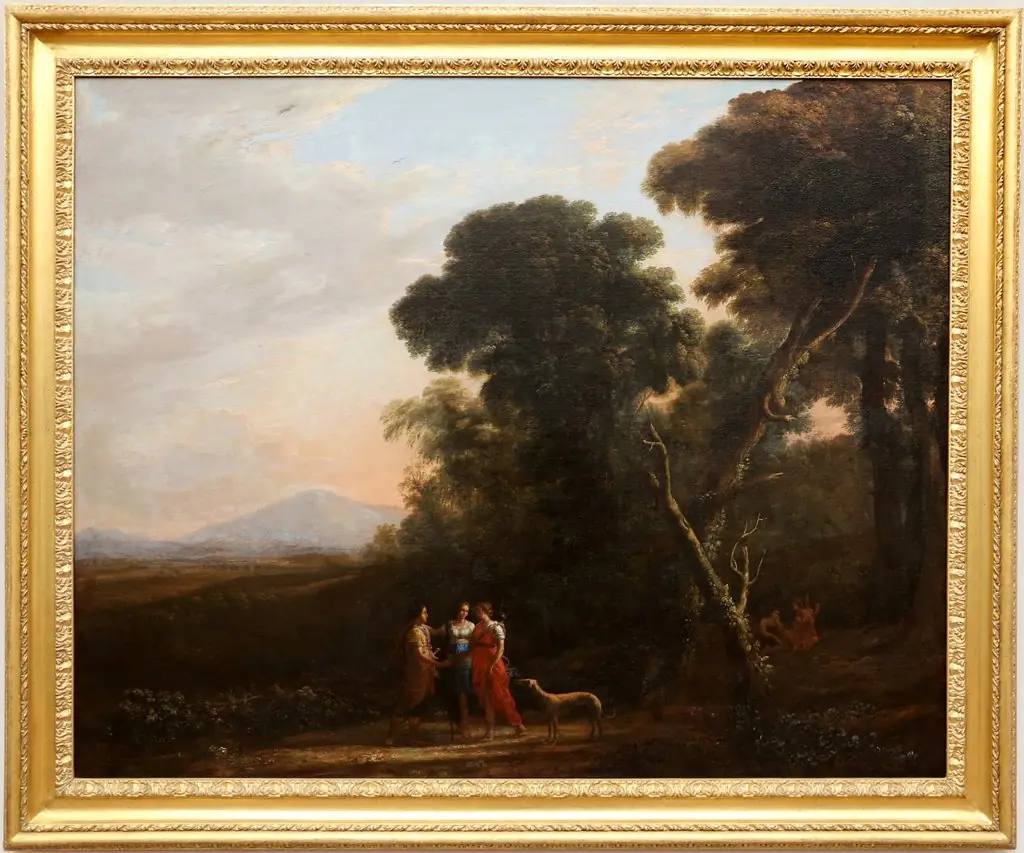 Roman Ideal Landscape with Cephalus, Procris, and Diana
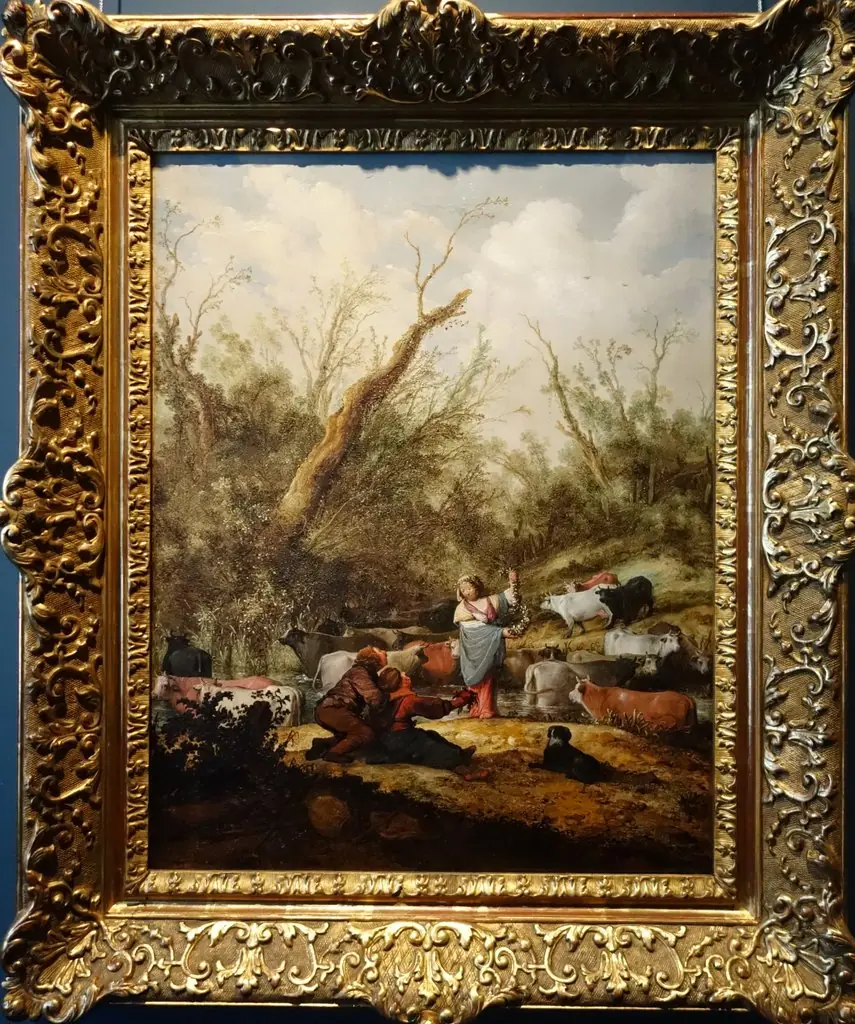 Pastoral scene
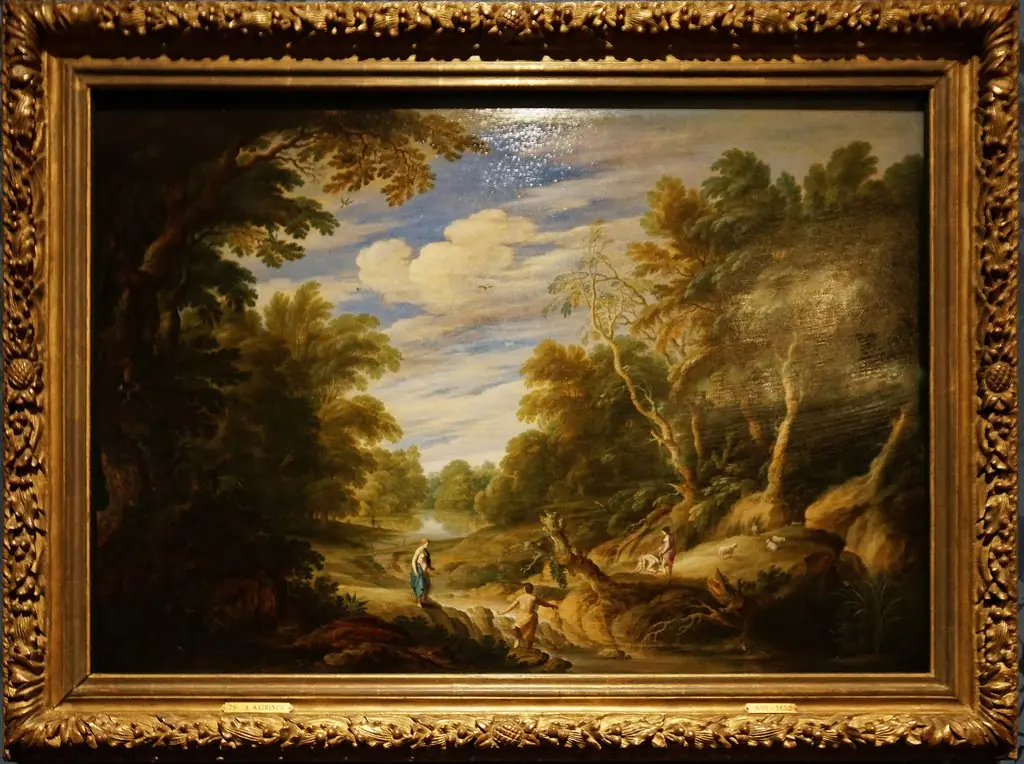 Forest landscape with figures
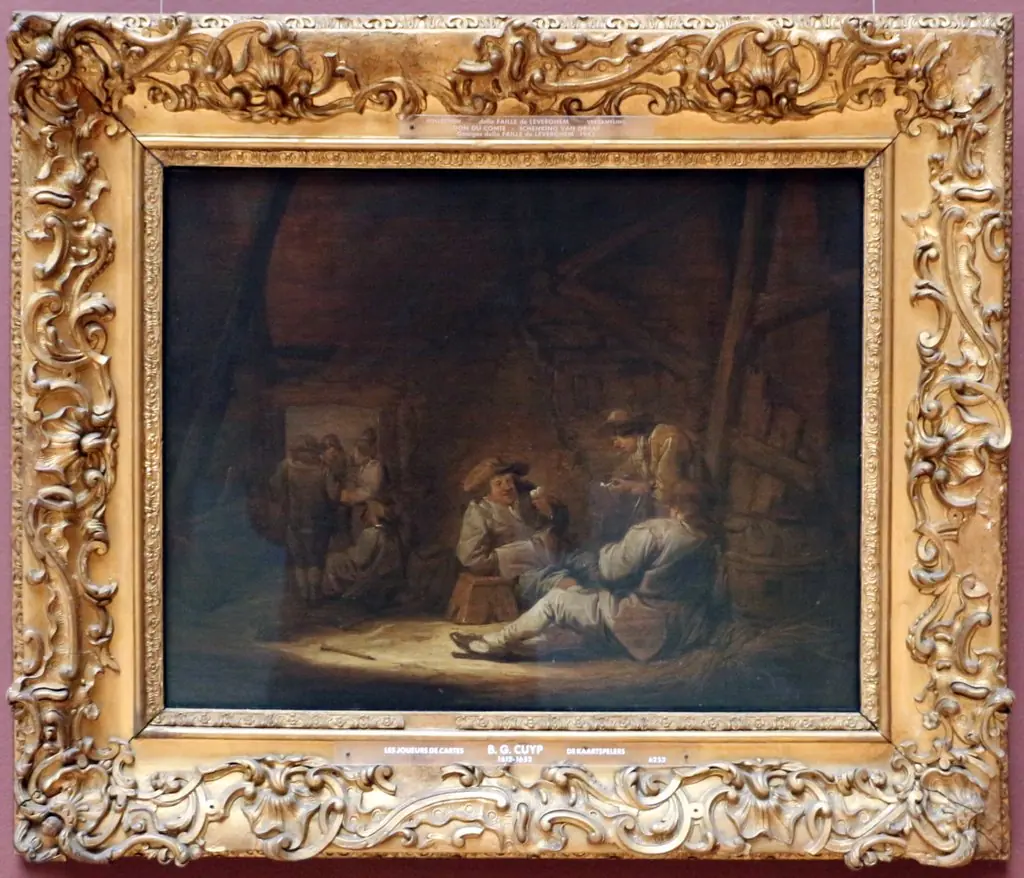 Card players
 Oak Wood
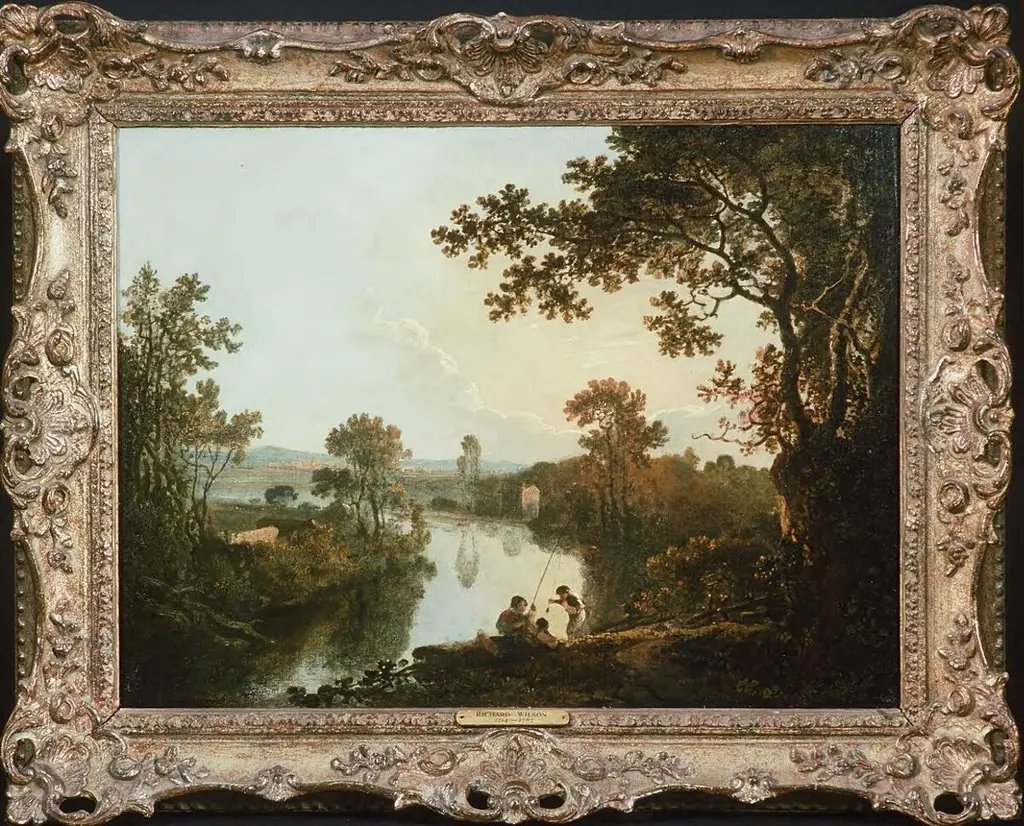 view on the river Dee with anglers
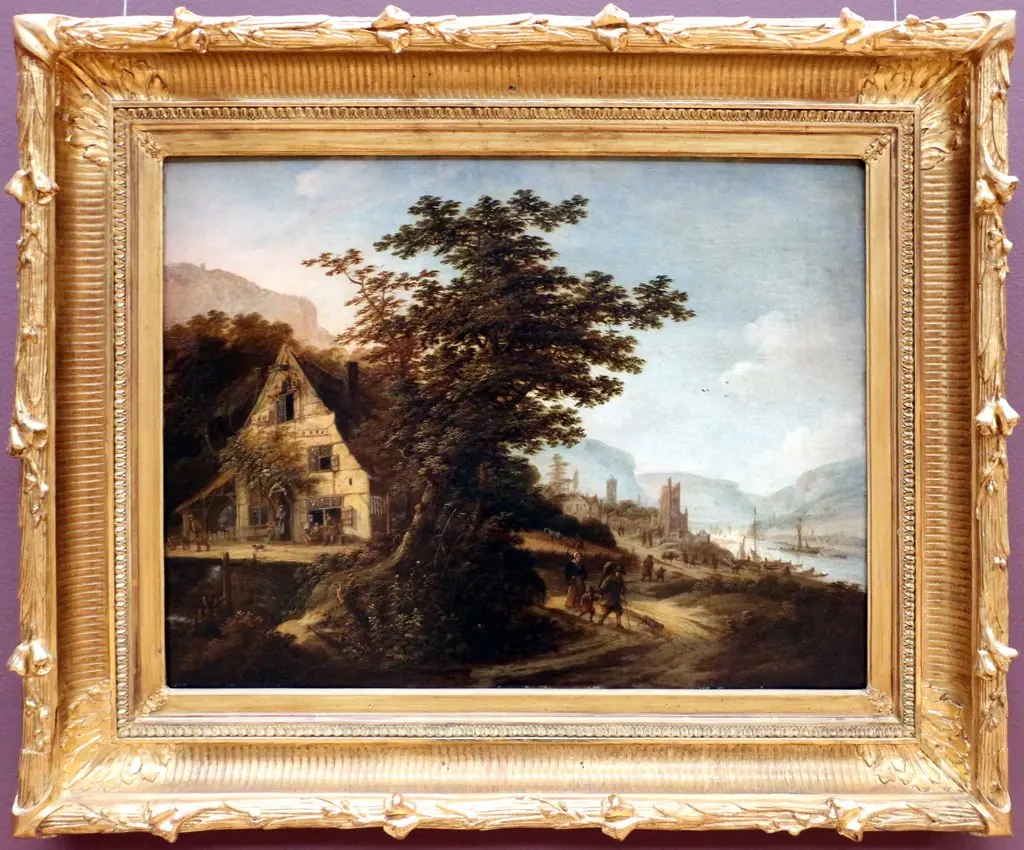 The watermill
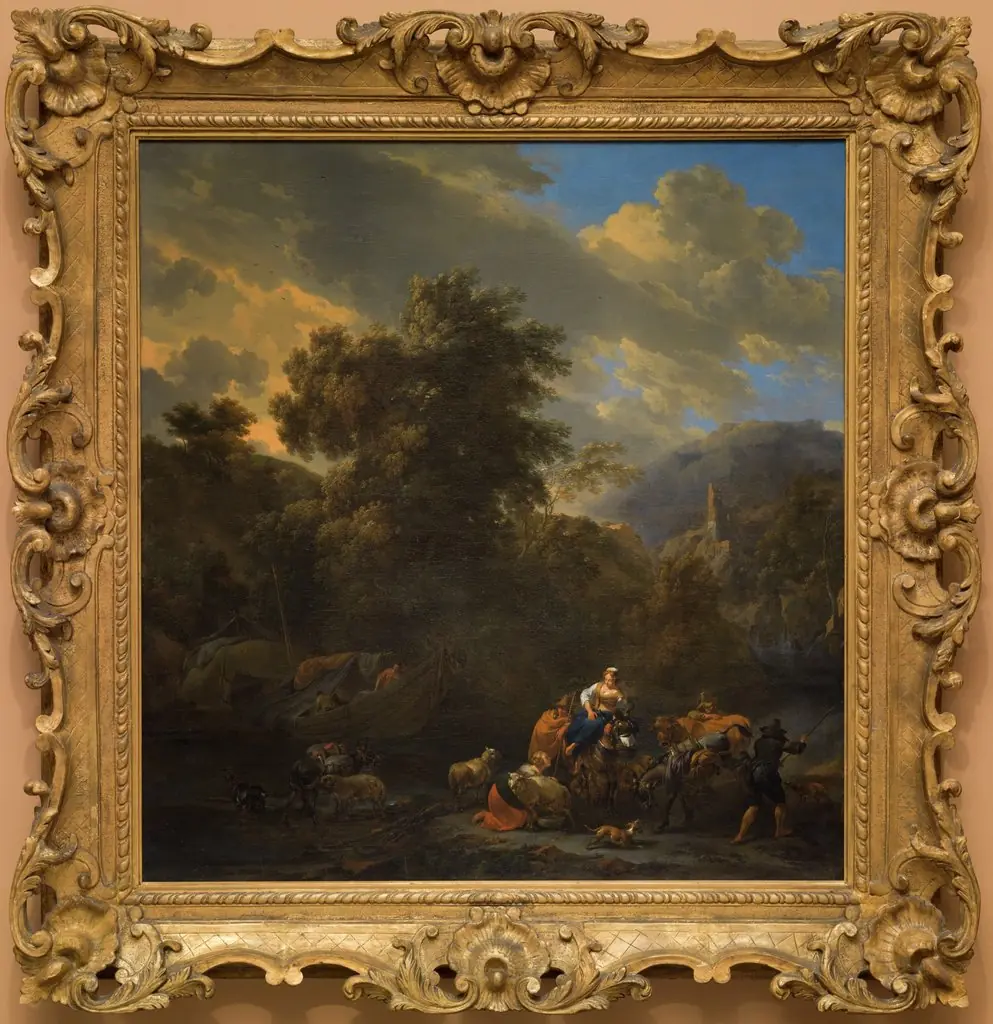 Italianate Landscape with Figures and Pack Animals on the Banks of a River
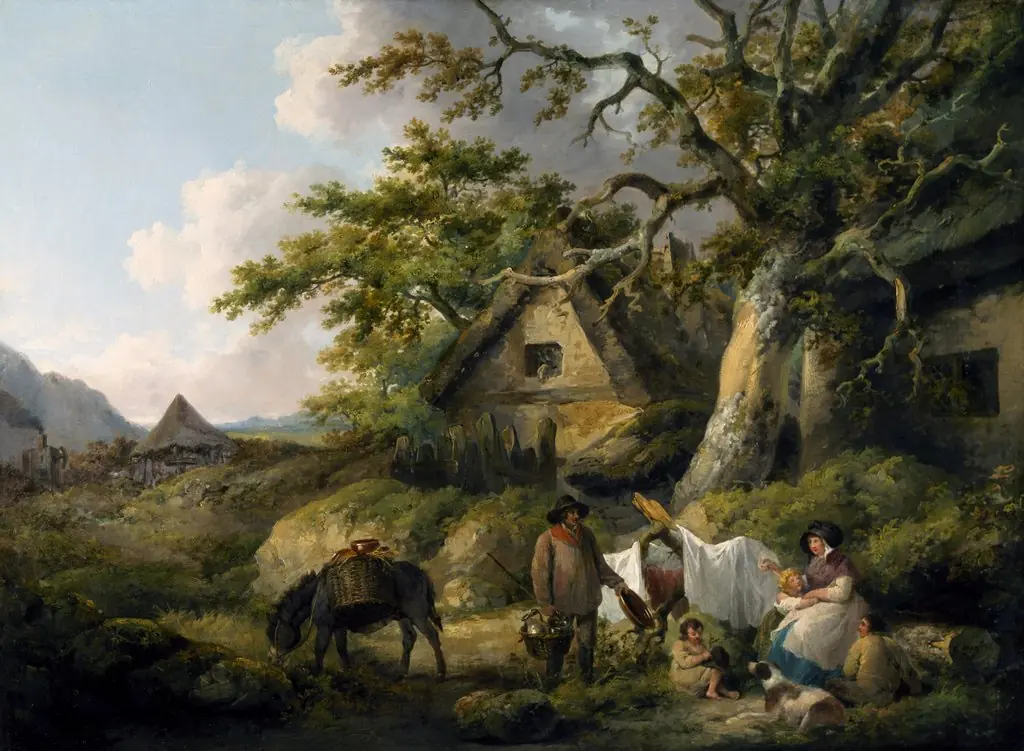 View at Enderby, Leicestershire
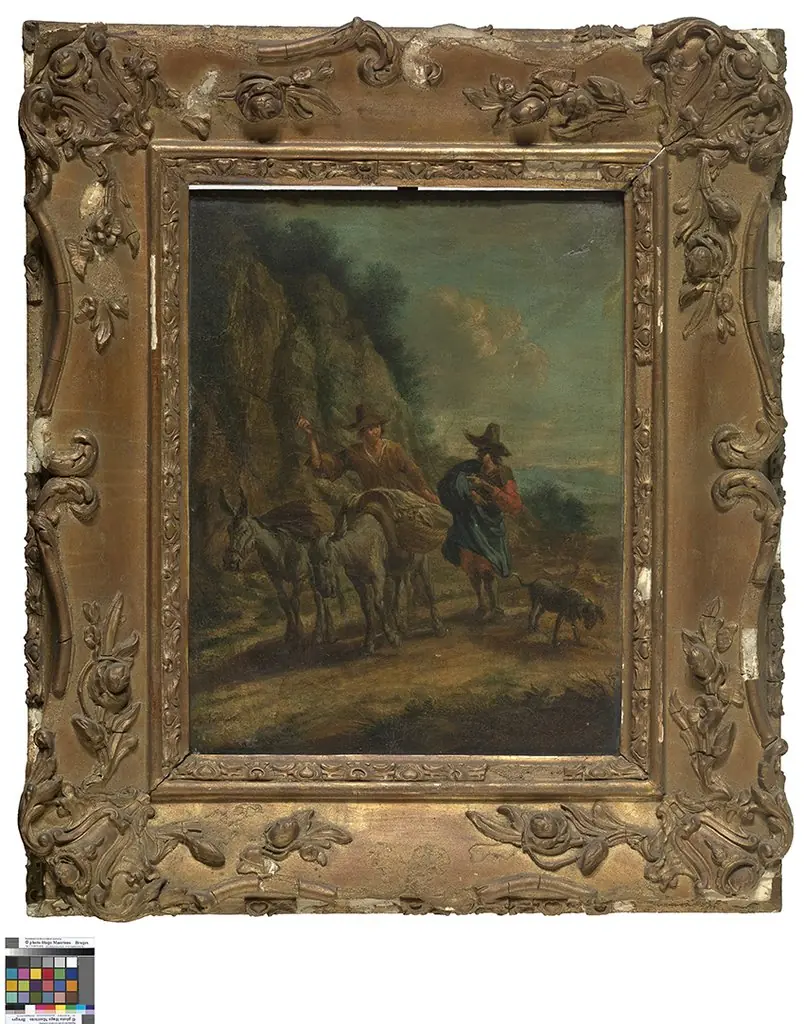 Ezeldrijvers
 Nymphs in a Landscape
 Gypsy Encampment