Artwork
Lady Hamilton As "Medea"
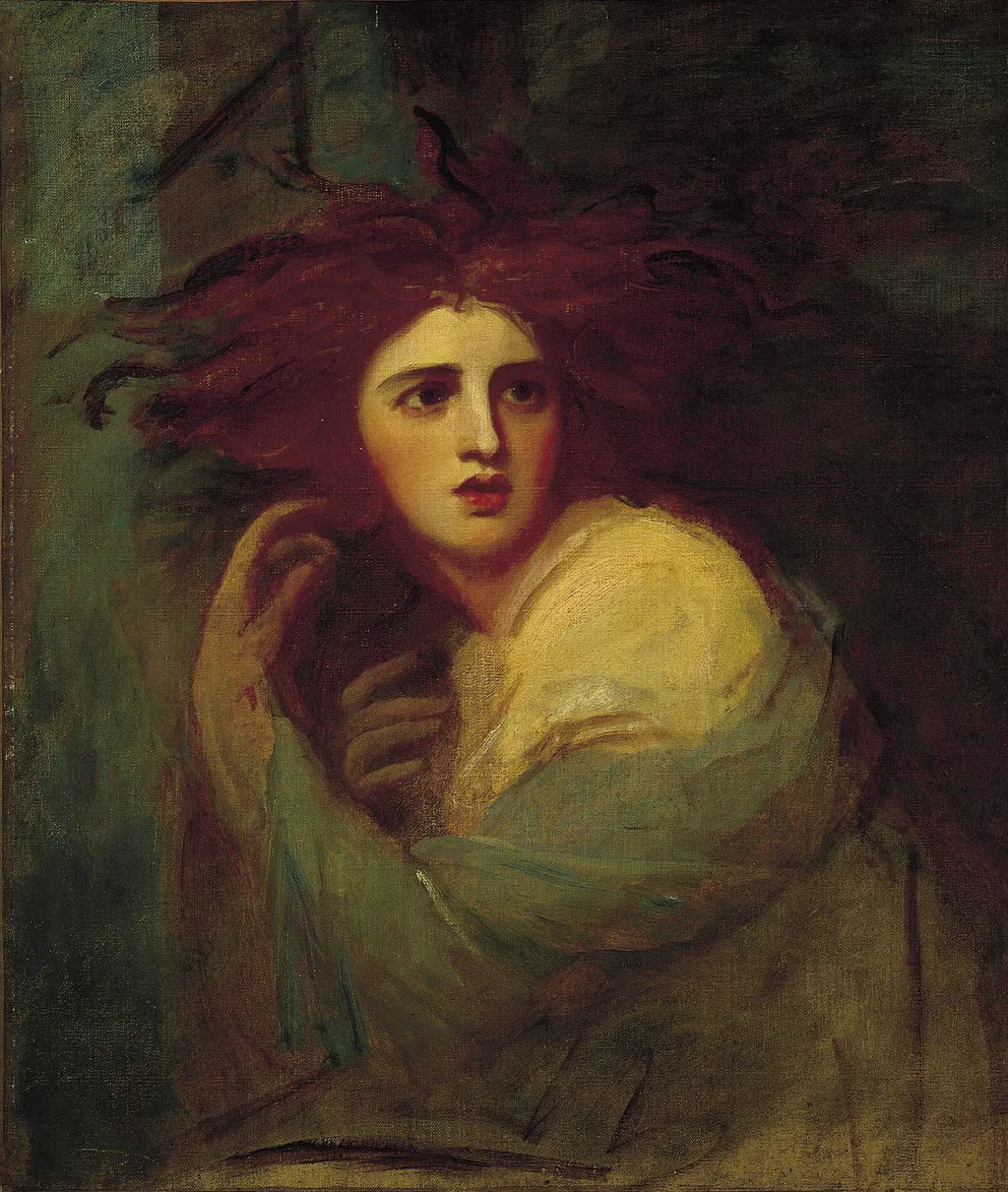
Lady Hamilton As "Medea" is an oil painting by the Rococo painting artist George Romney. It dates from 1794 and is held in the collection of the Norton Simon Museum.
About this work
Overview
Painted in 1794 by George Romney, this oil portrait captures Emma, Lady Hamilton, in the guise of Medea, the mythological figure from Greek tragedy.
Painted in 1794 by George Romney, this oil portrait captures Emma, Lady Hamilton, in the guise of Medea, the mythological figure from Greek tragedy. Romney, known for his elegant society portraits, frequently used Hamilton as a model for classical and dramatic roles. The work is part of the Norton Simon Museum’s collection and reflects the artist’s interest in blending portraiture with theatrical narrative.
Subject & Meaning
Lady Hamilton is portrayed not as herself but as Medea, the sorceress who, in myth, contemplates infanticide out of vengeance. Her serious expression and raised hand, touching her hair, suggest inner turmoil rather than mere performance. The choice of Medea transforms the portrait into a psychological study, inviting contemplation of female agency, emotion, and the boundaries between identity and role-playing in the late 18th century.
Technique & Style
Romney employs chiaroscuro to model the figure with strong contrasts between light and shadow, lending volume and emotional weight to the form. The dark, indistinct background isolates the subject, focusing attention on her face and gesture. The white drapery of her dress is rendered with soft, fluid brushwork, contrasting with the textured darkness around her. The style leans toward neoclassical restraint rather than rococo ornamentation, despite the period’s prevailing trends.
History & Provenance
Commissioned during Hamilton’s time in England as the mistress of Admiral Nelson, the painting was one of many in which Romney depicted her in mythological roles. It remained in private collections until acquired by the Norton Simon Museum in the 20th century. Its provenance reflects the cultural fascination with Hamilton as both a social figure and a living embodiment of classical ideals.
Context
In late 18th-century Britain, portraying women as mythological figures was a common way to elevate portraiture beyond mere likeness. Lady Hamilton’s fame as a performer of 'attitudes'—dramatic, silent tableaux—made her an ideal subject for such interpretations. Romney’s series of her in classical roles responded to this cultural trend, merging celebrity, theater, and art in a moment when identity was increasingly performative.
Legacy
The portrait stands as a significant example of how portraiture could convey psychological depth through allegory. While Romney’s reputation later faded relative to contemporaries like Reynolds, this work endures for its quiet intensity and the complexity it lends to its subject. It remains a key reference in discussions of gender, performance, and the visual language of emotion in Georgian-era art.
Own this work as a print
Artist & collection
Artist
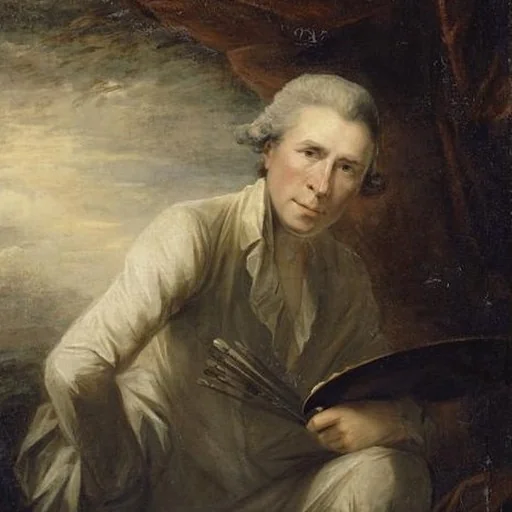
George Romney (26 December 1734 – 15 November 1802) was an English painter. He was the most fashionable artist of his day, painting many leading society figures – including his artistic muse, Emma Hamilton, mistress of Lord Nelson.

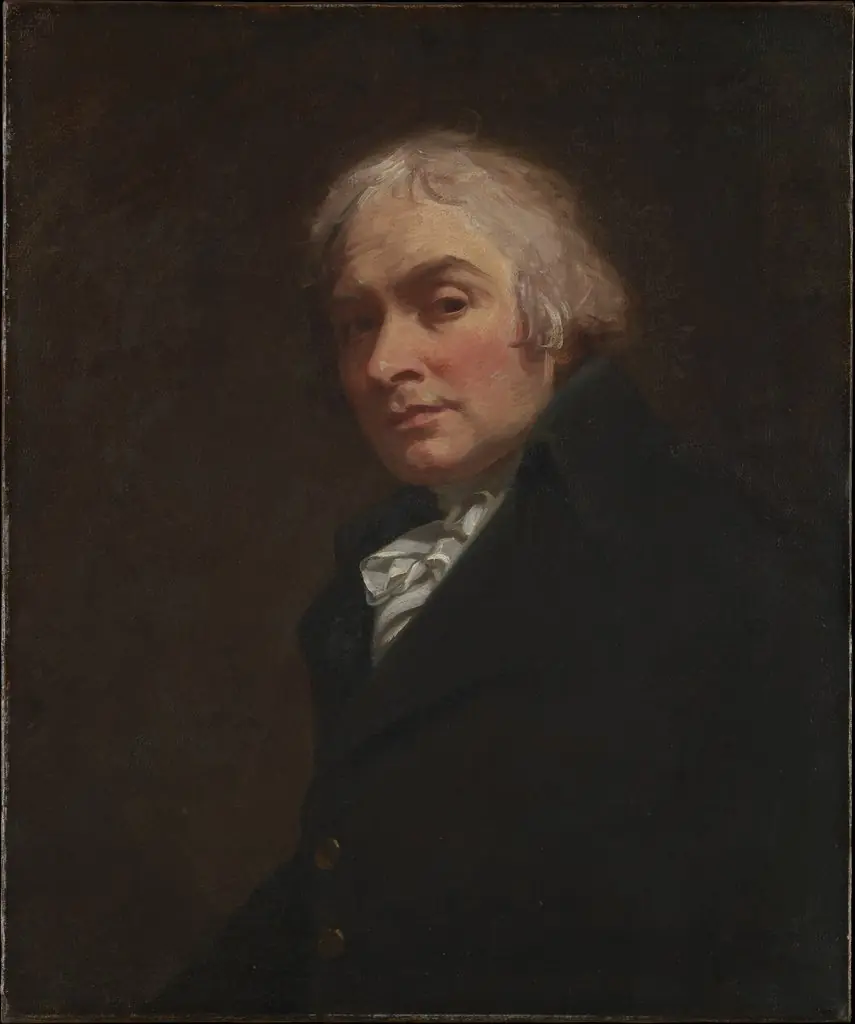 Self-Portrait
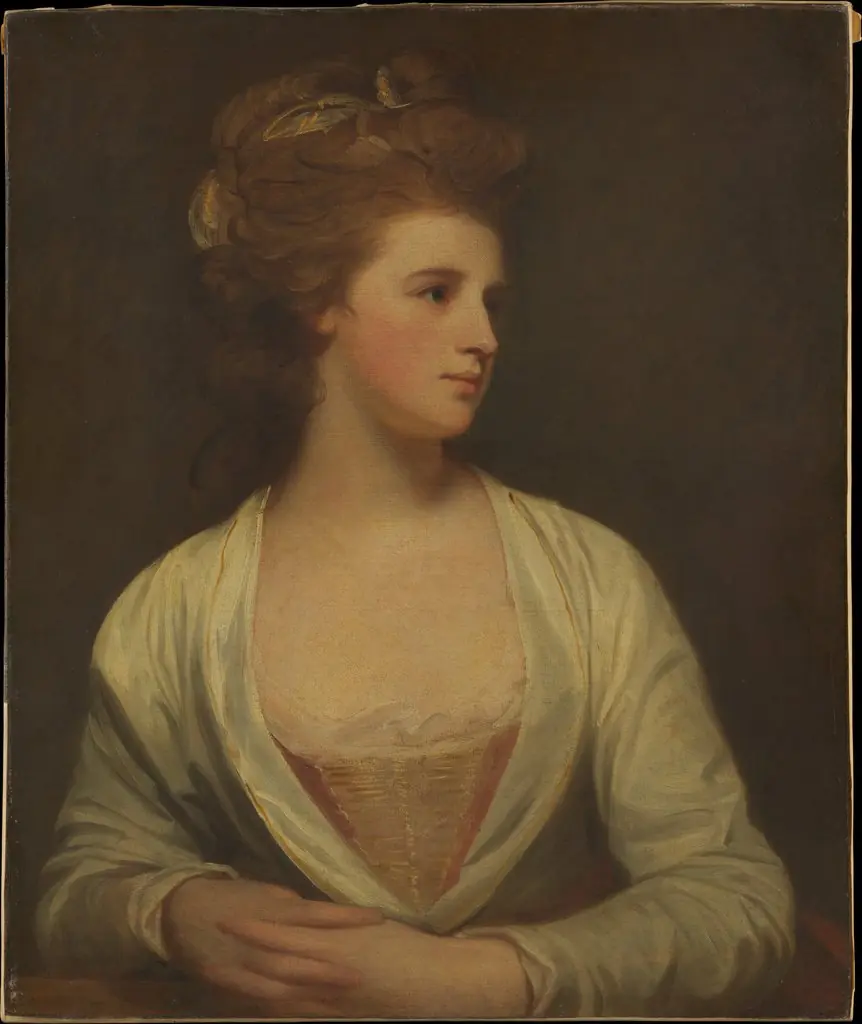 Portrait of a Woman, Said to Be Emily Bertie Pott (died 1782)
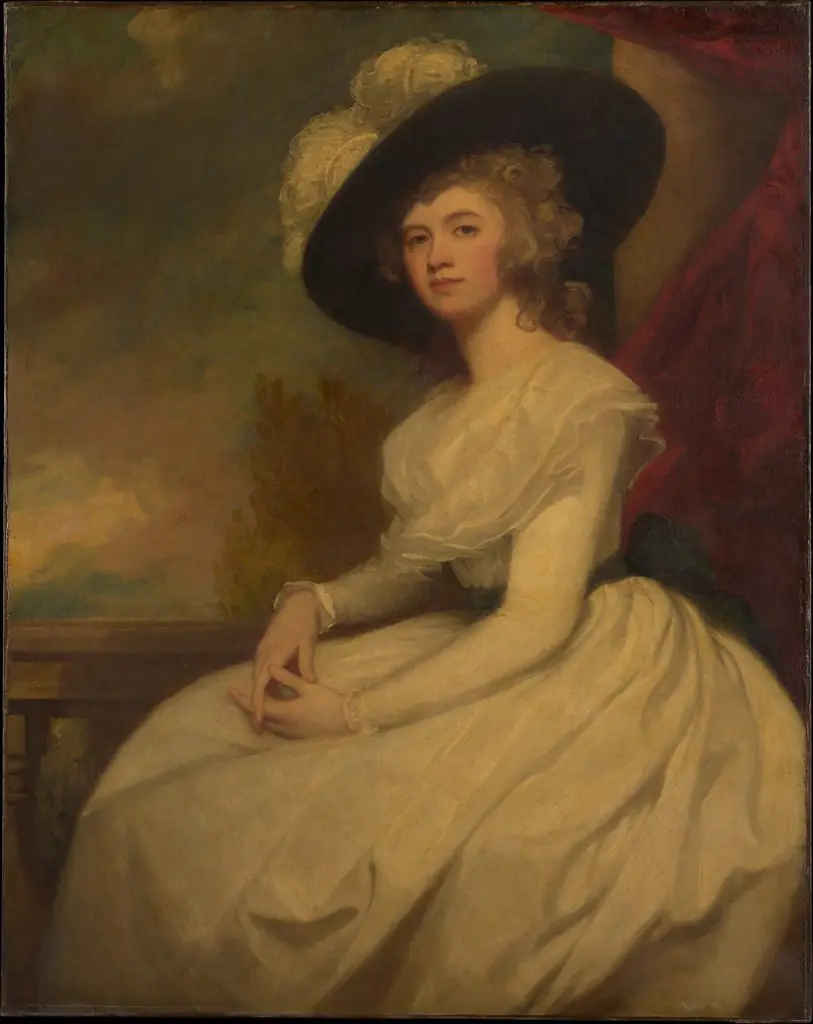 Mrs. Bryan Cooke (Frances Puleston, 1765–1818)
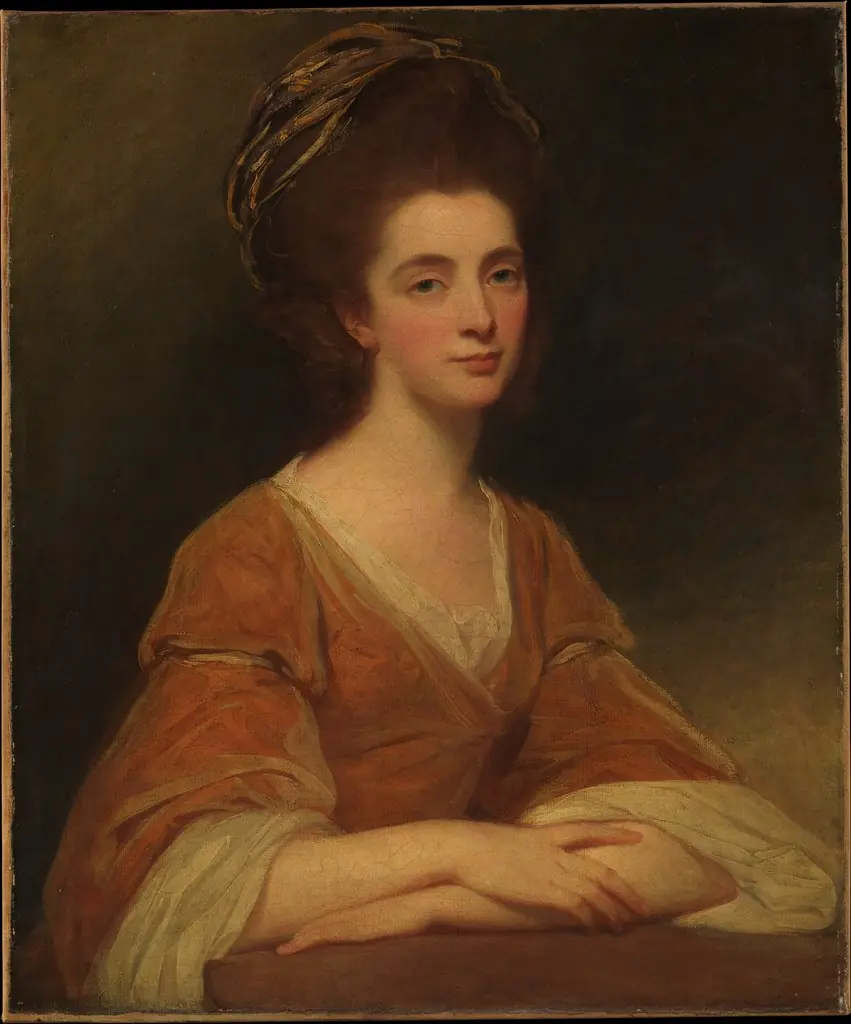 Mrs. Charles Frederick (Martha Rigden, died 1794)
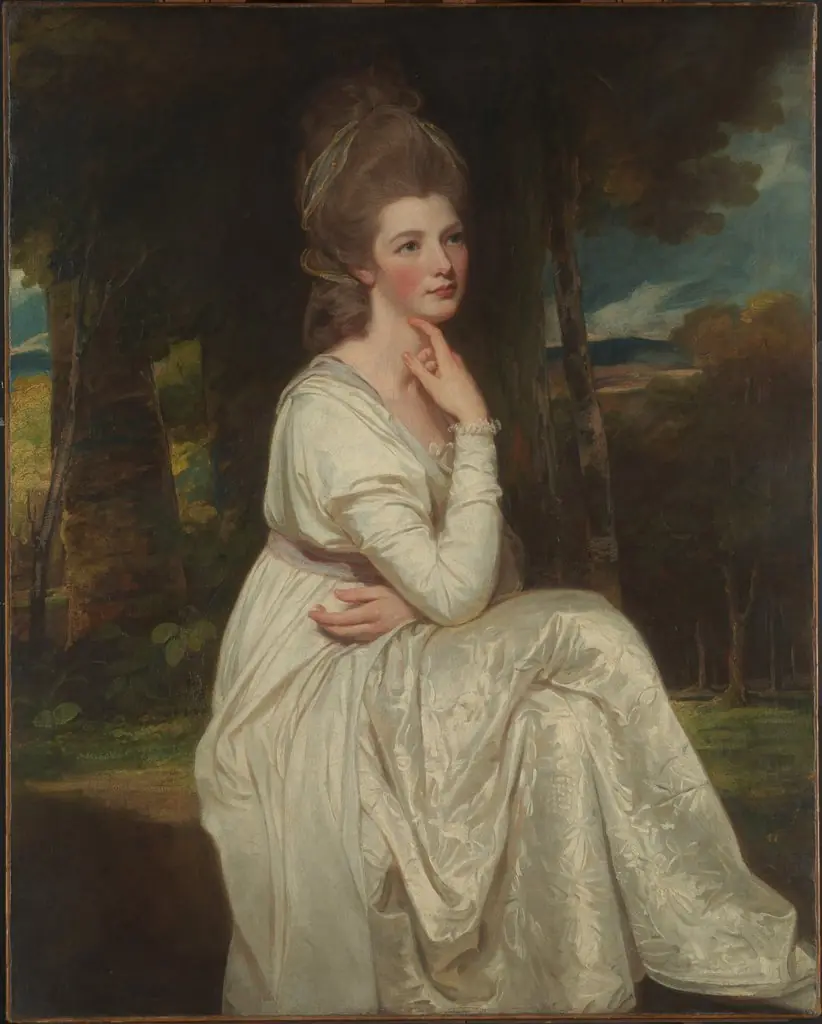 Lady Elizabeth Hamilton (1753–1797), Countess of Derby
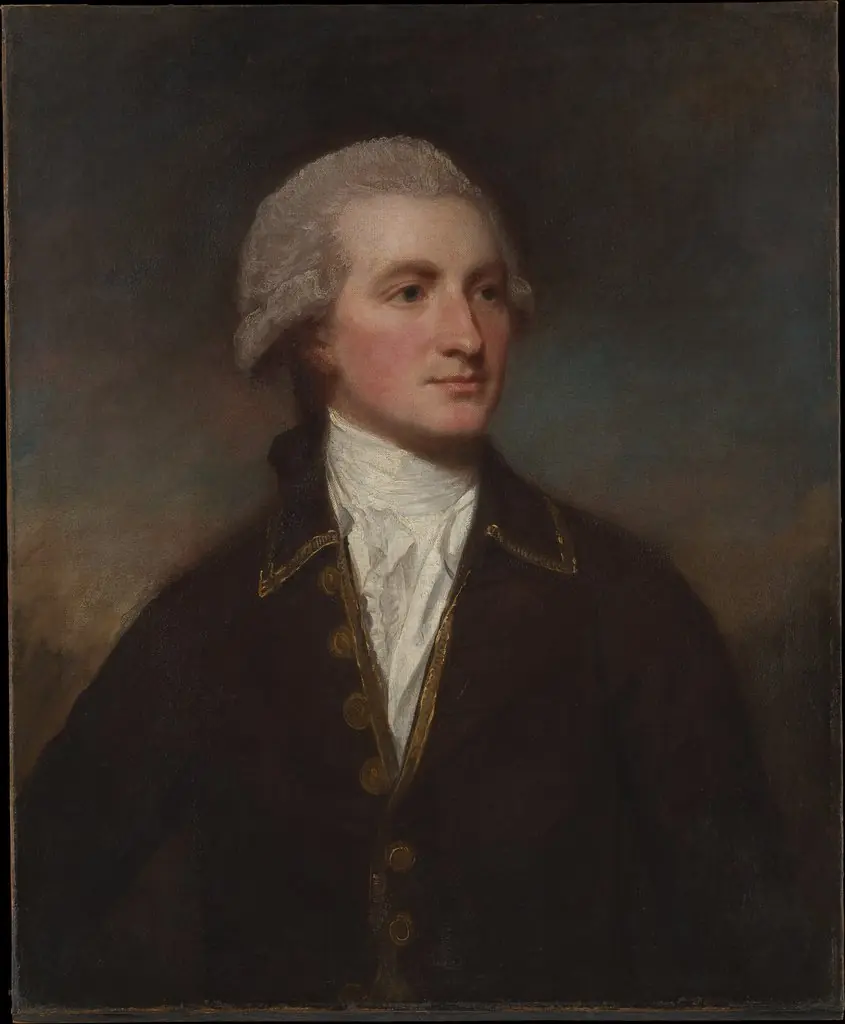 Portrait of a Man
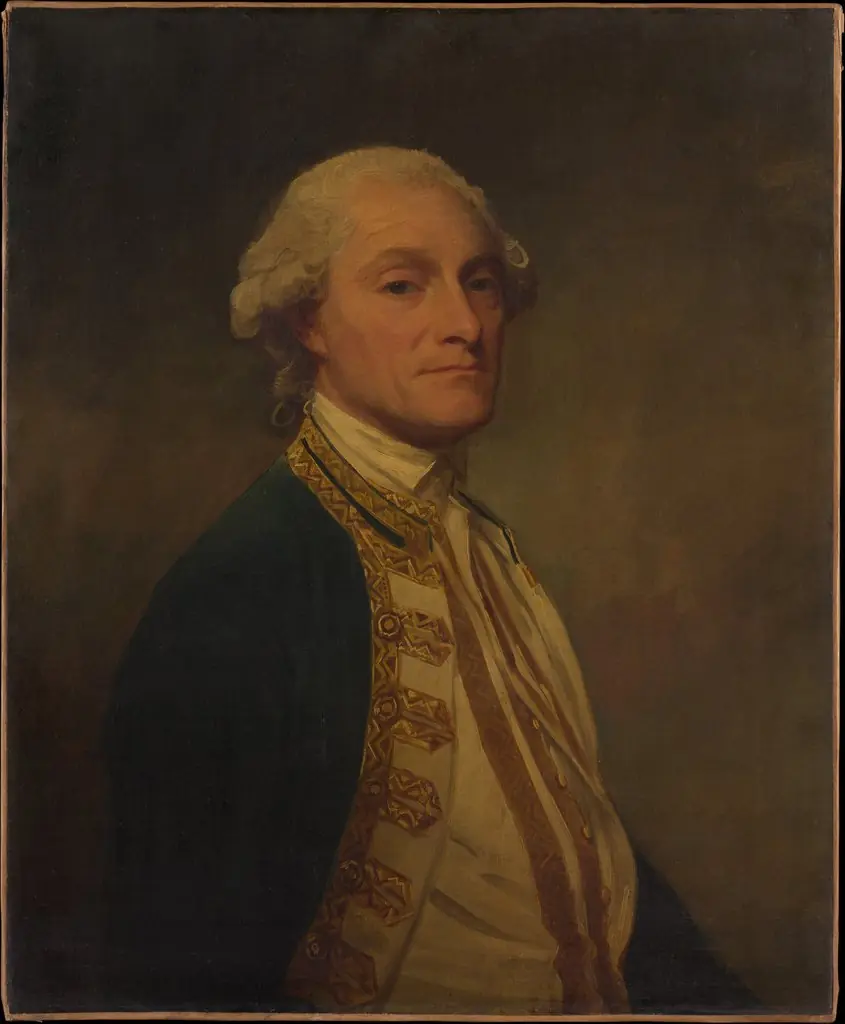 Admiral Sir Chaloner Ogle (1726–1816)
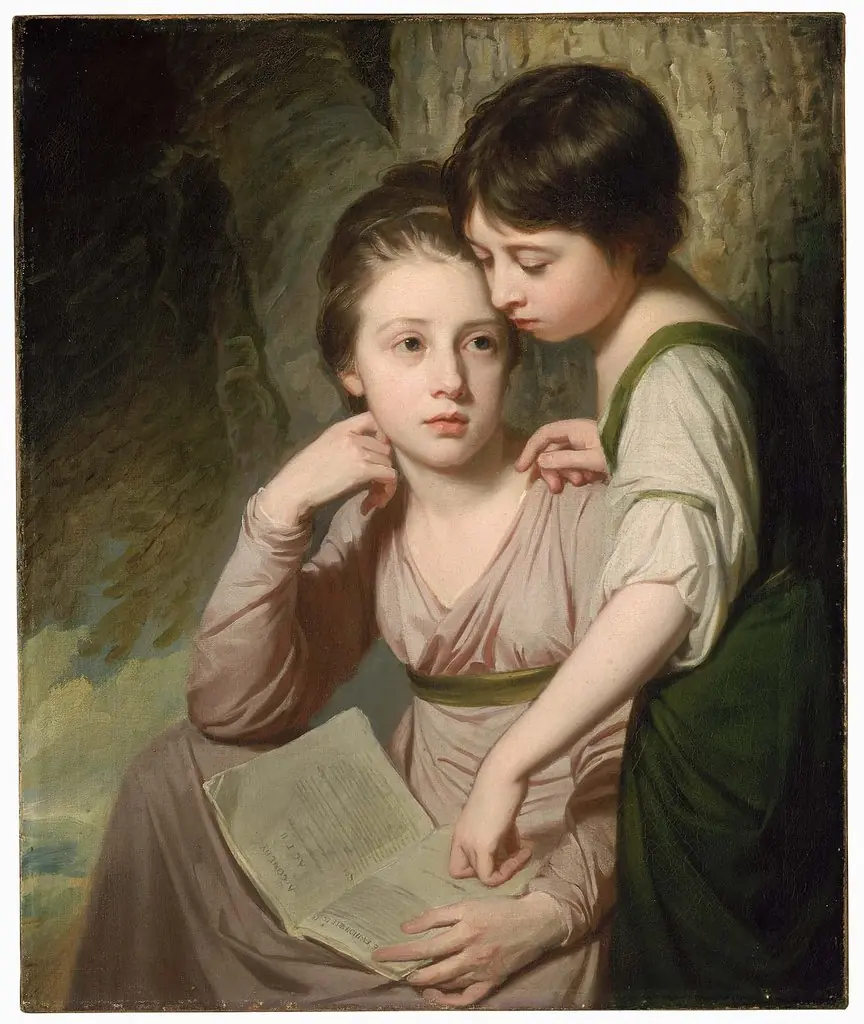 Portrait of Two Girls (Misses Cumberland)
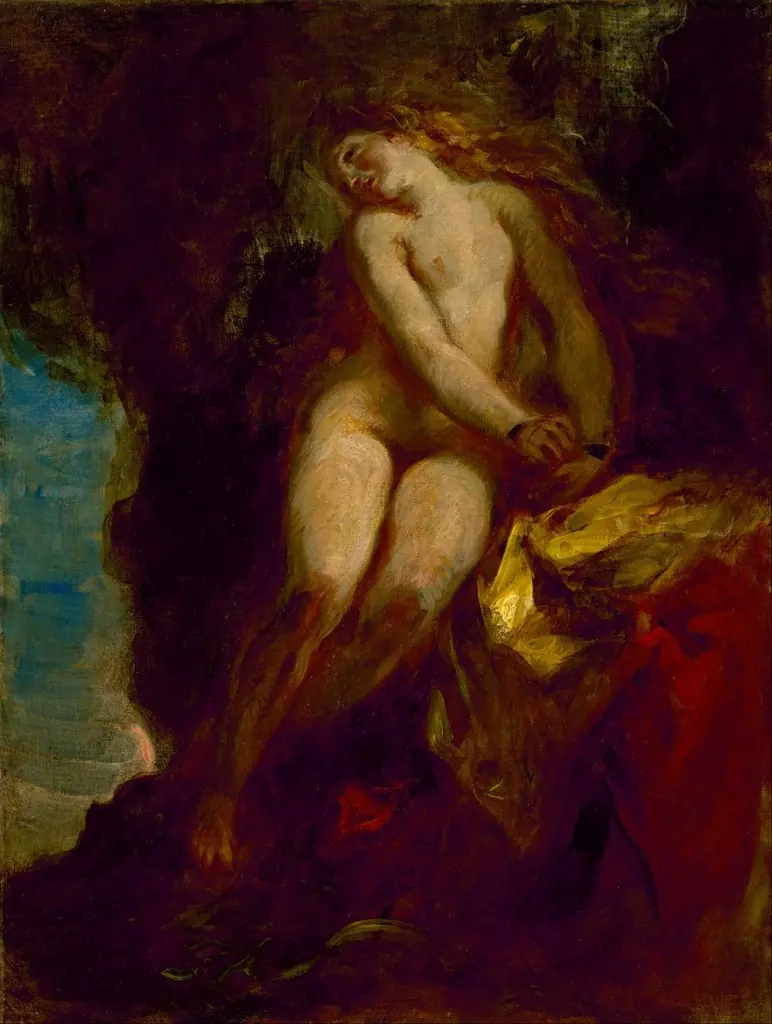 Andromeda
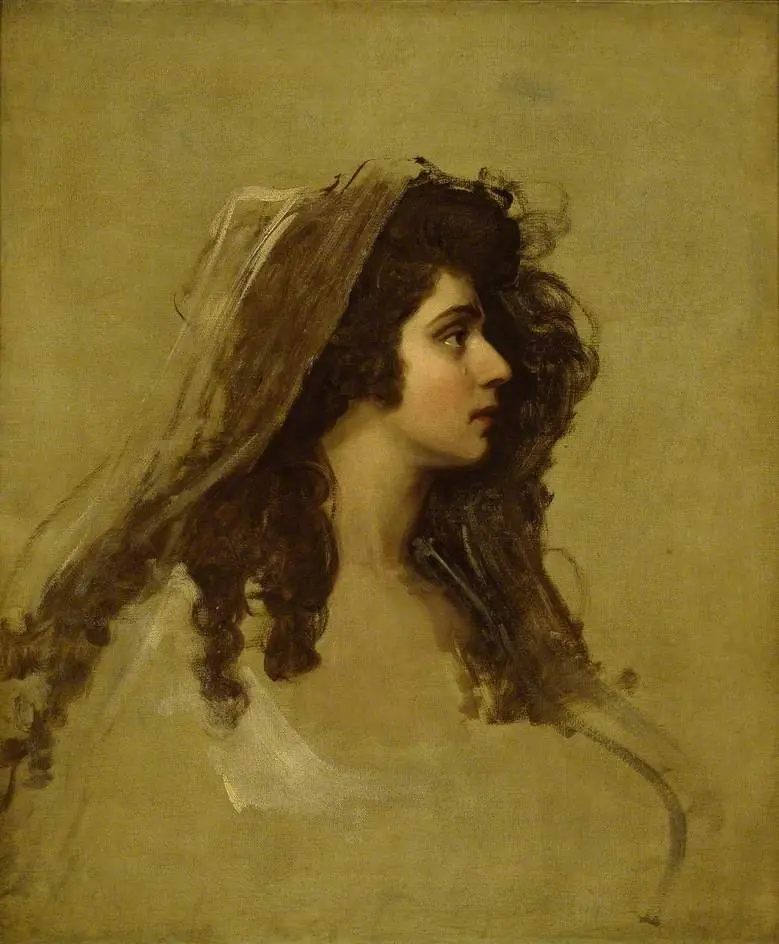 Mrs Siddons
 Red-haired woman
 Standing Woman
 The Gypsy Girl
 Die Sünde, vom Tode verfolgt
 The Duel (from Francis Beaumont and John Fletcher's 'The Humorous Lieutenant', Act III, Scene 3)
 Almansaris besucht Hüon im Gefängnis
 Disillusion
 The actress Kitty Fisher as Danae
 Rape of Europa
![Portrait of Emma Hart [later Lady Hamilton] as Miranda, by George Romney](https://artifactworldgallery.com/img/george-romney--portrait-of-emma-hart-later-lady-hamilton-as-miranda--017a44cbae021a04-w320.webp) Portrait of Emma Hart [later Lady Hamilton] as Miranda
Portrait of Emma Hart [later Lady Hamilton] as Miranda