Artwork
Horse and groom
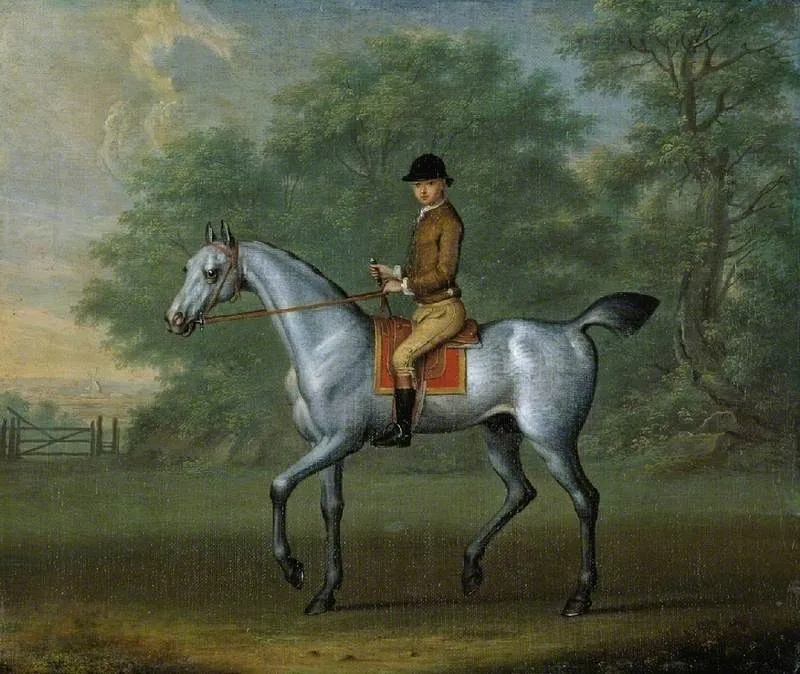
Horse and groom is an oil painting by the Rococo painting artist James Seymour. It dates from 1740 and is held in the collection of the Fitzwilliam Museum.
About this work
Overview
The painting is part of the Fitzwilliam Museum’s collection and exemplifies the refined, decorative tone of mid-18th-century British genre painting.
Painted in 1740 by James Seymour, *Horse and Groom* is an oil-on-canvas work depicting a young rider on a white horse within a pastoral setting. Seymour, a self-taught English artist, specialized in equestrian themes drawn from his father’s art network and the Virtuosi Club of St. Luke. The painting is part of the Fitzwilliam Museum’s collection and exemplifies the refined, decorative tone of mid-18th-century British genre painting.
Subject & Meaning
The scene portrays a boy, dressed in a brown jacket and black hat, calmly guiding a white horse through a grassy field. The groom is absent, suggesting the child’s independence or early training in horsemanship. The composition emphasizes harmony between rider and animal, reflecting contemporary ideals of gentlemanly equestrian culture rather than narrative drama or social commentary.
Technique & Style
Seymour employs soft brushwork and muted tonal contrasts to render the horse’s white coat against the green landscape, creating subtle luminosity. The Rococo influence appears in the delicate handling of light and the unforced, pleasant atmosphere. Details like the red saddle blanket add quiet color accents without overwhelming the scene’s naturalism, aligning with the period’s preference for restrained elegance.
History & Provenance
The painting was created during Seymour’s active period in London, supported by his father’s connections to art dealers and collectors. It entered the Fitzwilliam Museum’s collection through established 19th-century acquisitions, likely from a private English estate. No significant alterations or documented restorations are recorded, preserving its original condition and surface integrity.
Context
In 1740s England, equestrian imagery was tied to aristocratic leisure and military training. While grand portraits of nobles on horseback dominated elite commissions, Seymour’s smaller-scale works captured everyday equine interactions, appealing to a broader audience. His paintings reflect a growing middle-class interest in rural pastimes and animal care, distinct from formal court art.
Legacy
Seymour’s focus on realistic, unidealized equestrian scenes influenced later British genre painters. Though not widely celebrated in his lifetime, his works remain valuable for documenting 18th-century horsemanship and rural life. *Horse and Groom* continues to serve as a reference for studying the evolution of British animal painting beyond aristocratic portraiture.
Artist & collection
Artist
James Seymour (1702–1752) was an English painter, widely recognized for his equestrian art.

![Mounted Horsemen [verso], by James Seymour](https://artifactworldgallery.com/img/james-seymour--mounted-horsemen-verso--7e115ac519b61a2c-w320.webp)
![Huntsmen with Hounds and a Crouching Hare [recto], by James Seymour](https://artifactworldgallery.com/img/james-seymour--huntsmen-with-hounds-and-a-crouching-hare-recto--e2b42c7824fe6842-w320.webp)
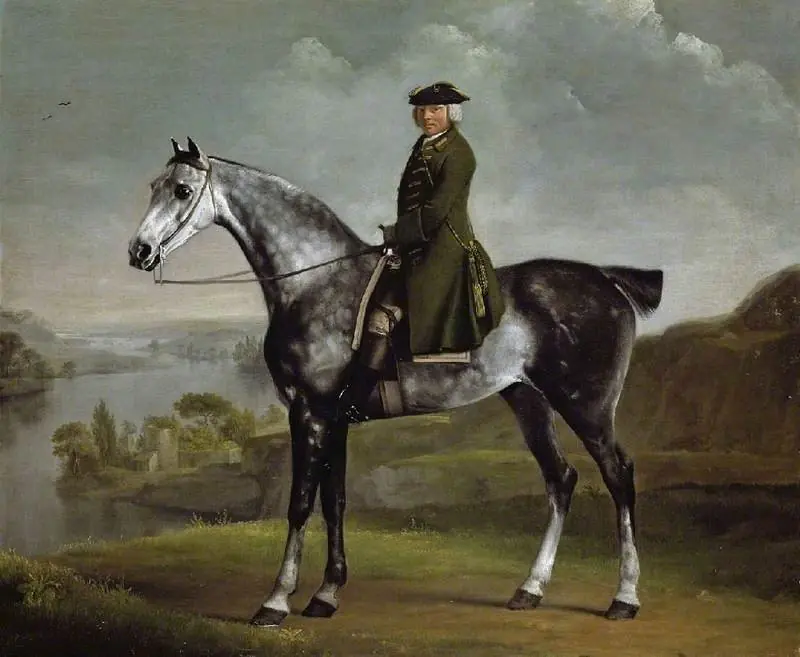 Joseph Smyth Esq, Lieutenant of Whittlebury Forest, Northamptonshire, on a dapple grey horse
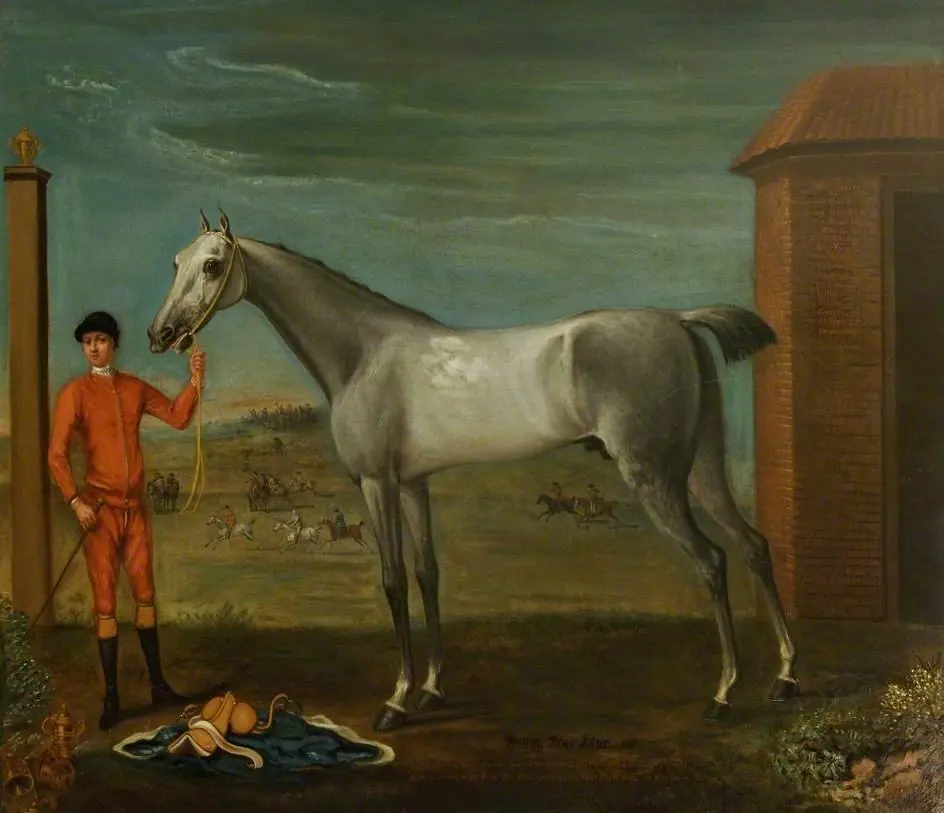 Young True Blue at Newmarket
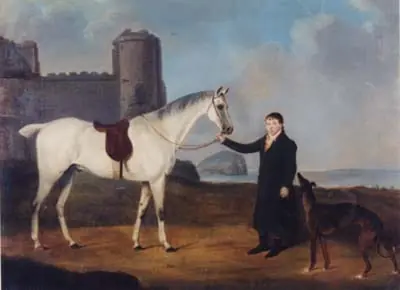 Painting
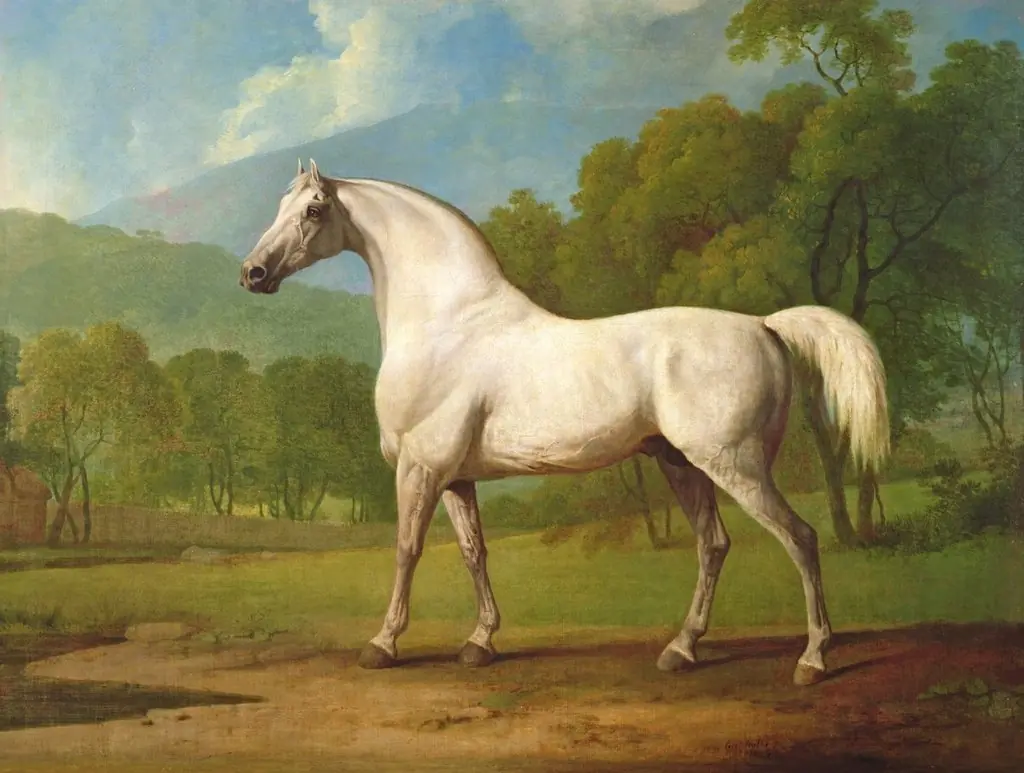 Mambrino
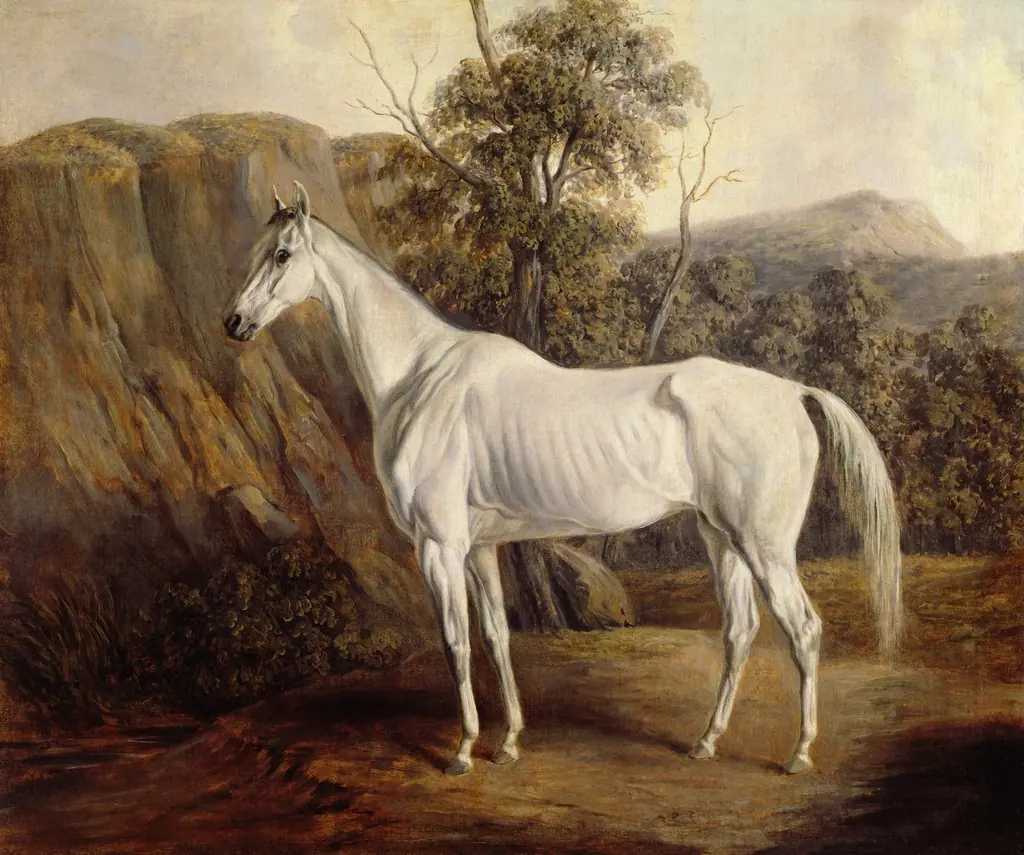 Bolivia
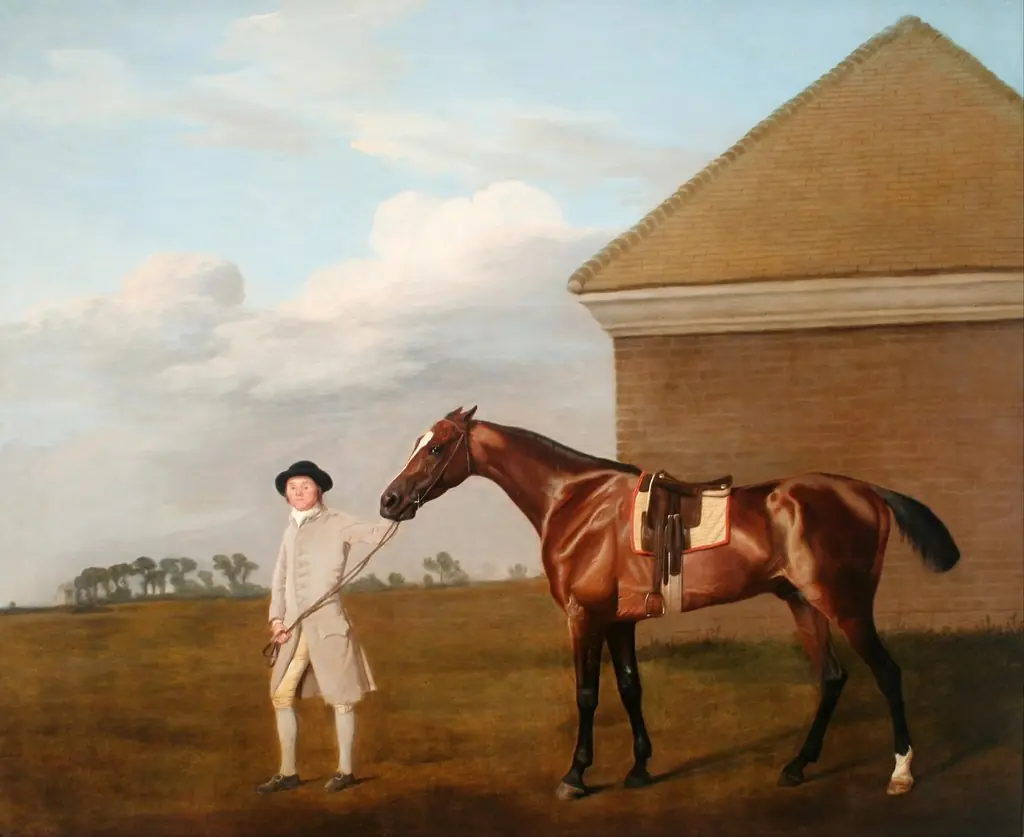 Firetail with his Trainer by the Rubbing-Down House on Newmarket Heath
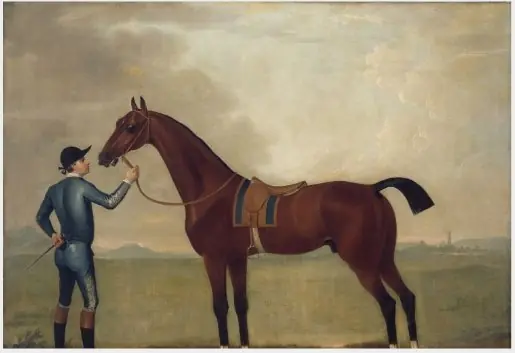 A Bay Racehorse with a Jockey in the Colours of Wyndham Quin
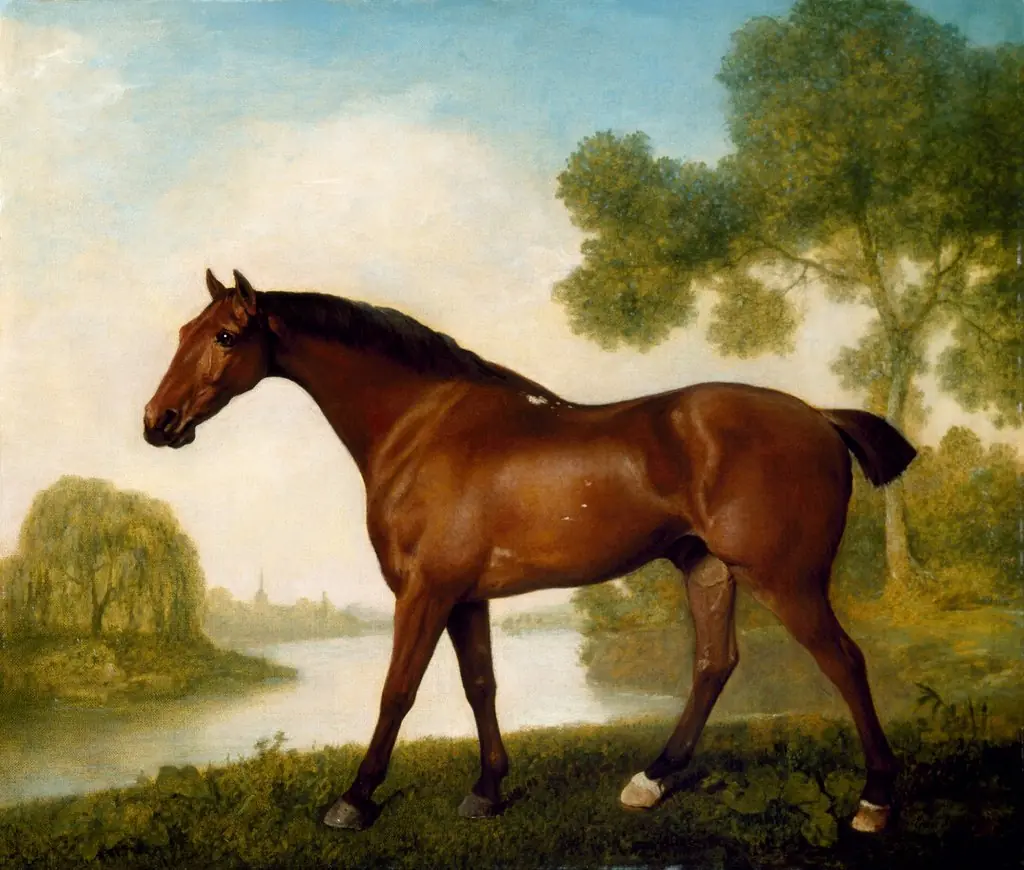 Truss, A Hunter
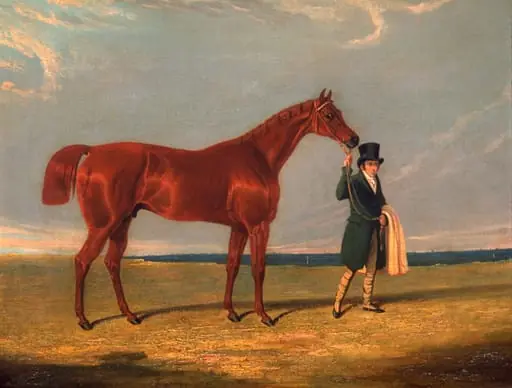 Race Horse and Trainer
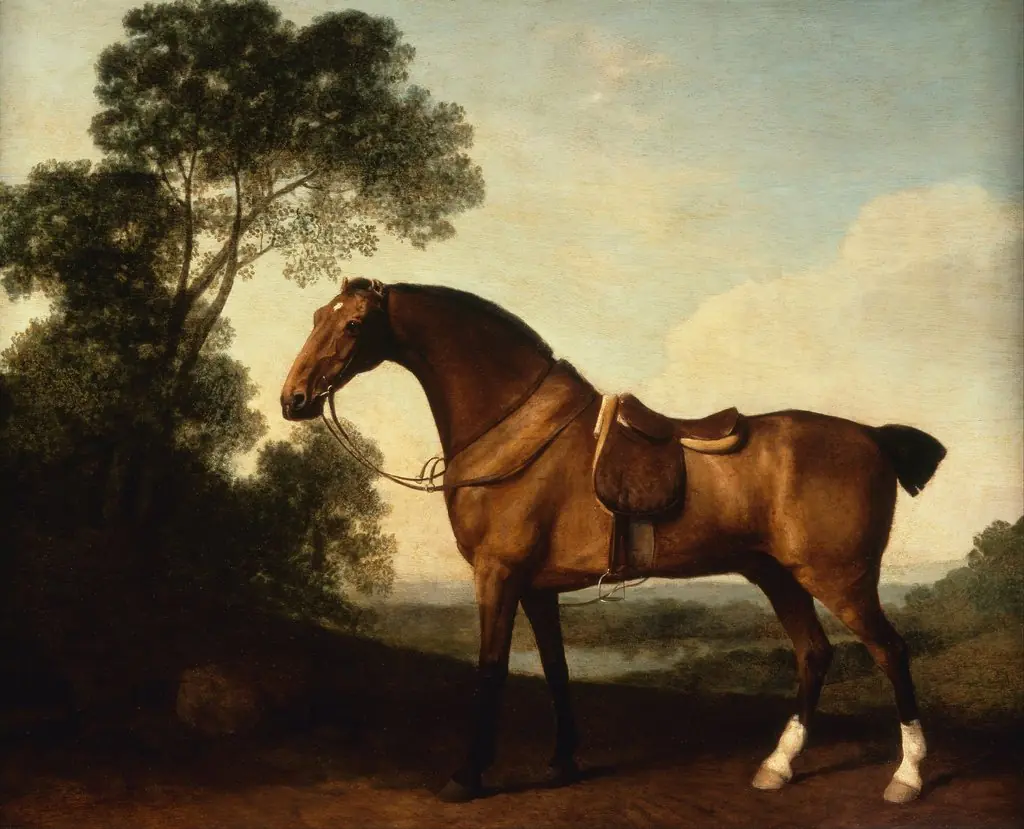 A Saddled Bay Hunter
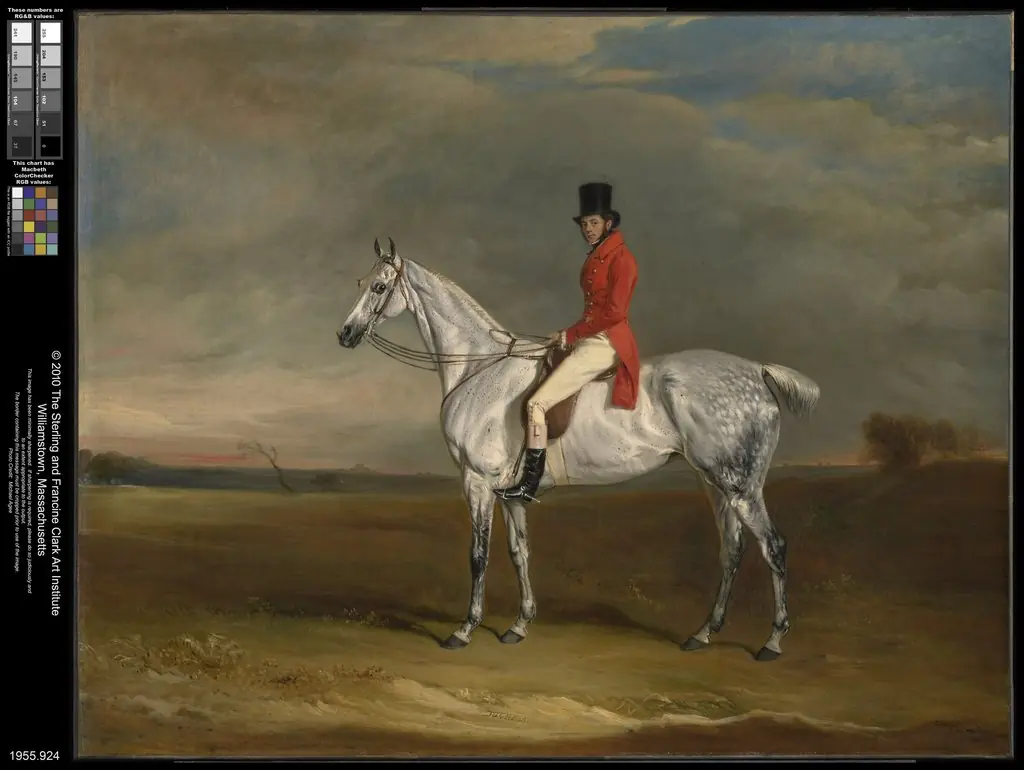 Duchess
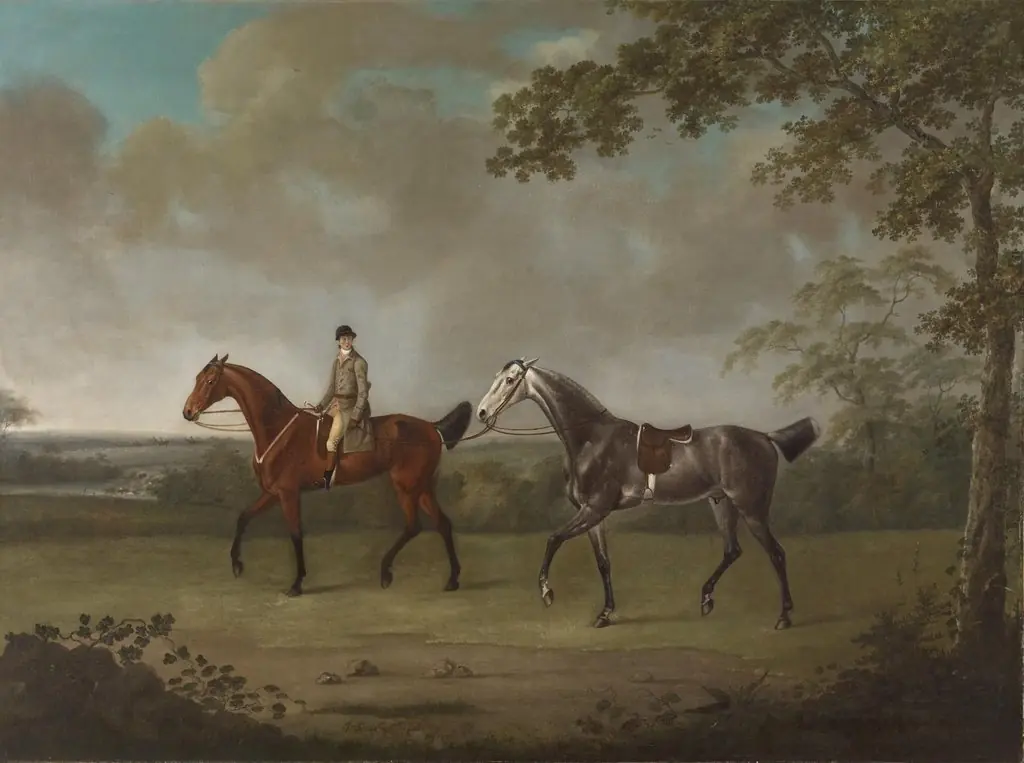 Two Horses with a Groom