Artwork
Untitled
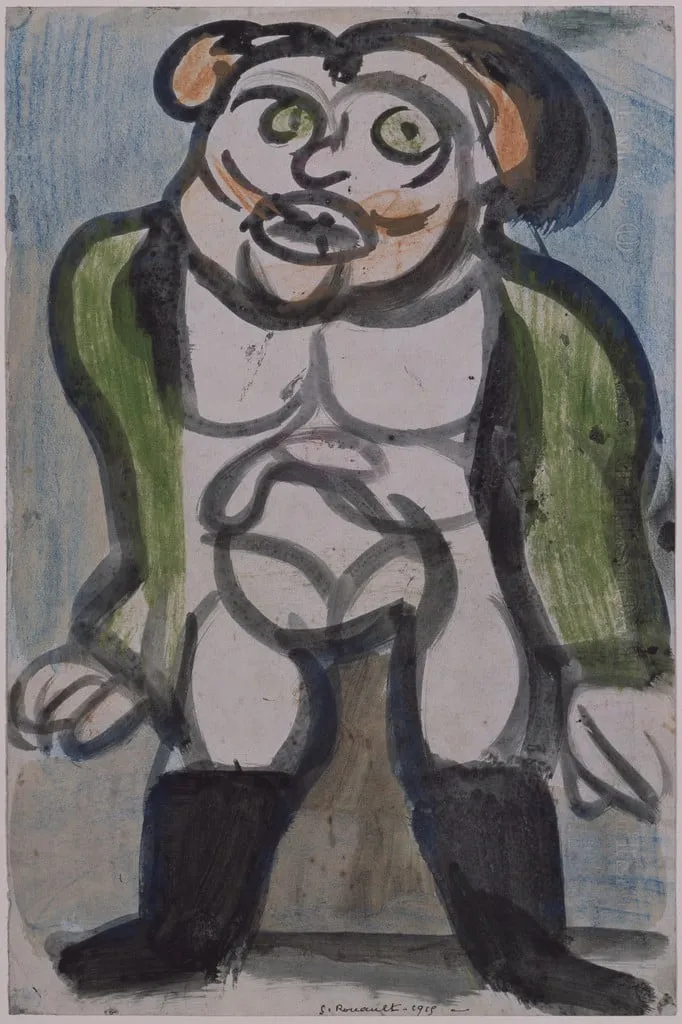
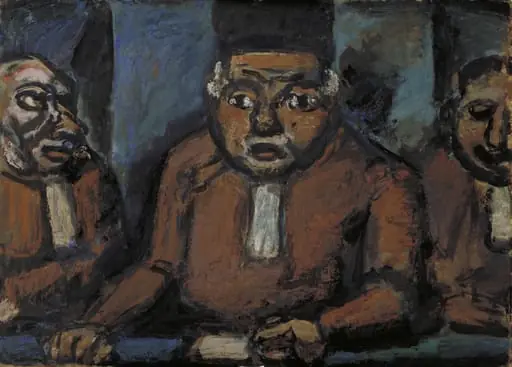
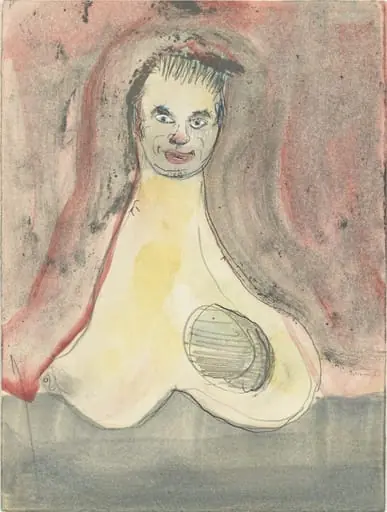
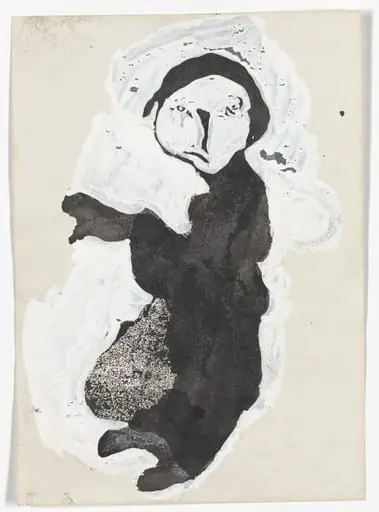
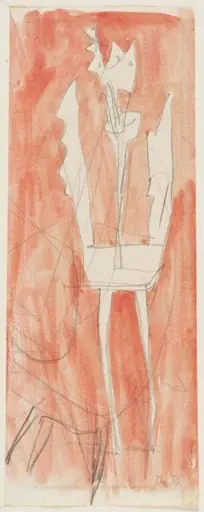
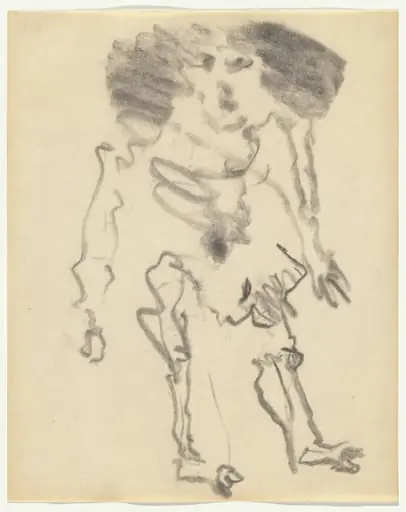
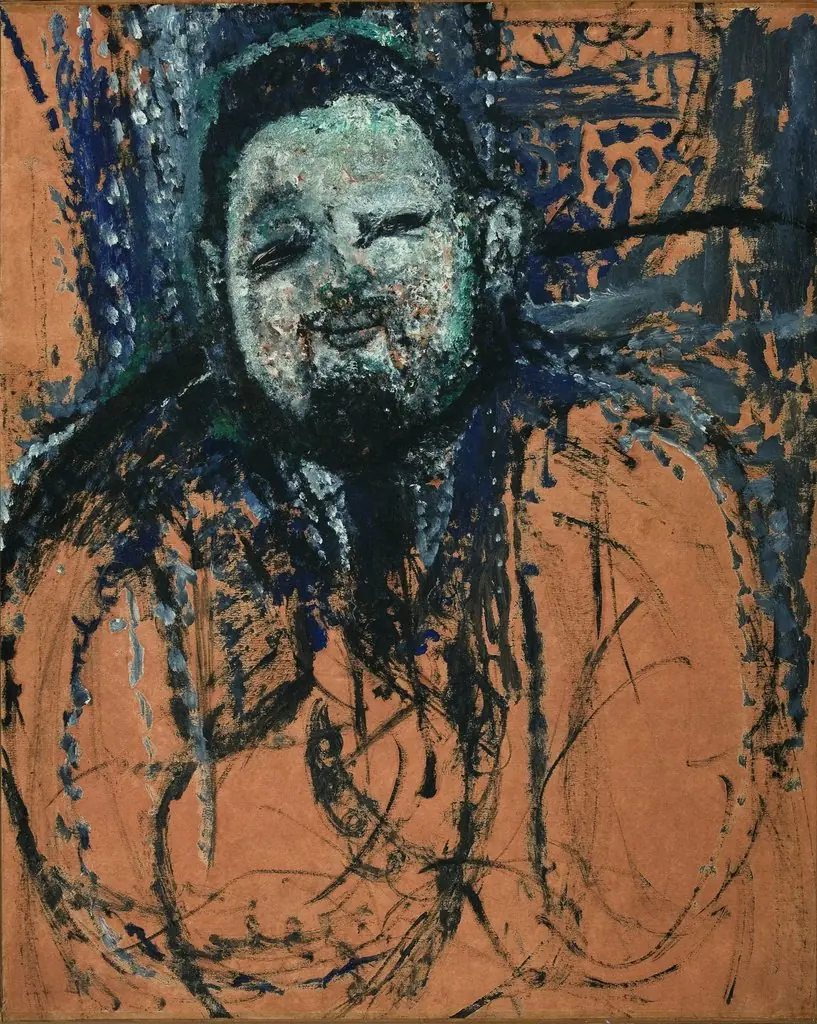
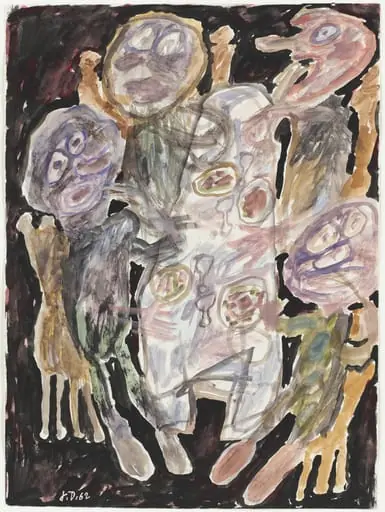
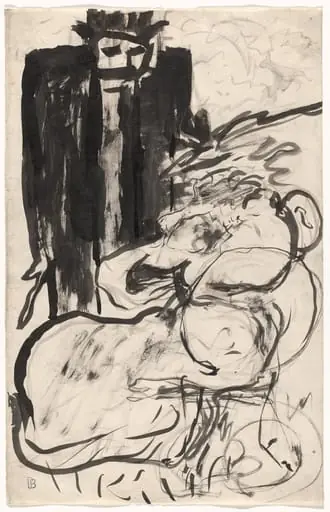
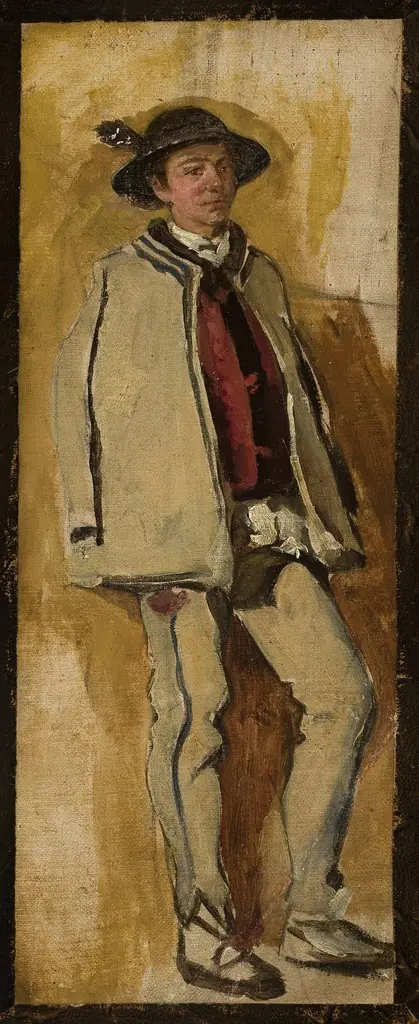
Untitled is a gouache drawing by Georges Rouault. It dates from 1915 and is held in the collection of the Museum of Modern Art.
About this work
Overview
Created in 1915, this drawing by Georges Rouault is executed in gouache and crayon on paper.
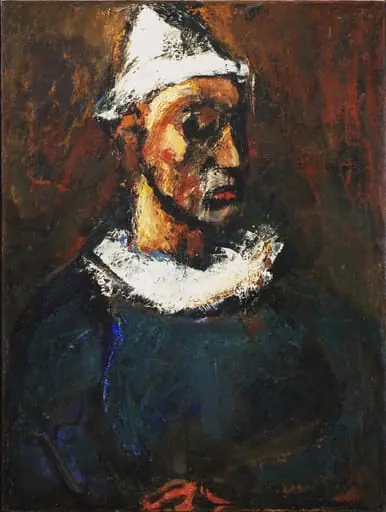
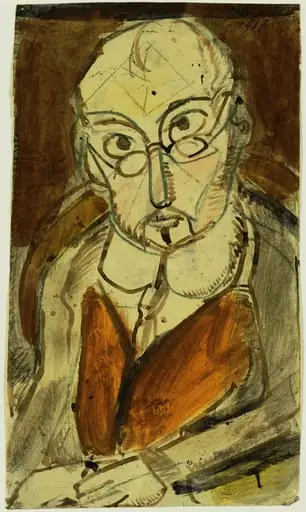
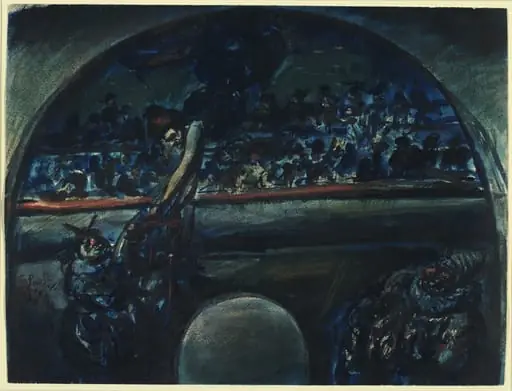
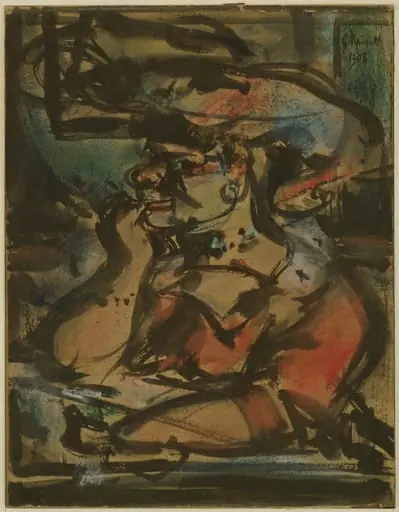
Created in 1915, this drawing by Georges Rouault is executed in gouache and crayon on paper. It depicts a solitary, stylized figure with a heavy, sculptural presence. The work is part of the collection at The Museum of Modern Art, where it is recognized for its emotional intensity and departure from naturalistic representation. Its raw, unpolished surface reflects a deliberate embrace of imperfection.
Subject & Meaning
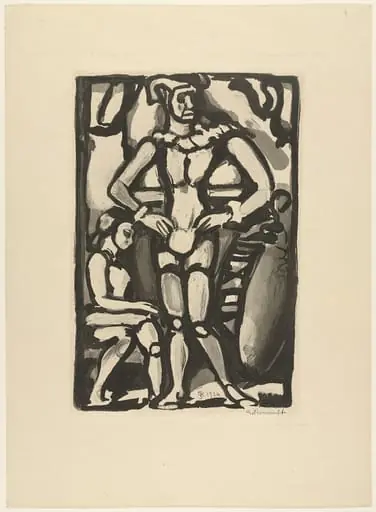
The figure resembles a masked performer or clown, yet its expression is somber, even menacing. Bulging eyes and a thick mustache lend it a mask-like quality, while its disproportionate limbs and lumpy form suggest vulnerability or alienation. Rouault often used such figures to explore themes of suffering and human isolation, transforming theatrical archetypes into symbols of inner turmoil.
Technique & Style
Rouault applied gouache in thick, opaque layers, using crayon to define contours with bold, uneven lines. The palette is limited to white, green, and brown, creating a muted, earthy tone. Brushwork is deliberate and rough, rejecting smooth finishes in favor of tactile immediacy. The style echoes early modernist experiments in simplification and emotional expression over realism.
History & Provenance
This work was produced during World War I, a period when Rouault increasingly turned to introspective subjects. It entered The Museum of Modern Art’s collection in the mid-20th century, following the museum’s early focus on European modernists. Its provenance traces back to Rouault’s personal studio, where many such drawings were made as studies or independent expressions.
Context
Rouault’s work from this era aligns with Expressionist tendencies in early 20th-century Europe, though he remained distinct from German groups. Influenced by his Catholic upbringing and exposure to Fauvism, he used distortion to convey spiritual and moral concerns. This drawing reflects a broader shift among artists toward inner experience over external appearance.
Legacy
The drawing exemplifies Rouault’s enduring interest in marginalized figures and emotional authenticity. Its raw aesthetic influenced later artists exploring figuration through abstraction and psychological depth. Though not widely exhibited, it remains a key example of how modernist drawing could convey complex inner states without narrative or detail.
Artist & collection

Artist
Georges-Henri Rouault was a French painter, draughtsman, and printmaker, whose work is often associated with Fauvism and Expressionism.