Artwork
Marriage of Napoleon I and Marie Louise, 2 April 1810
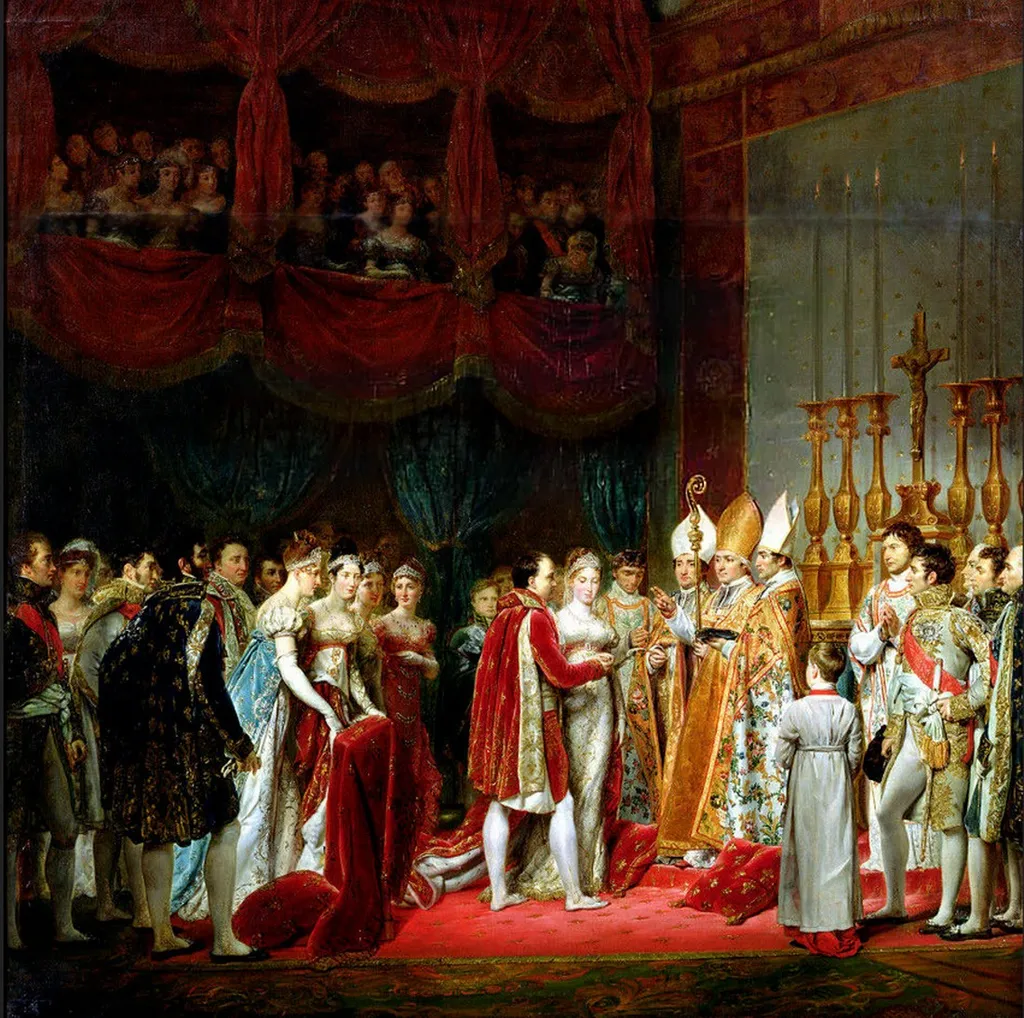
Marriage of Napoleon I and Marie Louise, 2 April 1810 is an oil painting by Georges Rouget. It dates from 1810 and is held in the collection of the Palace of Versailles.
About this work
Overview
Painted in 1810 by Georges Rouget, this oil on canvas captures the ceremonial union of Napoleon Bonaparte and Archduchess Marie Louise of Austria.
Painted in 1810 by Georges Rouget, this oil on canvas captures the ceremonial union of Napoleon Bonaparte and Archduchess Marie Louise of Austria. Commissioned to document the political alliance formalized through marriage, the work serves as a visual record of a significant moment in early 19th-century European diplomacy. The scene unfolds in a lavishly appointed interior, emphasizing the grandeur of the imperial court.
Subject & Meaning
The painting centers on the moment of ring exchange between Napoleon and Marie Louise, symbolizing the merging of French imperial authority with Habsburg dynastic prestige. Surrounding figures include high-ranking officials, clergy, and nobility, their attentive postures reinforcing the solemnity of the occasion. The composition avoids overt emotion, instead conveying the ritualized nature of state marriage as a tool of political consolidation.
Technique & Style
Rouget employs precise brushwork and a restrained palette dominated by reds, golds, and deep tones to convey opulence without excess. Figures are rendered with careful attention to costume and posture, reflecting contemporary portraiture conventions. The lighting is even and directional, enhancing the clarity of facial expressions and textile details, while the spatial arrangement guides the viewer’s focus toward the central couple.
History & Provenance
Commissioned shortly after the wedding on April 2, 1810, the painting was intended for display in imperial residences. It remained in French state collections throughout the 19th century and is now held in a national museum. Its creation was part of a broader effort to visually legitimize Napoleon’s reign through official imagery, aligning his rule with traditional monarchical ceremonies.
Context
The marriage was a strategic move to secure an heir and strengthen ties with Austria after years of war. By marrying into the Habsburg family, Napoleon sought to gain legitimacy among European royalty. Rouget’s painting reflects this ambition, framing the event not as a personal union but as a state ritual, consistent with the imperial propaganda of the time.
Legacy
Though less widely known than other Napoleonic portraits, Rouget’s work remains a key example of state-commissioned ceremonial art from the First Empire. It provides insight into how political power was visually encoded through ritual, dress, and architecture. The painting continues to be studied for its documentation of courtly protocol and the intersection of art and diplomacy in the Napoleonic era.
Artist & collection

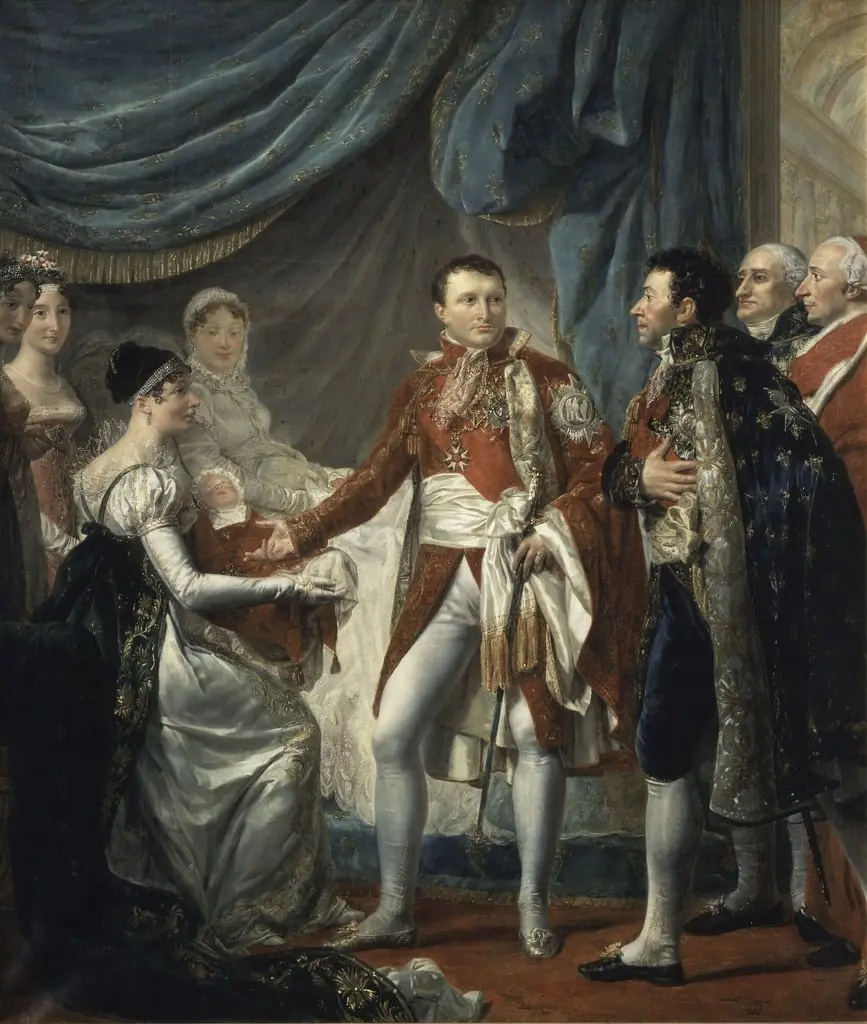 Napoleon I presents the King of Rome to the dignitaries of the Empire, March 20, 1811
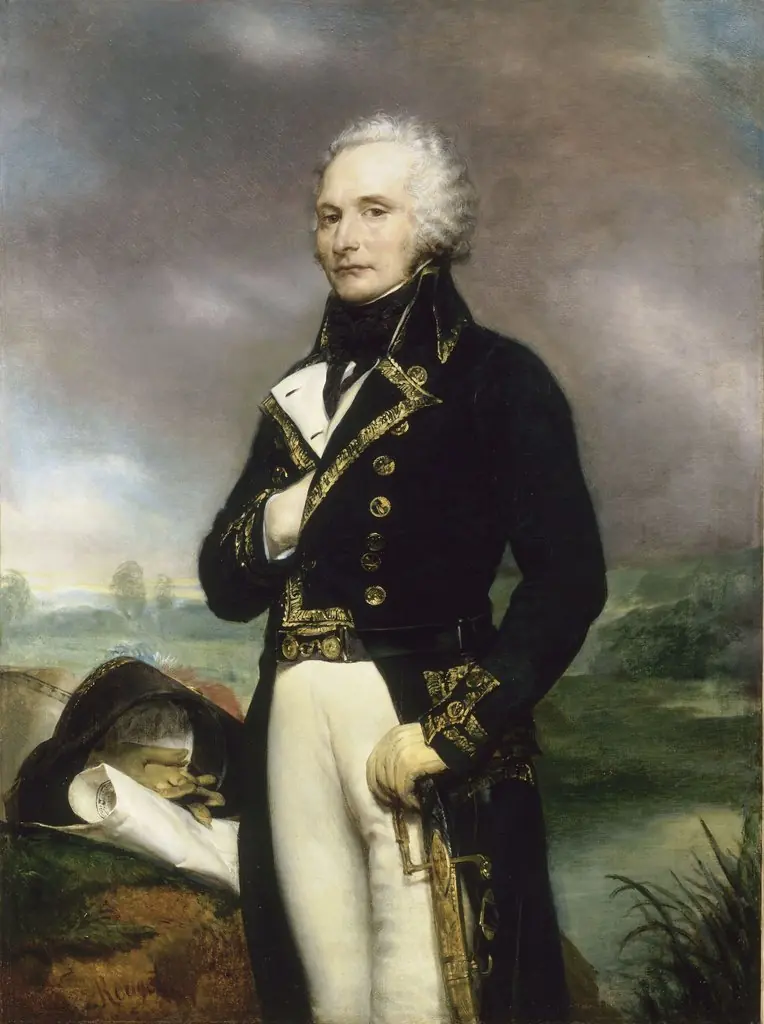 Alexandre-François Marie, viscount of Beauharnais, general-in-chief of the army of the Rhine
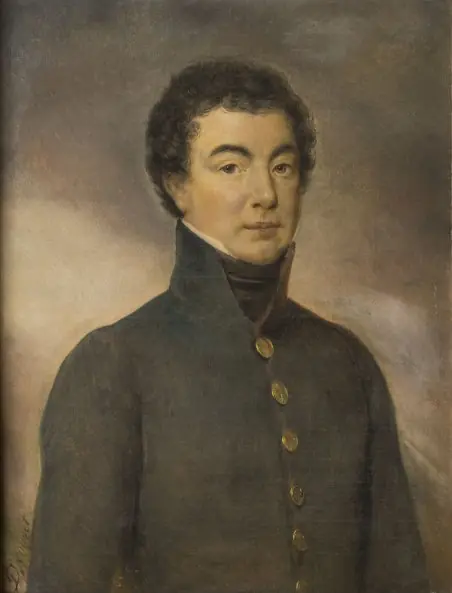 Victor-Guy, admiral-baron Duperré
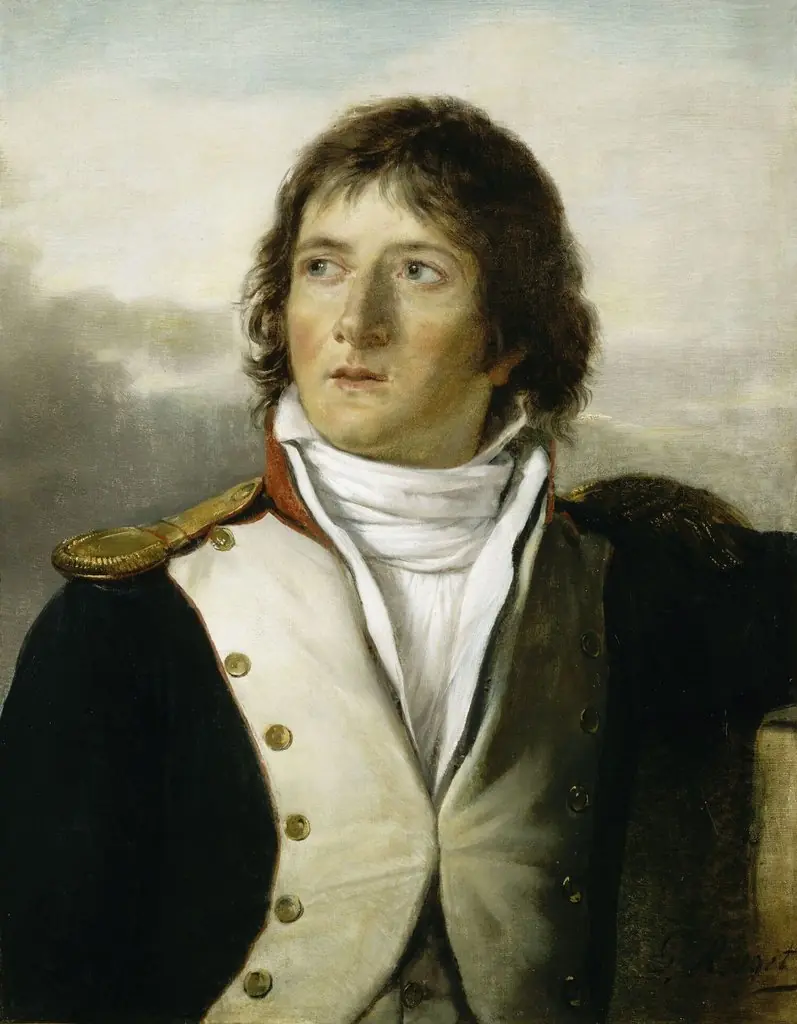 Laurent Gouvion Saint-Cyr, later Marshal and Marquis of Empire
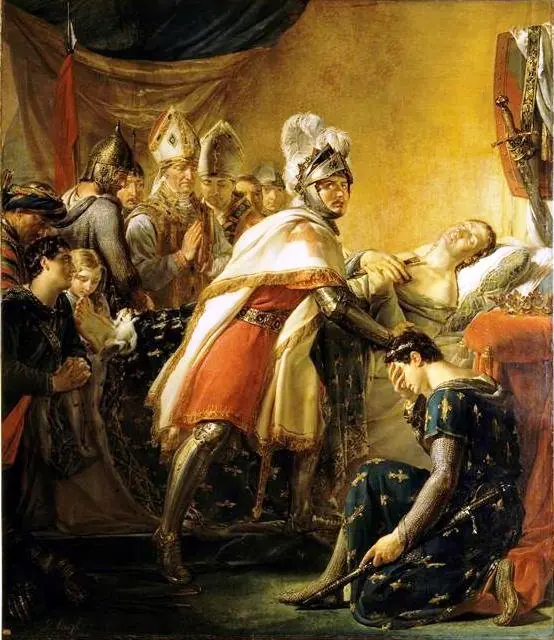 Mort de Saint Louis devant Tunis, 25 août 1270
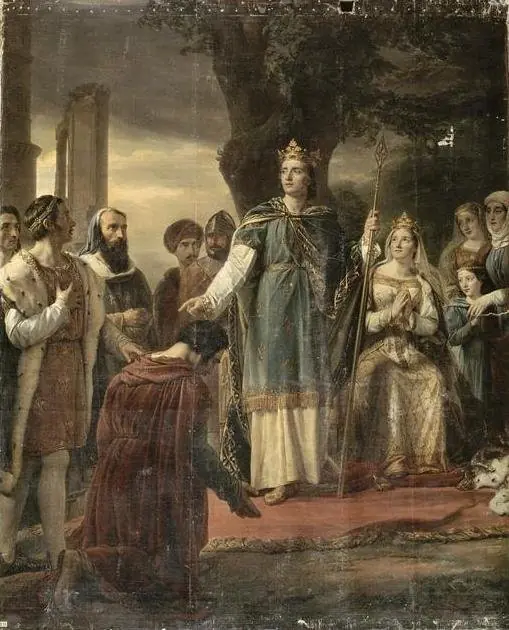 Saint Louis rendant la justice sous le chêne de Vincennes, 1260
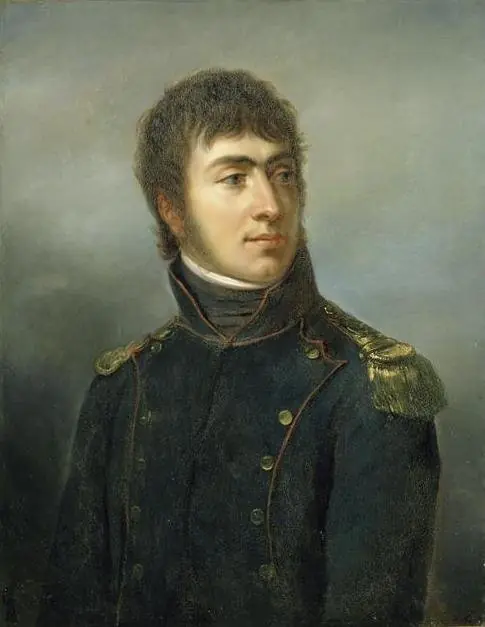 Auguste Frédéric Louis Viesse de Marmont, lieutenant d'état-major d'artillerie en 1792 (1774-1852)
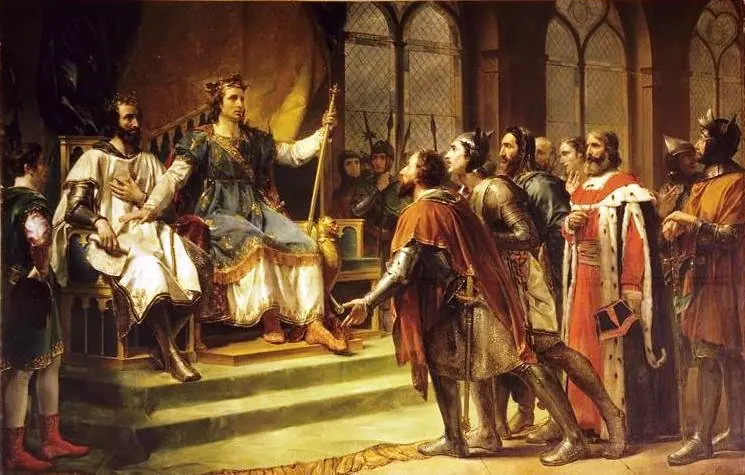 Mise of Amiens, 1264
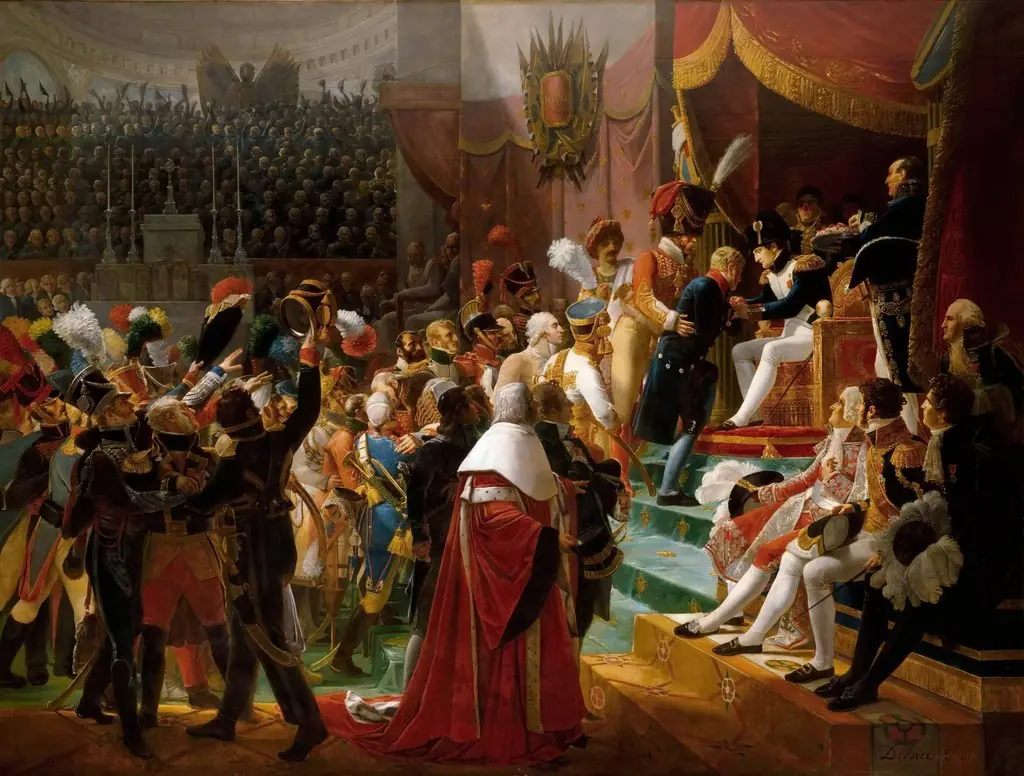 First distribution of the decorations of the Legion of Honor, made by Bonaparte, in the church of the imperial hotel of Invalides, July 14, 1804
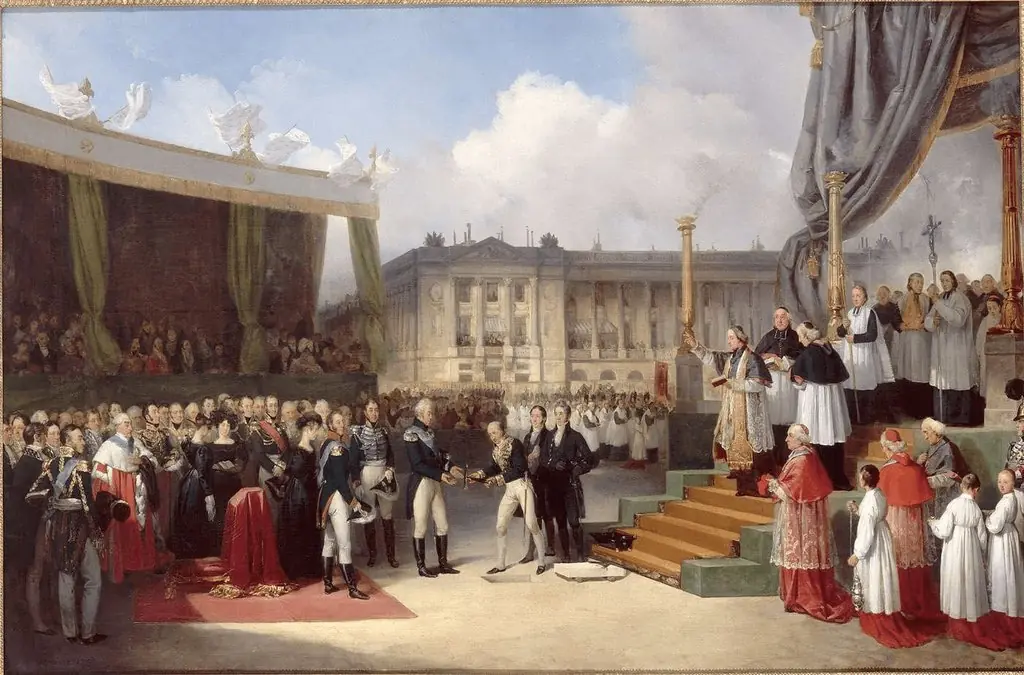 Inauguration du monument à la mémoire de Louis XVI par Charles X, place de la Concorde, 3 mai 1826
 The Wedding of Jacoba of Bavaria, Countess of Holland, and Jan IV, Duke of Brabant, 10 March 1418
 John II receives the submission of Charles II of Navarre
 L’Éducation de Marie Stuart à la cour de François II by Gillot Saint-Evre
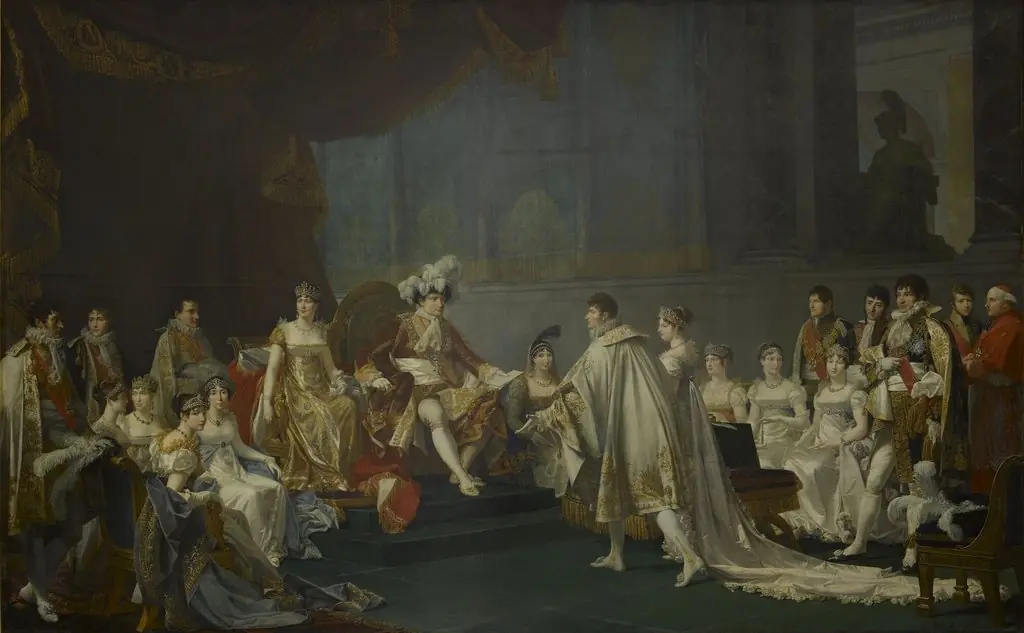 Wedding of Prince Jérôme Bonaparte and Princess Frédérique-Catherine of Wurtemberg, August 22, 1807
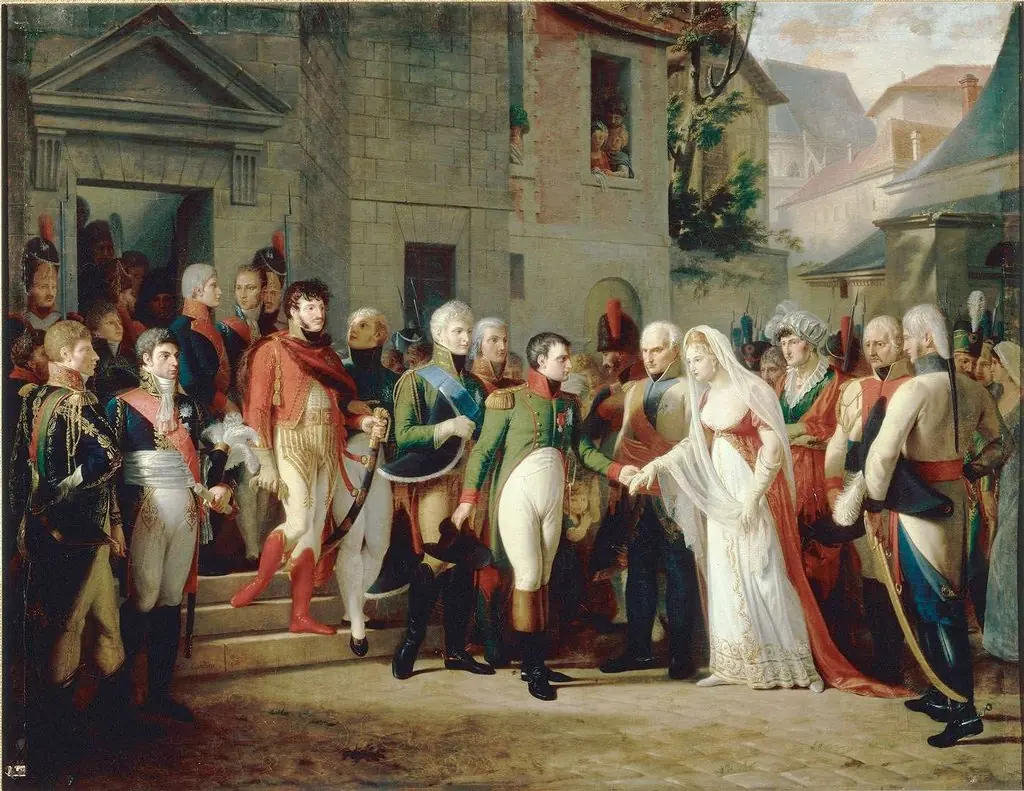 Napoleon I receives the Queen of Prussia in Tilsitt