Artwork
Inauguration du monument à la mémoire de Louis XVI par Charles X, place de la Concorde, 3 mai 1826
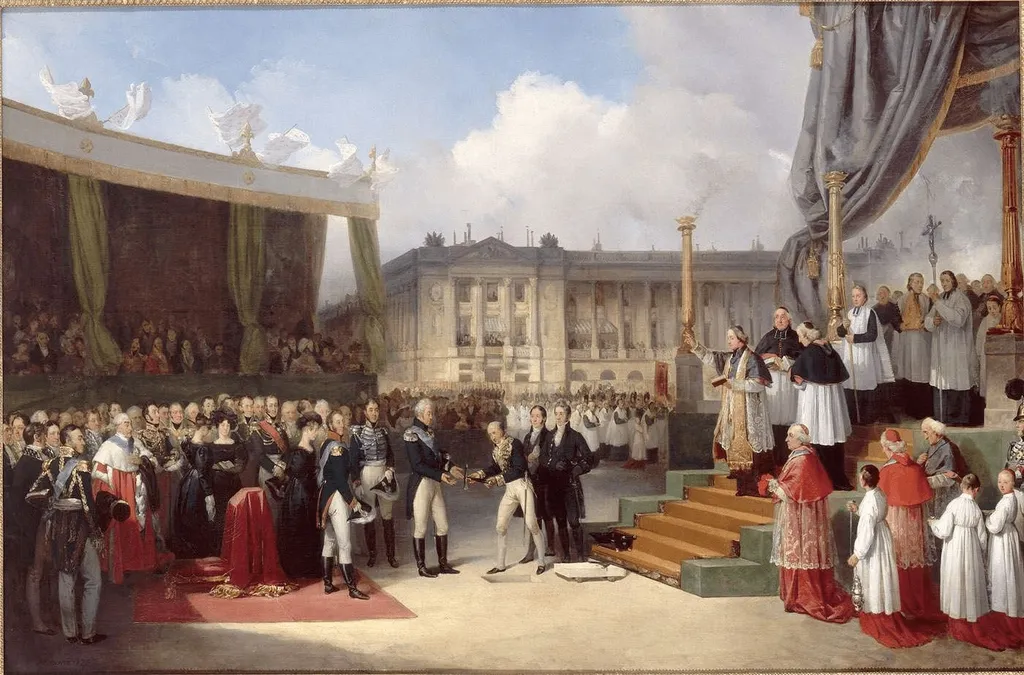
Inauguration du monument à la mémoire de Louis XVI par Charles X, place de la Concorde, 3 mai 1826 is an oil painting by Joseph Beaume. It dates from 1827 and is held in the collection of the Department of Paintings of the Louvre.
About this work
Overview
Painted in 1827 by Joseph Beaume, this oil work documents the ceremonial unveiling of a monument to Louis XVI at Place de la Concorde on May 3, 1826.
Painted in 1827 by Joseph Beaume, this oil work documents the ceremonial unveiling of a monument to Louis XVI at Place de la Concorde on May 3, 1826. Commissioned to record a state occasion under Charles X, the painting captures a formal public ritual during the Bourbon Restoration. It is now part of the collection at the Palace of Versailles, where it serves as a historical record of early 19th-century political pageantry.
Subject & Meaning
The scene depicts the inauguration of a monument honoring the executed king, Louis XVI, as witnessed by dignitaries, clergy, and military officers. The event was intended to reconcile royalist sentiment with revolutionary memory, framing Louis XVI as a martyr rather than a fallen monarch. The presence of religious and state figures underscores the ceremony’s dual role as both political reconciliation and symbolic restoration of monarchical dignity.
Technique & Style
Beaume employs a composed, documentary approach with attention to architectural detail and group portraiture. Figures are arranged to guide the viewer’s eye toward the monument’s base, where the central figure in red robes performs the ritual. The sky is rendered with soft gradients, and lighting is even, avoiding dramatic chiaroscuro in favor of clarity and ceremonial solemnity. The composition prioritizes legibility over emotional intensity.
History & Provenance
Commissioned by the French state shortly after the ceremony, the painting was completed in 1827 and entered the royal collection at Versailles. It remained in state custody through subsequent political changes, avoiding dispersal or destruction. Its preservation reflects its value as an official record rather than a personal artistic statement, aligning it with other state-commissioned historical works of the period.
Context
The ceremony occurred during the Bourbon Restoration, a period when the monarchy sought to legitimize itself by invoking pre-revolutionary traditions. Erecting a monument to Louis XVI—executed during the Revolution—was a politically charged act, signaling a desire to heal national divisions. The choice of Place de la Concorde, once the site of Louis XVI’s execution, added symbolic weight to the gesture, transforming a space of violence into one of commemoration.
Legacy
The painting endures as a visual archive of a fleeting political moment, illustrating how monarchy attempted to reshape public memory through ritual and art. While not widely exhibited today, it remains a key reference for scholars studying the intersection of state power, public ceremony, and historical commemoration in post-revolutionary France. Its quiet realism distinguishes it from more theatrical depictions of the era.
Artist & collection
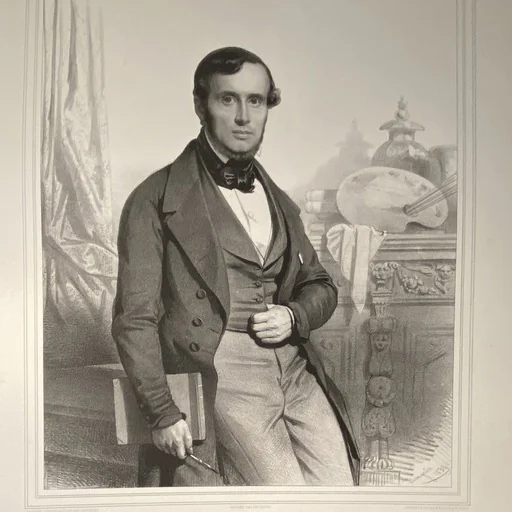

Museum
Department of Paintings of the Louvre
Continue through works from the same source collection.
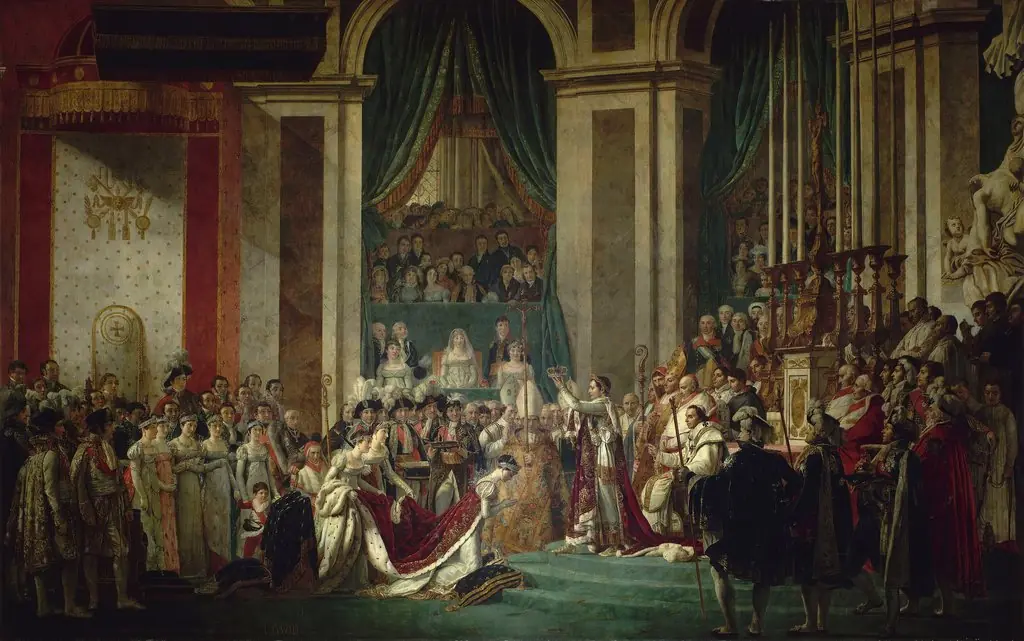 Coronation of Emperor Napoleon I and Coronation of the Empress Josephine
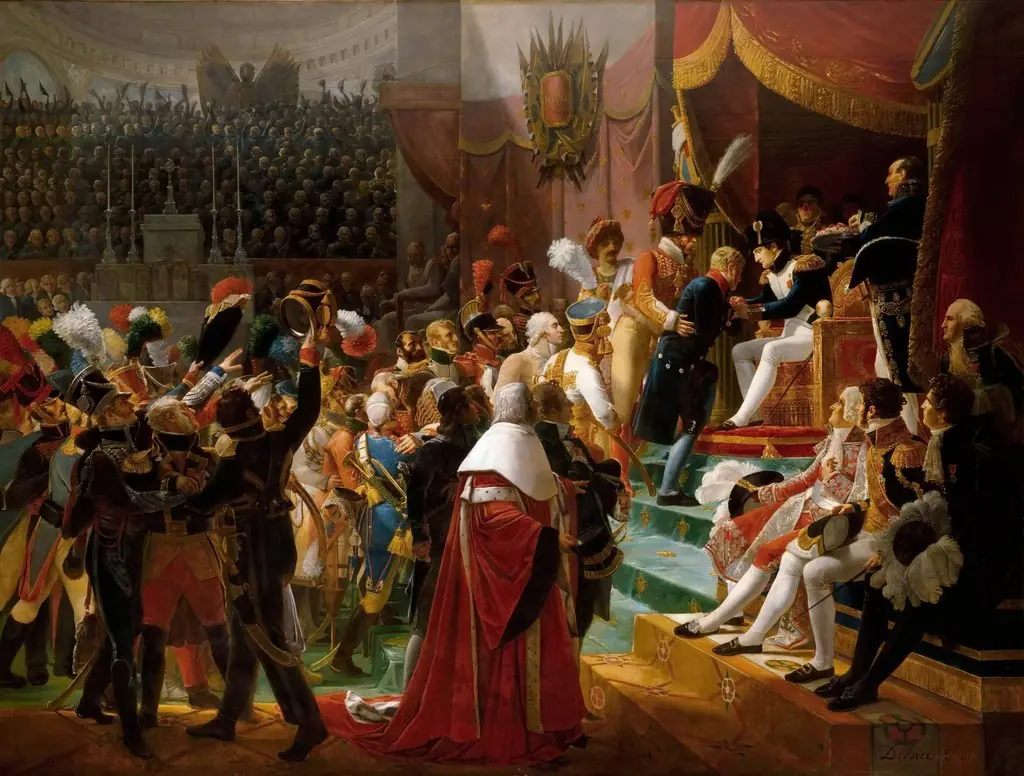 First distribution of the decorations of the Legion of Honor, made by Bonaparte, in the church of the imperial hotel of Invalides, July 14, 1804
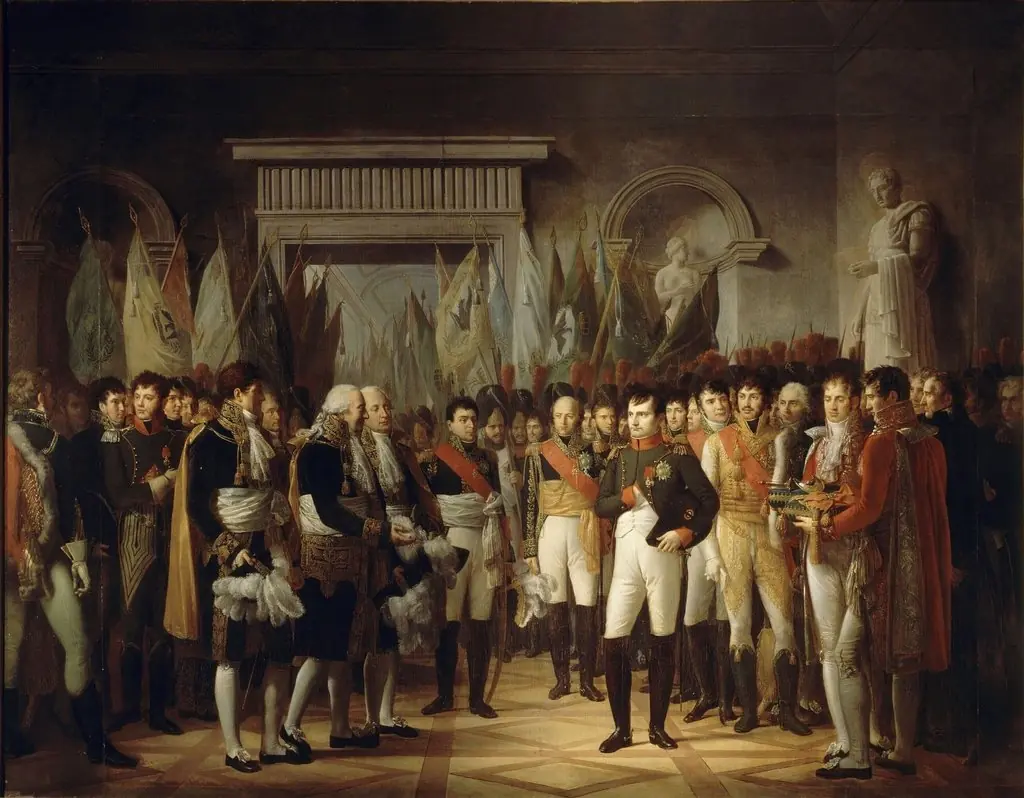 The Emperor receiving the deputies of the Conservative Senate in Berlin at the royal palace, 19 November 1806
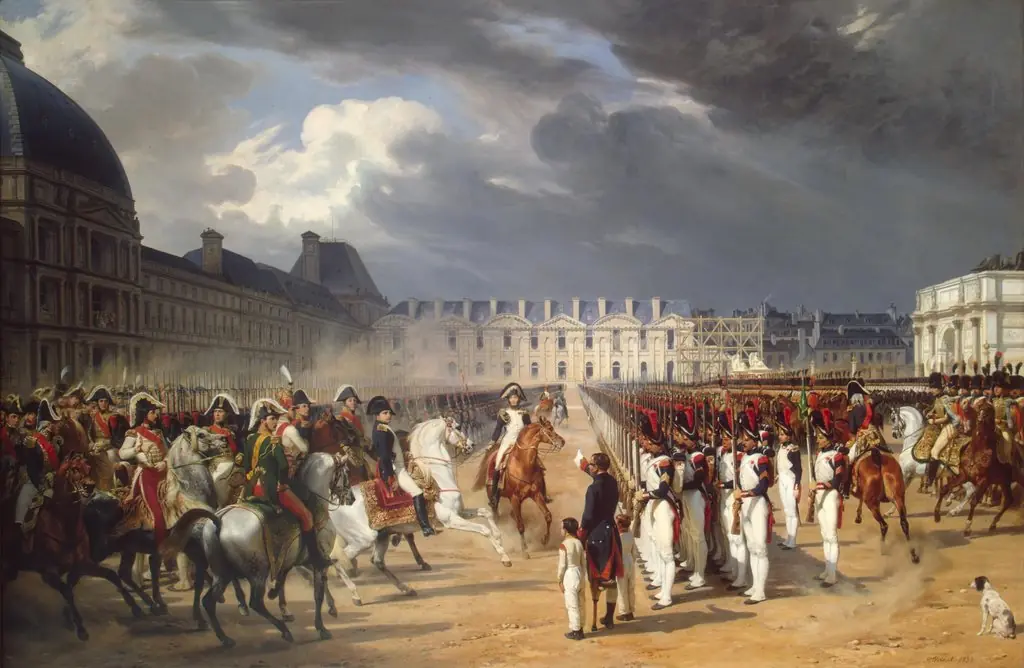 Invalid handing a petition to Napoleon at the parade in the court of the Tuileries Palace
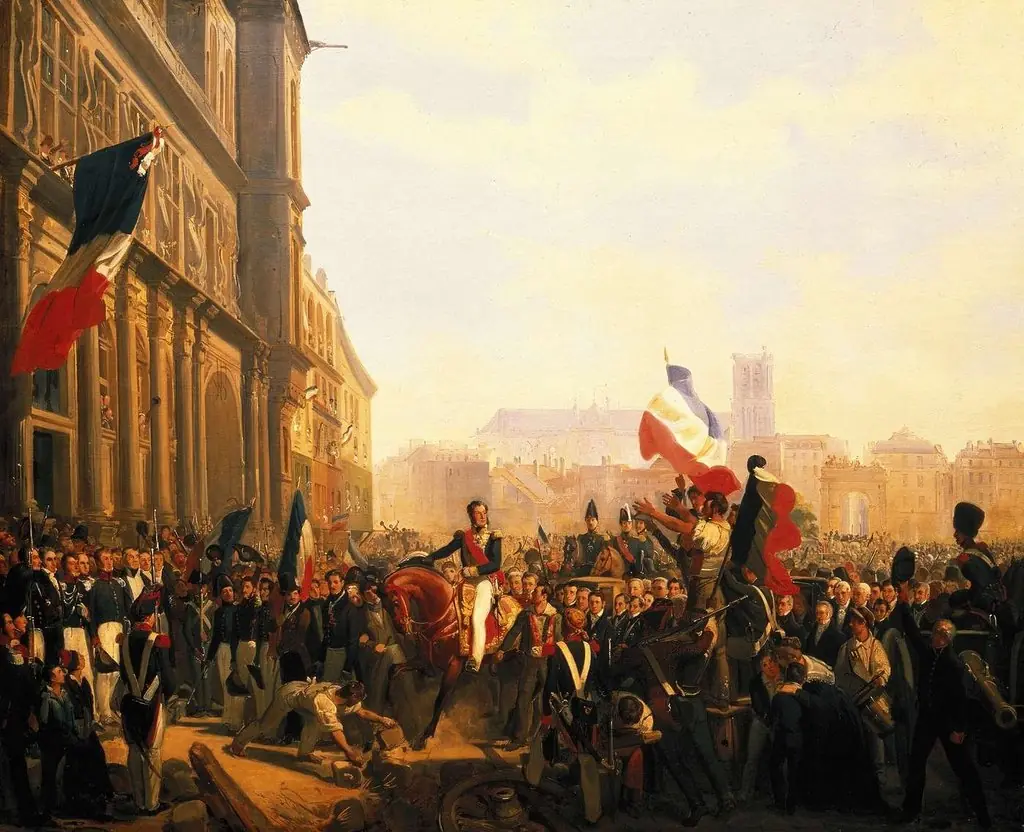 Louis-Philippe, duc d'Orléans, lieutenant général du royaume, arrive à l'Hôtel de ville de Paris, 31 juillet 1830
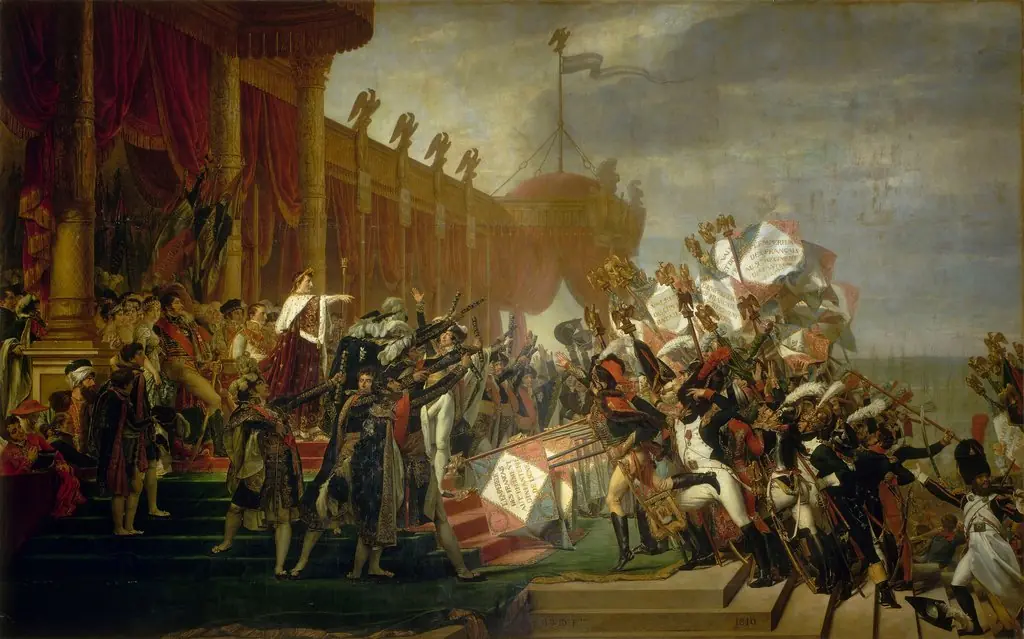 The Distribution of the Eagle Standards
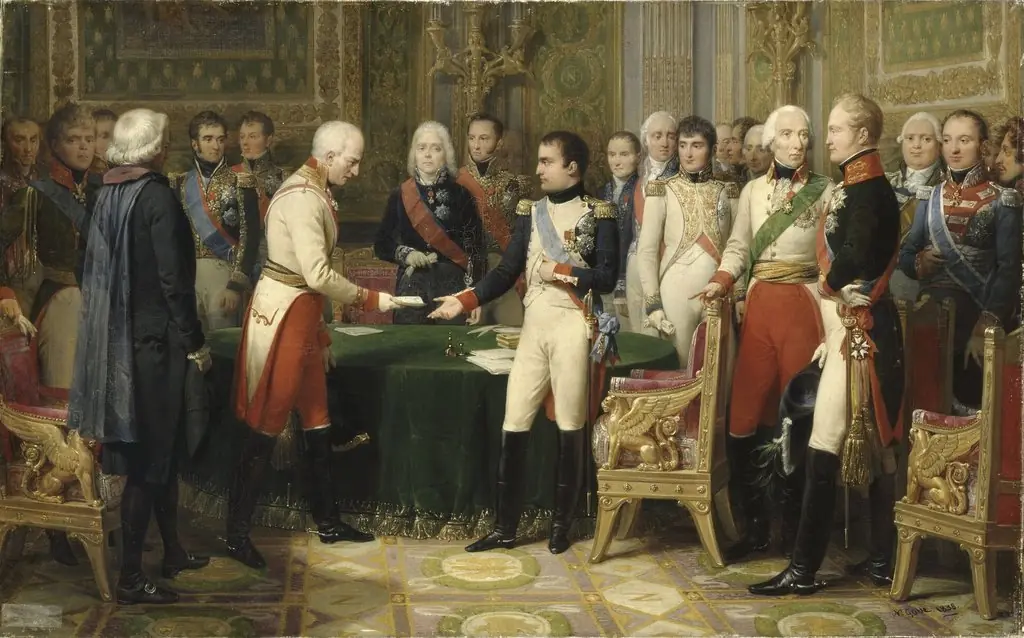 Napoleon I receiving Baron Vincent, the Austrian Ambassador, at Erfurt, 1808
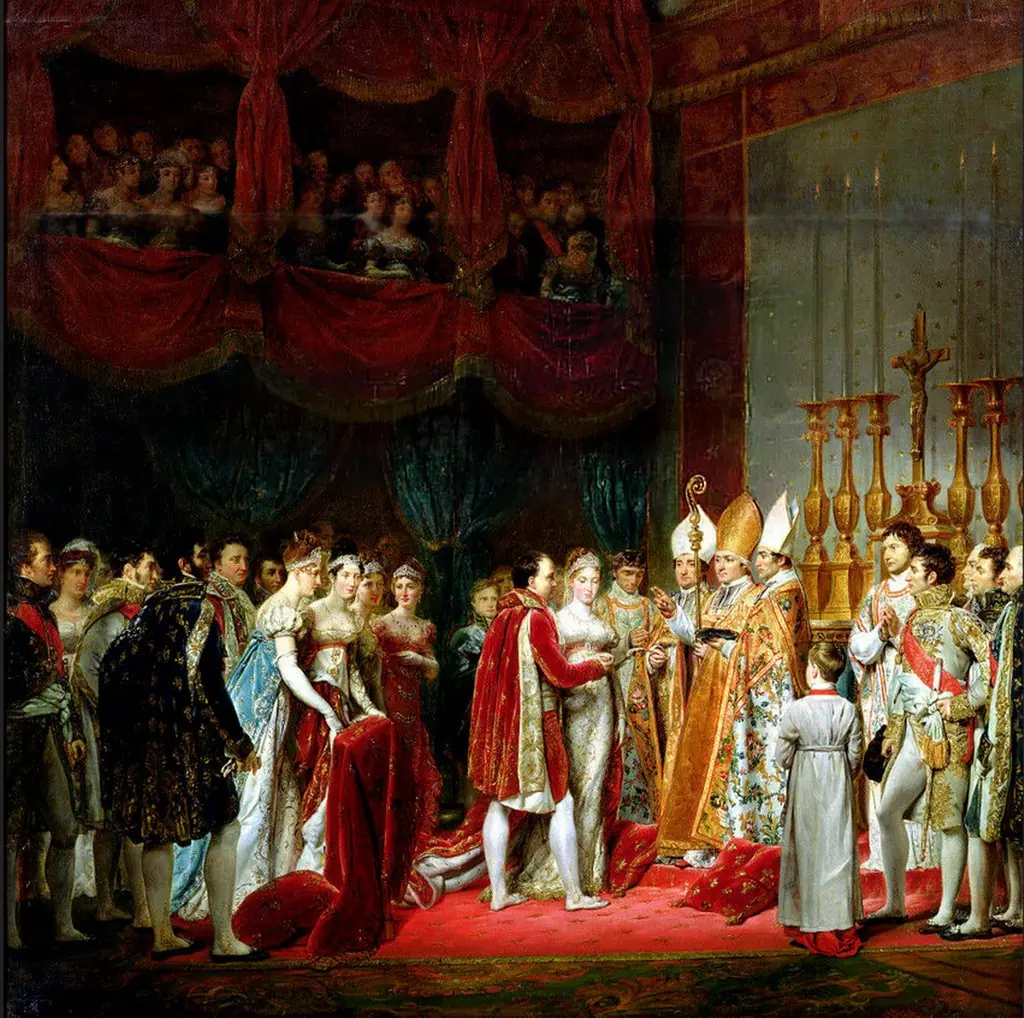 Marriage of Napoleon I and Marie Louise, 2 April 1810
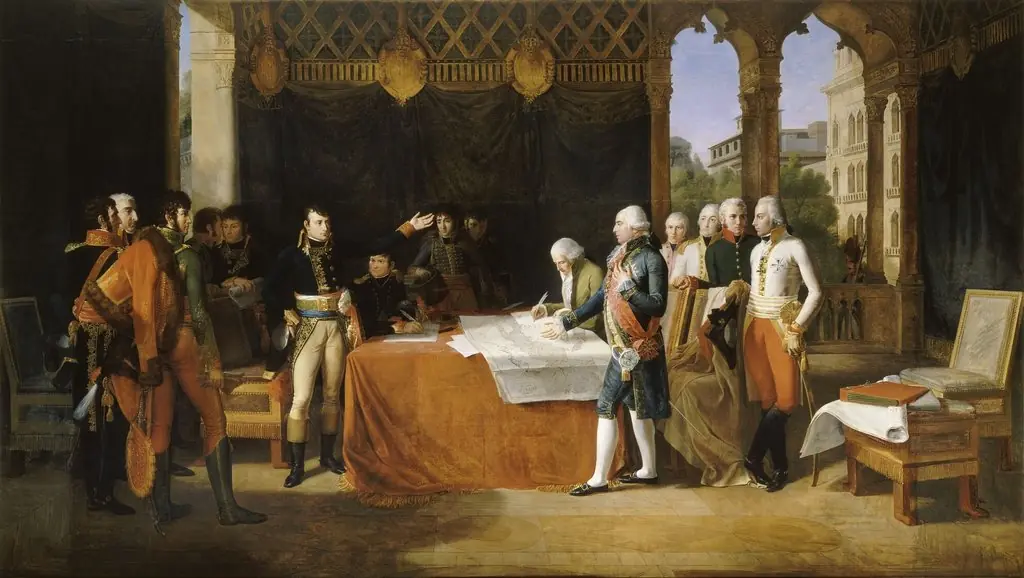 Treaty of Loeben, April 17, 1797
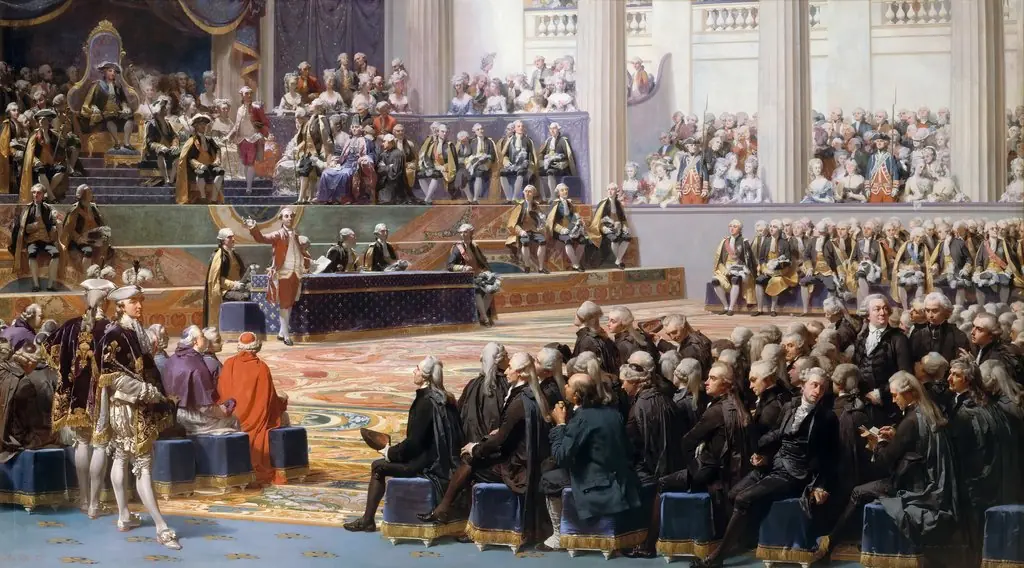 Opening session of the General Assembly, 5 May 1789
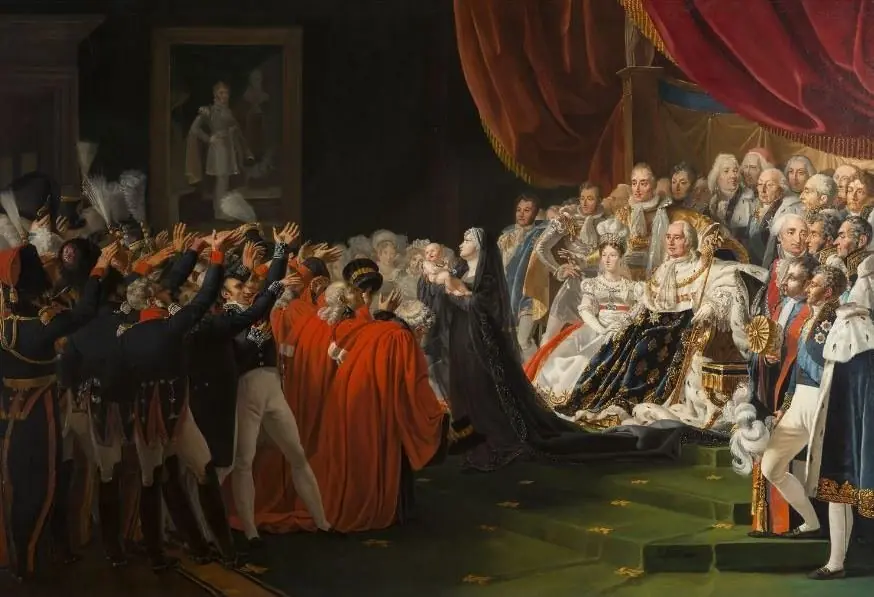 The Duke of Bordeaux presented to the people and the army by the Duchess of Berry in the presence of the king, surrounded by the royal family and the main figures of the State
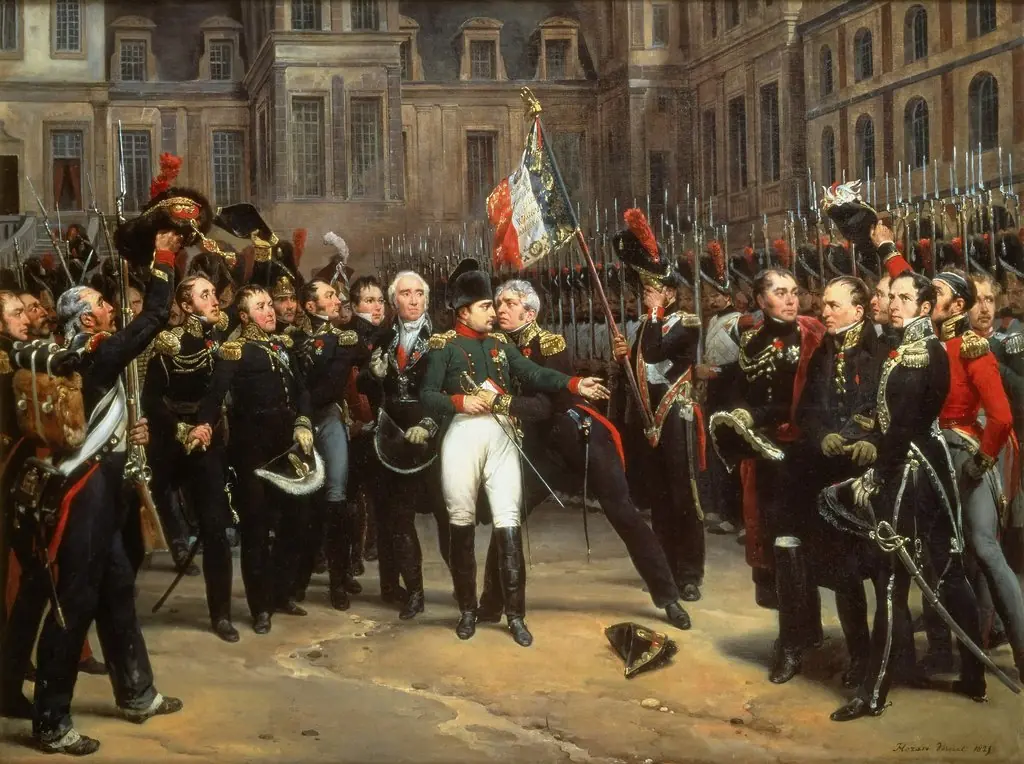 Napoleon bids farewell to his Guard at Fontainebleau on 20 April 1814