Artwork
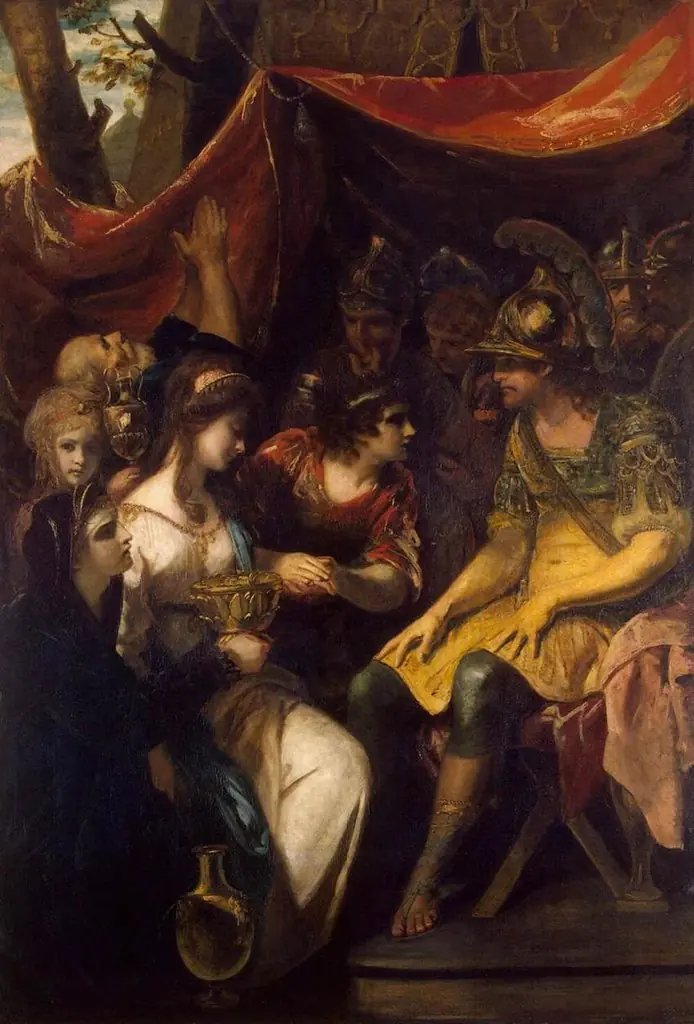
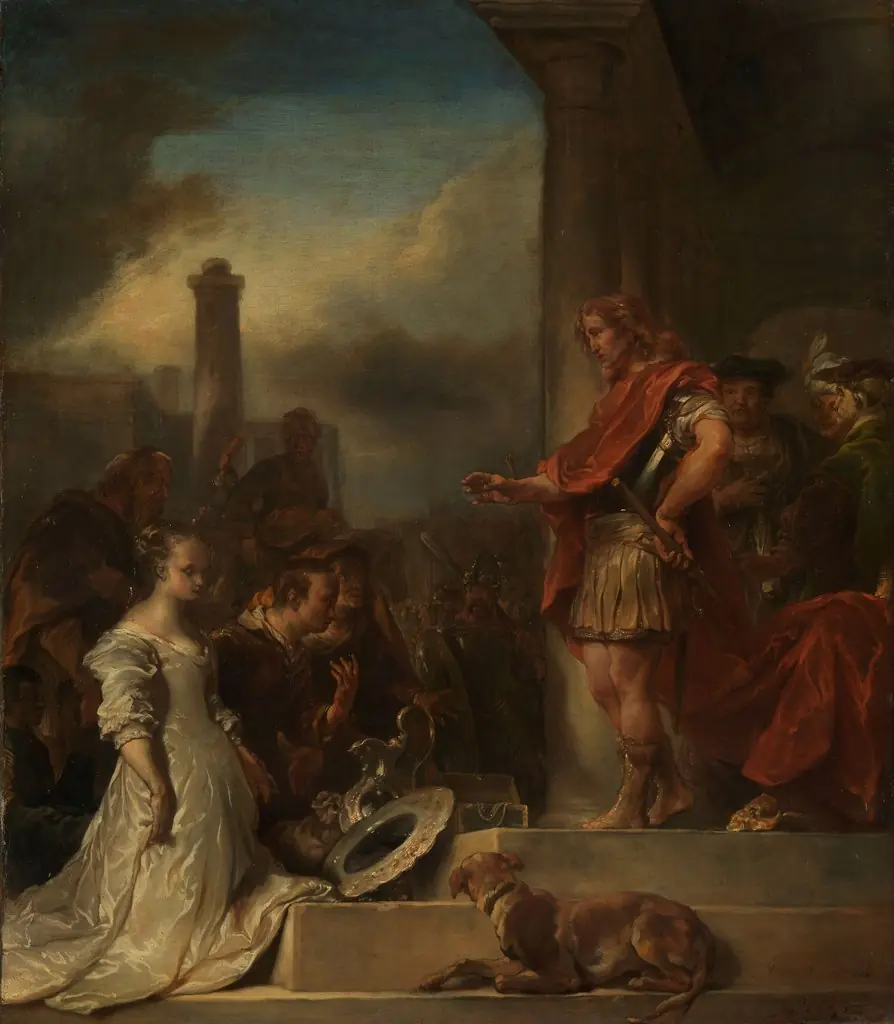
Magnanimity of Scipio Africanus
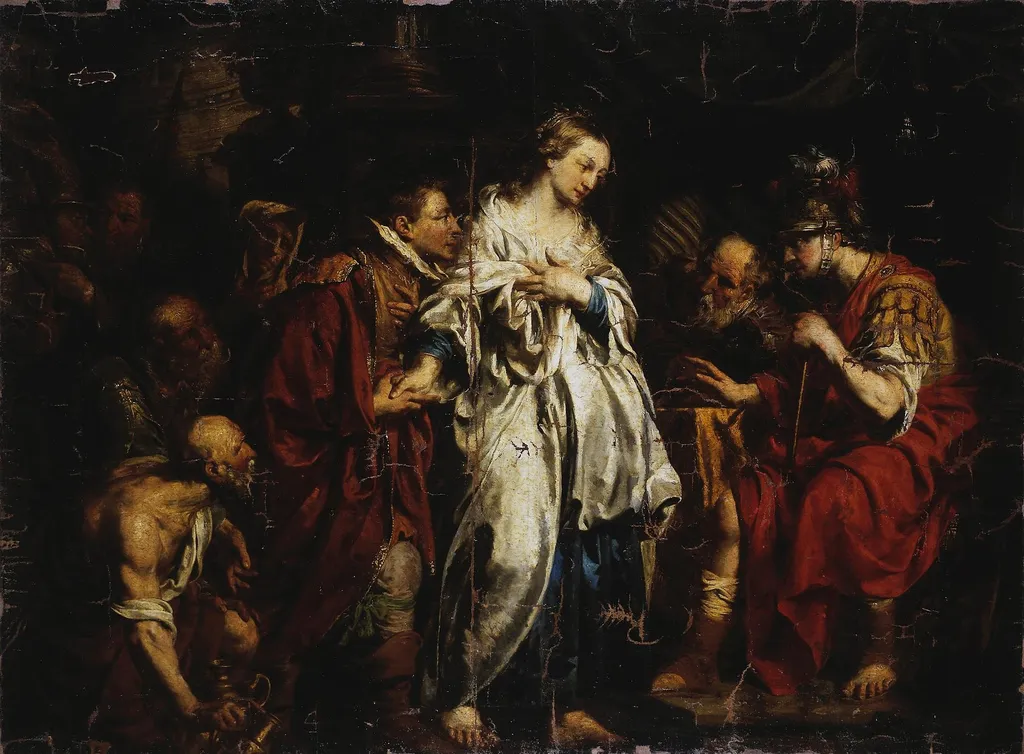
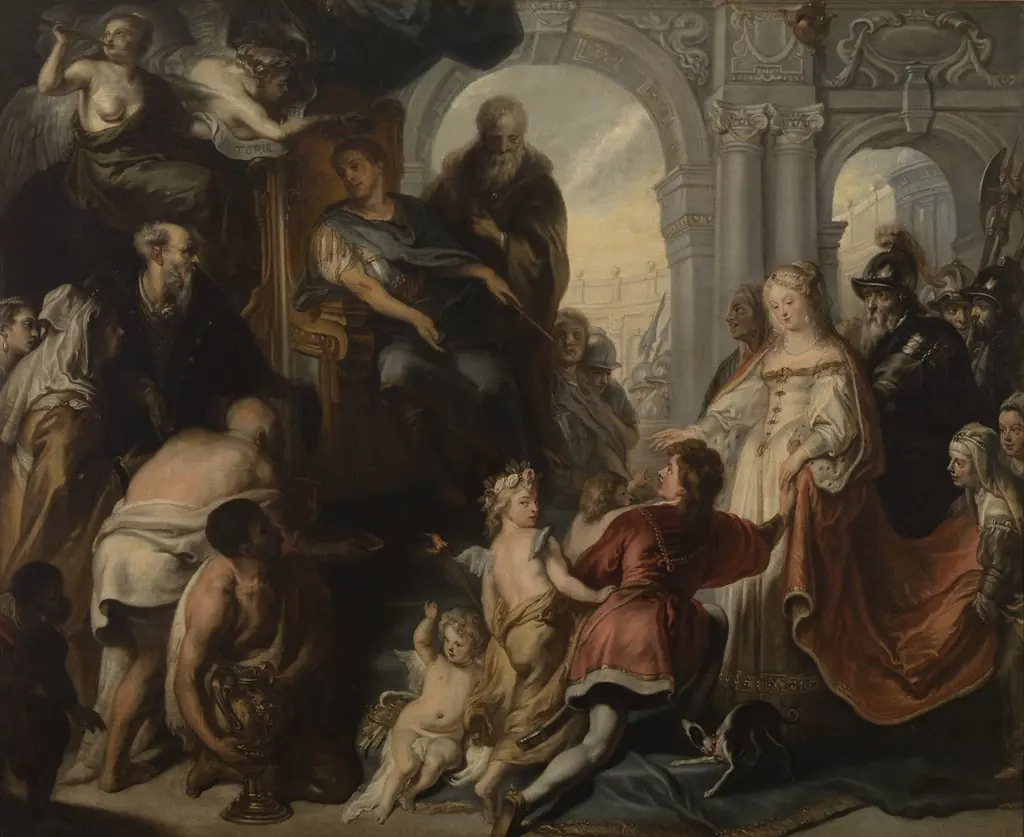
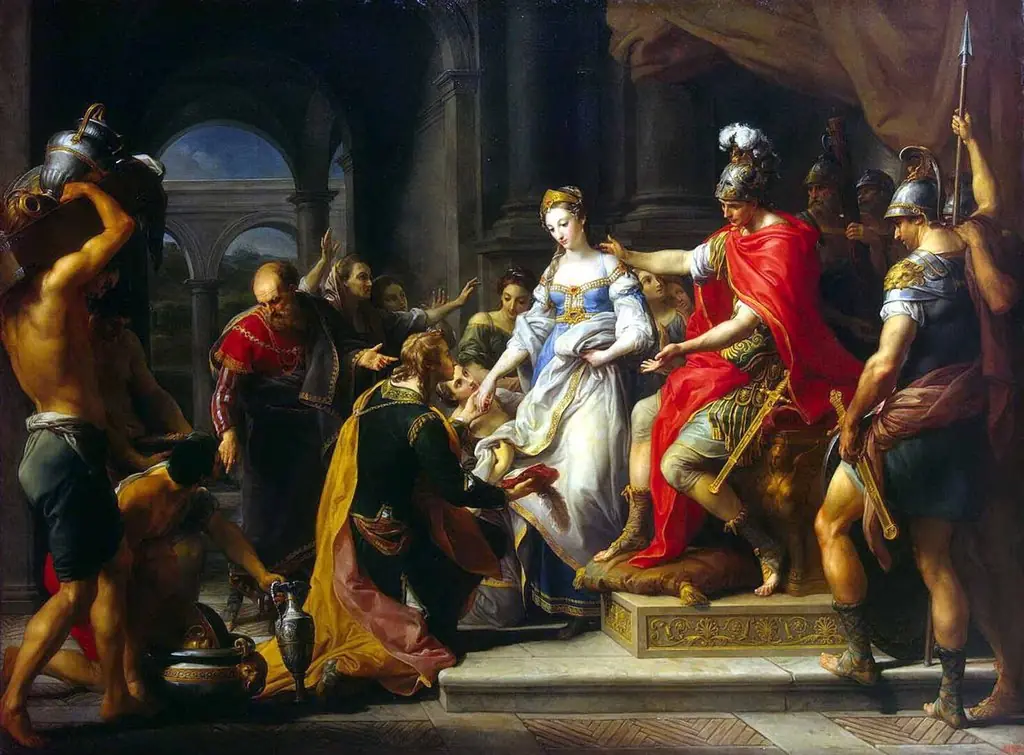
Magnanimity of Scipio Africanus is an oil painting by the Rococo painting artist Pieter Jozef Verhaghen. It dates from 1775 and is held in the collection of the Hermitage Museum.
About this work
Overview
Magnanimity of Scipio Africanus is a 1775 oil painting by Pieter Jozef Verhaghen, a Flemish artist and the last prominent figure of the Flemish School. The work exemplifies the late Flemish Baroque tradition, executed during the Rococo period.
Subject & Meaning
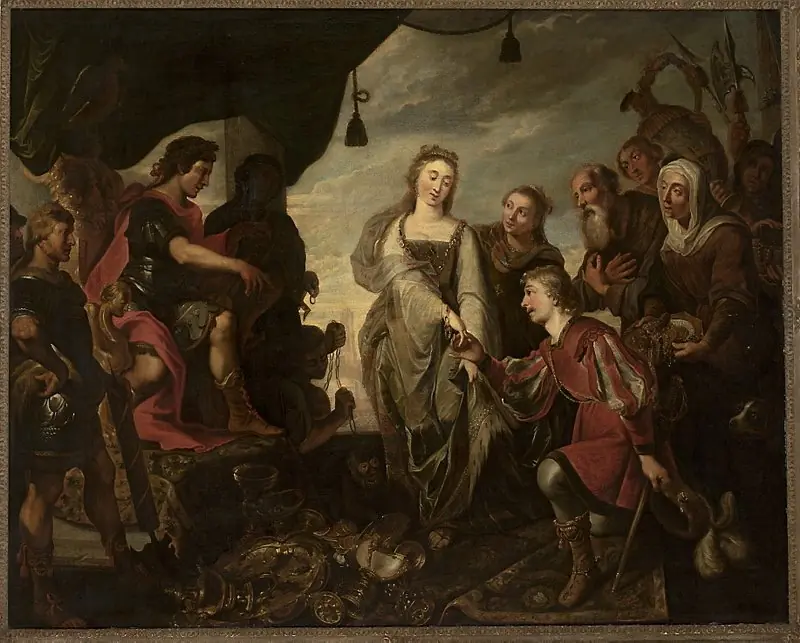
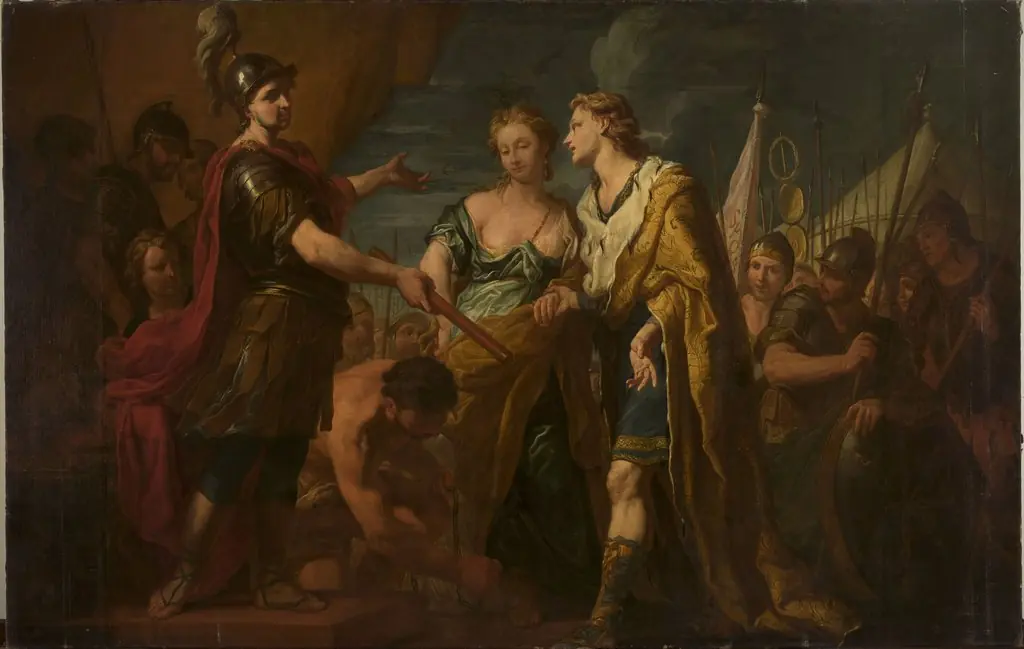
The painting depicts a scene of generosity and grandeur, interpreted as Scipio Africanus's magnanimity. A central female figure in white offers a cloth to a Roman-clad man (Scipio), surrounded by diverse onlookers in a grand, possibly sacred, setting, conveying solemnity and reverence.
Technique & Style
Verhaghen employed oil paint to create depth and perspective through strategic use of shadows and light, characteristic of the Flemish Baroque style, albeit with Rococo influences evident in the overall composition.
History & Provenance
Created in 1775 under the patronage of prominent figures like Empress Maria Theresa, the painting is now part of the State Hermitage Museum's collection.
Context
Painted in the late 18th century, the work bridges the Flemish Baroque tradition (associated with Rubens) and the Rococo movement, reflecting the artistic transition of the time.
Legacy
As the last major representative of the Flemish School, Verhaghen's *Magnanimity of Scipio Africanus* serves as a culmination of Flemish Baroque, though its broader impact on subsequent art movements is not distinctly defined.
Own this work as a print
Artist & collection
Artist
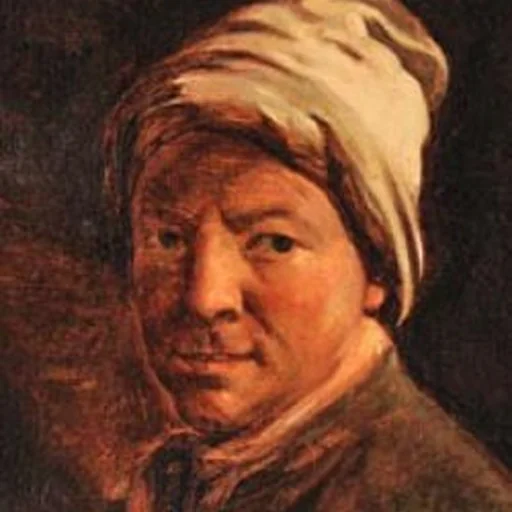
Pieter-Jozef Verhaghen (19 March 1728 in Aarschot – 3 April 1811 in Leuven) was a Flemish painter of large-scale religious and mythological scenes.