Artwork
Death of Lucretia
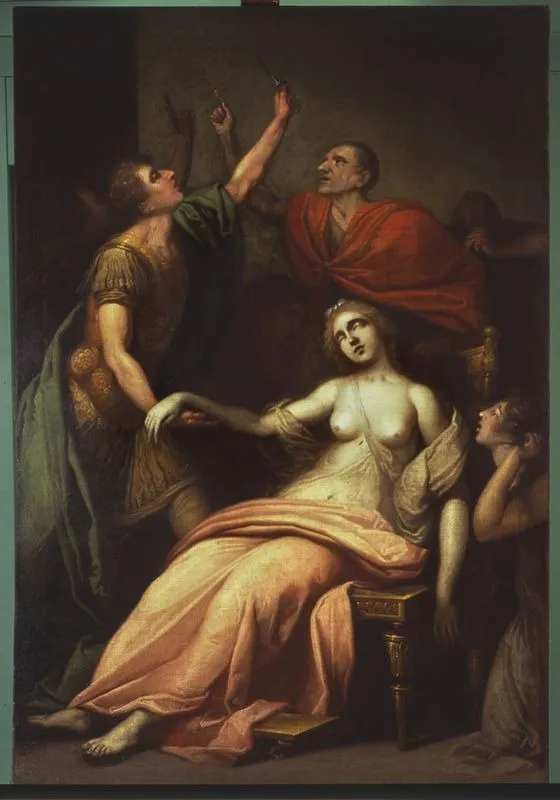
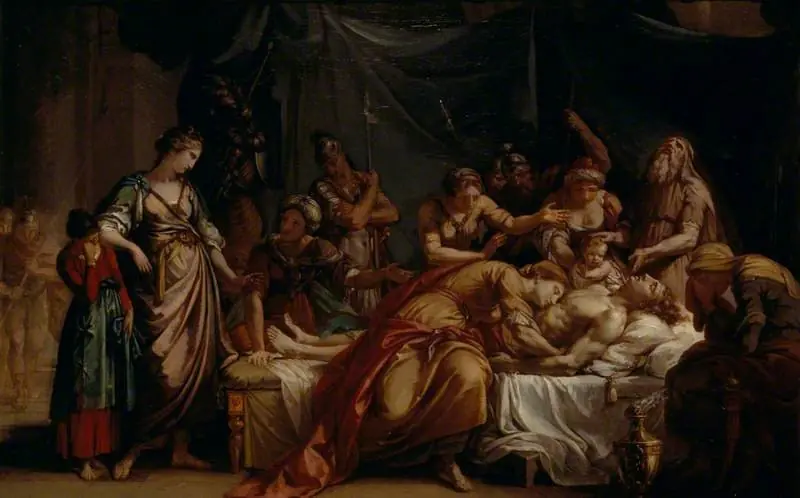
Death of Lucretia is an oil painting by the Neoclassicist artist Franciszek Smuglewicz. It dates from 1794 and is held in the collection of the National Museum in Warsaw.
About this work
Overview
Painted in 1794 by Franciszek Smuglewicz, this oil-on-canvas work portrays the moment of Lucretia’s suicide, a classical tale of virtue and tragedy.
Painted in 1794 by Franciszek Smuglewicz, this oil-on-canvas work portrays the moment of Lucretia’s suicide, a classical tale of virtue and tragedy. As a key figure in the Vilnius school of art, Smuglewicz brought neoclassical ideals to Polish-Lithuanian painting. The piece resides today in the National Museum in Warsaw, reflecting the era’s intellectual engagement with ancient moral narratives through disciplined composition and restrained emotion.
Subject & Meaning
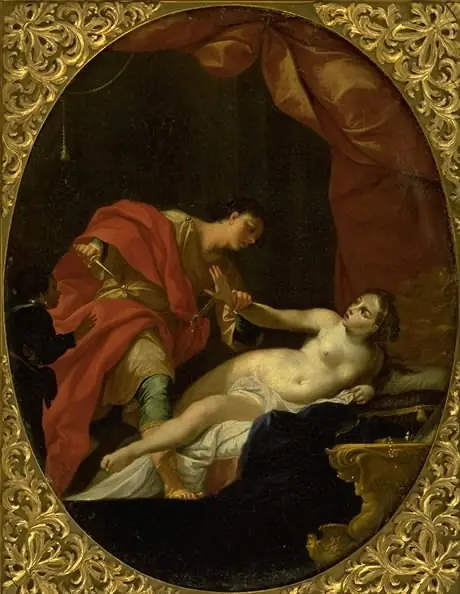
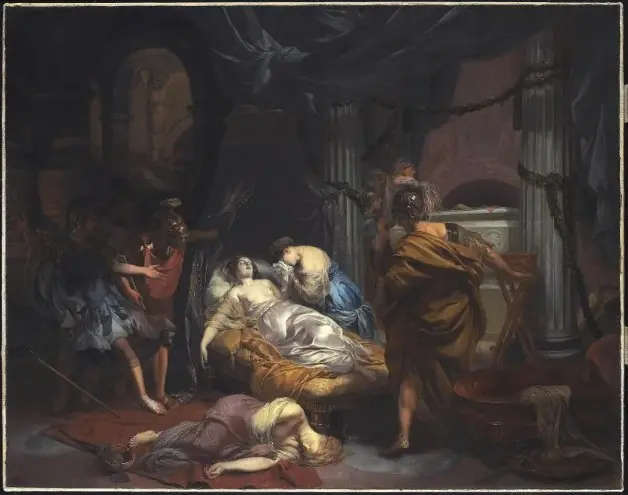
The scene captures Lucretia’s final act after her violation, choosing death to preserve familial honor. Her stillness contrasts with the tension in the figures around her: the dagger-wielder, likely her husband or a companion, gestures upward as if invoking divine witness, while the red-robed observer remains aloof. The narrative aligns with Enlightenment-era ideals of personal integrity, using classical myth to critique moral decay and affirm civic virtue.
Technique & Style
Smuglewicz employs chiaroscuro to isolate the figures against a deep, shadowed backdrop, drawing focus to Lucretia’s pale form and the dagger’s gleam. Drapery is rendered with precise folds, and anatomical clarity reflects his academic training. The palette is muted, save for the red robe, which acts as a visual anchor. Brushwork is controlled, avoiding theatricality—emphasizing solemnity over spectacle, in keeping with neoclassical restraint.
History & Provenance
Created during the final years of the Polish-Lithuanian Commonwealth, the painting emerged amid political turmoil that mirrored Lucretia’s symbolic sacrifice. Smuglewicz, trained by his father and influenced by Italian academies, infused local artistic traditions with classical themes. The work entered the National Museum in Warsaw in the 19th century, where it remains as part of a broader collection documenting Poland’s cultural response to Enlightenment and revolutionary ideals.
Context
In late 18th-century Europe, Lucretia’s story was frequently revisited as a moral allegory, especially in nations grappling with loss of sovereignty. Smuglewicz’s version reflects the broader neoclassical trend of using antiquity to comment on contemporary ethics. His position as an educator in Vilnius placed him at the center of a cultural movement seeking to define national identity through historical and mythological imagery.
Legacy
Though not widely reproduced, the painting exemplifies how Polish artists adapted Western academic traditions to local concerns. Smuglewicz’s treatment of Lucretia—calm, unembellished, and psychologically grounded—set a tone for later historical painting in the region. It stands as a quiet testament to the intersection of classical narrative and emerging national consciousness in partitioned Poland.
Artist & collection
Artist
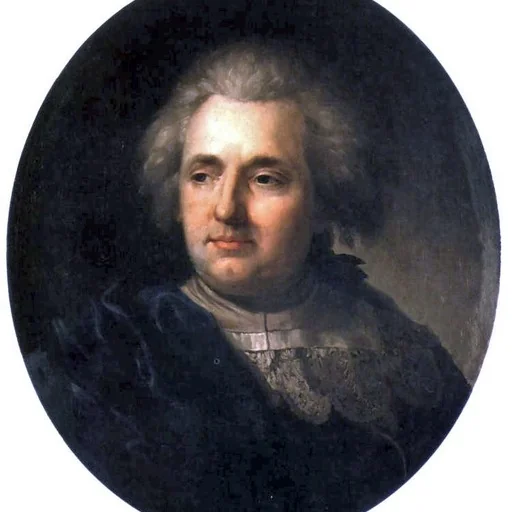
Franciszek Smuglewicz (Lithuanian: Pranciškus Smuglevičius; 6 October 1745 – 18 September 1807) was a Polish-Lithuanian draughtsman and painter.

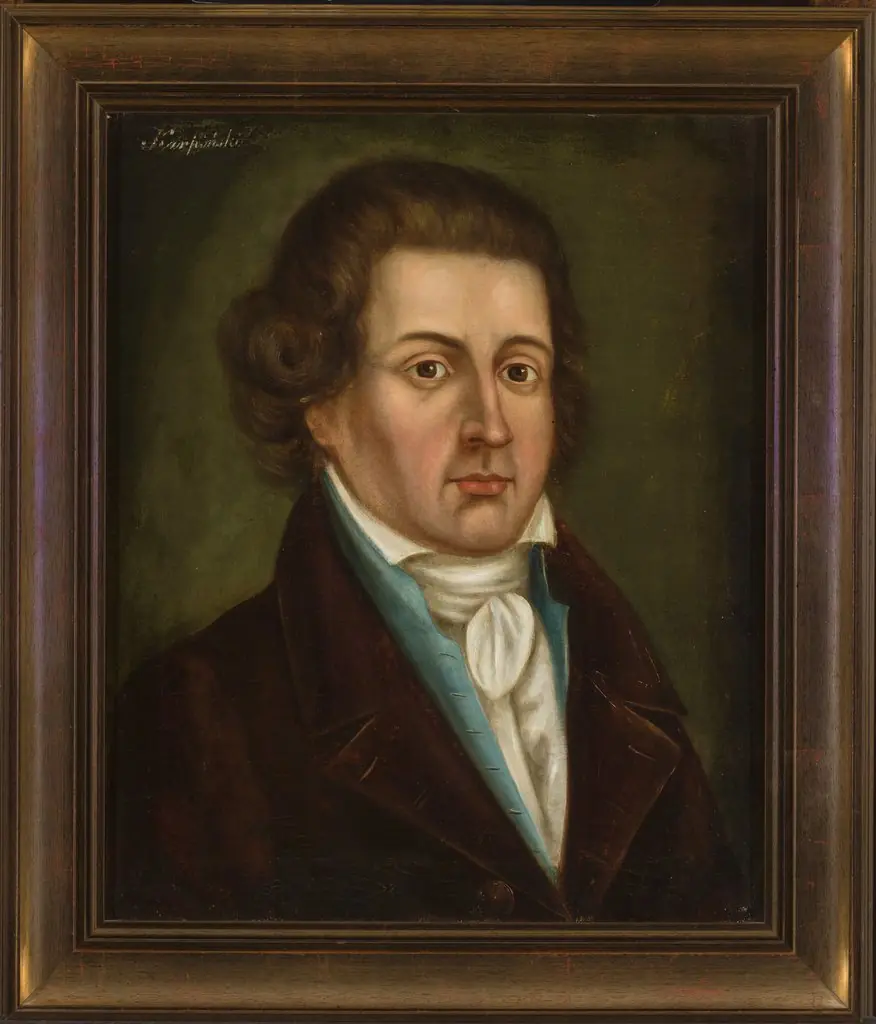 Portrait of Franciszek Karpiński (1741–1825), poet
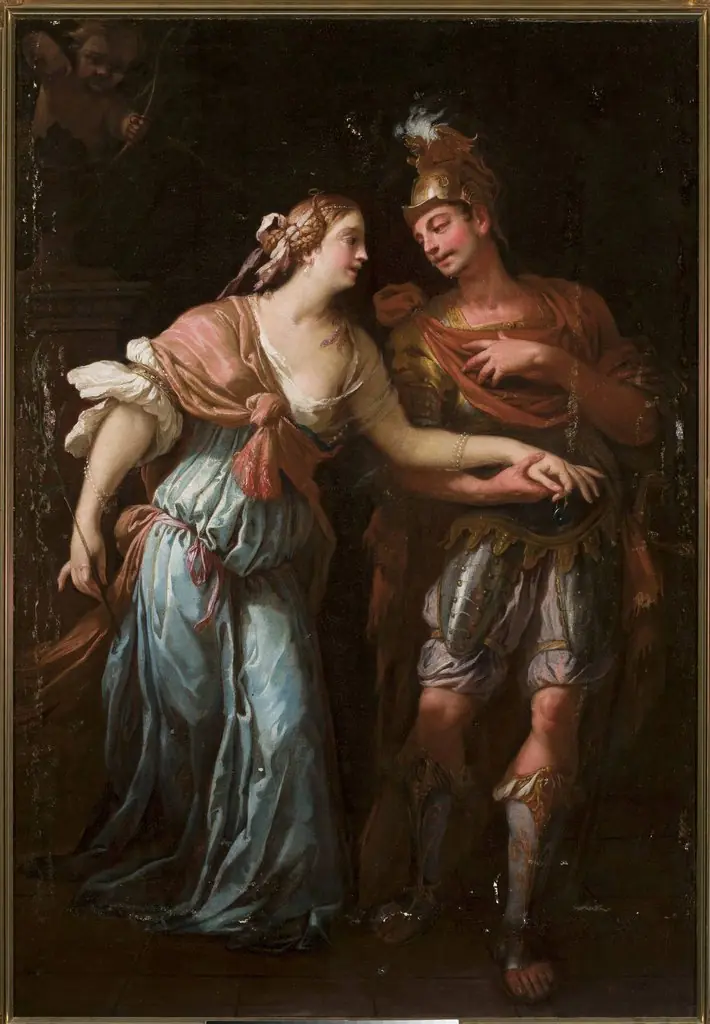 Venus and Mars
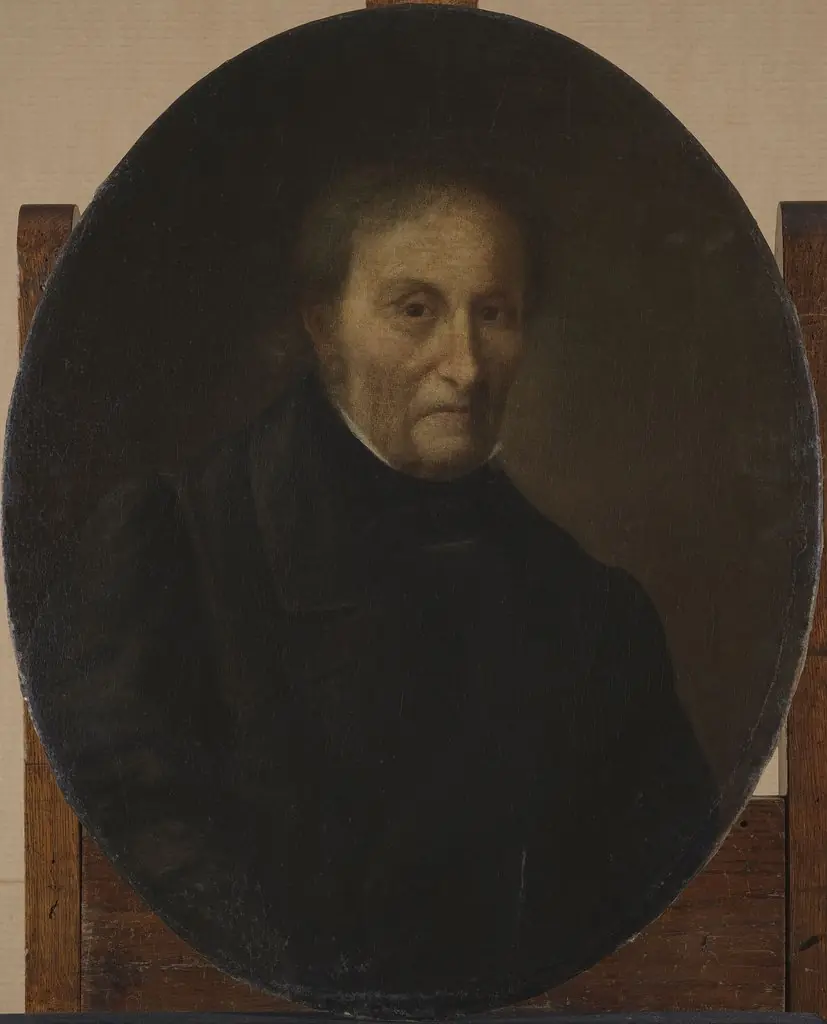 Portrait of Wiktor Grajewski, the last border judge in Samogitia
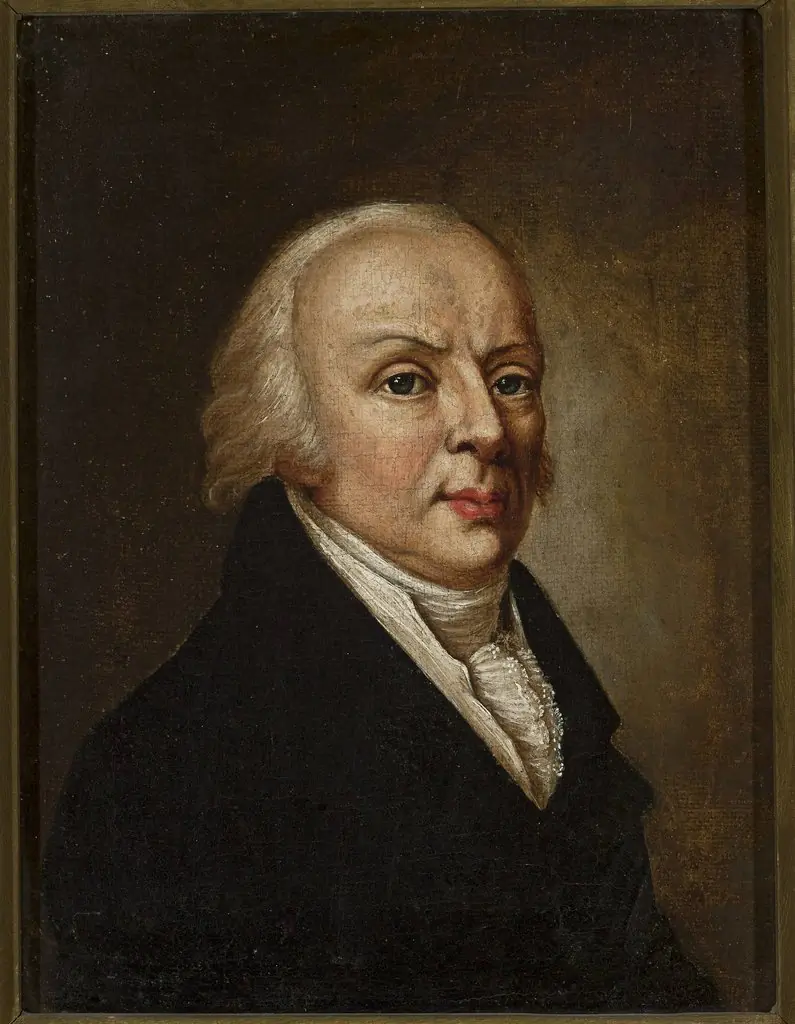 Portrait of Jędrzej Śniadecki
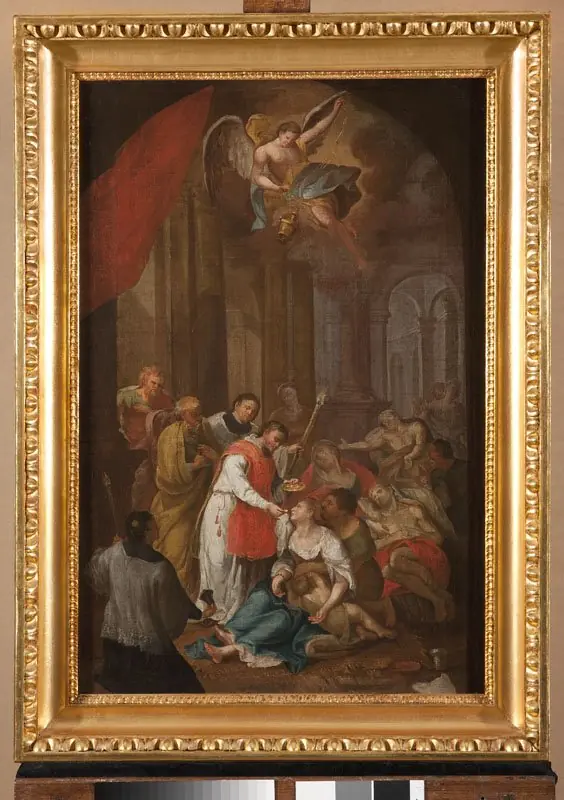 Saint Charles Borromeo attending to the ill
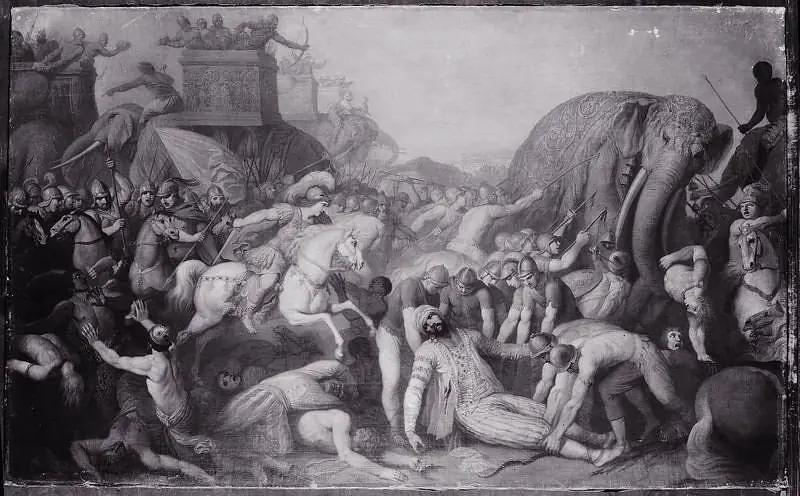 Victory of Alexander the Great over Poros, king of India, in 326
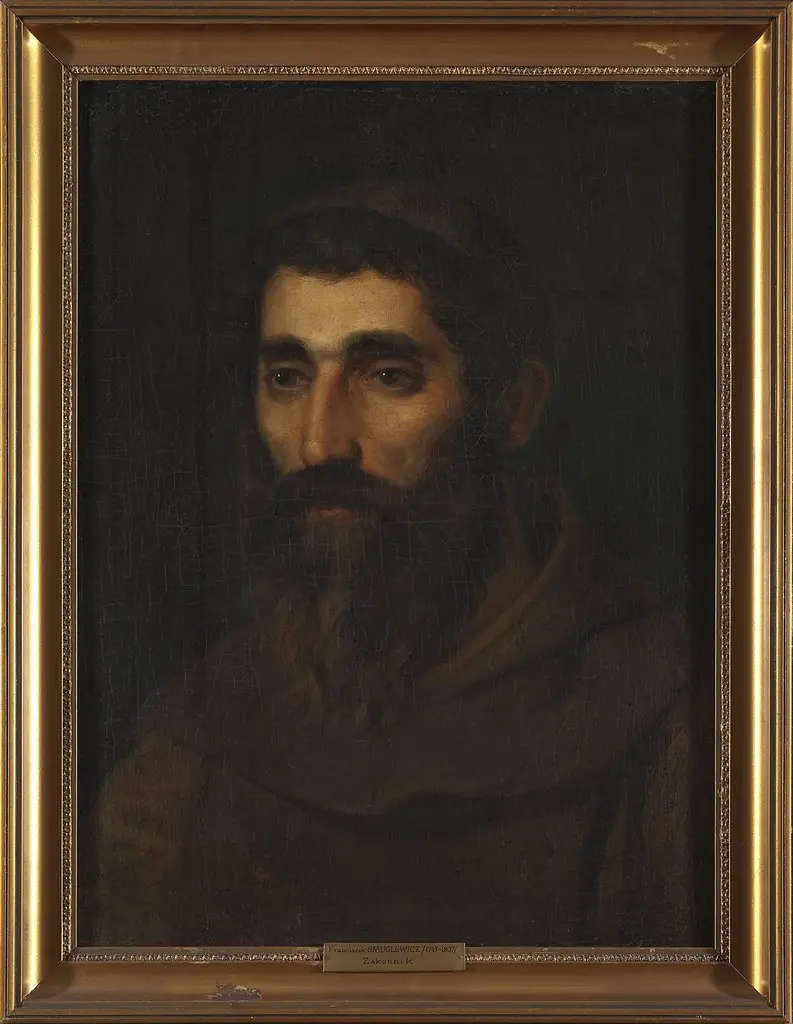 Portrait of a monk
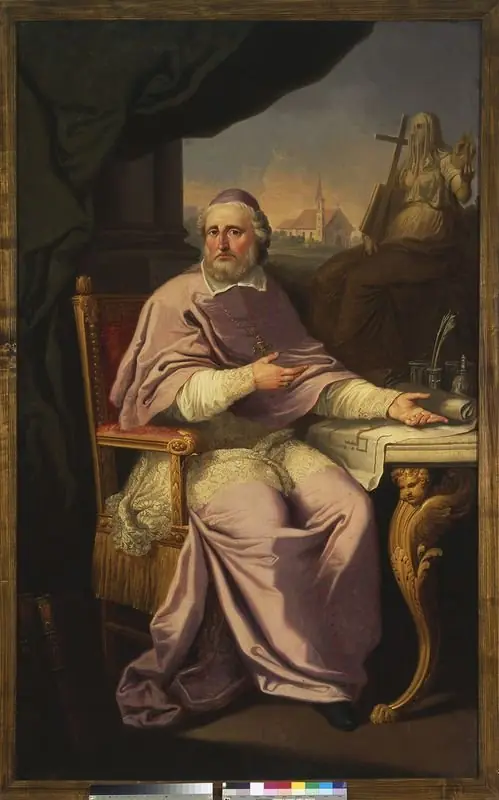 Portrait of Jan Stefan Giedroyc (d. 1803), bishop of Vilnius