Artwork
Kunstenaarsateliers
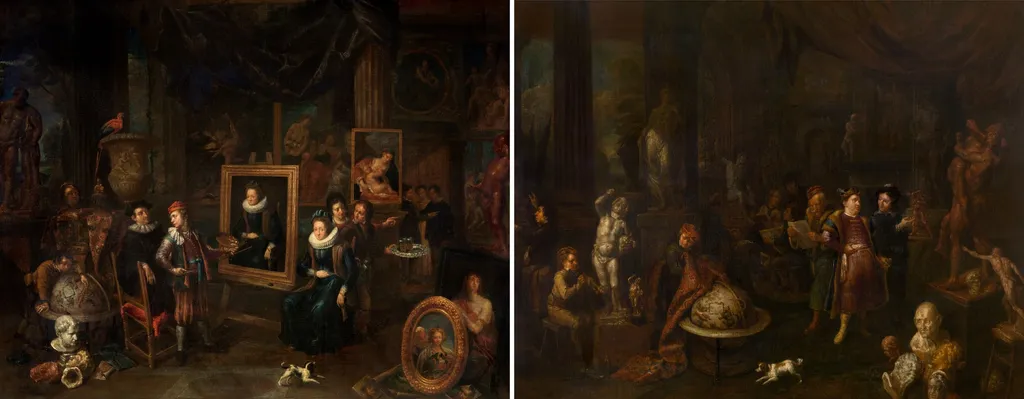
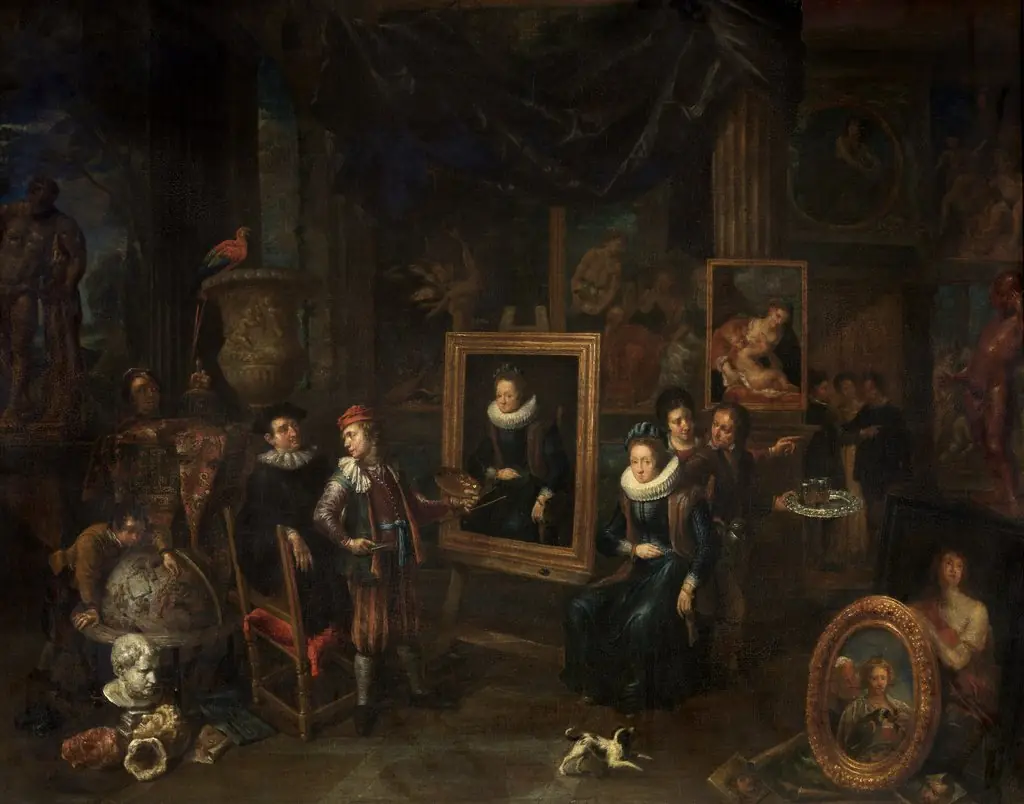
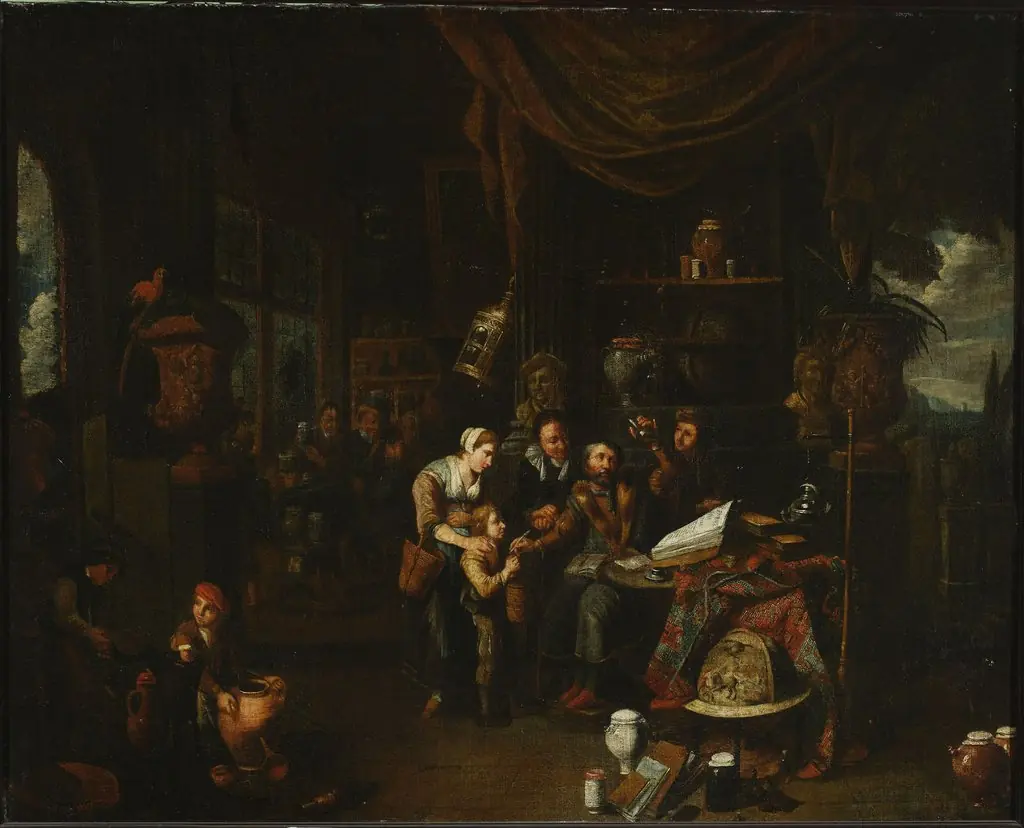
Kunstenaarsateliers is an oil painting by the Rococo painting artist Gerard Thomas. It dates from 1701 and is held in the collection of the Royal Museum of Fine Arts Antwerp.
About this work
Overview
Painted in 1701 by Gerard Thomas, a Flemish artist active in Antwerp, this oil on canvas depicts a studio teeming with artistic activity.
Painted in 1701 by Gerard Thomas, a Flemish artist active in Antwerp, this oil on canvas depicts a studio teeming with artistic activity. Thomas, a member of the Guild of St. Luke, captured a moment within a working atelier, where painters, sculptors, and apprentices engage with their tools and collections. The scene is rendered with careful attention to interior detail and atmospheric lighting, reflecting the conventions of late Baroque studio imagery in the Southern Netherlands.
Subject & Meaning
The painting presents a collective portrait of artistic practice, not a specific historical event. Figures are engaged in observation, instruction, and creation, suggesting the transmission of skill across generations. The inclusion of classical sculptures, a skull, and a globe implies intellectual and moral dimensions to artistic training. The presence of a dog and a parrot adds domestic realism, grounding the elevated subject in everyday life.
Technique & Style
Thomas employs chiaroscuro to model forms and direct attention, with light falling selectively on the central figures and key objects. The palette is restrained, dominated by earth tones and muted highlights, enhancing the studio’s dim, intimate atmosphere. Brushwork varies—precise in facial features, looser in background textures—creating visual rhythm. The composition is densely packed, mirroring the cluttered reality of a working artist’s space without overwhelming narrative clarity.
History & Provenance
Created during a period when Antwerp artists increasingly depicted their own profession, the work aligns with a regional tradition of studio scenes dating to the 17th century. While its early ownership is undocumented, its survival suggests it was valued within artistic circles. Thomas’s reputation as a guild master lends credibility to its role as both artistic record and professional statement, though it was never widely reproduced or exhibited beyond local contexts.
Context
In early 18th-century Antwerp, the Guild of St. Luke maintained strict control over artistic training and production. Studio scenes like this one served to legitimize the artist’s role as both craftsman and intellectual. The inclusion of references to Rubens and Van Dyck—though not literal portraits—affirms continuity with the city’s artistic legacy, reinforcing identity amid shifting European tastes toward Rococo elegance.
Legacy
Though not widely known outside regional collections, the painting contributes to the understanding of how artists viewed their own profession in the early modern period. It preserves visual evidence of studio organization, tools, and pedagogical practices. Its quiet realism, devoid of theatricality, offers a grounded counterpoint to more idealized depictions of artists in later centuries.
Artist & collection
Artist
Gerard Thomas (1663–1721) was a late Flemish Baroque painter who specialized in studio and picture gallery interiors.

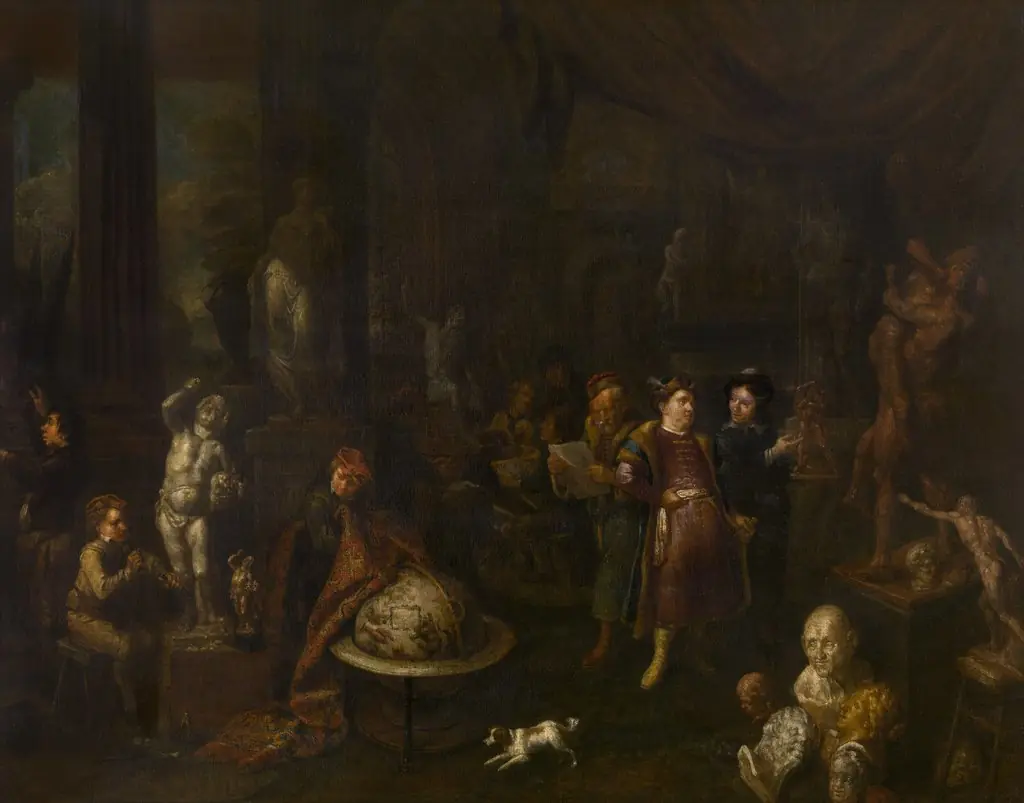
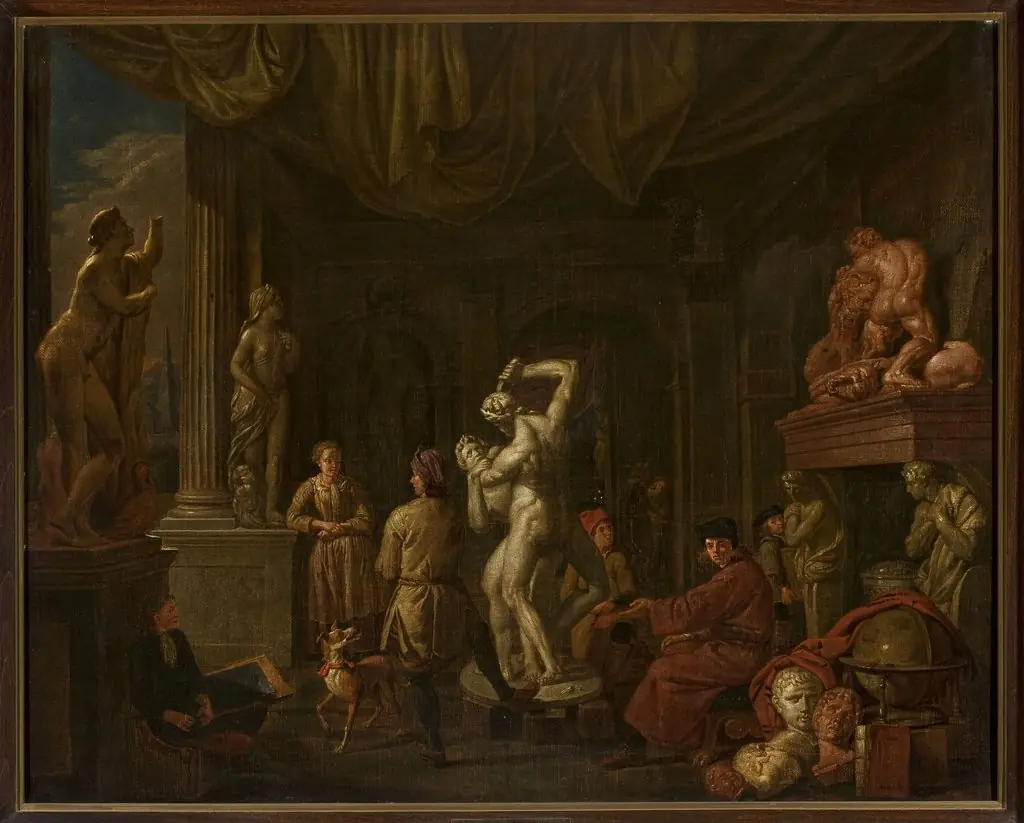 In the sculptor's studio
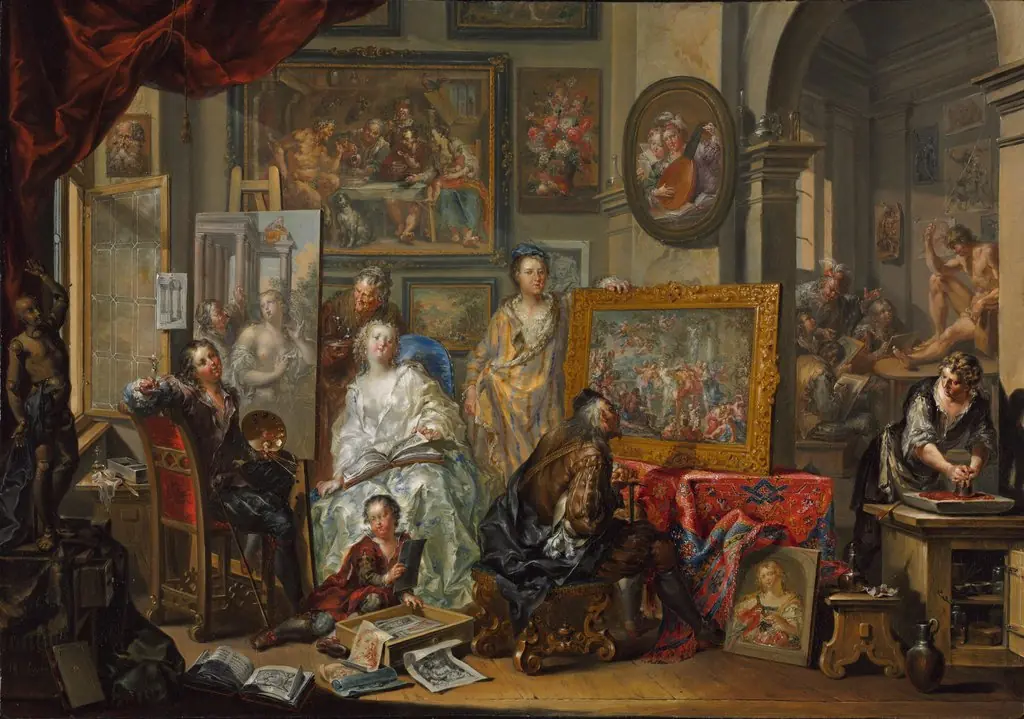 The Artist's Studio
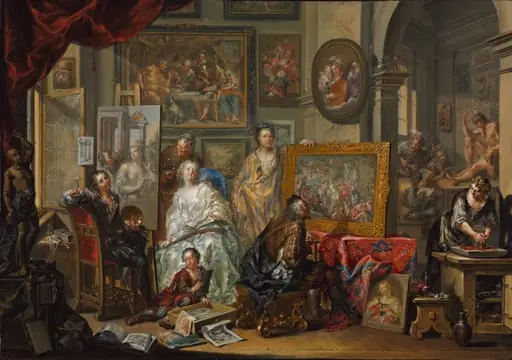 The Artist's Studio
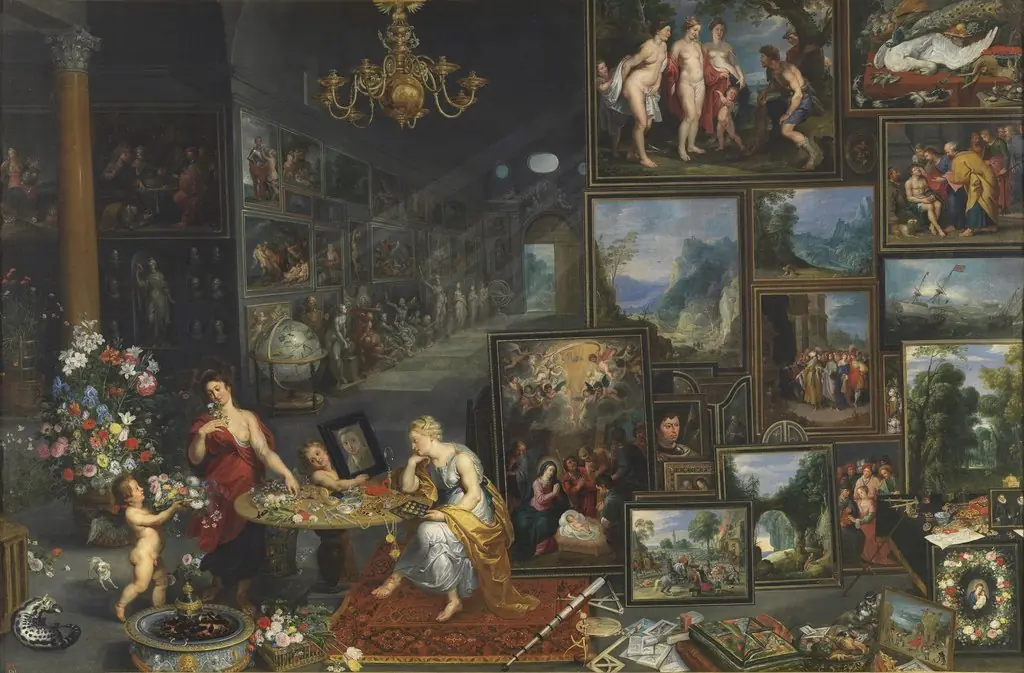 Allegory of Sight and Smell
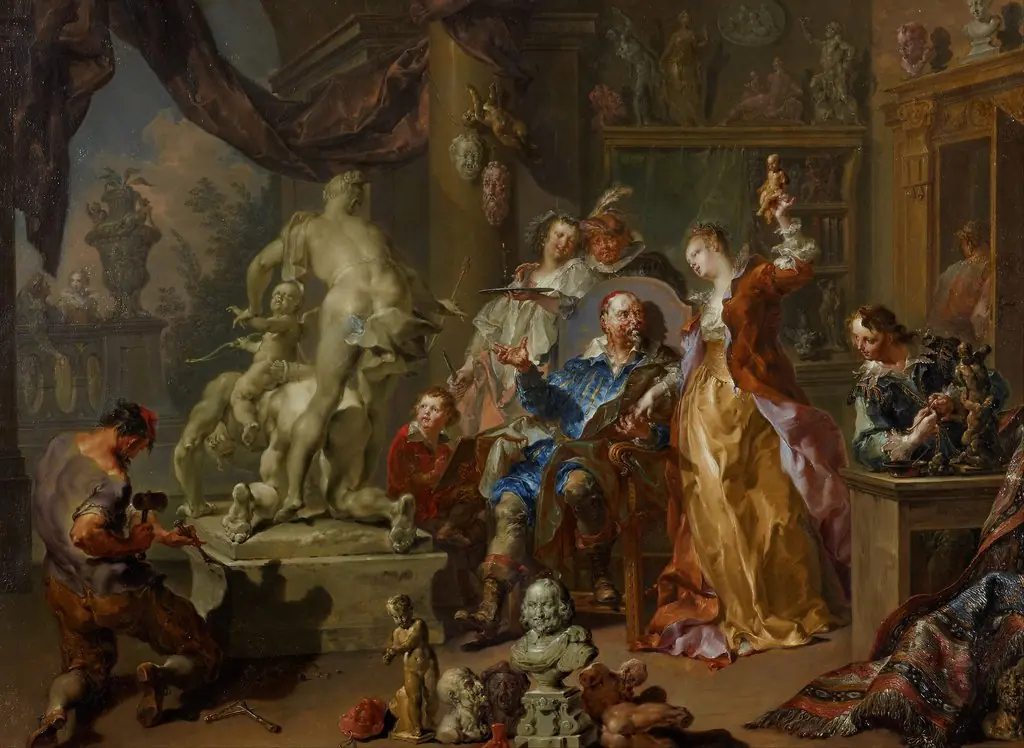 The Sculptor's Studio
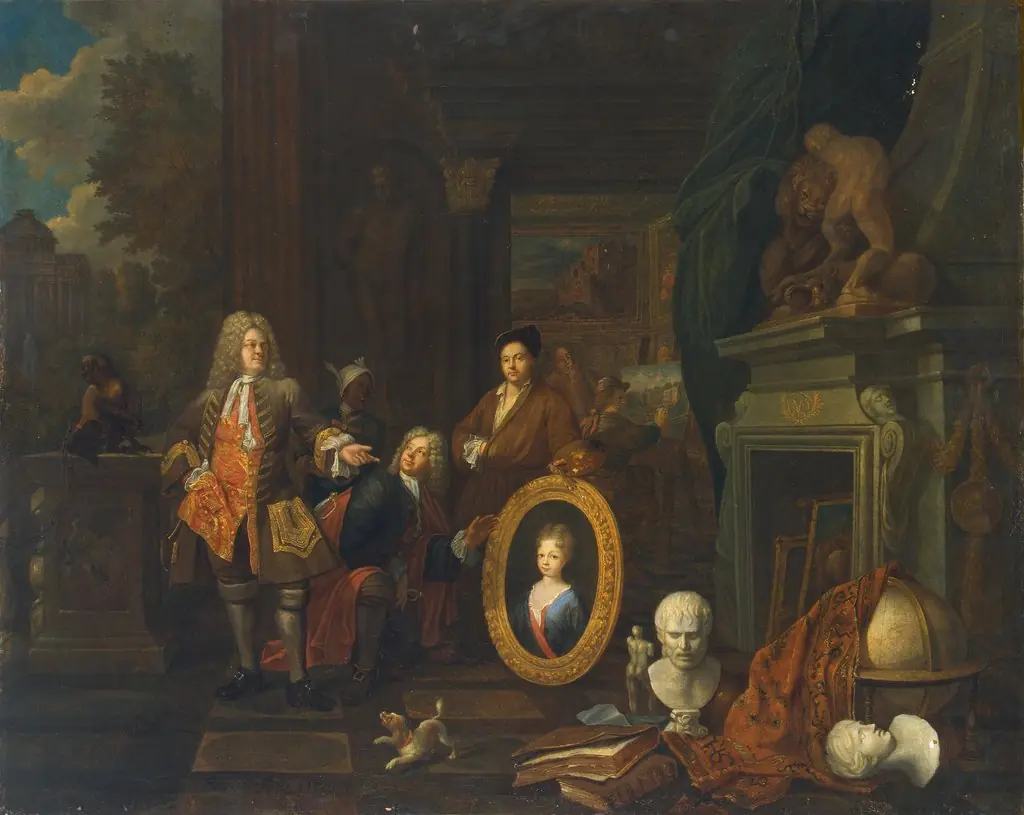 Studio of an Artist
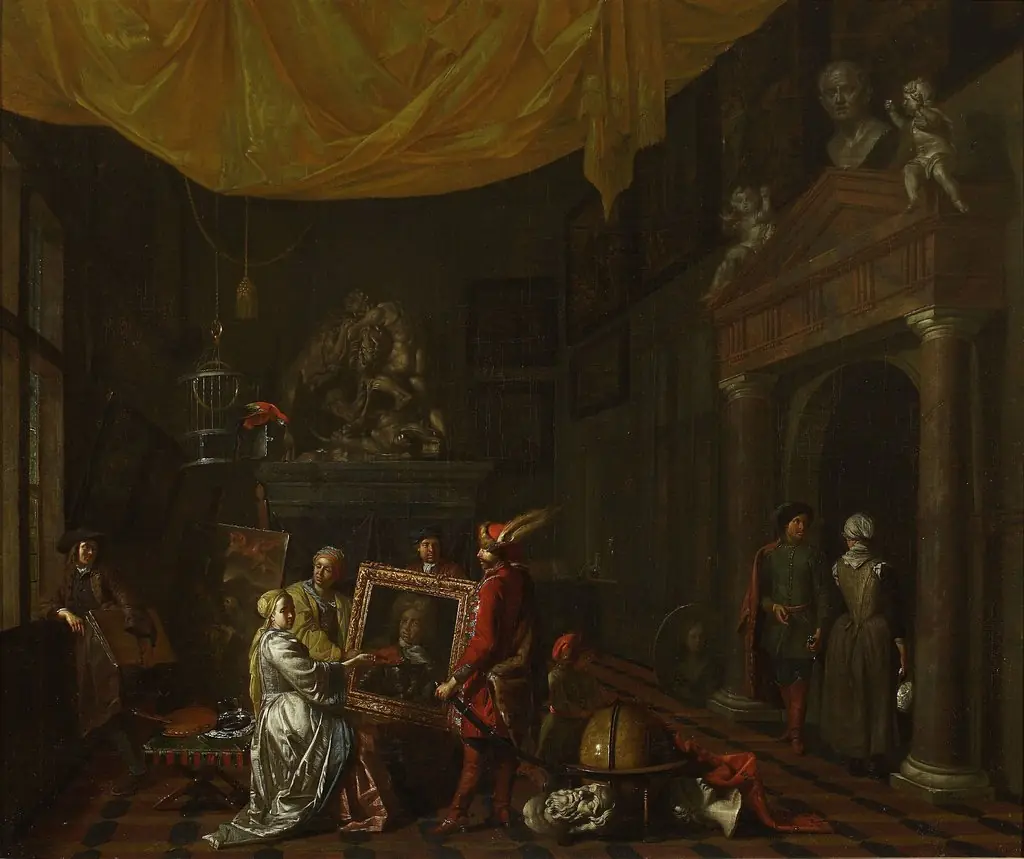 Visit to the painter's studio
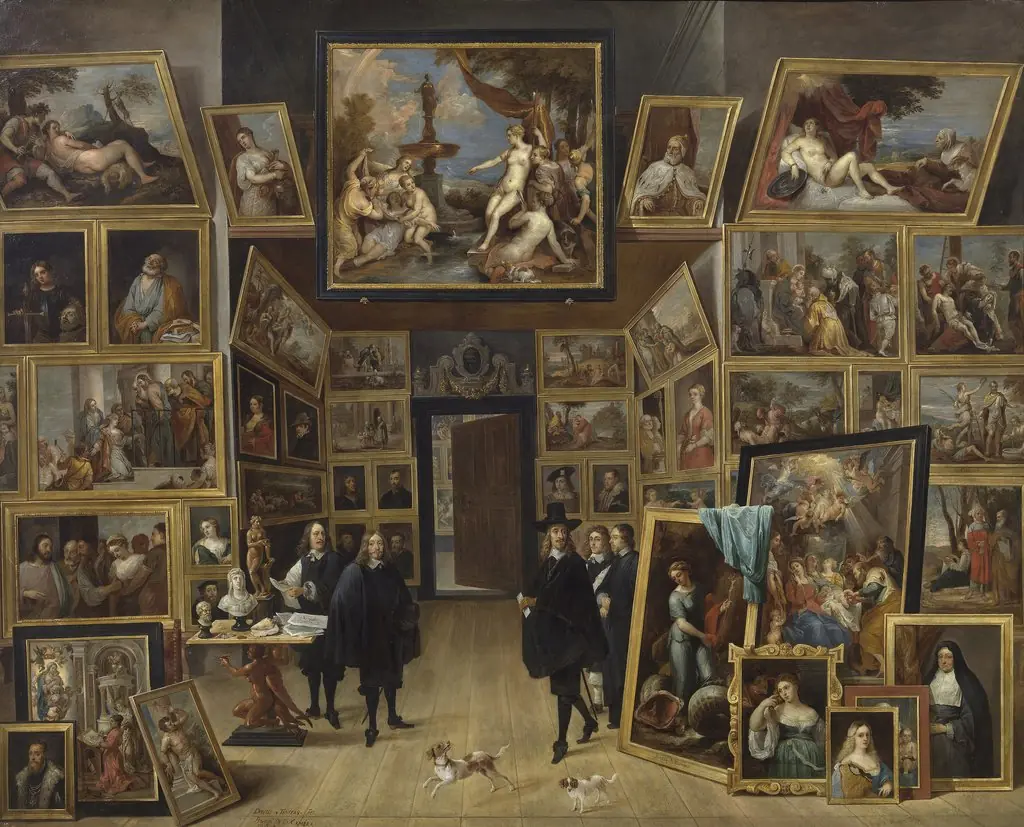 Archduke Leopold Wilhelm in his Gallery
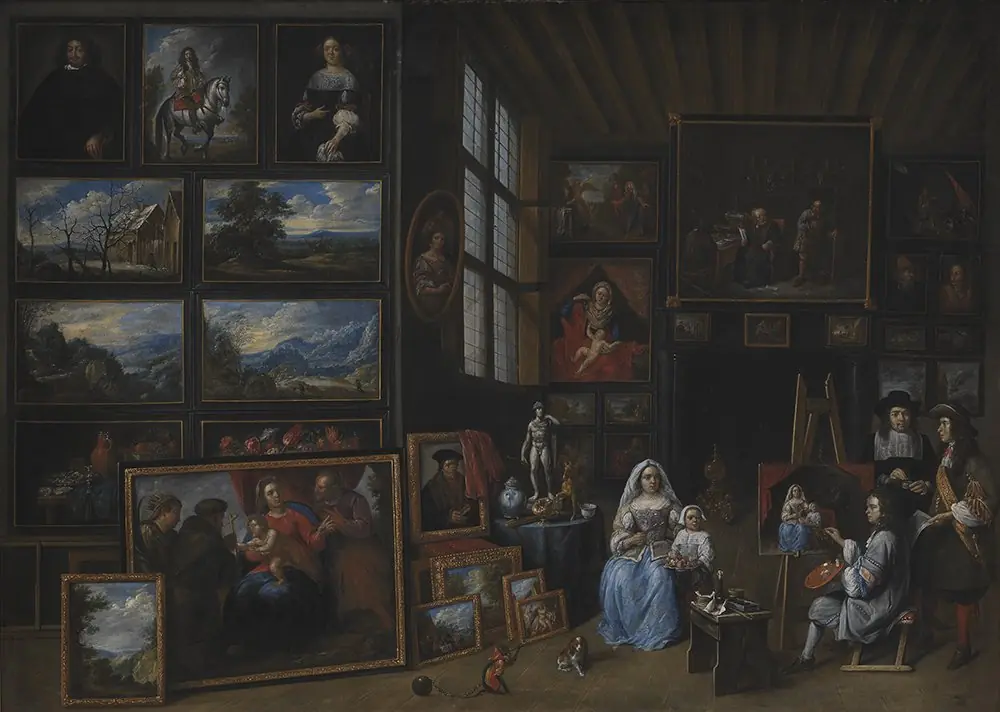 Et billedgalleri med en kunstner, der maler en kvinde og en pige. Allegori over malerkunsten
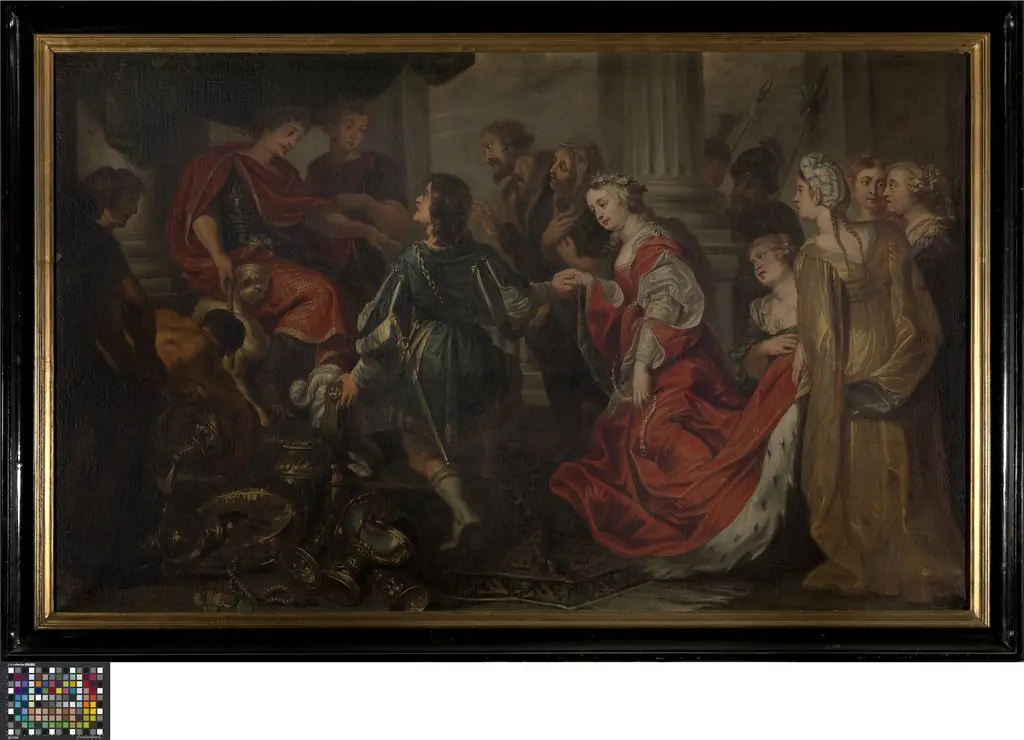 The Continence of Scipio