Artwork
The Dentist
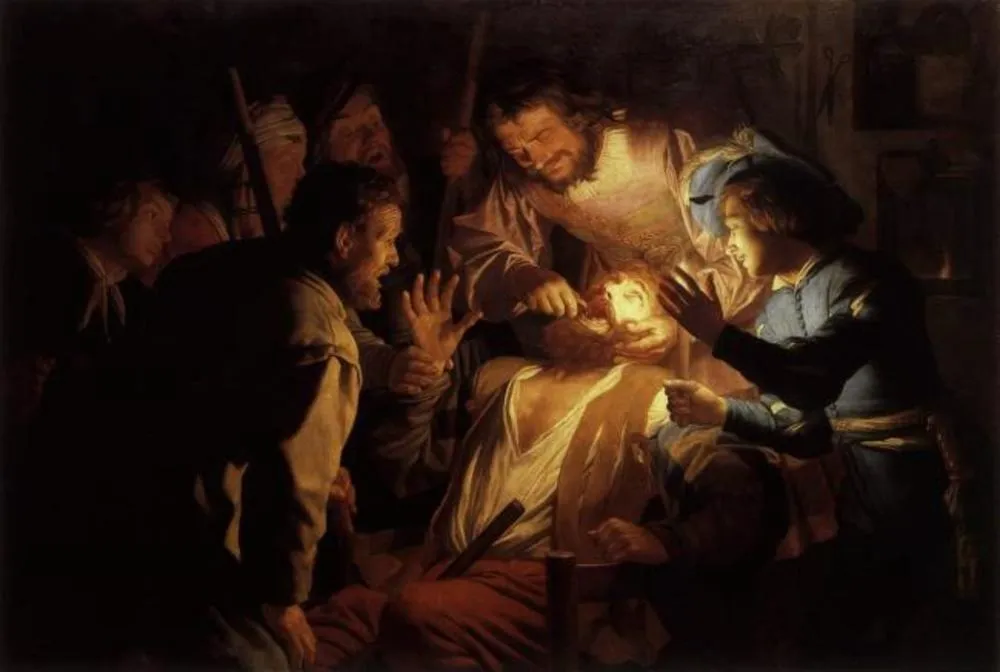
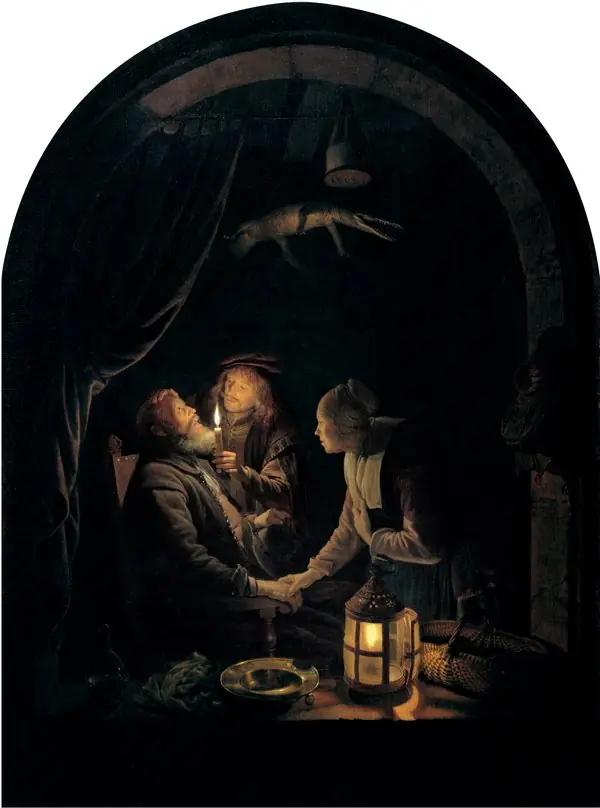
The Dentist is an oil painting by the Dutch Golden Age artist Gerard van Honthorst. It dates from 1622 and is held in the collection of the Gemäldegalerie Alte Meister.
About this work
Overview
Van Honthorst, trained in Utrecht and influenced by Caravaggio’s lighting, specialized in nocturnal interiors illuminated by artificial sources.
Painted in 1622 by Gerard van Honthorst, this oil on canvas work belongs to the Dutch Golden Age tradition of genre scenes. It captures a moment of medical intervention with psychological intensity. Van Honthorst, trained in Utrecht and influenced by Caravaggio’s lighting, specialized in nocturnal interiors illuminated by artificial sources. The painting exemplifies his mastery of chiaroscuro and his interest in human vulnerability under focused light.
Subject & Meaning
The scene portrays a dental procedure in progress, with the dentist leaning over a seated patient whose mouth is open in distress. The patient’s clenched eyes and tense posture convey discomfort, while the dentist’s focused gaze suggests clinical detachment. The subject reflects early modern medical practices, where such procedures were often performed without anesthesia. The image does not idealize the act but presents it as a raw, intimate encounter between healer and sufferer.
Technique & Style
Van Honthorst employs strong chiaroscuro to isolate the action within a darkened interior. A single light source, likely a candle, strikes the dentist’s face and the patient’s open mouth, heightening the drama and directing attention to the point of contact. Brushwork is precise in the facial expressions and the metallic tool, while the surrounding shadows recede into ambiguity. This controlled illumination, learned during his time in Rome, defines his mature style and distinguishes him among Utrecht Caravaggisti.
History & Provenance
The painting has remained in institutional hands since at least the 18th century and is now part of the Gemäldegalerie Alte Meister in Dresden. It was likely acquired during the period when German collections actively sought Dutch and Flemish genre works. Its preservation reflects sustained interest in Northern European realism and the psychological depth of everyday scenes. No significant alterations or restorations are documented in public records.
Context
In early 17th-century Utrecht, artists like van Honthorst, ter Brugghen, and van Baburen broke from Mannerist conventions by embracing Caravaggio’s naturalism and dramatic lighting. Genre scenes depicting ordinary life—medical, domestic, or social—gained popularity among middle-class patrons. This painting aligns with a broader trend of portraying unidealized human experiences, reflecting both scientific curiosity and moral ambivalence toward bodily suffering.
Legacy
Van Honthorst’s treatment of light and human tension in *The Dentist* influenced later genre painters across Europe. While not widely reproduced, the work remains a key example of how Caravaggism was adapted to Northern subjects. Its unflinching depiction of medical practice contributed to a visual language that valued authenticity over decorum, paving the way for 18th-century realist traditions in medical and domestic imagery.
Artist & collection
Artist
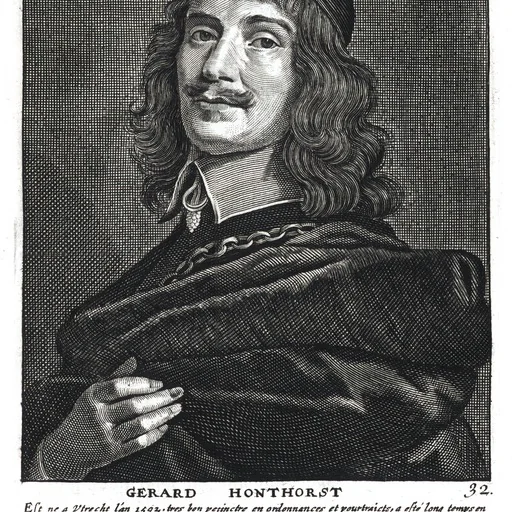
Gerard "Gerrit" van Honthorst (4 November 1592 – 27 April 1656) was a Dutch Golden Age painter who became known for his depiction of artificially lit scenes, eventually receiving the Italian nickname Gherardo delle Notti ("Gerard of the…

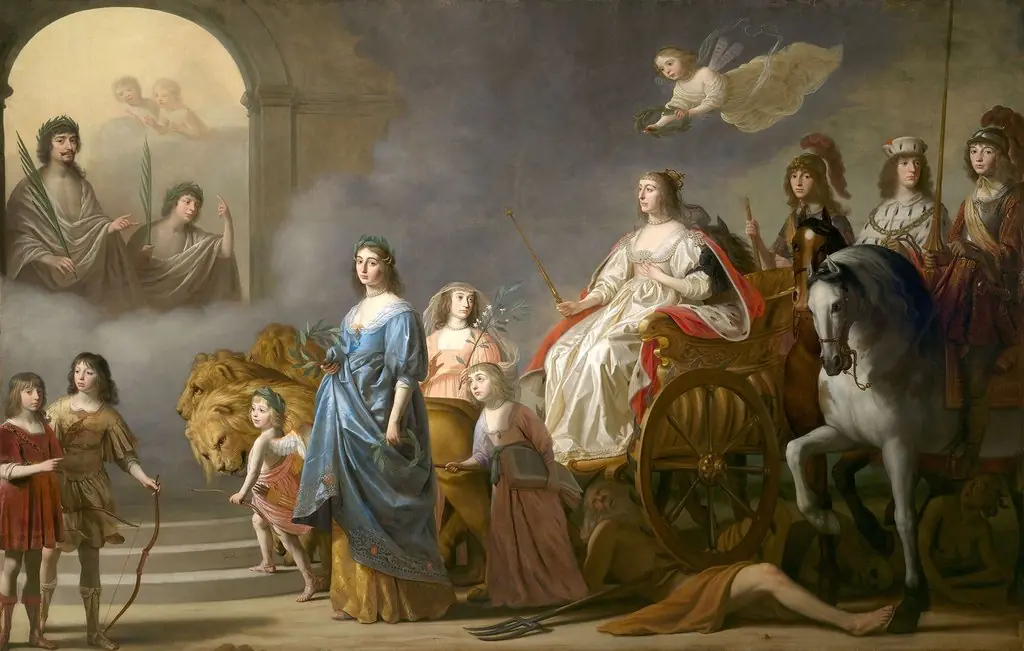 The Triumph of the Winter Queen: Allegory of the Just
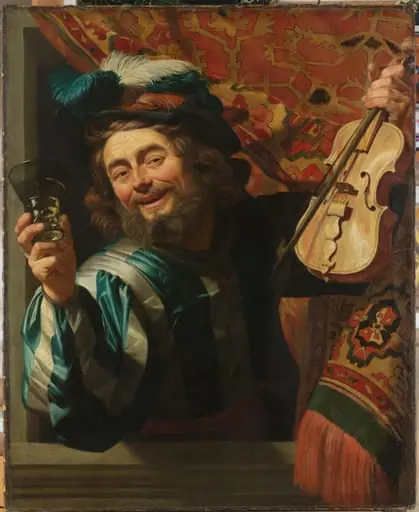 Een vrolijke vioolspeler
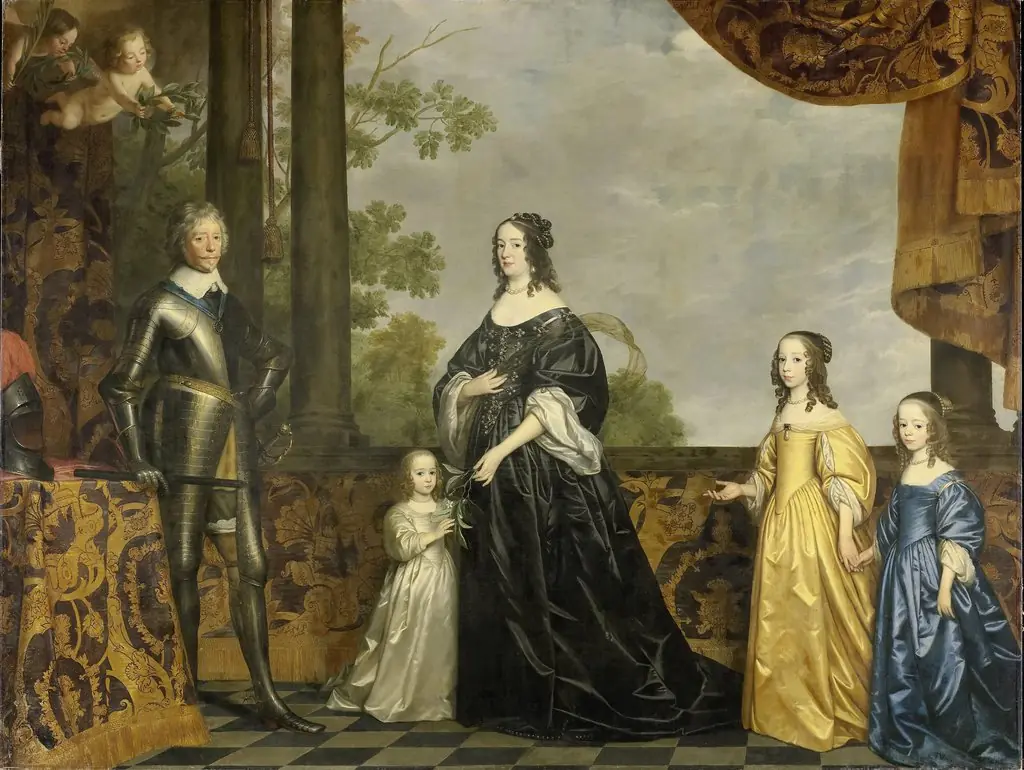 Frederik Hendrik (1584-1647), Prince of Orange, his wife Amalia van Solms (1602-75) and their three youngest daughters, Albertina Agnes (1634-96), Henrietta Catharina (1637-1708) and Maria (1642-88)
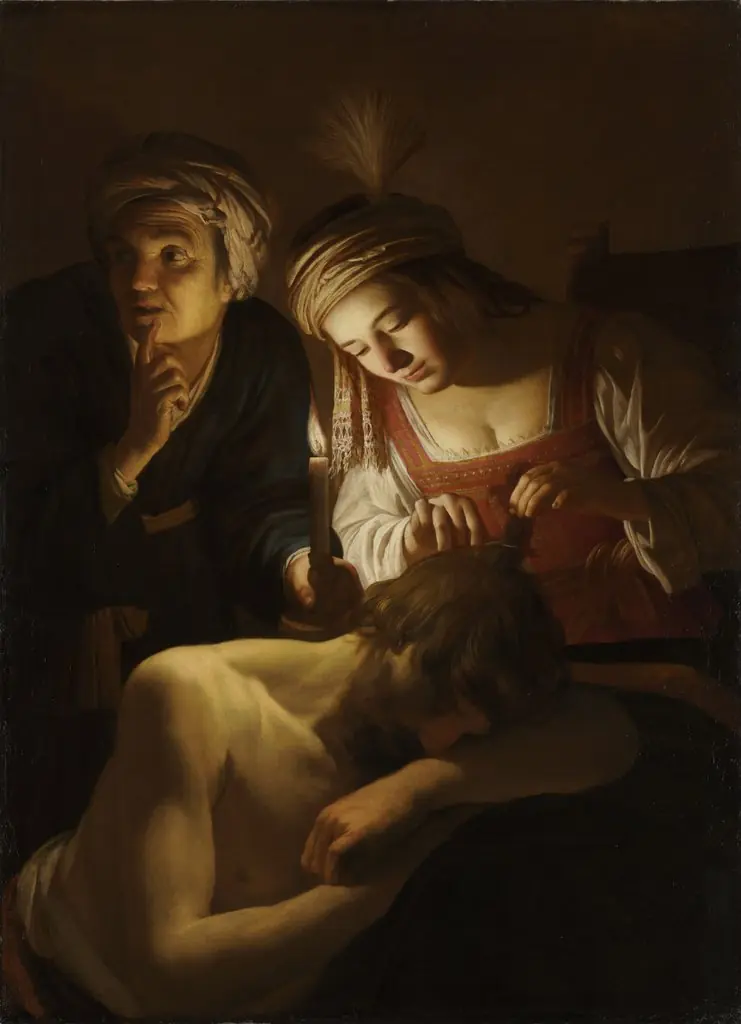 Samson and Delilah
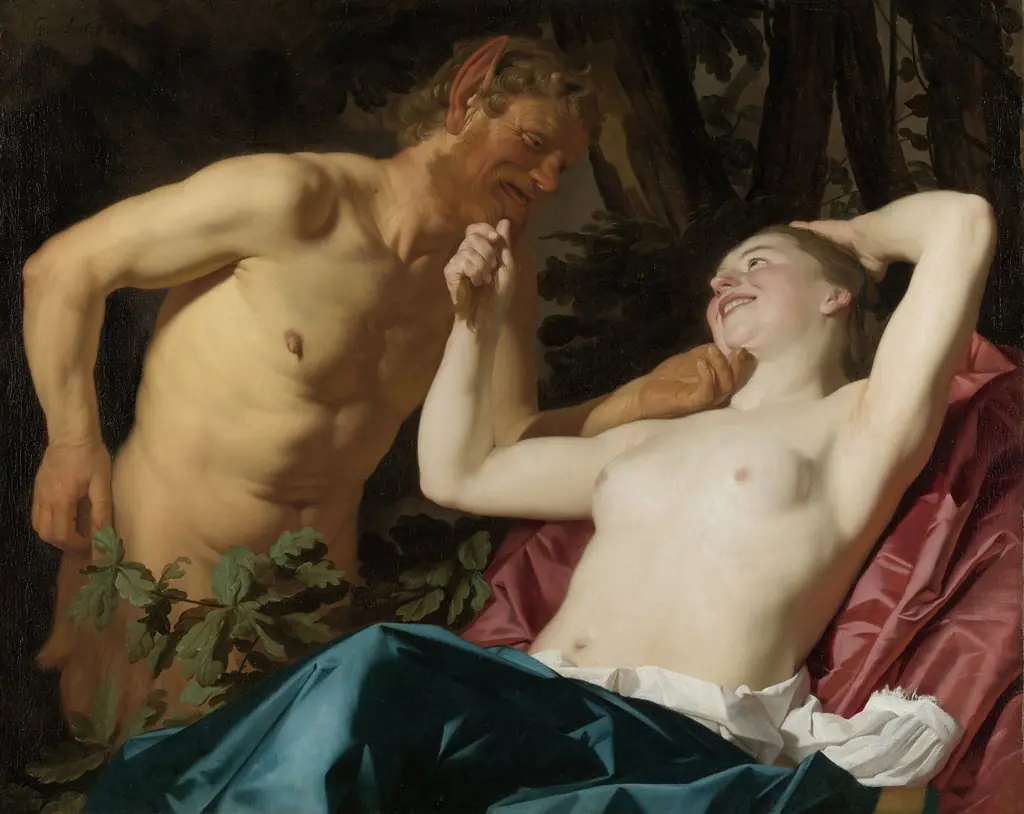 Satyr and Nymph
 Young Woman with a Candlestick, Old Woman and a Violin Player
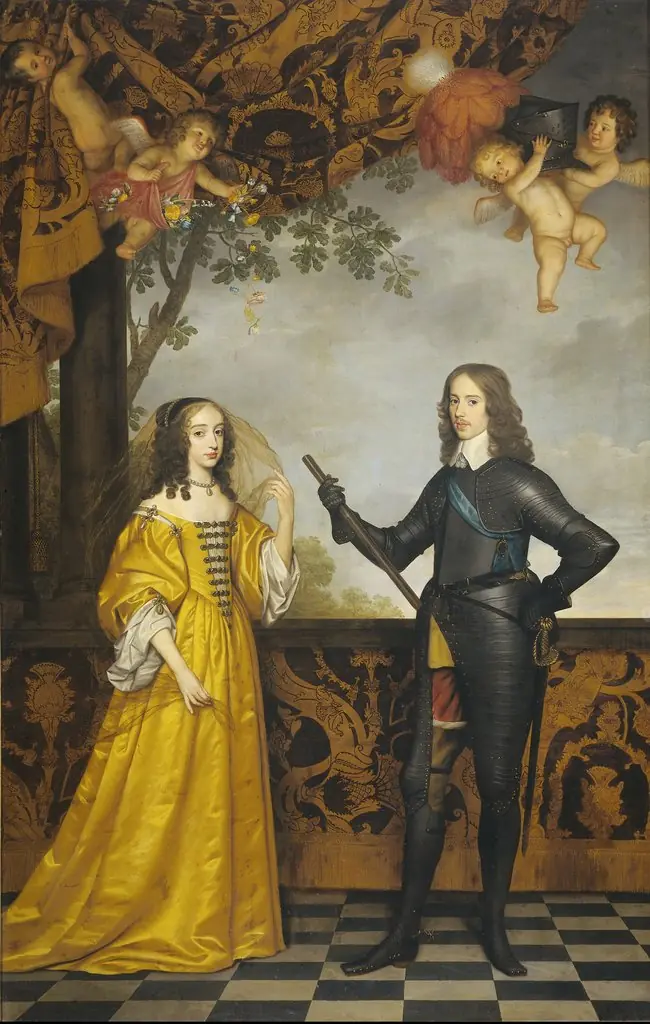 Willem II (1626-50), Prince of Orange, and his wife Maria Stuart (1631-60)
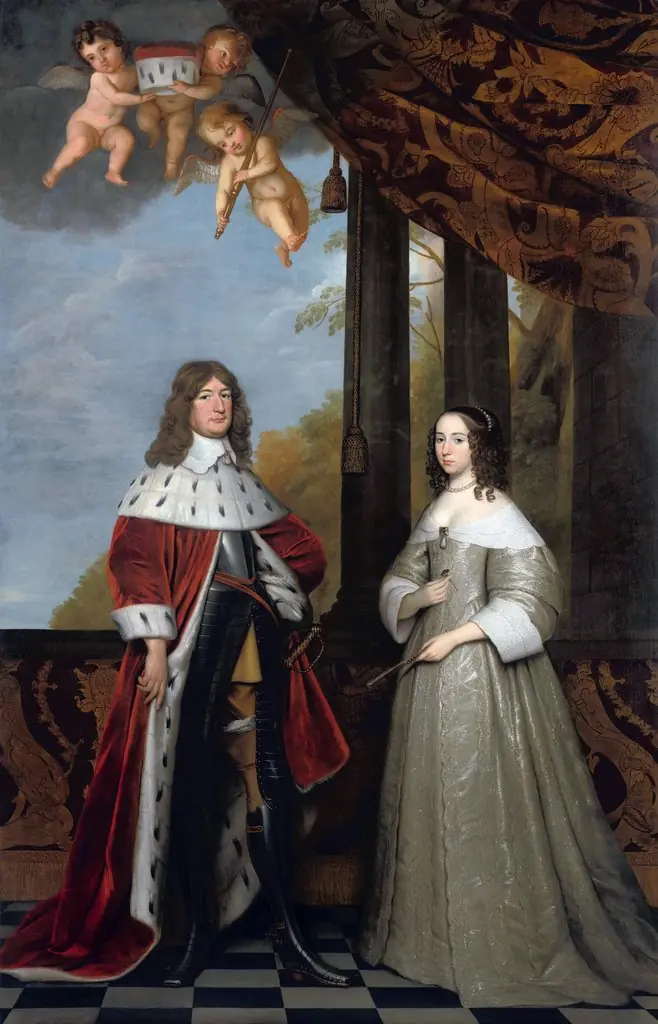 Friedrich Wilhelm (1620-88), Elector of Brandenburg, and his wife Louise Henriette (1627-67), Countess of Orange-Nassau
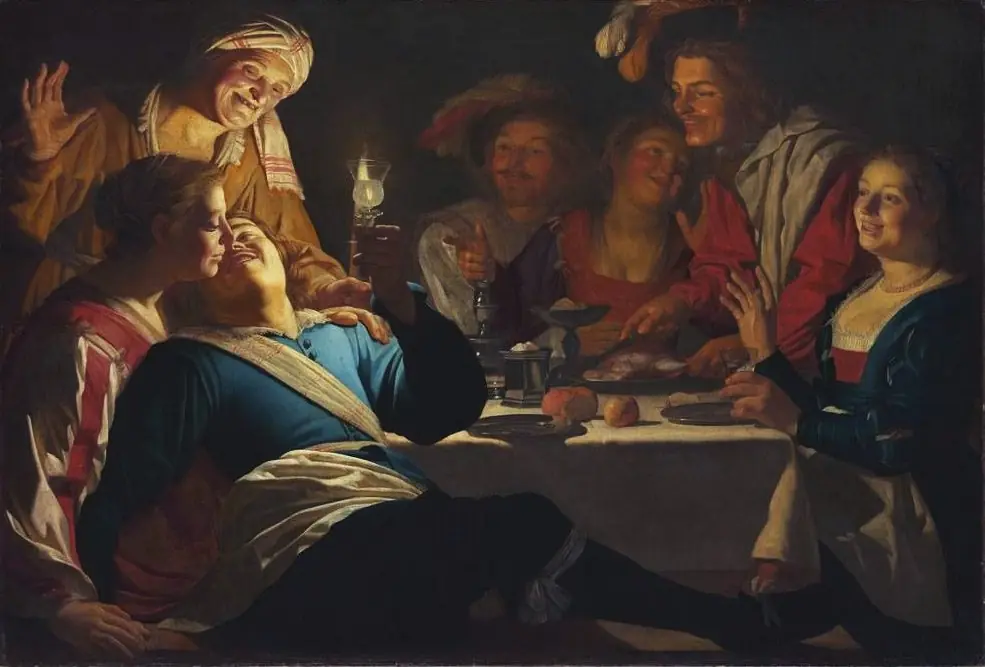 The Prodigal Son
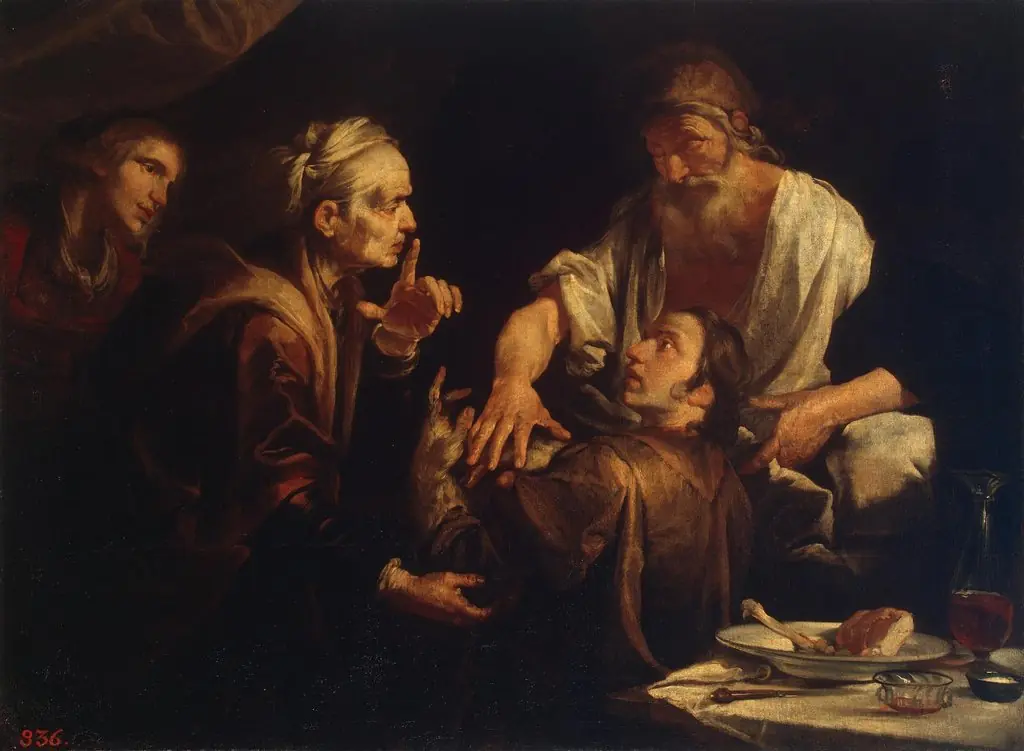 Isaac Blessing Jacob
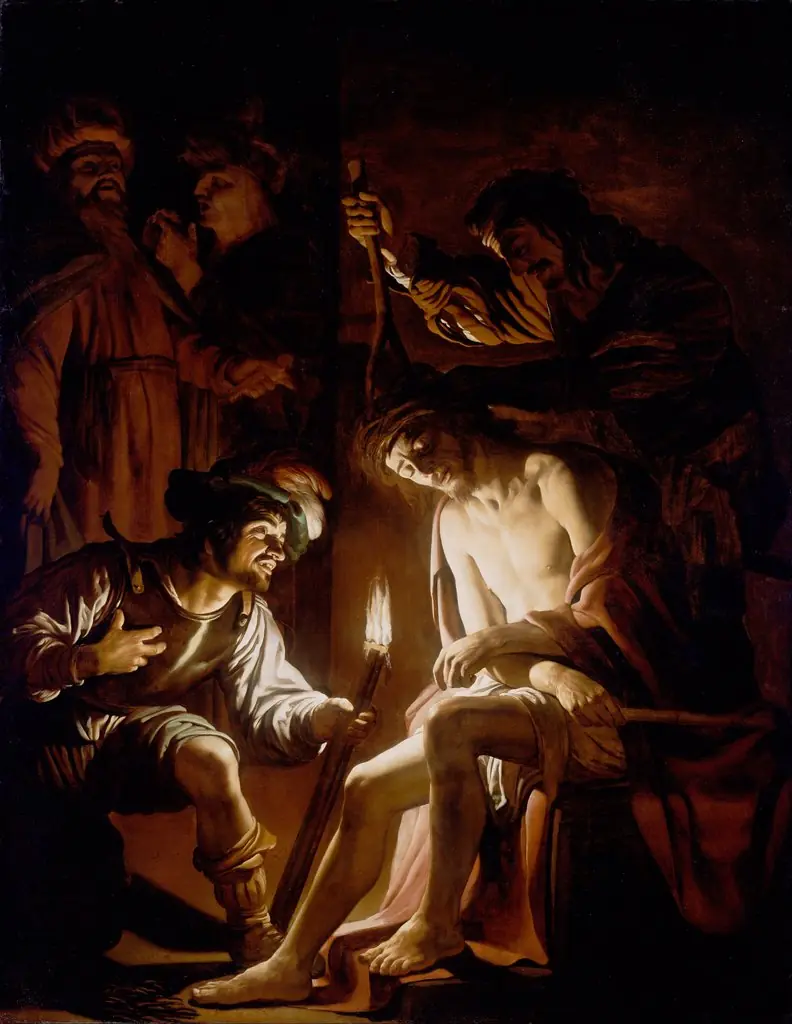 Christ Crowned with Thorns
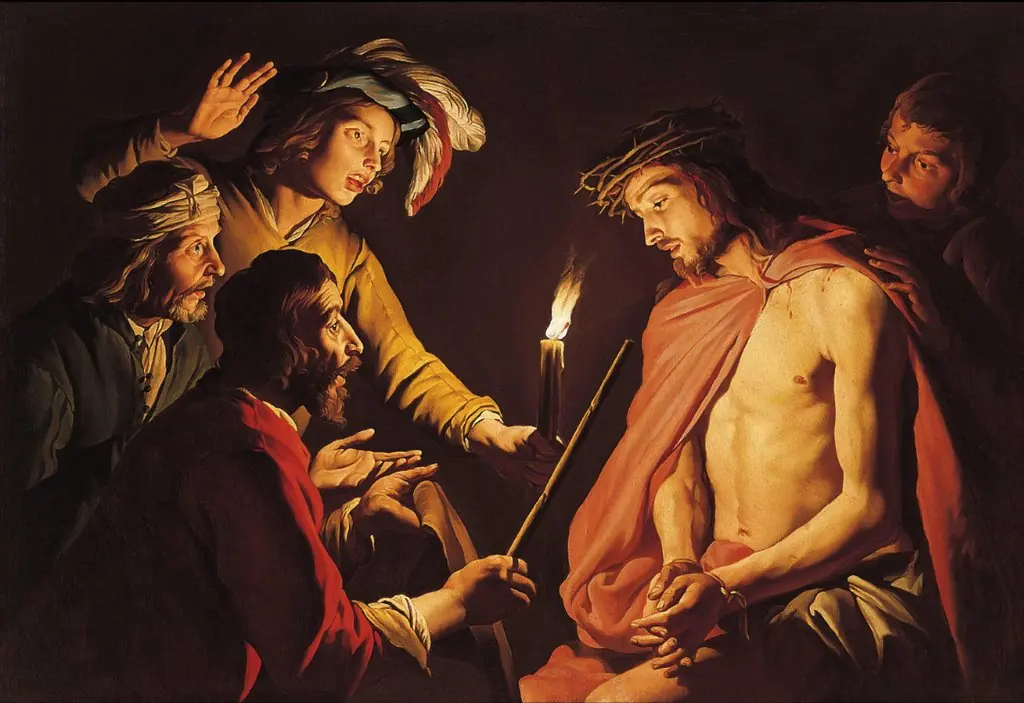 Christ Crowned with Thorns
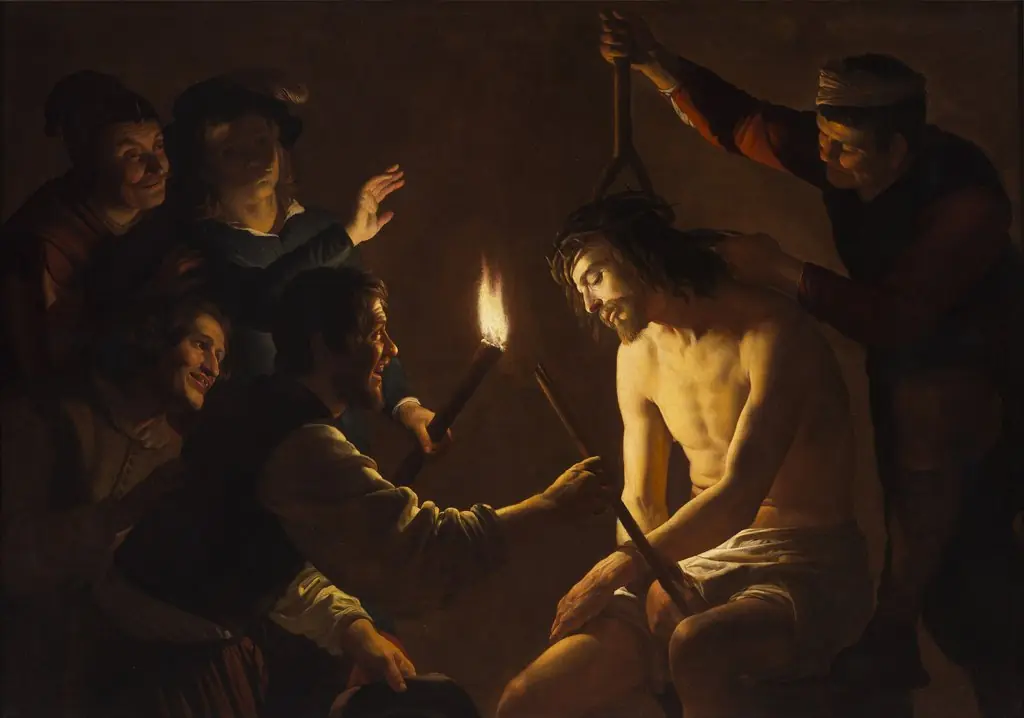 The Mocking of Christ
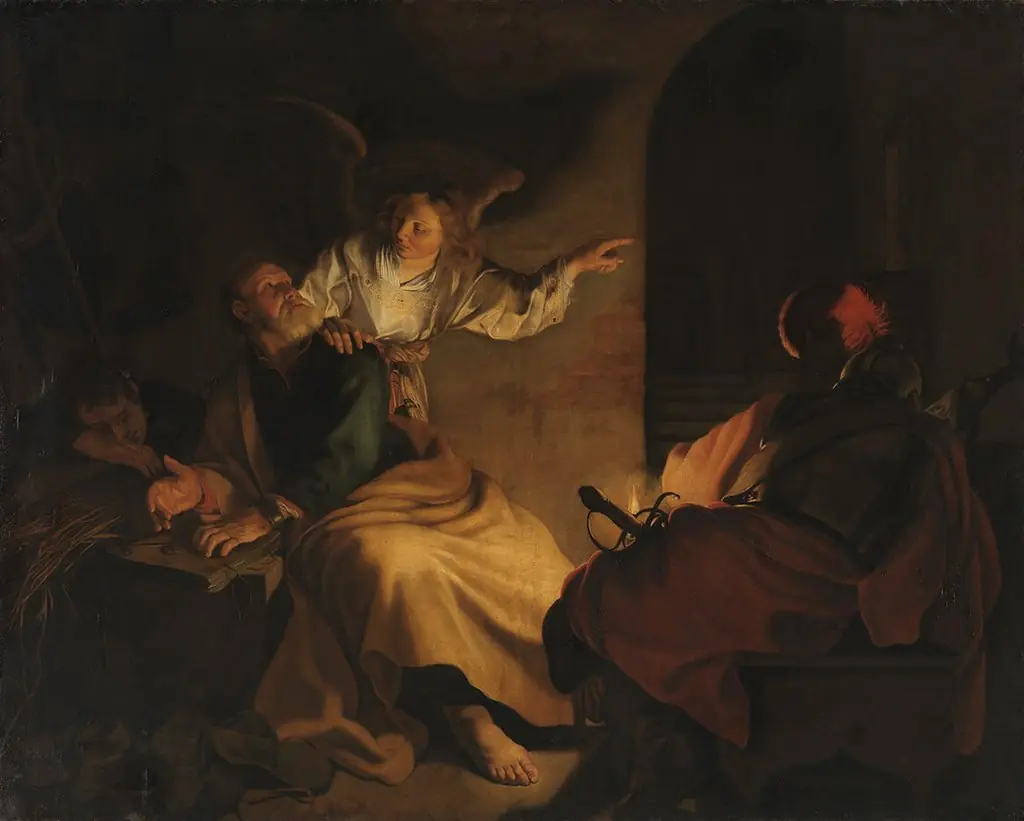 Die Befreiung Petri (Kopie nach)
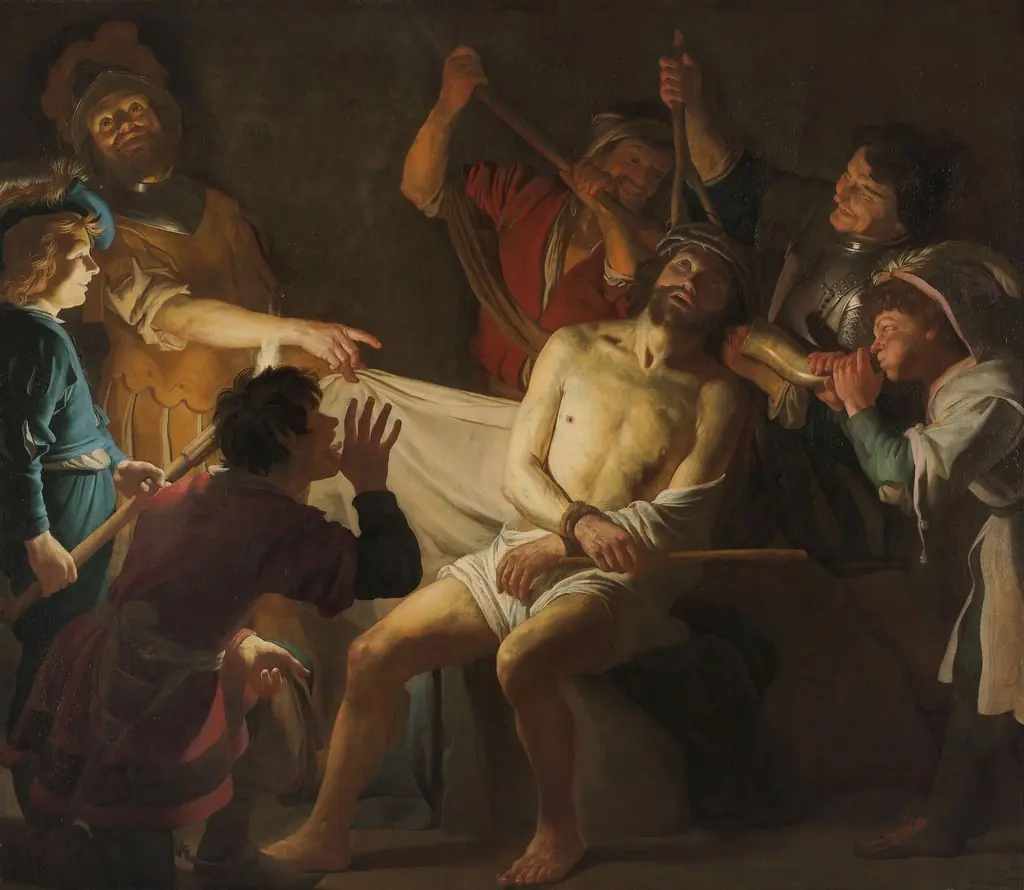 Christ Crowned with Thorns
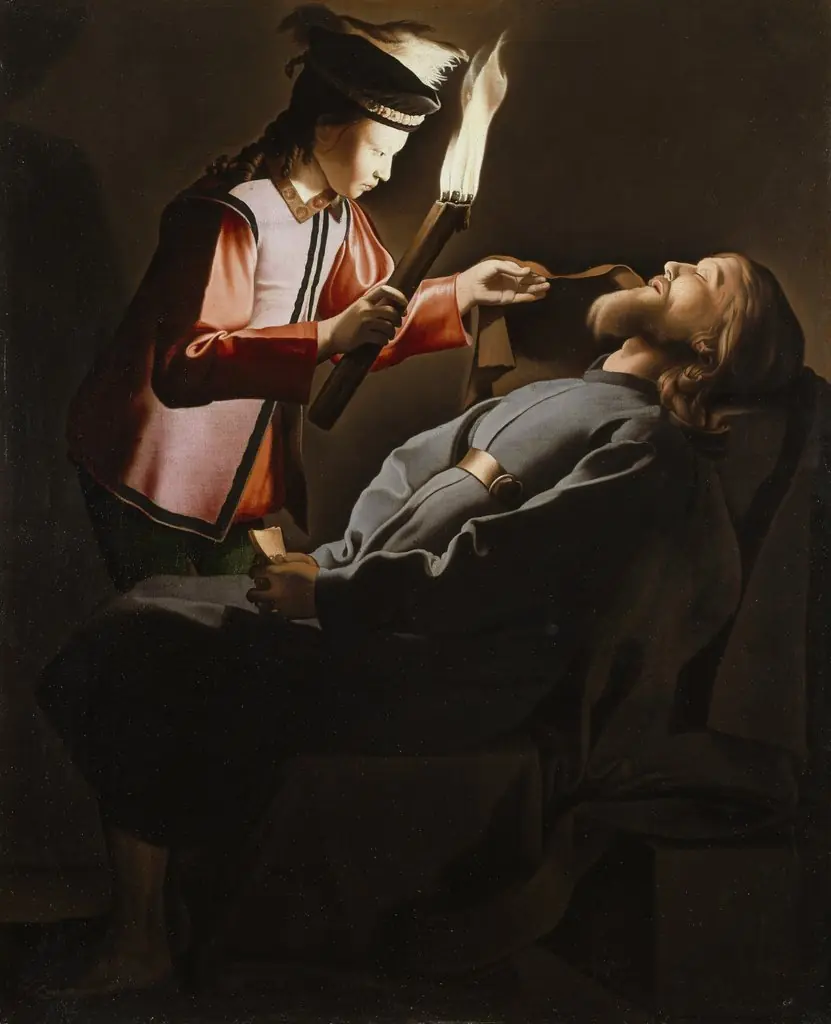 The Image of Saint Alexis
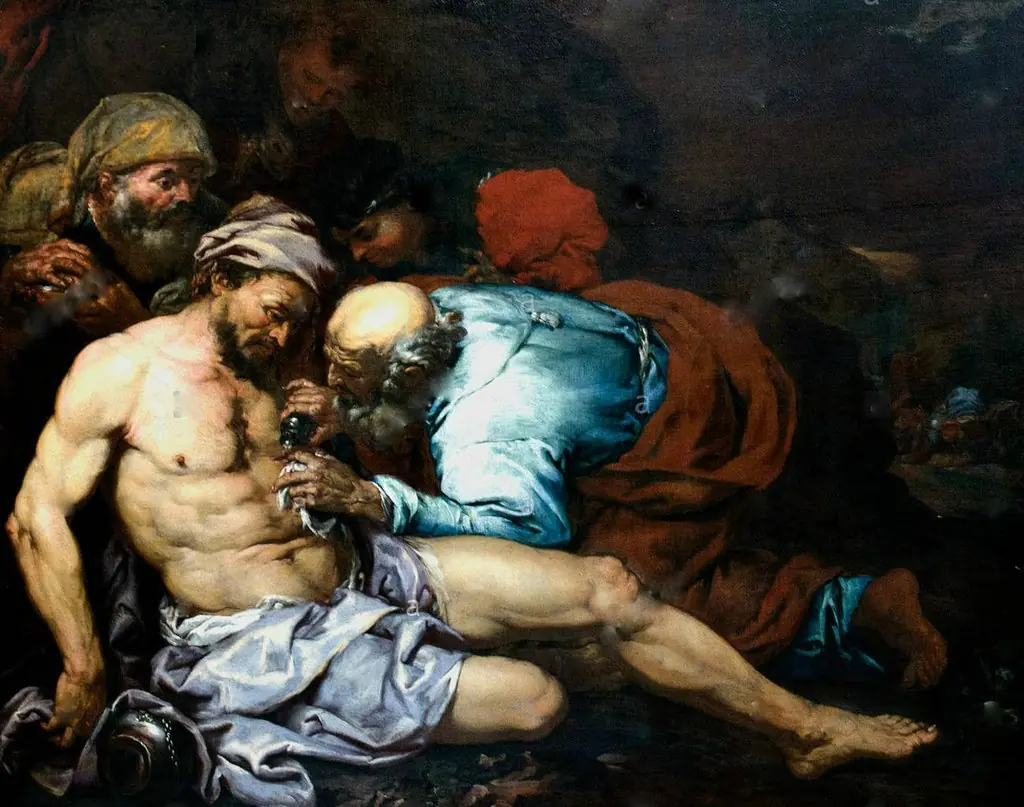 The Good Samaritan
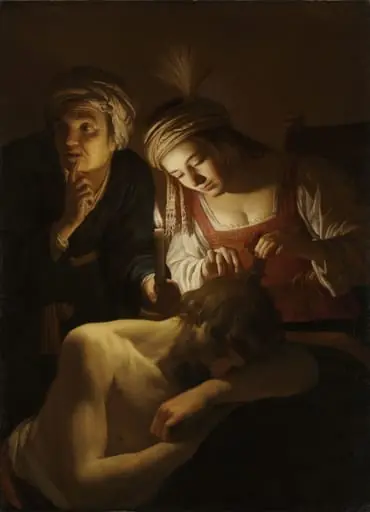 Samson and Delilah
 Sfânta Familie cu Sfânta Elisabeta și Sfântul Ioan copil
 Dentist by Candlelight