Artwork
Christ and His Disciples IV
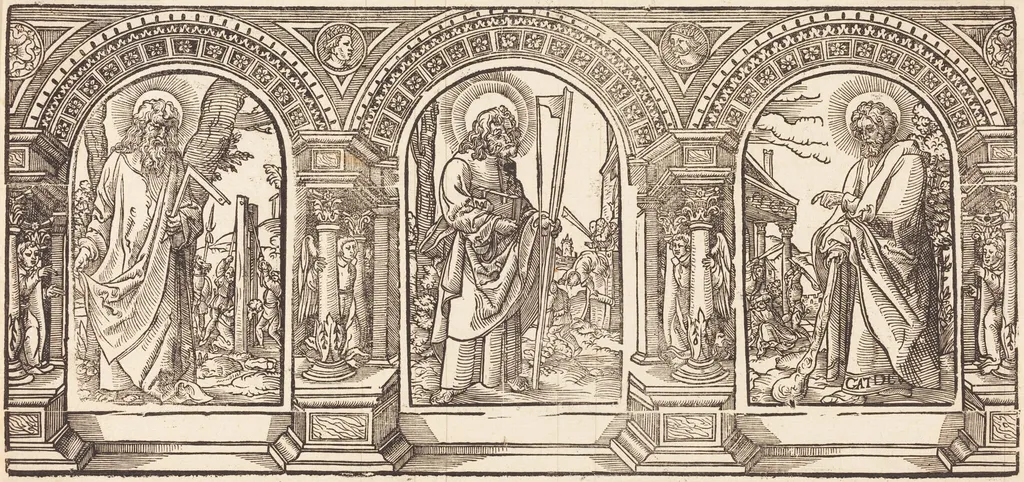
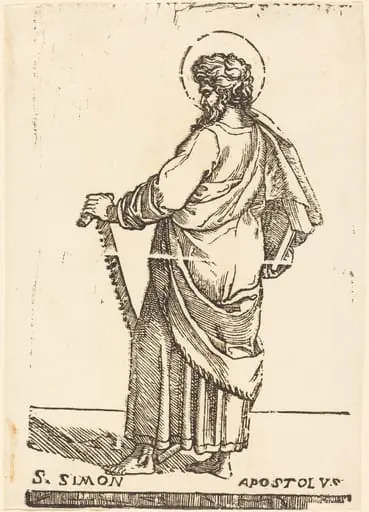
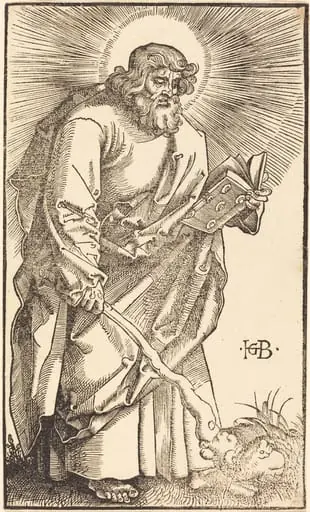
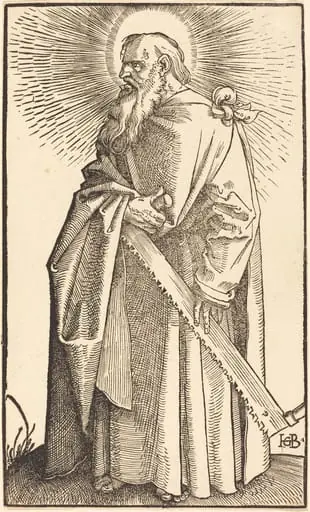
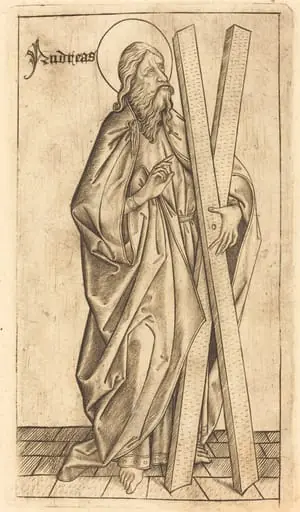
Christ and His Disciples IV is an ink print by the Renaissance artist German 16th Century. It dates from 1550 and is held in the collection of the National Gallery of Art.
About this work
Overview
This woodcut print is structured in three vertically aligned panels, each enclosed by an arched border adorned with fine linear ornamentation.
This woodcut print is structured in three vertically aligned panels, each enclosed by an arched border adorned with fine linear ornamentation. The composition presents three figures, all bearded and robed, arranged side by side. The central figure bears a halo, distinguishing him from the others. Backgrounds are densely patterned but indistinct, suggesting narrative depth without literal clarity. The work reflects Renaissance printmaking conventions, emphasizing symmetry and symbolic representation over naturalism.
Subject & Meaning
The three figures likely represent Christ and two disciples, with the halved figure identified as Christ through traditional iconography. Each holds a staff, a symbol of authority or pilgrimage. Their gazes—downward, rightward, and forward—suggest contemplation or divine direction. The absence of overt narrative action implies a devotional, static presence, common in religious prints meant for private meditation rather than public storytelling.
Technique & Style
Executed in woodcut, the image relies on bold, incised lines to define forms and patterns. The arched frames display intricate, repetitive motifs typical of late medieval and Renaissance decorative arts. Backgrounds are filled with fine, crowded lines, creating texture without spatial depth. The style favors clarity of silhouette and symbolic detail over anatomical precision, aligning with the conventions of Northern European printmaking of the period.
History & Provenance
No documented origin or collector history is available for this specific print. Its stylistic features suggest production in the 15th or early 16th century, possibly in the Rhineland or Low Countries, where woodcut devotional imagery was widely circulated. Similar compositions appear in religious broadsheets and prayer books of the era, though this exact arrangement remains unattributed to a known artist or workshop.
Context
During the Renaissance, woodcuts served as affordable religious images for lay devotion, often distributed alongside texts or used in personal altarpieces. This tripartite format echoes altarpiece triptychs, adapting sacred hierarchy into a portable format. The emphasis on halos, staffs, and formal poses reflects enduring medieval iconographic traditions, even as printing technology expanded access to such imagery beyond monastic circles.
Legacy
As a representative of devotional printmaking, this work contributes to the broader tradition of accessible religious imagery in early modern Europe. While not attributed to a major artist, its craftsmanship reflects the skill of anonymous workshop artisans who sustained religious visual culture. Such prints influenced later iconography and helped standardize visual representations of biblical figures for generations of viewers.
Artist & collection

Artist
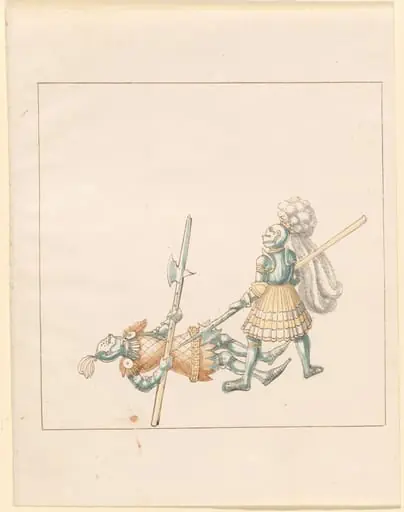
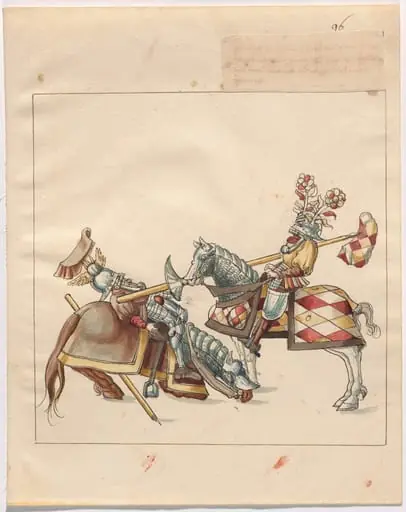
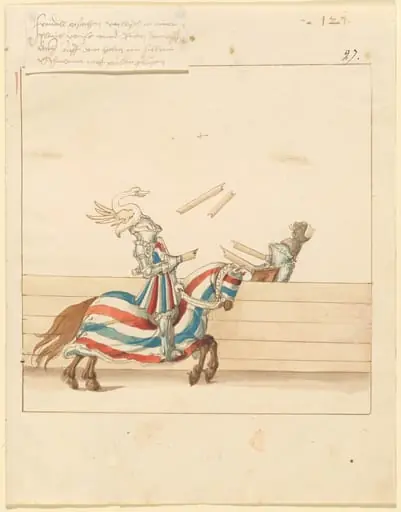
A German artist from the late 1500s drew lively scenes of knights clashing in parades and mock battles.

![Abraham Entertaining the Angels [verso], by German 16th Century](https://artifactworldgallery.com/img/german-16th-century--abraham-entertaining-the-angels-verso--69d1b25f4eba0a53-w320.webp)