Artwork
The Town Hall of Amsterdam
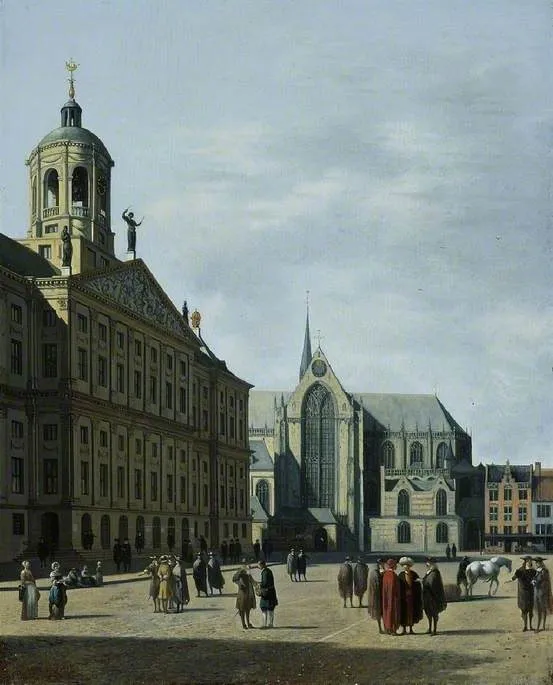
The Town Hall of Amsterdam is an oil painting by the Dutch Golden Age artist Gerrit Adriaenszoon Berckheyde. It dates from 1670 and is held in the collection of the Fitzwilliam Museum.
About this work
Overview
The painting is part of the Fitzwilliam Museum’s collection in Cambridge, where it remains a key representation of 17th-century urban life in the Netherlands.
Painted in 1670 by Gerrit Adriaenszoon Berckheyde, this oil-on-canvas work captures the Royal Palace of Amsterdam, then known as the Town Hall. A prominent example of Dutch Golden Age cityscape painting, it reflects the civic pride of the city during its economic peak. The painting is part of the Fitzwilliam Museum’s collection in Cambridge, where it remains a key representation of 17th-century urban life in the Netherlands.
Subject & Meaning
The painting centers on the newly completed Town Hall, a symbol of Amsterdam’s wealth and republican governance. Figures in the foreground—pedestrians, riders, and vendors—animate the public square, suggesting daily civic activity. The building’s grandeur is not glorified as a monument to monarchy, but as an expression of collective civic identity, aligning with the values of the Dutch Republic’s merchant class.
Technique & Style
Berckheyde employed precise linear perspective to convey spatial depth, guiding the viewer’s eye from the foreground figures to the receding architecture. The stone façade is rendered in warm ochres and creams, contrasted with the cool, muted blues of the sky. Subtle atmospheric effects and careful detailing of windows, cornices, and pavement enhance realism without theatricality, characteristic of Dutch topographical painting of the period.
History & Provenance
Commissioned during a period of civic expansion, the painting was likely intended to celebrate the Town Hall’s completion in 1655. Berckheyde, known for his architectural views, produced multiple versions of the building. The work entered the Fitzwilliam Museum’s collection in the 19th century, having passed through private hands in the Netherlands and possibly England before its acquisition.
Context
In the late 17th century, Amsterdam’s Town Hall stood as one of Europe’s largest secular buildings, embodying the city’s political autonomy and commercial success. Artists like Berckheyde documented such structures not as royal propaganda, but as civic achievements. This genre of urban view painting flourished alongside the rise of a wealthy middle class eager to commission scenes of their thriving cities.
Legacy
Berckheyde’s depiction of the Town Hall influenced later topographical painters and contributed to the documentation of Amsterdam’s architectural heritage. While not widely exhibited outside academic circles, the painting remains a valuable record of urban design and social life in the Dutch Golden Age, offering insight into how public space was perceived and valued at the time.
Artist & collection
Artist
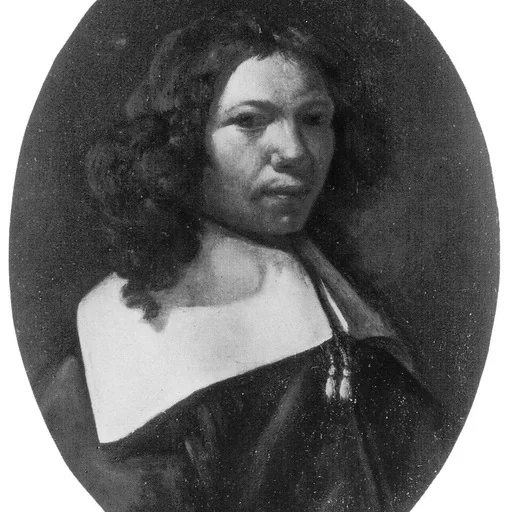
Gerrit Adriaenszoon Berckheyde
Gerrit Adriaenszoon Berckheyde (1638 – 10 June 1698) was a Dutch Golden Age painter, active in Haarlem, Amsterdam, and The Hague, who is best known today for his cityscapes.

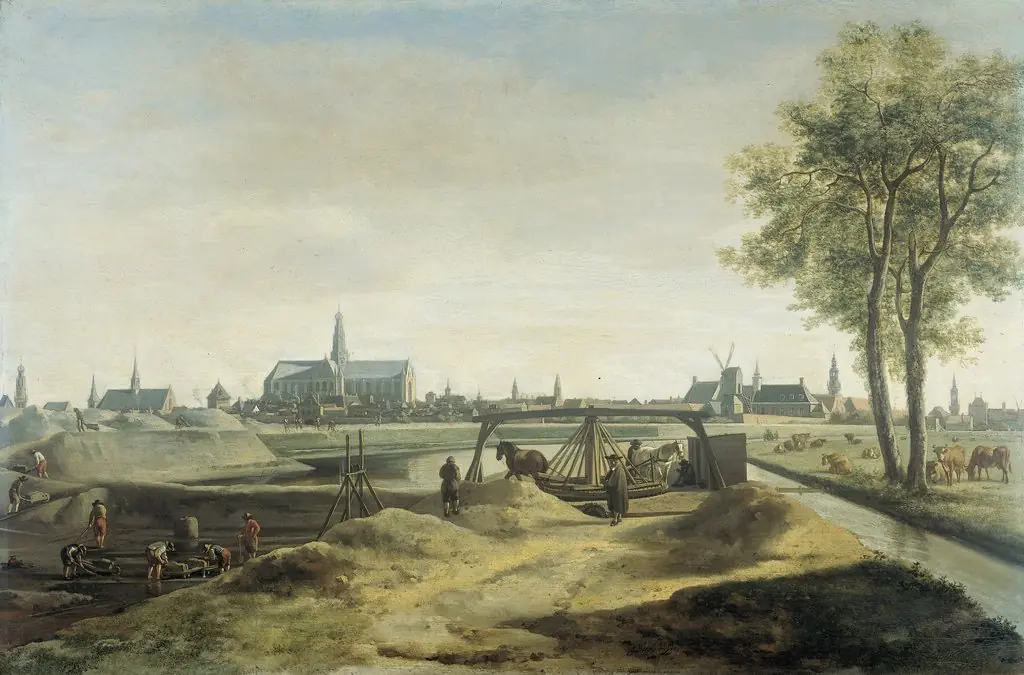
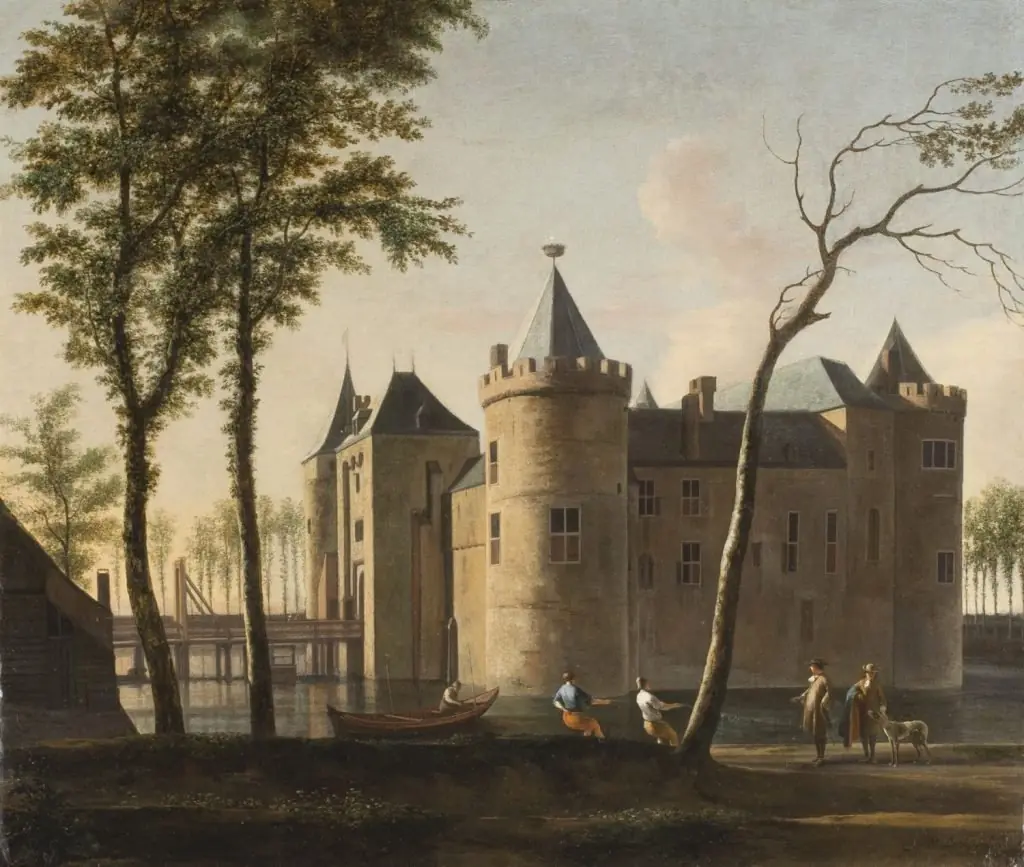
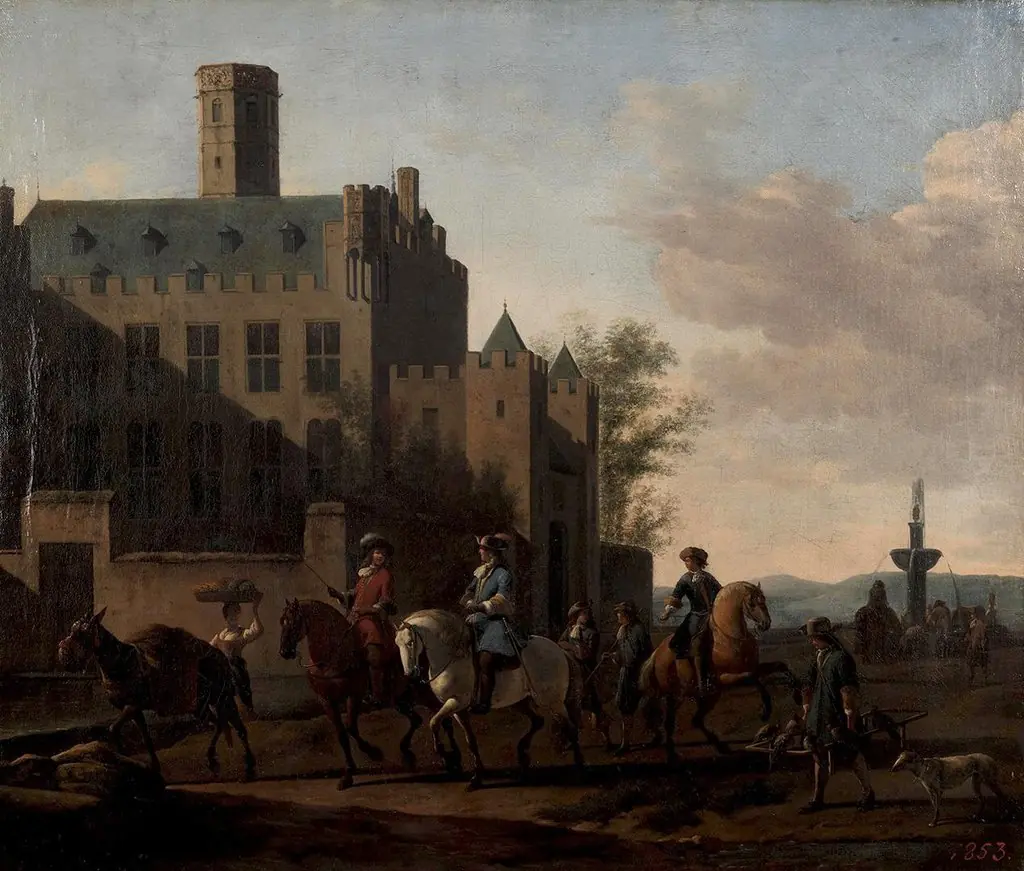
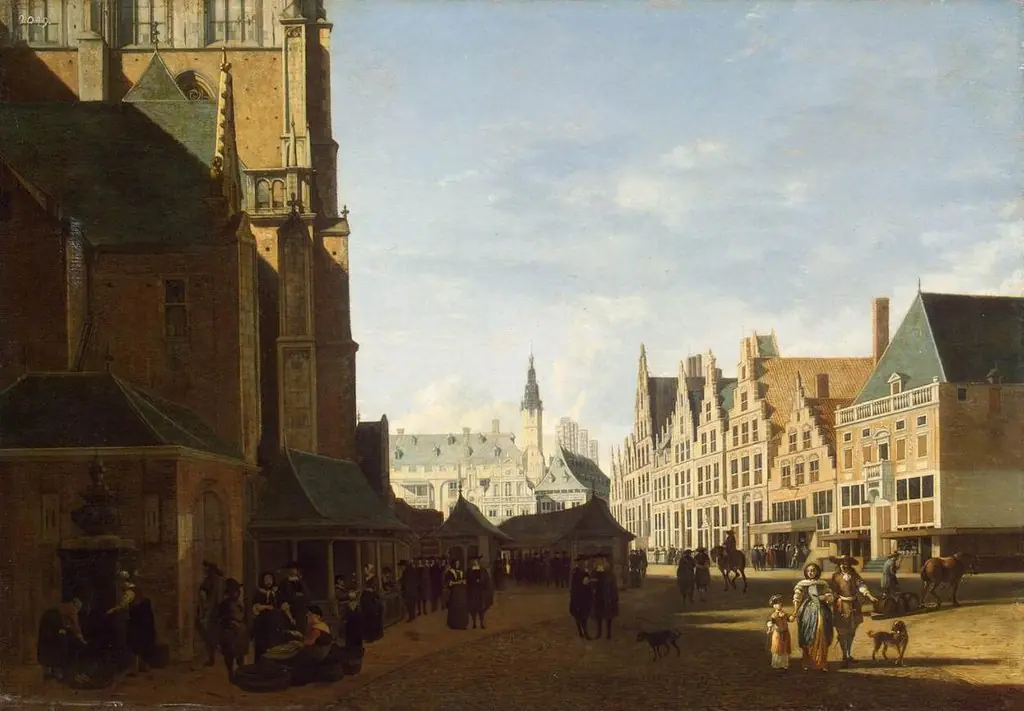
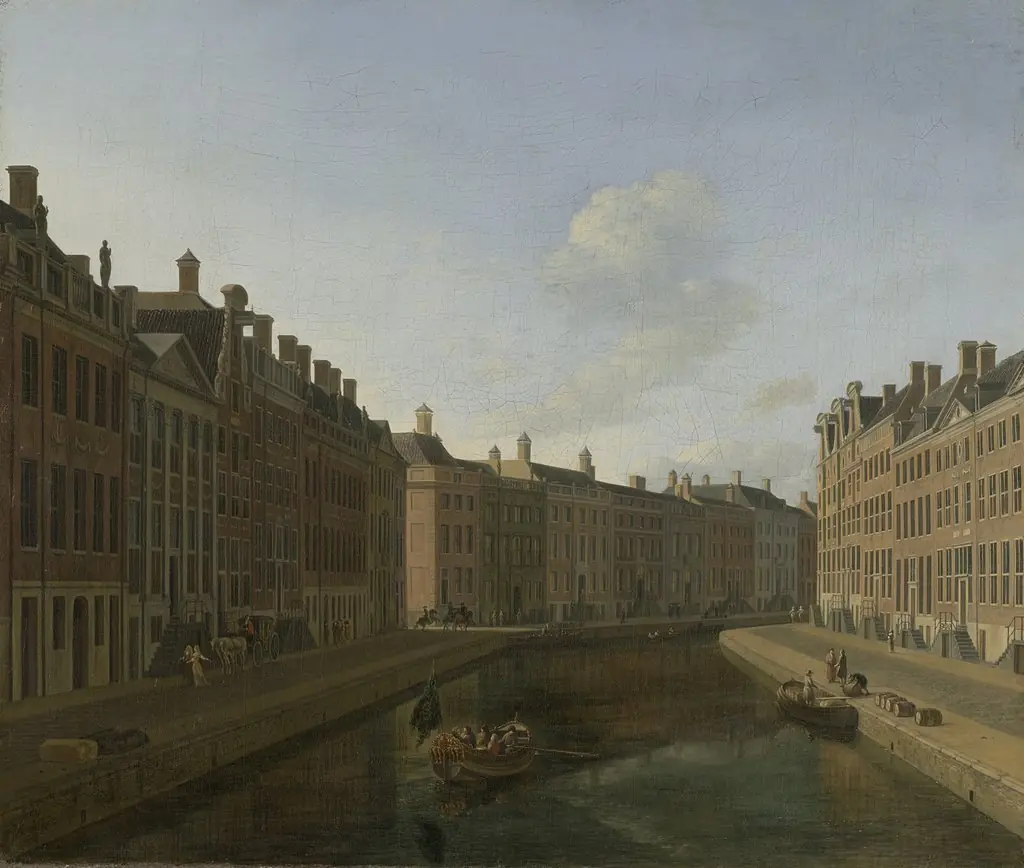
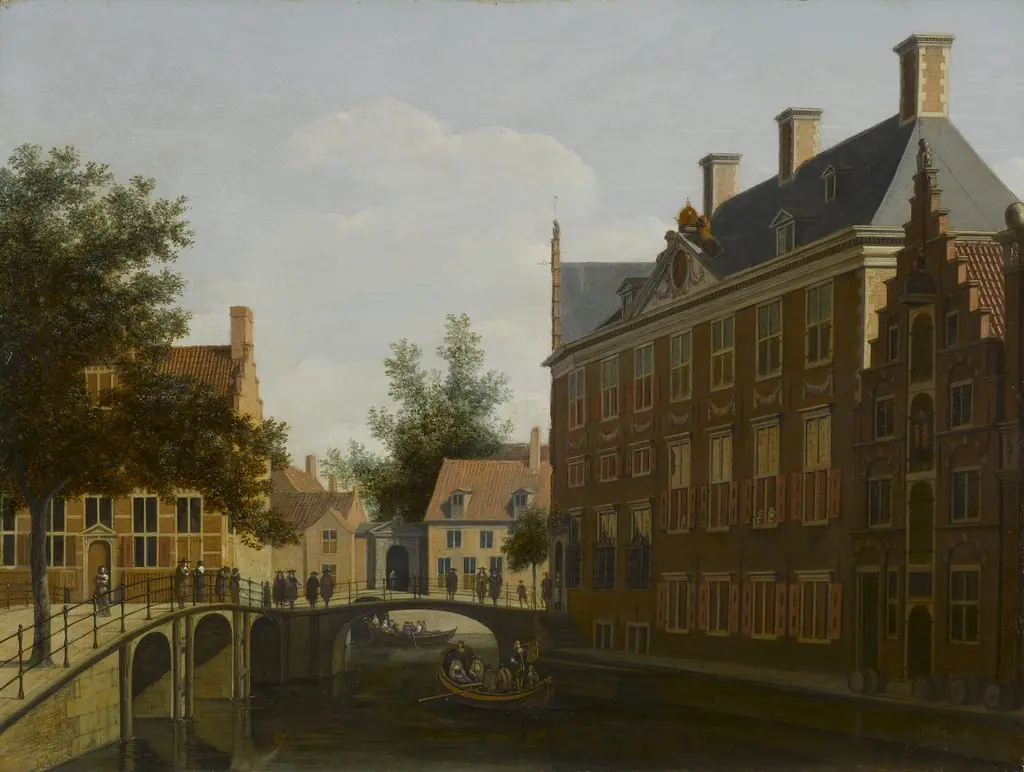
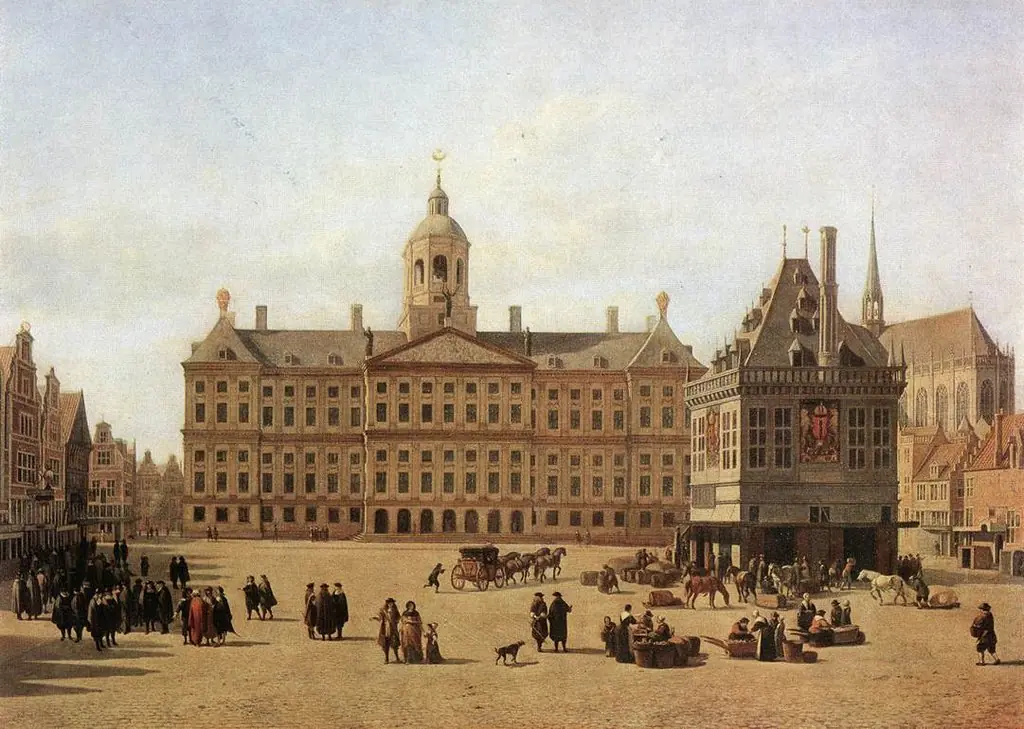 View of the Amsterdam Town Hall
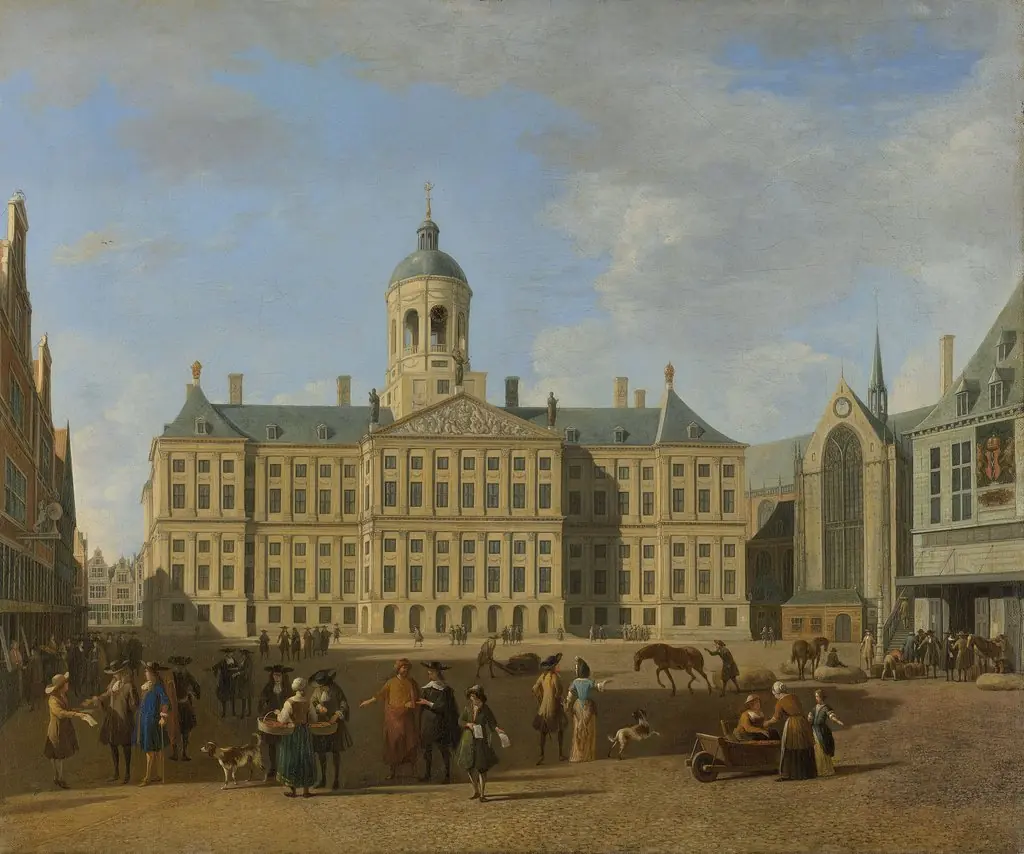
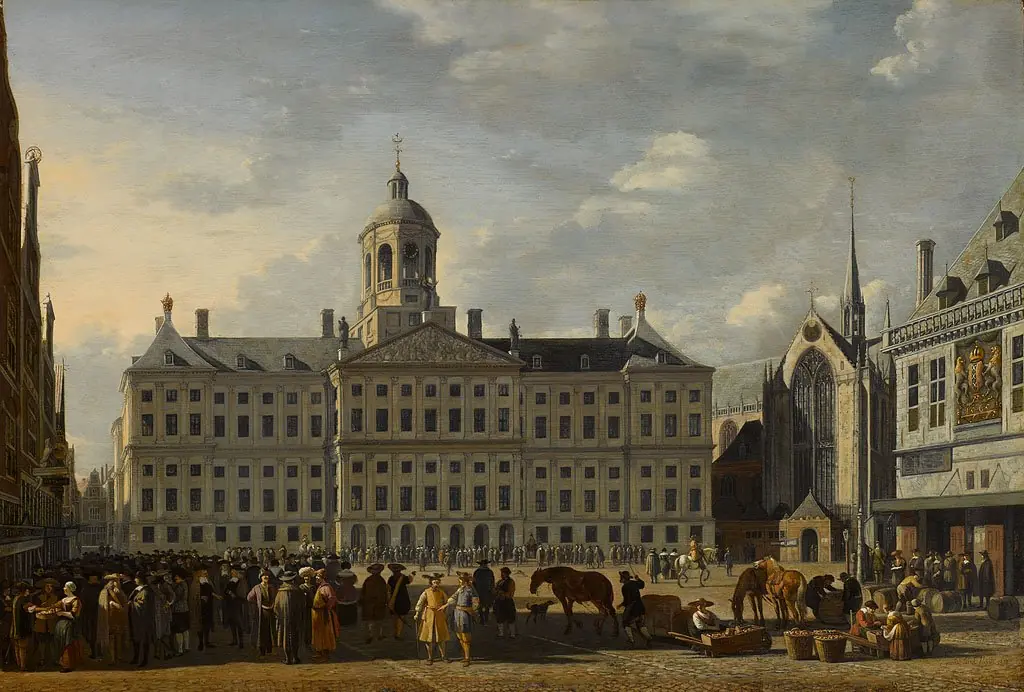 The Town Hall on the Dam in Amsterdam
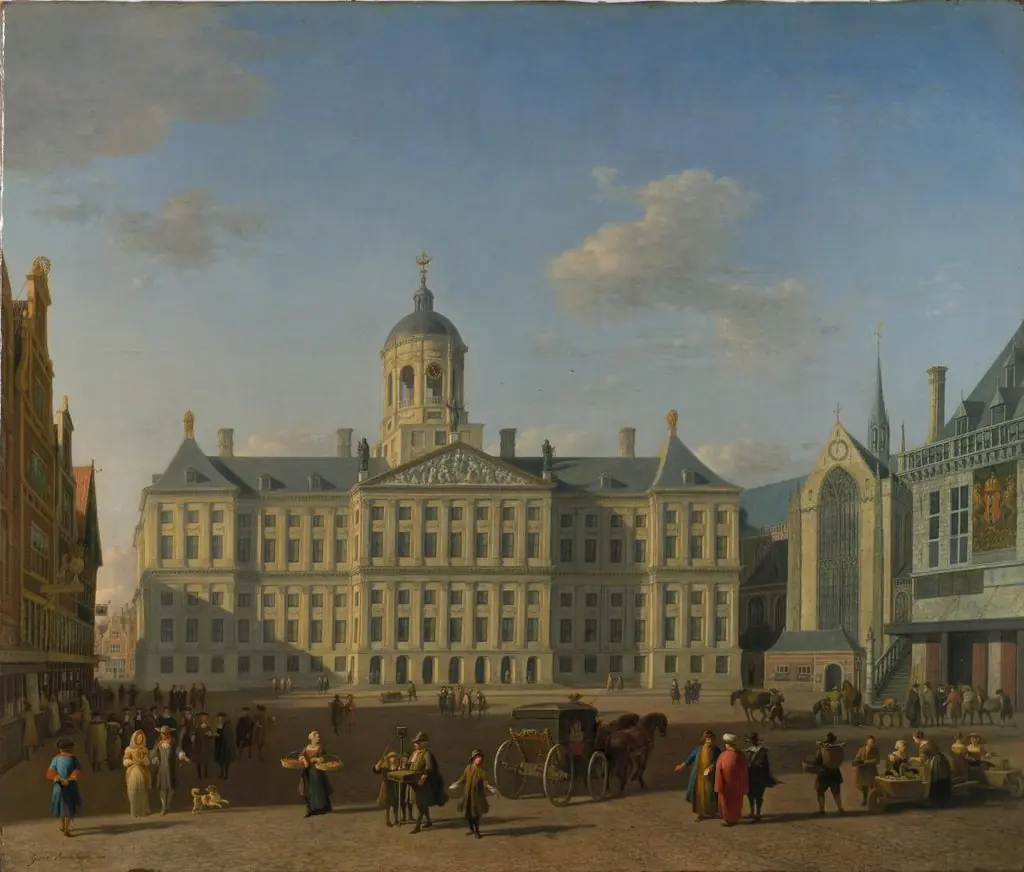 The Town Hall, Amsterdam
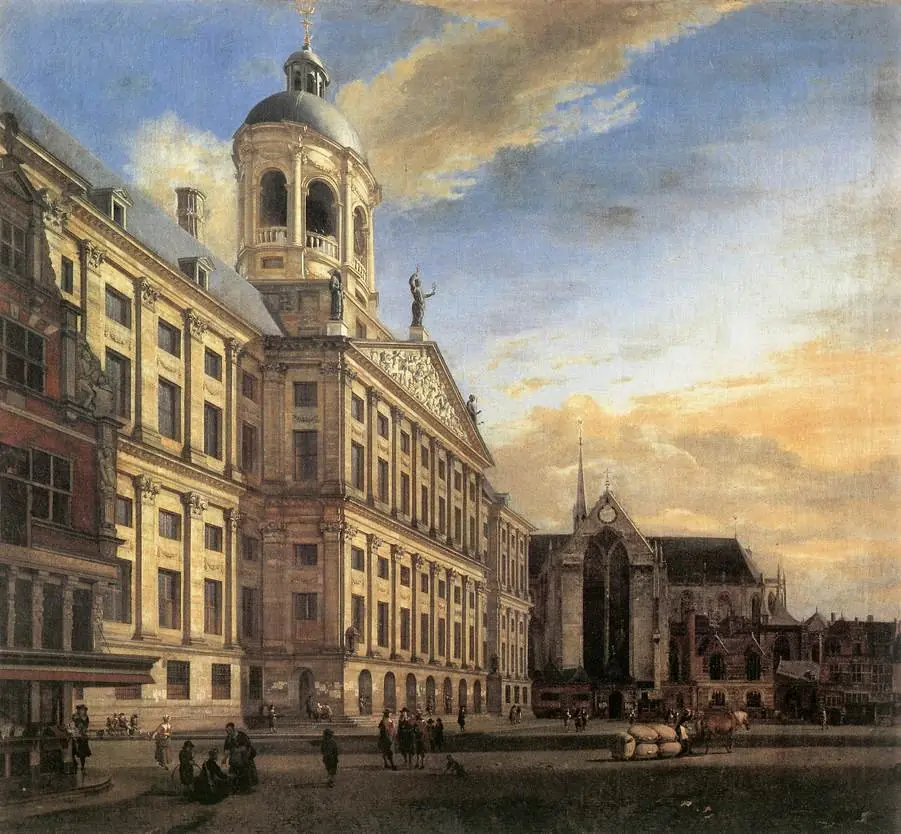 The Town Hall of Amsterdam
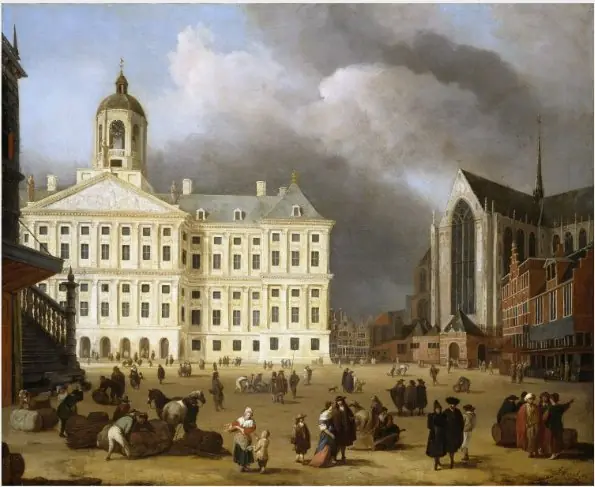 The Dam at Amsterdam
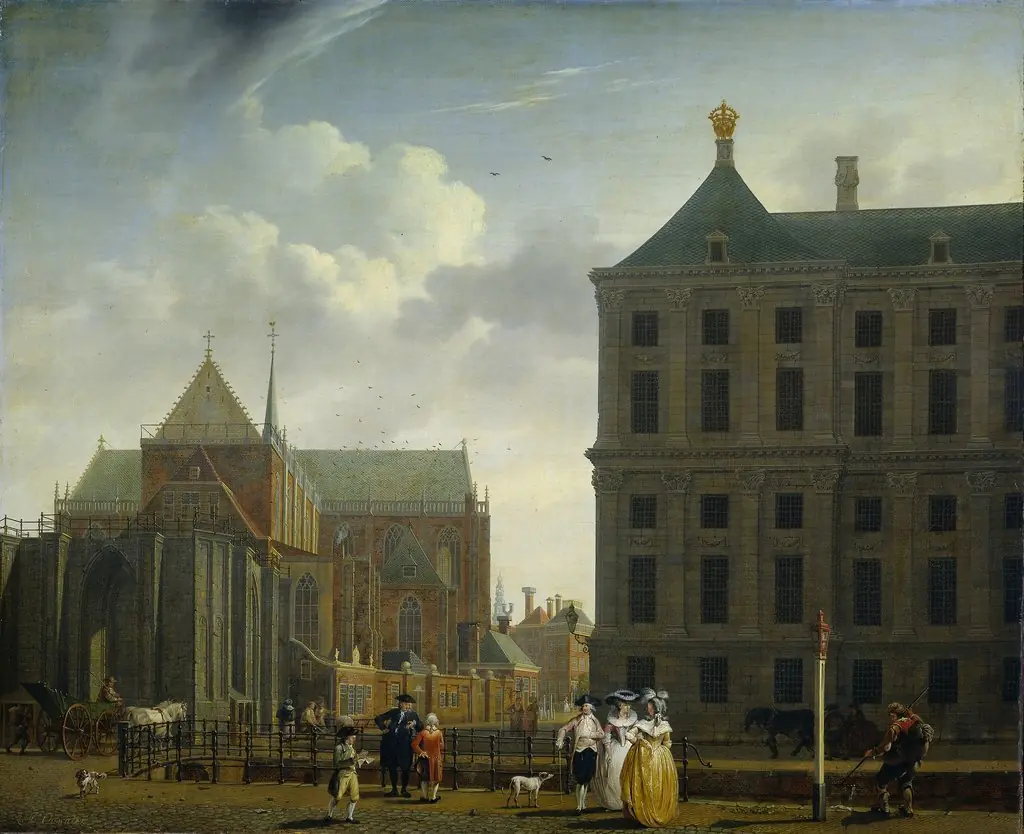 The Nieuwe Kerk and the Town Hall on the Dam in Amsterdam
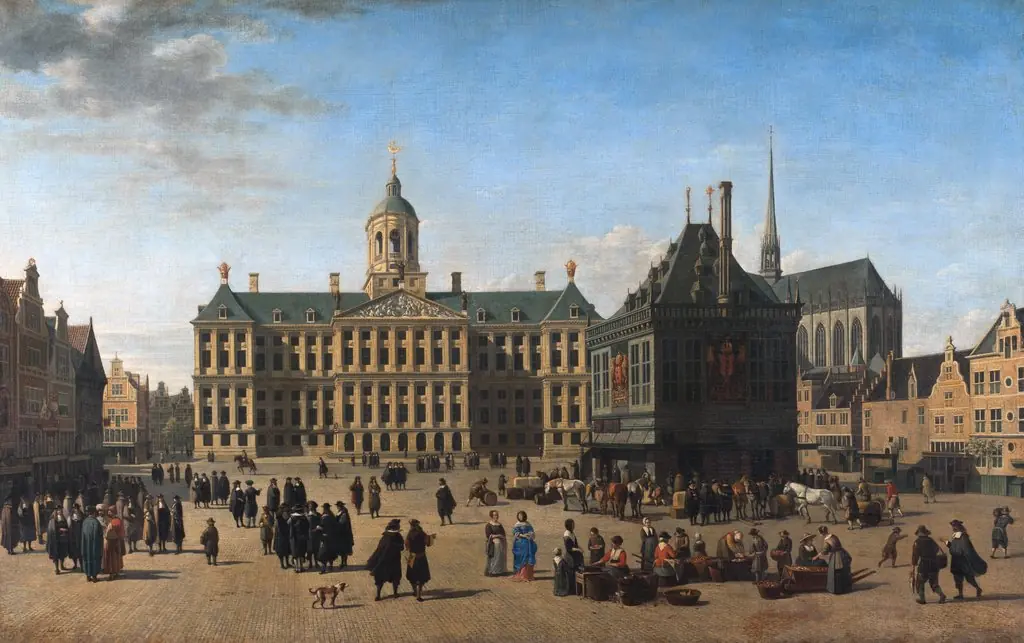 The Dam in Amsterdam
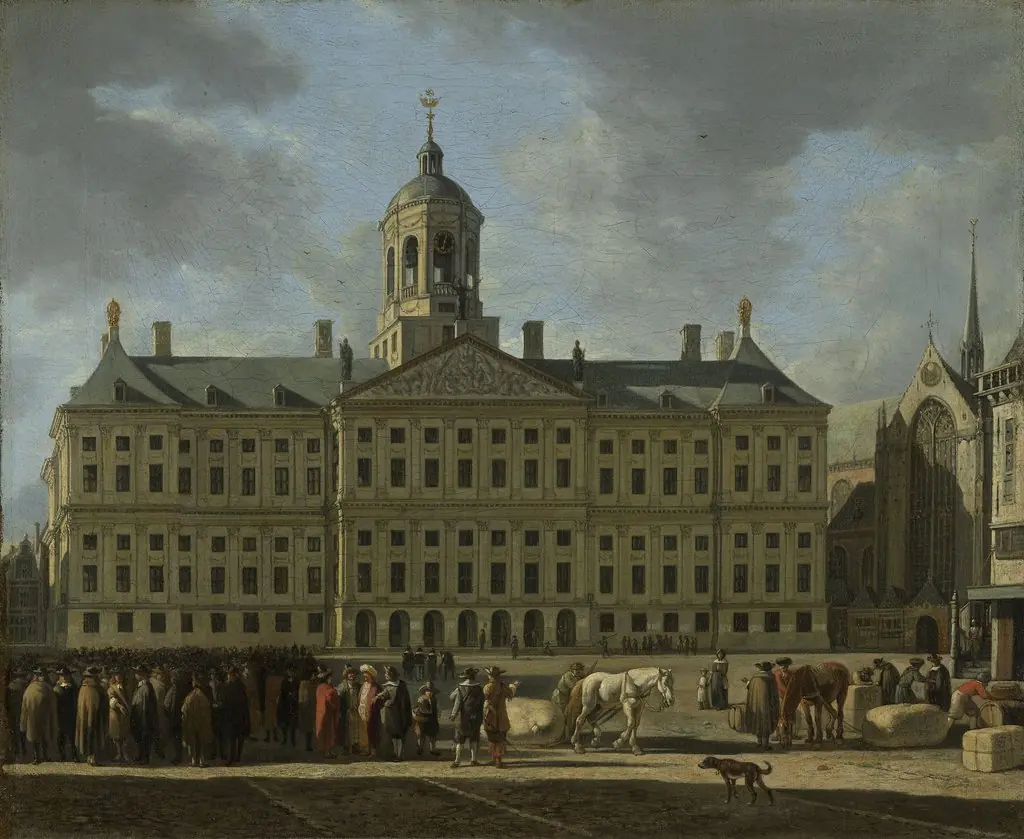 The town hall on Dam Square in Amsterdam
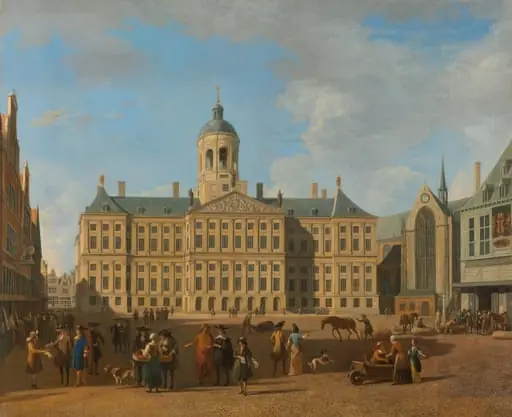 Het stadhuis op de Dam in Amsterdam
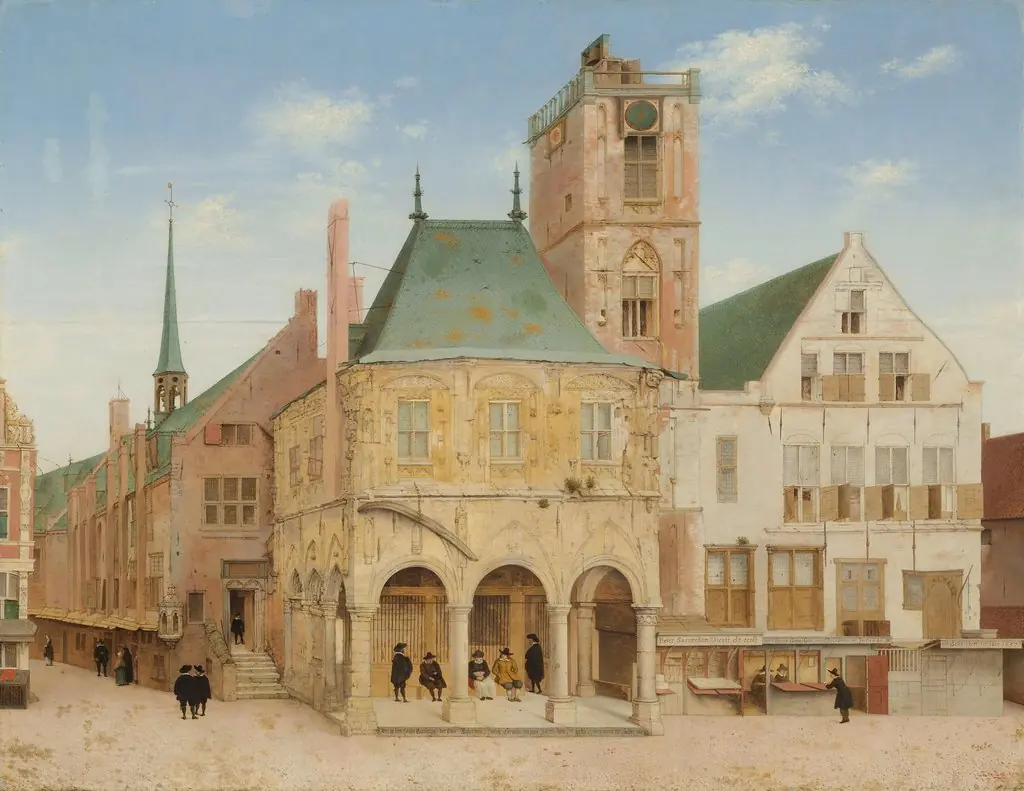 The Old Town Hall of Amsterdam