Artwork
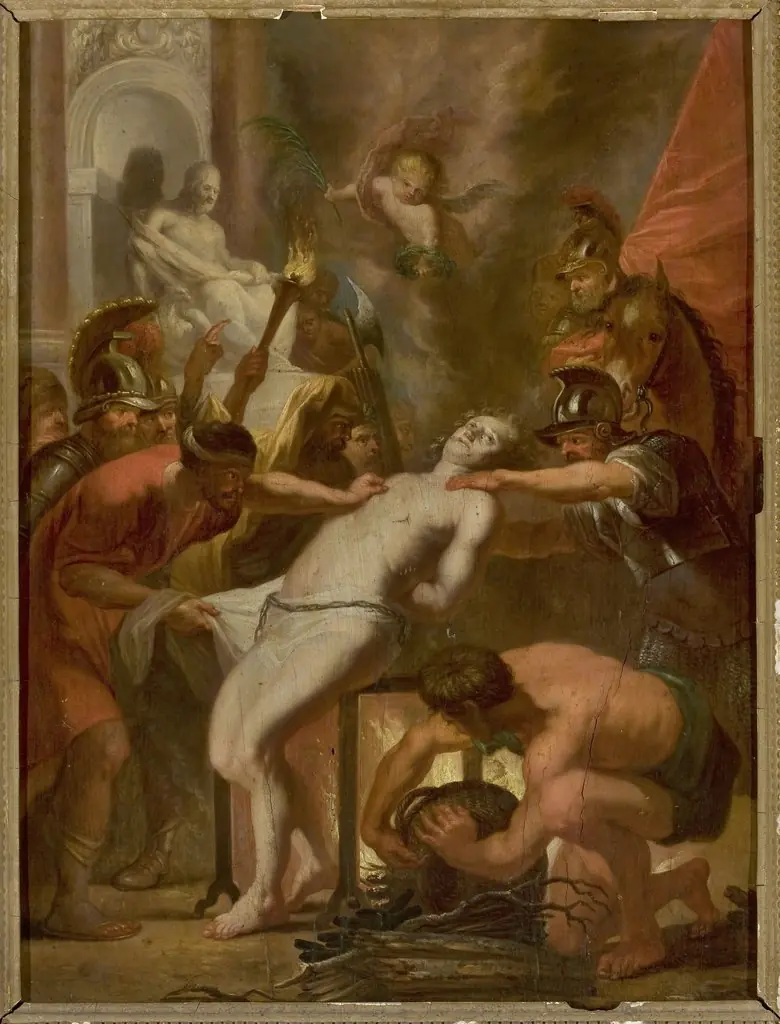
The Martyrdom of the Saints Crispin and Crispinian
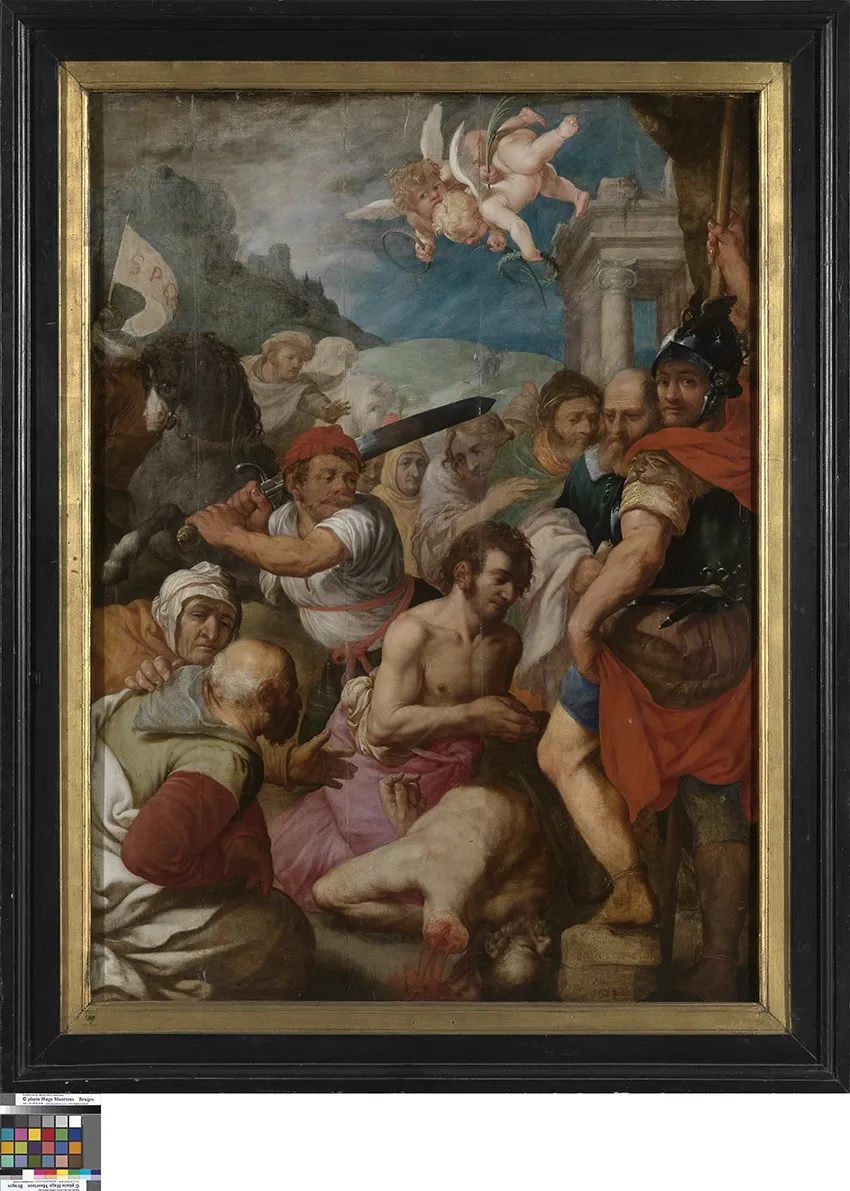
The Martyrdom of the Saints Crispin and Crispinian is an oil painting by the Flemish Baroque painting artist Ghislain Vroyelinck. It dates from 1613 and is held in the collection of the Groeningemuseum.
About this work
Overview
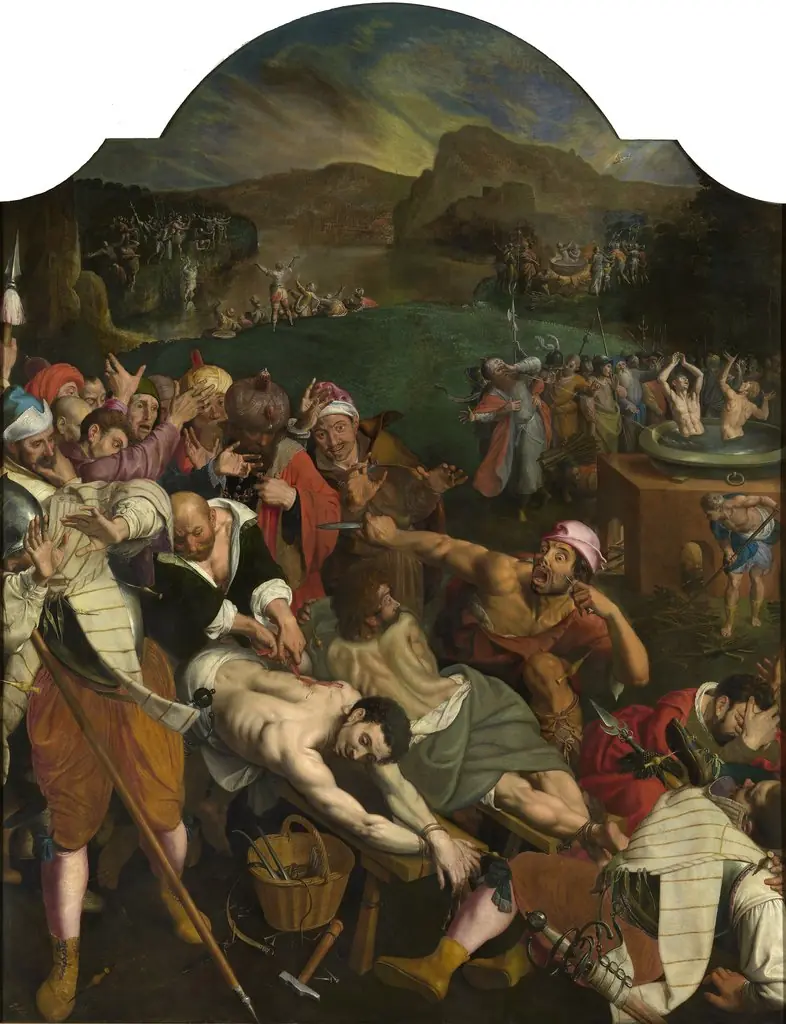
Ghislain Vroyelinck’s oil on canvas, painted in 1613, portrays the violent demise of the patron saints of shoemakers, Crispin and Crispinian. The composition is dominated by a tumultuous crowd, with figures locked in combat and suffering injuries, set against a sky punctuated by a cherubic figure. The work is part of the collection of the Groeningemuseum in Bruges.
Subject & Meaning
The scene illustrates the legendary martyrdom of the two brothers, who, according to tradition, were slain for their Christian faith while defending their craft. Vroyelinck emphasizes the brutality of their end, using the chaotic melee to underscore themes of sacrifice and steadfastness in the face of persecution.
Technique & Style
Executed in oil, the painting balances warm, saturated hues on the combatants with cooler blues in the distant sky, creating spatial depth. Dynamic brushwork conveys motion, while the contrast between the vivid foreground and the serene background heightens the dramatic tension. A small putto floats above, adding a subtle, symbolic counterpoint.
History & Provenance
Created in the early seventeenth century, the work entered the Groeningemuseum’s holdings at an unspecified later date, where it remains on display. Its attribution to Vroyelinck has been consistently accepted by scholars, and the painting has been referenced in catalogues of Flemish religious art.
Context
The painting reflects the Counter‑Reformation’s emphasis on vivid, emotionally charged religious imagery intended to inspire devotion. By depicting the saints’ martyrdom with graphic intensity, Vroyelinck aligns with contemporary Flemish trends that favored dramatic narrative and vivid coloration to communicate moral lessons.
Artist & collection

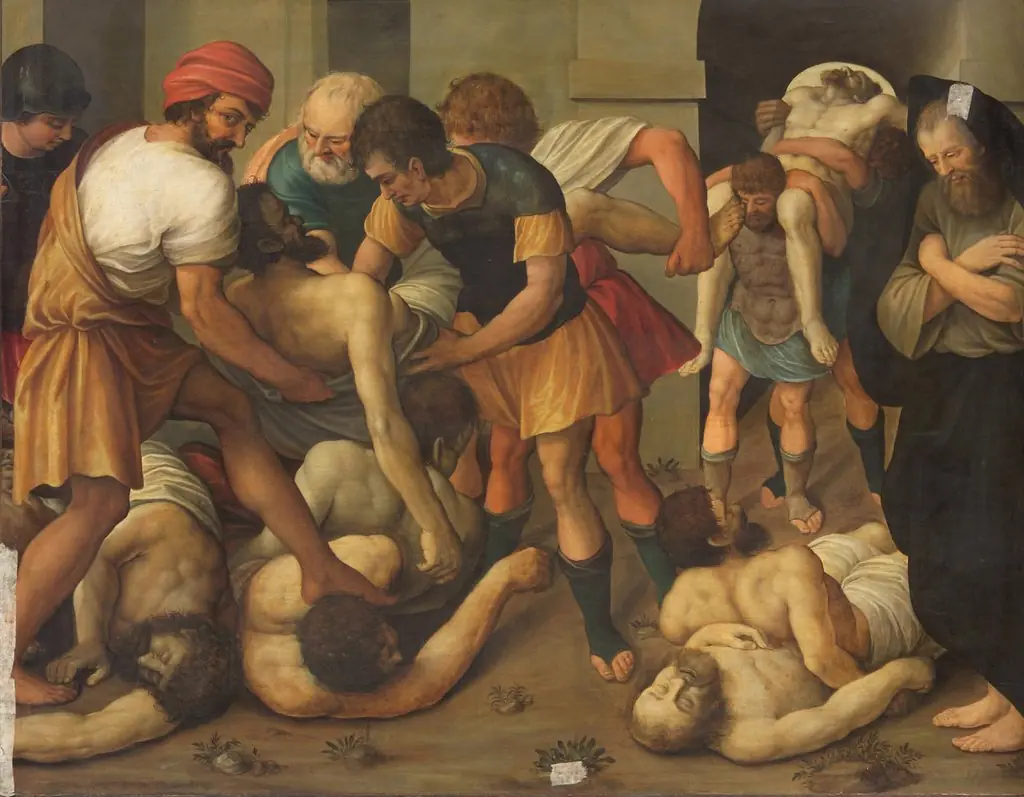 Tobias buries the Dead in Nineveh
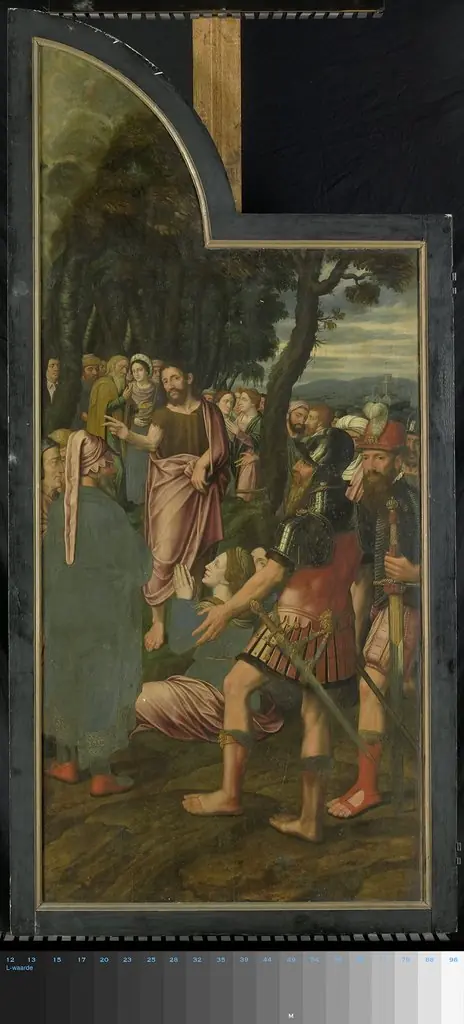 De prediking van Johannes de Doper, linkerpaneel van een drieluik
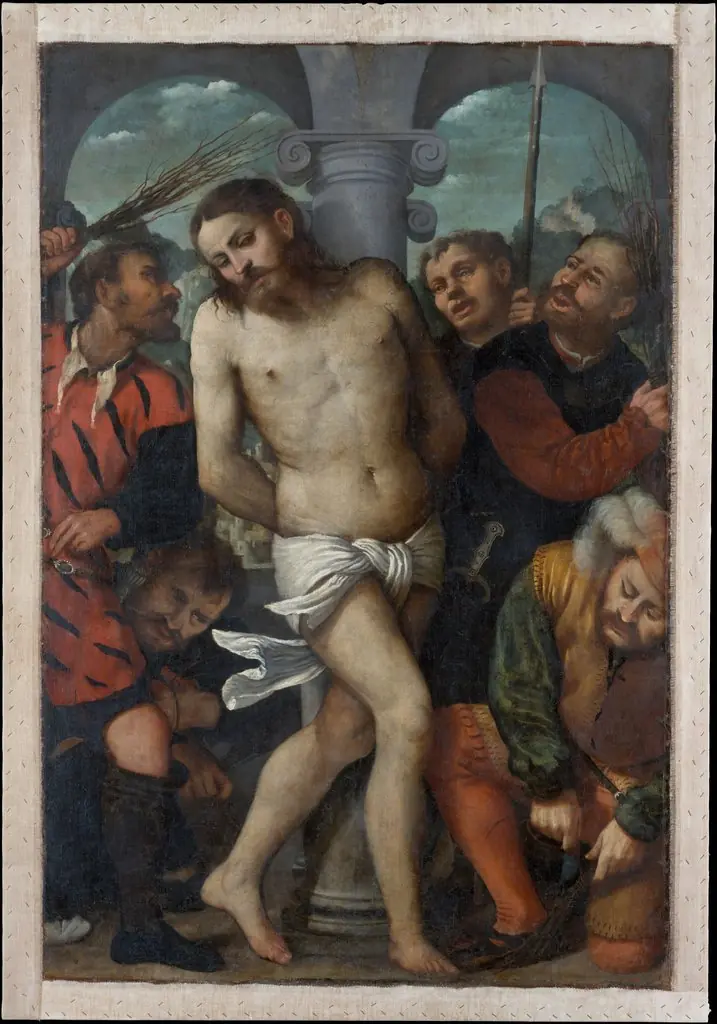 The Flagellation; (reverse) The Madonna of Mercy
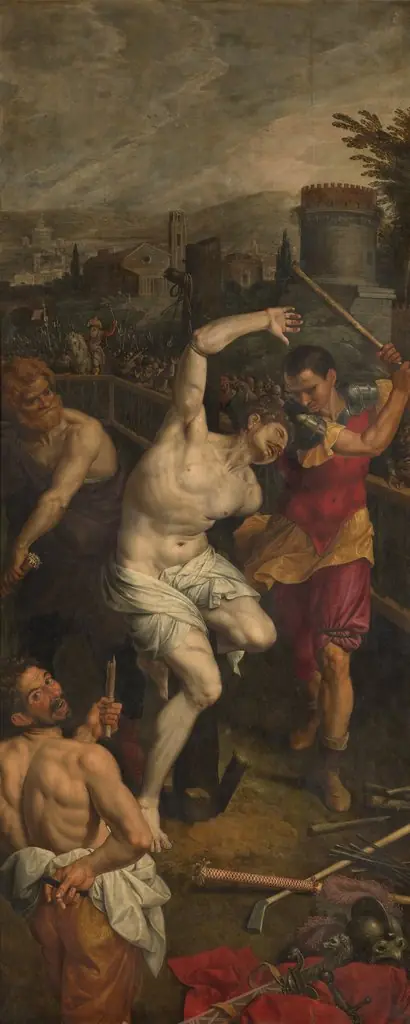 The Martyrdom of Saint Sebastian of Rome
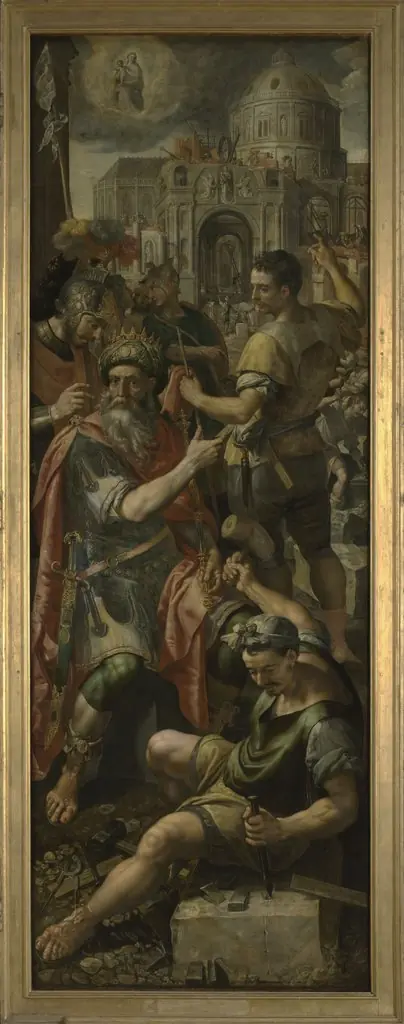 The Emperor Constantine erecting a church dedicated to Saint George
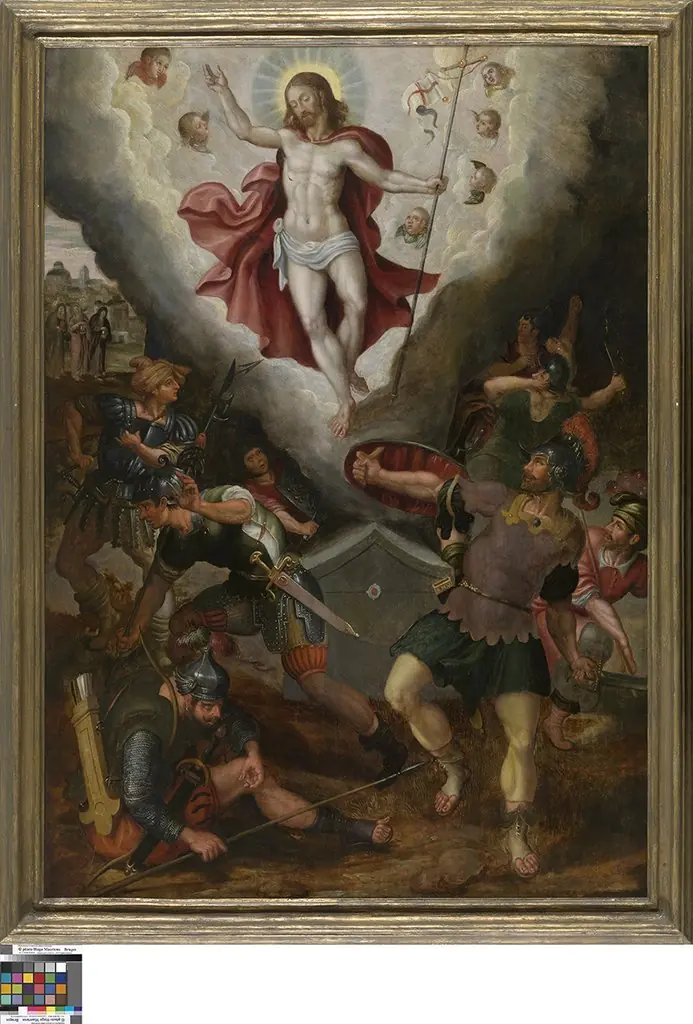 Resurrection of Christ
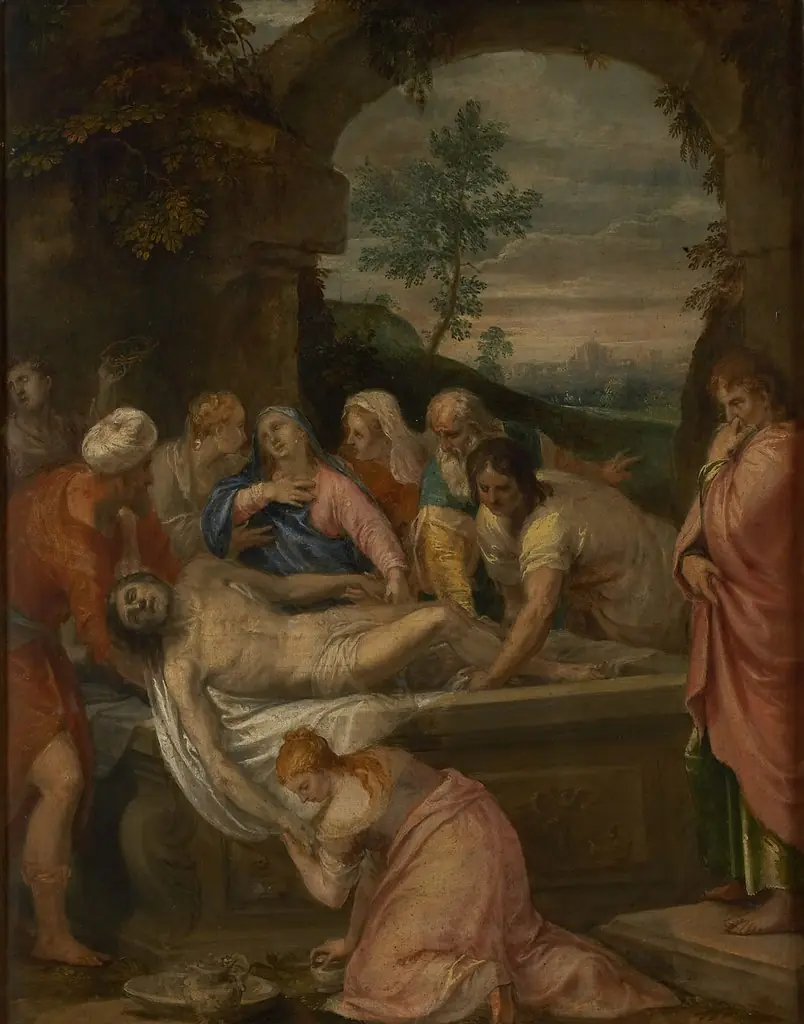 Entombment of Christ
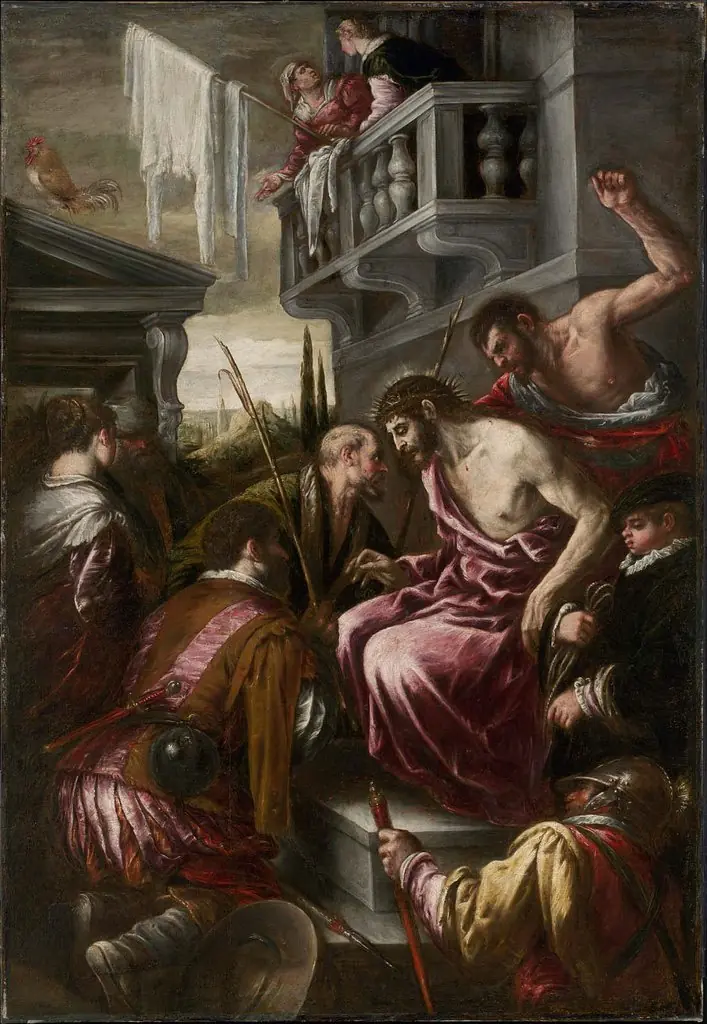 The Mocking of Christ
 Martyrdom of St. Lawrence