Artwork
The Mocking of Christ
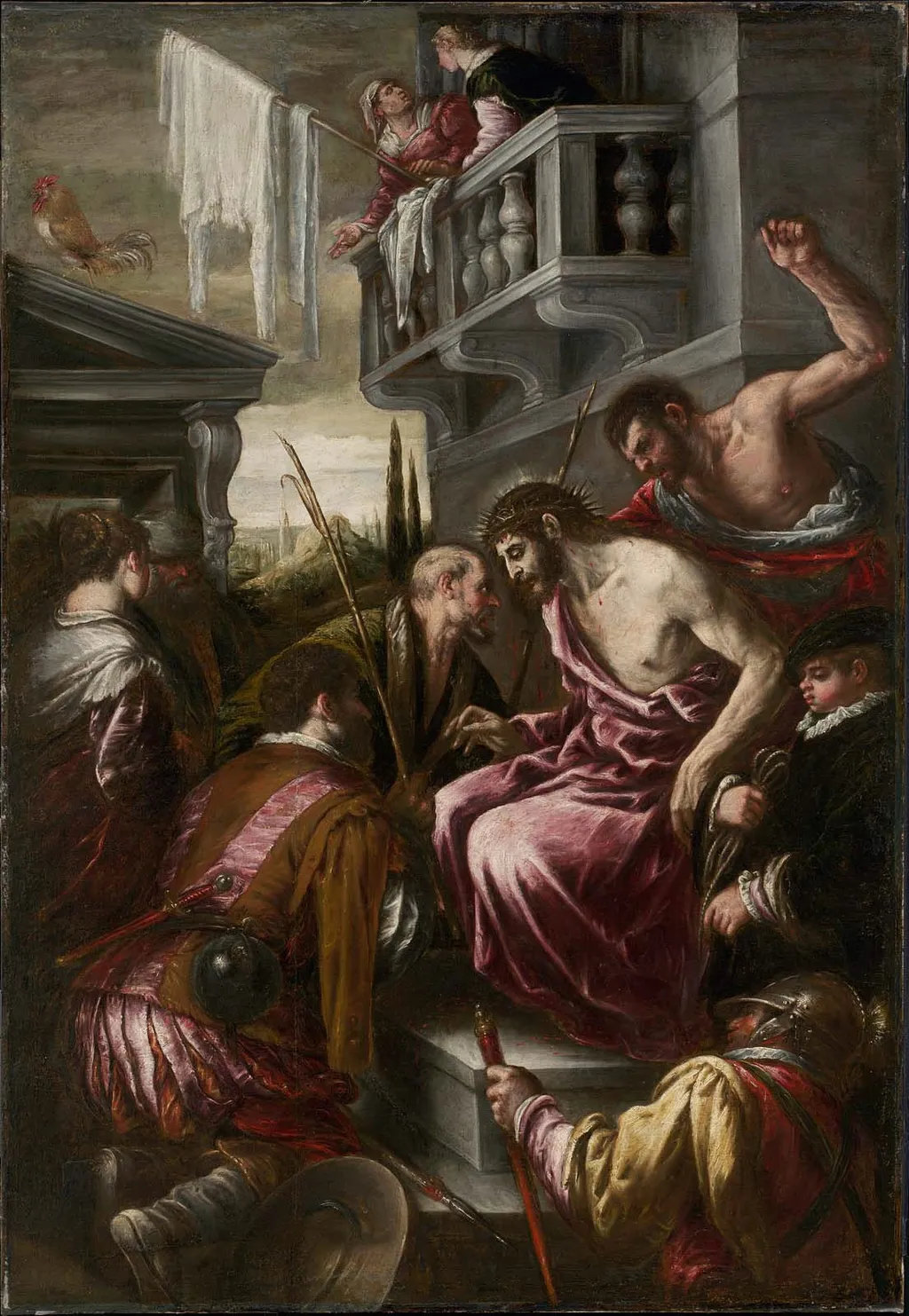
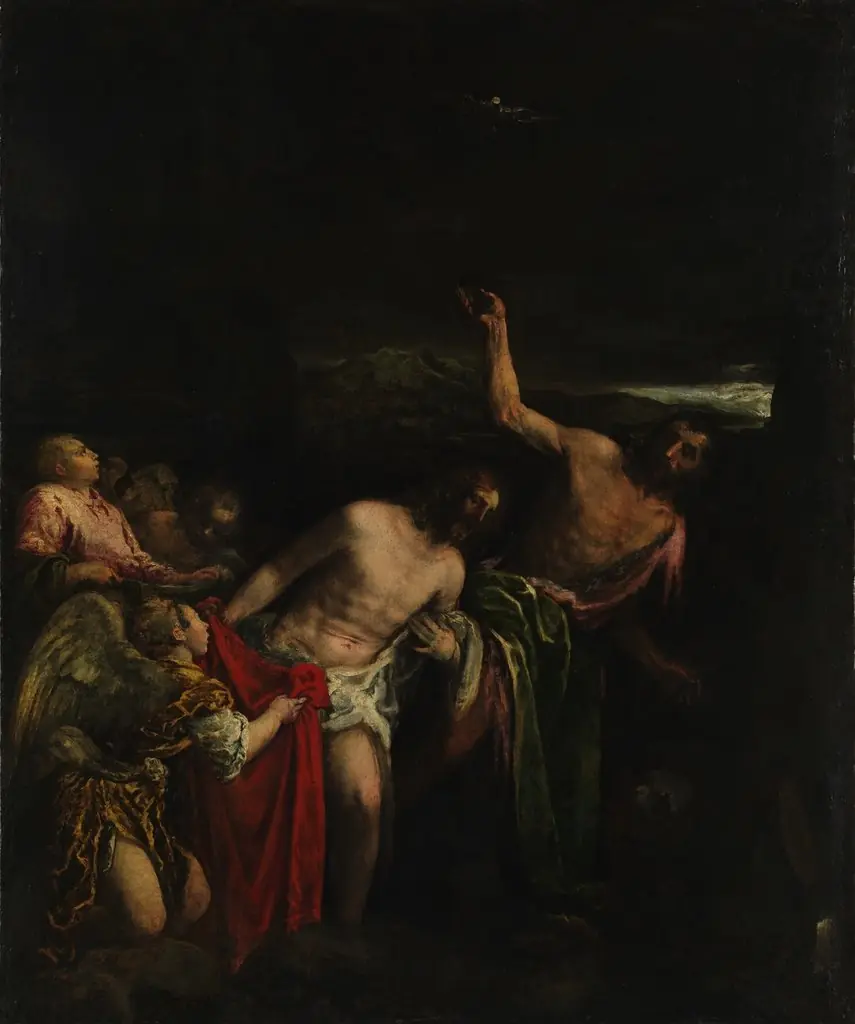
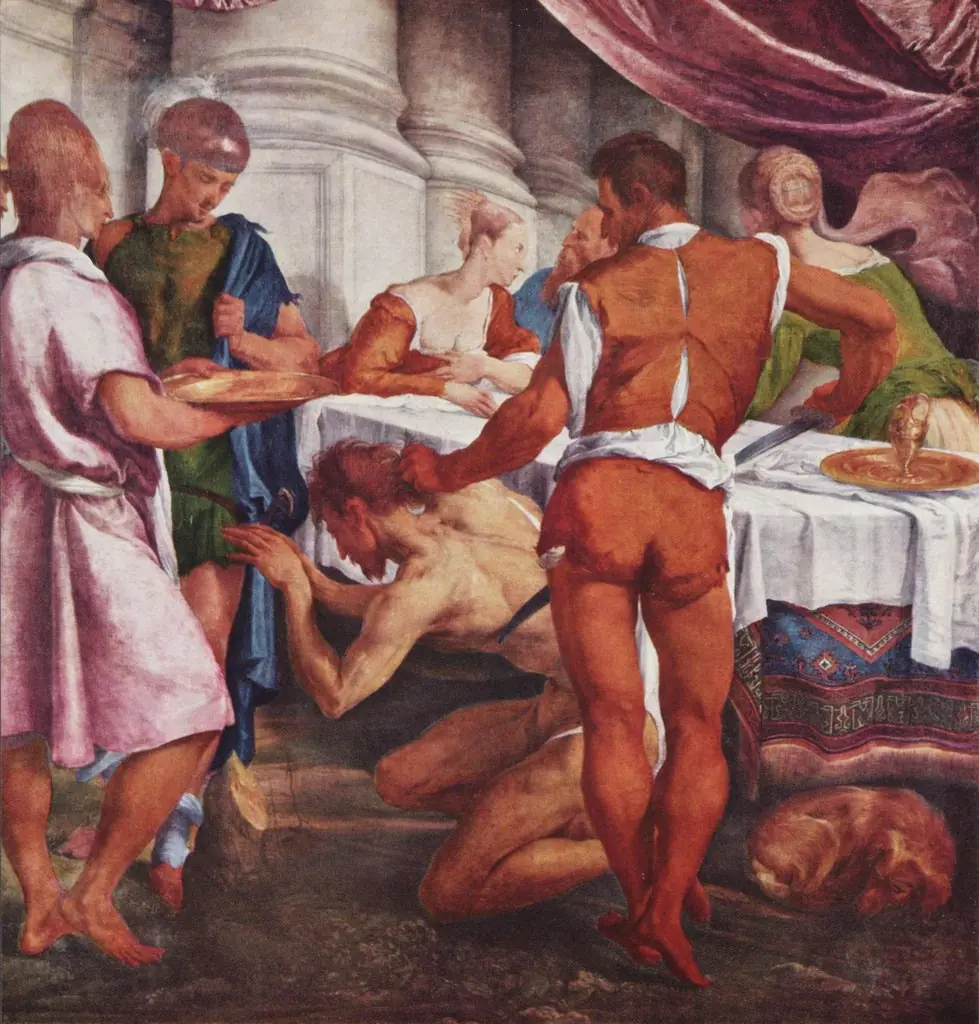
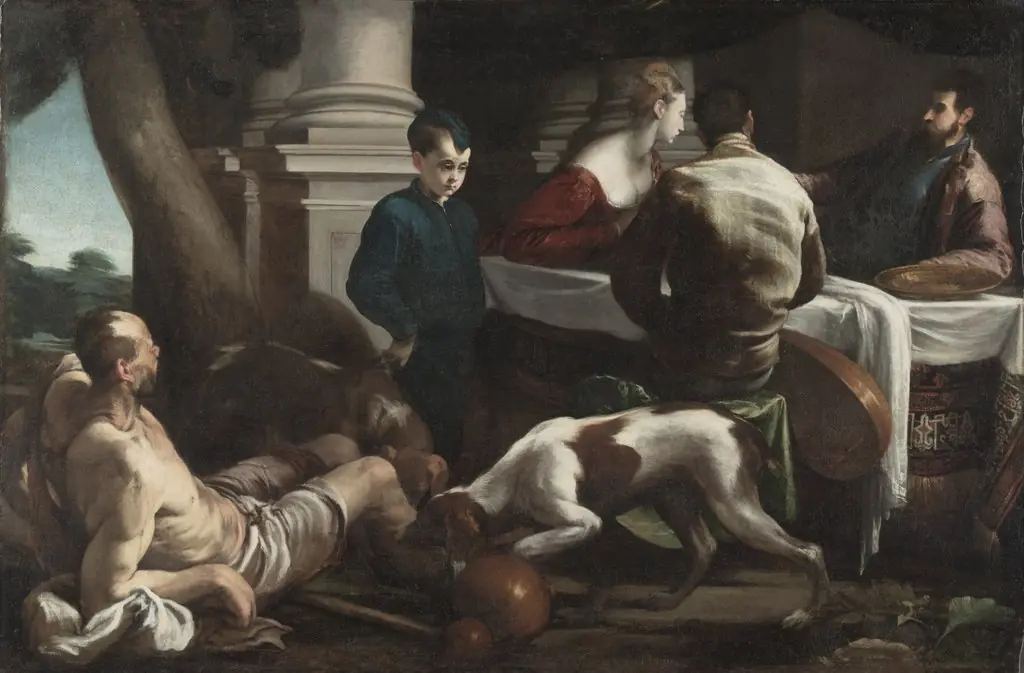
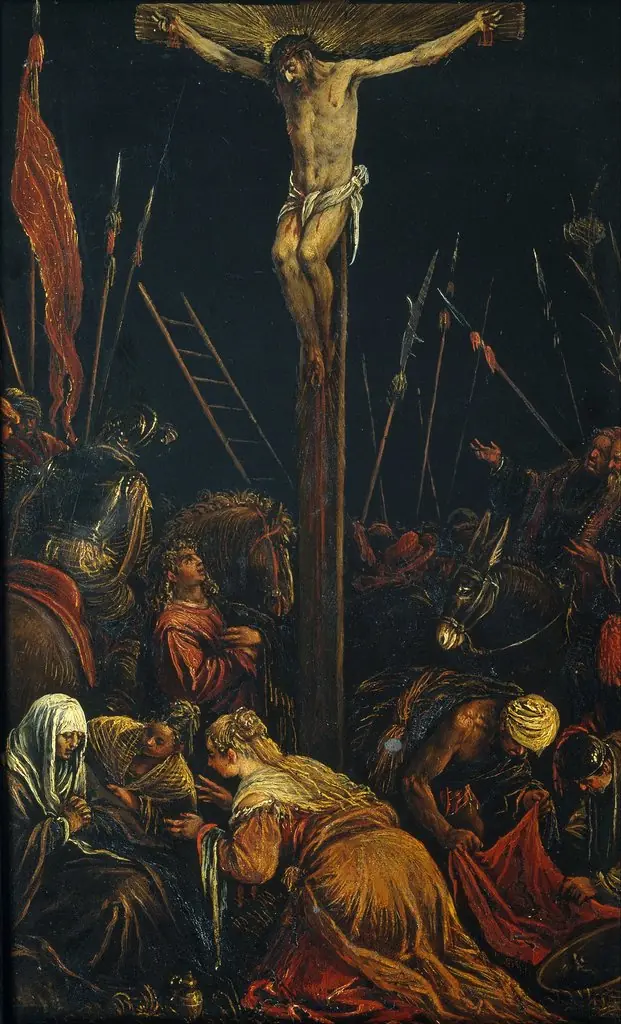
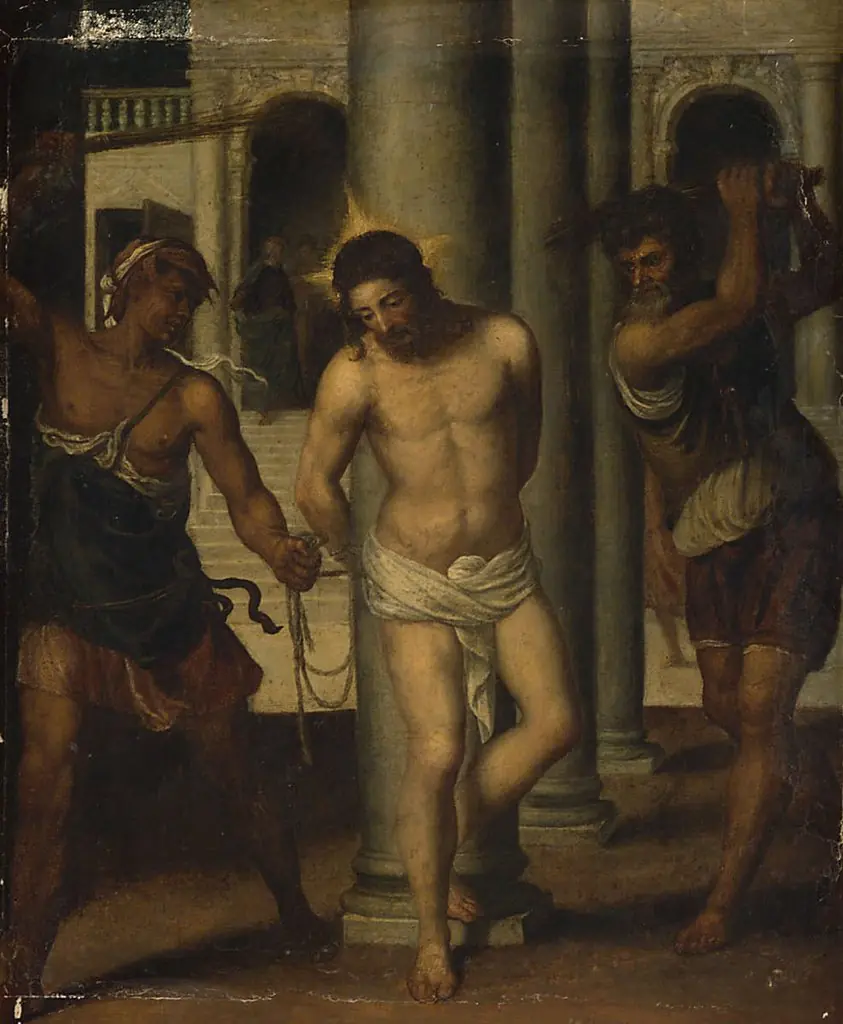
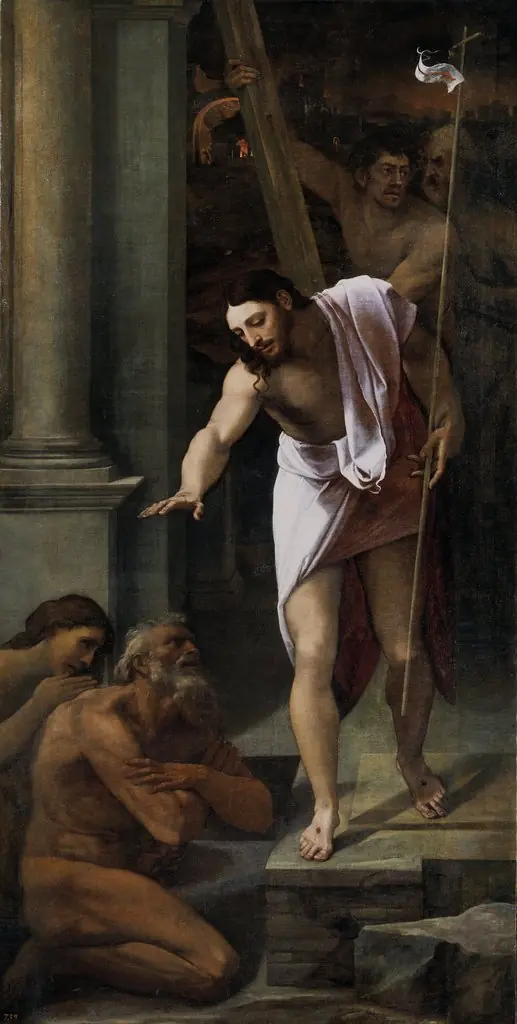
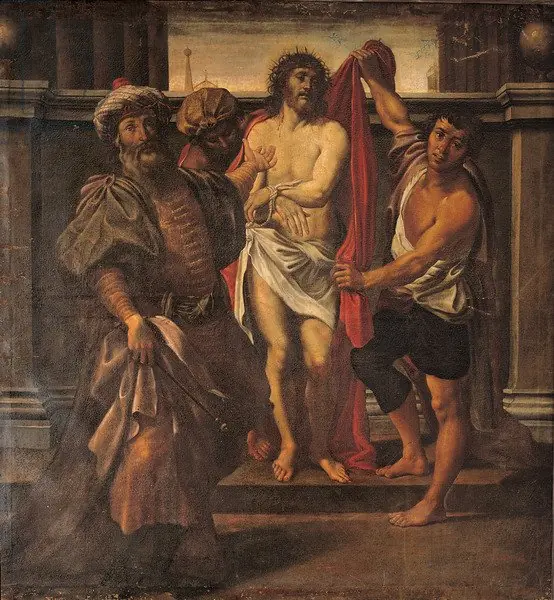
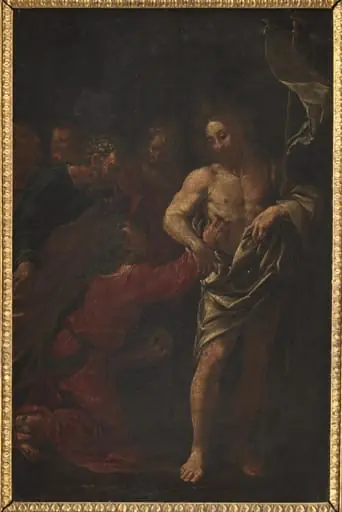
The Mocking of Christ is an oil painting by the Mannerist artist Jacopo Bassano. It dates from 1560 and is held in the collection of the Museum of Fine Arts Boston.
About this work
Overview
The Mocking of Christ, painted by Jacopo Bassano around 1560, is a religious oil painting depicting a pivotal moment in the narrative of Jesus Christ. It is currently part of the collection at the Museum of Fine Arts, Boston.
Subject & Meaning
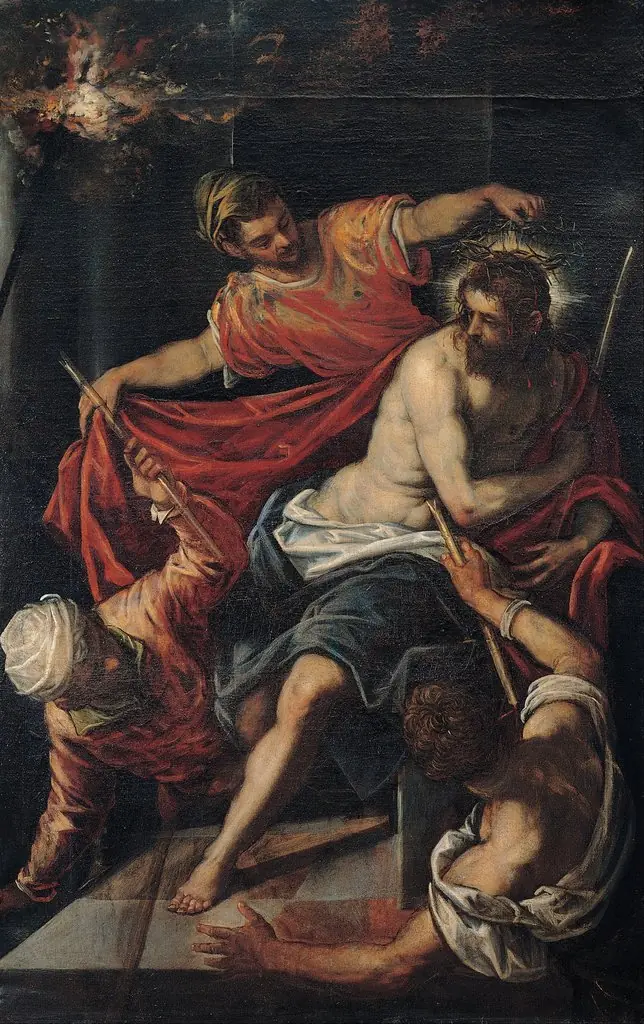
The painting portrays Jesus Christ in a state of humiliation, seated on a low stool with a crown of thorns, surrounded by a group of figures engaging in his mockery through physical gestures and indifferent bystander behavior. Symbolic elements, such as a rooster (alluding to Peter's denial) and a woman at a window (possibly representing a witness or an angel), enrich the scene's religious context.
Technique & Style
Bassano employed strong chiaroscuro techniques, characterized by pronounced contrasts between light and dark, to heighten the dramatic and tense atmosphere of the scene. This stylistic choice emphasizes the emotional turmoil and highlights the central figure of Christ amidst the chaotic backdrop.
History & Provenance
Created circa 1560, the artwork's early history is not detailed here, but it is known to be part of the Museum of Fine Arts, Boston's collection, indicating its recognized value within the realm of Renaissance art.
Context
Painted during the Renaissance, this work reflects the period's artistic innovations, particularly in the use of chiaroscuro, a technique that was widely explored by artists of the time to add depth and emotion to religious subjects.
Legacy
While specific influences or direct artistic heirs are not highlighted, The Mocking of Christ contributes to the broader legacy of Renaissance religious art, exemplifying the era's engagement with dramatic biblical narratives through advanced artistic techniques.
Artist & collection
Artist
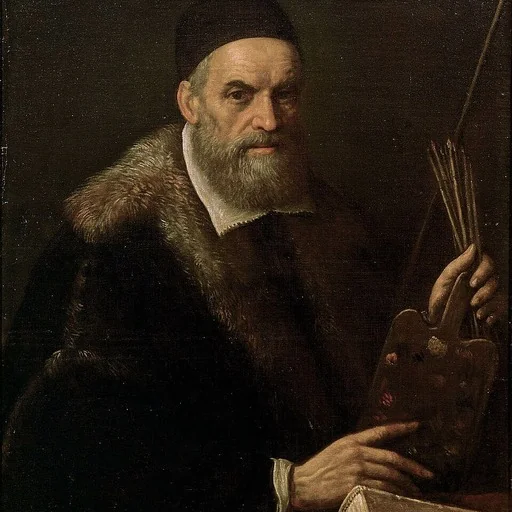
Jacopo Bassano was an Italian Renaissance painter of the Venetian school. He was born and died in Bassano del Grappa, and took the village as his surname. Having trained in the workshop of his father, Francesco the…