Artwork
Portrait of a mathematician
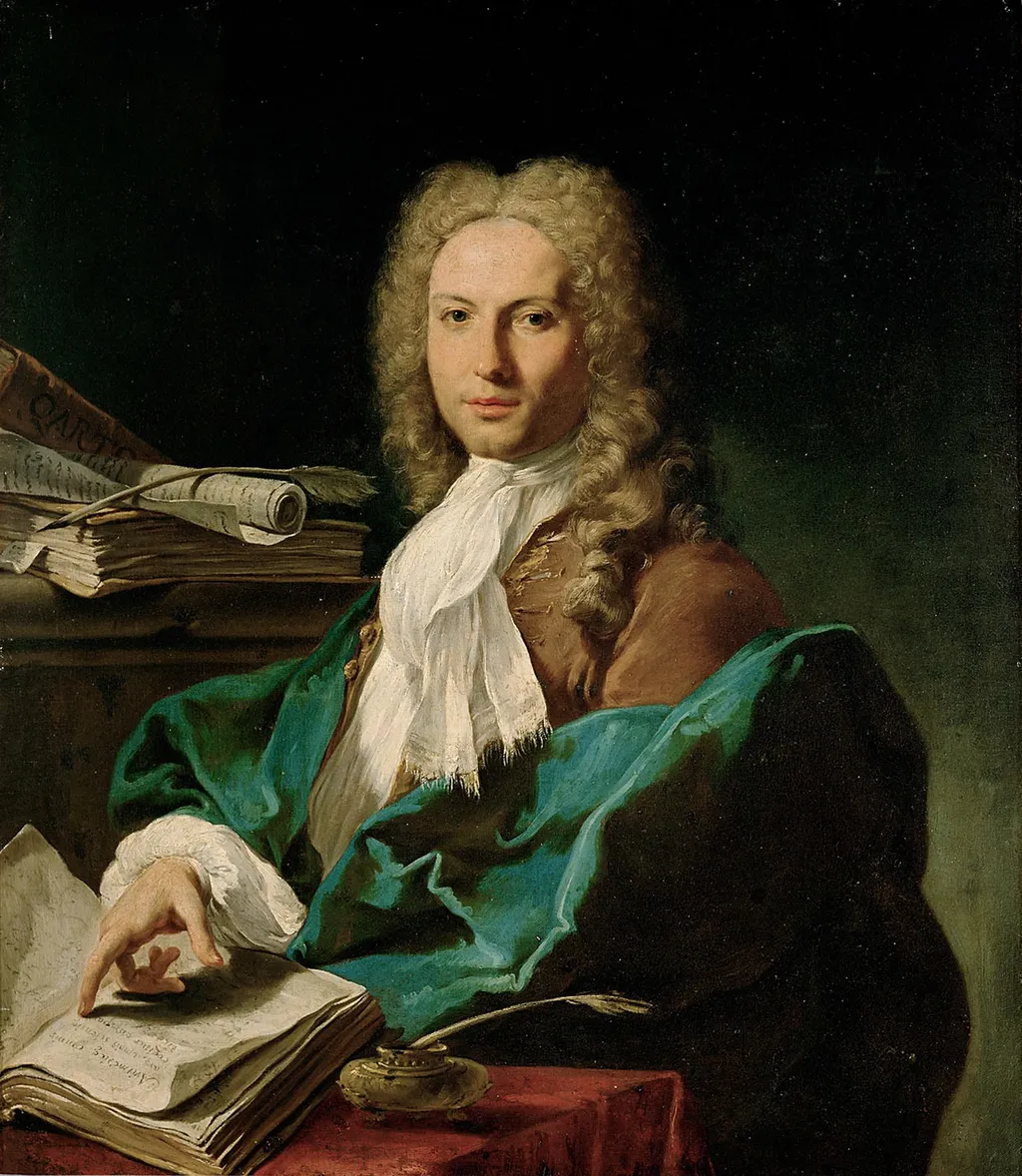
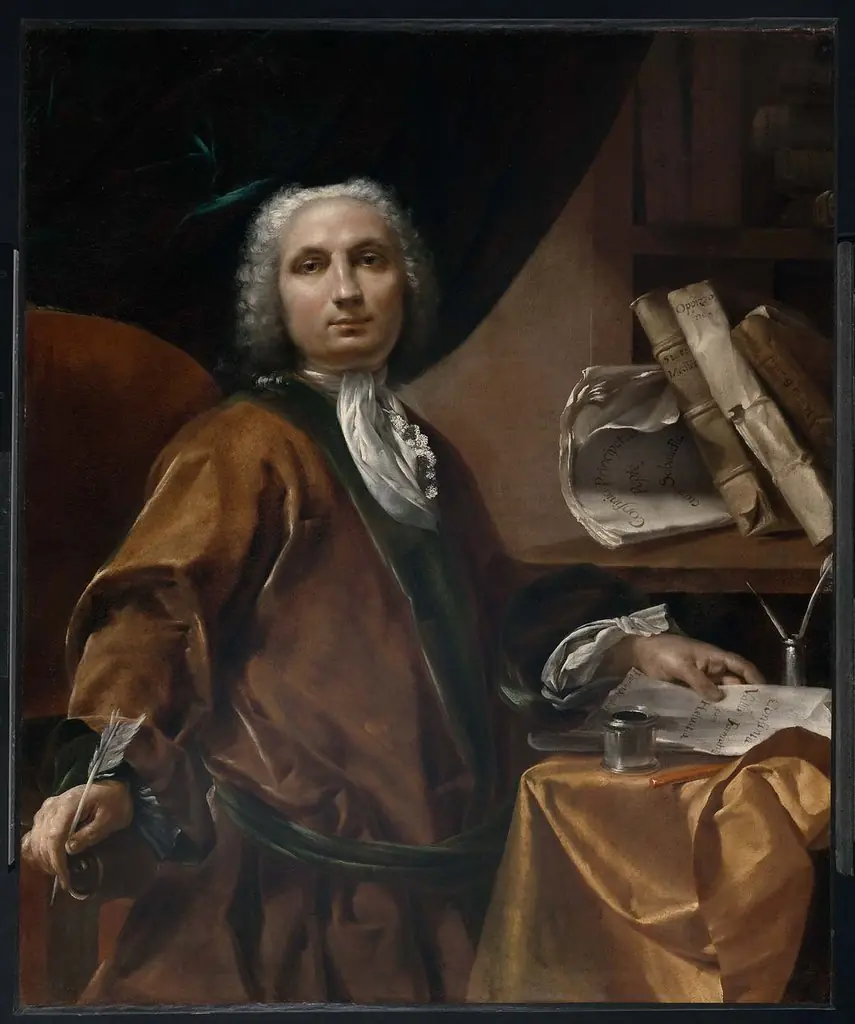
Portrait of a mathematician is an unspecified painting by the Rococo painting artist Giambattista Pittoni. It dates from 1740 and is held in the collection of the Kunsthistorisches Museum.
About this work
Overview
Portrait of a mathematician is a painting created by Giambattista Pittoni in 1740, associated with the Rococo movement. It depicts a scholarly figure in a contemplative setting, characterized by the use of chiaroscuro, with strong contrasts between light and dark. The work is part of the collection at the Kunsthistorisches Museum.
Subject & Meaning
The subject, identified as a mathematician, is portrayed in a relaxed, scholarly pose. His attire, including a green robe and white cravat, suggests a figure of learning. The open book, quill, and surrounding texts imply intellectual engagement, though the specific mathematical context or individual remains unspecified.
Technique & Style
Pittoni employs chiaroscuro to dramatic effect, with light illuminating the subject's face and hands, while the background remains in shadow. This technique, common in Rococo portraiture, enhances the sense of intimacy and focuses attention on the mathematician's gentle, absorbed expression.
History & Provenance
Created in 1740 by Giambattista Pittoni, a founding member and later president (1758) of the Academy of Fine Arts of Venice, the painting reflects the artistic values of its time. It is now housed at the Kunsthistorisches Museum, part of its historical European art collection.
Context
As a Rococo piece, the portrait aligns with the period's emphasis on elegance, intimacy, and the everyday lives of the educated elite. Pittoni's work, in this context, contributes to the broader Venetian artistic tradition of the 18th century.
Artist & collection
Artist
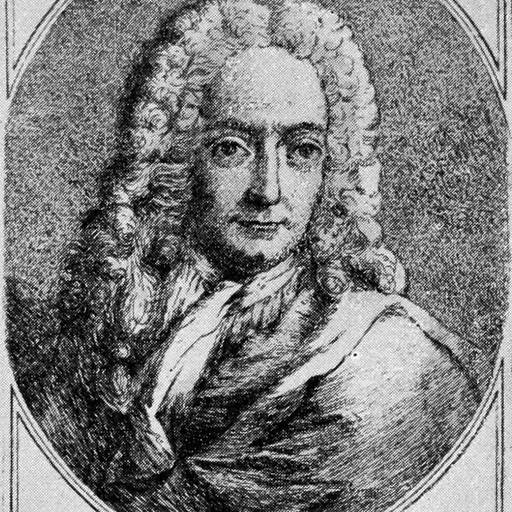
Giambattista Pittoni or Giovanni Battista Pittoni (6 June 1687 – 6 November 1767) was a Venetian painter of the late Baroque or Rococo period.

 Chancellor Florius Senesius
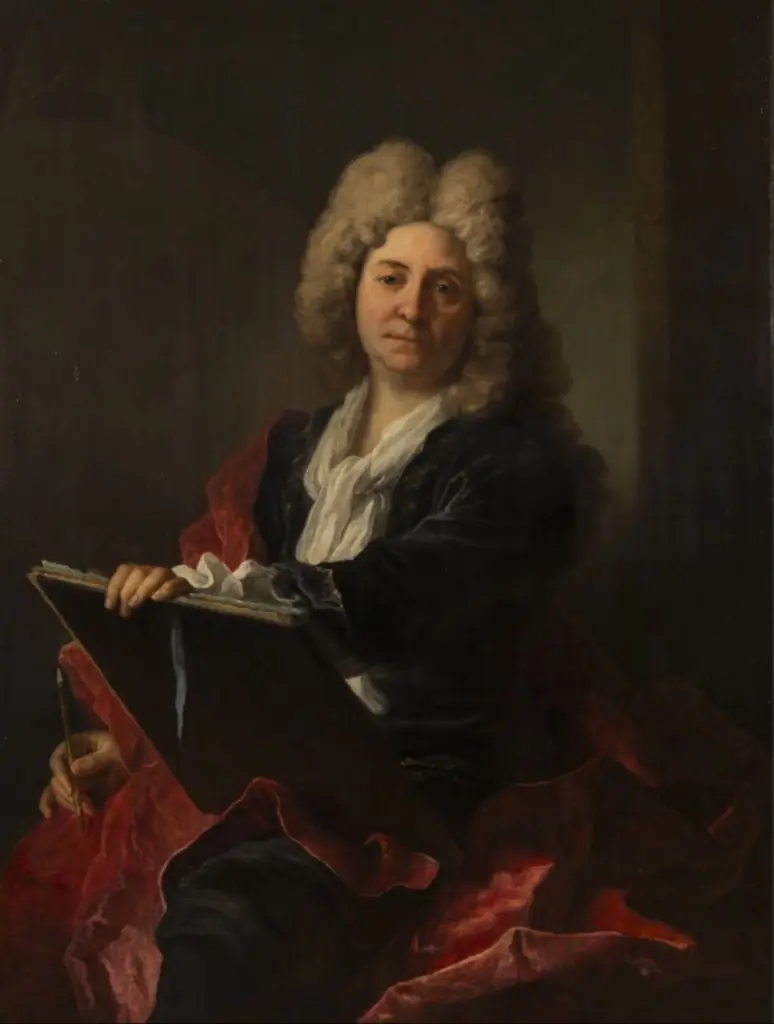 Portrait of Antoine Coypel
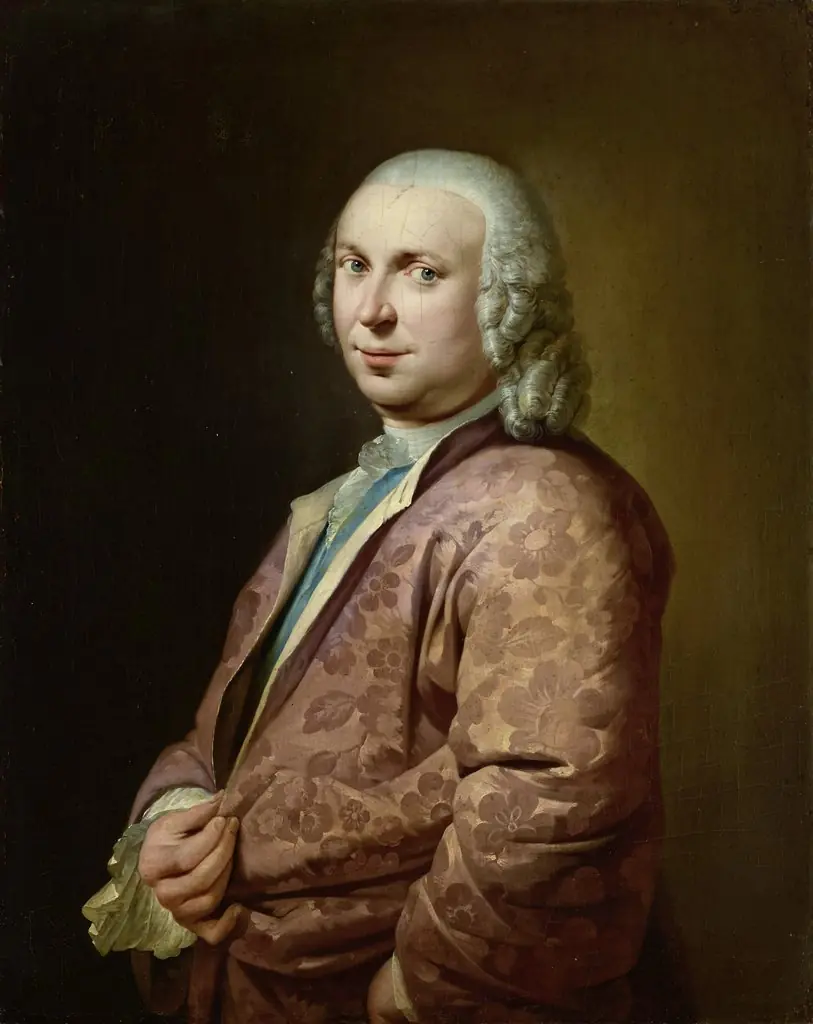 Portrait of a Man
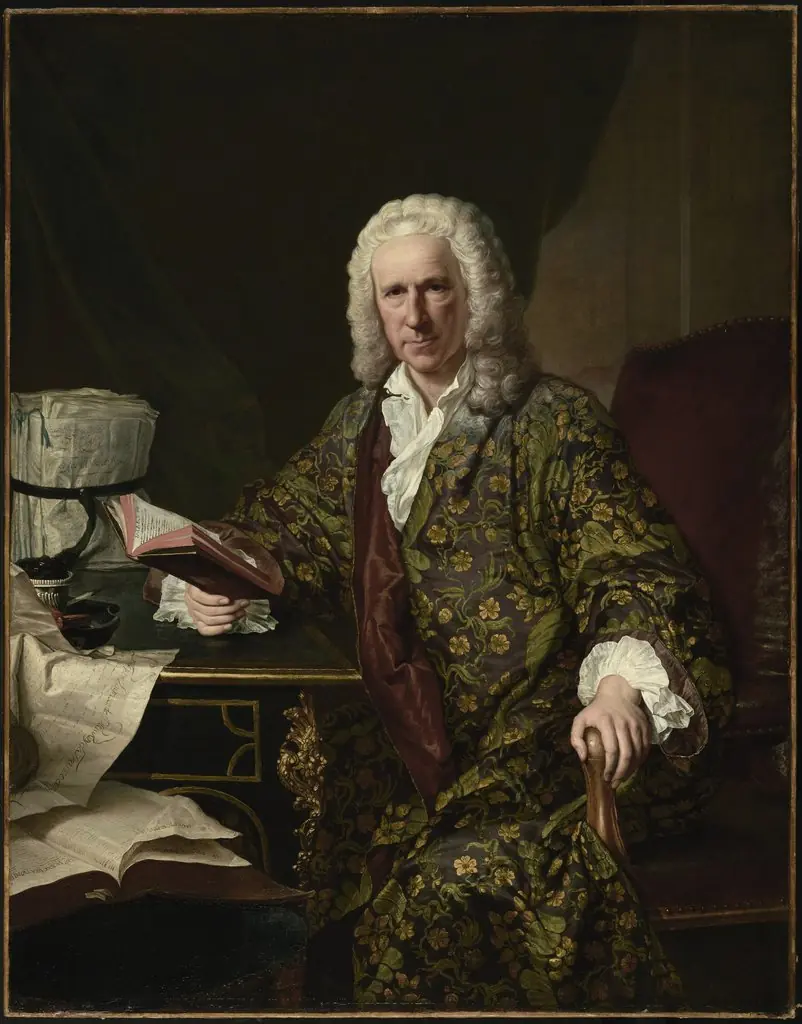 Portrait of Marc de Villiers
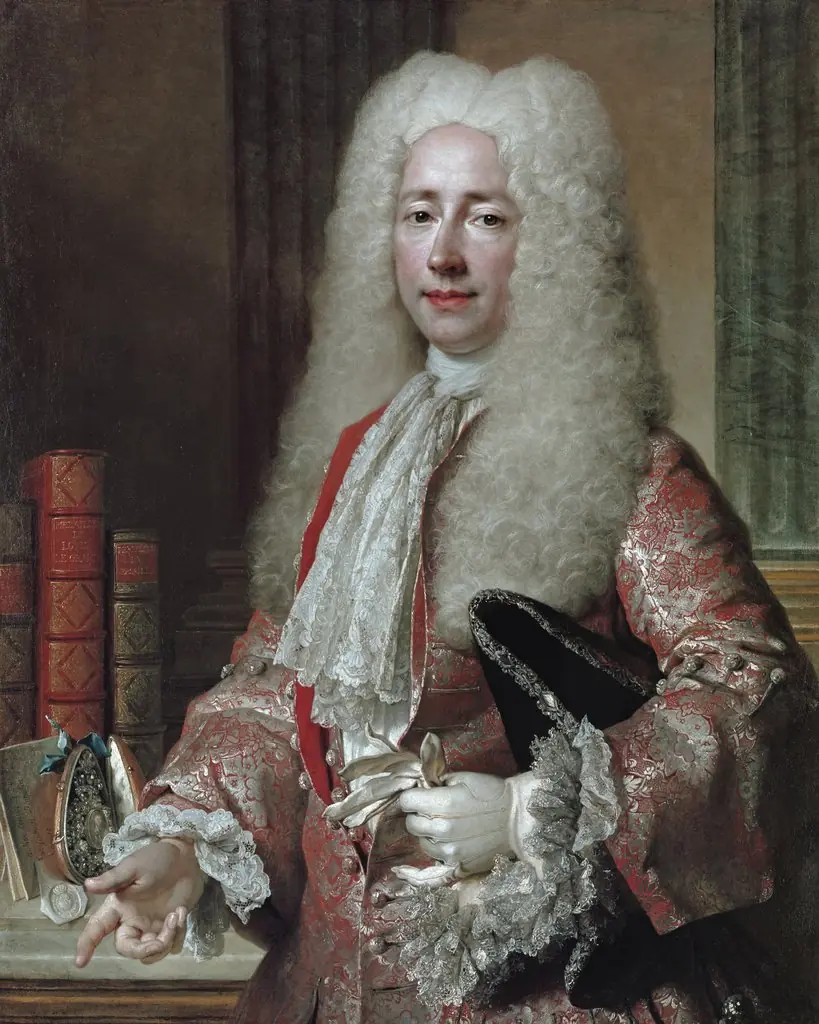 Portrait de Conrad Detlef, comte de Dehn
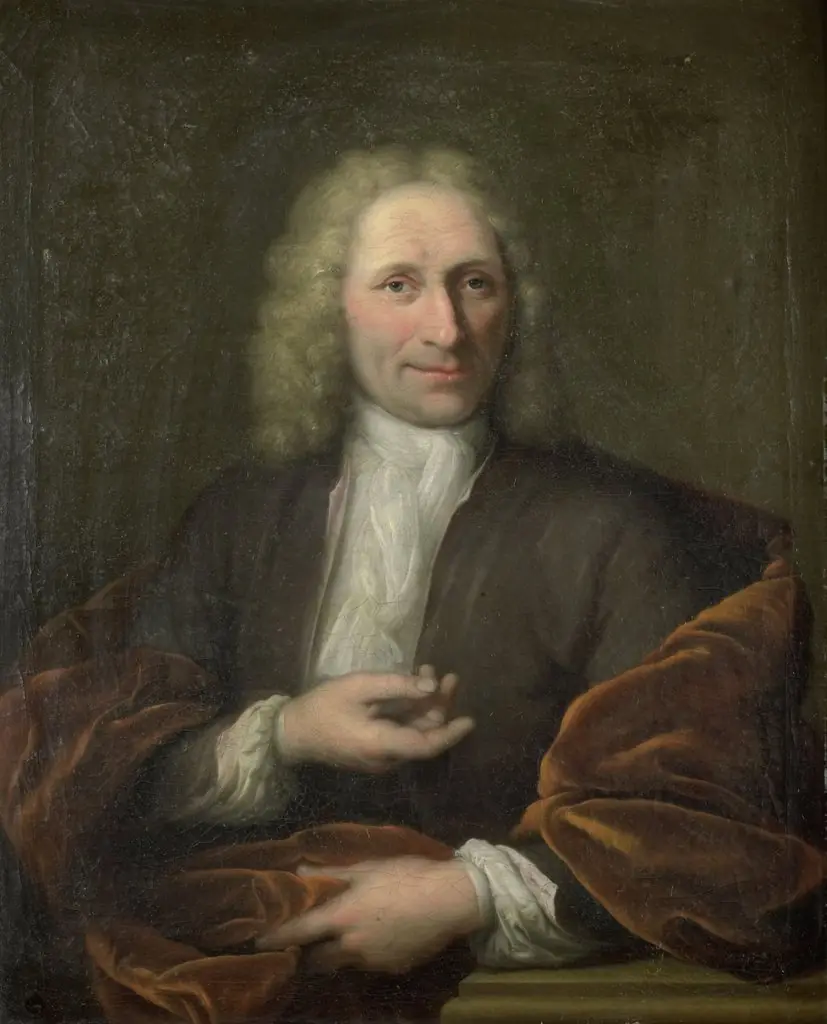 Portrait of a Man
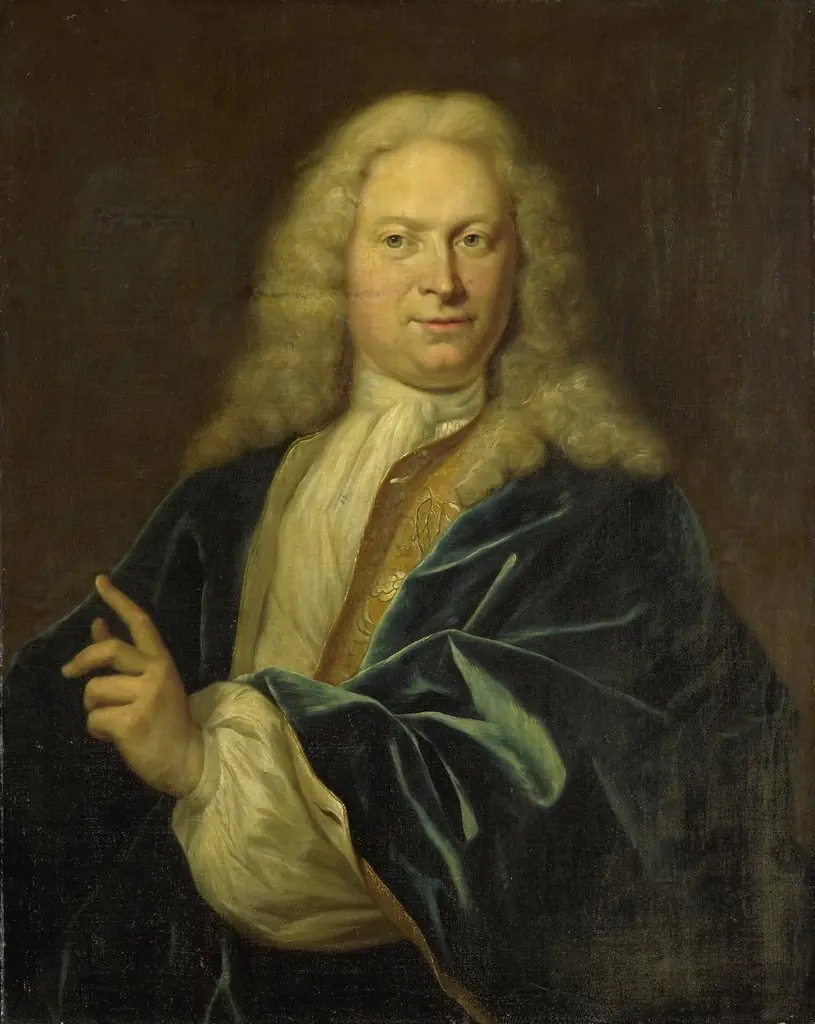 Portrait of Jan Hendrik van Heemskerck, Count of the Holy Roman Empire, Lord of Achttienhoven, Den Bosch and Eyndschoten, Captain of the Citizenry of Amsterdam (Johan Hendrik Graaf Van Heemskerk)
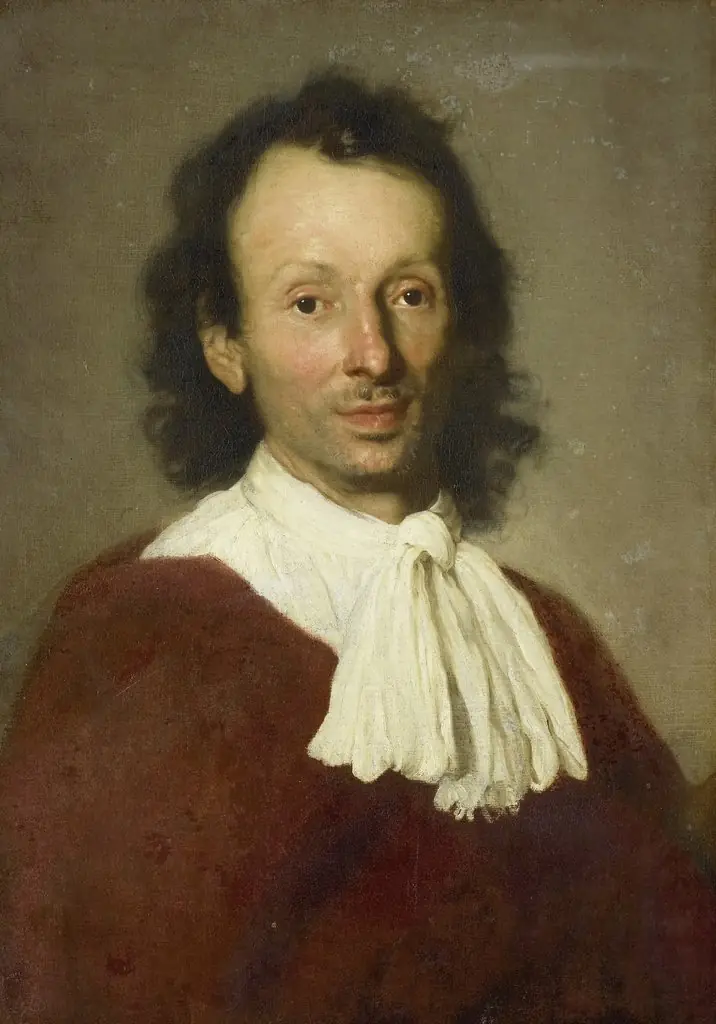 Portrait of a Man
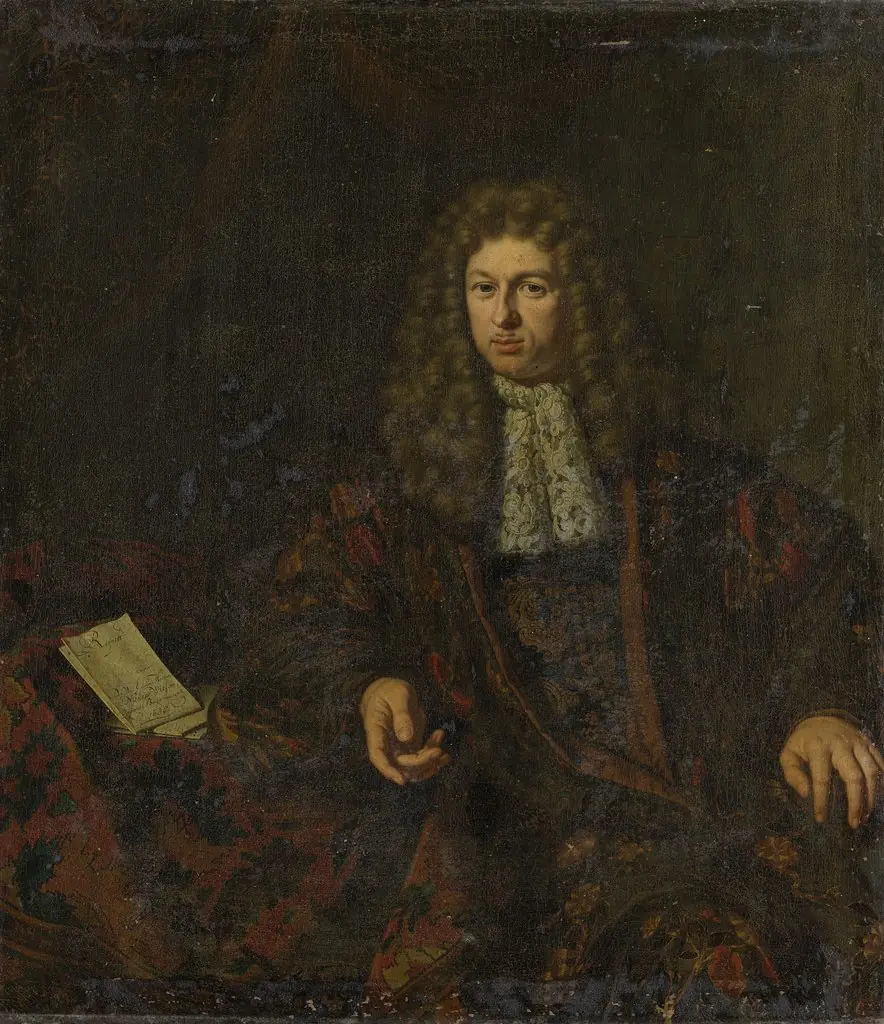 Portret van Nicolaes Witsen (1641-1717)
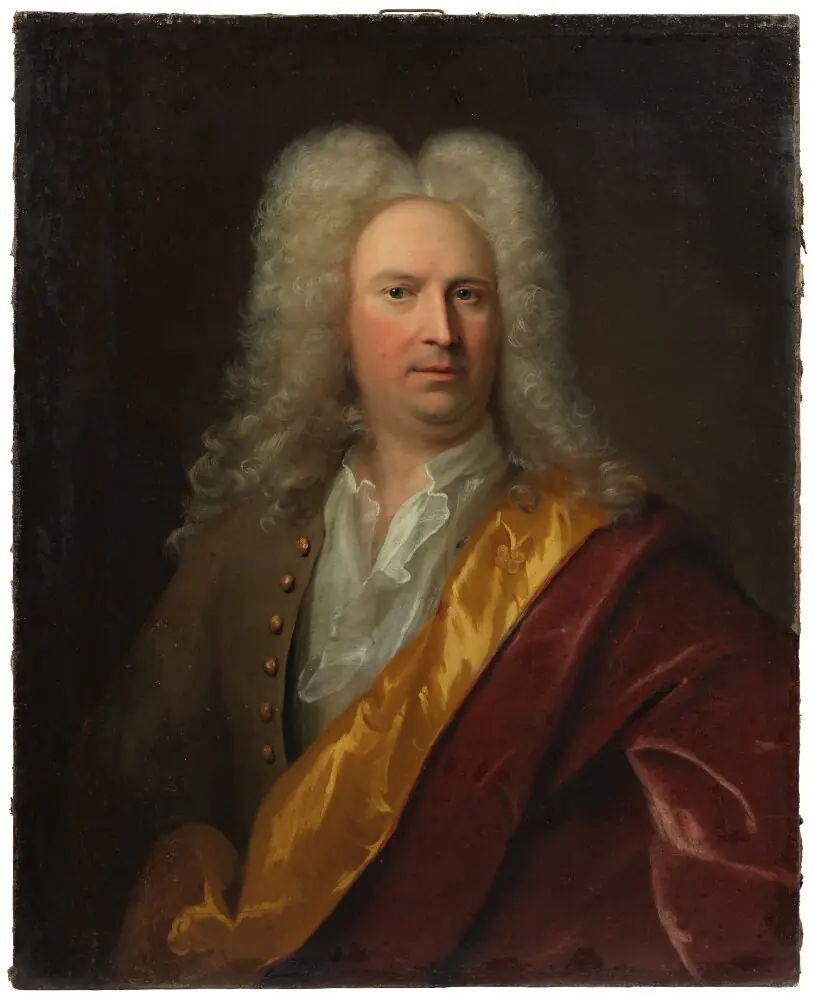 Abraham Grill the Older
 Joseph I of Portugal
 Self-portrait