Artwork
Joseph I of Portugal
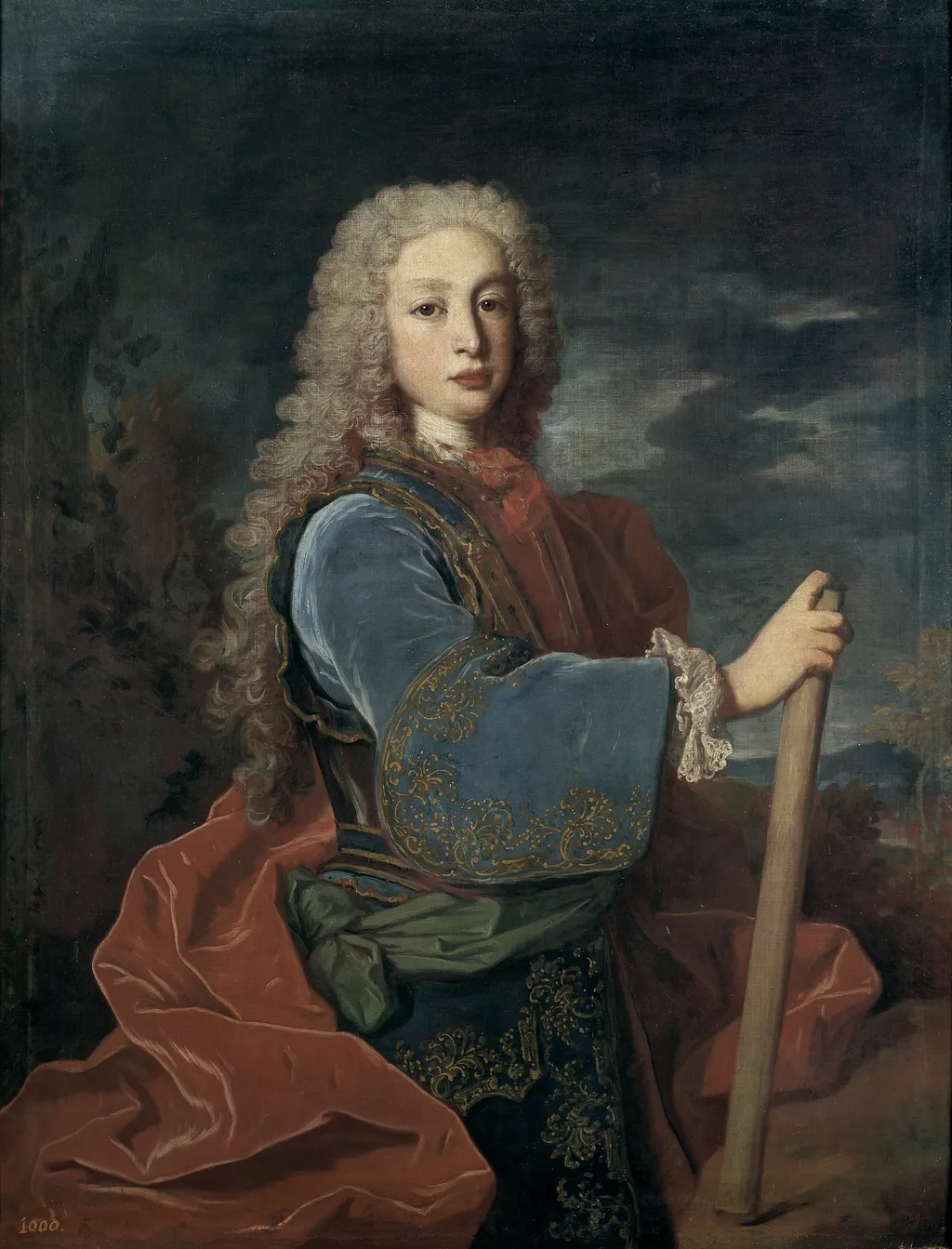
Joseph I of Portugal is an oil painting by the Rococo painting artist Jean Ranc. It dates from 1729 and is held in the collection of the Museo del Prado.
About this work
Overview
Jean Ranc’s 1729 oil portrait presents the Portuguese monarch José I in a formal pose. Rendered in the Rococo idiom, the canvas measures the king’s regal bearing through careful rendering of his attire and the subtle atmospheric backdrop, conveying a sense of solemn authority without overt theatricality.
Subject & Meaning
The sitter, José I of Portugal, is shown with flowing white curls, a richly embroidered blue jacket over a crimson robe, and a ceremonial staff in his right hand. The composition emphasizes his sovereign status, using attire and regalia to signal power and continuity within the Portuguese royal lineage.
Technique & Style
Ranc employs a refined oil technique characteristic of early Rococo portraiture, achieving delicate modeling of flesh and intricate detailing of fabrics. The interplay of light on the gold embroidery and the soft gradations of the dark, cloud‑filled background demonstrate his skill in creating depth and a dignified ambience.
History & Provenance
Commissioned likely by King John V of Portugal, the portrait entered the Spanish royal collection and now resides in the Museo del Prado. Ranc, a French artist trained by his father and Hyacinthe Rigaud, served several European courts, bringing a French courtly aesthetic to Iberian patrons.
Context
Created during a period when Portuguese royalty sought to align with broader European artistic trends, the painting reflects the cross‑court exchanges of the early 18th century. Ranc’s work illustrates the diffusion of French portrait conventions into Portugal, reinforcing dynastic prestige through visual representation.
Own this work as a print
Artist & collection
Artist
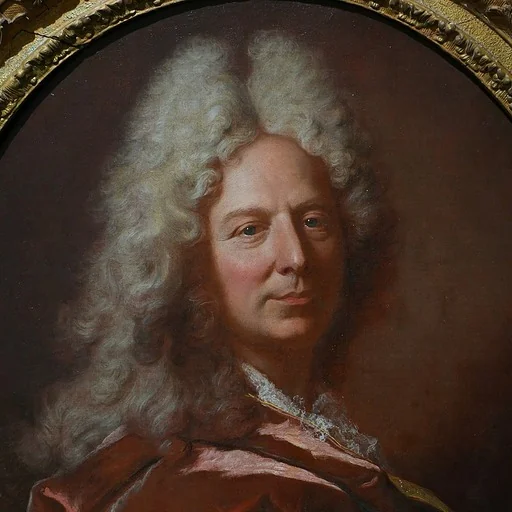
Jean Ranc (28 January 1674 – 1 July 1735) was a French painter, mainly active in portraiture.

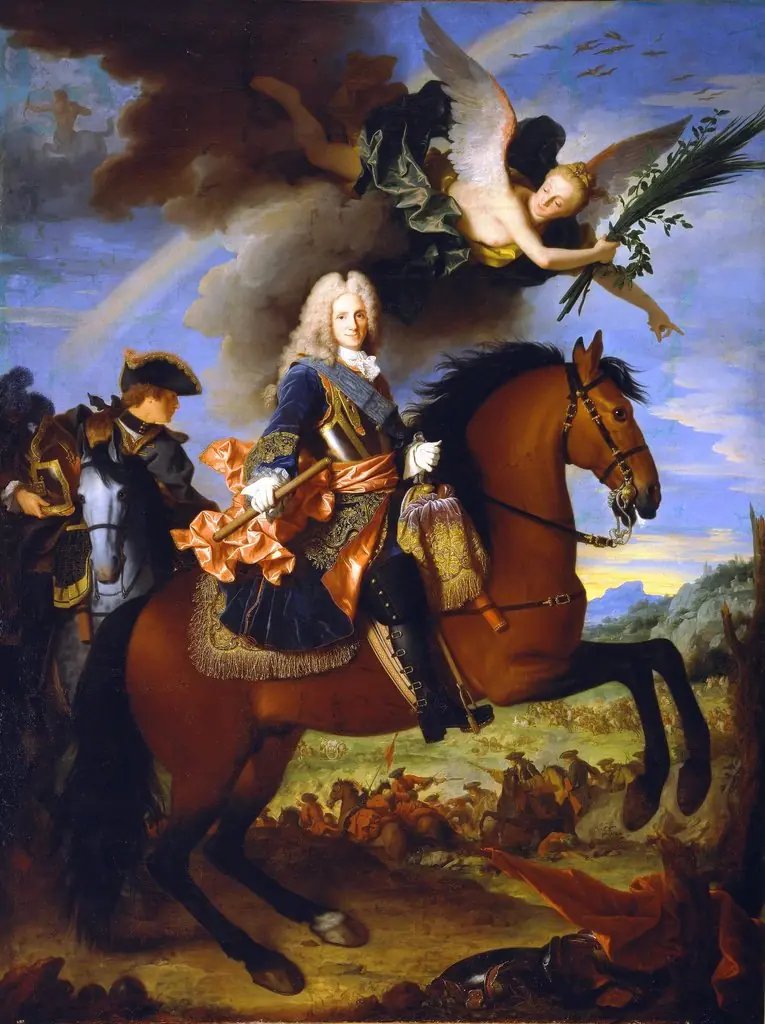 Philip V on Horseback
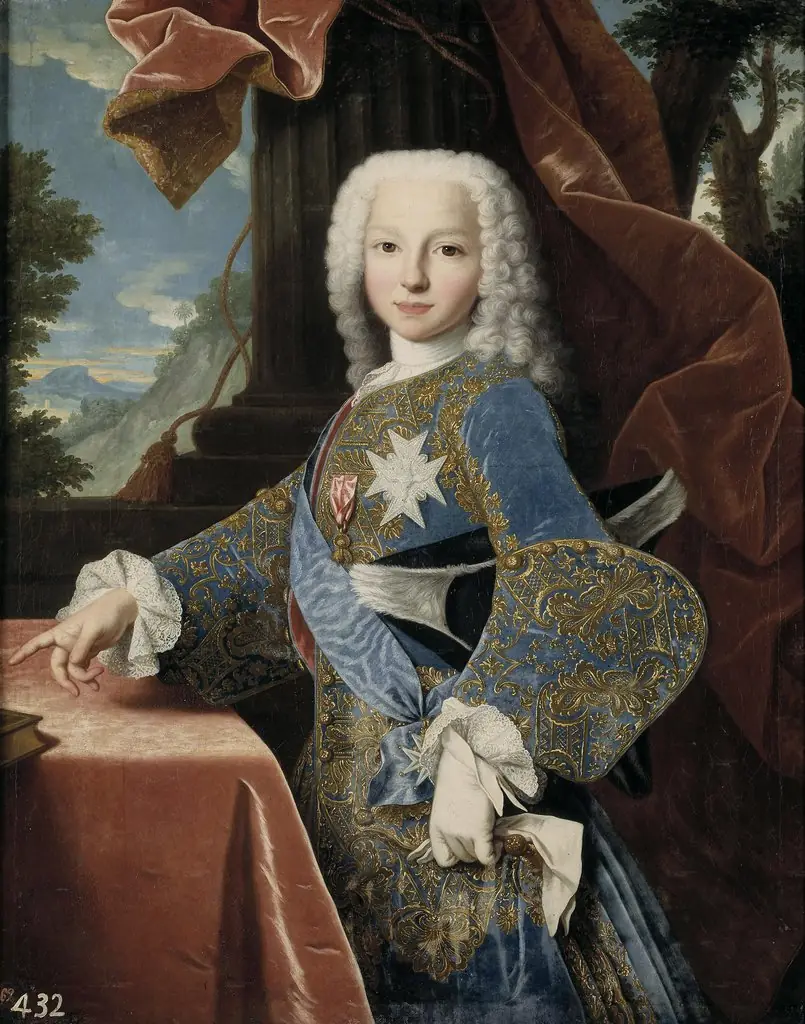 Felipe de Borbón y Farnesio, future Duke of Parma
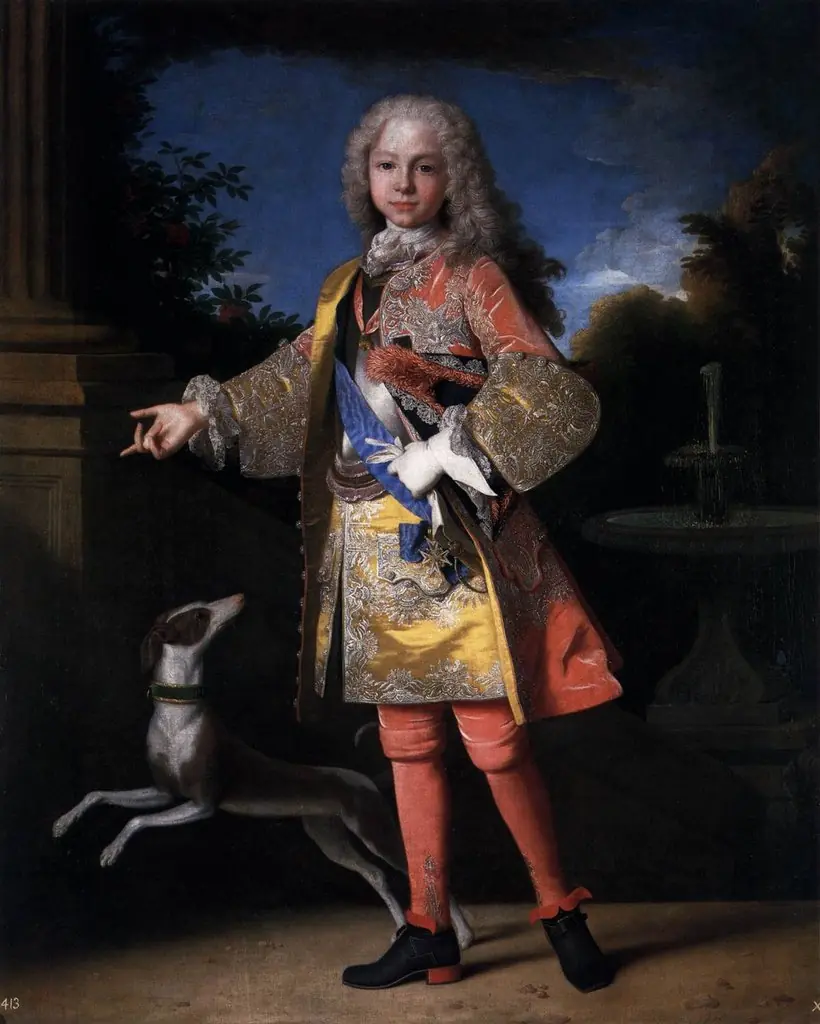 Portrait of Ferdinand VI as a Boy
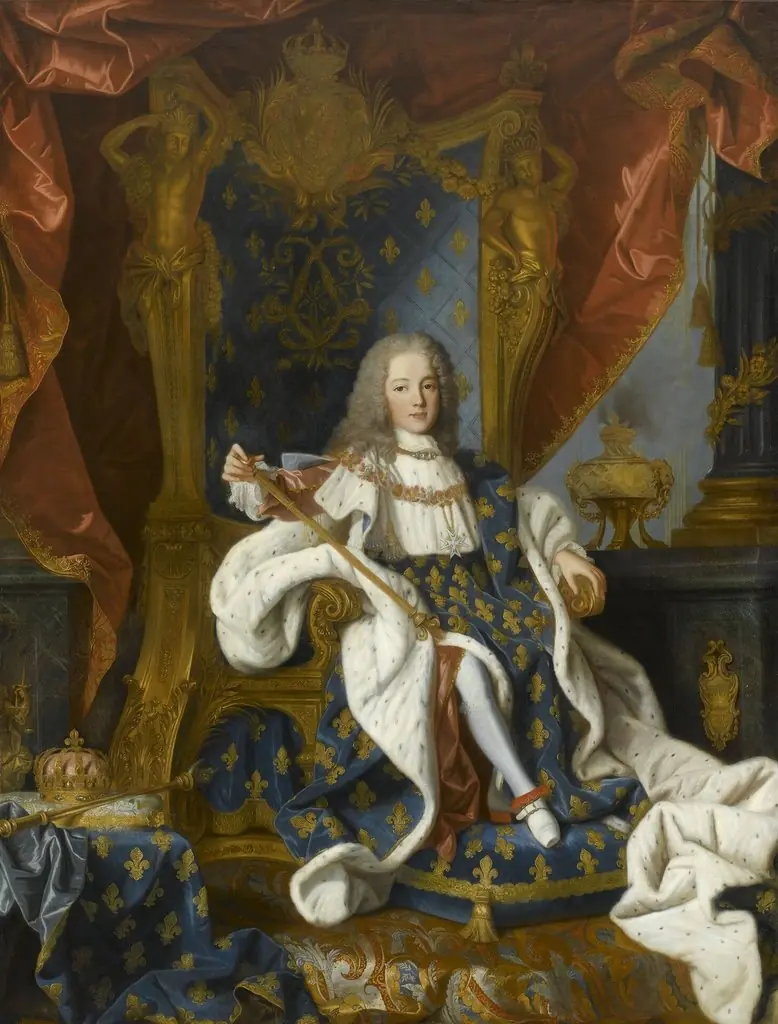 Louis XV, King of France (1710-1774)
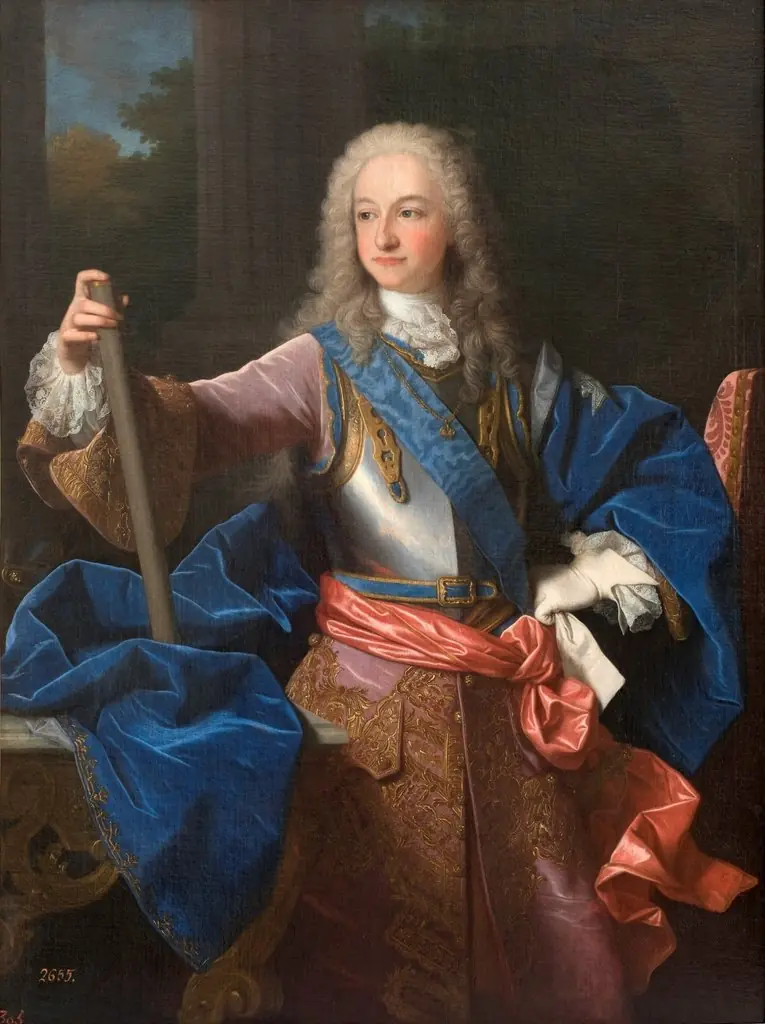 Portrait of Prince Louis of Spain
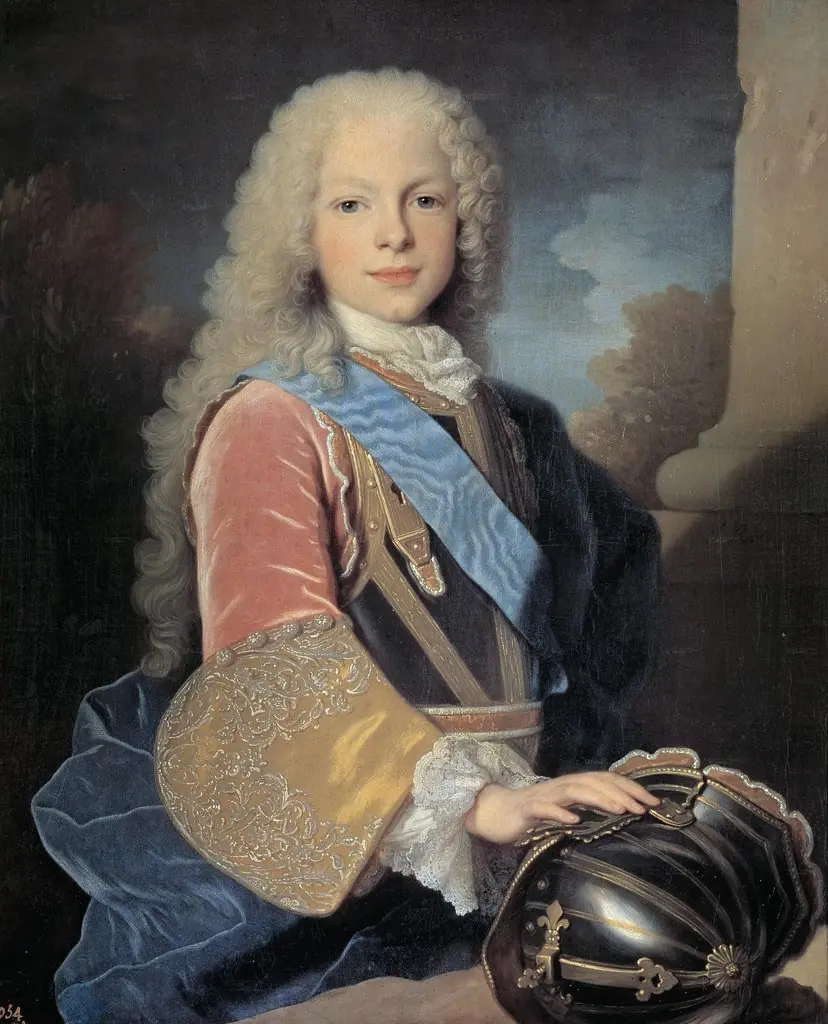 Fernando de Borbón y Saboya príncipe de Asturias (futuro Fernando VI de España)
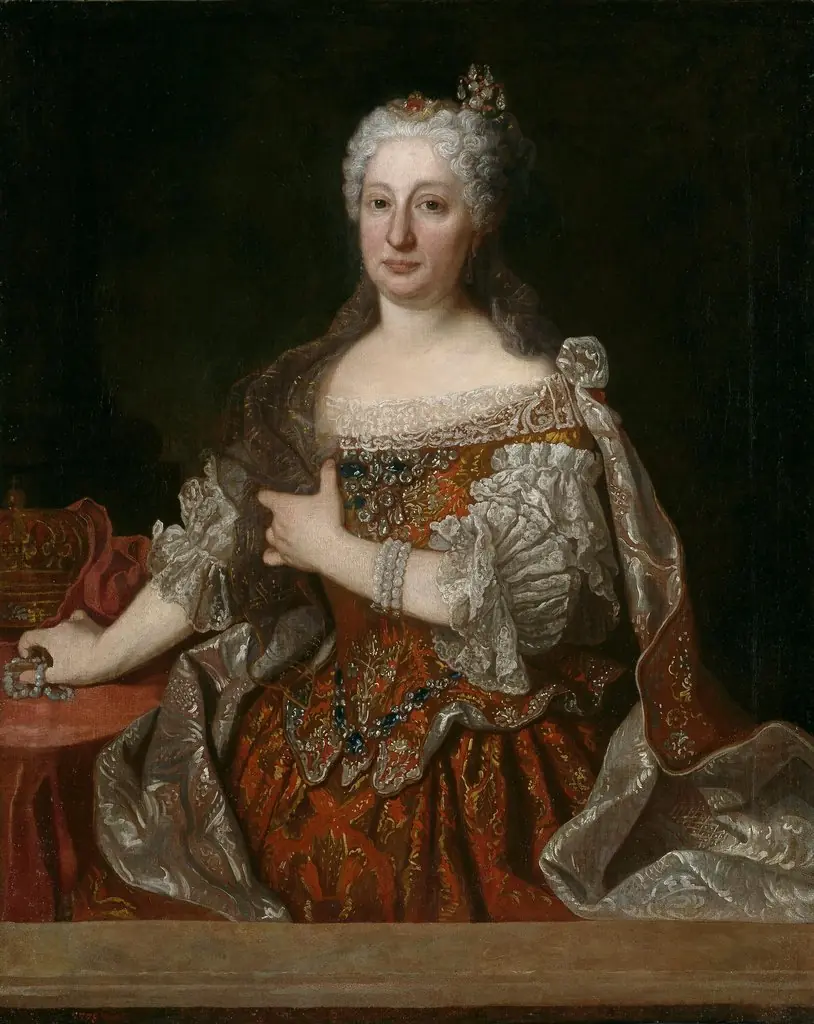 Maria Anna of Austria, Queen of Portugal
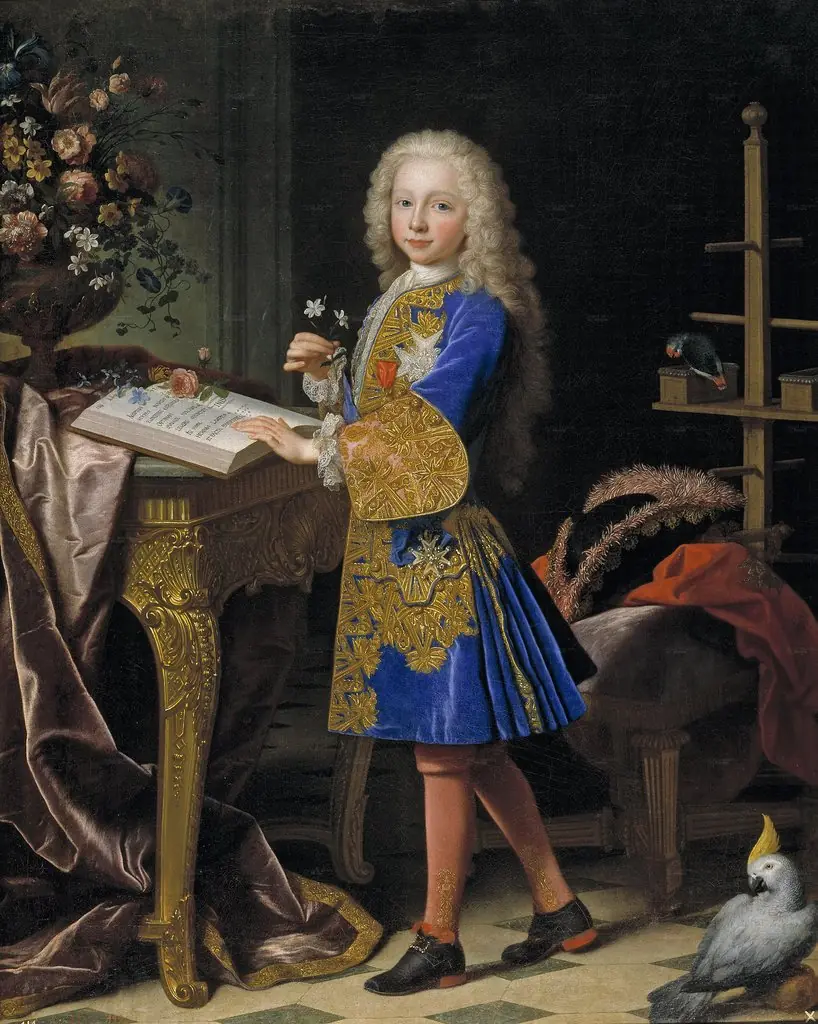 Charles III as a Child
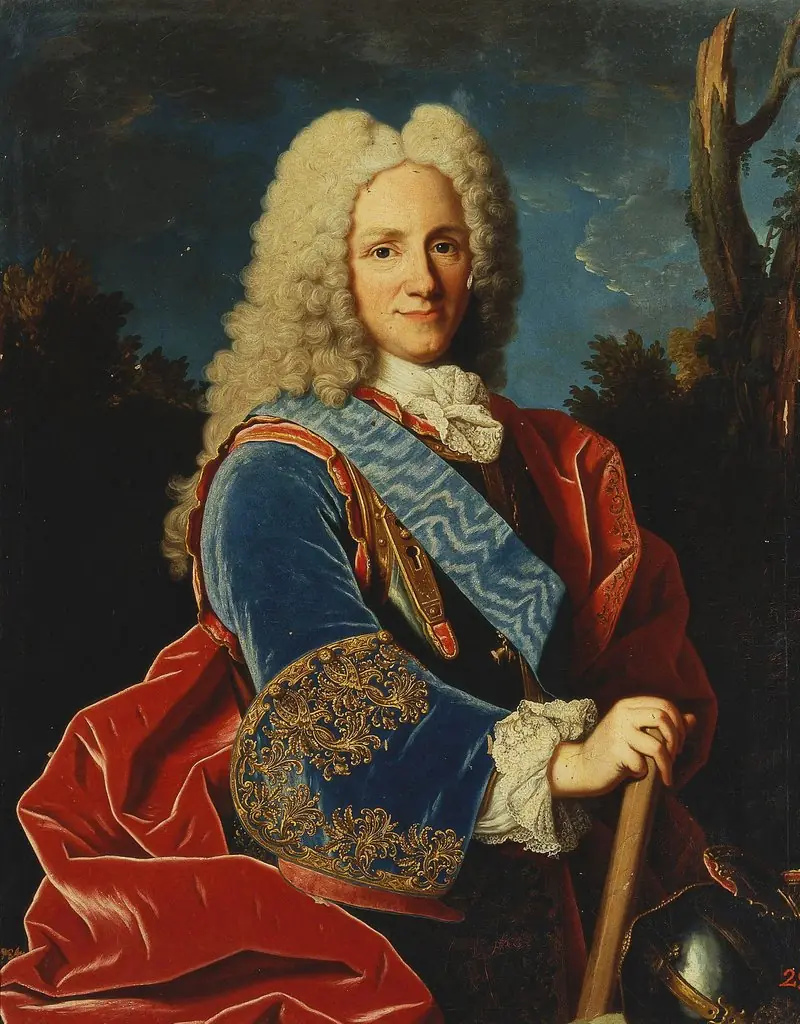 Philip V, King of Spain
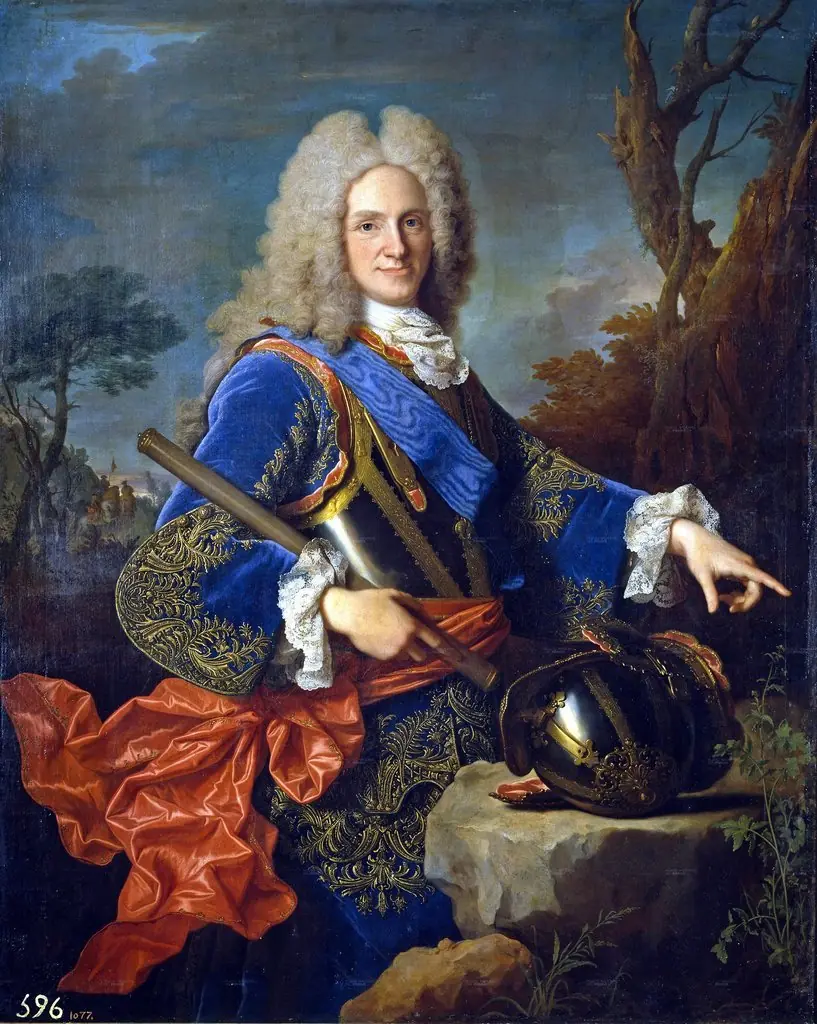 Philip V, King of Spain
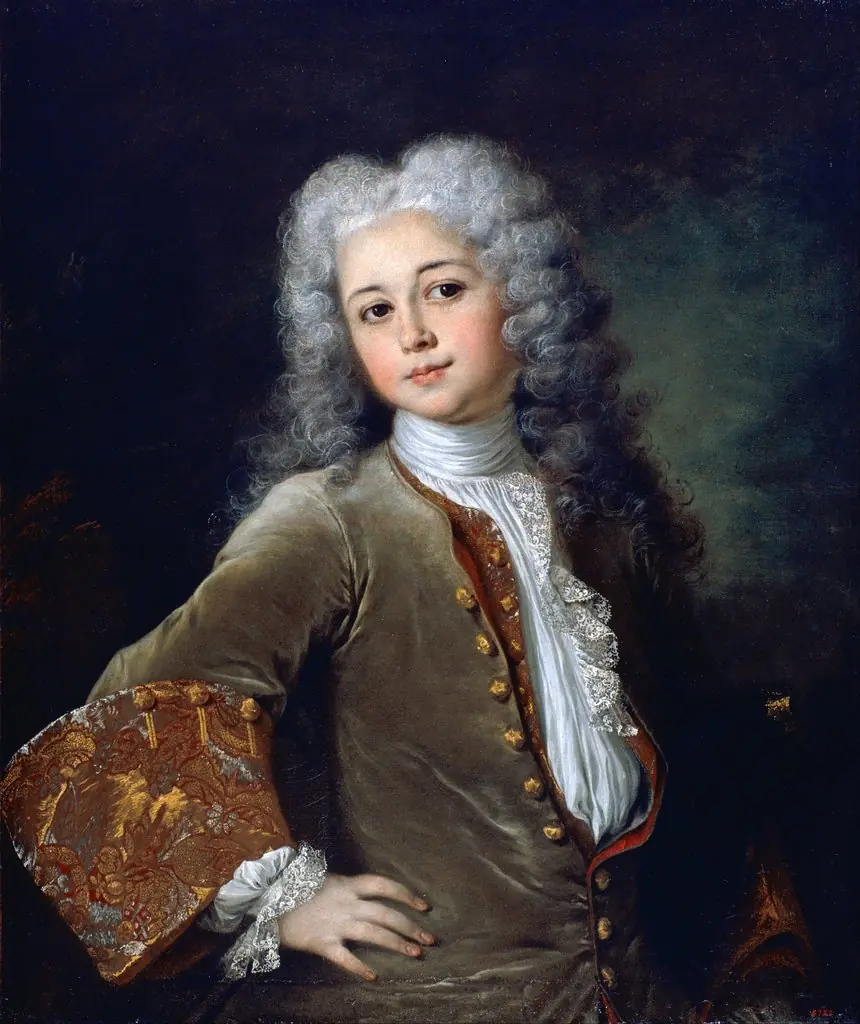 Portrait of a Young Man with a Wig
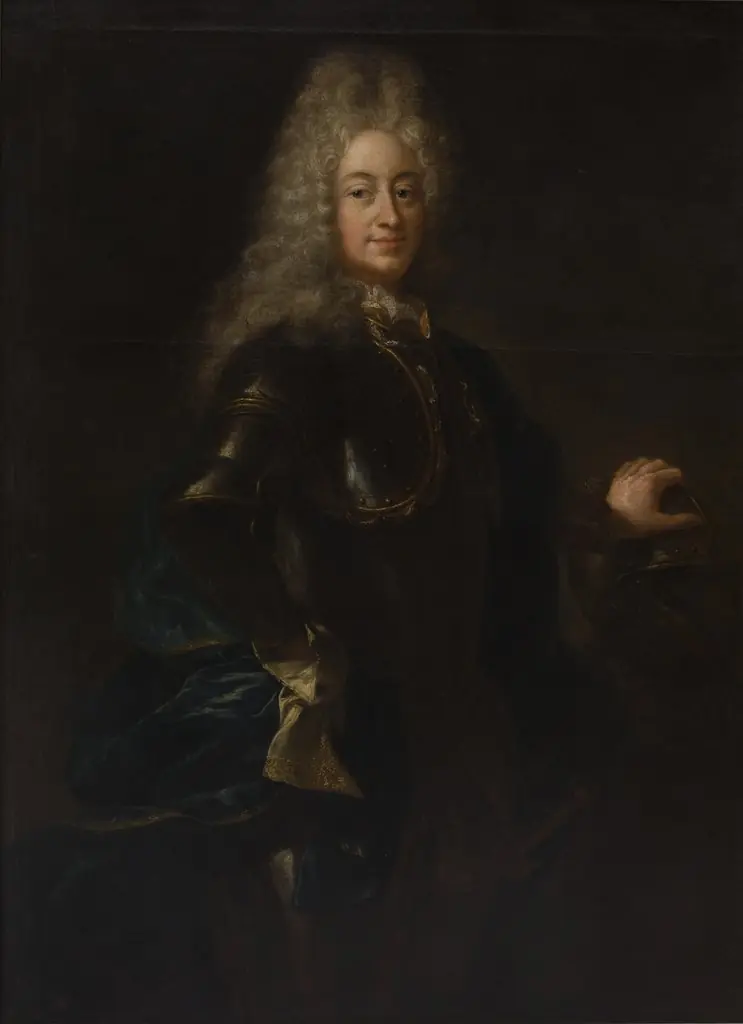 Portrait of a Nobleman in Armour
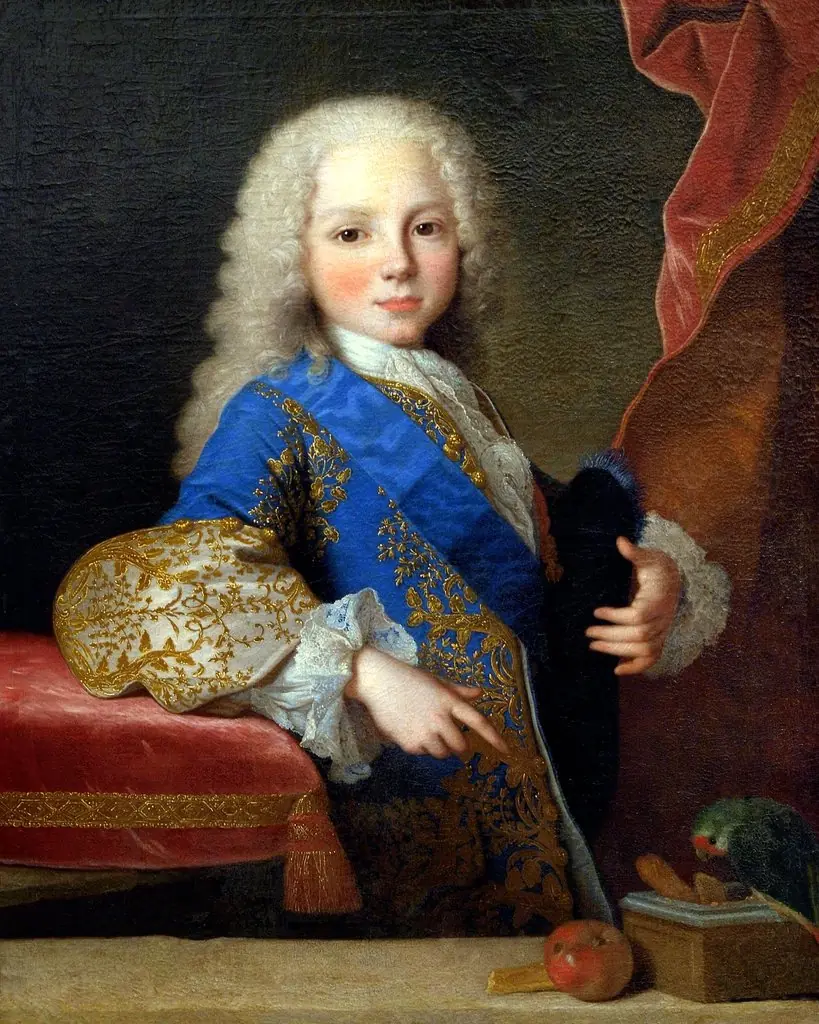 The Infant Philip of Bourbon, future Duke of Parma, Piacenza and Guastalla, in his childhood
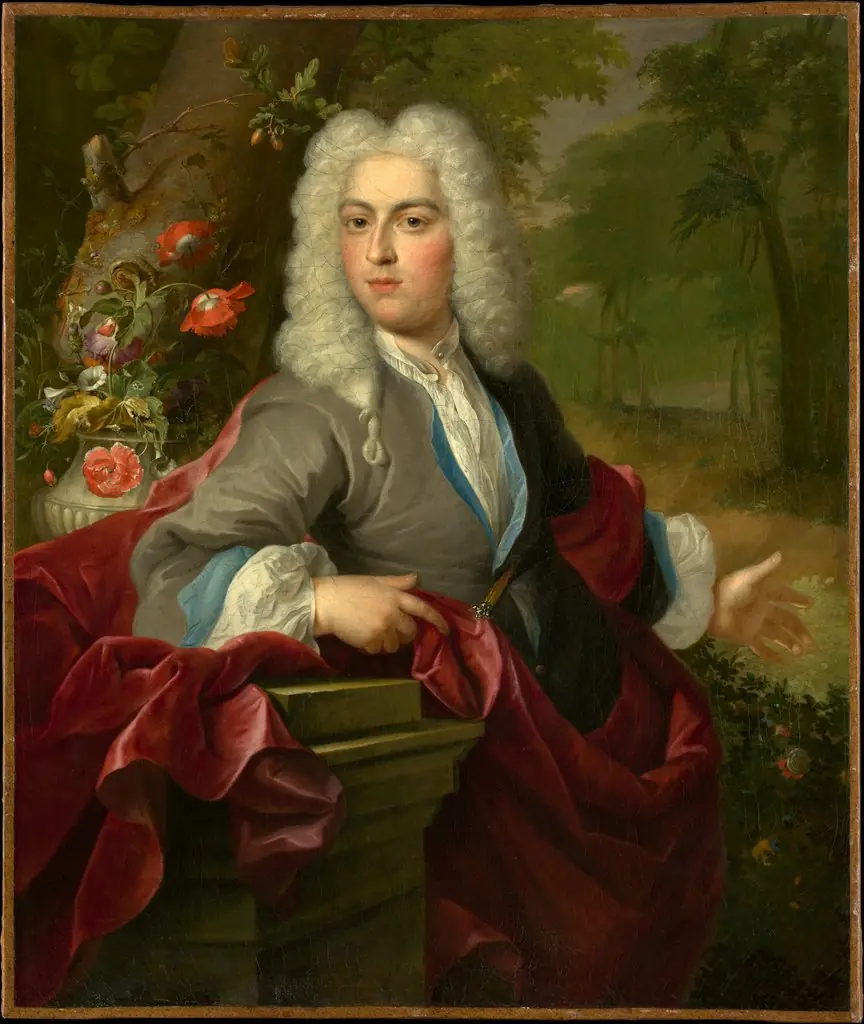 Portrait of a Man
 Portrait de Conrad Detlef, comte de Dehn
 Portrait de Louis XV, roi de France (1710-1774), représenté jeune
 John V, King of Portugal